Conditions in July
If you're dreaming of escaping the Northern Hemisphere summer for some serious underwater adventure, Fiji in July is an excellent choice. This time of year falls snugly within Fiji's dry season, which means you can expect generally stable and favorable conditions for diving. The weather topside is typically sunny with comfortable temperatures, usually hovering around 25-28°C (77-82°F), offering a pleasant reprieve from stifling humidity. The skies are often clear, and the chances of significant rainfall are low, ensuring your surface intervals are just as enjoyable as your dives.
Sea conditions in July are predominantly calm, particularly within the protective embrace of Fiji's barrier reefs. You'll encounter less swell and chop compared to the wetter, cyclonic season, making for smoother boat rides to and from dive sites. This stability is a huge plus for those prone to seasickness or simply preferring a more comfortable journey. Water temperatures during July are refreshing, averaging around 24-26°C (75-79°F). While a bit cooler than the peak summer months, it's still perfectly comfortable for extended dives, especially with the right thermal protection.
Visibility is one of Fiji's crowning glories, and in July, it truly shines. In many popular dive regions like the Bligh Water or the Rainbow Reef, you can often expect spectacular visibility ranging from 20-40 meters (65-130 feet) or even more on exceptional days. The cooler, clearer water, coupled with fewer strong localized storms, contributes to this crystal-clear environment, offering unobstructed views of Fiji's vibrant coral gardens and bustling marine life. While currents are always a factor in Fiji's nutrient-rich waters, contributing to its incredible biodiversity, they are generally predictable and manageable in July, often providing thrilling drift dives without being overly strenuous.
What you will see
July in Fiji is an absolutely prime time for encountering a breathtaking array of marine life. This period is renowned for its increased pelagic activity, making it a fantastic month for those who love their big fish encounters. You'll have excellent chances of spotting various shark species, including grey reef sharks, whitetip reef sharks, and the occasional silvertip. Larger pelagics like barracuda schools and trevallies are also frequently seen patrolling the deeper reef edges and passages. While not guaranteed, manta rays and eagle rays, though present year-round, can sometimes be observed in greater numbers as they move through passes, especially around feeding stations.
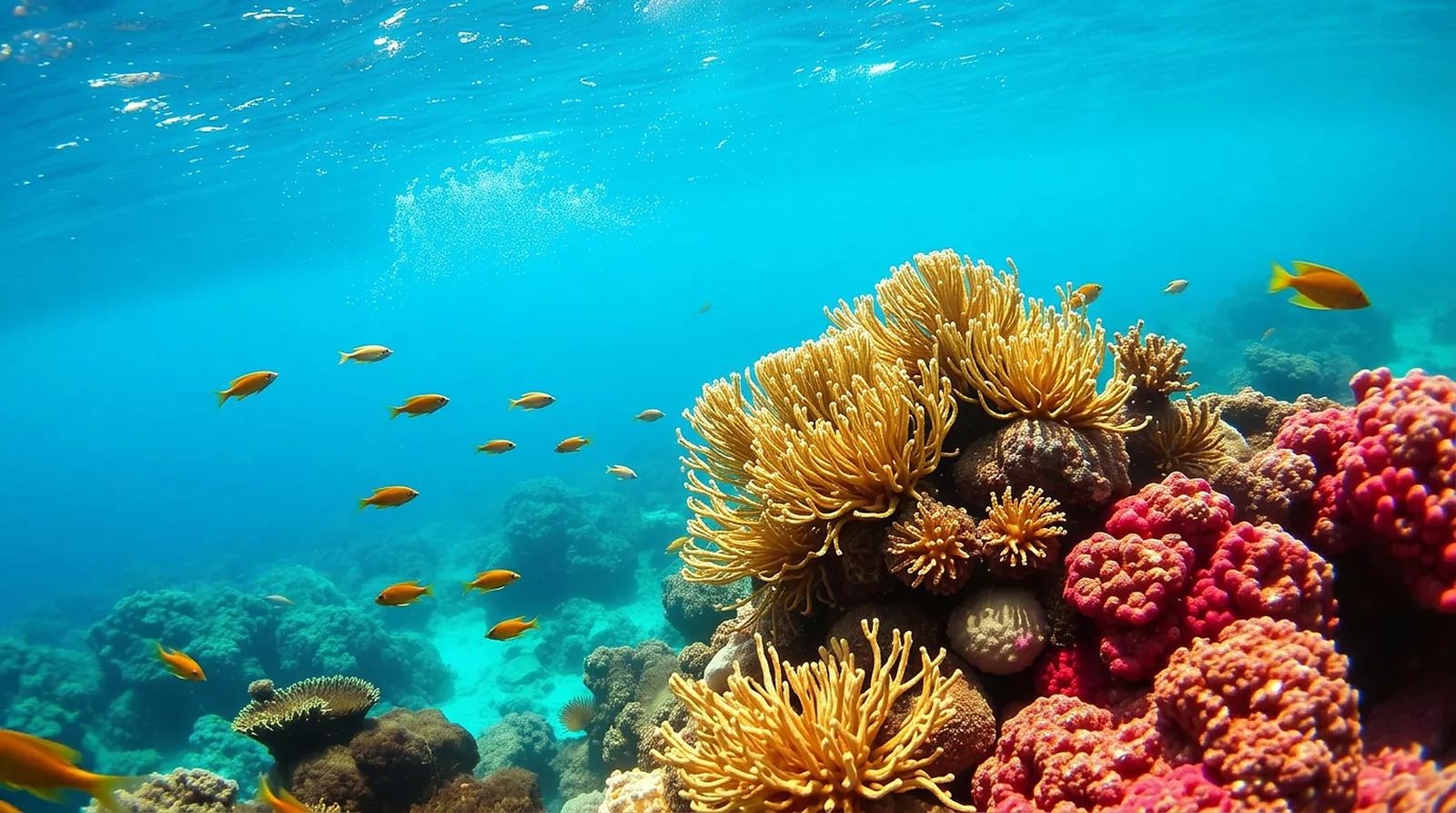
Fiji's coral reefs, often called the "Soft Coral Capital of the World," are particularly vibrant in July. The slightly cooler water temperatures often translate to healthier, more colorful soft corals, which truly bloom in a kaleidoscope of hues. You'll be absolutely mesmerized by the sheer density and diversity of these living jewels. Amongst the corals, expect to find an incredible array of reef fish: anemonefish dancing through their hosts, parrotfish munching on coral, graceful angelfish and butterflyfish, and countless damselfish and fusiliers creating a living, breathing aquarium. Keep an eye out for sea turtles – green turtles, hawksbills, and loggerheads are common visitors to Fiji's reefs.
For macro enthusiasts, Fiji in July still offers plenty of tiny wonders. Nudibranchs, often in spectacular colors and patterns, are consistently found on the reef. Critter-hunting will unveil a variety of shrimp species, gobies, pipefish, and perhaps even seahorses in specific sandy or rubble areas. The excellent visibility means you won't miss these smaller details. While specific seasonal aggregations like humpback whale migrations are typically later in the year, July provides consistent, high-quality encounters with the vast majority of Fiji's resident marine diversity, making every dive a potential discovery.
Top dive sites this month
If you're diving Fiji in July, you absolutely must prioritize regions like the Bligh Water, often accessed via liveaboard, for some of the most spectacular diving. Sites such as the E-6 Pinnacle and Mount Mutiny are phenomenal at this time. E-6, nicknamed the "Cathedral," is famous for its stunning swim-through and an incredible diversity of soft corals that are particularly vibrant in the cooler water, attracting schools of fish. Mount Mutiny, a submerged seamount, boasts a unique "Rainbow Wall" covered in an unbelievable array of soft corals, flourishing with the consistent currents and excellent visibility of July.
The Somosomo Strait, home to the legendary Rainbow Reef between Taveuni and Vanua Levu, is another must-visit. Dive sites like the Great White Wall are iconic, and in July, with the clarity and slightly cooler water, the density and health of the white soft corals are truly at their peak, creating a breathtaking underwater landscape. Other gems in the Strait include Barracuda Hole and Lettuce Patch, where strong currents often bring in pelagics and maintain the health of the hard and soft coral gardens. These sites are frequently visited by liveaboards and land-based operators alike, providing consistent world-class diving experiences, especially beneficial during July's stable conditions.
Practical tips for your trip
Given the water temperatures of 24-26°C (75-79°F) in July, we highly recommend a 3mm full wetsuit for comfortable multi-day diving. If you tend to get cold easily, or if you plan on doing multiple dives a day, a 5mm suit might be a better choice, or a 3mm coupled with a vest or hood. This month is fantastic for both beginner and advanced divers. The calm seas and excellent visibility make it less intimidating for newer divers, while the thrilling drift dives and pelagic encounters will keep even the most seasoned diver captivated. Liveaboard availability tends to be good in July, though as it's peak season, booking several months in advance is always wise to secure your preferred vessel and itinerary.
When packing for your July trip, remember to bring lightweight, breathable clothing for topside, plenty of reef-safe sunscreen, a wide-brimmed hat, and insect repellent, especially if you plan on jungle excursions. For underwater photography, the clear water and vibrant corals offer incredible opportunities, so ensure your camera gear is ready. While Fiji is generally a safe and welcoming destination, it's always good practice to have comprehensive travel insurance that covers diving activities. Be aware that most liveaboards depart from Port Denarau, so plan your international flights into Nadi (NAN) accordingly. Embrace the "Fiji Time" attitude; things move at a relaxed pace, which is all part of the charm!