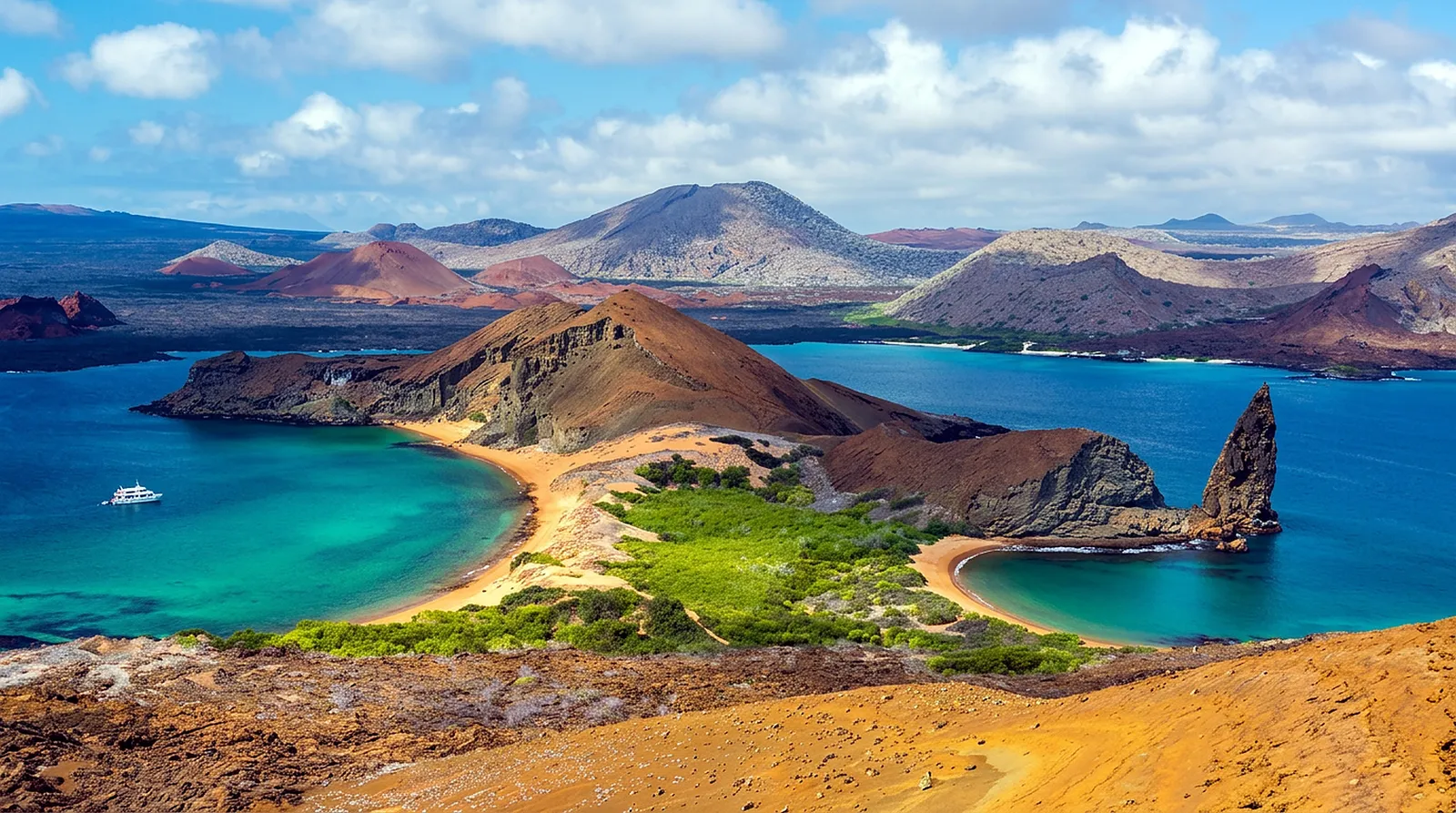
Conditions in July
July is firmly within the cooler, drier season in Galápagos, a period often referred to as the garúa season. While the air temperatures are pleasant, typically ranging from 22-26°C (72-79°F), the real story for divers is found beneath the waves. This month marks the start of the Humboldt Current’s full influence, bringing nutrient-rich, cooler waters up from the south. You can expect water temperatures to average around 18-22°C (64-72°F) across the archipelago, though they can drop as low as 15°C (59°F) in some exposed areas, particularly around Wolf and Darwin Islands. These colder waters are precisely why you’re here, as they fuel the incredible biodiversity.
Sea conditions in July can be quite dynamic. While it’s generally the drier season, the open ocean swell can be more pronounced, especially as you travel between islands and particularly around the northernmost dive sites. Expect some choppiness on crossings. Visibility, while still good, can be a bit more variable compared to the warmer months. As the nutrient-rich upwellings bring vast quantities of plankton, visibility can range from 10 meters (33 feet) in plankton-dense areas up to 20-25 meters (66-82 feet) on clearer days. The currents are often strong in July, which is fantastic for drift diving and attracting pelagics, but it also means you should be comfortable with exhilarating, fast-paced diving.
What you will see
July is absolutely prime time for big animal encounters in the Galápagos, largely thanks to those cooler, nutrient-rich waters. This is the month when you have an excellent chance of encountering massive aggregations of whale sharks, particularly around Wolf and Darwin Islands. These gentle giants are drawn to the feeding opportunities, and it's not uncommon to see multiple individuals on a single dive. Beyond the whale sharks, you'll be immersed in schools of hammerhead sharks, which are present year-round but often found in impressive numbers. Galápagos sharks, silky sharks, and white-tip reef sharks are also common sightings, often patrolling the reefs.
The abundance of food also attracts various species of rays. You'll likely see reef mantas gracefully cruising by, and look out for mobula rays in schools. Eagle rays are also a frequent sight, often seen gliding over the volcanic terrain. Beyond the headline pelagics, the resident megafauna are in full swing. Playful sea lions are almost guaranteed on many dives, particularly around sites like Cousins Rock. You might also spot Galápagos penguins darting through the water, especially in the central and western islands, and marine iguanas foraging on the seabed.
While the focus is often on the big stuff, don't forget the rich reef life. Expect to see large schools of barracuda, snappers, and grunts. Keep an eye out for endemic species too, such as the Galápagos hawkfish and Galápagos grunts. While macro life isn't the primary draw here, the sheer volume of pelagic action easily makes up for it. The overall marine ecosystem in July is incredibly vibrant and active, offering a truly immersive experience with nature's giants.
Top dive sites this month
For any dive trip to the Galápagos, Wolf and Darwin Islands are non-negotiable, and in July, they truly shine. These remote northern outposts are your best bet for those incredible whale shark encounters, often with large pregnant females. The dive sites around Darwin’s Arch and Wolf Island's various dive spots are famously current-swept cleaning stations and feeding grounds for thousands of hammerhead sharks, Galápagos sharks, and silvertip sharks. You'll literally be surrounded by sharks at times, making for an unforgettable experience.
Moving south, Punta Vicente Roca off Isabela Island is another fantastic site for July, especially known for its colder upwellings. Here, you have a great chance of seeing Galápagos penguins feeding, as well as green sea turtles, vast schools of salemas, and even some sunfish (mola mola) if you're lucky. The underwater volcanic formations are dramatic, and the marine life is dense. Finally, Cousins Rock, near Santiago Island, offers a superb drift dive relatively close to the central islands. This site is particularly good for playful sea lions, eagle rays, many types of colourful reef fish, and nudibranchs, providing a slightly different flavour of Galápagos diving compared to the northern pelagic extravaganzas.
Practical tips for your trip
Given the cooler water temperatures in July, a good, thick wetsuit is absolutely essential. We highly recommend a 7mm full-body wetsuit, and many divers opt to add a hooded vest or even a drysuit for maximum comfort during multiple dives a day. Think about layers – a 5mm topped with a 3mm shorty can also work. Due to the variable visibility and strong currents, this month is definitely best suited for advanced divers with experience in drift diving and comfort in challenging conditions. The currents can be relentless, and you'll need good buoyancy control and the ability to hold your position.
Liveaboard availability can be tight during this peak season for whale sharks, so it's wise to book your trip well in advance – think 9-12 months out. Pack seasickness medication, even if you don't usually need it, as the crossings between islands can be rough. A reef hook can be useful for some sites, allowing you to secure yourself in strong currents and simply watch the pelagic show without expending too much energy. Lastly, remember that the Galápagos are a protected national park; familiarize yourself with the strict regulations and be prepared to follow all guidelines set by your dive guide to help preserve this unique and fragile ecosystem.
Year-round overview for the Galápagos
Frequently asked questions
Is July a good month to dive in the Galápagos?
What can you see diving in the Galápagos in July?
Should I book a the Galápagos liveaboard for July or wait?
Find a liveaboard for July
Compare available the Galápagos liveaboards departing in July.
Search and Book