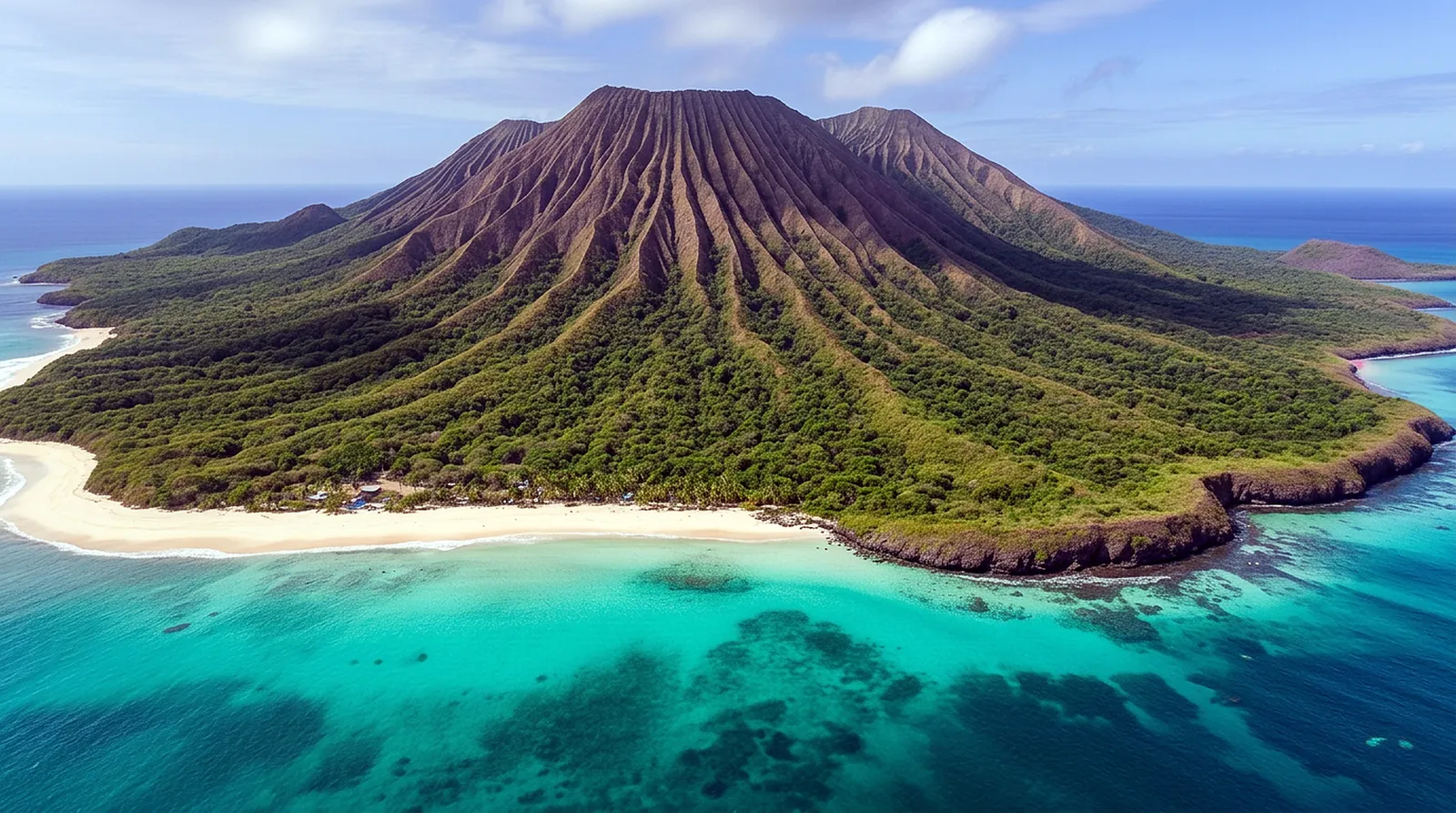
Conditions in July
July in Komodo National Park is nothing short of spectacular, marking the peak of the dry season and offering some of the best diving conditions of the year. The weather above water is typically sunny with clear blue skies and relatively low humidity, providing perfect conditions for relaxing on the sundeck between dives. You can expect daytime temperatures to be a comfortable 28-32°C (82-90°F). While the surface can sometimes be a bit choppy due to stronger winds, especially in more exposed areas, this stability usually translates to fantastic diving conditions below.
Water temperatures during July generally range from a balmy 25°C (77°F) in the north of the park to a cooler 22-24°C (72-75°F) in the south, particularly around dive sites like Manta Point or Batu Bolong, where upwellings bring nutrient-rich, cooler waters to the surface. Visibility is consistently excellent throughout the park, often exceeding 20-30 meters (65-100 feet). This crystal-clear water, combined with abundant sunshine, makes for truly breathtaking underwater landscapes and fantastic photography opportunities.
Currents are a defining feature of Komodo diving year-round, and July is no exception. In fact, due to the dry season’s prevailing winds and tidal forces, currents can be particularly strong. Expect exhilarating drift dives and be prepared for challenging conditions at some sites. These currents, however, are precisely what make Komodo such a vibrant marine ecosystem, bringing a constant supply of food for its diverse inhabitants. Your liveaboard crew and dive guides are experts at navigating these conditions, always prioritizing safety and finding the best windows to dive specific sites.
What you will see
July is prime time for big fish action in Komodo, and you're in for an absolute treat. The cooler, nutrient-rich waters that characterize this time of year attract an incredible array of pelagic species. Expect frequent sightings of majestic manta rays gracefully gliding over cleaning stations, particularly at sites in the south. These gentle giants are often seen in large numbers, offering unforgettable encounters as they feed and get cleaned. You might also spot various species of reef sharks, including whitetips and blacktips, patrolling the reefs, along with occasional grey reef sharks in the deeper channels.
Beyond the headline pelagics, the sheer diversity of reef life is astounding. Schools of fusiliers, snappers, and sweetlips create living curtains of fish, while giant trevallies and dogtooth tuna are often seen hunting in the blue. Keep an eye out for Napoleon wrasse, bumphead parrotfish, and various types of groupers. The vibrant coral reefs, both hard and soft, are in pristine condition, teeming with life. Eagle rays are regular visitors, and if you are lucky, you might even catch a glimpse of an oceanic sunfish (Mola mola) around deeper, cooler pinnacles, though they are less common here than in Bali.
While Komodo is renowned for its big animal encounters, don't overlook the incredible macro life bustling on the reefs. Dedicated macro enthusiasts will find plenty to delight them, from colorful nudibranchs and flatworms to various species of pygmy seahorses tucked away in gorgonian corals, especially in the central and northern areas. Frogfish, flamboyant cuttlefish, and an array of crustacean life are also common sightings. The combination of abundant pelagics and intricate macro makes Komodo a truly comprehensive diving destination in July, catering to all aesthetics.
Top dive sites this month
Given the conditions in July, several Komodo dive sites truly shine. Batu Bolong, often called "Komodo's jewel," is magnificent this month. Situated in the central part of the park, it's a pinnacle bustling with life. The strong currents here bring in copious nutrients, attracting schools of fish, sharks, and robust coral growth. Your dive guide will plan your approach carefully to allow you to shelter in the current-protected lee of the pinnacle and enjoy the vibrant spectacle. Another must-visit is Castle Rock, also in the north. This submerged pinnacle is famous for its exhilarating currents and the sheer volume of pelagic fish it attracts, including barracudas, trevallies, and often grey reef sharks. It's a high-adrenaline dive that perfectly showcases Komodo's dynamic ecosystem.
For manta encounters, Manta Point (Karang Makassar) in the central part of the park is exceptionally reliable in July due to the upwellings that bring in plankton. You can often see multiple mantas feeding and circling the cleaning stations. While the visibility here can sometimes be slightly reduced compared to other sites due to the plankton, the sheer number of mantas makes it an unforgettable experience. South of Komodo Island, the dive site Padar Island (home to the iconic viewpoint) and its surrounding dive sites offer vibrant corals and often cooler waters with excellent visibility, showcasing a different, breathtaking landscape. For macro enthusiasts, the dive sites around Komodo Island itself, like Wainilu, offer fantastic opportunities to spot nudibranchs, frogfish, and other small critters in calm bays, providing a perfect contrast to the high-octane drift dives.
Practical tips for your trip
Given the varied water temperatures in July, packing appropriate exposure protection is crucial. While the north can be warm enough for a 3mm wetsuit, the cooler southern waters around Manta Point or Batu Bolong will have you very grateful for a 5mm wetsuit, or at least a 3mm with a vest or hood. Don't underestimate the chill of repeated dives in cooler water. Considering the potentially strong currents, a reef hook can be a useful tool at some sites for comfort (never to be used on live coral, of course), and your dive operator will likely provide them. This month is best suited for experienced divers comfortable with drift diving and strong currents. Beginners may find some sites challenging, but liveaboards often have diverse itineraries catering to various skill levels, offering calmer sites too.
Liveaboard availability in July, being peak season, gets booked up fast. We highly recommend booking your Komodo liveaboard well in advance to secure your preferred boat and dates. Besides your dive gear, pack light, breathable clothing for surface intervals, sun protection (high SPF sunscreen, hat, sunglasses), and motion sickness medication if you're prone to seasickness, as surface conditions can sometimes be choppy. Remember to bring a good camera to capture the incredible sights, both above and below the water. Finally, be aware that Komodo National Park has an entrance fee, usually included in your liveaboard package, which contributes to the conservation efforts of this magnificent UNESCO World Heritage site. Prepare for an unforgettable adventure!