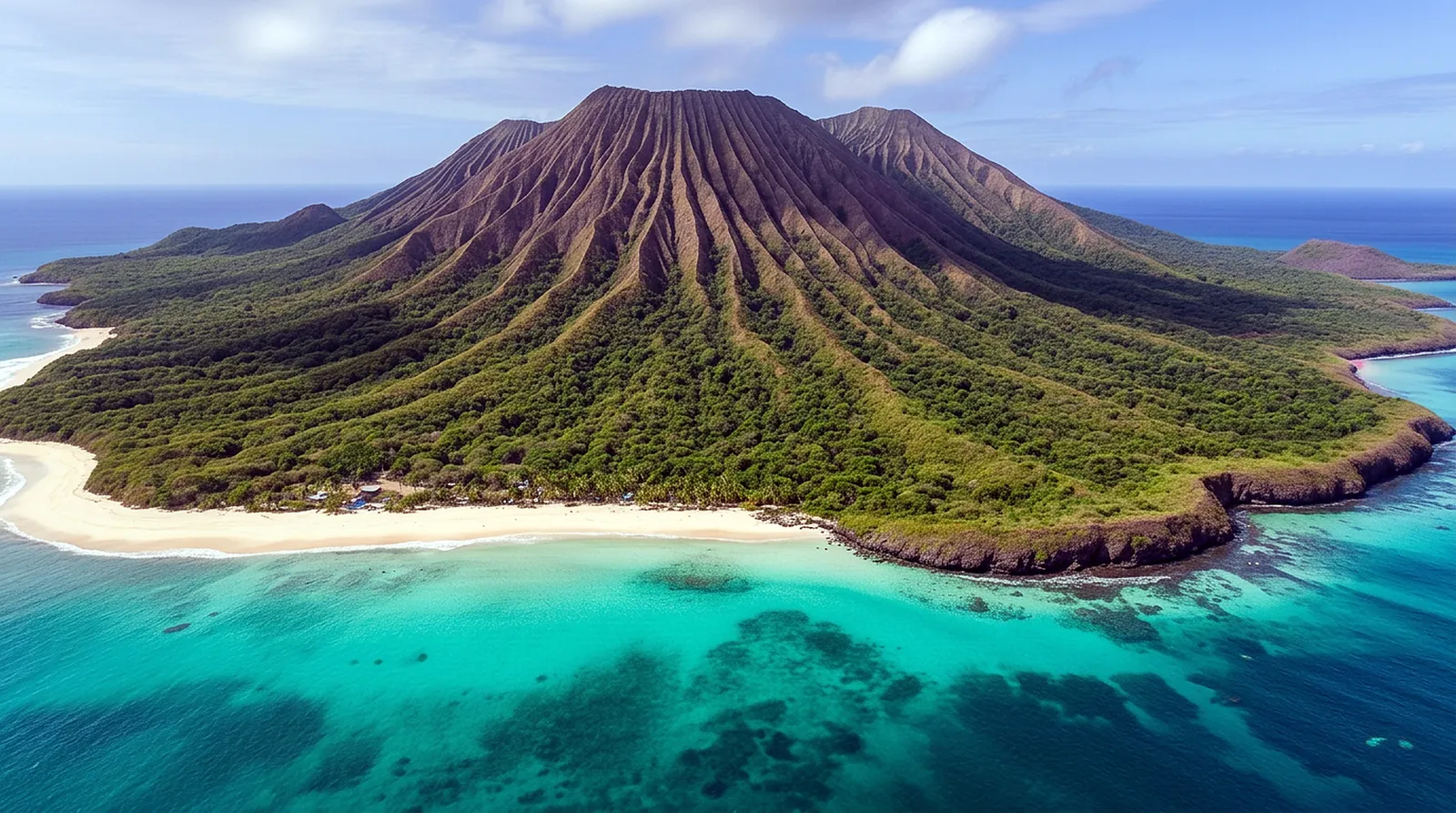
Conditions in February
February in Komodo often brings to mind the monsoon season, and rightly so. This period, typically from December to March, marks the wet season across much of Indonesia. For Komodo, this means a distinct shift in environmental conditions. While the term "monsoon" can conjure images of incessant downpours, it's more nuanced than that. You can expect more frequent and sometimes intense rain showers, especially in the afternoons, but these are often interspersed with periods of sunshine. The sea state during February can be a mixed bag; while some days offer calm, glassy conditions, others, particularly when fronts pass through, can see choppier waters and stronger winds. This can, at times, affect crossing comfort on liveaboards and the accessibility of certain exposed dive sites. However, the internal channels and sheltered bays often remain quite manageable.
Water temperatures during February are generally consistent and comfortable, hovering around 27-29°C (81-84°F) throughout most of the park. Visibility, however, experiences a notable change compared to the drier months. The increased rainfall and runoff from the islands can bring more suspended particulate matter into the water, and plankton blooms are more prevalent. This often translates to visibility ranging from 8-15 meters, though clearer pockets can certainly be found, especially on deeper dives or in areas with strong, flushing currents. Speaking of currents, Komodo is famous for them year-round, and February is no exception. These currents remain a dominant feature of the diving experience, often dictating dive planning and offering exhilarating drifts.
What you will see
Despite the wetter weather, February offers a unique and incredibly rewarding diving experience in Komodo, largely due to the increased planktonic activity. This rich nutrient soup attracts a fantastic array of marine life. This is prime time for pelagic encounters. While manta rays are a year-round highlight in Komodo, February sees a particularly active period for them, often in larger aggregations, as they feast on the abundant food supply. You'll likely encounter both reef mantas and, with a bit more luck, the majestic oceanic mantas around cleaning stations and feeding grounds. You can also expect frequent sightings of reef sharks – both blacktip and whitetip are common – patrolling the reefs, along with barracudas, trevallies, and various tuna species.
The increased plankton also contributes to a vibrant macro scene. Keep an eye out for interesting nudibranchs, frogfish, pygmy seahorses, and a plethora of tiny crustaceans hiding in the corals. Schools of fusiliers, snappers, and sweetlips are abundant, and the vibrant coral reefs themselves are a spectacle of color and life, providing a backdrop for all these interactions. While whale shark sightings are never guaranteed, the higher plankton concentrations in February slightly increase the odds, making it an exciting possibility, especially on the fringes of the park or during longer crossings. The unique blend of nutrient-rich waters and consistent currents ensures that Komodo’s extraordinary biodiversity is on full display.
Top dive sites this month
While some of the more exposed sites might be occasionally challenging due to sea conditions, many prime Komodo dive sites thrive in February. Manta Point (also known as Karang Makassar) is absolutely a top pick this month. The increased plankton often draws in significant numbers of manta rays, making it an almost guaranteed show. You’ll witness them circling cleaning stations and performing graceful balletic feeds. Another must-visit is Batu Bolong, renowned for its incredible coral health and intense fish life. The strong currents here mean you mostly hook in and enjoy the show, but its pinnacle shape provides some shelter and sustains a truly dazzling ecosystem, unaffected by surface conditions. The rich waters of February only enhance the already spectacular scene here.
For those seeking something slightly different, the dive sites around northern Komodo and south of Rinca Island often provide excellent conditions. Castle Rock and Crystal Rock, despite their notoriously strong currents, are fantastic in February because the vibrant pelagic action is amplified by the sheer abundance of food. However, they may require more careful assessment of surface conditions before diving. For superb macro and sheltered conditions, sites like Wainilu and Cannibal Rock offer a different experience. Wainilu, in particular, is a macro heaven, perfect for spotting frogfish, nudibranchs, and other critters that thrive in the more turbid, nutrient-rich waters often found in February. Cannibal Rock is a rich, colorful pinnacle that bursts with life and is relatively protected, making it a reliable and spectacular dive in any weather.
Practical tips for your trip
When packing for a Komodo trip in February, consider bringing a light wetsuit, perhaps a 3mm shorty or a full 3mm suit, given the warm water temperatures of 27-29°C (81-84°F). However, if you do multiple dives a day or tend to get cold easily, a full 5mm suit might offer a bit more comfort, especially for longer dives or if currents are strong. This month generally suits intermediate to experienced divers best. While there are certainly some easier, sheltered dives, Komodo is famous for its currents, which can be particularly exhilarating in February. Beginners might find the conditions, combined with potentially lower visibility, a bit overwhelming. Therefore, having a good level of experience with current diving is highly recommended.
Liveaboard availability during February tends to be good, as it falls outside the peak season. This means you might find better deals and less crowded boats – a definite bonus! However, it's still wise to book in advance, especially if you have specific dates or boats in mind. Be sure to pack a good waterproof jacket and dry bags for your electronics, as rain showers are common. A positive attitude towards the weather is also key; embrace the tropical showers as part of the experience. Finally, always listen carefully to your dive guides; they are experts on current conditions and will ensure you have the safest and most rewarding dives possible, regardless of the unique challenges and opportunities that Komodo's February weather brings.
Year-round overview for Komodo
Frequently asked questions
Is February a good month to dive in Komodo?
What can you see diving in Komodo in February?
Should I book a Komodo liveaboard for February or wait?
Find a liveaboard for February
Compare available Komodo liveaboards departing in February.
Search and Book