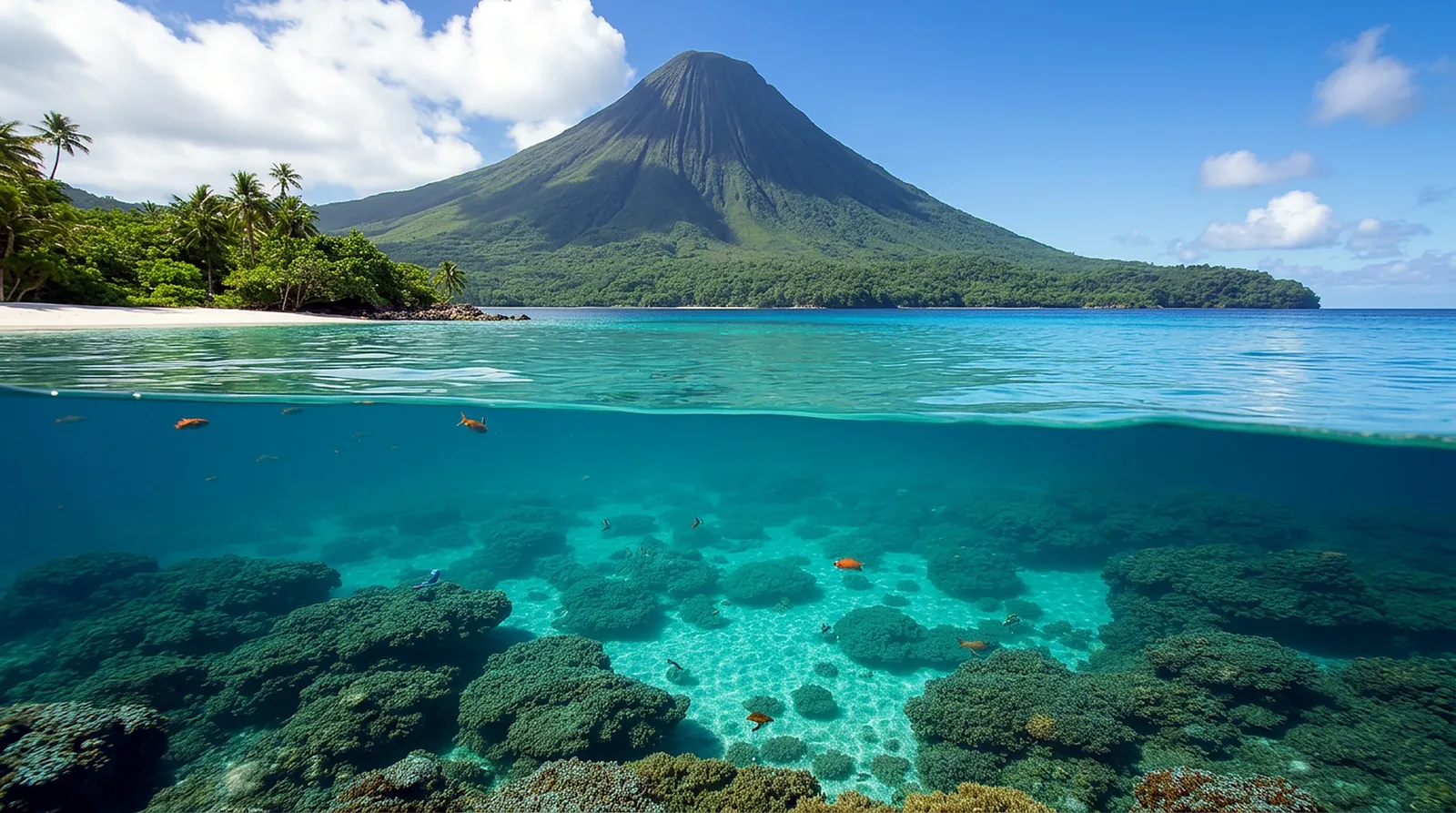
Conditions in February
February in the Solomon Islands ushers in a distinctive set of conditions for divers. While it falls within the wet season, don't let that deter you; it often translates to lush green islands and occasionally dramatic skies that offer a unique backdrop to your adventures. You can generally expect air temperatures to hover around a balmy 28-32°C (82-90°F), with humidity levels that remind you you're firmly in the tropics. The sea state during February can be a bit more varied than in the drier months. While many areas remain protected and calm, you might encounter moderate chop or swells, especially in more exposed channels or between islands. Most liveaboards are well-equipped to handle these conditions, and your skipper will always prioritize your comfort and safety.
Underwater, the conditions remain consistently appealing. Water temperatures are beautifully warm, typically ranging from a delightful 28-30°C (82-86°F), making long dives comfortable even with minimal thermal protection. Visibility often hovers between an impressive 15-30 meters (50-100 feet), though occasional plankton blooms associated with the wet season can sometimes reduce it in specific areas. These blooms, however, are often a precursor to exciting marine life encounters. Currents are a constant and defining feature of Solomon Islands diving, present year-round to some extent. They can range from gentle drifts to exhilarating rides, and February is no exception. Advanced divers, in particular, will relish the dynamic environment these currents create, bringing nutrients and, consequently, large pelagics.
What you will see
February diving in the Solomon Islands continues to deliver the region's legendary biodiversity in spades. While some areas might experience increased plankton during the wet season, this often acts like a magnet for larger filter feeders and their predators. You'll still have excellent chances to encounter a wide array of sharks, including grey reef sharks, whitetip reef sharks, and the occasional silvertip cruising the outer reef edges. Schooling barracuda and jacks are a common sight, forming mesmerizing tornados that spiral and engulf you. Keep your eyes peeled for dogtooth tuna and other pelagic hunters patrolling the drop-offs. The wrecks, always a highlight here, also provide a home for resident schooling fish and opportunistic predators.
Macro enthusiasts will find plenty to keep them occupied, even if the grand pelagic show is in full swing. February sees the continuation of vibrant reef life, with an abundance of nudibranchs, flatworms, and various crustaceans nestled amongst the corals. The healthy reefs are teeming with countless species of reef fish, from colourful anthias and damselfish to angelfish and butterflyfish. If you're lucky, you might spot pygmy seahorses camouflaged on seafans, especially in deeper sections. The Solomon Islands are particularly renowned for their pristine hard and soft coral gardens, which are vibrant and thriving year-round, and February is no different.
While the peak manta ray season is often considered to be later in the year, consistent sightings can still occur in February, particularly in deeper channels where currents bring in nutrient-rich water. Mobula rays, a smaller cousin to the manta, are also a frequent and exciting encounter. The sheer density of reef biodiversity means every dive offers something new, whether it's a rare critter camouflaged on a sponge or a large territorial grouper surveying its domain.
Top dive sites this month
For February diving, the Russell Islands region is an absolute must-visit. Dive sites like "Taun's Magic" and "Karumolun Point" truly come alive, showcasing spectacular wall diving, vibrant coral formations, and often strong currents that attract schooling fish and pelagics. The famous "Custom Kai Bar," a thrilling cave dive, offers incredible light penetration and the chance to spot various reef creatures hiding in the shadows. The protection offered by the islands also means these sites can often be dived comfortably even if the sea state is a little choppier elsewhere.
Another prime area for February is the Florida Islands (Nggela Islands). Sites like the "Twin Tunnels" and "Gavutu Wreck" provide exceptional experiences. Twin Tunnels is a truly unique dive where you descend through two vertical lava tubes, emerging onto a vibrant coral wall. "Gavutu Wreck," a WWII Japanese cargo ship, is an artificial reef absolutely teeming with marine life, offering both historical intrigue and incredible biodiversity. Further afield, heading towards Marovo Lagoon in the Western Province offers stunning pristine reefs and a chance to explore a truly untouched paradise, even if slightly more exposed to the elements. Remember that the flexibility of a liveaboard often means your itinerary can be adapted to make the most of the prevailing conditions, ensuring you hit the best spots.
Practical tips for your trip
Given the warm water temperatures, a 3mm shorty or even just a rash guard will usually suffice for most divers in February. If you're prone to getting cold or plan on doing multiple dives a day, a full 3mm wetsuit would offer ample protection. Due to the presence of currents and the nature of the diving, the Solomon Islands are generally best suited for intermediate to advanced divers. While there are calmer, shallower sites suitable for beginners, the iconic dives often involve current, deeper profiles, and drift diving.
Liveaboard availability in February can sometimes be a little more open than the absolute peak dry season, but it's still wise to book several months in advance, especially for popular boats. Packing light, breathable clothing is a good idea for topside comfort. Don't forget reef-safe sunscreen, a good hat, swimwear, and plenty of insect repellent. While liveaboards generally have decent medical kits, it's always wise to bring any personal medications you might need. Be aware that internet connectivity can be sparse or non-existent in more remote areas, allowing you to truly disconnect and immerse yourself in the experience. Embrace the occasional rain shower; they are usually short-lived and add to the tropical ambiance, and you'll be wet diving anyway!
Year-round overview for the Solomon Islands
Frequently asked questions
Is February a good month to dive in the Solomon Islands?
What can you see diving in the Solomon Islands in February?
Should I book a the Solomon Islands liveaboard for February or wait?
Find a liveaboard for February
Compare available the Solomon Islands liveaboards departing in February.
Search and Book