Conditions in February
So, you're dreaming of diving Madagascar in February? Let's talk brass tacks. This isn't exactly peak season, and it's crucial to understand why: February typically sits right in the thick of Madagascar's cyclone season. This means that while some operators might offer trips on the fringes, many will have ceased operations for safety reasons, particularly along the eastern and northern coasts. Expect a mixed bag when it comes to weather. You’re looking at higher chances of rain, sometimes heavy, and potentially strong winds that can whip up the sea. This isn't your glass-calm, sun-soaked paradise every day, so managing expectations is key.
When the conditions do allow for diving, the sea state can vary wildly. You might encounter choppy waters, especially in transit, but sheltered bays and reefs can still offer decent diving. Water temperatures, thankfully, remain invitingly warm, typically hovering between 28-30°C (82-86°F), so you won't be shivering. Visibility, however, is a different story. With increased rainfall and potential runoff, visibility can be reduced, ranging anywhere from a respectable 15 meters down to a murkier 5 meters or less in certain areas, particularly closer to shore. Currents can also be a factor, ranging from mild to strong, depending on the site and daily conditions. Flexibility and choosing experienced operators who prioritize safety are paramount during this time.
What you will see
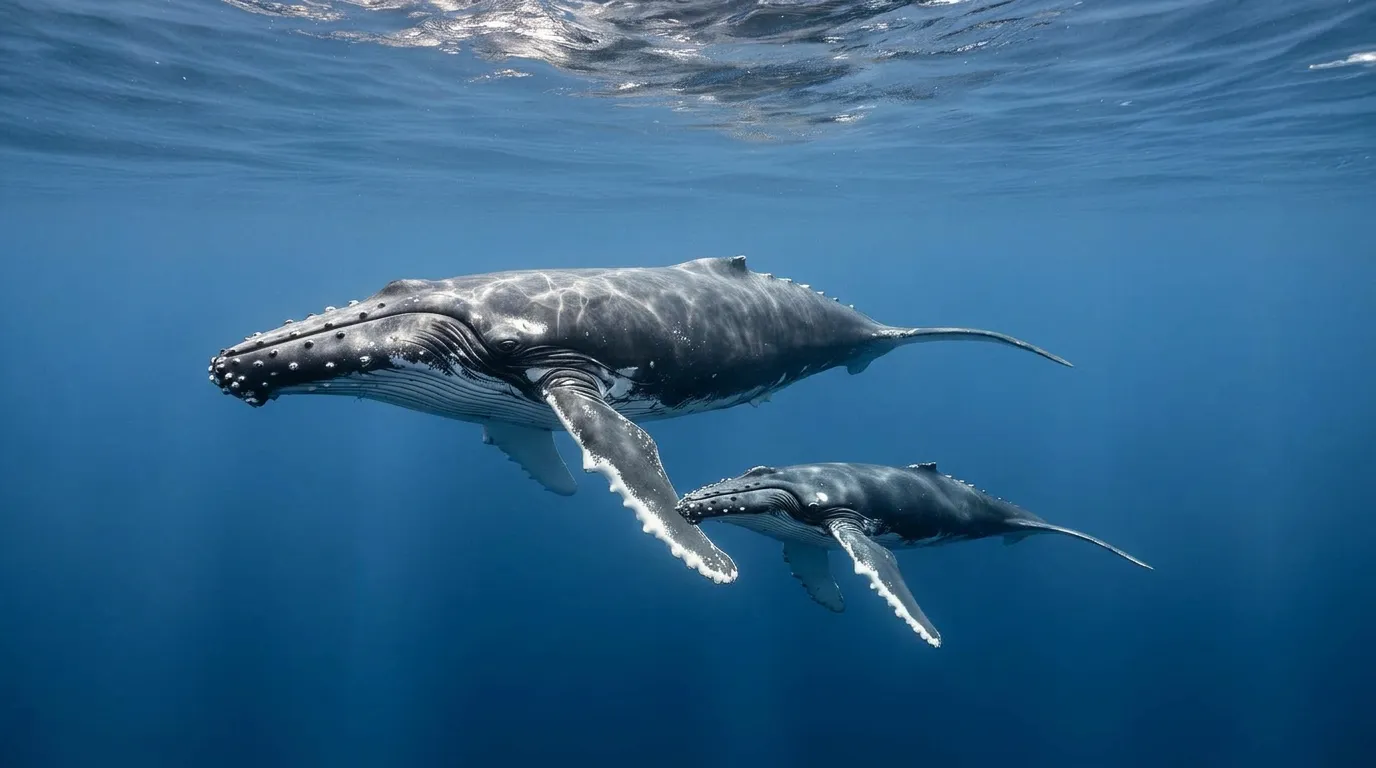
Even with the dicey conditions, the underwater world of Madagascar can still put on a show if you hit a good window. February falls within the warmer water period, which tends to bring in certain pelagics. While large aggregations of whale sharks are usually gone by this time, you might still encounter individual whale sharks migrating through, particularly around Nosy Be if conditions allow. Reef sharks, including grey reef sharks and white-tip reef sharks, are resident year-round and you're likely to spot them patrolling the outer reefs. Eagle rays and various schooling fish are also common sights.
This isn't traditionally manta season for the big aggregations, but cleaner stations around Nosy Be or Saint Marie could still yield encounters with reef manta rays, especially if the plankton blooms are driven by the changing weather patterns. Macro enthusiasts will still find plenty to delight in. Madagascar's reefs are teeming with unusual critters, from various species of nudibranchs and flatworms to ornate ghost pipefish and frogfish. Keep a keen eye out for octopus, cuttlefish, and an array of colorful reef fish. The warmer water often makes for a comfortable and vibrant exploration, even if visibility isn't always at its prime. You'll find a resilient and diverse ecosystem thriving, unperturbed by the occasional surface storm.
Top dive sites this month
Given the challenges of the cyclone season, concentrating your diving endeavors in specific, more sheltered regions is wise. The Nosy Be archipelago in the northwest is generally your best bet during February. Its numerous islands offer some protection, and many of the dive sites are closer to shore. Dive sites like "Greg's Wall" near Nosy Tanikely can still offer stunning reef dives with abundant fish life and interesting topography. Another excellent choice is "L'Epave" (The Wreck), an old fishing vessel that has become an artificial reef, attracting groupers, snappers, and various macro life. The sheltered waters around Nosy Sakatia also provide consistent diving opportunities, known for its healthy coral gardens and frequent turtle sightings.
Further south, though less accessible and more exposed to potential weather, the area around Anakao near Tulear can sometimes offer windows for diving the barrier reef, one of the world's largest. However, this is significantly riskier in terms of weather disruption. For February, Nosy Be and its surrounding smaller islands like Nosy Komba and Nosy Mitsio remain the most practical and enjoyable options, providing comparatively more stable conditions and a higher chance of successful dives despite the season. Focus on sites within these protected areas rather than more exposed, open-ocean locations.
Practical tips for your trip
Considering the warm water temperatures, a 3mm shorty or a full 3mm wetsuit will be more than sufficient to keep you comfortable. Some divers might even opt for just a rash guard for sun protection. This month is generally better suited for more experienced divers who are comfortable with potentially varied and challenging conditions, including possible strong currents and reduced visibility. Beginners might find the unpredictability a bit overwhelming, though introductory dives in very sheltered bays can still be arranged if conditions are favorable. Liveaboard availability will be severely restricted in February. Many liveaboard operators will have moved their vessels to safer regions or will be undergoing maintenance during this period. Booking well in advance and confirming the operator's cyclone season policy is absolutely essential. Don't assume anything.
Packing-wise, definitely bring waterproof bags for your electronics and an umbrella or good rain jacket. Remember that insect repellent is crucial, as the lower pressure and rain can bring out more mosquitoes. Be aware that travel can be disrupted – flights might be delayed or cancelled, and road conditions inland can deteriorate quickly in heavy rain. Always have travel insurance that covers weather-related disruptions and emergency medical evacuation. Finally, embrace the adventure! Madagascar in February, while challenging, can offer unique experiences for the adaptable diver, with fewer crowds and the raw beauty of a tropical island in its wilder moments. Just make sure you're prepared for whatever nature throws your way.
Year-round overview for Madagascar
Frequently asked questions
Is February a good month to dive in Madagascar?
What can you see diving in Madagascar in February?
Should I book a Madagascar liveaboard for February or wait?
Find a liveaboard for February
Compare available Madagascar liveaboards departing in February.
Search and Book