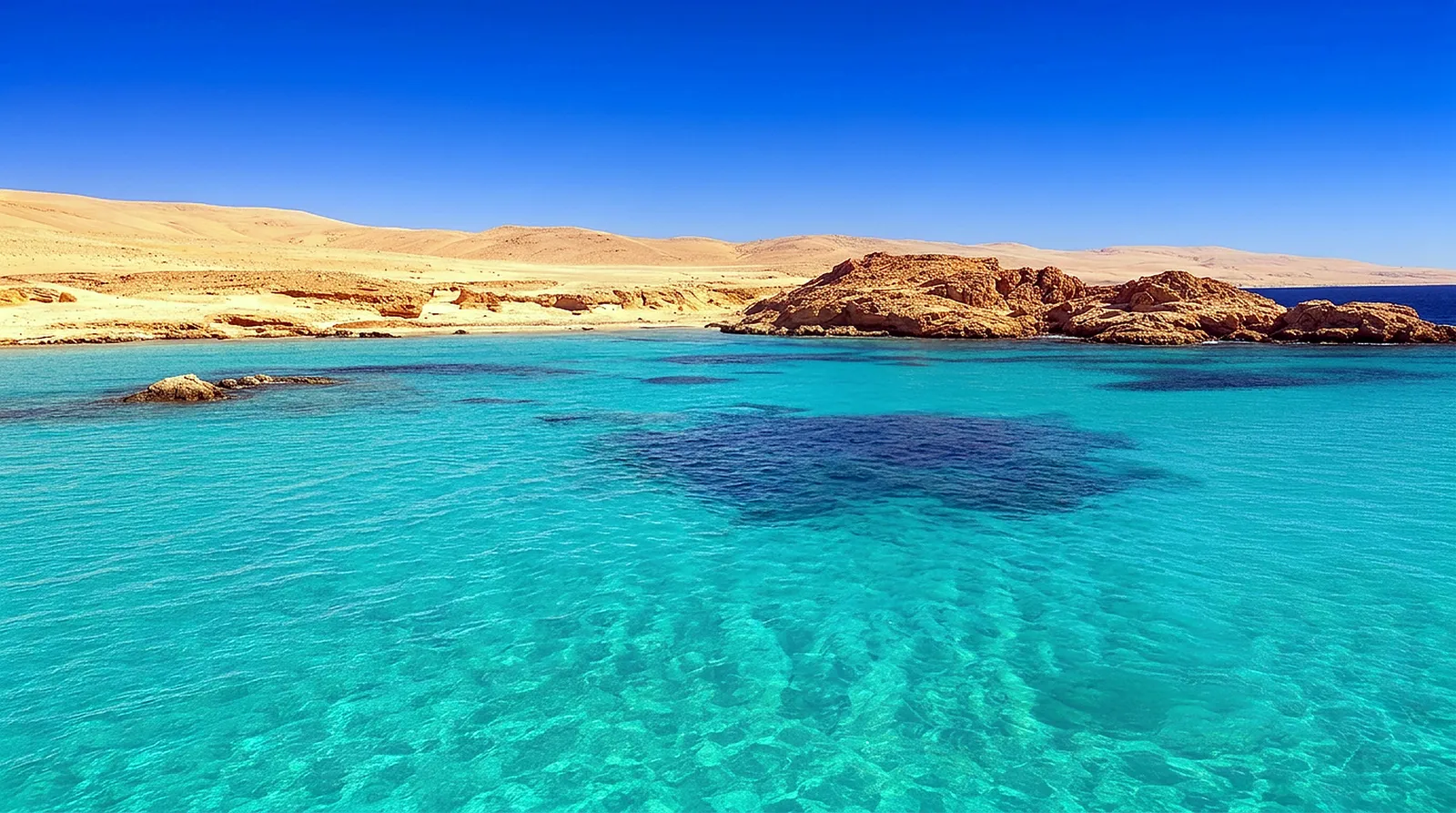
Conditions in February
February in Egypt, particularly in the Red Sea, offers a unique and often exhilarating diving experience, albeit one that leans towards the cooler side. While not the peak summer heat, the conditions can be incredibly rewarding for those prepared for slightly lower temperatures. Air temperatures typically hover around 20-25°C (68-77°F) during the day, making topside activities pleasant without being overly stifling. Nights can be cooler, dropping to 10-15°C (50-59°F), so a light jacket or sweatshirt is advisable for evenings on deck, especially on liveaboards.
The sea state in February is generally stable, though occasional windier days can lead to choppier conditions, particularly in more exposed areas like the offshore reefs. However, the Red Sea is largely sheltered, and most dive sites remain accessible. Water temperatures are at their coolest for the year, ranging from 22-24°C (72-75°F). While this might sound chilly to some, it's still very comfortable compared to many other dive destinations during their winter. Visibility during February is often exceptional, a true highlight of diving in Egypt at this time. With less plankton bloom compared to warmer months, you can expect an average visibility of 25-40 meters (80-130 feet), providing crystal-clear views of the vibrant coral reefs and abundant marine life. Currents can vary from mild to strong depending on the specific dive site and lunar cycle, but experienced dive guides will always factor this into their planning for your safety and enjoyment.
What you will see
February is an outstanding month for pelagic encounters in the Red Sea, making it a dream for those seeking big fish action. The cooler waters bring nutrient-rich currents, attracting a plethora of larger marine species. While whale shark sightings are generally less common during this period, you have excellent chances of encountering oceanic whitetips, particularly around the offshore reefs of the Southern Red Sea. These inquisitive sharks are a major draw for divers visiting dive sites like Elphinstone and the Brothers. You'll also likely spot silvertip sharks and grey reef sharks patrolling the reef edges, adding an undeniable thrill to your dives.
Beyond the sharks, February also presents good opportunities for other pelagics. Schools of barracuda and trevally are often seen in impressive numbers, their shimmering scales creating spectacular displays. Eagle rays are frequently spotted gliding gracefully over the reefs, and if you’re lucky, you might even catch a glimpse of a manta ray, though they are less predictable than in some other global destinations. The cooler water also tends to concentrate resident reef fish, meaning you’ll experience vibrant coral gardens teeming with anthias, butterflyfish, angelfish, and the ever-present clownfish guarding their anemone homes. Macro life is plentiful, with nudibranchs, flatworms, and various crustaceans thriving on the healthy reefs.
Top dive sites this month
For an unforgettable February experience, the offshore reefs of the Red Sea are undoubtedly where you want to be. The Brothers Islands (Big Brother and Little Brother) are legendary for a reason, and in February, they truly shine. These isolated pinnacles act as magnets for pelagic life, offering consistent encounters with oceanic whitetip sharks and hammerheads. The wrecks of the Aida II and Numidia on Big Brother are also phenomenal, covered in soft corals and teeming with glassfish, providing a stunning contrast to the big fish action. Visibility here is typically superb, allowing for breathtaking views of the extensive coral gardens and deep walls.
Further south, Daedalus Reef is another must-visit. This giant, circular reef rising from the depths is a hotspot for schooling hammerheads, especially in the early mornings. The strong currents often found here bring in a constant flow of nutrients, attracting a rich diversity of marine life, from tuna and jacks to numerous reef sharks. Finally, no February trip to the Southern Red Sea would be complete without diving Elphinstone Reef. Famous for its resident oceanic whitetip sharks and healthy reef system, Elphinstone offers thrilling drift dives along its steep walls. Its northern and southern plateaus are often frequented by these majestic creatures, making for unforgettable encounters. These sites are best explored via liveaboard, allowing you to maximize your dive time and reach these remote, pristine locations.
Practical tips for your trip
Given the comfortable but cooler water temperatures in February, a 5mm or 7mm wetsuit is highly recommended to stay warm throughout your dives, especially when doing multiple dives a day on a liveaboard. Many divers also opt for a hooded vest or a full drysuit if they tend to feel the cold easily. This month is particularly well-suited for experienced divers who appreciate cooler, clearer waters and are keen on pelagic encounters. While some shallow, sheltered reef dives are suitable for beginners, the more renowned offshore sites often feature stronger currents and deeper profiles, making them more appropriate for advanced open water divers or those with a higher level of experience.
Liveaboard availability in February for the Red Sea can be quite good, as it's not considered peak season for many. However, the popularity of pelagic sightings means that prime boats and itineraries, especially those visiting the Brothers, Daedalus, and Elphinstone, can still book up in advance. It's always wise to secure your liveaboard booking a few months ahead of time. Don't forget to pack warm clothing for evenings on deck, including a beanie or warm hat, as the night air can be surprisingly crisp. A good quality reef-safe sunblock is essential, even on cooler days, as the Red Sea sun remains strong. Bring seasickness medication if you're prone to it, especially for transfers to the offshore reefs. Finally, remember your certification card, logbook, and any dive insurance details. Expect incredible visibility and thrilling marine encounters – February truly delivers a spectacular Red Sea experience for the discerning diver.
Year-round overview for Egypt
Frequently asked questions
Is February a good month to dive in Egypt?
What can you see diving in Egypt in February?
Should I book a Egypt liveaboard for February or wait?
Find a liveaboard for February
Compare available Egypt liveaboards departing in February.
Search and Book