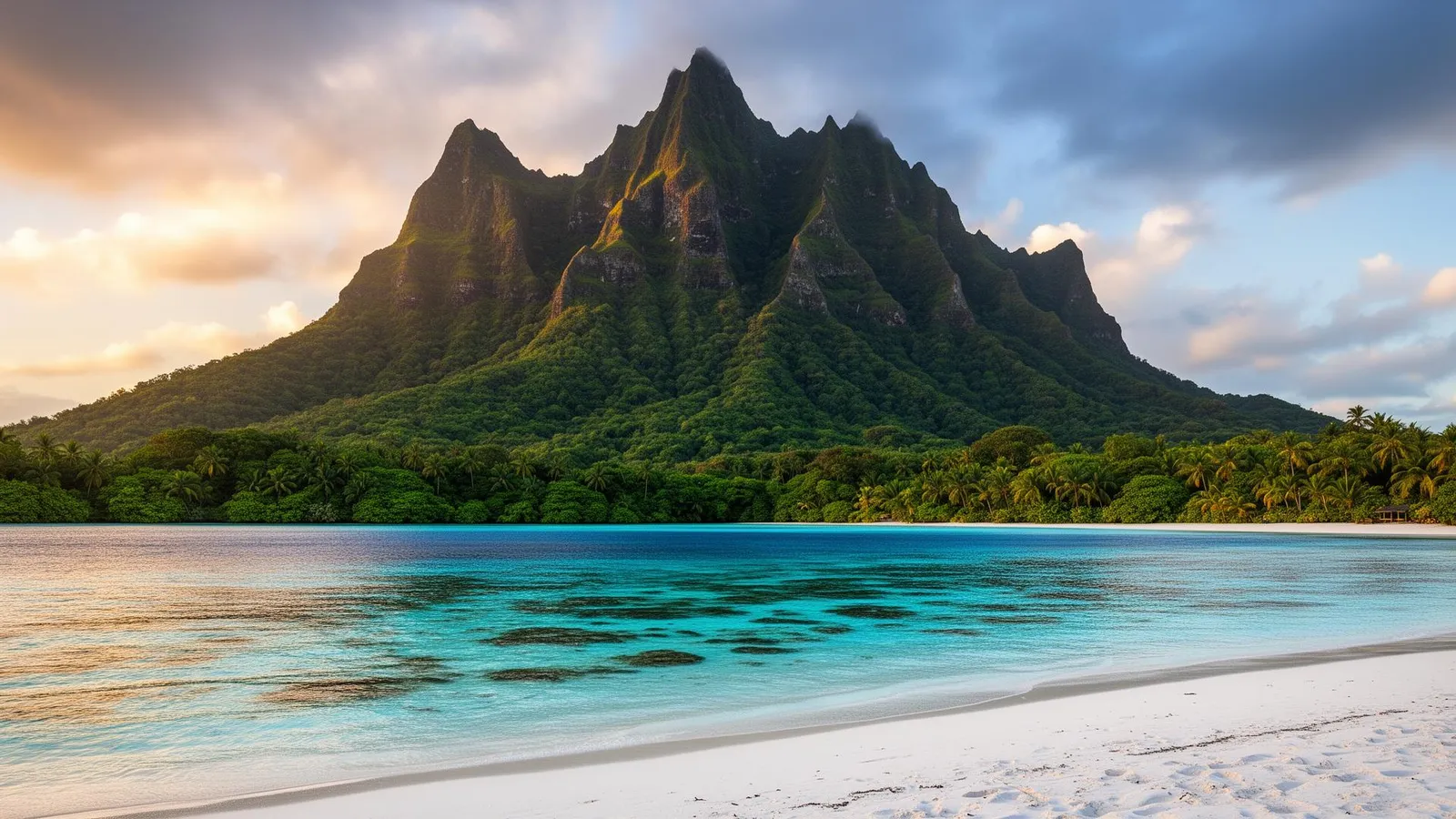
Conditions in February
So, you're eyeing February for a dive trip to French Polynesia? Let’s dive into what you can expect. February falls squarely within the wet season, which means you're likely to encounter more rain than during the drier months. Don't let that deter you entirely, though! These aren't usually all-day downpours; often, you'll experience tropical showers that pop up and then clear, leaving the air feeling fresh. Air temperatures are warm, hovering around 28-30°C (82-86°F), and humidity is high. Underwater, things are consistently balmy. You can expect water temperatures to be a comfortable 27-29°C (81-84°F), making longer dives a pleasure without feeling the chill.
Visibility can be a mixed bag during February, typically ranging from 15 to 30 meters (50-100 feet). While it might not always reach the crystal-clear 40-meter visibility you sometimes find in the dry season, it’s still more than adequate for enjoying the vibrant reefs and larger marine life. The slightly reduced visibility is often due to runoff from heavy rains, especially in lagoons or closer to shore, or increased plankton blooms – which, as you’ll see, can be a good thing for certain marine species! Currents are a constant feature of many French Polynesian dive sites, irrespective of the season. They can range from mild drifts to strong ripping currents, especially in the famous passes of the atolls. These currents are what attract the pelagic action you’re coming for, so be prepared for some exhilarating drift dives. Sea conditions can be a bit choppier compared to the dry season, particularly if strong winds or tropical depressions pass through. However, many of the best dive sites are in relatively sheltered lagoons or around the leesides of atolls, so your liveaboard crew will always guide you to the calmest and most rewarding spots.
What you will see
February in French Polynesia is an absolute magnet for pelagic action, making it a fantastic time to witness a spectacular show of big fish. The slightly warmer water and increased plankton concentrations during the wet season draw in a whole host of hungry creatures. Sharks are a guaranteed highlight. You'll encounter abundant grey reef sharks in their hundreds in places like Fakarava's Tumakohua Pass, along with blacktip reef sharks, whitetip reef sharks, and even silvertip sharks. Hammerhead shark sightings, while never guaranteed, are more frequent during this period, especially in the strong currents of the passes where they come in to feed. It’s an electrifying experience to see these magnificent predators cruise past.
Beyond sharks, this month offers a great chance to spot other large pelagics. Eagle rays and marble rays gracefully soar over the reef flats and through the passes. While not peak manta season, you can certainly still encounter reef manta rays, particularly at cleaning stations. Look out for the resident Napoleon wrasse, giant groupers, and hefty dogtooth tunas patrolling the depths. The smaller reef life is always present too: vibrant schools of fusiliers, snappers, and triggerfish add a kaleidoscope of color to the reefs. Occasionally, if you’re lucky, you might even spot an oceanic whitetip or a tiger shark, though these are less common and more unpredictable. The general explosion of marine life, driven by the seasonality, means that every dive can hold a new and exciting surprise, particularly for those who love adrenaline-pumping drift dives with powerful currents and immense schools of fish.
Top dive sites this month
For unforgettable diving in February, you absolutely must focus on the Tuamotu Archipelago – it’s where the action is. Fakarava is non-negotiable. Its south pass, Tumakohua, often hailed as the "Sharks' Wall," is an absolute spectacle during this time. The sheer volume of grey reef sharks schooling in the pass is breathtaking, and you'll experience incredible drift dives alongside them. The north pass, Garuae, is equally impressive, offering excellent opportunities for hammerhead and tiger shark sightings, especially around the outer reef during incoming currents. The abundant plankton means the water is rich in nutrients, attracting the bigger fish.
Next up, head to Rangiroa, the world's second-largest atoll. Tiputa Pass and Avatoru Pass are world-renowned for their strong currents and the pelagic encounters they bring. February delivers excellent opportunities to see bottlenose dolphins playing in the current, often interacting with divers, along with large schools of grey reef sharks, eagle rays, and colossal tuna. The "Aquarium" inside Avatoru Pass offers a fantastic contrast with calmer, shallower diving teeming with smaller reef fish. Finally, consider Tikehau. While less known for the sheer shark numbers of Fakarava or Rangiroa, Tikehau is famous for its abundant fish life and vibrant coral gardens, which thrive in its healthy lagoon. It's often called the "Pink Sand Island" and is celebrated by Jacques Cousteau for its densely populated fish population. In February, you'll find plentiful reef sharks, eagle rays, and a dazzling array of reef fish in its main pass, Tuheiava, making for beautifully colorful and lively dives.
Practical tips for your trip
Given the warm water temperatures of 27-29°C (81-84°F) in February, a 3mm shorty or full wetsuit will be more than sufficient for most divers. Some choose to dive in merely board shorts or a skinsuit, but remember that currents can make you feel a little cooler, and a thin suit offers protection from the sun and any accidental reef scrapes. This month is absolutely perfect for advanced divers who relish drift diving and big pelagic encounters. While there are shallower, mellower dives available, particularly within atoll lagoons, the main draws of Fakarava and Rangiroa involve strong currents and require comfort and experience in those conditions. Beginners can still enjoy some sites, but they should be aware that the most celebrated February dives are for the more experienced.
Liveaboard availability in February can be slightly better than during the peak dry season, as some travelers avoid the wet season. However, French Polynesia liveaboards generally have limited capacity, so you still want to book well in advance to secure your spot, especially if you have specific dates or a particular boat in mind. What to pack? Think light, breathable clothing for the humid topside conditions. Don’t forget high-factor reef-safe sunscreen, a hat, and good sunglasses, as the equatorial sun is intense even on cloudy days. A light rain jacket is a must for those tropical showers. Also, bring a reliable dive computer, a surface marker buoy (SMB), and a whistle; these are essential for safety, especially when drift diving in strong currents. Finally, consider bringing some anti-fog solution for your mask and motion sickness medication if you're prone to seasickness, just in case of choppier surface conditions. Be aware that insect repellent can be useful, particularly in the evenings on land.
Year-round overview for French Polynesia
Frequently asked questions
Is February a good month to dive in French Polynesia?
What can you see diving in French Polynesia in February?
Should I book a French Polynesia liveaboard for February or wait?
Find a liveaboard for February
Compare available French Polynesia liveaboards departing in February.
Search and Book