Conditions in February
February in the Bay Islands of Honduras – Utila, Roatan, and Guanaja – offers some truly idyllic conditions for diving, making it a fantastic choice for your next underwater adventure. You'll find yourself basking in glorious sunshine topside, with air temperatures hovering comfortably around 26-29°C (79-84°F). These pleasant surface conditions extend beneath the waves, with water temperatures typically ranging from a warm 26-27°C (79-81°F). This means a 3mm shorty or full suit is usually more than enough to keep you comfortable during your dives, allowing you to fully immerse yourself in the vibrant marine world without a chill. It’s the perfect escape from colder climates!
Visibility during February in the Bay Islands is generally exceptional. You can expect to regularly enjoy crystal-clear waters with visibility often stretching to a magnificent 20-30 meters (65-98 feet), and sometimes even more! This allows for incredible views of the reef structures and marine life, making reconnaissance dives or photography sessions an absolute joy. While currents are generally mild to moderate, especially around the leeward sides of the islands, they can pick up at certain sites, particularly on the deeper walls or passes. Your dive guides on a Blue Rides liveaboard will, of course, be expert at navigating these and selecting the best sites to match conditions and your experience level, ensuring safe and enjoyable dives for everyone.
What you will see
February in the Bay Islands is a prime time for encountering a diverse array of marine life. While the whale shark season in Utila typically peaks from March to May, sighting them in late February isn't out of the question and remains a thrilling possibility, especially around the north side of Utila. Even without the giants, the reefs themselves are teeming with vibrant life. Expect to see an abundance of Caribbean reef fish, including schooling barracuda, snapper, grunts, and angelfish. The health of the Mesoamerican Barrier Reef system here means colorful sponges, gorgonians, and hard corals provide a stunning backdrop for macro enthusiasts to spot things like various species of nudibranchs, seahorses (especially in the seagrass beds), and tiny crustaceans hiding in crevices.
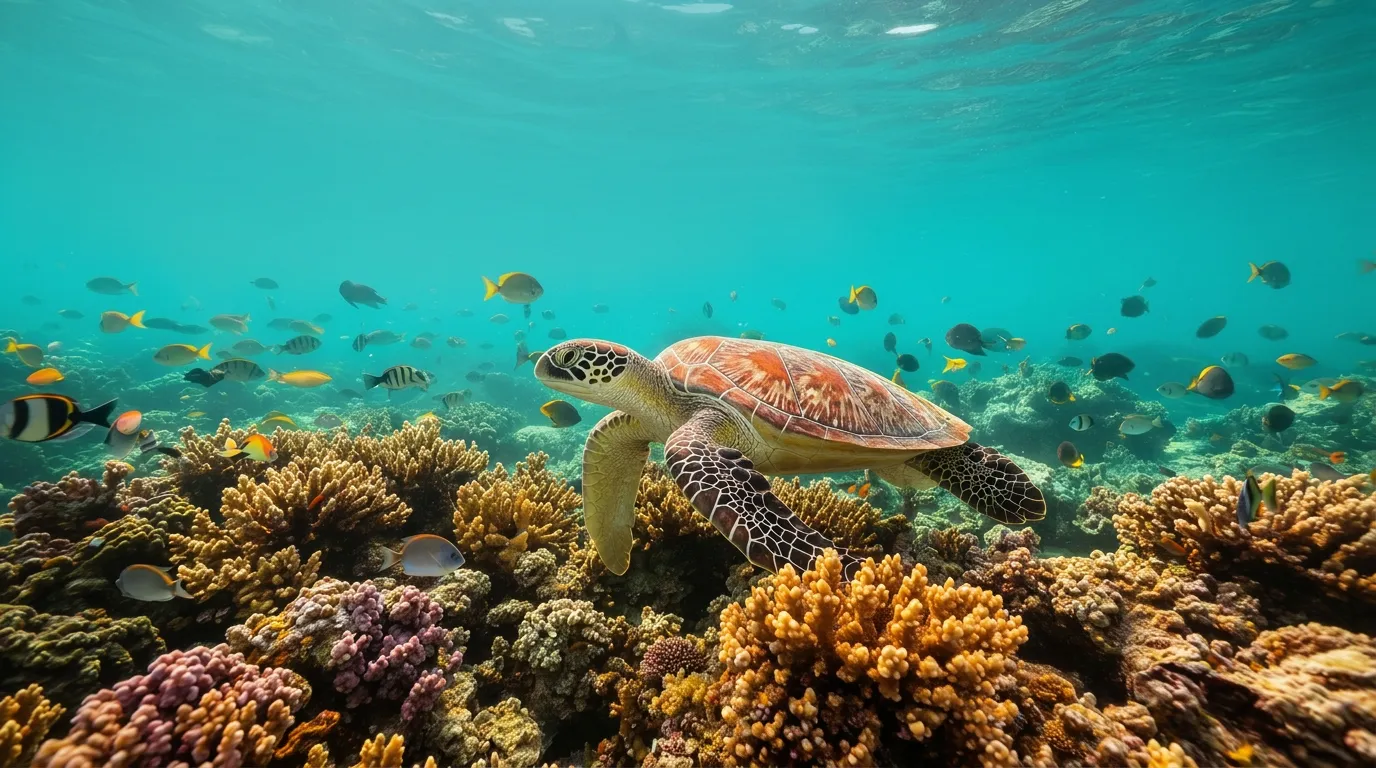
Beyond the reef fish, the deeper walls and wrecks are often patrolled by larger pelagics. You might encounter majestic eagle rays gliding gracefully through the blue, or perhaps even a friendly reef shark making a pass. Keep an eye out for green and hawksbill sea turtles, which are frequent visitors to these waters, often found munching on sponges or resting on coral heads. The clear waters and healthy reef system ensure that every dive offers something new and exciting, from the smallest cleaner shrimp to the largest passing pelagic. It’s a truly immersive experience that highlights the incredible biodiversity of the Caribbean.
Top dive sites this month
In February, some of the absolute must-dive sites in the Bay Islands really shine. On Roatan, you absolutely have to experience El Aguila, a purposely sunk freight ship that’s now an artificial reef teeming with life. The clear February waters mean excellent visibility on this wreck, allowing you to explore its open cargo holds where barracuda often school. Just as spectacular is Mary's Place, a famous dive site known for its dramatic narrow fissures and swim-throughs formed by ancient lava flows. The light filtering through the overhead cracks creates an ethereal atmosphere, and the walls are adorned with beautiful gorgonians and sponges. This site is truly unique and offers a different kind of dive experience.
Over on Utila, keep Cotton Key and Jack Terell around the north side of the island in mind. While Utila is renowned for its whale sharks, these northern sites boast healthy reefs and walls where you’re more likely to encounter larger schools of fish and potentially even a curious eagle ray. The deeper walls here, like The Maze, offer stunning topography and opportunities for drift dives, which are particularly enjoyable with the consistent conditions of February. For those who love macro life, sites like Black Hills in Utila offer superb opportunities to find smaller critters tucked away among the corals. The vibrant reefs around The Wall and The Pinnacles also promise a rich concentration of marine life, making them consistently good choices for any dive plan.
Practical tips for your trip
For your February dive trip to the Bay Islands, a 3mm wetsuit, either a shorty or a full suit, will be perfectly adequate for most divers given the 26-27°C (79-81°F) water temperatures. If you tend to get cold easily or plan on multiple dives a day, a 5mm might offer a little extra comfort, but it’s rarely a necessity. This month is incredibly versatile, suiting a wide range of divers. The generally calm seas and excellent visibility make it perfect for beginners looking to gain confidence, while the healthy reefs and potential for pelagic sightings keep even the most advanced divers captivated. Stronger currents, if present, are usually manageable and can be enjoyable drift dives for experienced divers, skillfully handled by your liveaboard crew.
Liveaboard availability in February for Blue Rides is typically good, but it's always wise to book in advance, especially if you have specific dates or a particular vessel in mind. This period is popular but not peak season like March or April, so you might find more flexibility. When packing, think light clothing for topside, plenty of reef-safe sunscreen, a good hat, and mosquito repellent for evenings on shore (though liveaboards offer sanctuary from this). A rash guard is also great for sun protection both in and out of the water. Don't forget your certification cards, logbook, and any personal dive gear you prefer to use. While the diving is generally stress-free, always be aware of the local customs and environmental guidelines to ensure you're a responsible traveler. Bring an underwater camera – the visibility and marine life will provide endless photo opportunities you won't want to miss!
Year-round overview for Honduras
Frequently asked questions
Is February a good month to dive in Honduras?
What can you see diving in Honduras in February?
Should I book a Honduras liveaboard for February or wait?
Find a liveaboard for February
Compare available Honduras liveaboards departing in February.
Search and Book