Conditions in February
So, you’re thinking about diving Fiji in February? Let’s be real – it’s a bit of a mixed bag, but absolutely worth it if you know what to expect. February falls smack dab in Fiji’s wet season, which means you’ll likely encounter more rainfall. Don’t picture non-stop downpours; often it’s intense bursts followed by glorious sunshine, though prolonged periods of rain aren't unheard of. This can definitely affect topside activities, but underwater, the magic largely remains. Air temperatures hover around a balmy 28-31°C (82-88°F), providing a warm welcome even with the rain.
The water temperature during February is deliciously warm, typically ranging from a comfortable 28-30°C (82-86°F). This means you might even get away with a lighter wetsuit or even just board shorts/swimsuit if you run warm. Sea state can be choppier than in the dry season, particularly around exposed reefs or during periods of strong winds and squalls. However, many of Fiji’s prime dive areas are protected by lagoons and barrier reefs, offering calmer conditions. Visibility is the main factor that can be impacted by the wet season. Runoff from heavy rains can reduce visibility in coastal areas and around river mouths. While the dry season boasts consistently incredible visibility of 30+ meters, in February, you can expect ranges anywhere from a clear 20-25 meters down to 10-15 meters on occasion, especially after heavy rain. Currents remain a constant and often beneficial feature of Fiji's diving, regardless of the season, bringing in nutrient-rich waters and attracting pelagics.
What you will see
February diving in Fiji might not always offer the crystal-clear visibility of the dry season, but it makes up for it with some fantastic marine life encounters. This period, often considered part of the "hot season," sees a surge in plankton, which is excellent news for filter feeders. You have a very good chance of encountering manta rays, particularly in feeding aggregations, as they capitalize on the increased food supply. Reef sharks – white-tip, black-tip, and grey reef sharks – are always a prominent feature of Fiji’s reefs, and February is no exception. You’ll see them patrolling the reef edges and channels, adding that quintessential sharky thrill to your dives.
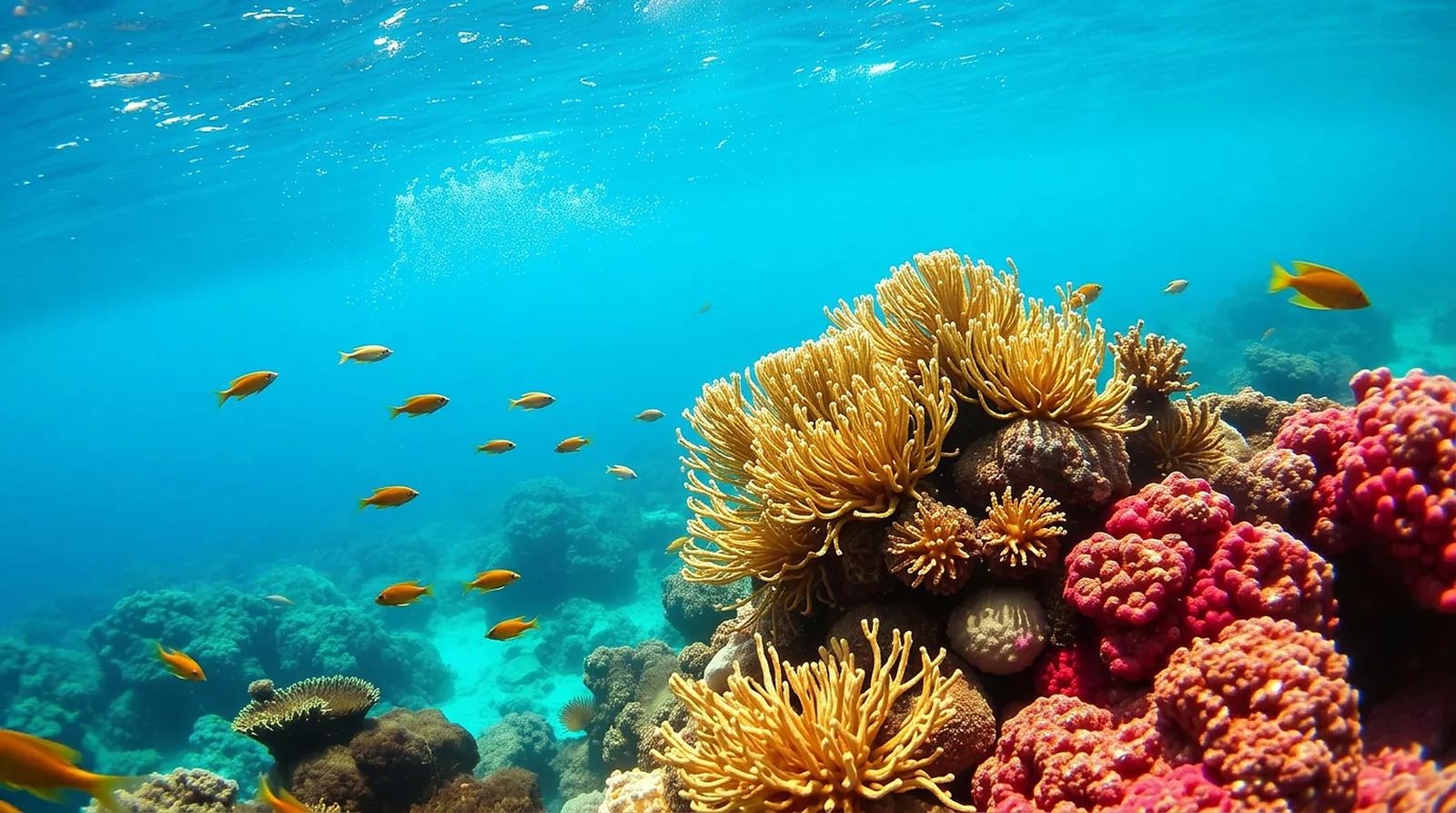
The abundance of nutrients also attracts a vibrant array of schooling fish. Expect to be surrounded by massive schools of barracuda, snappers, and trevallies, especially around pinnacles and current-swept passages. The soft corals, which Fiji is globally famous for, are always spectacular, regardless of the season. Their vibrant hues of purple, pink, and orange provide a breathtaking backdrop to every dive. While February isn’t traditionally peak whale season, you might still catch glimpses of humpback whales towards the end of their migration period, though sightings are less predictable than in the cooler months.
For the macro enthusiasts, Fiji always delivers. Look closely at the crevices and underhangs, and you’ll discover an immense diversity of nudibranchs, flatworms, shrimp, crabs, and pygmy seahorses. These smaller creatures thrive in Fiji’s rich ecosystem year-round, and the slightly reduced visibility in February can sometimes even make them easier to spot as you’re focusing on a smaller area. Keep an eye out for reef octopuses and cuttlefish hiding among the corals. The overall biodiversity is astounding, and February offers a prime opportunity to witness the reef's thriving ecosystem at its most active, even if the wide-angle visibility isn’t always at its zenith.
Top dive sites this month
When diving Fiji in February, certain regions and sites truly shine. The Bligh Water, particularly around the Namena Marine Reserve, remains an absolute powerhouse of marine activity. Sites like the legendary "Grand Central Station" and "Kansas" are renowned for their incredible currents that attract schooling pelagics – barracuda, tuna, trevally – and plenty of sharks. The nutrient-rich waters during this time of year can make these sites even more vibrant, providing an unforgettable experience despite any potential reduction in visibility from the wet season. The strong currents here mean these sites are often best suited for experienced divers.
Another fantastic area is the Somosomo Strait, located between Taveuni and Vanua Levu, famous for its "Rainbow Reef." While the visibility might not always hit its dry-season highs, the sheer density and color of the soft corals at sites like "The Great White Wall" and "Rainbow's End" are always breathtaking. These corals thrive year-round, and the slightly warmer waters in February can even enhance their puffiness and brilliance. These sites offer diverse profiles, from deeper walls to shallower pinnacles, catering to various skill levels. Further south, the Kadavu region, particularly around Astrolabe Reef, offers incredible wall dives and healthy reefs teeming with life, again benefiting from nutrient-rich waters that attract larger species. Look for mantas and sharks along these nutrient-rich current lines.
Practical tips for your trip
Given the lovely warm water temperatures of 28-30°C (82-86°F) in February, you’ll be perfectly comfortable in a 3mm shorty wetsuit or even just a rash guard and board shorts if you're a warm-blooded diver. However, if you plan on doing multiple dives a day or tend to get cold easily, a full 3mm wetsuit would be ideal. February diving in Fiji is generally suitable for all experience levels, from beginners to advanced, but be prepared for potential stronger currents at some of the more famous pelagic sites. Liveaboard availability tends to be better in February compared to the peak dry season, meaning you might find more options and potentially better deals. This is a great choice if you want to explore more remote sites like Namena without the crowds.
When packing, definitely bring light, breathable clothing, and be sure to include a good rain jacket or poncho for topside. Mosquito repellent is a must, especially during the wetter months. Sunscreen (reef-safe, please!) and a wide-brimmed hat are also essential, as the sun can be intense even on cloudy days. Because it’s the wet season, there’s a slight increased chance of tropical depressions or cyclones, so it’s wise to have travel insurance that covers weather-related disruptions. Keep an eye on local weather forecasts closer to your departure, but generally, dive operations in Fiji are highly experienced and prioritize safety, adjusting itineraries as needed. Embrace the possibility of tropical showers, and you’ll find February diving in Fiji offers a unique, vibrant, and rewarding experience with plenty of spectacular marine life.
Year-round overview for Fiji
Frequently asked questions
Is February a good month to dive in Fiji?
What can you see diving in Fiji in February?
Should I book a Fiji liveaboard for February or wait?
Find a liveaboard for February
Compare available Fiji liveaboards departing in February.
Search and Book