Conditions in February
February in Turks & Caicos offers some of the most consistent and pleasant diving conditions of the year. You're looking at comfortably warm water, excellent visibility, and generally calm seas, making it a prime time to explore these pristine Caribbean reefs. Air temperatures average around 26-28°C (79-82°F), providing a lovely escape from colder climes. When it comes to the sea, you can expect the water temperature to hover around 25-26°C (77-79°F). While a bit cooler than the peak summer months, it's still incredibly comfortable for extended dives, especially with the right wetsuit.
Visibility during February is usually phenomenal. You're often treated to crystal-clear waters, routinely exceeding 30 meters, and frequently pushing past 40 meters. This allows for breathtaking views of the vast wall dives and intricate reef formations. While the Caribbean can experience some chop, February generally falls outside the more active hurricane season, meaning calmer surface conditions are the norm. However, brief periods of stronger winds can occur, especially in late winter, which might lead to some localized surface chop, but seldom impacts the underwater clarity significantly.
Currents in Turks & Caicos are typically mild to moderate, depending on the specific site and lunar cycle. Many of the famous wall dives are drift-friendly, allowing you to cover more ground with ease. Experienced divers will appreciate the gentle push, while newer divers will find the conditions manageable. Stronger currents are less common in February compared to some other times of the year, making it a great time for divers of all experience levels to enjoy the relaxed pace of exploring these vibrant underwater landscapes.
What you will see
February is an exceptional month for pelagic encounters in Turks & Caicos, largely due to the annual humpback whale migration. These majestic giants pass through the waters surrounding the islands, particularly in the Columbus Passage between Grand Turk and Salt Cay, as they journey to their breeding grounds. While whale shark sightings are rare, humpbacks are a definite possibility, offering incredible opportunities for surface encounters and, if you're incredibly lucky, underwater glimpses from a distance (respecting all regulations, of course). Beyond the whales, you’ll regularly encounter a healthy population of reef sharks, including Caribbean reef sharks, nurse sharks, and occasionally lemon sharks, patrolling the deeper walls.
The rich marine biodiversity means you’ll never lack for fascinating creatures to observe. You'll frequently spot graceful eagle rays gliding along the reef edges and large stingrays resting on sandy bottoms. Keep an eye out for green sea turtles and hawksbill turtles munching on sponges or swimming serenely. Macro life is also abundant; the crevices and coral formations are home to colorful nudibranchs, tiny crabs, and industrious cleaner shrimp. The healthy reef systems boast vibrant gorgonians, barrel sponges, and a kaleidoscope of hard and soft corals, providing a stunning backdrop to all the action.
While manta rays are not a daily guarantee, their presence in Turks & Caicos is consistent, and February can offer good chances, especially on the deeper outer walls where ocean currents bring in nutrient-rich waters. Schools of barracuda shimmer in the blue, while massive groupers peer from their rocky hideouts. The sheer density of reef fish, from iridescent parrotfish to curious damselfish, creates a constant flurry of activity. This month truly showcases the vibrant heart of the Caribbean ecosystem, offering a diverse array of marine life for every dive.
Top dive sites this month
For an unparalleled February dive experience, you absolutely must explore the wall system around Providenciales. Sites like The Crack and Amphitheater offer dramatic vertical drops adorned with colorful sponges and corals, teeming with fish. The chances of spotting an eagle ray or a reef shark here are consistently high, and the pristine visibility allows you to appreciate the sheer scale of the wall. These sites are easily accessible and provide diverse topography, from shallow reef tops to deep overhangs, ensuring fresh discoveries on every dive.
Another must-visit area is the remote diving off West Caicos. This uninhabited island boasts some of the most pristine and untouched reefs in the entire Turks & Caicos chain. Dive sites like "The Edge" and "Elephant Ear Canyon" offer magnificent wall dives brimming with marine life. Due to its more exposed location, West Caicos occasionally experiences stronger currents, which in February can bring in larger pelagic species. The sheer health of the coral gardens here, combined with healthy populations of predators, make it an extraordinary destination, especially for those seeking a more adventurous dive.
Finally, for those seeking the ultimate seasonal highlight, a trip to Salt Cay and the surrounding waters of the Columbus Passage is highly recommended, especially for above-water encounters. While scuba diving directly with humpback whales is strictly regulated and generally not permitted, the opportunity to witness these magnificent creatures from the surface is incredible. Dive sites around Salt Cay, such as "The Anchor" and "Jackson Point", also boast fantastic reef and wall diving, often with increased pelagic activity due to their presence in the migration corridor. It’s a truly unique experience to combine excellent diving with a chance to observe these oceanic giants.
Practical tips for your trip
Given the water temperatures of 25-26°C (77-79°F) in February, a 3mm full wetsuit is perfect for most divers, offering optimal comfort for multiple dives without overheating. If you tend to get cold easily or plan for very long dives, a 5mm suit might be a better choice. For those with a higher tolerance for cool water, a 3mm shorty could suffice, but a full suit provides better protection from potential stings and scrapes. This month suits a wide range of divers; the generally calm conditions and abundant marine life make it fantastic for beginners, while the potential for pelagics and breathtaking wall dives appeals strongly to advanced divers.
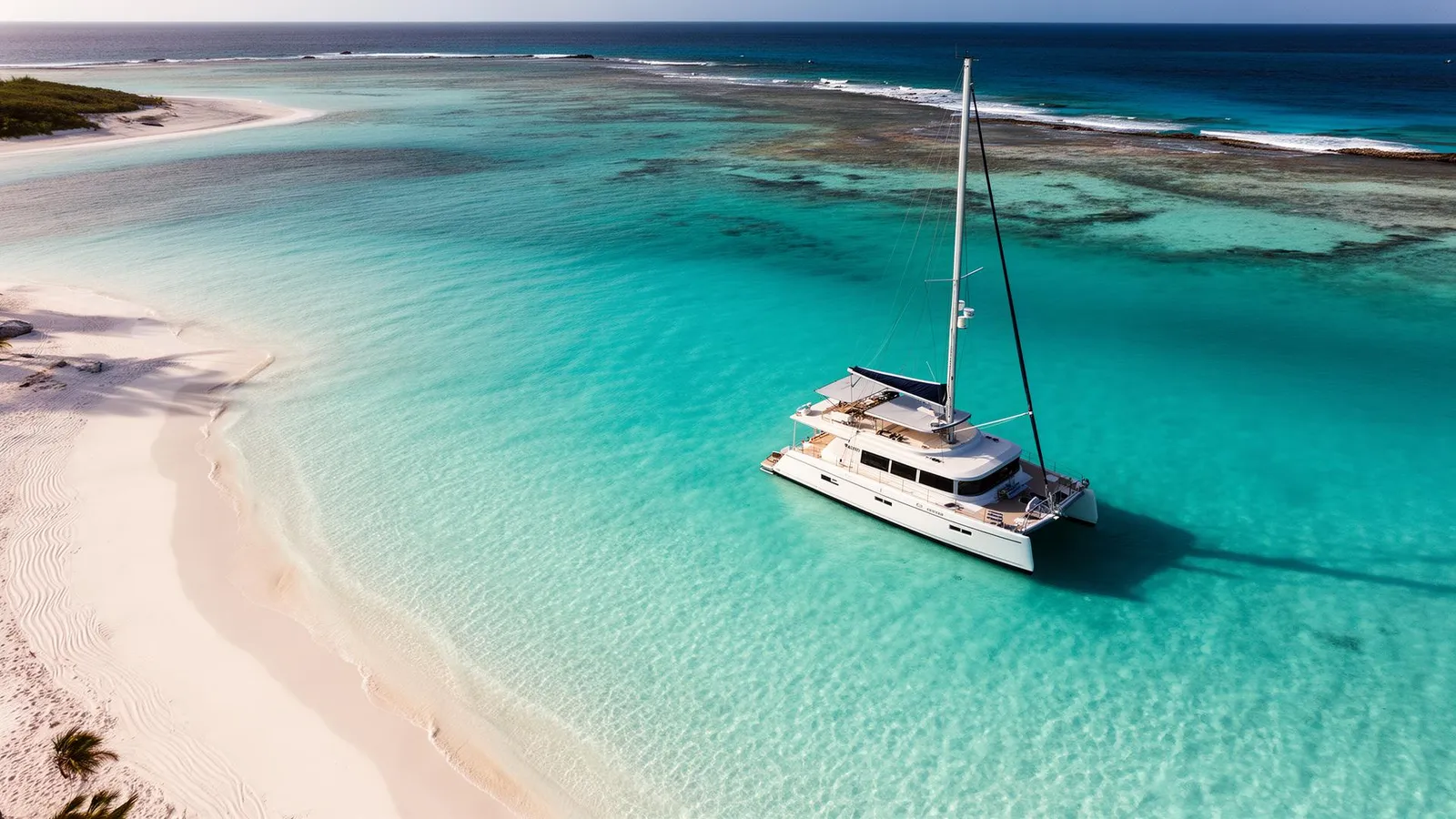
When planning your trip, remember that February is high season in Turks & Caicos, partly due to the pleasant weather and whale migration. Liveaboard availability can be competitive, so it's crucial to book well in advance, especially if you have specific dates or a particular liveaboard in mind. Many liveaboards offer itineraries that cover Providenciales, West Caicos, and sometimes even excursions towards Salt Cay, maximizing your chances of diverse sightings. Pack light, breathable clothing for above deck, and definitely bring a good quality reef-safe sunscreen. Don't forget a wide-brimmed hat and sunglasses for sun protection between dives.
Things to be aware of include the strong Caribbean sun – sunburn can quickly ruin a dive trip, so be diligent with protection. While most serious marine life is not aggressive, always maintain a respectful distance from all creatures, especially larger pelagics. It’s also wise to bring any specific medications you need as pharmacies can be limited in availability in some of the more remote areas. Lastly, prepare for the possibility of seeing humpback whales. While not guaranteed on every trip, the mere chance adds an incredible layer of excitement to an already fantastic diving destination. Enjoy the ride!
Year-round overview for Turks & Caicos
Frequently asked questions
Is February a good month to dive in Turks & Caicos?
What can you see diving in Turks & Caicos in February?
Should I book a Turks & Caicos liveaboard for February or wait?
Find a liveaboard for February
Compare available Turks & Caicos liveaboards departing in February.
Search and Book