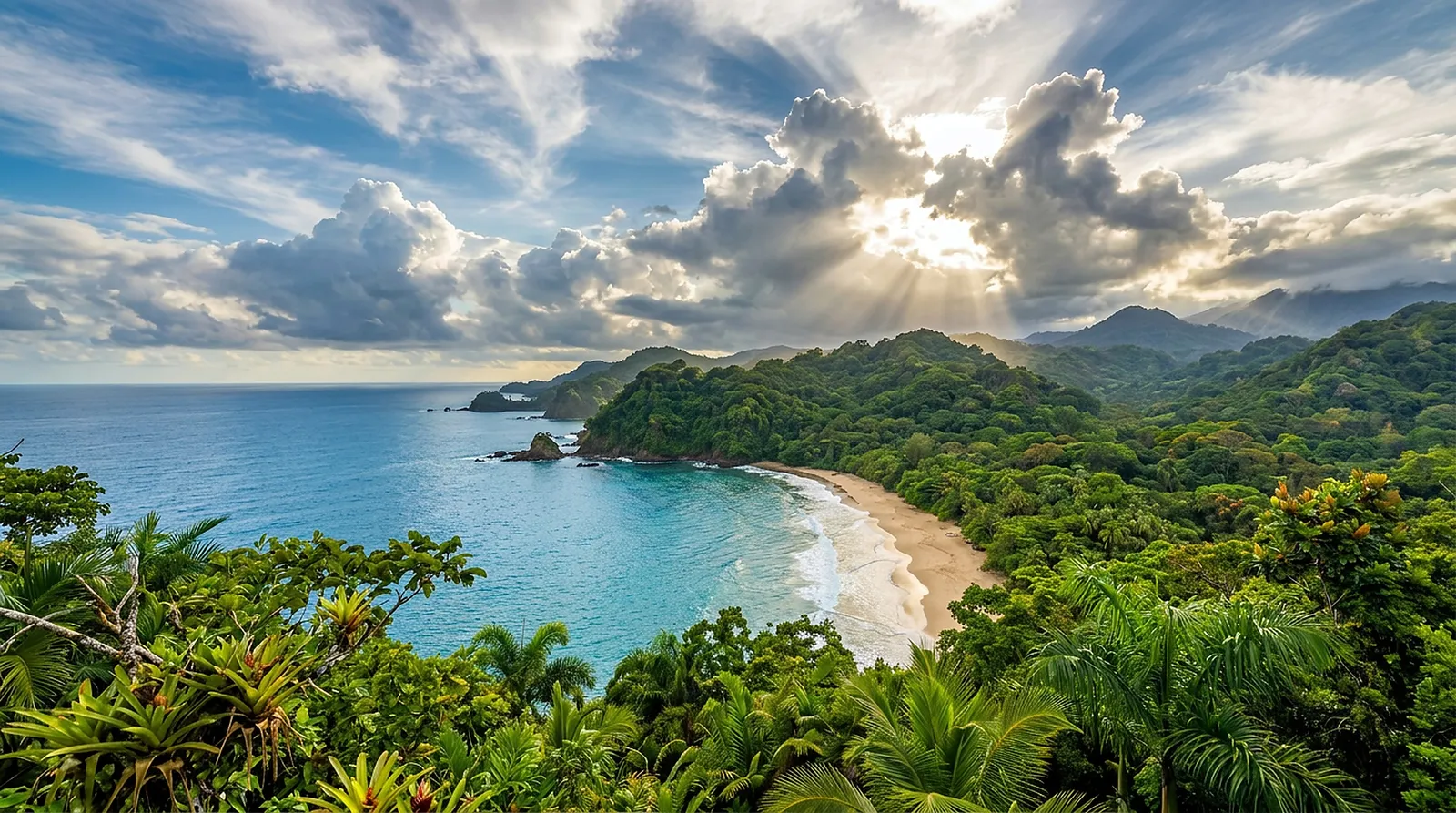
Conditions in February
So, you're dreaming of a dive adventure to Cocos Island in February? Great choice, but let's set the stage. February falls smack dab in the middle of Cocos's dry season, which generally runs from December to May. What does that mean for you? Well, you can typically expect more stable weather patterns. Air temperatures hover comfortably between 27-30°C (81-86°F), making for pleasant topside conditions. While sunshine is more prevalent during these months, Cocos is a wild, oceanic outpost, so don't be surprised by an occasional tropical shower – it’s part of the charm!
Underwater, things are usually rocking, in a good way. The sea state tends to be calmer compared to the wet season, which is a big plus for liveaboard life and easier entries/exits from the panga. Water temperatures are comfortably warm, typically ranging from 26-28°C (79-82°F), though don't be shocked by thermoclines that can drop the temperature a few degrees, especially at deeper depths. Visibility, while always subject to oceanic whims, frequently extends beyond 20 meters (65 feet) and can often reach an impressive 30+ meters (100+ feet).
Cocos is legendary for its currents, and February is no exception. These are the lifeblood of the abundant marine ecosystem, bringing nutrients that attract the big stuff. While currents can range from mild to strong, your experienced dive guides will always choose sites and times that are appropriate for the group. Be prepared for drift dives and some current work, as this is how you get to truly experience the magic of Cocos. It's exhilarating, not intimidating, with the right preparation and attitude.
What you will see
February at Cocos Island is prime time for pelagics, and you are in for an absolute treat. This is arguably one of the best times to witness the iconic schooling hammerheads. Massive aggregations of Scalloped Hammerheads (Sphyrna lewini) are a daily expectation, often numbering in the hundreds, finning gracefully in the blue. Seeing them emerge from the deep, sometimes forming massive walls of sharks, is an experience that will stay with you forever. Don't be surprised if solitary Great Hammerheads make an appearance too, identifiable by their distinct, broader head.
But it's not just about the hammerheads. February also offers excellent opportunities for other shark species. You'll likely encounter whitetip reef sharks resting on ledges or cruising the reefs, silky sharks gracefully patrolling the blue, and Galapagos sharks, which are frequent visitors to cleaning stations. Manta rays, both oceanic and reef varieties, are often seen gliding effortlessly, and eagle rays are also common. Dolphins, often in playful pods, are a frequent sight, both underwater and from the boat.
Beyond the headline acts, the reefs are teeming with life. Look out for marble rays, various snapper species, jacks, tuna, and large schools of other reef fish. While Cocos isn't primarily known for macro, the sheer abundance of schooling fish is a spectacle in itself. Keep an eye out for moray eels, lobsters, and various nudibranchs if you slow down and peek into the crevices. The sheer biomass is astounding, a testament to its protected status and remote location.
Top dive sites this month
When you're diving Cocos in February, several sites consistently deliver spectacular experiences. Manuelita Coral Garden often provides incredible hammerhead action, especially in the mornings, sometimes with large schools congregating at the cleaning stations. The relatively shallower depths at the garden allow for longer bottom times and fantastic photo opportunities with the sunlit schools.
Bajo Alcyone is another absolute must-dive, known globally for its spectacular hammerhead schools that literally carpet the seamount. In February, the conditions are often perfect for anchoring to the pinnacle and watching the incredible parade of sharks. For an adrenaline rush, Dirty Rock, with its dramatic pinnacles and strong currents, attracts large schools of pelagics; here, you can expect to see hammerheads, Galapagos sharks, and even silvertip sharks. Finally, Chatham Bay and Wafer Bay often feature exciting drift dives along the walls, with good chances for reef sharks and manta rays, and their protected waters are great for night dives, offering glimpses into a different world of nocturnal hunters like marbled rays and various crustaceans.
Practical tips for your trip
Given the typical February water temperatures of 26-28°C (79-82°F), a 3mm full wetsuit or a 5mm wetsuit will generally keep you comfortable. However, with the possibility of thermoclines, especially on deeper dives, you might appreciate the extra warmth of a 5mm suit if you tend to get cold easily. Consider bringing a hood or a hooded vest if you're particularly susceptible to cooler temperatures. This time of year is excellent for experienced divers due to the potential for strong currents and deeper dive profiles. While advanced beginners coached by experienced dive masters might manage, Cocos is generally considered an intermediate to advanced diving destination due to the conditions and the nature of the sites.
Liveaboard availability in February can vary; as it's a popular time, we recommend booking your trip well in advance – often 6-12 months out – to secure your preferred yacht and dates. Packing essentials include reef-safe sunscreen, a wide-brimmed hat, polarized sunglasses, motion sickness medication (just in case, as open ocean crossings can be choppy), and plenty of spare batteries or charging capabilities for your cameras. Remember to bring a light rain jacket for those occasional tropical showers and insect repellent for evenings on the boat deck, though mosquitoes are rarely an issue far offshore. All in all, be prepared for an epic adventure, embrace the remoteness, and get ready for some of the best big-animal diving on the planet!
Year-round overview for Costa Rica (Cocos)
Frequently asked questions
Is February a good month to dive in Costa Rica (Cocos)?
What can you see diving in Costa Rica (Cocos) in February?
Should I book a Costa Rica (Cocos) liveaboard for February or wait?
Find a liveaboard for February
Compare available Costa Rica (Cocos) liveaboards departing in February.
Search and Book