Conditions in January
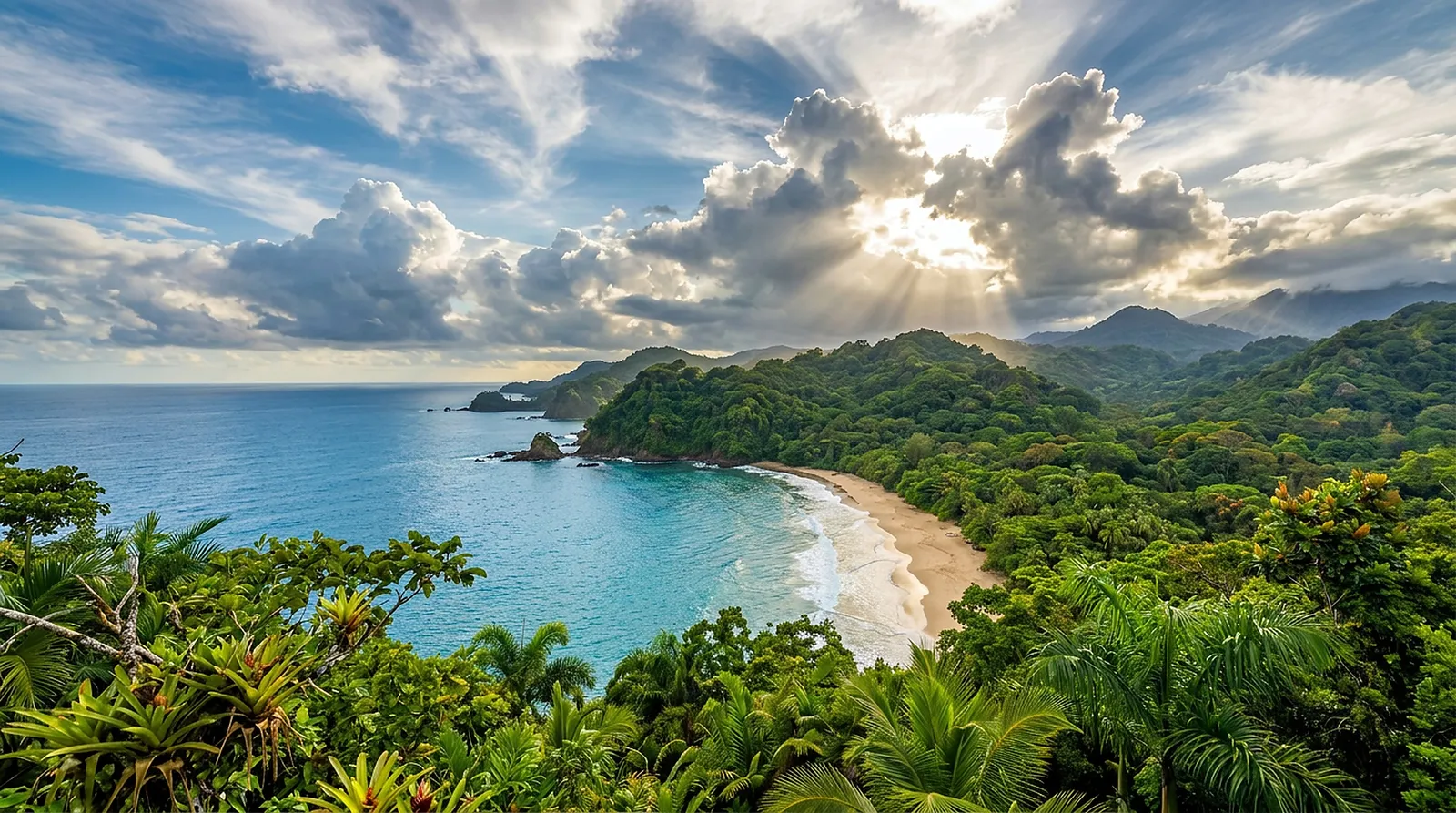
January is a fantastic time to dive Cocos Island, Costa Rica, offering some of the best conditions you’ll experience throughout the year. The dry season is in full swing, meaning calmer seas and generally more predictable weather. You can expect plenty of sunshine, though the island’s remote location means occasional tropical showers are always possible. These are usually short-lived and do little to dampen the incredible diving experience.
Water temperatures during January hover comfortably between 26°C (79°F) and 28°C (82°F), making for pleasant dives without needing excessive thermal protection. While the surface might be calm, strong currents are a defining feature of Cocos Island, and January is no exception. These currents are precisely what attract the abundant pelagic life that makes Cocos world-renowned. Visibility is generally excellent, often exceeding 20 meters and frequently reaching up to 30 meters or more, providing crystal-clear views of the bustling underwater world.
What you will see
Cocos Island in January truly lives up to its reputation as a "shark island." This month is prime time for encountering vast schools of scalloped hammerhead sharks, which are the main draw for many divers. You’ll witness hundreds of these magnificent creatures patrolling the cleaning stations at sites like Bajo Alcyone and Manuelita Channel. Beyond the hammerheads, you’re also highly likely to spot white-tip reef sharks, Galapagos sharks, and silvertip sharks. Tiger sharks and whale sharks are less frequent but always a possibility, particularly around the deeper pinnacles.
The pelagic action doesn’t stop at sharks. January also offers excellent opportunities to encounter large schools of marble rays and eagle rays gracefully gliding past. You might also spot massive tuna, wahoo, and even mobula rays. While Cocos is primarily known for its big animal encounters, don't overlook the vibrant reef life. Giant moray eels peer from crevices, various species of colourful reef fish dart amongst the corals, and if you have a keen eye, you might even spot some interesting macro subjects like nudibranchs or frogfish camouflaged against the rocks. The sheer biomass and diversity of marine life during this month are breathtaking.
Top dive sites this month
When diving Cocos Island in January, several sites consistently deliver phenomenal experiences. Bajo Alcyone is arguably the most famous and an absolute must-dive. This submerged seamount is a renowned cleaning station that attracts massive schools of scalloped hammerheads, offering you unparalleled opportunities to witness these sharks circling just overhead. The currents here can be robust, adding to the exhilaration.
Another stellar site is Manuelita Channel, particularly the "Outside" section. Here, you’ll often drift through channels teeming with white-tip reef sharks and have excellent chances of spotting Galapagos sharks and even hammerheads moving between the main island and Manuelita island. For a different but equally rewarding experience, explore the pinnacles and overhangs of Dirty Rock, where you can encounter schools of jacks, barracudas, and often see larger pelagics making an appearance. Finally, don't miss Dos Amigos Grande for its iconic archway and the possibility of seeing large groups of marble rays, not to mention more sharks.
Practical tips for your trip
Given the comfortable warm water temperatures, a 3mm full-body wetsuit is generally sufficient for diving in Cocos during January. However, if you tend to get cold easily or plan on doing multiple dives a day, a 5mm suit might offer extra comfort, especially during longer dives or if there are thermoclines. This month is ideal for experienced divers due to the strong and sometimes unpredictable currents. While proficient beginners can certainly enjoy Cocos, a good level of buoyancy control and comfort with drift diving is recommended.
Liveaboard availability in January for Cocos Island can be tight due to its popularity as a peak season. It’s highly advisable to book your trip well in advance – often 12-18 months out – to secure your preferred dates and vessel. Beyond your diving gear, remember to pack reef-safe sunscreen, a wide-brimmed hat, and insect repellent for your time on the liveaboard. A good quality underwater camera is a must for capturing the incredible encounters you’ll have. Be prepared for a long journey to get to Cocos, as it’s a remote destination, but rest assured, the extraordinary diving makes every minute of travel worth it.
Year-round overview for Costa Rica (Cocos)
Frequently asked questions
Is January a good month to dive in Costa Rica (Cocos)?
What can you see diving in Costa Rica (Cocos) in January?
Should I book a Costa Rica (Cocos) liveaboard for January or wait?
Find a liveaboard for January
Compare available Costa Rica (Cocos) liveaboards departing in January.
Search and Book