Conditions in January
Ready to dive into Turkey in January? Hold on to your flippers, because January in Turkey isn't exactly peak diving season for most. While the Mediterranean coastline boasts beautiful summers, winter brings a different vibe entirely. You're looking at air temperatures that can range from a chilly 5-15°C (41-59°F) during the day, dropping even lower at night. This means if you're planning a trip focused solely on diving, you’ll need to come prepared for a much cooler experience above water.
The sea state itself can be a mixed bag. While you might get some calm, sunny days, January is also known for its strong winds and choppier waters, especially along the more exposed coastlines. This could lead to cancelled dive trips or restricted access to certain dive sites, so flexibility is key. In terms of water temperature, expect it to hover around 16-18°C (61-64°F) in the Mediterranean and Aegean Seas. This is a far cry from the balmy waters of summer, so proper thermal protection is absolutely essential.
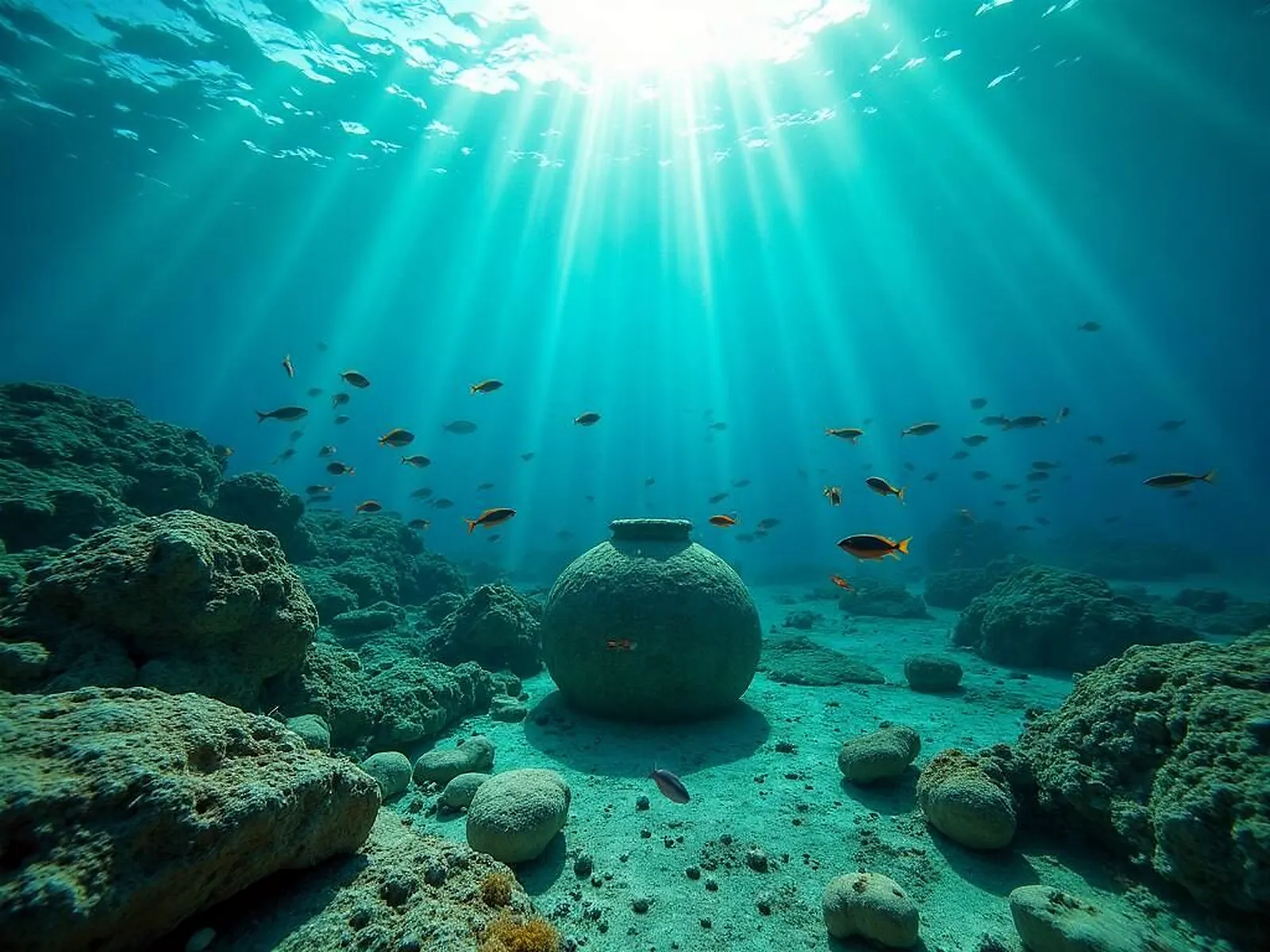
Visibility can still be quite good, often reaching 15-20 meters, and sometimes even more on a good day, as there's less plankton bloom compared to the warmer months. Currents are generally manageable, similar to other times of the year, but can intensify with rougher sea conditions. Don't expect crystal-clear, 30m+ visibility you might find in tropical destinations; this is a different kind of beauty, a more rugged and dramatic underwater landscape.
What you will see
Diving in Turkey in January offers a unique, albeit challenging, experience. It’s not about giant pelagic migrations or specific seasonal aggregations you might find in other parts of the world during winter. Instead, it’s about appreciating the resident marine life and the stark beauty of the underwater environment. You might still encounter various species of groupers, moray eels, barracuda, and schools of bream and snapper. The cooler temperatures don't necessarily deter these resilient creatures, but they might be less active or harder to spot than in warmer months.
Macro enthusiasts might still find plenty to photograph, with nudibranchs, small crabs, shrimp, and various starfish making an appearance among the rocky reefs and seagrass beds. Keep an eye out for octopus and cuttlefish, which are often well-camouflaged but present. While Turkey isn’t known for its consistent shark sightings or manta rays, you might occasionally spot a small ray or a shy reef shark, though these are rare encounters even in peak season. The focus here is more on the intriguing topographies, ancient wrecks, and the general Mediterranean reef life.
You won't find the vibrant coral gardens of the Red Sea or Indonesia here. The underwater landscape is characterized by walls, caves, and rocky reefs, often adorned with sponges, gorgonians, and anemones. The cooler water can sometimes make for more dramatic light penetration, illuminating these structures in a captivating way. January diving in Turkey isn’t about a guarantee of "big stuff," but rather an appreciation for the subtle beauty and robustness of the Mediterranean ecosystem.
Top dive sites this month
Given the winter conditions, liveaboard options might be extremely limited or non-existent in January, as many operators will be undergoing maintenance or relocating to warmer waters. Your best bet for diving will likely be day trips from shore-based operations, focusing on more sheltered sites. In the Kaş region, sites like the Canyon and the Dimitri Wreck (often sheltered and offering excellent visibility and topography) could still be accessible on calmer days. The Blue Cave, known for its stunning light effects, is also a possibility, though entering and exiting can be weather-dependent. The Kaş region generally offers some of the most diverse diving in Turkey, and even in January, its resident marine life persists.
Another region to consider, though equally weather-dependent, is the area around Fethiye and Dalyan. While less renowned for its diving than Kaş, you might find some local operations offering dives to sites like AFADI Cove or around the islands near Gocek, which tend to be more protected from strong winds. Again, the emphasis will be on topography, rocky reefs, and resident fish rather than large marine interactions. It’s crucial to contact local dive centers well in advance to check their operational status and daily conditions, as January can be quite unpredictable.
Practical tips for your trip
If you're planning on diving in Turkey in January, you absolutely need to pack for comfort and warmth. A 7mm wetsuit is the minimum recommended, and many divers will opt for a semi-dry suit or even a dry suit, especially if you plan on multiple dives a day. Don't forget a hood, gloves, and booties – these will make a significant difference to your overall experience. On land, layers are your best friend, including waterproof and windproof outer shells.
This is definitely a month more suited for experienced divers who are comfortable with cooler water temperatures and potentially challenging surface conditions. While beginners can technically dive, the added chill and gear requirements might make it a less enjoyable introduction to diving. Liveaboard availability will be severely restricted, if available at all. Most liveaboard operators in Turkey run seasonal schedules, usually from April/May through to October/November, and pause operations during the winter months. Therefore, you'll almost exclusively be looking at shore-based facilities and day trips.
Beyond the diving, remember that January is off-season for tourism in many coastal areas. While this means fewer crowds, it also means that many restaurants, shops, and attractions might be closed. Research your chosen destination thoroughly to ensure you can find adequate accommodation and food options. Pack a good book, consider renting a car for exploring the historic sites and towns, and be prepared for a quieter, more intimate Turkish experience, both above and below the water. Flexibility is key, as dive plans might change due to weather; have backup activities in mind!
Year-round overview for Turkey
Frequently asked questions
Is January a good month to dive in Turkey?
What can you see diving in Turkey in January?
Should I book a Turkey liveaboard for January or wait?
Find a liveaboard for January
Compare available Turkey liveaboards departing in January.
Search and Book