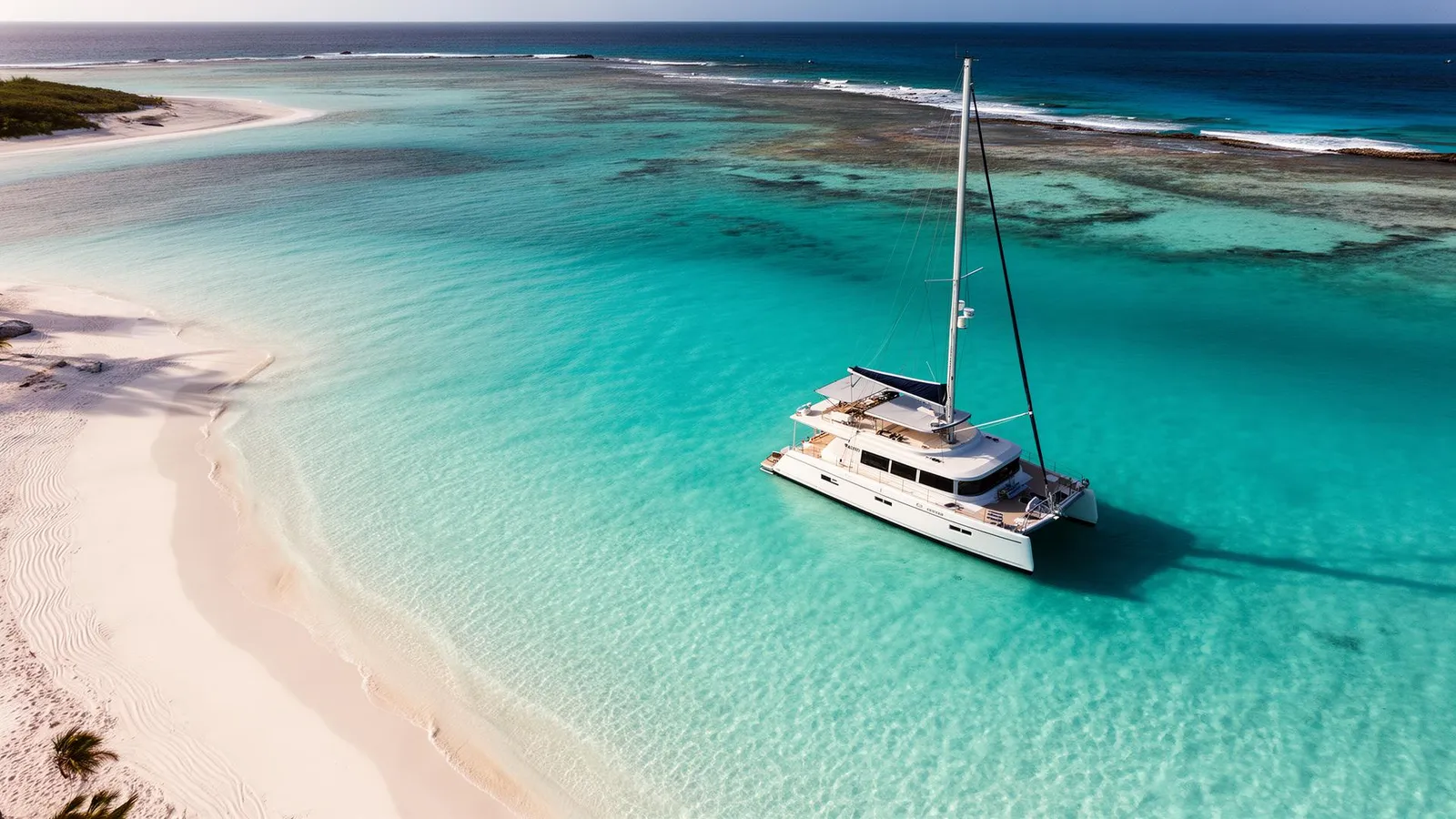
Conditions in January
So, you’re thinking about escaping the winter chill and diving into the vibrant waters of Turks & Caicos this January? Excellent choice! Let's talk about what you can expect. January in Turks & Caicos is truly delightful, offering a welcome respite from colder climes. Air temperatures typically hover around a comfortable 24-27°C (75-80°F), with gentle breezes keeping things pleasant both on deck and on land. While it's technically part of the "dry season," you might encounter a brief, refreshing shower here and there, but prolonged rain is uncommon.
The sea state during January is generally quite calm, especially within the sheltered cays and along the deeper walls. This makes for smooth sailing on your liveaboard and comfortable entry/exit from the water. Of course, the ocean can be unpredictable, but large swells are rare this time of year. Water temperatures are a pleasant 25-26°C (77-79°F), which is incredibly comfortable for extended dives. You won't feel rushed to get out of the water due to the cold, allowing you to truly soak in the underwater wonders.
Visibility in Turks & Caicos is legendary, and January is no exception. Expect staggering visibility, often exceeding 30 meters, and frequently pushing past 40 meters on a good day. It's like diving in a giant, crystal-clear aquarium! Currents are typically mild to moderate, especially at dive sites along the barrier reef and walls. Your liveaboard captain and dive guides will expertly place you to enjoy the drift, making for effortless dives. Stronger currents might be encountered at specific points, but these are usually manageable and often bring exciting pelagic life with them.
What you will see
January is a fantastic time for marine life encounters in Turks & Caicos, particularly if you're keen on seeing impressive pelagics. This month marks the beginning of the humpback whale migration through the Turks Head Passage, just south of Grand Turk. While sightings are never guaranteed, the chances of hearing their haunting songs underwater or even catching a glimpse of these magnificent creatures on the surface are significantly higher. Keep an eye out during surface intervals – you might just spot a breaching whale!
Beyond the potential whale shows, the reefs are teeming with life. Reef sharks, including Caribbean Reef Sharks, are a frequent sight, patrolling the walls and shallows. You'll also encounter plenty of Nassau groupers, barracudas, and schooling jacks. Eagle rays are a common and graceful presence, often seen gliding effortlessly along the drop-offs. For those with a keen eye, the macro life is also thriving. Look for vibrant nudibranchs, gobies, blennies, and various types of shrimp tucked into the corals.
One of the true highlights of Turks & Caicos diving is the healthy coral ecosystems. The January waters offer perfect conditions to admire the vast fields of hard and soft corals, with impressive formations everywhere you look. From enormous brain corals to delicate sea fans, the reefs are a kaleidoscope of color and texture. Keep your eyes peeled for sleepy nurse sharks resting under ledges, and shy sea turtles munching on seagrass or gliding majestically through the water. It’s an incredibly diverse ecosystem, offering thrills for every diver.
Top dive sites this month
When diving Turks & Caicos in January, several sites truly shine. On the walls of Grand Turk, you can’t go wrong with sites like "The Wall" itself or "Amphitheatre." These sites offer dramatic drop-offs, incredible visibility, and a high likelihood of encountering pelagics as they pass by. You’ll be treated to vast coral gardens that cascade down into the deep blue, often with reef sharks and eagle rays cruising by. For those adventurous liveaboard itineraries, the remote and pristine sites of the Columbus Bank Extension offer truly untouched reefs and spectacular deep walls, perfect for spotting larger marine life away from other divers.
Beyond Grand Turk, the sites around Providenciales are also exceptional. "Grace Bay Wall" and "Gullies" are perennial favorites, providing stunning topography with swim-throughs and canyons carved into the reef. These sites are consistently rich in fish life and offer excellent opportunities for photography. Further afield, if your liveaboard ventures to West Caicos, "The Anchor" is a genuinely iconic spot. This dive site features a massive, centuries-old anchor embedded in the wall, surrounded by vibrant corals and abundant marine life. It's a visually spectacular dive and often a highlight of any Turks & Caicos liveaboard trip. Given the calm conditions, exploring these exposed yet magnificent locations is ideal.
Practical tips for your trip
For a January dive trip to Turks & Caicos, a 3mm full wetsuit or a 3mm shorty is generally perfect for the 25-26°C (77-79°F) water temperatures. Some divers who are prone to getting cold might prefer a 5mm, especially if they plan on multiple dives a day, but for most, a 3mm provides ample warmth and protection. This month is fantastic for divers of all experience levels. The generally calm seas, excellent visibility, and manageable currents make it very welcoming for beginners, while the dramatic wall dives and pelagic encounters offer plenty of excitement for advanced divers.
Liveaboard availability in January can be quite good, as it's just past the peak holiday rush. However, due to its popularity as a winter escape, booking several months in advance is always recommended to secure your preferred dates and cabin. For packing, think light tropical clothing, swimwear, reef-safe sunscreen, a wide-brimmed hat, and polarized sunglasses. Don't forget your certification cards, logbook, and any personal dive gear you prefer to use. It’s also wise to bring a light rain jacket just in case of those brief showers. Be aware that while the Turks & Caicos islands are relatively developed, the liveaboard experience itself is about disconnecting and focusing on diving. Prepare for limited internet access (though some boats offer satellite Wi-Fi for a fee) and embrace the tranquil pace of island life. Enjoy your incredible diving adventure!
Year-round overview for Turks & Caicos
Frequently asked questions
Is January a good month to dive in Turks & Caicos?
What can you see diving in Turks & Caicos in January?
Should I book a Turks & Caicos liveaboard for January or wait?
Find a liveaboard for January
Compare available Turks & Caicos liveaboards departing in January.
Search and Book