Conditions in January
So, you're dreaming of escaping the winter blues and diving into the vibrant underwater world of Mexico this January? Fantastic choice! January in Mexico offers a compelling blend of comfortable topside weather and exhilarating diving conditions, making it an ideal time for your aquatic adventure. You can expect mostly dry and sunny days with average air temperatures hovering around 25-28°C (77-82°F) in most coastal regions, though the Baja California peninsula might be a touch cooler. This pleasant weather means you'll be enjoying your surface intervals in true Mexican paradise style.
Beneath the waves, conditions are generally excellent. Water temperatures in the Caribbean (think Cozumel, Riviera Maya) typically range from 25-26°C (77-79°F), offering a comfortable experience. On the Pacific side, particularly around the Revillagigedo Islands (Socorro), you'll find slightly cooler waters, usually between 23-25°C (73-77°F). Visibility across the board is often spectacular. In the Caribbean, you can frequently expect visibility upwards of 30 meters, sometimes even reaching 40 meters, especially in the crystal-clear cenotes, which maintain incredible clarity year-round. On the Pacific, pelagic encounters often come with visibility ranging from 20 to 30 meters, which is more than enough to appreciate the grand scale of the marine life you'll encounter.
Currents vary by location and dive site, as always. In places like Cozumel, you'll often experience drift dives with moderate to strong currents, which are part of the thrill and help bring in the bigger fish. The Revillagigedo Archipelago can also have strong currents, especially at exposed sites, which is precisely what attracts the large pelagics. Overall, January offers a prime window for diving in Mexico with stable conditions, making it less likely for trips to be disrupted by adverse weather, although you should always be prepared for local variations.
What you will see
January diving in Mexico is truly special, especially if you're a fan of big animals and unique marine phenomena. This month marks the peak season for many pelagic species, particularly in the Pacific. Around the Revillagigedo Islands, you're practically guaranteed to encounter majestic giant Pacific manta rays. These gentle giants are incredibly curious and often interact closely with divers, offering unforgettable encounters. It's also prime time for several species of sharks; you can expect to see silvertips, Galapagos sharks, whitetip reef sharks, and even hammerheads in schools, especially around dive sites like Roca Partida. Whale sharks (though less common in January than later in the season in the Caribbean) can still be sighted opportunistically, and humpback whales begin their migration, so you'll frequently hear their songs underwater, and sometimes even spot them on the surface from your liveaboard.
On the Caribbean side, while the big pelagic action might not be as concentrated as Socorro, January is still a fantastic time. The stable conditions mean healthy reef ecosystems are thriving. You'll glide over vibrant coral gardens teeming with an incredible diversity of reef fish: angelfish, parrotfish, groupers, snapper, and barracuda are all common sights. Keep your eyes peeled for green sea turtles and loggerheads gracefully swimming by. For macro enthusiasts, there's always something fascinating to discover, from tiny nudibranchs to camouflaged crabs and shrimp hiding among the corals.
A unique January highlight in the Caribbean is the bull shark aggregation off Playa del Carmen. This incredible natural phenomenon sees dozens of these powerful sharks gathering in the relatively shallow waters, offering an exhilarating and deeply respectful experience for advanced divers. While sightings are never guaranteed, January is consistently one of the best months for this particular encounter. So whether you're chasing mantas and sharks in the Pacific or exploring vibrant reefs and unique aggregations in the Caribbean, Mexico in January will certainly deliver.
Top dive sites this month
For the ultimate pelagic adventure this January, you absolutely must consider the Revillagigedo Archipelago (Socorro Islands). This remote Pacific outpost is a UNESCO World Heritage site and truly comes alive with marine giants during the winter months. Dive sites like Roca Partida are legendary for hammerhead and white-tip shark schools, while San Benedicto Island (The Boiler) is world-renowned for its incredibly friendly giant manta rays that often seek out diver interaction. Last but not least, Cabo Pierce at Socorro Island itself is another hotspot for sharks and mantas, providing consistent action. These sites are only accessible via liveaboard, and January is a prime booking month for this once-in-a-lifetime trip.
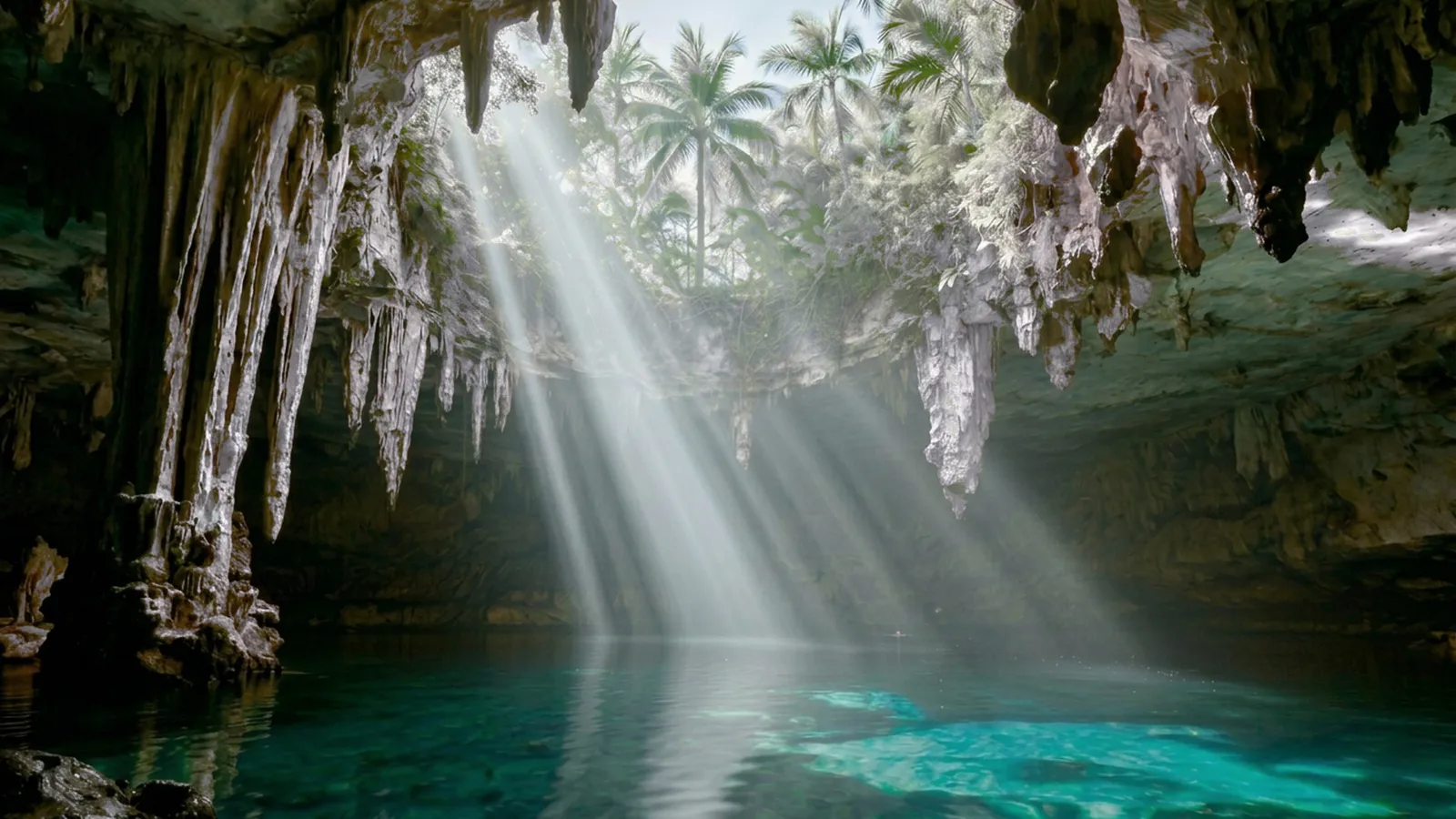
On the Caribbean coast, Cozumel remains a top-tier destination. Its famous drift dives, fueled by strong currents, are perfect for seeing healthy reefs and larger reef fish, as well as turtles and eagles rays. Top sites include the stunning wall dives of Palancar Reef and Santa Rosa Wall, which offer breathtaking topography and diverse marine life. Just across the channel, the waters off Playa del Carmen are famous in January for the aforementioned bull shark sightings, especially at specific sites like the "Bull Shark Point" which is often visited by local dive operators. And of course, no trip to the Riviera Maya is complete without exploring the mystical freshwater cenotes, like Dos Ojos or The Pit, which offer entirely unique diving experiences with their incredible light rays, stalactites, and stalagmites, regardless of the month.
Practical tips for your trip
Given the water temperatures, especially for the Revillagigedo Islands, you'll want to pack a thicker wetsuit. For the Pacific, a 5mm or even a 7mm full wetsuit is highly recommended, especially if you plan on multiple dives a day or are prone to getting cold. In the Caribbean, a 3mm full wetsuit or even a 5mm should suffice, but always err on the side of warmth. January is generally suitable for divers of all experience levels in the Caribbean, though some drift dives in Cozumel require comfort with currents. The Revillagigedo Islands, however, are definitely for more experienced divers due to the often strong currents, deep dives, and remote location; you should have at least 50-100 logged dives and be comfortable in various conditions.
Liveaboard availability in January, particularly for Socorro, can be tight as it's peak season for pelagics. Booking well in advance is crucial – we're talking 6-12 months ahead for the most popular trips. For land-based diving in the Caribbean, you'll find more flexibility, but still, early booking is advised as it's a popular time for tourists escaping colder climates. Don't forget your reef-safe sunscreen, a good wide-brimmed hat, and a rash guard for surface intervals. Consider bringing a defogger for your mask, as well as any personal dive gear you prefer for comfort. A basic medical kit with seasickness medication is always a good idea, especially for liveaboard trips where you're further from shore. Be aware that the Revillagigedo Islands are a national park, so strict rules apply to protect the pristine environment – listen to your guide, maintain distance from marine life, and ensure you're using environmentally friendly products. Enjoy your incredible January adventure in Mexico!
Year-round overview for Mexico
Frequently asked questions
Is January a good month to dive in Mexico?
What can you see diving in Mexico in January?
Should I book a Mexico liveaboard for January or wait?
Find a liveaboard for January
Compare available Mexico liveaboards departing in January.
Search and Book