Conditions in July
So, you’re thinking about diving in Mexico this July? Awesome choice! While some parts of the world are battling dreary weather, Mexico in July offers a fantastic, if slightly nuanced, diving experience. Generally speaking, July falls within the summer season for much of Mexico, meaning warmer air temperatures and, excitingly for us divers, warmer water. On the Caribbean side, think Riviera Maya and Cozumel, you’re looking at air temperatures comfortably in the high 20s to low 30s Celsius (80s to low 90s Fahrenheit). The sea will be bathtub-warm, typically ranging from 28-30°C (82-86°F), perfect for extended dives without feeling a chill. Visibility here is usually epic, often exceeding 30 meters, making those reefs and cenotes truly pop. However, it's crucial to remember that July marks the start of hurricane season in the Atlantic. While direct hits are rare, tropical depressions can bring periods of rain and, occasionally, choppier seas. Most operators are highly experienced in navigating these conditions and will prioritize your safety, often adjusting itineraries or utilizing sheltered areas.
Over on the Pacific coast, particularly Baja California Sur which includes the Socorro Islands and La Paz, July offers a different but equally compelling set of conditions. Air temperatures will be similar to the Caribbean, often a bit drier. Water temperatures will vary more depending on the specific location and any upwellings. Around La Paz and the Sea of Cortez, you can expect the water to be a pleasant 26-29°C (79-84°F). Down in the Socorro Islands (accessible via liveaboard), the water can be a touch cooler, typically 24-27°C (75-81°F), due to deeper currents. Visibility in the Sea of Cortez is usually excellent, often 20-30 meters or more, though it can vary with plankton blooms – but these blooms often mean more marine life! Currents can be a factor on both coasts, especially in areas like Cozumel or around offshore pinnacles in the Pacific, so be prepared for some drift diving. It’s all part of the adventure!
What you will see
July is a truly special month for marine life sightings in Mexico, especially if you’re a fan of the big stuff. On the Pacific side, specifically around La Paz and the Sea of Cortez, July heralds the beginning of the whale shark season in Bahía de La Paz, though it's important to note their presence can be somewhat unpredictable in early summer. You might also encounter large schools of mobula rays, sometimes in their thousands, creating breathtaking underwater ballets. Sea lions are a year-round highlight, but in July, their pups are increasingly playful and curious at sites like Los Islotes. These encounters are genuinely unforgettable. For shark lovers, you could be lucky enough to spot hammerheads, silkies, and even white-tip reef sharks, particularly around seamounts and outlying islands. Macro enthusiasts shouldn’t feel left out either; the reefs are teeming with nudibranchs, jawfish, blennies, and a vibrant array of smaller fish.
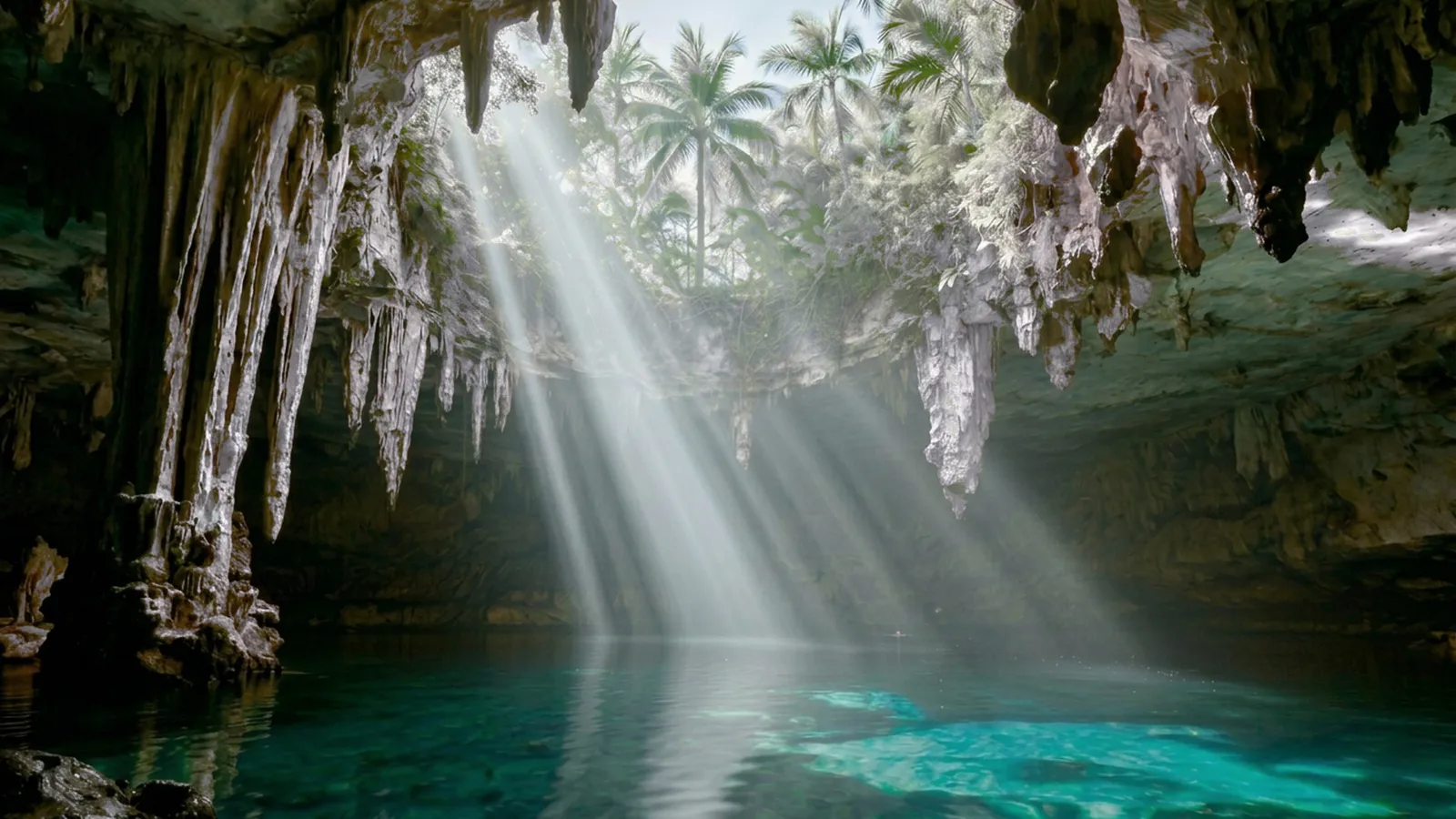
Over on the Caribbean coast, Mexico never disappoints. While July isn't peak whale shark season for the massive aggregations off Isla Holbox (that's typically later in the summer), you still have a decent chance of encountering them in the deeper waters offshore, particularly if you join a dedicated excursion. The reefs of Cozumel and the Riviera Maya are perpetually bursting with life. Think colourful parrotfish, angelfish, barracuda, moray eels, and graceful sea turtles. Nurse sharks often rest under ledges, and if you’re lucky, you might spot a bull shark in the deeper channels, although their primary season near Playa del Carmen is later in the year. The cenotes, of course, offer a completely different visual feast – stunning light beams, intricate stalactites and stalagmites, and crystal-clear freshwater, often with a halocline separating the fresh and salt water layers, creating surreal visual effects and a unique ecosystem of their own.
Top dive sites this month
If you're diving in Mexico in July, you absolutely have to consider the Cozumel Passage. Renowned for its incredible drift dives, sites like Palancar Reef, Santa Rosa Wall, and Columbia Wall offer breathtaking coral formations, massive sponges, and a constant flow of marine life. The currents here make for effortless diving as you glide along stunning drop-offs, observing turtles, eagle rays, barracuda, and schools of fish. The visibility is usually phenomenal in July, enhancing the experience of these vibrant underwater canyons and swim-throughs. It's a diver's paradise for those who love easy drift diving over spectacular reefs.
For a truly unique experience, don't miss the Cenotes of the Yucatán Peninsula. While not a single dive site, key cenotes like Dos Ojos, Chac Mool, and El Pit offer unparalleled cavern and cave diving. In July, the light beams dancing through the openings are often at their most magical, penetrating deep into the crystal-clear freshwater. This is a bucket-list experience, even if you stick to the cavern tours suitable for open water divers. On the Pacific side, for something completely different, explore the Sea of Cortez around La Paz. Dive sites like Los Islotes, where you can interact with playful sea lions, and El Bajo, a seamount famous for schooling hammerheads and other pelagics, are at their best. July also gives you a good chance of encountering whale sharks in Bahía de La Paz, making it an incredibly diverse and exciting destination for the month.
Practical tips for your trip
Given the lovely warm water temperatures across most of Mexico in July, you’ll likely be comfortable in a 3mm shorty or even just a rashguard if you're particularly hardy, especially on the Caribbean side. For the Pacific, particularly if you’re doing multiple dives or are sensitive to cooler water, a full 3mm or even a 5mm wetsuit might be better, especially for deeper dives or in areas with potential upwellings like Socorro (though Socorro liveaboards are generally not running in July due to the summer hurricane season). This month is fantastic for divers of all levels. The calm, clear waters and gentle drift dives of Cozumel are perfect for beginners and intermediate divers, while the more challenging currents of some Pacific sites or the overhead environment of the cenotes offer excitement for advanced divers. The cenotes also have cavern zones suitable for Open Water divers, with more extensive cave systems for those with technical training.
July is a popular time for travel, so securing liveaboard availability, especially for sought-after itineraries in the Sea of Cortez, is crucial. Book well in advance to avoid disappointment. Pack light, breathable clothing for surface intervals, plenty of reef-safe sunscreen, and a good hat. Don't forget your certification cards, dive insurance, and any personal dive gear you prefer to use. While hurricane season is a factor, don’t let it deter you. Operators are generally well-prepared and prioritize safety. Have backup plans for accommodation or activities in case of weather-related delays. Embrace the warmth and the incredible marine diversity that Mexico offers in July – it’s an adventure you won’t soon forget!