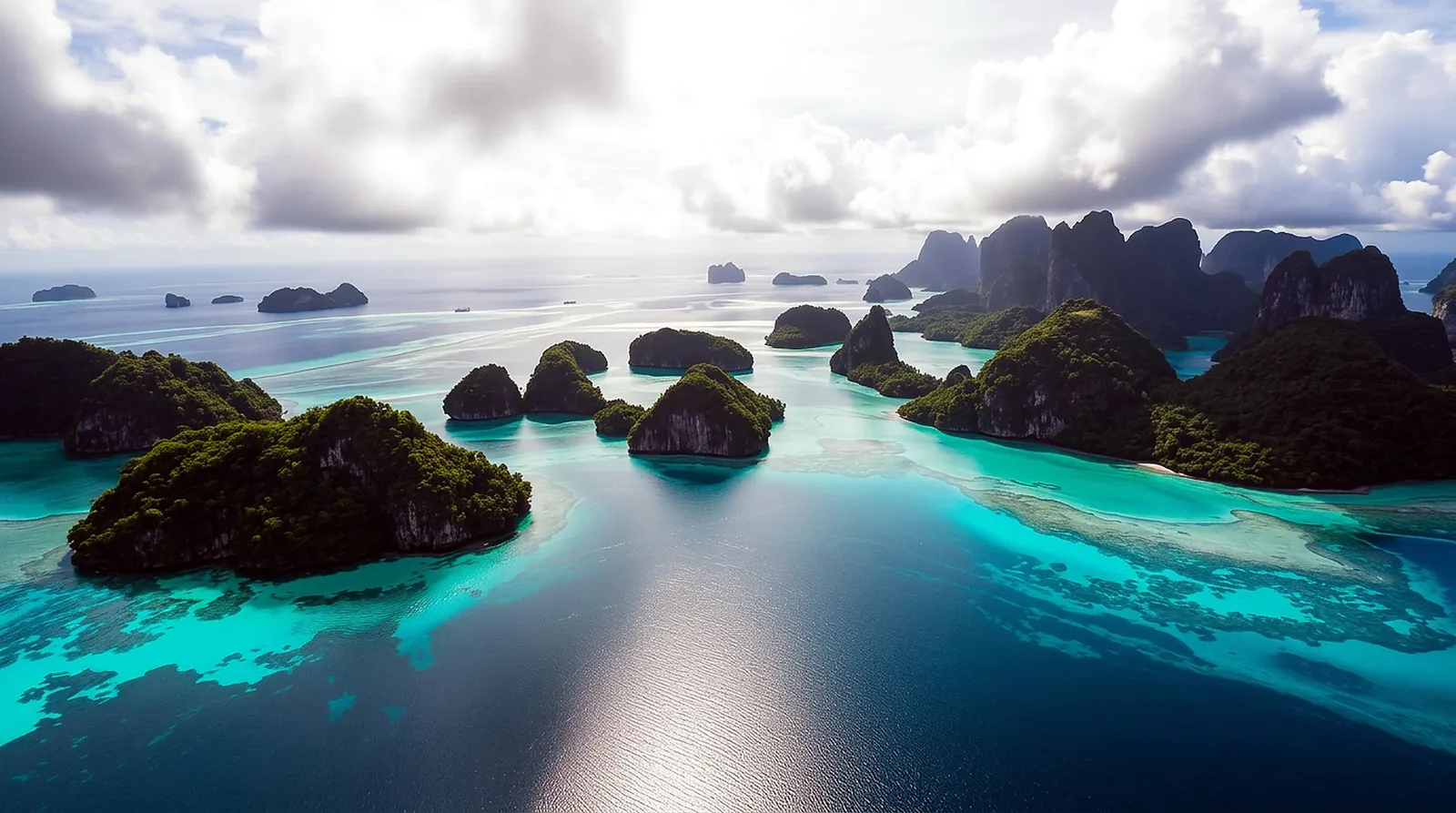
Conditions in July
July in Indonesia offers a fantastic opportunity for divers, though it's important to understand the regional variations that make this vast archipelago so diverse. Broadly speaking, July falls within the dry season for much of Indonesia, particularly the popular dive destinations in the central and eastern regions. This means you can expect generally calm seas and clear skies, providing optimal surface conditions for liveaboards. Air temperatures typically hover around 27-32°C (81-90°F), making for pleasant topside relaxation between dives.
Water temperatures are consistently warm across most of the archipelago, generally ranging from 26-29°C (79-84°F). However, you might encounter slightly cooler thermoclines, especially in areas with strong upwellings like Komodo, where temperatures can dip to 24-26°C (75-79°F) in some spots, particularly around Nusa Kode or the southern sites. Visibility during July is generally excellent, often exceeding 20-30 meters in regions like Raja Ampat and the Banda Sea. In Komodo, visibility can vary but often remains in the 15-25 meter range, with some nutrient-rich sites having slightly less, but this is usually a trade-off for incredible marine life. Currents are a constant factor in many Indonesian dive sites, especially around the Nusa Tenggara region (Komodo, Alor, etc.). While strong currents are often present, experienced liveaboard crews are adept at timing dives for optimal conditions, utilizing drift diving techniques that allow you to glide along with the flow.
What you will see
July is prime time for big animal encounters in several key Indonesian destinations. In Komodo, the dry season brings nutrient-rich waters which, combined with strong currents, create a vibrant feeding ground. You're almost guaranteed to encounter magnificent manta rays at iconic cleaning stations like Manta Point and Batu Bolong. Reef sharks – including white-tip and black-tip reef sharks, and sometimes even grey reef sharks – are frequently sighted patrolling the reefs. The sheer density of fish life here is astounding, with schools of fusiliers, snappers, and trevallies swirling around the vibrant hard and soft coral gardens. For macro enthusiasts, muck diving sites in Komodo, such as those around Horseshoe Bay or parts of North Komodo, can reveal pygmy seahorses, frogfish, nudi- branchs, and various crustaceans hiding amongst the rubble and black sand.
While Raja Ampat typically shines year-round, July still offers incredible diving. The sheer biodiversity means you'll consistently find an abundance of reef fish, healthy corals, and encounters with wobbegong sharks, walking sharks, and various reef sharks. Manta rays are also present, particularly in the Dampier Strait at sites like Manta Ridge or Manta Sandy. For those venturing further east into the Banda Sea, July marks excellent conditions for exploring these volcanic islands. While the peak season for hammerhead aggregations is later in the year, you can still encounter these magnificent creatures, along with other pelagics like tuna and mobula rays, especially around islands like Gunung Api or the various atolls. Macro life is consistently excellent across Indonesia, and July is no exception, with elusive critters like hairy frogfish, blue-ringed octopuses, and a myriad of colourful nudibranchs awaiting discovery by patient divers in almost any region.
Top dive sites this month
For July, Komodo National Park stands out as an absolute must-visit. Its iconic sites like Batu Bolong, a pinnacle teeming with fish and often visited by reef sharks, or Castle Rock and Crystal Rock, renowned for their pelagic action and vibrant soft corals, are in their prime. Of course, no Komodo trip is complete without a stop at Manta Point, where you can witness aggregations of spellbinding manta rays gliding effortlessly. The nutrient-rich waters fueled by the dry season mean these sites are buzzing with activity.
Further east, the Banda Sea starts to offer excellent conditions as the dry season progresses. While the famous hammerhead schools often peak later, sites around Hatta Island and Gunung Api (Volcano Island) are worth exploring for schooling fish, healthy corals, and the chance of encountering larger pelagics in clear, calm waters. For those wanting a slightly less current-intensive, but equally biodiverse experience, parts of Raja Ampat, particularly the Dampier Strait, remain excellent even in July. Sites like Cape Kri and Sardine Reef consistently deliver some of the highest fish biodiversity on the planet, with schooling fish, reef sharks, and healthy corals in spectacular condition.
Practical tips for your trip
Given the water temperatures, a 3mm full wetsuit will be suitable for most divers in Indonesia during July. However, if you tend to get cold easily, or if you're planning extensive diving in Komodo where thermoclines can be present, a 5mm suit or at least a thicker vest donned for some dives might provide extra comfort. This month is generally suitable for intermediate to advanced divers, particularly if you're heading to Komodo or the Banda Sea where currents can be strong. While there are calmer sites, the most rewarding dives often involve some current experience. Beginners might find Komodo challenging, unless on a liveaboard specifically tailoring to gentler conditions. However, Raja Ampat offers a good mix of sites, suitable for various experience levels.
Given July is prime season for many of these incredible destinations, liveaboard availability can become tight. We highly recommend booking your liveaboard well in advance – ideally 6-12 months prior – to secure your preferred boat and itinerary. What to pack? Beyond your standard dive gear, consider bringing a reef hook (essential for some current-heavy sites), a dive computer, and an SMB (surface marker buoy). Sun protection is crucial: reef-safe sunscreen, a hat, and sunglasses are non-negotiable. Additionally, bring a light rain jacket just in case, though July is generally dry. Be aware that remote areas can have limited connectivity, so embrace the digital detox. Mosquito repellent is always a good idea for evenings on land excursions. Finally, bring an adventurous spirit – Indonesia in July promises an unforgettable underwater journey!