Conditions in July
You're thinking about diving the Bay Islands of Honduras in July, and let me tell you, it's a fantastic choice! While many destinations are battling their off-seasons, July in Honduras offers some really pleasant diving conditions. The weather topside is typically warm and sunny, with average air temperatures hovering around 28-32°C (82-90°F). You might experience the occasional brief afternoon shower, but these usually pass quickly and just serve to cool things down a little. Don't expect continuous downpours; the rainy season usually starts to pick up more significantly in September and October.
Underwater, things are equally inviting. Water temperatures are consistently warm, sitting comfortably between 28-30°C (82-86°F), meaning a 3mm shorty or even just a rash guard might be all you need. However, if you do multiple dives a day or are prone to getting chilly, a full 3mm wetsuit is a good idea. Sea state is generally calm, especially around the leeward sides of the islands, making for smooth boat rides and easy entries and exits. Visibility is usually excellent, often exceeding 25-30 meters (80-100 feet), providing crystal-clear views of the vibrant reefs and their inhabitants.
Currents in July are typically mild to moderate in most areas. You'll find a gentle drift on some sites, which can be lovely for effortlessly gliding along the walls and reefs, while others remain virtually current-free. There aren't any strong, unpredictable currents that are characteristic of other times of the year or locations. This makes it a great time for divers of all experience levels to enjoy the underwater world without battling challenging conditions.
What you will see
July in the Bay Islands is a spectacular time for marine life encounters, and you're in for a treat! The warm, clear waters are teeming with activity. You'll be absolutely spoiled for choice with the resident reef fish – expect to see huge schools of snapper, grunts, and jacks swirling around the coral formations. Keep an eye out for colourful parrotfish munching on algae, curious angelfish, and elusive moray eels peeking out from their crevices. Macro enthusiasts won't be disappointed either, with plenty of nudibranchs, tiny crabs, and shrimp hiding among the sponges and corals. The good visibility makes spotting these smaller creatures even more rewarding.
While whale sharks are known to visit the Bay Islands, especially around Utila, their appearances are less reliable in July compared to the peak season which typically runs from March to May and again from August to December. However, you still have a decent chance of encountering them, particularly if you venture further from the main reef systems. July is also a good month for encountering larger pelagics like Caribbean reef sharks, which are a common sight patrolling the deeper walls and drop-offs. Nurse sharks are frequently found resting under ledges or in sand channels. Rays, including impressive southern stingrays and playful spotted eagle rays, are also regularly seen gliding gracefully over the sandy bottoms and along the reef edges.
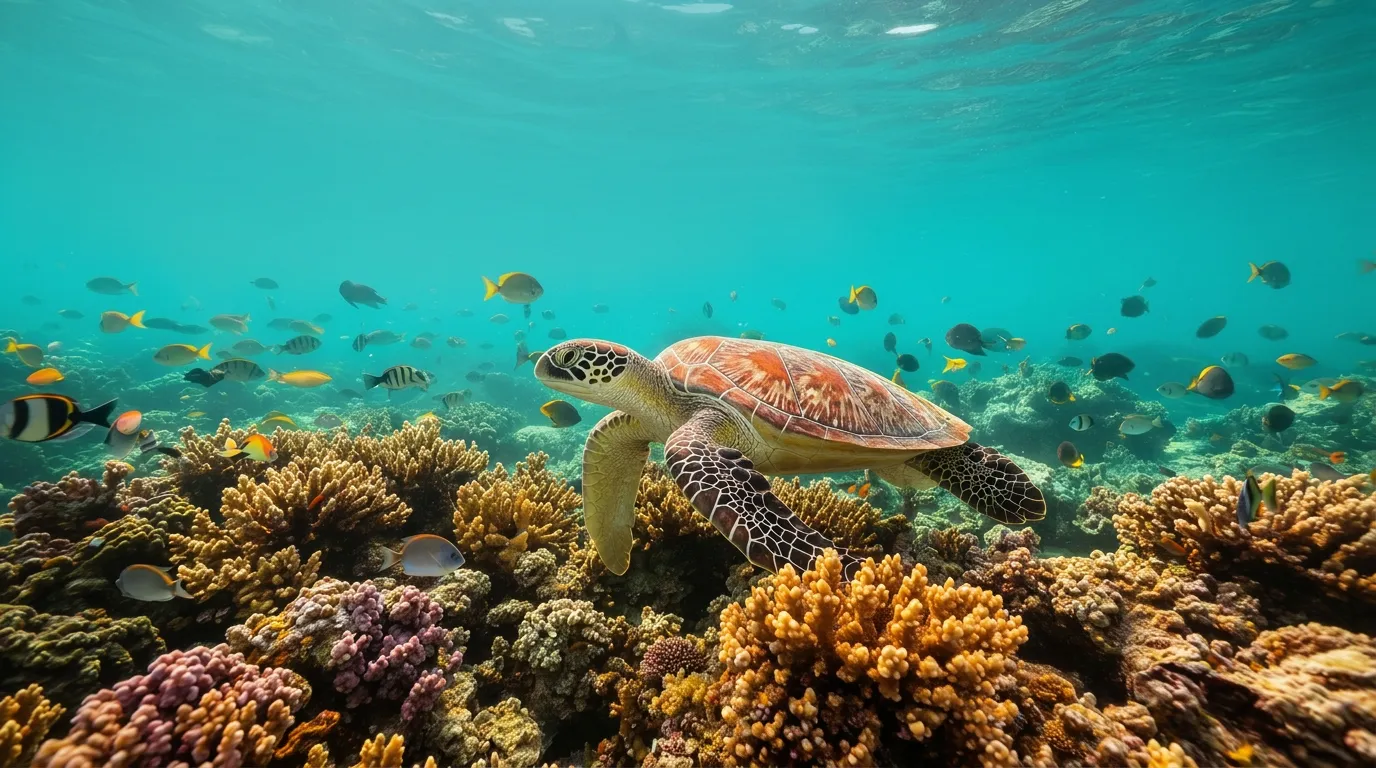
The healthy coral reefs themselves are a major draw. July's conditions support vibrant soft corals, gorgonians, and hard corals, creating a dramatic backdrop for all the marine activity. You'll find huge barrel sponges, intricate brain corals, and delicate fire corals providing shelter and food for countless reef dwellers. Keep an eye out for green sea turtles and hawksbill turtles, which are regularly spotted munching on sponges or navigating the reef. The absence of strong currents often means you can take your time to truly appreciate these thriving ecosystems.
Top dive sites this month
Considering the generally calm conditions and excellent visibility in July, several dive sites in the Bay Islands truly shine. In Roatán, the "El Aguila" wreck is a fantastic dive, and with good visibility, you'll get a spectacular overview of this 230-foot cargo ship lying at approximately 30 meters. The resident groupers and barracuda are always a highlight here. Nearby, "Mary's Place" on the south side of Roatán is legendary for its dramatic, narrow coral crevices and swim-throughs that open up to brilliant walls. The lack of strong currents in July makes exploring these intricate formations an absolute pleasure. You'll find plenty of macro life tucked away in the nooks, and often see larger fish cruising the outer wall.
Over in Utila, "The Whale Shark & Dolphin Research Centre" (WSDC) area, though more known for whale shark encounters outside of July's peak, still offers phenomenal diving. But for July, focus on sites like the "Halliburton," a fantastic wreck dive at around 30 meters, often surrounded by schooling fish and sometimes visited by reef sharks. Another Utila gem is "Black Hills," an offshore seamount where the current can sometimes pick up, but in July, it often presents manageable conditions with incredible opportunities for pelagic sightings, including barracuda, jacks, and potentially eagle rays or even mantas if you're lucky. The diverse topography and active marine life here make it a top contender for July diving.
Practical tips for your trip
For your July diving adventure in the Bay Islands, a 3mm full wetsuit is a pretty safe bet. While the water is warm, doing multiple dives a day can lead to a slight chill for some, so it's better to be prepared. If you're someone who really feels the cold, a 5mm might be more comfortable, but it's likely overkill for most. This month is incredibly suitable for divers of all experience levels. Beginners will appreciate the calm seas, mild currents, and exceptional visibility, allowing them to focus on buoyancy and enjoying the incredible marine life. Experienced divers will find plenty to explore with the healthy reefs, wrecks, and potential for pelagic encounters.
Liveaboard availability in July is usually good, as it's not the absolute peak of the high season. However, booking in advance is always recommended, especially if you have specific dates or a particular liveaboard in mind, as the Bay Islands, particularly Roatán and Utila, are becoming increasingly popular. When packing, think light, casual clothing for topside, plenty of reef-safe sunscreen, a good wide-brimmed hat, and insect repellent for the evenings. Don't forget your certification cards, logbook, and any personal dive gear you prefer to use. While tropical storms are rare in July, you should always be aware of the weather forecast, as it’s technically hurricane season in the Caribbean. However, direct hits are uncommon, and minor disturbances usually just mean a day or two of rain. Enjoy your dive trip; Honduras in July is a truly special experience!