Conditions in July
So, you're eyeing a dive trip to Papua New Guinea in July? Excellent choice, but let's get you prepared for what you can expect. July falls right in the heart of what's generally considered the dry season across much of PNG. This translates to some absolutely stunning conditions both above and below the surface. Air temperatures are pleasantly warm, usually hovering around 25-30°C (77-86°F), making surface intervals and land excursions super comfortable. You'll typically experience clear, sunny skies with minimal rainfall, which is a huge plus for photography and simply enjoying the breathtaking topside scenery.
When it comes to the sea state, July generally sees calmer waters, especially compared to the monsoon season. This can make for smoother transits between dive sites on a liveaboard, and more comfortable entries and exits from the water. However, as with any tropical destination, localized weather patterns can always bring a squall or two, but these are usually short-lived. Water temperatures are consistently warm and inviting, ranging from a balmy 27-29°C (81-84°F) in most areas. You'll find yourself practically living in the water!
Visibility is often at its peak during July, especially in areas less affected by river runoff. Expect a fantastic 30 meters (100 feet) or more on many dives, sometimes even stretching to a mind-blowing 40 meters (130 feet) in pristine spots. This incredible clarity allows you to fully appreciate the vibrant coral gardens and the sheer scale of the underwater topography. While currents can vary significantly depending on the specific dive site and tidal conditions – PNG is known for its nutrient-rich currents, after all – generally, July offers a good balance. You'll encounter drift dives that thrill, but also plenty of calmer spots for more leisurely exploration, making it suitable for a wide range of diving experiences.
What you will see
Papua New Guinea in July is an absolute kaleidoscope of marine life, offering something for every diver. This month is prime time for macro lovers. The pristine reefs and muck diving sites teem with an astonishing array of tiny, exquisite creatures. Think flamboyant cuttlefish displaying their mesmerizing color changes, camouflaged pygmy seahorses clinging to gorgonian corals, various species of nudibranchs in every imaginable hue, and the elusive hairy frogfish waiting patiently for its next meal. Dive sites like Dinah's Beach in Kimbe Bay are legendary for their macro diversity, and in July, you'll find them buzzing with life, offering endless photographic opportunities.
While specific pelagic aggregations can depend on the region, July generally provides excellent chances to encounter larger marine life. The nutrient-rich waters that fuel the incredible coral growth also attract bigger visitors. In some areas, you might spot various species of reef sharks – white-tip, black-tip, and grey reef sharks are common sightings patrolling the reef edges. Dogtooth tuna and barracuda schools are frequently seen cruising in the blue. Keep an eye out for graceful eagle rays gliding past on drift dives. While not a specific "manta season" across all of PNG in July, regions like the Bismarck Sea can still offer opportunistic encounters with these gentle giants.
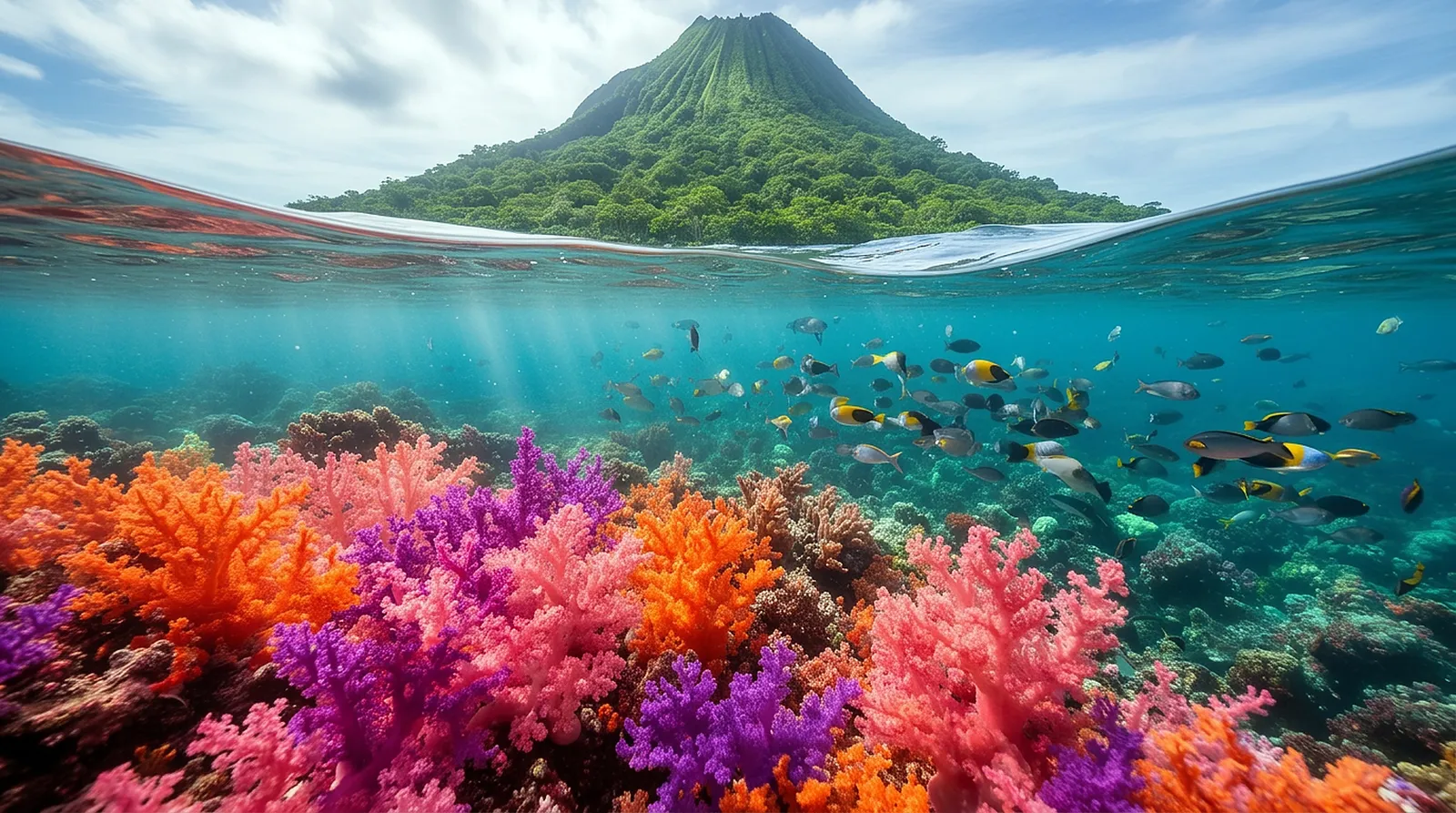
Beyond the specific sightings, July allows you to experience the sheer biodiversity that makes PNG so unique. The health of the coral reefs here is breathtaking, with vast gardens of hard and soft corals providing habitat for an explosion of reef fish. You'll witness vibrant clownfish nestled in their anemone homes, parrotfish diligently chomping on coral, and schools of colorful fusiliers darting around. It’s a sensory overload in the best possible way, with every dive revealing new wonders. The stable conditions of July ensure you get to spend more time immersed in this incredible underwater world, maximising your chances of remarkable encounters.
Top dive sites this month
When planning your July dive adventure in PNG, you'll want to focus on regions known for their consistent conditions and abundant marine life during this period. Kimbe Bay, located in West New Britain, is an absolute must-visit. Its sheltered waters remain calm and clear in July, offering incredible visibility and access to iconic sites like Otto's Reef. Otto's is a seamount erupting from the depths, covered in a spectacular array of hard and soft corals, and teeming with reef fish, schooling barracuda, and often frequented by reef sharks. Another gem in Kimbe Bay is Susie's Reef, famous for its dense populations of anemonefish and a stunning coral ecosystem. The relatively calm conditions are perfect for exploring these pristine environments.
Moving eastward, the waters around New Ireland offer fantastic diving in July, particularly in the Kavieng area. This region is renowned for its thrilling drift dives and incredible historical wrecks. Albatross Passage is a classic Kavieng drift dive, where the currents bring in schooling pelagics like tuna and jacks, and you have excellent chances of spotting grey reef sharks. The visibility here in July can be spectacular, allowing you to truly appreciate the scale of the underwater action. For history buffs, the Japanese ‘P-38’ Lightening Aircraft Wreck, also known as the ‘Deep Pete’ off Kavieng, is accessible for advanced divers and an incredible site to explore with excellent conditions in July. Lastly, a dive at Helen's Reef near Walindi or Rabaul will blow you away with its pristine corals and often large schools of fish.
Practical tips for your trip
Given the consistently warm water temperatures of 27-29°C (81-84°F) in July, a 3mm shorty or full wetsuit will be more than sufficient for most divers. If you tend to get cold easily or plan on doing multiple dives a day, a 3mm full suit will offer that extra bit of thermal protection and sun/sting protection. This month is incredibly versatile, catering to both beginner and advanced divers. The generally calm conditions and high visibility in sheltered areas make it a fantastic time for newer divers to gain confidence, while the current-swept passages and deeper wrecks will thrill experienced divers looking for adrenaline and big fish action. Ensure your dive certification is up to date, and consider bringing along an SMB (surface marker buoy) and a reef hook, especially if you plan on tackling some of the driftier sites.
Liveaboard availability in July can be competitive, as it's a popular time to visit due to the favorable conditions. You'll want to book your liveaboard well in advance – think 6-12 months ahead – to secure your preferred vessel and itinerary with Blue Rides. As for packing, light, breathable clothing is key. Don't forget reef-safe sunscreen, a wide-brimmed hat, insect repellent for evenings on land, and any personal medications. Given the remote nature of some areas, a basic first-aid kit is also a good idea. Be aware that internet connectivity can be spotty in certain regions, so manage your expectations if you need to be constantly connected. Embrace the opportunity to disconnect and immerse yourself fully in the magic of Papua New Guinea's underwater world!