Conditions in July
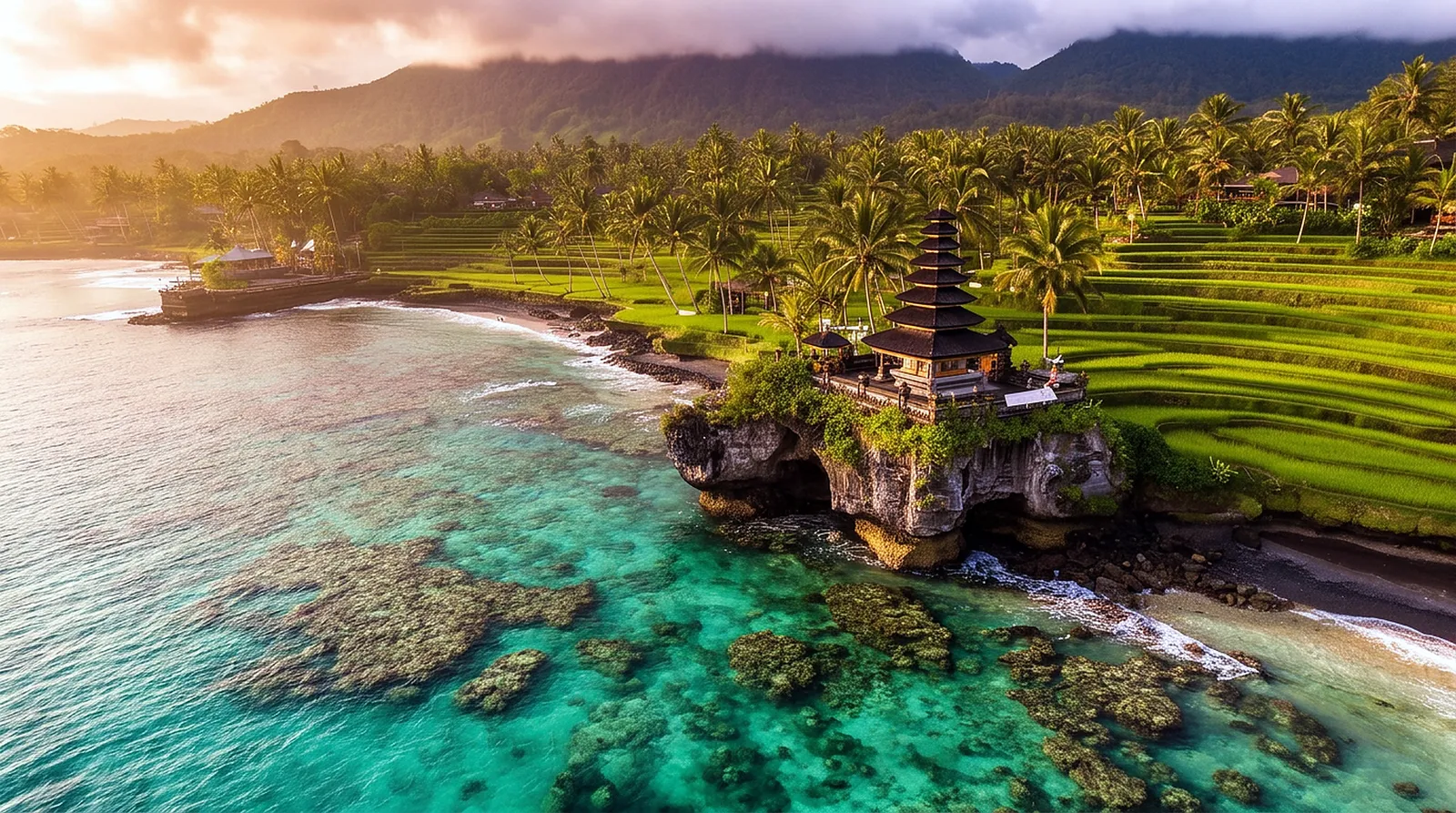
July in Bali is a fantastic time to dive, marking the peak of the dry season. You can expect brilliantly sunny days with clear skies, which translates to excellent conditions both above and below the water. Air temperatures typically hover around a comfortable 27-30°C (81-86°F), perfect for surface intervals and relaxing between dives. While the air is warm, the real magic happens underwater.
Sea conditions are generally very calm during July, especially in the northern and western parts of the island. However, the southeastern dive sites like Nusa Penida and Nusa Lembongan, famous for their larger pelagic encounters, can experience stronger currents and choppier surface conditions – a trade-off for the spectacular marine life you’re likely to encounter there. Water temperatures across Bali can vary significantly in July. While some areas like Menjangan and Amed might see a warmer 26-28°C (79-82°F), expect cooler thermoclines, especially around Nusa Penida and Padang Bai. Here, temperatures can drop to a bracing 20-24°C (68-75°F) or even lower if you hit a strong upwelling. This cooler water is precisely what attracts the big stuff, so be prepared!
Visibility is usually superb across Bali in July, often exceeding 20 meters and frequently reaching 30-40 meters in many locations. The dry season means less runoff from the land, contributing to the exceptional clarity. Of course, localized conditions and current activity can affect visibility at specific sites on any given day, but generally, you're in for a treat with crystal-clear waters. Currents, as mentioned, can range from mild drifts to significant rips, particularly around the Nusa Islands. Dive operators in these areas are highly experienced and will only take you out when conditions are safe and suitable for your certification level, often timing drifts with the tides.
What you will see
July is prime time for many of Bali’s headline acts, particularly the majestic Mola Mola (oceanic sunfish). These incredible, elusive giants are most reliably sighted around Nusa Penida from July through October as they come up from the deep to visit cleaning stations. While never guaranteed, July offers some of the best chances for a memorable encounter with these unique fish. Beyond the Mola Mola, the nutrient-rich upwellings that bring the cool water also attract other pelagic species. You can expect to see large schooling fish, various species of reef sharks, and the ever-present reef manta rays at sites like Manta Point, where they feed and get cleaned year-round, but often in greater numbers during this season.
Moving away from the pelagic hotspots, Bali’s diverse reefs themselves are teeming with life. In areas like Amed and Tulamben, you’ll find vibrant coral gardens housing an incredible array of macro critters. Think pygmy seahorses, flamboyant cuttlefish, various nudibranchs, and a plethora of odd and wonderful invertebrates. The famous USAT Liberty wreck in Tulamben is always abuzz with activity, from schools of bumphead parrotfish cruising the wreck to resident barracuda and countless smaller reef fish making it their home. Don't forget to keep an eye out for blue-spotted rays, moray eels, and garden eels.
While humpback whales and whale sharks are rare visitors to Bali, the sheer diversity of its resident marine life is what truly captivates divers. From colourful reef fish darting amongst healthy corals to the sheer size of a passing Mola Mola, every dive offers something unique. Frogfish, ghost pipefish, and various crustaceans are also staples of Bali's macro scene, particularly in areas known for muck diving. July’s excellent visibility makes spotting these smaller, cryptic creatures even more rewarding, allowing for fantastic photographic opportunities.
Top dive sites this month
For pelagic encounters, particularly Mola Mola and manta rays, the dive sites around Nusa Penida are absolutely essential in July. Favourites include Crystal Bay (the primary Mola Mola cleaning station, though depths and currents require experience), Manta Point for reliable manta ray sightings, and SD Point / Toyapakeh for vibrant drift dives with diverse reef life and potential for larger schools of fish.
For world-class wreck diving and excellent macro, the northeast coast is a must. Tulamben with its iconic USAT Liberty wreck is always a standout, boasting an incredible variety of marine life from tiny critters to large barracuda. Nearby, Amed offers beautiful shallow reefs and muck diving, perfect for macro enthusiasts looking for rare nudibranchs, ghost pipefish, and pygmy seahorses. Don't overlook Padang Bai as well, which offers accessible sites like the Blue Lagoon for colourful reef fish and often sharks, and the occasional Mola Mola at deeper sites like the Jetty.
Practical tips for your trip
Given the varied water temperatures in July, especially the cooler thermoclines around Nusa Penida, packing appropriate thermal protection is crucial. While a 3mm full wetsuit might suffice for warmer areas, a 5mm suit is highly recommended for any diving around Nusa Penida to stay comfortable during those longer Mola Mola quests. Some divers even opt for an undersuit or a hooded vest for extra warmth.
July generally suits a wide range of divers, but those seeking Mola Mola at Crystal Bay or tackling the stronger currents around Nusa Penida should ideally have an Advanced Open Water certification and some experience with drift diving. Many dive operators require a minimum number of logged dives for certain sites. For beginners or those preferring calmer conditions, areas like Tulamben, Amed, and Menjangan offer fantastic, accessible diving. Availability for liveaboards that visit Bali (such as those exploring Komodo after a Bali departure) can be high during July as it's peak season; booking well in advance is highly advisable. Also, flights and accommodation around Bali will be busier and potentially more expensive during this popular time, so plan ahead to avoid disappointment. Remember to bring reef-safe sunscreen, a good hat, and plenty of hydration for surface intervals. Indonesia has strict regulations regarding drone usage, so be aware if you plan to bring one. Finally, embrace the occasional current – it often brings the best encounters!