Bali Liveaboard Diving

Liveaboards in Bali

from $191 / day

5 of 5 · Bali liveaboard routes, seasons & prices

Mermaid I

Superior steel-hulled craftsmanship and expert scuba hardware for top-tier diving journeys across Asia.

  • En-Suite bathrooms
  • Aircon Cabins
  • Warm Water Showers

4.8(91 reviews)

15 guestsfrom $371/day
Naga Biru

Expert PADI training and guided underwater discovery paired with high-speed satellite connectivity.

  • En-Suite bathrooms
  • Aircon Cabins
  • Warm Water Showers

4.8(10 reviews)

12 guestsfrom $273/day
Ilike

Discover Indonesia's underwater marvels aboard the traditional phinisi, Ilike.

  • Aircon Cabins
  • En-Suite bathrooms
  • Warm Water Showers

4.5(86 reviews)

16 guestsfrom $298/day
Sunshine Liveaboard

Explore Indonesia's underwater wonders with personalized service and intimate charm.

  • En-suite bathrooms
  • Aircon in lower deck cabins
  • Warm water showers

4.3(52 reviews)

10 guestsfrom $191/day
Tiare Cruise

Explore Indonesia's underwater wonders in luxury aboard the Tiare Cruise.

  • En-Suite bathrooms
  • Aircon Cabins
  • Warm Water Showers

3.3(2030 reviews)

12 guestsfrom $419/day

Diving in the Coral Triangle: wrecks, walls and mola mola

Set in the heart of the Coral Triangle, Indonesia's most famous island offers an astonishing variety of underwater worlds. A dive safari around Bali can take you from the black volcanic slopes of the northeast to the current-swept channels of the south. This compact geography creates an unmatched diversity of environments and makes diving in Bali a dynamic experience with everything from world-class muck diving to vibrant coral gardens.

Tulamben on the northeast coast is the entry point for most itineraries. The USAT Liberty, a wartime cargo ship lying in 5 to 30 metres directly off the beach, is one of the most accessible and most photographed wrecks in the world, encrusted in gorgonians and patrolled by bumphead parrotfish at dawn. Nearby Seraya Secrets and the Tulamben drop-off are macro strongholds where frogfish, harlequin shrimp, pygmy seahorses and mimic octopus turn up on the black sand.

To the east, Amed and Candidasa offer quiet reefs and steep slopes, while Menjangan Island in the West Bali National Park delivers the clearest water on the island with sheer walls, soft coral and easy conditions ideal for less experienced divers. In the southeast, Nusa Penida and Nusa Lembongan are the highlights of any Bali dive trip: Manta Point hosts reef mantas at cleaning stations year-round, and from July to October cold upwellings bring the oceanic sunfish, the mola mola, up to recreational depths at Crystal Bay and Blue Corner. These are current dives, sometimes strong and cold, and reward experienced divers with drift diving skills.

Water temperature sits between 26 and 29 degrees Celsius across most of the island, dropping to as low as 20 degrees during mola season around Nusa Penida, where a 5 mm suit and a hood are advisable. Visibility ranges from 10 to 30 metres and is generally best from April to November during the dry season. Diving is possible all year; the rainy season from December to March brings shorter visibility inshore but very few closed days.

Bali also works exceptionally well as a hub. Many divers combine a week on the island with a liveaboard to Komodo, Raja Ampat or the Banda Sea departing from Bali or a short domestic flight away, and the island's ports at Serangan and Benoa serve as embarkation points for several liveaboard itineraries east through Nusa Tenggara.

Marine life spans the full Coral Triangle catalogue: over 500 species of reef-building coral, more than 1,300 species of fish, reef mantas, mola mola, reef sharks, turtles and an unrivalled density of critters for underwater photographers.

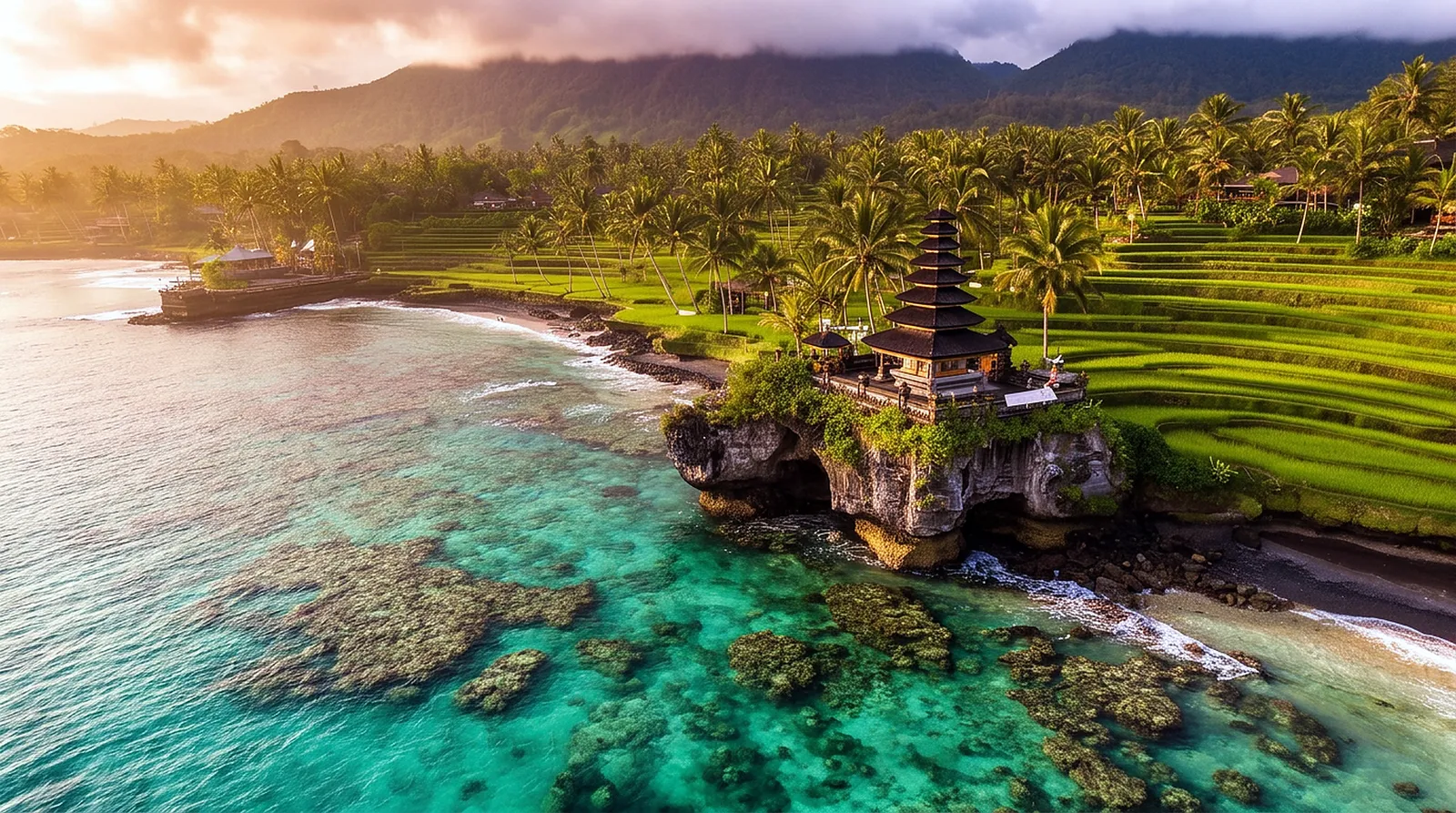
Above water, Bali needs no introduction. Rice terraces, temples, volcanoes and a mature travel infrastructure mean non-diving partners are well looked after and surface intervals are never dull, which is why Bali remains one of the best-value dive destinations in Asia.

Why dive a liveaboard in Bali

From legendary wrecks and thriving reefs to close-up encounters with iconic marine life, this destination offers the experiences divers dream about. Warm, clear waters and well-organized liveaboard routes make it easy to explore the best sites. These are the highlights that keep divers coming back year after year.

Mola mola capital

One of the few places on Earth to reliably encounter the elusive ocean sunfish (Mola Mola) between July and November at Nusa Penida.

Iconic USAT Liberty wreck

The USAT Liberty in Tulamben is one of the world's most accessible and photogenic shipwrecks, lying just 30 meters from shore at 5–30m depth.

Year-round manta rays

Manta Point at Nusa Penida offers reliable encounters with reef manta rays throughout the year at a spectacular cleaning station.

World-class macro diving

The black sand slopes of Tulamben and Amed are a macro photographer's paradise, home to pygmy seahorses, blue-ringed octopuses, and nudibranchs.

Pristine wall diving

Menjangan Island in West Bali National Park features dramatic walls with pristine hard corals and visibility up to 40 meters.

Who a liveaboard in the Coral Triangle suits — and who it doesn't

Bali is the rare destination where a first wreck dive and a cold-water mola-mola drift sit an hour apart by road.

Beginners

Open Water, training and first dives

The USAT Liberty at Tulamben begins in 5 metres straight off the beach, and Amed and Padang Bai offer calm shallow reefs — Bali is a major training destination.

Matching areas:TulambenAmedPadang Bai

Advanced divers

Advanced, current experience for Nusa Penida

The Lombok Strait pushes hard water through Crystal Bay and Manta Point, with down-currents and temperatures dropping to around 20 °C.

Matching areas:Nusa PenidaCrystal BayManta Point

Deep and technical

Deep, Nitrox, some technical operators

The Liberty wreck runs from 5 to about 30 metres; deeper walls at Tulamben and the Menjangan drop-offs continue past recreational limits, and a handful of Tulamben operators run Trimix and rebreather support.

Matching areas:TulambenMenjanganGili Selang

Photo and video

Macro and wide-angle, chamber and labs on the island

Seraya Secrets and Puri Jati are established muck-macro sites; the Liberty gives wide-angle structure with schooling jacks at dawn.

Matching areas:SerayaPuri JatiTulamben

Best time to dive in Bali

Diving in Bali is excellent year-round, but conditions shift with the seasons. The dry season from April to November generally offers the best visibility and calmest seas, making it the most popular time to visit. While the rainy season from December to March can reduce visibility, diving continues with warmer water and fewer crowds. Water temperatures are typically a warm 26-29°C, but can drop to 20°C in Nusa Penida during mola season, so plan your exposure protection accordingly.

👆 Click any month for detailed conditions
Excellent
Good
Off-Season

Excellent — Peak Season (Jul – Oct)

Dry season with cool currents, clear water (20–30m visibility) and the legendary Mola Mola (oceanic sunfish) season around Nusa Penida and Crystal Bay. Manta rays at Manta Point year-round but most reliable now. Calm seas and bright skies make it the prime window.

Good — Shoulder Season (Apr – Jun & Nov – Dec)

Warm waters (27–29°C), reduced crowds and excellent macro diving at Tulamben (USAT Liberty wreck) and Amed. Visibility 15–25m, occasional plankton blooms. Great value with consistent conditions across most sites.

Underwater visibility

32m
(105ft)
20m
(66ft)
8m
(26ft)
Jan
Feb
Mar
Apr
May
Jun
Jul
Aug
Sep
Oct
Nov
Dec

Air & water temperature

33°C 29°C 24°C
28°
30°
29°
30°
29°
31°
29°
31°
28°
31°
27°
30°
26°
29°
26°
29°
27°
30°
28°
31°
29°
31°
29°
30°
Jan
Feb
Mar
Apr
May
Jun
Jul
Aug
Sep
Oct
Nov
Dec
Water
Air (Day)

Recommended wetsuit

3mm
3mm
3mm
3mm
3mm
3mm
5mm
5mm
3mm
3mm
3mm
3mm
Jan
Feb
Mar
Apr
May
Jun
Jul
Aug
Sep
Oct
Nov
Dec
3mm (warm)
5mm (moderate)
Wetsuit Guide

What you'll see diving in the Coral Triangle

Bali sits in the heart of the Coral Triangle, with marine life ranging from iconic large animals to rare critters. Reef manta rays are seen year-round at Nusa Penida’s cleaning stations, while the unique oceanic sunfish, or mola mola, appears between July and October. The black volcanic sands of Tulamben and Seraya are hotspots for macro life like harlequin shrimp, frogfish, and pygmy seahorses, while the USAT Liberty wreck is patrolled by bumphead parrotfish at dawn.

When to See What

Use this calendar as a guide: the highlighted months show when your chances are usually best. Wildlife follows its own rhythm, so sightings are never guaranteed — but we hope this makes planning a little easier. The big animal encounters in Bali follow a clear seasonal rhythm, with reef manta rays present year-round at Manta Point but peaking from April to June. The main event is the mola mola season, when cold upwellings from July to October bring the giant oceanic sunfish to cleaning stations around Nusa Penida.

Species
Jan
Feb
Mar
Apr
May
Jun
Jul
Aug
Sep
Oct
Nov
Dec
Mola Mola
Mola Mola
Reef Manta Ray
Reef Manta Ray
Pygmy Seahorse
Pygmy Seahorse
Coris
Coris
Map Puffer
Map Puffer
Moyer's Dragonet
Moyer's Dragonet
Needlefish
Needlefish
Neon Damsel
Neon Damsel
Ornate Ghost Pipefish
Pilotfish
Pilotfish
Pipehorse
Pipehorse
Porcupine Ray
Porcupine Ray
Queenfish
Queenfish
Rabbitfish
Rabbitfish
Remora
Remora
Peak Season
Present
Rare/Absent

Crystal Bay and Toyapakeh Wall: the best dive sites in Bali

Bali's signature dive sites are remarkably diverse, from the world-famous USAT Liberty wreck in Tulamben to the current-swept channels of Nusa Penida. Liveaboards efficiently connect these geographically spread-out regions, allowing divers to experience mola mola at Crystal Bay, mantas at Manta Point, and the pristine walls of Menjangan Island in a single trip. A boat is essential for reaching the offshore sites around Nusa Lembongan and for multi-day safaris covering the island's coasts.

1

Tangked Cave

CaveAdvanced
1540m / 49131ft-8.5450°, 115.5940°

Tangked Cave, sometimes referred to as Tangked Taked Shark Cave, is an advanced dive site situated in the open ocean off Bali's southeastern coast. This unique location lies between the small islands of Gili Tepekong and Gili Biaha, roughly a 30-minute boat ride from shore. It holds significance as a known habitat for reef sharks and boasts pristine coral reefs, offering a thrilling experience for experienced divers. Diving here involves descending into clear blue waters and navigating towards the cave entrance. The site features depths ranging from 15 meters down to over 40 meters. The topography includes a distinctive cave system and vibrant coral reefs, which divers explore to discover its diverse marine inhabitants. The journey often includes encounters with various fish species as you approach the main attractions. Tangked Cave is celebrated for its population of reef sharks, including both blacktip and whitetip species, which are frequently observed swimming around the cave. Beyond sharks, divers can spot moray eels, lionfish, and octopuses, all thriving within the healthy coral reef environment. The clear visibility typical of Bali's waters enhances these encounters, making marine life observation particularly rewarding. Due to strong currents and significant depth, this site presents a challenge, making it suitable for divers with at least an Advanced Open Water certification. Dives here are often planned to account for these conditions, ensuring a safe yet exhilarating adventure. A good buoyancy control is crucial for managing the depths and currents encountered at Tangked Cave.

Blacktip reef shark encountersWhitetip reef shark sightingsUnique cave diving experiencePristine coral reef systemMoray eels and lionfishDeep dive opportunities
2

Lipah Bay

Beginner
530m / 1698ftBest: May–October-8.5162°, 115.5117°

Lipah Bay is situated on Bali's northeast coast within the Amed area, nestled against the dramatic backdrop of Gunung Agung. This site is renowned for providing laid-back reef diving experiences, making it an excellent choice for divers seeking more tranquil conditions compared to other parts of Bali. It forms part of a string of villages along the coastline, each with its own bay filled with traditional fishing boats. The topography features a beautiful coral garden, particularly vibrant on the sheltered side of a tiny island, displaying large barrel sponges, gorgonian fans, and expansive plate corals. The depth range for diving is typically between 5 to 30 meters, accommodating various skill levels. Inside the bay, there are also areas with interesting macro life and pyramid-shaped artificial reefs. Marine life at Lipah Bay is plentiful year-round, with dense schools of reef fish, marine turtles, and a rich variety of corals. While the area is generally sheltered from strong currents, it still boasts a healthy ecosystem. The site's calmer conditions and warmer, clearer waters, along with straightforward access, contribute to a pleasant dive experience. Diving here allows for an authentic Balinese experience, away from the busier southern tourist hubs. After exploring the underwater world, divers can appreciate the traditional fishing villages and local salt-making practices that define the Amed region.

Relaxed reef divingVibrant coral gardensSheltered bay conditionsAbundant reef fishMarine turtle sightingsTraditional Balinese settingArtificial reef pyramidsMacro life opportunities
3

Eel Garden

WallIntermediate
840m / 26131ftBest: April–November-8.0910°, 114.5260°

Eel Garden is a renowned dive site located on the north-western side of Menjangan Island, a protected marine area within West Bali National Park. It stands out for its varied underwater topography, combining dramatic walls, expansive white-sand slopes, and colorful shallow coral gardens within a single dive. The site is a popular choice for two-dive boat days, offering a more conservative diving experience compared to current-heavy areas like Nusa Penida or Candidasa. The topography begins with a stunning wall adorned with large gorgonians, sponges, and healthy hard and soft corals, typically descending to around 30 meters. This transitions into a broad, white-sand slope, home to a significant colony of garden eels swaying in the mild current. Further west, the dive can conclude in shallower coral gardens filled with colorful bommies and sandy patches. Eel Garden is celebrated for its garden eels, reef fish, and the opportunity to spot turtles. During periods of moderate current, the site becomes particularly active, attracting larger marine life such as giant trevallies, barracuda, and reef sharks. Even pygmy seahorses have been sighted on the wall. This versatile site accommodates divers of all levels, adapting to conditions and allowing for different experiences with each visit. It's often favored for both wide-angle and light macro photography due to its diverse subjects and generally good visibility.

Vibrant wall divingExtensive garden eel colonyPelagic fish encountersShallow coral gardensHealthy gorgonian fansTurtle sightingsDiverse reef fish
4

Jemeluk Bay

ReefBeginner
528m / 1692ftBest: March–May, September–November-8.3340°, 115.6840°

Jemeluk Bay, situated on Bali's northeastern coast within the Amed area, stands out as a prime diving destination known for its sheltered waters and rich biodiversity. This location is renowned for combining relaxed diving conditions with an array of underwater topography, making it suitable for all levels, from beginners to advanced divers. The bay is often considered the heart of Amed's diving scene, providing easy access to multiple dive sites directly from shore or via short traditional jukung boat rides. The underwater landscape of Jemeluk Bay transitions from volcanic black sand slopes to vibrant coral gardens and dramatic walls. Depths generally range from shallow coral reefs at 3-5 meters, extending down to a 25-meter wall dive and further into deeper areas. Artificial reefs, including pyramid structures, have been deployed to enhance marine habitats, attracting a wide variety of fish and macro critters. Marine life here is abundant and varied throughout the year, with particular highlights for macro enthusiasts. Divers can frequently encounter numerous species of nudibranchs, frogfish, harlequin shrimp, and pygmy seahorses. Larger marine life includes schooling fusiliers, snappers, barracuda, and occasional sightings of green and hawksbill sea turtles. The calm and clear water conditions make it an excellent spot for extended observation and photography. Diving in Jemeluk Bay typically involves shore entries or short boat trips to specific points within the bay. The generally mild currents and consistent water temperatures contribute to a comfortable dive experience, allowing for relaxed exploration of its diverse underwater features. Night dives are particularly popular in the well-protected bay, revealing a different array of nocturnal marine creatures.

Sheltered bay divingJemeluk Wall drop-offArtificial pyramid reefsAbundant macro lifeCalm, clear conditionsShore entry accessHealthy coral gardens

Bucket-list dives worth booking early

A Bali dive trip is defined by its iconic encounters, topped by swimming with the strange and wonderful oceanic sunfish (mola mola) at Crystal Bay between July and November. Another essential experience is hovering over the cleaning station at Manta Point as reef mantas glide past, a year-round spectacle. The journey is incomplete without exploring the coral-encrusted USAT Liberty, one of the world's most accessible and vibrant shipwrecks, located just off the beach in Tulamben.

Underwater view of the dive site USAT Liberty Wreck in Bali
1
Year-round (best April–November)

Tulamben

This 120-meter US Army cargo ship was torpedoed in 1942 and now lies just 30 meters from shore at 5–30m depth. Completely encrusted in corals, sea fans, and sponges, the wreck is home to over 400 species of reef fish, including barracuda, Napoleon wrasse, and giant trevally. Accessible to all certification levels and perfect for night dives.

Read more
Underwater view of the dive site Crystal Bay in Bali
2
July–November (Mola Mola season)

Nusa Penida

Famous worldwide as the premier Mola Mola encounter site. During the cold upwelling season (July–November), the ocean sunfish rise from deep waters to cleaning stations at 15–35m depth. The site also features a stunning coral garden and dramatic underwater canyon.

Read more
Underwater view of the dive site Manta Point in Bali
3
Year-round

Nusa Penida

A renowned cleaning station where reef manta rays congregate year-round. Divers descend to 10–15m and wait on a rocky plateau while mantas glide in for cleaning. Groups of 5–20 mantas are regularly observed, with some individuals reaching 4-meter wingspans.

Read more
Underwater view of the dive site Menjangan Island Wall in Bali
4
April–November

Menjangan Island

Part of West Bali National Park, this site features dramatic vertical walls plunging 40+ meters, adorned with pristine hard corals, massive sea fans, and barrel sponges. Visibility regularly exceeds 30 meters. Home to reef sharks, turtles, and an incredible variety of reef fish.

Read more
Underwater view of the dive site Blue Lagoon in Bali
5
Year-round

Padang Bai

A sheltered bay with rich coral gardens and a gentle slope perfect for macro photography. Home to leaf scorpionfish, ornate ghost pipefish, and numerous nudibranch species. The nearby Tanjung Jepun point offers drift diving with pelagic encounters.

Read more
Underwater view of the dive site Japanese Shipwreck in Bali
6
Year-round

Amed

A compact WWII-era Japanese patrol boat resting at 6–12m depth on volcanic black sand. The wreck is covered in hard and soft corals and attracts pygmy seahorses, nudibranchs, and schools of sweetlips. An excellent site for both wide-angle and macro photography.

Read more

Above water: climate, shore trips and extra costs

Beyond the reefs, Bali's rich culture and dramatic landscapes offer unforgettable surface intervals. You can witness a spectacular sunset and traditional Kecak fire dance at Uluwatu Temple, perched on a cliff in the south. Other highlights include trekking an active volcano for sunrise at Mount Batur or exploring the iconic Tegallalang rice terraces near Ubud. The island's mature travel infrastructure makes it easy to combine world-class diving with these unique land-based experiences.

Ubud Rice Terrace Walks

Ubud Rice Terrace Walks

Explore the iconic Tegallalang rice terraces and the Campuhan Ridge Walk. The lush green paddies carved into hillsides showcase Bali's centuries-old subak irrigation system, a UNESCO World Heritage practice.

Uluwatu Temple Sunset & Kecak Dance

Uluwatu Temple Sunset & Kecak Dance

Perched on a dramatic 70-meter cliff above the Indian Ocean, Pura Luhur Uluwatu offers one of Bali's most spectacular sunset viewpoints. Stay for the traditional Kecak fire dance performance at dusk.

Mount Batur Sunrise Trekking

Mount Batur Sunrise Trekking

A pre-dawn trek to the summit of this active volcano rewards with breathtaking sunrise views over Lake Batur and Mount Agung. The 2-hour guided hike starts around 3:30 AM and reaches the 1,717m peak for sunrise.

Surfing at Uluwatu & Padang Padang

Surfing at Uluwatu & Padang Padang

Bali's southern Bukit peninsula is a world-renowned surfing mecca. Uluwatu's legendary left-hand barrel attracts experienced surfers, while Padang Padang and Kuta Beach offer waves for all levels.

What a liveaboard in Bali costs

The calendar below shows how liveaboard prices shift month by month, so you can see exactly when your money goes furthest. We want every diver to get the best possible value, which is why we highlight the seasons that balance great conditions with the fairest rates.

Bali is one of Asia’s best-value liveaboard destinations, offering a wide range of options from budget-friendly safaris to premium vessels. The price for a multi-day trip is driven by the boat's comfort level and the season, with higher demand during the peak mola mola months from July to October. Trips during the shoulder or wet seasons often provide the best value, allowing divers to experience Bali's incredible biodiversity at a lower price point.

$191–$419

per day liveaboard

$28–$68

per 2-tank dive trip

$11–$171

hotel per night

Prices reflect typical costs for mid-range to premium options. Budget alternatives may be available.

Getting to Denpasar and Lombok: flights and transfers

Reaching your Bali liveaboard is simple, with most international flights landing at Ngurah Rai International Airport (DPS) in Denpasar. Major hubs like Singapore, Dubai, and Sydney offer direct connections. Embarkation ports like Serangan and Benoa are located in southern Bali, usually a short transfer from the airport. Most nationalities can get a 30-day visa on arrival, but remember to check that your passport has at least six months of validity before you travel.

Insider tips

🤿

Local dive shops in Tulamben and Amed offer 2-tank dives from €25–€40, significantly cheaper than Nusa Penida operators.

🏨

Book accommodation in Tulamben or Amed directly for 30–50% less than Kuta/Seminyak tourist area prices.

🍽️

Street food (Nasi Goreng, Mie Goreng) costs under €1.50 per meal. Local warungs serve full meals for €2–€4.

🤿

Rent a scooter for €4–€5/day to travel between dive sites independently — much cheaper than organized transfers.

🏨

Visit during shoulder season (April/May or October/November) for lower prices on accommodation and liveaboards.

💡

The Nusa Penida Marine Park entry fee is IDR 150,000 (~€9) for international visitors.

Getting there

Ngurah Rai International Airport

Bali (Denpasar)DPS

Main international gateway to Bali. Direct flights from Singapore, Kuala Lumpur, Tokyo, Sydney, Dubai, and major European cities. Located in southern Bali, 20 min from Kuta/Seminyak, 2.5h from Tulamben.

Lombok International Airport

LombokLOP

Alternative gateway, 30 min fast boat to Nusa Penida. Some divers combine Lombok's Gili Islands with Bali diving. Flights from Bali (25 min), Jakarta, and Singapore.

Entry requirements

Most nationalities can obtain a Visa on Arrival (VOA) for 30 days at Ngurah Rai International Airport for IDR 500,000 (~€30). This can be extended once for another 30 days at a local immigration office. Citizens of ASEAN countries and select others receive visa-free entry for 30 days. A passport valid for at least 6 months and proof of onward travel are required.

This information is provided as a general guide only. Visa regulations change frequently. Please verify the latest requirements on the official Indonesian immigration website before traveling.

Official Immigration Information →

Frequently asked questions about Bali liveaboards

When is the best time to dive in Bali?
Diving conditions in Bali change throughout the year. Check our month-by-month best-time-to-dive guides to plan around peak visibility, weather and marine life encounters.
Do I need a liveaboard to dive in Bali?
A liveaboard gives you access to remote dive sites in Bali that day boats cannot reach, plus 3–5 dives per day in maximum comfort. For the best dives in Bali, a liveaboard is the recommended choice.
What certification do I need to dive in Bali?
Most Bali liveaboards require Open Water as a minimum, with Advanced Open Water and 30+ logged dives recommended for currents and deeper sites. Some expert routes require Tech or 100+ dives.
How much does a Bali liveaboard cost?
Liveaboard prices in Bali typically range from €1,500 to €6,000+ per week depending on vessel category, route length and season. Browse the boats below for live pricing.
Do I need a visa for Bali?
Visa requirements vary by your nationality. Always check the latest entry rules with the destination's official government source before booking flights.
Is diving in Bali safe for beginners?
Many Bali sites are beginner-friendly, but some routes feature strong currents or deep walls suited only to experienced divers. Check each vessel's recommended experience level.

Bali compared with other liveaboard destinations

Honest, in-depth comparisons to help you decide between destinations, certifications, equipment and dive styles.

Indonesia vs Philippines Liveaboard: Where to Dive in the Coral Triangle?

Indonesia and the Philippines together form the heart of the Coral Triangle — the global epicenter of marine biodiversity. Both countries offer hundreds of islands, world-class macro photography, big-animal encounters and warm tropical water. Yet the two destinations attract slightly different divers: Indonesia is the bigger, more famous brand with iconic regions like Raja Ampat, Komodo and Lembeh. The Philippines is quieter, more affordable, and increasingly popular for thresher sharks, sardines and accessible muck diving. **Indonesia** has roughly 17,500 islands and the most diverse marine fauna on Earth. Its liveaboard fleet is the largest in Southeast Asia, with classic phinisi schooners and modern steel yachts plying routes through Komodo, Raja Ampat, Banda, Alor, Halmahera and the Forgotten Islands. Trip prices range widely — €1,500/week budget phinisis to €6,500/week luxury yachts. **Philippines** has 7,641 islands and a more compact dive scene. Liveaboards focus on Tubbataha (a UNESCO reef in the Sulu Sea), Visayas (Malapascua, Cebu, Bohol) and Coron (wreck diving). The Tubbataha season is short (March–June) which concentrates the best diving into a narrow window. Trip prices typically run 30–40% below comparable Indonesian routes. This guide compares biodiversity, dive style, cost, accessibility and which destination fits which type of diver.

Read comparison

Komodo vs Raja Ampat: Which Indonesian Liveaboard Should You Choose?

Komodo and Raja Ampat are the twin crowns of Indonesian liveaboard diving — both inside the Coral Triangle, both home to the highest marine biodiversity on Earth, and both increasingly featured on bucket lists. The choice between them used to be simple (Raja Ampat was harder to reach, Komodo was easier) but improved flight connections to Sorong have evened the playing field. Today the question is more about what kind of diving experience you want. **Komodo National Park** sits between Flores and Sumbawa in the Lesser Sunda Islands. Strong currents flush the channels between islands, fueling explosive growth of soft corals and massive schools of fish. Komodo divers move fast, often hooking in or drift-diving with manta rays at Karang Makassar, sharks at Castle Rock, and schooling barracuda at Crystal Bay. Topside, Komodo dragons stalk Rinca and Komodo islands — a unique combination no other dive destination offers. **Raja Ampat** lies further east, in West Papua, an archipelago of 1,500+ limestone islands rising from turquoise water. It holds the title of most biodiverse marine ecosystem on the planet: more than 1,500 fish species and 75% of the world's known coral species. Diving here is calmer overall (with notable exceptions like Cape Kri and Blue Magic), focused on macro life, immense schools of bait fish, walking sharks, wobbegongs, and reef tableaus that look painted. This guide breaks down marine life, cost, accessibility, dive difficulty and seasons so you can pick the right Indonesian liveaboard for your next trip.

Read comparison

Liveaboard vs Land-Based Diving: Which Trip Is Right for You?

Choosing between a liveaboard and a land-based dive trip is the most fundamental decision divers face when planning a serious diving holiday. The right answer depends on your priorities: maximum dive count and access to remote sites favor liveaboards; beach time, family flexibility and lower cost favor land-based resorts. Both formats have evolved significantly in the last decade, and the line between them has blurred — luxury dive resorts now offer multi-day expedition trips, while many liveaboards include topside excursions and even spa days. This guide compares the two formats across every meaningful dimension: cost per day, dives per day, marine life access, comfort, social dynamics, family-friendliness, and travel logistics. We'll also cover the hybrid models (resort + day-charter, or 'safari boat' itineraries) that try to capture the best of both worlds. If you're certified, in love with diving and want to maximize bottom time, a liveaboard is almost always the better choice — you can clock 25+ dives in a week and reach sites no day boat can. If you're traveling with non-divers, prefer land-based comfort, or want flexibility to take days off, a resort wins. We'll get into all the nuances below.

Read comparison
Plan your trip

Ready to dive?

Explore our expedition vessels and find your perfect trip to Bali