Alor Liveaboard Diving

Liveaboards in Alor

from $273 / day

6 of 19 · Alor liveaboard routes, seasons & prices

Naga Biru

Expert PADI training and guided underwater discovery paired with high-speed satellite connectivity.

  • En-Suite bathrooms
  • Aircon Cabins
  • Warm Water Showers

4.8(10 reviews)

12 guestsfrom $273/day
Jaya

Discover Indonesia's underwater wonders aboard the traditional Jaya Phinisi.

  • Aircon in cabins
  • Charging sockets in cabins
  • Fresh towels in cabins

4.6(67 reviews)

14 guestsfrom $280/day
Komodo Aggressor

Explore the Underwater Marvels of Indonesia Aboard a Classic Phinisi

  • Individual Balconies in Specific Cabins
  • Daily Cabin Cleaning
  • Temperature-Regulated Cabins

4.8(91 reviews)

16 guestsfrom $312/day
Blue Manta

Explore Indonesia's underwater paradise aboard the spacious and luxurious Blue Manta.

  • En-Suite bathrooms
  • Aircon Cabins
  • Warm Water Showers

4.6(33 reviews)

20 guestsfrom $488/day
Gaia Love

Tailor-made diving luxury in Indonesia featuring 131 feet of bespoke hospitality, photography support, and private ensuite accommodations.

  • Open-Air Dining Area
  • Beverage Station on Top Deck
  • Air-Conditioned Lounge

4.8(63 reviews)

20 guestsfrom $554/day
Emperor Raja Laut

A grand Indonesian nautical journey where all essentials are part of the package.

  • Climate-Regulated Internal Lounge
  • Free Starlink Satellite WiFi
  • Assortment of Tabletop Games

4.7(61 reviews)

12 guestsfrom $413/day

Diving in the Coral Triangle: wrecks, walls and manta rays

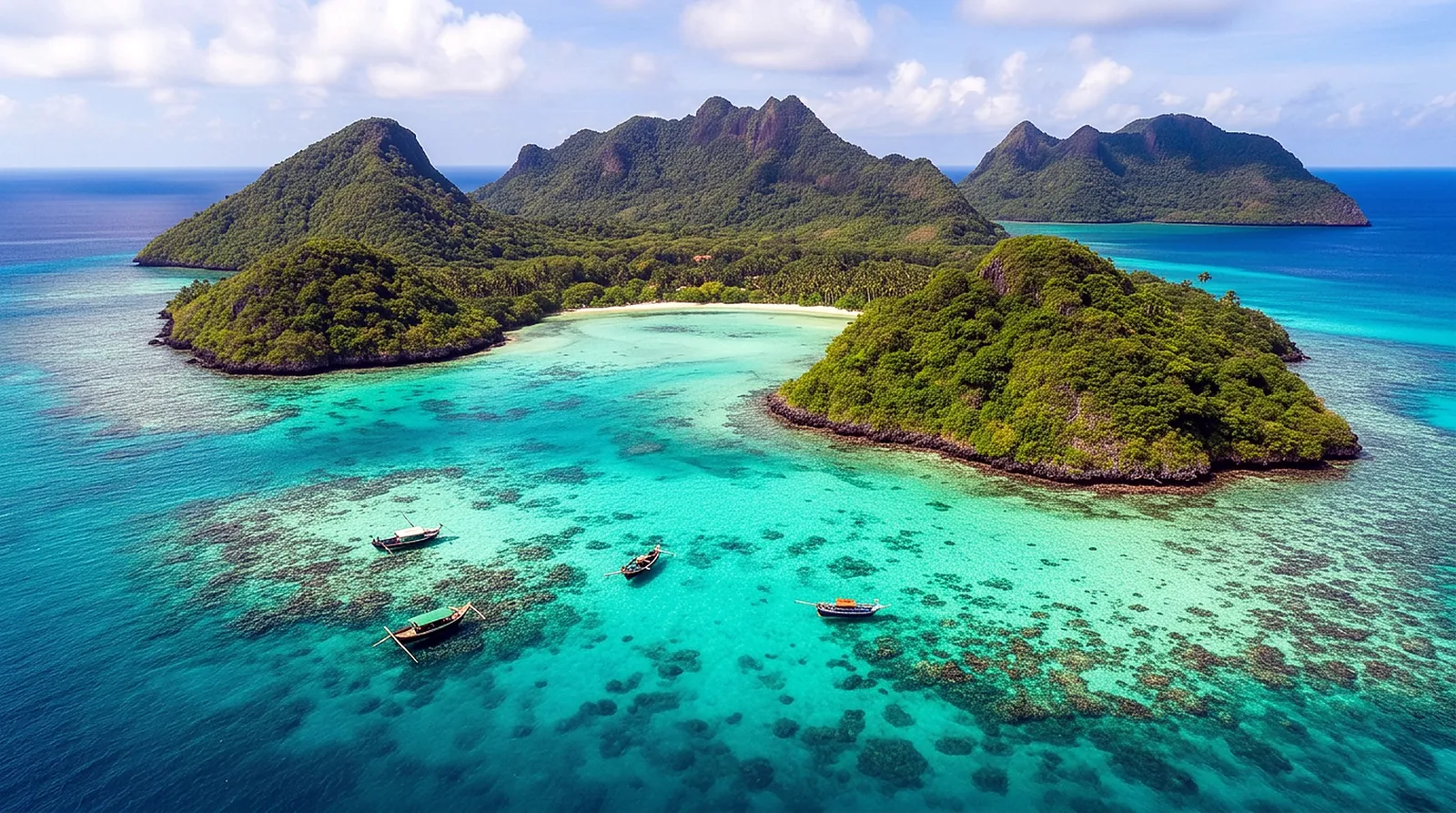
Where the Savu and Banda Seas collide, the remote Alor archipelago delivers an expedition into one of Indonesia’s last true diving frontiers. The dramatic volcanic landscapes above the surface are mirrored by the topography below, with powerful currents creating nutrient-rich upwellings that fuel an incredible explosion of life. This is not a destination for the casual diver; it’s a challenging and profoundly rewarding journey into a pristine, isolated ecosystem. An Alor liveaboard is the essential platform for navigating this vast area, providing access to a density and diversity of sites that remain far from the well-trodden path.

The Alor diving experience is defined by its remarkable variety, from world-class muck to exhilarating pelagic encounters. The Pantar Strait, a deep channel known for its dynamic water flow, contains some of the best dive sites Alor has to offer. At legendary pinnacles like Kal's Dream, you can witness schooling hammerheads and other pelagics patrolling the blue. In contrast, the sheltered bays reveal a macro paradise, home to an astonishing array of critters, including the sought-after rhinopias, myriad frogfish species, and countless rare nudibranchs. This blend of big and small makes every logbook entry unique.

The prime season for an Alor trip runs through the dry season, from April to November, when surface conditions are generally calmer and underwater visibility is at its peak. Water temperatures can be surprisingly cool, sometimes dipping below 25°C (77°F) due to the deep-water upwellings, so a 5mm wetsuit is recommended. Be prepared for strong and often unpredictable currents, which are the very engine of this vibrant marine environment. Navigating these conditions is a key part of the adventure and requires confidence and skill.

This destination is perfectly suited for the experienced, adventurous diver who is comfortable with advanced conditions and seeks a genuine sense of exploration. The sheer biodiversity makes it a dream for underwater photographers, offering superb opportunities for both wide-angle reefscapes and super-macro critter portraits. If you are looking to escape the crowds and witness an Indonesian ecosystem in its most raw and untouched state, an Alor liveaboard promises an unforgettable expedition.

Why dive a liveaboard in Alor

From legendary wrecks and thriving reefs to close-up encounters with iconic marine life, this destination offers the experiences divers dream about. Warm, clear waters and well-organized liveaboard routes make it easy to explore the best sites. These are the highlights that keep divers coming back year after year.

Pristine coral reefs

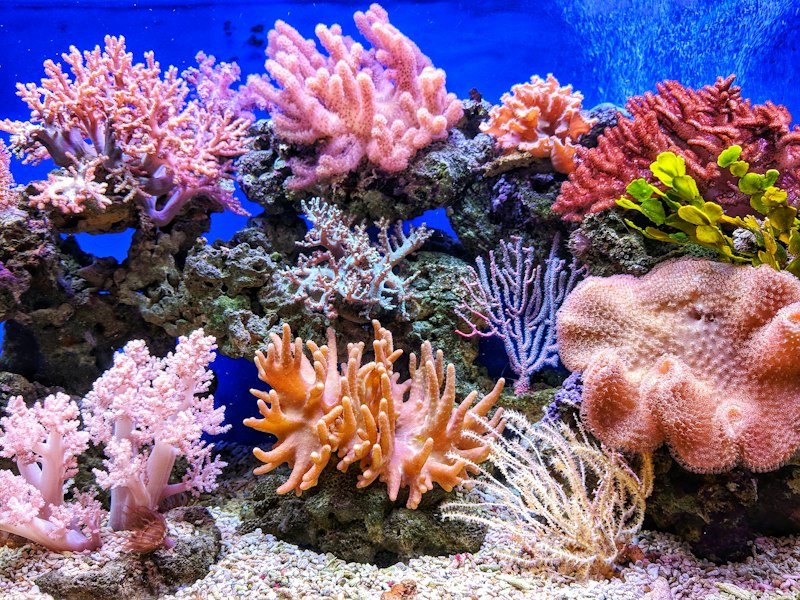
Untouched hard and soft coral gardens rivaling anything in the Coral Triangle

Macro paradise

World-class macro diving with pygmy seahorses, nudibranchs, and mandarinfish

Zero crowds

One of the least-visited diving destinations in Indonesia — reefs all to yourself

Convergence zone

Where Indian and Pacific Ocean currents meet, creating extraordinary biodiversity

Who a liveaboard in the Coral Triangle suits — and who it doesn't

Alor is a small, current-driven archipelago with cold upwellings and volcanic muck — rewarding, but rarely a first liveaboard.

Beginners

Open Water only on sheltered bays

Kalabahi Bay and the black-sand slopes near Alor Kecil are calm and shallow, but most operators expect prior open-water experience before the exposed sites.

Matching areas:Kalabahi BayAlor Kecil

Advanced divers

Advanced, from about 50 dives, current experience

The Pantar Strait funnels strong tidal flow past Clown Valley and The Great Wall of Texas, with cold thermoclines and steep drop-offs.

Matching areas:Pantar StraitClown ValleyKal’s Dream

Deep and technical

Deep, Nitrox; remote, no chamber on site

Walls fall away into open water and upwellings can push cold water up fast. Alor is far from evacuation infrastructure, so conservative profiles and Nitrox are the sensible standard rather than depth records.

Matching areas:Pantar StraitBeangabangPura Island

Photo and video

Muck macro plus volcanic scenery

Anemone fields at Clown Valley, rhinopias and ghost pipefish in the black-sand bays, and hydrothermal bubbles at Beangabang.

Matching areas:Clown ValleyBeangabangKalabahi Bay

Best time to dive in Alor

Diving in Alor is possible year-round, but the prime season runs from March to November when conditions are generally calmer with the best visibility. Water temperatures can be surprisingly cool due to deep-water upwellings, so a 5mm wetsuit is often recommended. For the warmest water and peak pelagic activity, including thresher sharks, plan your trip between September and November, which is also the best time for hammerheads.

👆 Click any month for detailed conditions
Excellent
Good
Off-Season

Apr – Nov (Dry Season)

Best visibility up to 30m+, calm seas, minimal rain. Peak pelagic action with hammerheads Oct–Nov. Ideal liveaboard conditions.

Mar & Dec (Transition)

Changing conditions, still good diving. Occasional rain showers but underwater life remains excellent. Good value season.

Jan – Feb (Wet Season)

Rainy season with reduced visibility (10–15m) and rougher seas. Some liveaboard operators pause Alor itineraries. Budget-friendly if operating.

Underwater visibility

32m
(105ft)
23m
(74ft)
13m
(43ft)
Jan
Feb
Mar
Apr
May
Jun
Jul
Aug
Sep
Oct
Nov
Dec

Air & water temperature

33°C 29°C 24°C
28°
30°
28°
30°
28°
31°
28°
31°
27°
30°
26°
29°
26°
28°
26°
28°
27°
29°
28°
30°
28°
31°
28°
31°
Jan
Feb
Mar
Apr
May
Jun
Jul
Aug
Sep
Oct
Nov
Dec
Water
Air (Day)

Recommended wetsuit

3mm
3mm
3mm
3mm
3mm
5mm
5mm
5mm
3mm
3mm
3mm
3mm
Jan
Feb
Mar
Apr
May
Jun
Jul
Aug
Sep
Oct
Nov
Dec
3mm (warm)
5mm (moderate)
Wetsuit Guide

What you'll see diving in the Coral Triangle

Alor’s marine life is defined by its incredible variety, from rare macro critters to large pelagics. The volcanic black sand slopes are a paradise for muck diving, revealing rhinopias, frogfish, mimic octopus, and blue-ringed octopus year-round. In the current-swept channels and pinnacles, you can encounter grey and whitetip reef sharks, with seasonal highlights including manta rays from March to June. For the best chance at seeing schooling hammerheads, visit between October and November.

When to See What

Use this calendar as a guide: the highlighted months show when your chances are usually best. Wildlife follows its own rhythm, so sightings are never guaranteed — but we hope this makes planning a little easier. The big animal action in Alor follows a distinct seasonal rhythm driven by changing water conditions. The shoulder season from March to June is a great time for manta ray encounters, while the peak season from September to November brings opportunities to see thresher sharks and schooling hammerheads.

Species
Jan
Feb
Mar
Apr
May
Jun
Jul
Aug
Sep
Oct
Nov
Dec
Reef Manta Ray
Reef Manta Ray
Scalloped Hammerhead
Pygmy Seahorse
Pygmy Seahorse
Nudibranch
Nudibranch
Mandarin Fish
Mandarin Fish
Green Turtle
Green Turtle
Blue-ringed Octopus
Blue-ringed Octopus
Mimic Octopus
Mimic Octopus
Frogfish
Frogfish
Sea Slug
Sea Slug
Ladder-finned Pomfret
Leatherjacket
Leatherjacket
Lizardfish
Lizardfish
Longnose Hawkfish
Longnose Hawkfish
Needlefish
Needlefish
Peak Season
Present
Rare/Absent

Kal's Dream and Clown Valley: the best dive sites in Alor

A liveaboard is essential for exploring Alor's scattered and diverse dive sites, which range from volcanic muck slopes to current-swept pinnacles. You will navigate the dynamic Pantar Strait to reach legendary sites like Kal's Dream, a seamount known for schooling hammerheads. Other highlights include the vast anemone fields of Clown Valley and the black sand bays of Beangabang, which offer world-class muck diving for rare critters like rhinopias.

1

Crucifixion

WallIntermediate
3040m / 98131ftBest: May–September-8.1845°, 124.5955°

Crucifixion, known by locals as Kelalaka, presents a dynamic dive experience in Alor. This site begins with a steep, colorful reef slope characterized by impressive overhangs, gradually transforming into a dramatic vertical wall. The vibrant topography is a testament to the region's volcanic activity, which fuels a rich and diverse ecosystem. Two distinct pinnacles, found at depths between 30 and 40 meters, offer focal points for observing increased fish activity. The site is part of the larger Alor region, known for its healthy coral reefs and nutrient-rich waters within the Coral Triangle, sustaining an astonishing array of marine species. Diving here typically involves navigating strong currents, which are a defining feature of the Pantar Strait and contribute significantly to the site's biodiversity. These currents often bring opportunities for exciting drift dives and encounters with pelagic species. Divers can expect a visually stunning journey through diverse habitats, from shallow reef crests to deeper, current-swept zones.

Steep, colorful reef slopeImpressive reef overhangsDramatic vertical wallTwo deep pinnacles (30-40m)Abundant fish actionHealthy soft coralsVolcanic substrate features
2

Schools Out

WallIntermediate
2030m / 6698ftBest: April–October, March–November-8.2290°, 124.5030°

Schools Out in Alor offers divers an exceptional encounter with healthy coral reefs and a rich variety of marine species. This site is part of the Alor archipelago, renowned for its dramatic underwater topography and nutrient-rich currents that fuel an astonishing biodiversity. Alor is positioned within the Lesser Sunda Islands of East Nusa Tenggara, offering a remote and less-trafficked diving experience. The dive site typically features slopes and walls adorned with robust hard and soft corals, providing ample habitat for countless reef fish and macro critters. The unique volcanic underwater environment, common throughout Alor, supports a thriving ecosystem with minimal human impact, making every dive a mesmerizing journey through a living tapestry of colors and life. Schools Out promises a dynamic diving experience. Visibility here is generally excellent, allowing for clear views of the vibrant coral gardens and the abundant marine life that frequents the area. While specific details on topography for this exact site are limited, Alor's dive sites often feature varied depths and formations. This site caters to a range of dive interests, from observing schools of reef fish to searching for unique macro subjects. The currents here, like in many Alor sites, can vary, often bringing in fresh nutrients that sustain the rich marine ecosystem, making it an engaging dive for those prepared for potential movement.

Vibrant coral gardensDiverse reef fishHealthy coral ecosystemsRich marine biodiversityPristine underwater environment
3

Pasir Merah

Intermediate
535m / 16115ftBest: April–October, March–November-8.3190°, 124.3877°

Pasir Merah, or Red Sand, is a distinctive dive site situated north of Pura Island in the Alor Archipelago, East Nusa Tenggara. It is characterized by its volcanic red sandy slopes that descend to approximately 35 meters, creating an unusual and visually striking underwater environment. A unique feature of this site are the bubbling gas vents that emanate from Gunung Maru's volcanic system, permeating the seabed and adding to its singular character. The topography transitions from these red sandy slopes to a wall, supporting a diverse ecosystem. The unique substrate and warm waters rising from Alor's volcanic seabed create conditions that foster a rich variety of marine life, making it a macro diving haven. Divers can explore small coral bommies that serve as cleaning stations and offer shelter for various critters. While predominantly known for its macro inhabitants, the site also offers encounters with specific shark species. The combination of a vibrant critter scene against an otherworldly volcanic landscape makes Pasir Merah a memorable experience. It's often compared to world-renowned muck diving locations due to its exceptional critter encounters.

Volcanic red sandy slopesBubbling gas ventsExceptional macro lifeMandarin fish sightingsNurse and bamboo sharksUnique underwater landscapeSmall coral bommies
4

Rusa Pinnacle

PinnacleAdvanced
630m / 2098ftBest: April–November-8.2429°, 124.5057°

Rusa Pinnacle is a challenging yet highly rewarding dive site situated in the Alor archipelago, part of Indonesia's East Nusa Tenggara. It is distinguished by its dramatic underwater topography and strong, nutrient-rich currents that fuel an astonishing concentration of marine biodiversity. This site is particularly known for its vibrant hard and soft corals, which thrive on the pinnacle's walls. Depths at Rusa Pinnacle can range from approximately 5 meters to over 30 meters, inviting exploration from its shallowest reaches down to deeper sections where larger species patrol. The pinnacle acts as a magnet for a wide array of marine life, from colorful reef inhabitants to formidable pelagic predators drawn in by the currents. Diving here offers a dynamic experience, showcasing an abundance of fish species, including large schools and solitary hunters. The site's character is heavily shaped by the prevailing currents, which are a defining feature of the Alor region, making every dive a unique adventure. It is an advanced dive, demanding experience with current management due to the sometimes formidable flows. The remote location of Alor means Rusa Pinnacle remains pristine and uncrowded, offering an intimate encounter with a thriving underwater ecosystem. Divers can expect excellent visibility for much of the year, enhancing the visual spectacle of this richly diverse site.

Strong currentsExplosive fish lifeVibrant hard and soft coralsPelagic encountersPurple hydrocoralsDogtooth tunaSea fans

Bucket-list dives worth booking early

An Alor liveaboard delivers a true expedition, defined by its blend of world-class critter hunting and pristine reef exploration. Bucket-list experiences include finding rare rhinopias and mimic octopus on volcanic muck dives and drifting through the Pantar Strait's untouched coral gardens. Above the water, a visit to the traditional whaling village of Lamalera on Lembata Island offers a profound cultural encounter unique to this remote corner of Indonesia.

Underwater view of the dive site Muck Diving Paradise in Alor
1
Year-round

Alor Strait

Alor's volcanic black sand slopes harbor an extraordinary collection of rare critters – from rhinopias and blue-ringed octopus to flamboyant cuttlefish and mimic octopus.

Read more
Underwater view of the dive site Traditional Whaling Villages in Alor
2
May – October

Lembata Island

Visit the last traditional whaling communities of Lamalera, where ancient hunting traditions have been practiced for over 600 years – a profound cultural experience unique to this region.

Read more
Underwater view of the dive site Pristine Coral Gardens in Alor
3
April – November

Pantar Strait

Discover some of Indonesia's most untouched coral reefs, with over 500 species of hard coral creating underwater landscapes of extraordinary beauty and biodiversity.

Read more

Above water: climate, shore trips and extra costs

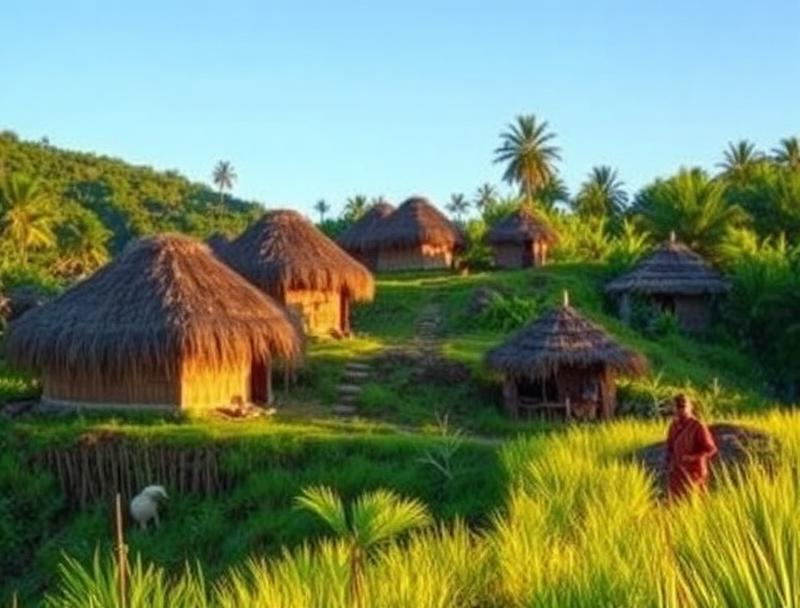
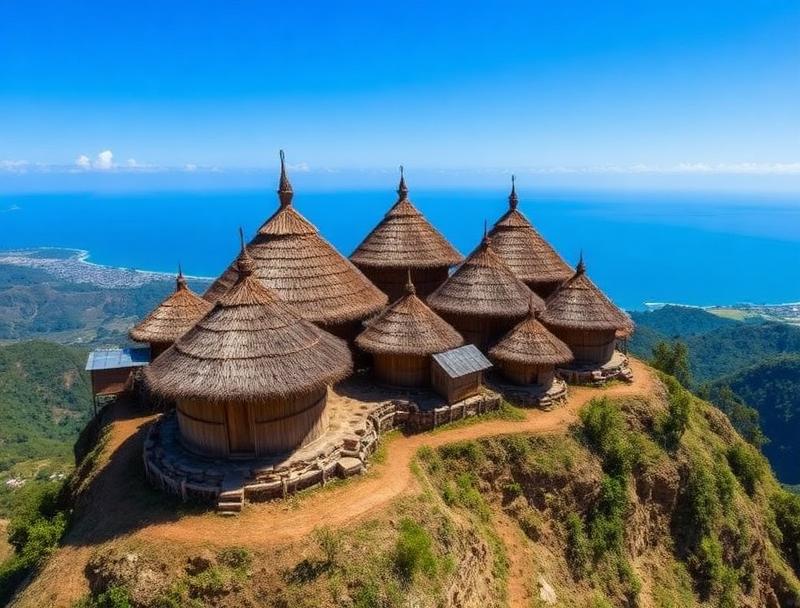
Beyond the pristine reefs, Alor offers rich cultural and natural experiences against a backdrop of dramatic volcanic landscapes. You can hike to the traditional village of Takpala to see its unique beehive huts or explore the bustling morning market in the main town of Kalabahi. Many itineraries also include boat excursions into the Pantar Strait for sunset dolphin watching or visits to remote villages to learn about the sacred Moko drums.

Traditional Village Visits

Traditional Village Visits

Visit remote Abui and Alorese villages where ancient animist traditions live on. Experience traditional architecture, weaving, and ceremonial dances that have barely changed in centuries.

Takpala Village Trek

Takpala Village Trek

Hike to the mountaintop village of Takpala, famous for its traditional beehive huts and panoramic views over the Alor Strait. A living museum of pre-modern Indonesian life.

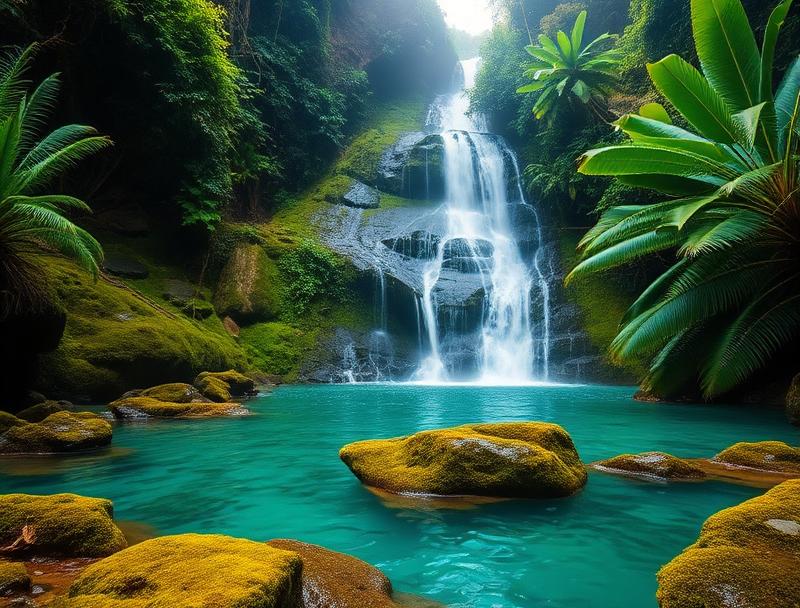
Waterfall Hikes

Waterfall Hikes

Trek through lush tropical jungle to discover hidden waterfalls cascading into natural pools. The interior of Alor Island is mountainous with peaks over 1800m.

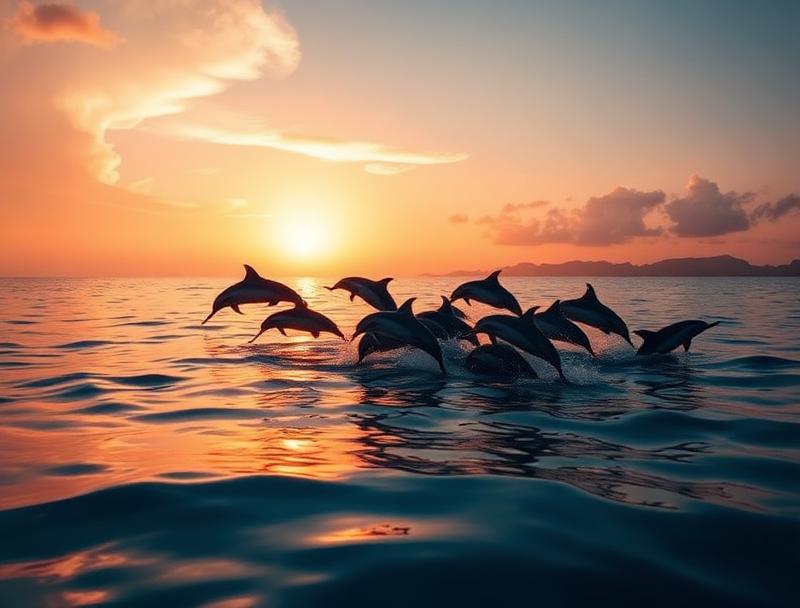
Sunset Dolphin Watching

Sunset Dolphin Watching

Boat excursions in the Pantar Strait to spot spinner and bottlenose dolphins. The nutrient-rich waters attract large pods that often perform acrobatic displays at sunset.

What a liveaboard in Alor costs

The calendar below shows how liveaboard prices shift month by month, so you can see exactly when your money goes furthest. We want every diver to get the best possible value, which is why we highlight the seasons that balance great conditions with the fairest rates.

Alor is a remote, expedition-style destination, and its liveaboard prices reflect the logistics of operating in this frontier region. Trips are often longer, combining Alor with Komodo or the Forgotten Islands, which influences the total cost. Prices vary with the season and the comfort level of the vessel, from budget-friendly phinisi boats to premium yachts with en-suite cabins. Overall, it is a mid-to-upper-range destination for those seeking a true adventure.

$273–$741

per day liveaboard

$50–$100

per 2-tank dive trip

$30–$150

hotel per night

Prices reflect typical costs for mid-range to premium options. Budget alternatives may be available.

Getting to Kupang and Alor: flights and transfers

Reaching this remote archipelago requires a multi-step journey, typically starting with a flight into Kupang's El Tari International Airport (KOE) from Bali or Jakarta. From there, you will either board your liveaboard in Kupang or take a short connecting flight to Mali Airport (ARD) on Alor. Many itineraries also use Maumere in Flores as a departure point for longer crossing trips. Most nationalities receive a free 30-day visa on arrival.

Insider tips

🚢

Liveaboard trips from Maumere or Kupang are the most common way to dive Alor and offer better value when booked as part of a multi-destination itinerary (e.g., Komodo–Alor combo).

🎯

Book during shoulder months (March/April) for lower prices.

🤿

Bring your own dive gear to save on rental fees ($20–40/day).

💰

Combine Alor with Flores overland travel for a budget-friendly cultural extension.

🏨

Local homestays on Alor Island start from $15–30/night with basic but clean accommodations.

Getting there

El Tari International Airport

Kupang, West TimorKOE

Main gateway, connections from Bali (DPS) and Jakarta (CGK) via Lion Air and Batik Air

Mali Airport

Alor IslandARD

Small prop planes from Kupang (45 min) via TransNusa or Wings Air, limited schedules

Entry requirements

Free 30-day visa on arrival for most nationalities. Passport must be valid for 6+ months. Visa extension available for another 30 days at immigration offices.

This information is provided without guarantee. Please visit the official website for the latest entry requirements.

Official Immigration Information →

Frequently asked questions about Alor liveaboards

When is the best time to dive in Alor?
Diving conditions in Alor change throughout the year. Check our month-by-month best-time-to-dive guides to plan around peak visibility, weather and marine life encounters.
Do I need a liveaboard to dive in Alor?
A liveaboard gives you access to remote dive sites in Alor that day boats cannot reach, plus 3–5 dives per day in maximum comfort. For the best dives in Alor, a liveaboard is the recommended choice.
What certification do I need to dive in Alor?
Most Alor liveaboards require Open Water as a minimum, with Advanced Open Water and 30+ logged dives recommended for currents and deeper sites. Some expert routes require Tech or 100+ dives.
How much does a Alor liveaboard cost?
Liveaboard prices in Alor typically range from €1,500 to €6,000+ per week depending on vessel category, route length and season. Browse the boats below for live pricing.
Do I need a visa for Alor?
Visa requirements vary by your nationality. Always check the latest entry rules with the destination's official government source before booking flights.
Is diving in Alor safe for beginners?
Many Alor sites are beginner-friendly, but some routes feature strong currents or deep walls suited only to experienced divers. Check each vessel's recommended experience level.

Alor compared with other liveaboard destinations

Honest, in-depth comparisons to help you decide between destinations, certifications, equipment and dive styles.

Indonesia vs Philippines Liveaboard: Where to Dive in the Coral Triangle?

Indonesia and the Philippines together form the heart of the Coral Triangle — the global epicenter of marine biodiversity. Both countries offer hundreds of islands, world-class macro photography, big-animal encounters and warm tropical water. Yet the two destinations attract slightly different divers: Indonesia is the bigger, more famous brand with iconic regions like Raja Ampat, Komodo and Lembeh. The Philippines is quieter, more affordable, and increasingly popular for thresher sharks, sardines and accessible muck diving. **Indonesia** has roughly 17,500 islands and the most diverse marine fauna on Earth. Its liveaboard fleet is the largest in Southeast Asia, with classic phinisi schooners and modern steel yachts plying routes through Komodo, Raja Ampat, Banda, Alor, Halmahera and the Forgotten Islands. Trip prices range widely — €1,500/week budget phinisis to €6,500/week luxury yachts. **Philippines** has 7,641 islands and a more compact dive scene. Liveaboards focus on Tubbataha (a UNESCO reef in the Sulu Sea), Visayas (Malapascua, Cebu, Bohol) and Coron (wreck diving). The Tubbataha season is short (March–June) which concentrates the best diving into a narrow window. Trip prices typically run 30–40% below comparable Indonesian routes. This guide compares biodiversity, dive style, cost, accessibility and which destination fits which type of diver.

Read comparison

Komodo vs Raja Ampat: Which Indonesian Liveaboard Should You Choose?

Komodo and Raja Ampat are the twin crowns of Indonesian liveaboard diving — both inside the Coral Triangle, both home to the highest marine biodiversity on Earth, and both increasingly featured on bucket lists. The choice between them used to be simple (Raja Ampat was harder to reach, Komodo was easier) but improved flight connections to Sorong have evened the playing field. Today the question is more about what kind of diving experience you want. **Komodo National Park** sits between Flores and Sumbawa in the Lesser Sunda Islands. Strong currents flush the channels between islands, fueling explosive growth of soft corals and massive schools of fish. Komodo divers move fast, often hooking in or drift-diving with manta rays at Karang Makassar, sharks at Castle Rock, and schooling barracuda at Crystal Bay. Topside, Komodo dragons stalk Rinca and Komodo islands — a unique combination no other dive destination offers. **Raja Ampat** lies further east, in West Papua, an archipelago of 1,500+ limestone islands rising from turquoise water. It holds the title of most biodiverse marine ecosystem on the planet: more than 1,500 fish species and 75% of the world's known coral species. Diving here is calmer overall (with notable exceptions like Cape Kri and Blue Magic), focused on macro life, immense schools of bait fish, walking sharks, wobbegongs, and reef tableaus that look painted. This guide breaks down marine life, cost, accessibility, dive difficulty and seasons so you can pick the right Indonesian liveaboard for your next trip.

Read comparison

Liveaboard vs Land-Based Diving: Which Trip Is Right for You?

Choosing between a liveaboard and a land-based dive trip is the most fundamental decision divers face when planning a serious diving holiday. The right answer depends on your priorities: maximum dive count and access to remote sites favor liveaboards; beach time, family flexibility and lower cost favor land-based resorts. Both formats have evolved significantly in the last decade, and the line between them has blurred — luxury dive resorts now offer multi-day expedition trips, while many liveaboards include topside excursions and even spa days. This guide compares the two formats across every meaningful dimension: cost per day, dives per day, marine life access, comfort, social dynamics, family-friendliness, and travel logistics. We'll also cover the hybrid models (resort + day-charter, or 'safari boat' itineraries) that try to capture the best of both worlds. If you're certified, in love with diving and want to maximize bottom time, a liveaboard is almost always the better choice — you can clock 25+ dives in a week and reach sites no day boat can. If you're traveling with non-divers, prefer land-based comfort, or want flexibility to take days off, a resort wins. We'll get into all the nuances below.

Read comparison
Plan your trip

Ready to dive?

Explore our expedition vessels and find your perfect trip to Alor