Frogfish
Antennariidae
About Frogfish
The Frogfish is a master of camouflage, blending seamlessly into coral, sponges, and rocky substrates. These ambush predators use a modified dorsal spine as a lure to attract prey, striking with one of the fastest feeding responses in the animal kingdom. Found in tropical and subtropical waters worldwide, frogfish come in an astonishing variety of colors and textures.
Quick Facts
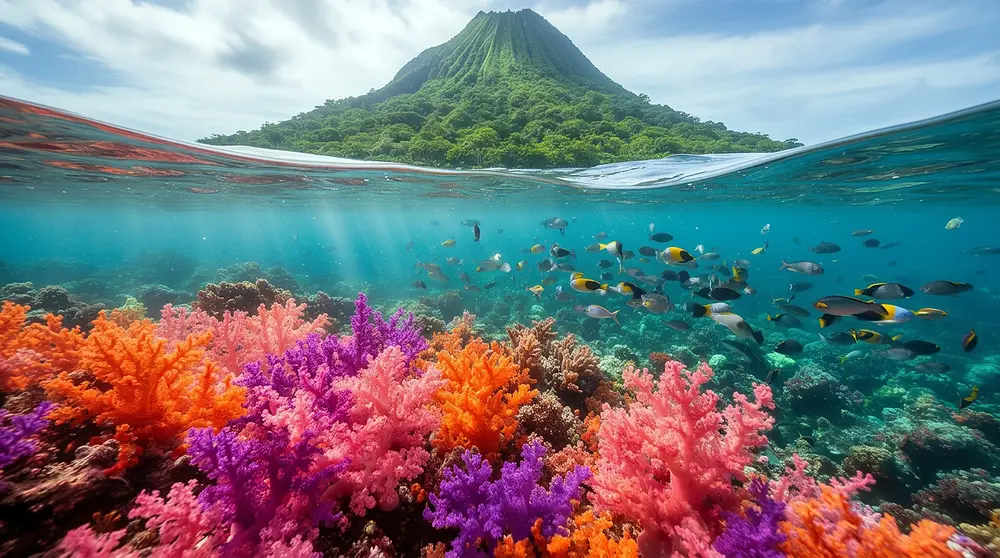
- Habitat: Frogfish, belonging to the family Antennariidae, are masters of **camouflage** and inhabit a wide range of marine environments across **tropical and subtropical seas** worldwide. They are typically found in shallow waters, often down to about 100 meters, but some species can be found deeper. Their preferred habitats include **coral reefs, rocky substrates, sponge gardens, and rubble areas**, where their textured skin and varied coloration allow them to blend seamlessly with their surroundings. Divers can encounter them in the **Indo-Pacific**, including popular destinations like **Raja Ampat, Indonesia**, the Philippines (especially **Anilao and Dumaguete**), and Malaysia (**Sipadan**). In the Caribbean, they are present in locations such as **Bonaire and Cozumel**, while Australia's **Great Barrier Reef** and the Red Sea also host various species. They are generally **benthic fish**, spending most of their time camouflaged and stationary on the seafloor or attached to sponges and corals. Their distribution is broad, but specific species may have more localized ranges, such as the Painted Frogfish (**Antennarius pictus**) common in the Indo-Pacific or the Longlure Frogfish (**Antennarius multiocellatus**) prevalent in the Western Atlantic.
- Diet: Frogfish are **ambush predators** with an insatiable appetite, primarily preying on other fish, crustaceans, and even other frogfish. Their hunting strategy is predicated on **patience and disguise**. They remain perfectly still, sometimes for hours or days, blending into their environment until an unsuspecting meal swims within striking distance. Their namesake **'fishing lure' or illicium** – a modified first dorsal fin spine tipped with an esca (lure) that mimics a small worm, shrimp, or even a tiny fish – is crucial to their hunting success. They **wiggle this lure** enticingly to attract prey. Once prey is close enough, the frogfish executes one of the **fastest strikes in the animal kingdom**, expanding its mouth and sucking in the victim in as little as six milliseconds. This allows them to devour prey almost as large as themselves. Unlike active hunters, their energy expenditure is minimal until the moment of the strike, making them **highly efficient predators** in their ecosystems.
- Best season: While frogfish can generally be found **year-round** in their respective habitats due to their sedentary nature, certain seasons might offer slightly better chances for sightings. In the **Indo-Pacific**, particularly in places like **Indonesia (e.g., Lembeh Strait, Raja Ampat)** and the **Philippines (e.g., Anilao, Dumaguete)**, the **dry season from April to October** often brings calmer seas and better visibility, making underwater observation easier, although frogfish are present throughout the year. For the **Caribbean**, the months of **December to May** typically offer the most favorable diving conditions with reduced rainfall and clear waters, coinciding with active frogfish presence. In the **Red Sea**, **spring (March-May)** and **autumn (September-November)** are preferred for their moderate water temperatures and excellent visibility. These periods generally align with peak tourist seasons, but importantly, frogfish do not undertake significant migrations or seasonal habitat shifts. Their presence is largely dictated by the availability of suitable camouflage and prey. Divers should note that finding frogfish is less about a specific season and more about **knowing their preferred micro-habitats** and employing slow, meticulous searching techniques.
Fun Facts
Their strike is one of the fastest in the animal kingdom—swallowing prey in just 6 milliseconds,They can swallow fish nearly as large as themselves,Frogfish can 'walk' on their pectoral fins across the seafloor,They are so well camouflaged that researchers often find them only by accident
Diving Tips
Encountering a frogfish is often a highlight for divers, but it requires **patience and a keen eye** due to their unparalleled camouflage. Divers should maintain **excellent buoyancy control** at all times to avoid disturbing the substrate or nearby marine life, especially when very close to a potential frogfish sighting. **Never touch or prod** a frogfish; their skin can be sensitive, and touching can remove their protective mucus layer or stress them. Spotting cues often involve looking for **unusual shapes or textures** on sponges, corals, or rubble that seem out of place. Guides are exceptionally skilled at finding them, so it's advisable to **brief your dive guide** on your interest in macro subjects. When a frogfish is spotted, approach **slowly and deliberately**, giving it space. Observe its **illusory lure** if it's actively hunting. Photography should be done with minimal disturbance; avoid excessive flash use or prolonged close-up approaches. Remember that frogfish are **masters of stillness**, so distinguishing them from their environment can be extremely challenging. Their **illicium and esca** (lure) are often the most revealing features. Always adhere to **responsible diving practices**,