About Crystal Rock
Crystal Rock is a renowned dive site in the northern reaches of Komodo National Park, celebrated for its exceptional visibility and the prolific marine life drawn by its dynamic currents. This submerged pinnacle, which sometimes breaks the surface at low tide, is essentially an underwater mountain, providing a rich and diverse habitat. The topography features steep slopes and a central saddle connecting two peaks. Nutrient-rich waters, carried by consistently strong currents, fuel a vibrant ecosystem, covering the walls and slopes with an array of colorful soft corals, large fans, and barrel sponges. The site's open-ocean location and exposure to these currents make it a hotspot for pelagic action. Divers can expect to encounter a wide variety of species, from large schooling fish and hunting trevally to various reef sharks. While Crystal Rock is famous for its 'big stuff,' calmer moments and sheltered areas reveal fascinating macro life, including nudibranchs, crustaceans, and pygmy seahorses. Dolphins are even occasional visitors, adding to the excitement. Due to the often-intense and unpredictable currents, Crystal Rock is best suited for advanced divers comfortable with drift diving and managing challenging conditions. Dive plans are always adapted to the daily current strength and direction, ensuring a thrilling yet safe experience for those ready for an action-packed underwater adventure.
Highlights
Exceptional water clarityPinnacle with vibrant soft coralsStrong currents, abundant pelagic actionWhite-tip and Grey reef sharksLarge schools of fusiliersGiant trevally huntingOccasional dolphin sightingsPygmy seahorses in fans
Season calendar
Best months to dive here
Jan
Feb
Mar
Apr
May
Jun
Jul
Aug
Sep
Oct
Nov
Dec
Good
Dive site facts: Crystal Rock
- Depth
- 5–35 m
- Typical dive
- 18–25 m, 45–60 min
- Current
- Strong and variable
- Visibility
- 20–30 m+
- Water temperature
- 25–28 °C
- Entry
- Negative entry / rapid descent
- Level
- Advanced (AOW) with current experience
- Dive type
- Pinnacle, drift, pelagic, soft coral
- Night dive
- Not typical
- Region / port
- Northern Komodo National Park
- Coordinates
- -8.4589, 119.5712
Conditions & Currents
Crystal Rock is famously characterized by its strong and often unpredictable currents, making it an advanced dive site. Currents can run in various directions—along the reef, across the pinnacle, or shifting in strength throughout a single dive as tides change. Entry is typically a negative descent, or a quick positive entry followed by a rapid drop, to quickly reach the intended depth and avoid being swept away from the site. Divers must be proficient in buoyancy control, highly aware of their surroundings, and comfortable with drift diving techniques. While the site is also wonderful at slack tide when currents are minimal, most dives will involve significant current. Visibility is typically crystal clear, often exceeding 30 meters, and water temperatures range from 25-28°C, though cooler thermoclines can occur. Reef hooks are often utilized to observe marine life in strong currents, w
Marine life & sighting chances

Grey Reef Shark
common
White-tip Reef Shark
common
Black-tip Reef Shark
occasional
Giant Trevally
common
Dogtooth Tuna
occasional
Eagle Ray
occasional
Yellow-ribbon Sweetlips
common
Fusilier
common
Snapper
common
Napoleon Wrasse
occasional
Pygmy Seahorse
occasional
Nudibranch
occasional
Frogfish
rare
Dolphin
rareDive profile & how the dive runs
A typical dive at Crystal Rock begins with a rapid, negative entry to quickly descend to the saddle area, located around 20 meters, to avoid strong surface currents. From there, the dive often explores the deeper slope between 20-25 meters, where divers can observe grey reef sharks and large schools of fusiliers holding in the current. A unique feature at approximately 17 meters is an area with table corals, often serving as a nursery for juvenile white-tip reef sharks. The dive then proceeds by spiraling up the main rock, moving towards the sheltered eastern side. This shallower section, adorned with vibrant orange and purple soft corals, provides a beautiful coral garden for the safety stop and final exploration before ascending.
Underwater photography
Crystal Rock's exceptional visibility and abundant pelagic action make it ideal for wide-angle photography. A dome port is highly recommended to capture the expansive schools of fusiliers, hunting trevally, and cruising reef sharks in the blue. For macro enthusiasts, particularly in calmer conditions or sheltered areas, a macro lens can reveal nudibranchs, crustaceans, and pygmy seahorses on the sea fans. When currents are strong, maintaining stable buoyancy is crucial to avoid disturbing the reef and to secure clear shots. Be mindful of your positioning to avoid being swept away and ensure you do not interfere with the natural behavior of marine life, especially around potential shark nursery areas.
Combine with nearby dive sites
- Castle Rock
A neighboring pinnacle known for even stronger currents and prolific shark encounters.
- The Cauldron (Shotgun)
A thrilling drift dive through a channel with compressed and speeding currents.
- Golden Passage
Another northern site offering exhilarating drift dives and diverse marine life.
- Gili Lawa Darat
An island located near Crystal Rock, often part of northern Komodo itineraries.
Getting there & logistics
Access to Crystal Rock is primarily from Labuan Bajo on Flores, which serves as the main gateway to Komodo National Park. Divers typically reach the site via liveaboard vessels or as part of long day trips. Liveaboard itineraries to Northern Komodo often combine Crystal Rock with other famous sites like Castle Rock and The Cauldron, typically spanning 6 to 8 days. Day trips require early starts to align with favorable tide conditions. National park entrance fees and diving permits are mandatory, and your operator will typically handle these arrangements. Ensure your travel insurance covers scuba diving, particularly in remote areas with strong currents.
Safety & environment
Diving at Crystal Rock demands a high level of preparedness due to its strong and unpredictable currents. Divers must be Advanced Open Water certified and possess considerable experience with drift diving and managing challenging current conditions. Always adhere strictly to your dive guide's briefing regarding entry, route, and emergency procedures. Maintain excellent buoyancy control and stay with your group. In the event of separation, be proficient in deploying an SMB immediately. The nearest recompression chamber is in Denpasar, Bali, requiring significant evacuation time. Therefore, comprehensive dive insurance, including emergency evacuation coverage, is non-negotiable. Always prioritize safety; if conditions are deemed unsuitable by the dive leader, an alternative site will be chosen.
Who it suits — and who it doesn't
Suited for
- Advanced Open Water divers with strong current experience
- Experienced drift divers
- Photographers seeking pelagic and wide-angle opportunities
- Divers comfortable with negative entries and rapid descents
- Those who enjoy action-packed dives with large marine life
Less suited for
- Beginner divers or Open Water certified
- Divers uncomfortable with strong or unpredictable currents
- Those with poor buoyancy control
- Divers prone to seasickness in choppy conditions
- Individuals seeking purely calm, easy dives
FAQ
Crystal Rock FAQ
Why is it called Crystal Rock?
The name 'Crystal Rock' is derived from the consistently excellent water clarity experienced at the site. Visibility often exceeds 30 meters, allowing for clear views of the pinnacle's rich marine life and vibrant coral formations.
What kind of marine life can I expect at Crystal Rock?
Crystal Rock is renowned for its diverse marine life, attracting both pelagic species and smaller reef inhabitants. You can expect to see grey reef sharks, white-tip reef sharks, giant trevally, and large schools of fusiliers. Occasional sightings include dogtooth tuna, eagle rays, and even dolphins, alongside macro life like pygmy seahorses and nudibranchs.
Is Crystal Rock suitable for beginner divers?
No, Crystal Rock is not recommended for beginner divers. The site is known for its strong and often unpredictable currents, requiring advanced diving skills, excellent buoyancy control, and comfort with drift diving techniques. It is best suited for Advanced Open Water divers with prior experience in challenging currents.
When is the best time to dive Crystal Rock?
The prime season for diving Crystal Rock is during the dry season, which runs from April to November. During these months, the northern Komodo region typically experiences the best visibility and calmer surface conditions, enhancing the overall dive experience, despite the ever-present currents.
What makes Crystal Rock unique compared to other Komodo dive sites?
Crystal Rock stands out for its exceptional combination of crystal-clear water, vibrant soft coral coverage, and the consistent presence of strong currents that draw in a remarkable array of pelagic life. It offers an exhilarating blend of dynamic action and colorful reef ecosystems, making it a highlight for advanced divers seeking a high-energy experience.
Why dive Crystal Rock from a liveaboard?
Crystal Rock is one of Komodo, Indonesia's signature dive sites. A liveaboard sleeps you on the water and puts you in the water for three to four guided dives per day, including dawn and night dives that day-boat operators rarely offer. You skip the daily commute back to port and reach quieter, less-crowded sites in the same region on a single trip.
Below are the liveaboards that include Crystal Rock on their Komodo, Indonesia itineraries.
Liveaboards diving Crystal Rock
These liveaboards may visit Crystal Rock on selected itineraries — the exact dive sites depend on departure, weather and conditions.
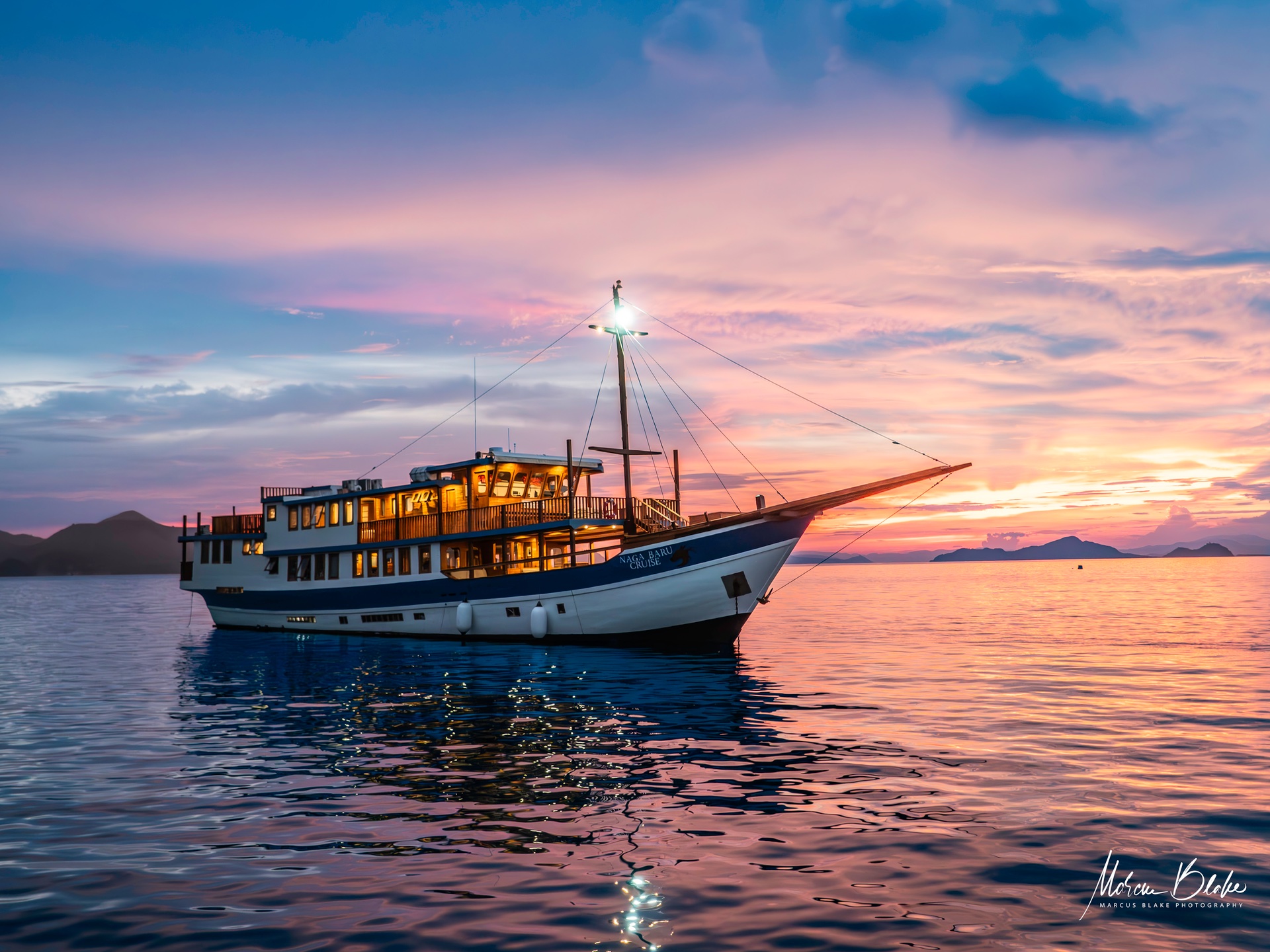
Naga Biru
Indonesia
12 guests40 m
$273/day
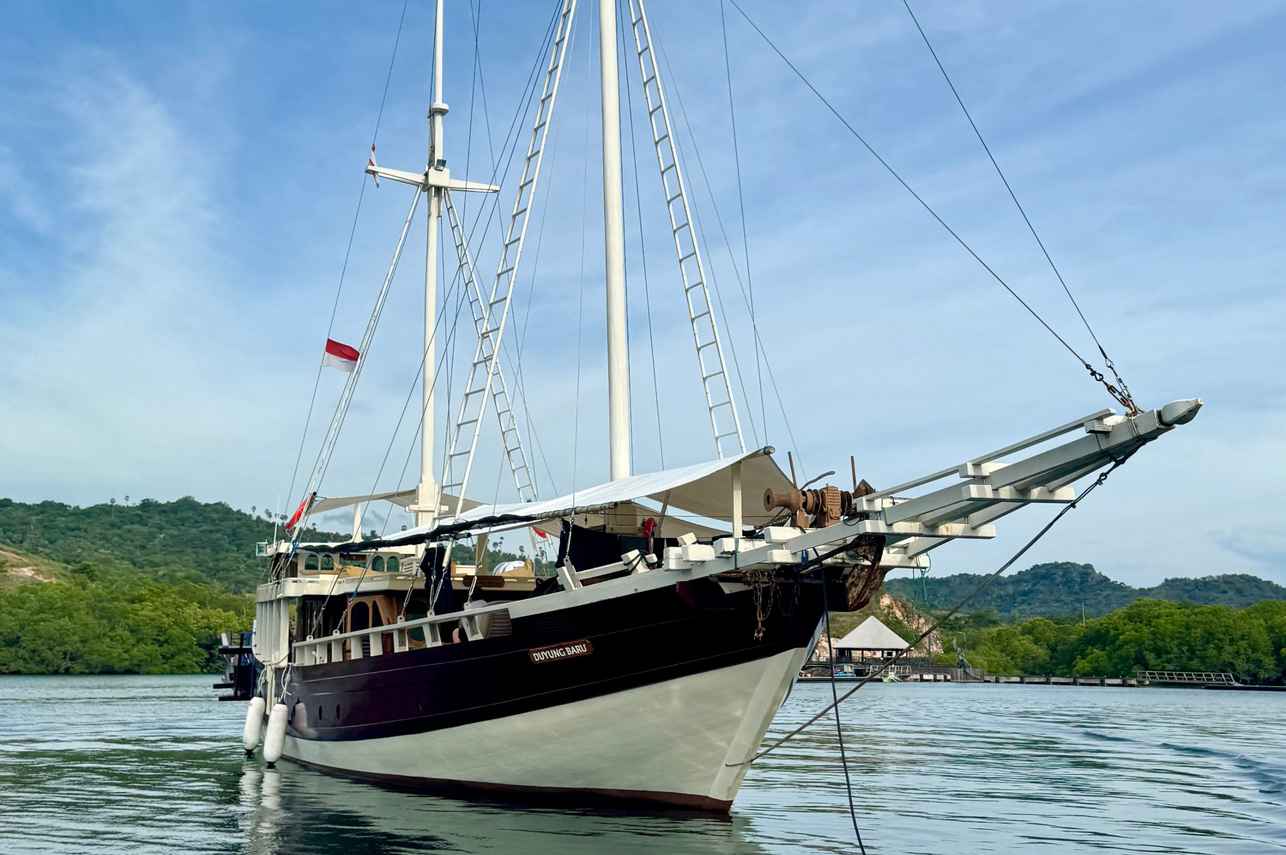
Ecopro Duyung Baru
Indonesia
6 guests27 m
$361/day
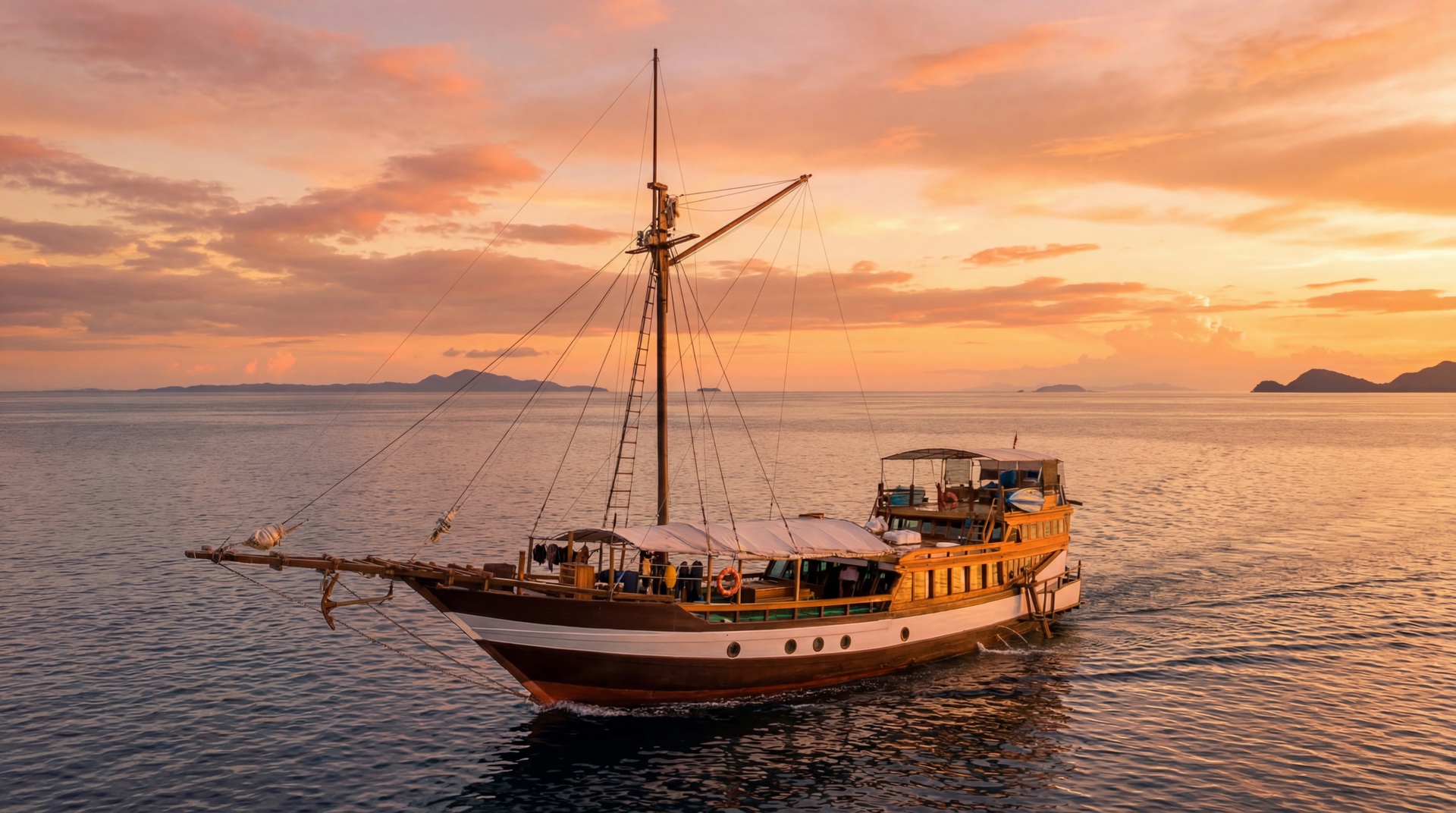
Wellenreng
Indonesia
9 guests25 m
$427/day
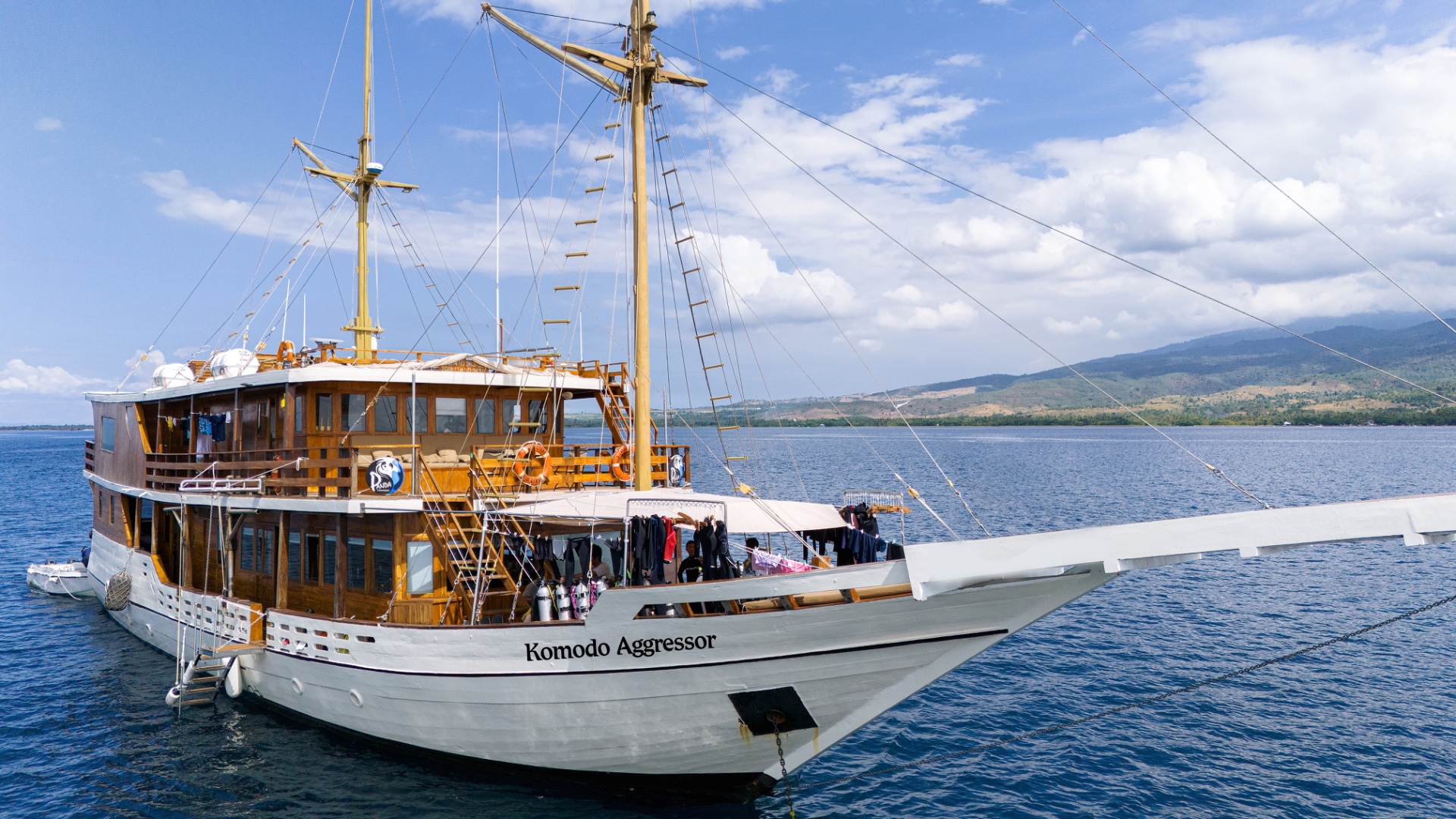
Komodo Aggressor
Komodo, Indonesia
16 guests29 m
$312/day
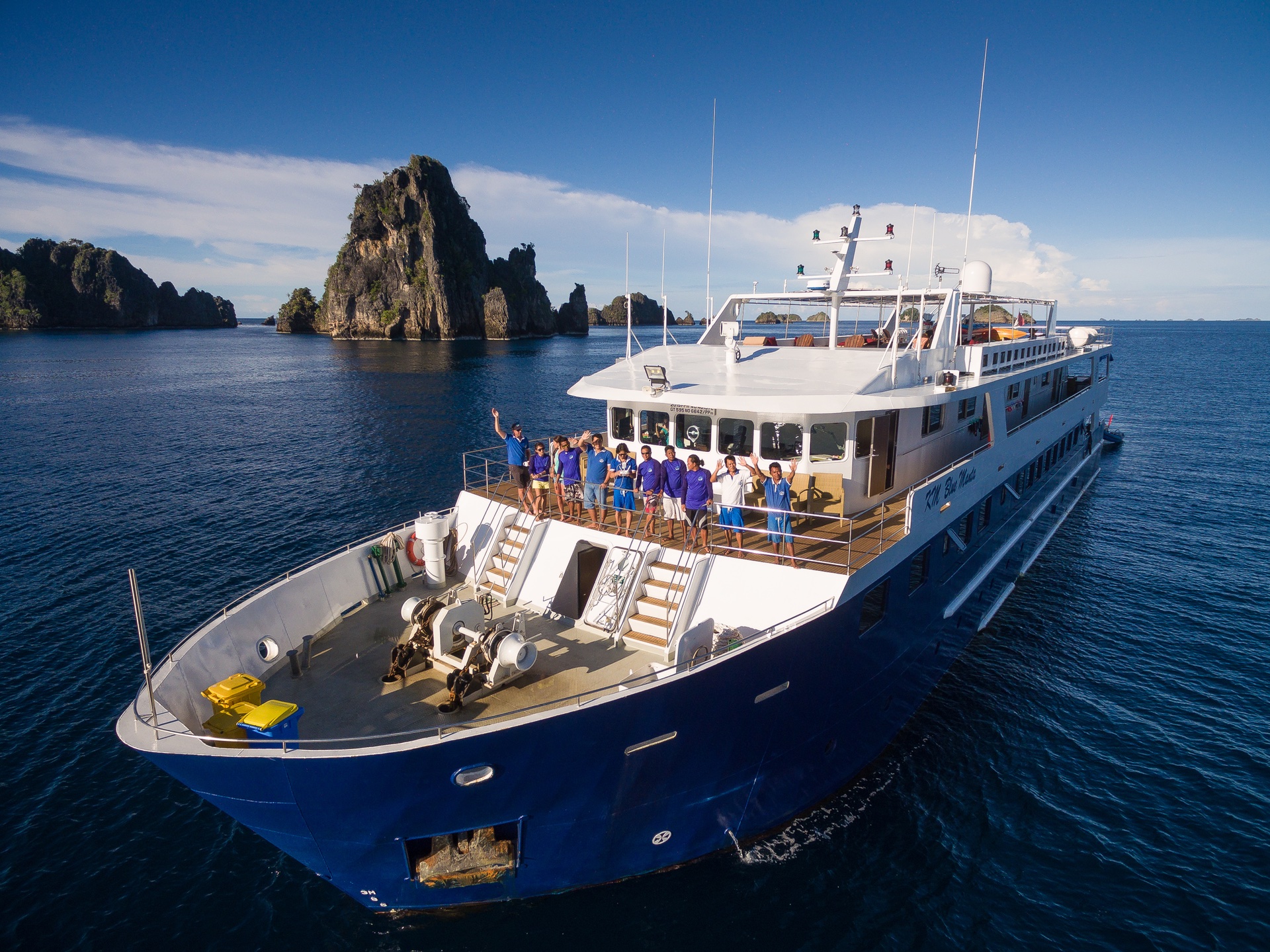
Blue Manta
Indonesia
20 guests45 m
$482/day
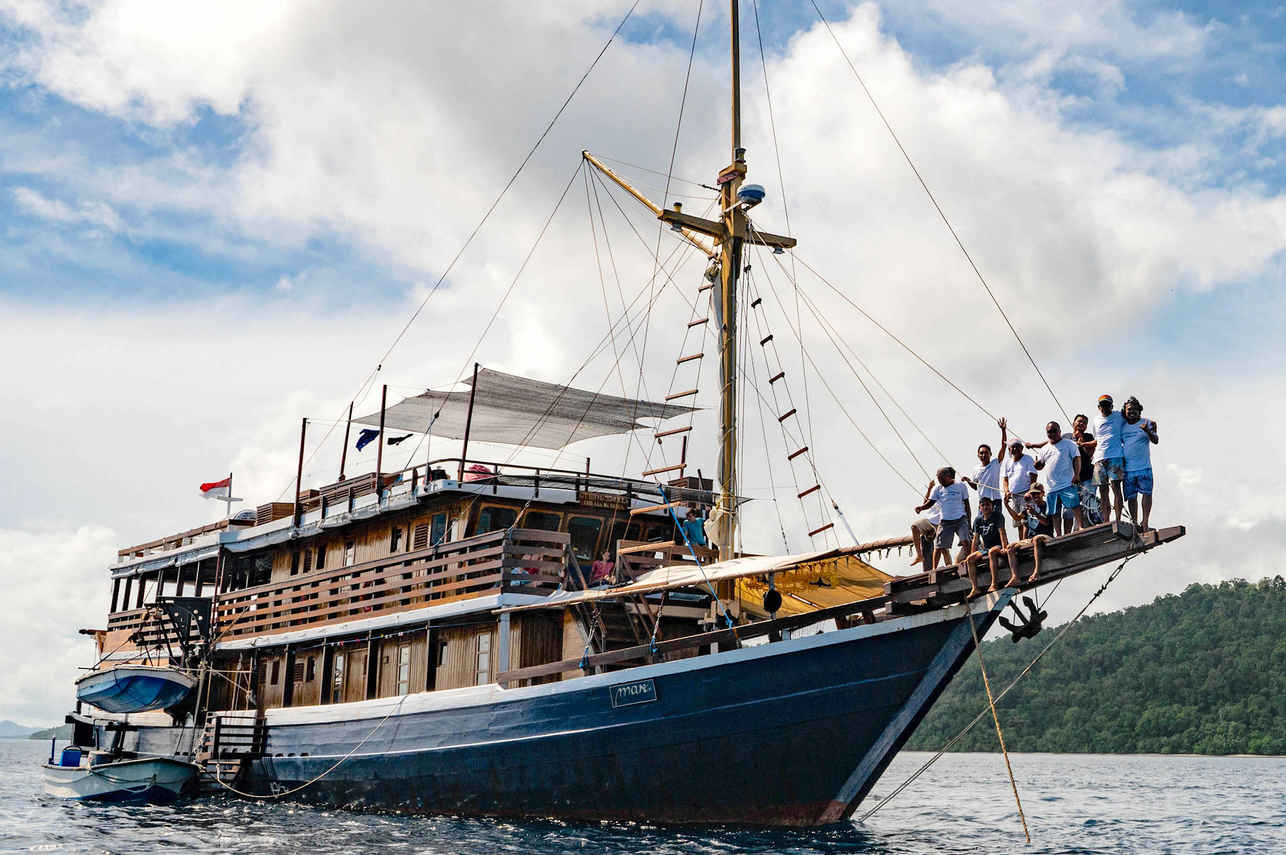
Mari
Indonesia
14 guests32.2 m
$328/day
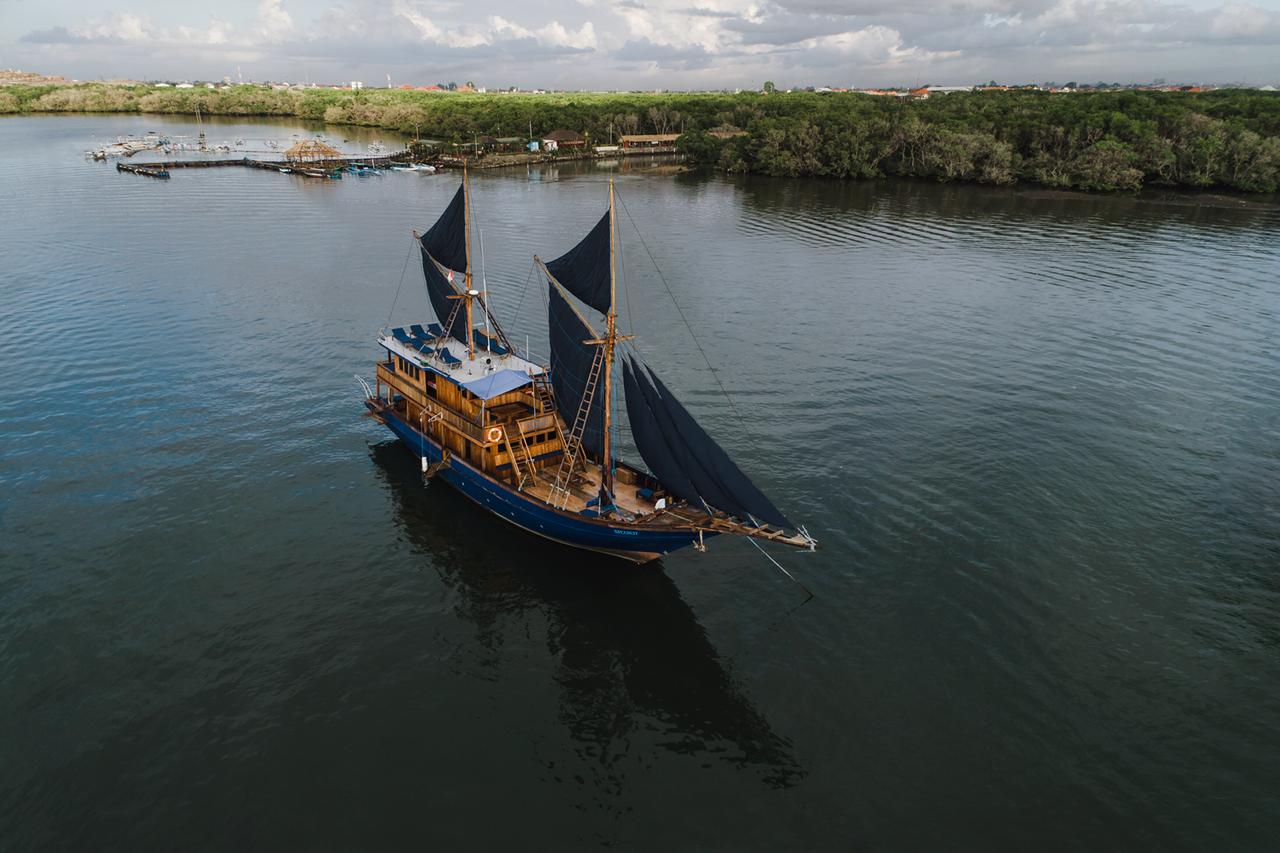
Situju7
Komodo, Indonesia
10 guests32.7 m
$362/day
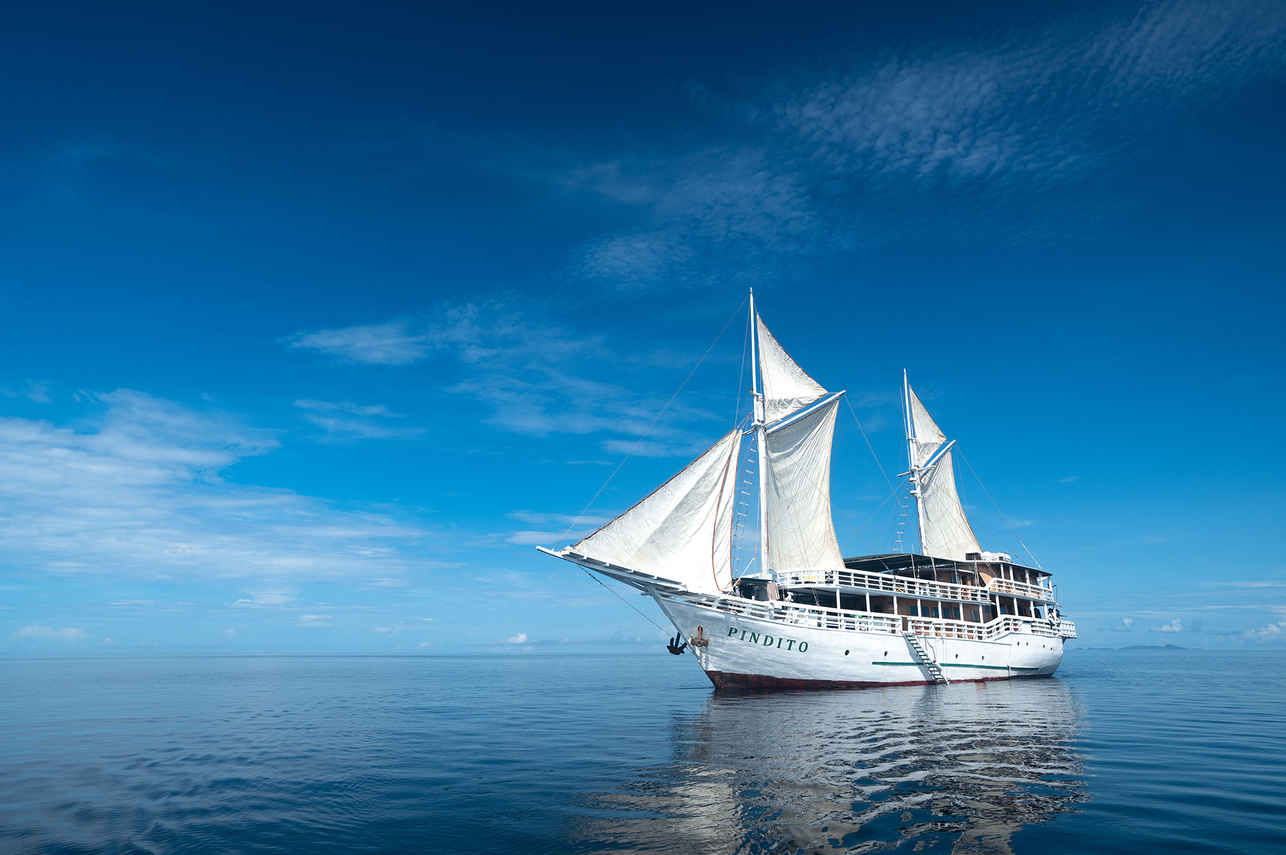
Pindito
Indonesia
16 guests37.79 m
$533/day
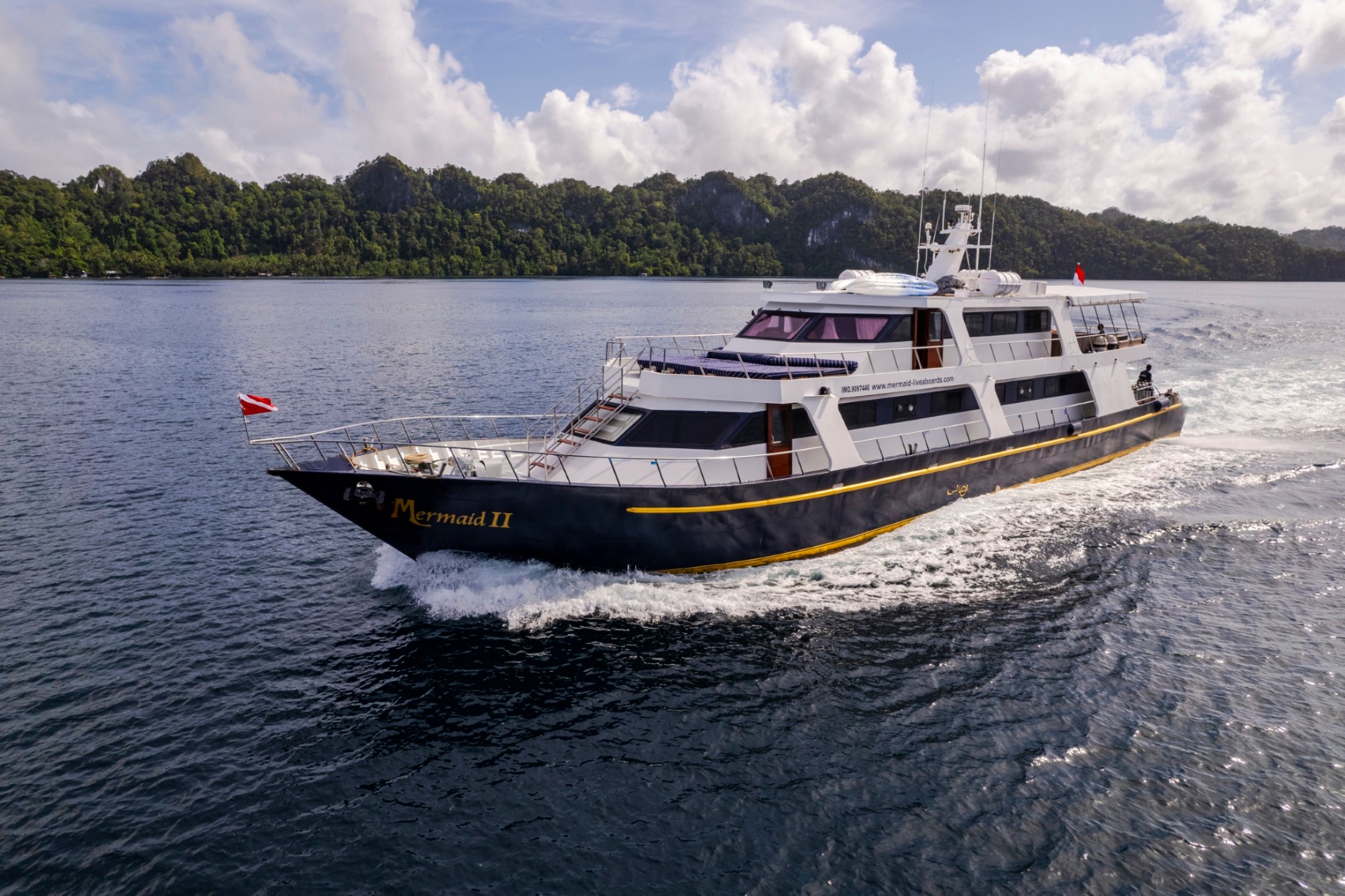
Mermaid II
Komodo, Indonesia
18 guests
$391/day
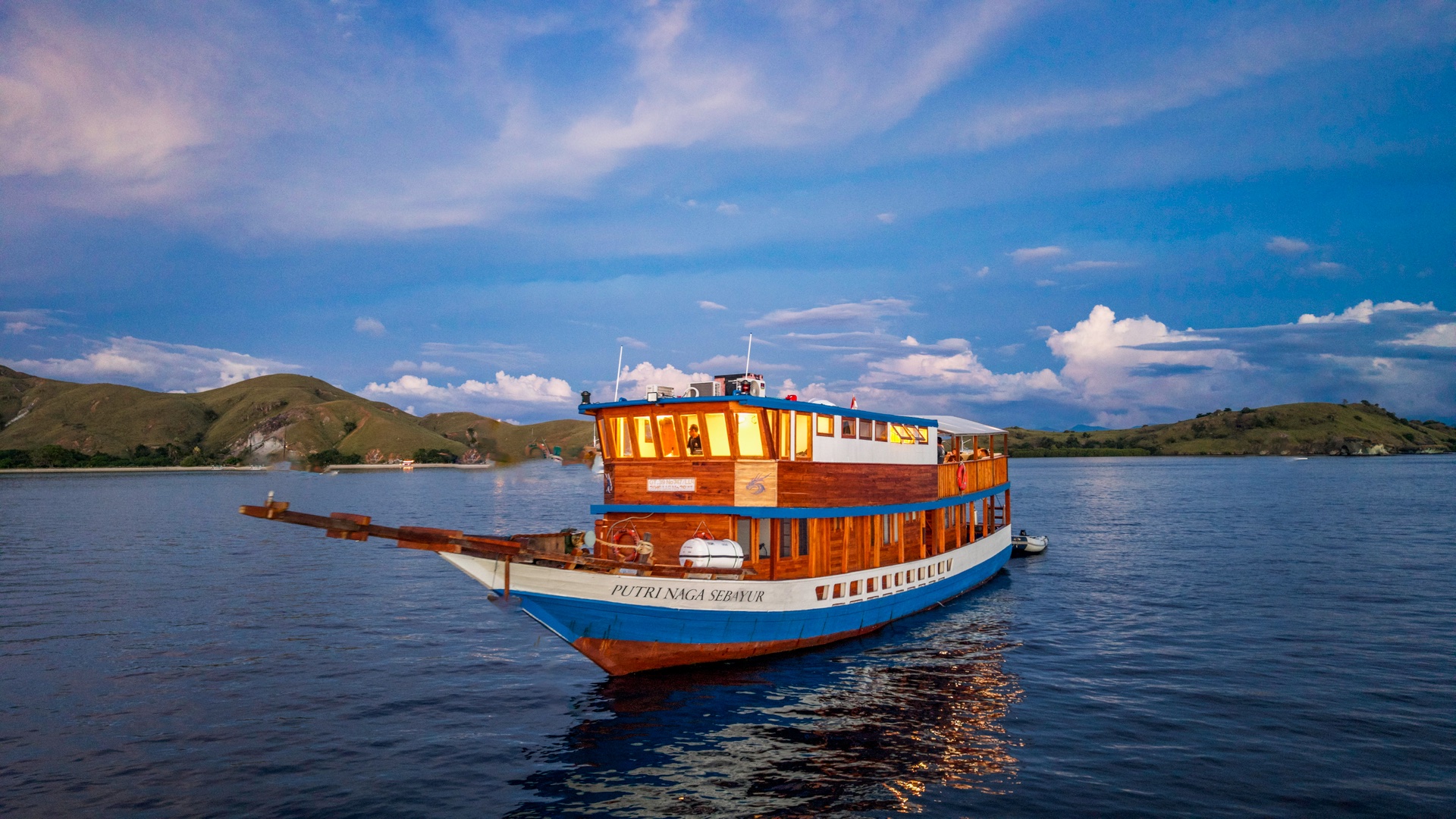
Putri Naga
Komodo, Indonesia
6 guests25 m
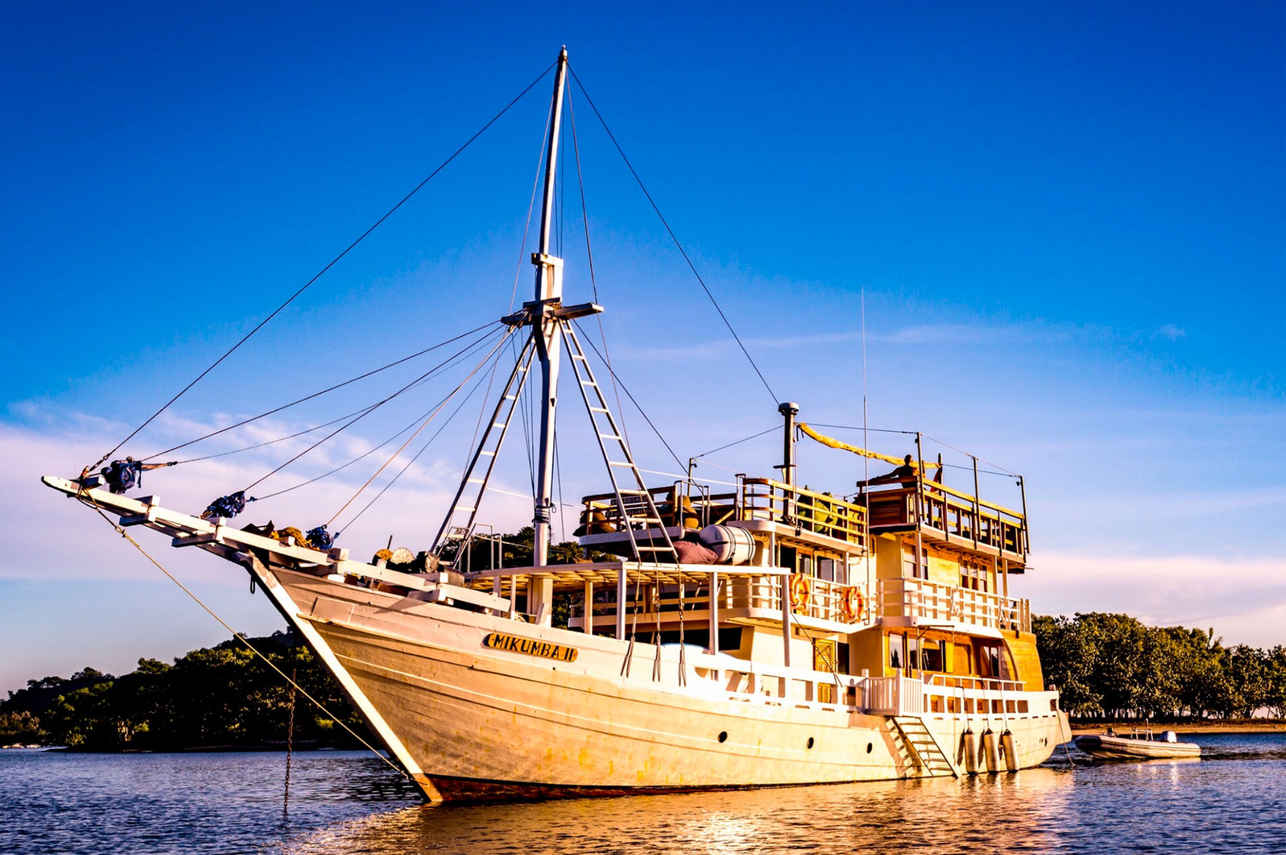
Mikumba Dua
Indonesia
10 guests30 m
$335/day
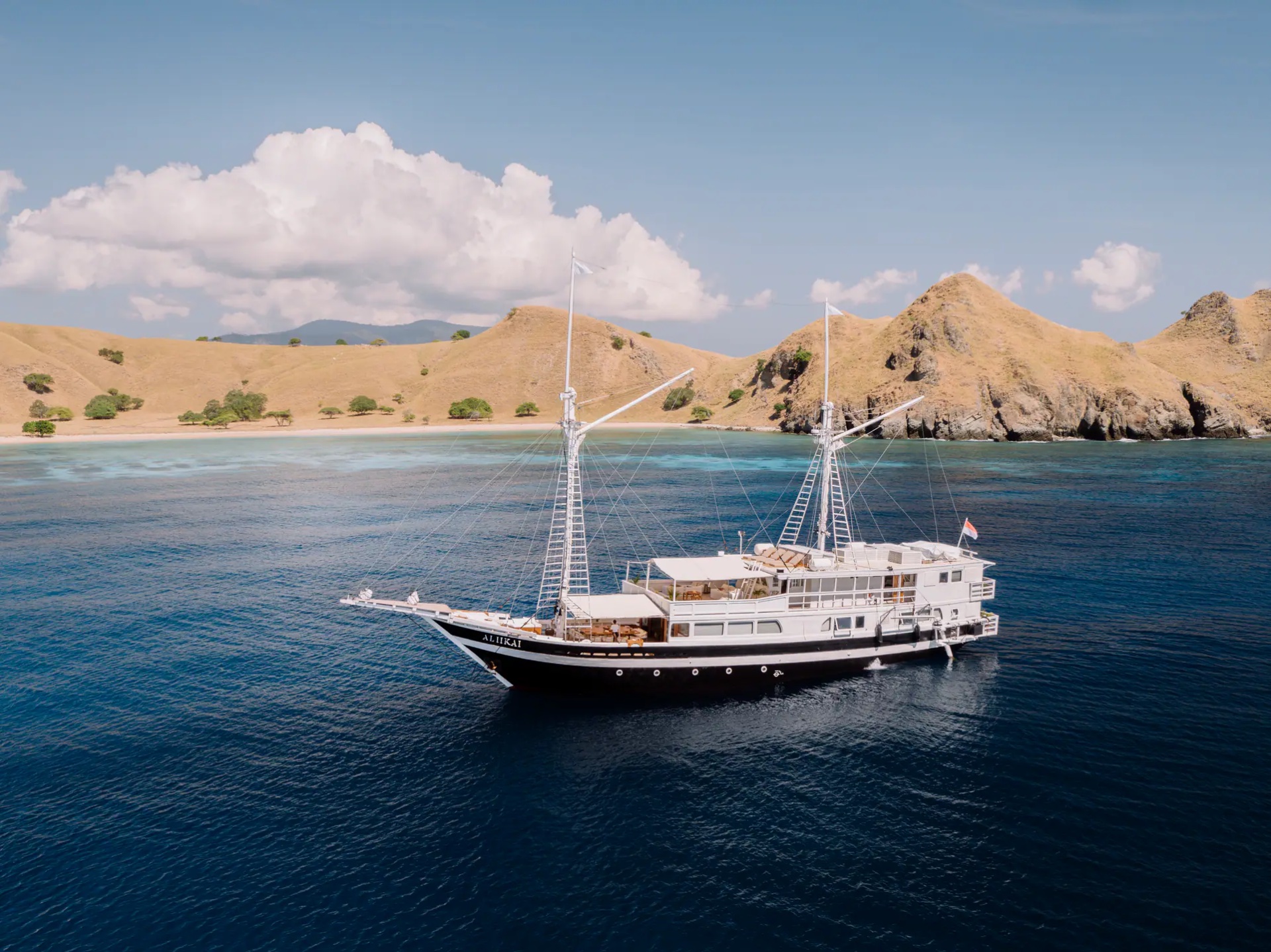
Aliikai Voyage
Indonesia
15 guests40 m
$658/day
Dive sites similar to Crystal Rock
Same character, same waters — six more sites divers love for the exact same reasons.Compare seasons, access and liveaboard routes — then pick the site that fits your trip best.
© Esri — Maxar, Earthstar, GIS
Siaba Kecil
Komodo, Indonesia
Siaba Kecil is a distinct dive site located in the central part of Komodo National Park, positioned in a channel where waters flow between the north and south.
- Suitable for
- Intermediate
- Current
- Strong
- Access
- Liveaboard only
- Depth
- 8–25 m
- Theme
- Drift / Reef
© Esri — Maxar, Earthstar, GIS
Castle Rock
Komodo, Indonesia
Castle Rock, an iconic dive site within Komodo National Park, is celebrated as one of Indonesia's premier destinations for exhilarating underwater encounters.
- Suitable for
- Advanced
- Current
- Strong
- Access
- Liveaboard or dayboat
- Depth
- 5–35 m
- Theme
- Drift / Pinnacle
© Esri — Maxar, Earthstar, GIS
Nisaleme Island
Komodo, Indonesia
Nisaleme Island is a notable dive site within Komodo National Park, an area celebrated for its rich marine biodiversity located between the Flores Sea and the Savu Sea.
- Suitable for
- Advanced
- Current
- Ripping
- Access
- Liveaboard only
- Depth
- —
- Theme
- Drift
© Esri — Maxar, Earthstar, GIS
Pink Beach
Komodo, Indonesia
Pink Beach is a renowned dive site within Komodo National Park, famous for its unique pink-hued sands, a result of microscopic red foraminifera.
- Suitable for
- Intermediate
- Current
- Strong
- Access
- Liveaboard or dayboat
- Depth
- 1–15 m
- Theme
- Drift / Reef
© Esri — Maxar, Earthstar, GIS
Batu Bolong
Komodo, Indonesia
Batu Bolong, meaning "Hollow Rock" in Bahasa Indonesian, is a renowned dive site in Komodo National Park, situated in the central Lintah Strait between Komodo Island and Tatawa Besar.
- Suitable for
- Advanced
- Current
- Strong
- Access
- Liveaboard or dayboat
- Depth
- 10–30 m
- Theme
- Drift / Pinnacle
© Esri — Maxar, Earthstar, GIS
Komodo Corner
Komodo, Indonesia
Komodo Corner, or Police Corner, is a captivating dive site situated on the south side of Siaba Besar Island within Central Komodo National Park.
- Suitable for
- Advanced
- Current
- Strong
- Access
- Liveaboard or dayboat
- Depth
- 5–30 m
- Theme
- Cave & cavern / Drift