About Gili Lawa Darat
Gili Lawa Darat, situated at the northern entrance of Komodo National Park, is renowned for its thrilling drift diving opportunities. This site is specifically the channel, often referred to as Golden Passage, located between Gili Lawa Darat island and Komodo Island. The area is characterized by robust tidal flows that create a dynamic underwater environment, feeding a vibrant ecosystem. Divers here encounter a spectacular diversity of marine life, from schooling fish to patrolling sharks and occasional manta rays. The topography features healthy coral slopes and shallow ridges, serving as an underwater highway for various species. Depths typically range from 5 to 25 meters, making it accessible for intermediate to advanced divers to explore the coral gardens and observe pelagic action in the blue. The currents, while strong, are predictable with local knowledge, offering an exhilarating ride. While mantas can be sighted year-round in Komodo, Gili Lawa Darat provides excellent conditions for various large pelagic encounters, especially during the dry season from April to November. The clear, warm waters in the north during these months offer optimal visibility and calm surface conditions, enhancing the diving experience. The strong currents ensure a constant supply of nutrients, supporting a thriving reef and attracting a high concentration of predatory fish.
Highlights
Adrenaline-fueled drift divesChannel between islandsStrong, nutrient-rich currentsHealthy coral slopesAbundant reef fish schoolsFrequent pelagic sightingsExhilarating underwater highwayNorth Komodo gateway
Season calendar
Best months to dive here
Jan
Feb
Mar
Apr
May
Jun
Jul
Aug
Sep
Oct
Nov
Dec
Good
Dive site facts: Gili Lawa Darat
- Depth
- 5–25 m
- Typical dive
- 15–20 m, 45–60 min
- Current
- Strong, variable drift
- Visibility
- 15–30 m
- Water temperature
- 26–29°C
- Entry
- Negative / Tender
- Level
- Intermediate – Advanced
- Dive type
- Drift, pelagic, coral slope
- Night dive
- Possible
- Region / port
- North Komodo
- Coordinates
- -8.4567, 119.5345
Conditions & Currents
Gili Lawa Darat is famous for its strong and varied currents, making it an exhilarating drift dive. The channel between Gili Lawa Darat and Komodo Island funnels tidal water, leading to rapid water movement that can range from a gentle glide to a high-speed express. Diving on an incoming tide is recommended for better visibility and safety, as currents can split or accelerate quickly. Divers must be prepared for negative entries and maintain constant awareness of their depth due to the strong flow. Reef hooks may be used if stationary, but divers must be mindful of delicate coral. This dynamic environment attracts abundant pelagic life but requires experienced guides and advanced diving skills.
Marine life & sighting chances

Green turtle
common
Giant trevally
common
Sweetlips
common
Snappers
common
Whitetip reef shark
occasional
Manta ray
occasional
Pufferfish
common
Reef sharks
common
Angelfish
common
Barracuda
occasionalDive profile & how the dive runs
Diving Gili Lawa Darat typically involves an exhilarating drift along the channel. Divers often begin with a negative entry due to the strong currents, quickly descending to the reef slope to avoid being swept away at the surface. The main route follows the current along the coral ridges and shallow drift, usually between 5 and 25 meters, providing a scenic ride past diverse marine life. You'll observe schools of snapper and sweetlips, with giant trevally hunting in the current. Whitetip reef sharks patrol deeper sections, and occasional manta rays or mobulas pass through. The dive typically concludes by ascending gradually and performing a safety stop in a more sheltered area or deploying a surface marker buoy for pick-up by the dive boat, which follows the drift.
Underwater photography
Gili Lawa Darat offers exceptional wide-angle photography opportunities, especially during the dry season when visibility peaks. The fast-moving action of schooling fish, hunting trevally, and cruising sharks benefits from a wide-angle lens to capture the dynamic reefscapes and pelagic encounters. Due to the strong currents, divers should focus on stability, potentially using a reef hook in designated areas, and ensure good buoyancy control to avoid damaging corals. Fast shutter speeds are crucial for freezing the action. Consider using powerful strobes to bring out the vibrant colors of the healthy corals and marine life, which are often illuminated by the clear, shallow water. For capturing the full sweep of the channel, consider a fisheye lens.
Combine with nearby dive sites
- Castle Rock
A submerged pinnacle known for shark encounters and schooling pelagics.
- Crystal Rock
Similar to Castle Rock, offering crystal clear visibility and abundant marine life.
- Cauldron (Shotgun)
A high-adrenaline drift dive with strong currents and large pelagics.
- Batu Bolong
A pinnacle known for its dense fish life and pristine corals despite strong currents.
Getting there & logistics
Access to Gili Lawa Darat for diving primarily happens via liveaboards operating out of Labuan Bajo, Flores. Labuan Bajo (LBJ) airport is serviced by flights from major Indonesian hubs like Bali and Jakarta, as well as Kuala Lumpur. Liveaboard trips in Komodo typically range from 3-4 nights for shorter itineraries focusing on North and Central Komodo, to 6-7 nights or more for comprehensive tours that include the southern sites. A Komodo National Park diving permit is mandatory and usually included in liveaboard packages. Itineraries often combine Gili Lawa Darat with other northern pinnacles like Castle Rock and Crystal Rock, offering a thrilling sequence of drift and pelagic-rich dives.
Safety & environment
Diving at Gili Lawa Darat requires advanced diving skills and experience with strong currents. Due to the dynamic nature of the site, adherence to dive guide instructions is paramount, particularly regarding entry, current negotiation, and safety stop procedures. Divers must maintain excellent buoyancy control to prevent accidental contact with the reef. Recompression chambers are available in Denpasar, Bali, and Makassar, South Sulawesi. In the event of a diving emergency, evacuation involves significant travel time and logistics, emphasizing the critical importance of adequate dive insurance covering medical treatment and evacuation. Always dive within your training and comfort limits.
Who it suits — and who it doesn't
Suited for
- Experienced drift divers
- Advanced Open Water divers
- Photographers seeking wide-angle action
- Divers comfortable with strong currents
- Pelagic enthusiasts
Less suited for
- Beginner divers
- Divers uncomfortable with strong currents
- Macro-focused photographers
- Divers with limited buoyancy control
- Those prone to seasickness on fast boats
FAQ
Gili Lawa Darat FAQ
What kind of currents can I expect at Gili Lawa Darat?
Gili Lawa Darat is famous for its strong and varied currents, which can range from a swift drift to an exhilarating high-speed ride. The intensity depends on the tidal phase and specific location within the channel. Divers should be prepared for negative entries and be proficient in current diving techniques.
What marine life is commonly seen at Gili Lawa Darat?
The site is an underwater highway for a wide array of marine life. You can commonly spot green turtles, giant trevally, sweetlips, and large schools of snapper. Whitetip reef sharks are also frequently seen patrolling, with occasional sightings of manta rays and mobulas.
Is Gili Lawa Darat suitable for beginner divers?
No, Gili Lawa Darat is generally not recommended for beginner divers due to the powerful and unpredictable currents. It is considered an intermediate to advanced dive site, requiring good buoyancy control and experience with drift diving.
When is the best time of year to dive Gili Lawa Darat?
The best time to dive Gili Lawa Darat is during the dry season, which runs from March/April to October/November. This period offers the clearest visibility and calmer surface conditions, making the strong currents more manageable and enhancing the overall dive experience.
How do liveaboards manage diving such strong current sites safely?
Experienced liveaboard operators manage strong current sites like Gili Lawa Darat by meticulously planning dives around tidal charts, ensuring entry at optimal times for safety and visibility. Dive guides are highly skilled in current assessment and lead divers through the safest and most rewarding routes, often utilizing negative entries and deploying surface marker buoys for reliable pick-ups.
Why dive Gili Lawa Darat from a liveaboard?
Gili Lawa Darat is one of Komodo, Indonesia's signature dive sites. A liveaboard sleeps you on the water and puts you in the water for three to four guided dives per day, including dawn and night dives that day-boat operators rarely offer. You skip the daily commute back to port and reach quieter, less-crowded sites in the same region on a single trip.
Below are the liveaboards that include Gili Lawa Darat on their Komodo, Indonesia itineraries.
Liveaboards diving Gili Lawa Darat
These liveaboards may visit Gili Lawa Darat on selected itineraries — the exact dive sites depend on departure, weather and conditions.
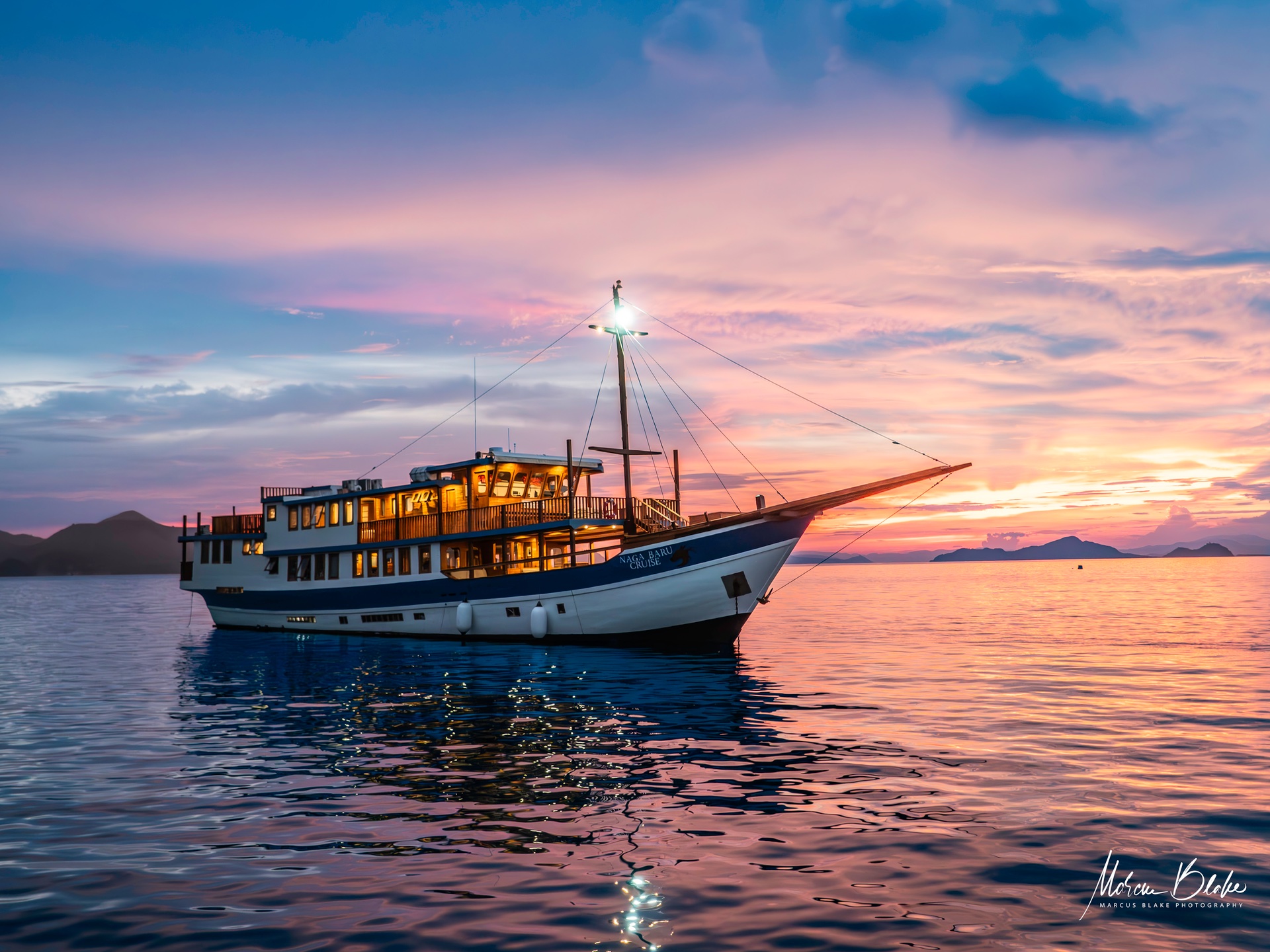
Naga Biru
Indonesia
12 guests40 m
$271/day
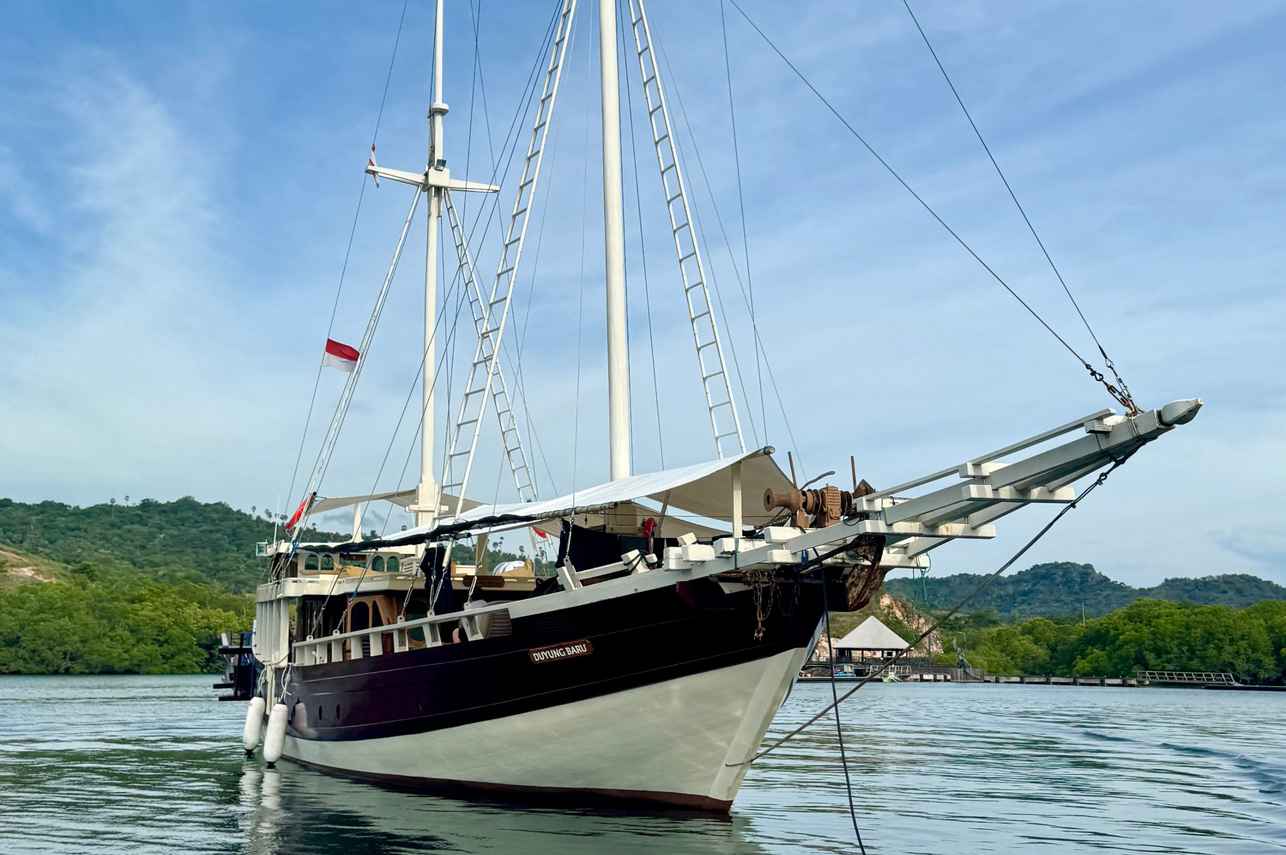
Ecopro Duyung Baru
Indonesia
6 guests27 m
$361/day
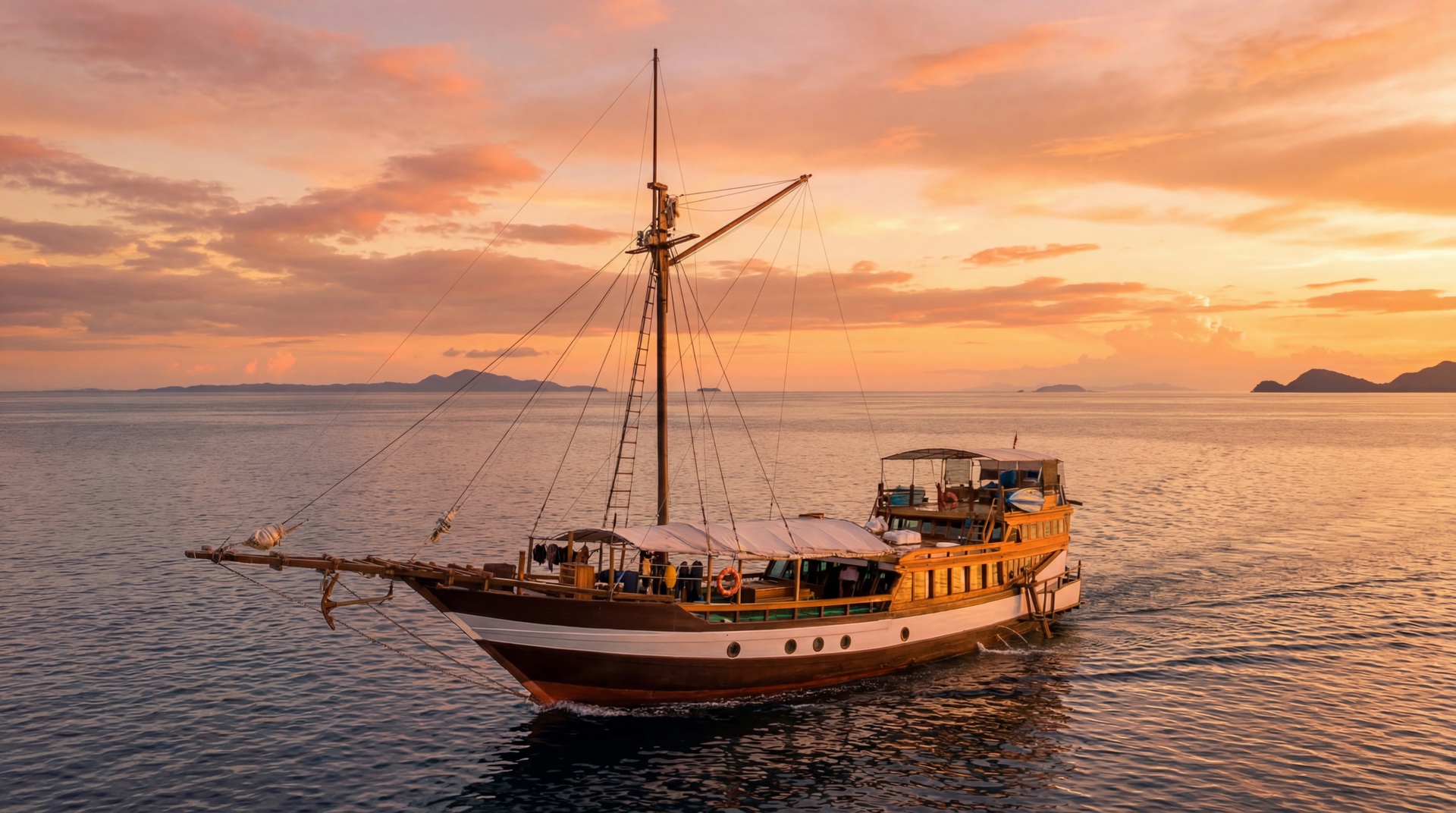
Wellenreng
Indonesia
9 guests25 m
$423/day
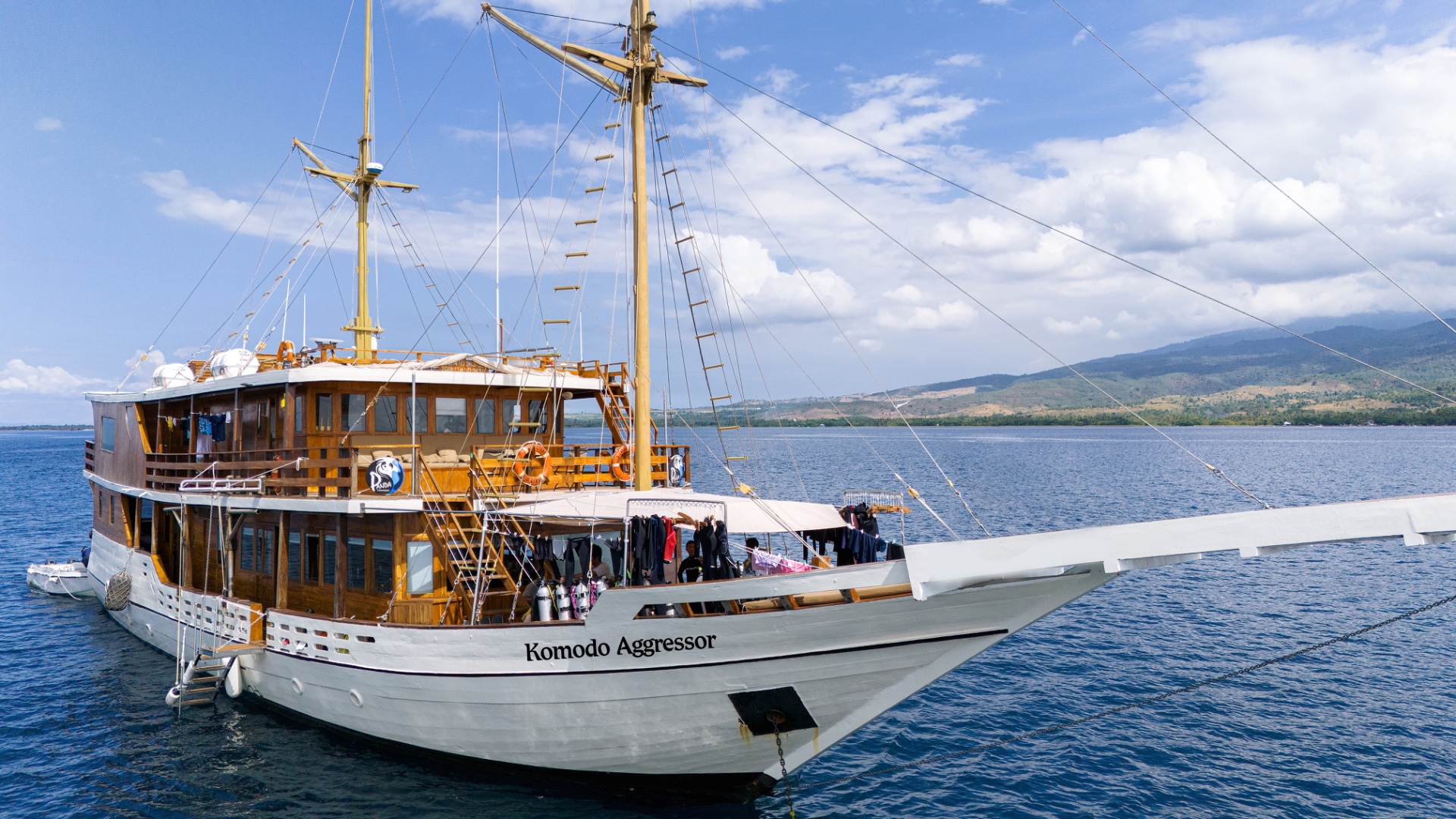
Komodo Aggressor
Komodo, Indonesia
16 guests29 m
$312/day
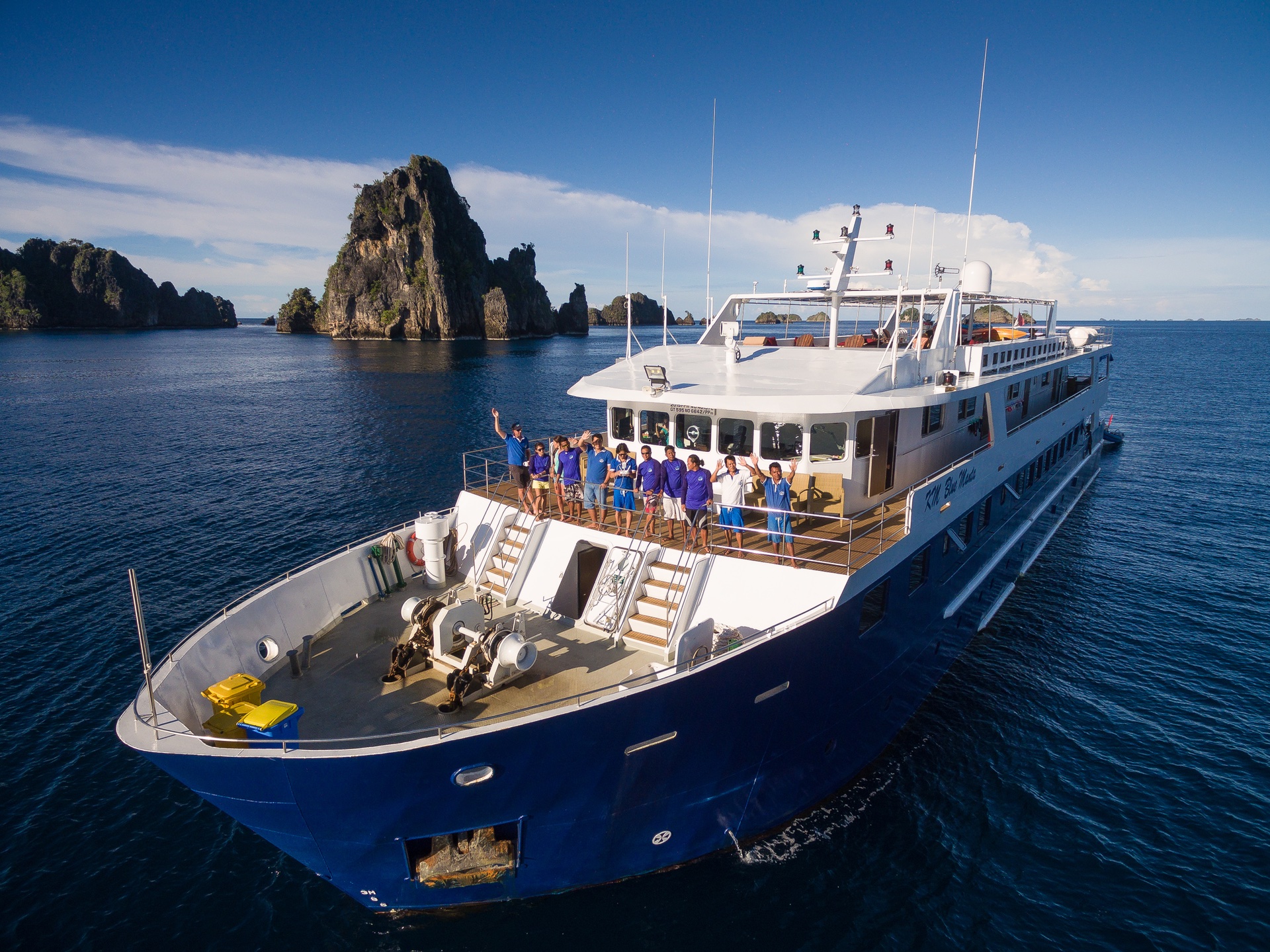
Blue Manta
Indonesia
20 guests45 m
$482/day
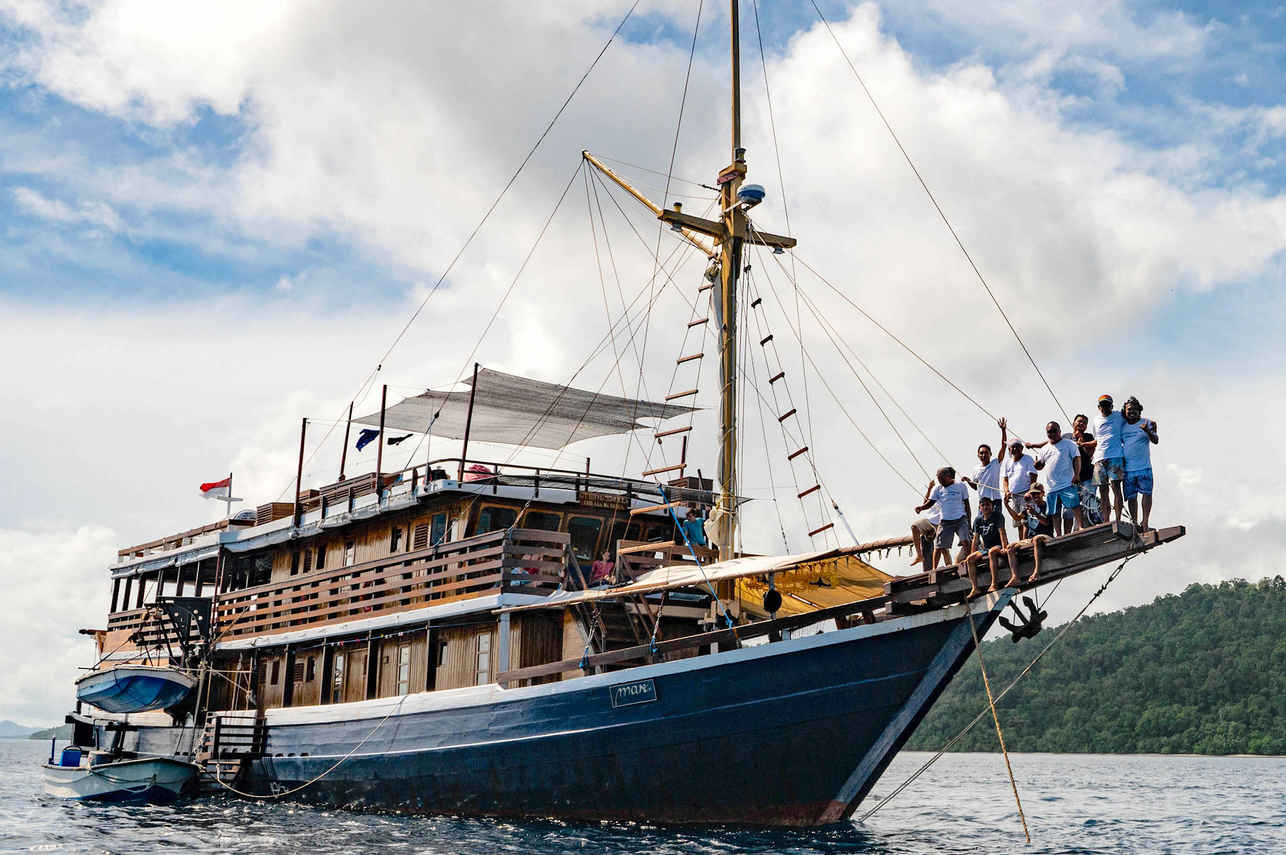
Mari
Indonesia
14 guests32.2 m
$320/day
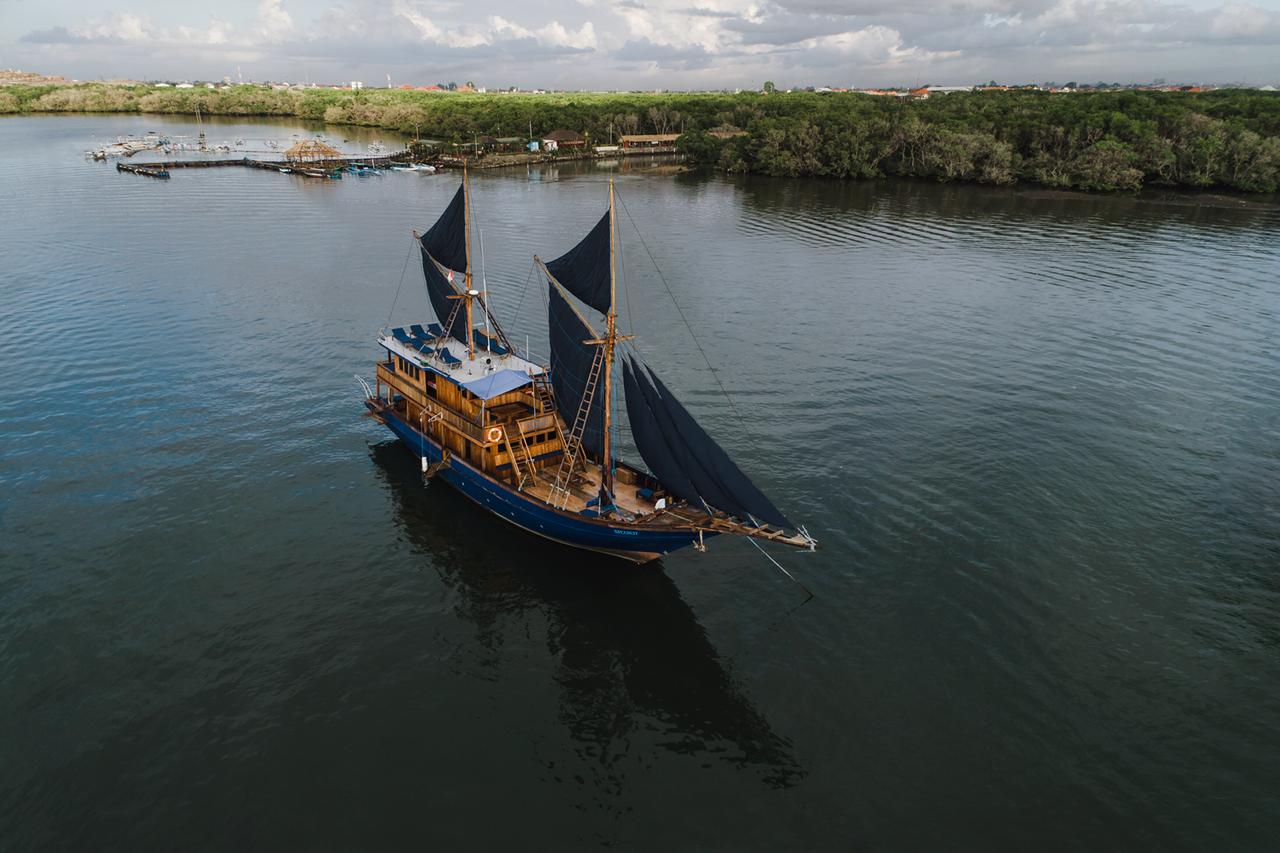
Situju7
Komodo, Indonesia
10 guests32.7 m
$362/day
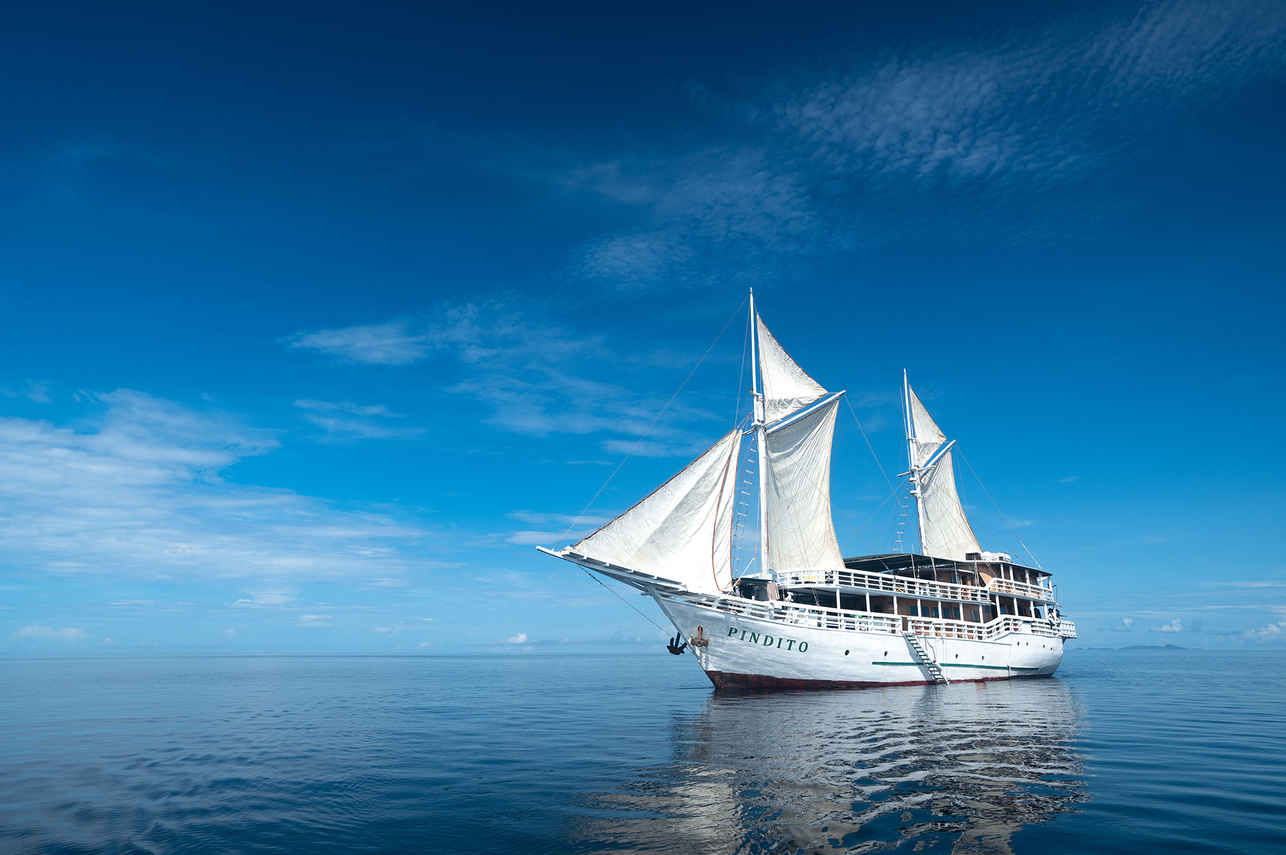
Pindito
Indonesia
16 guests37.79 m
$533/day
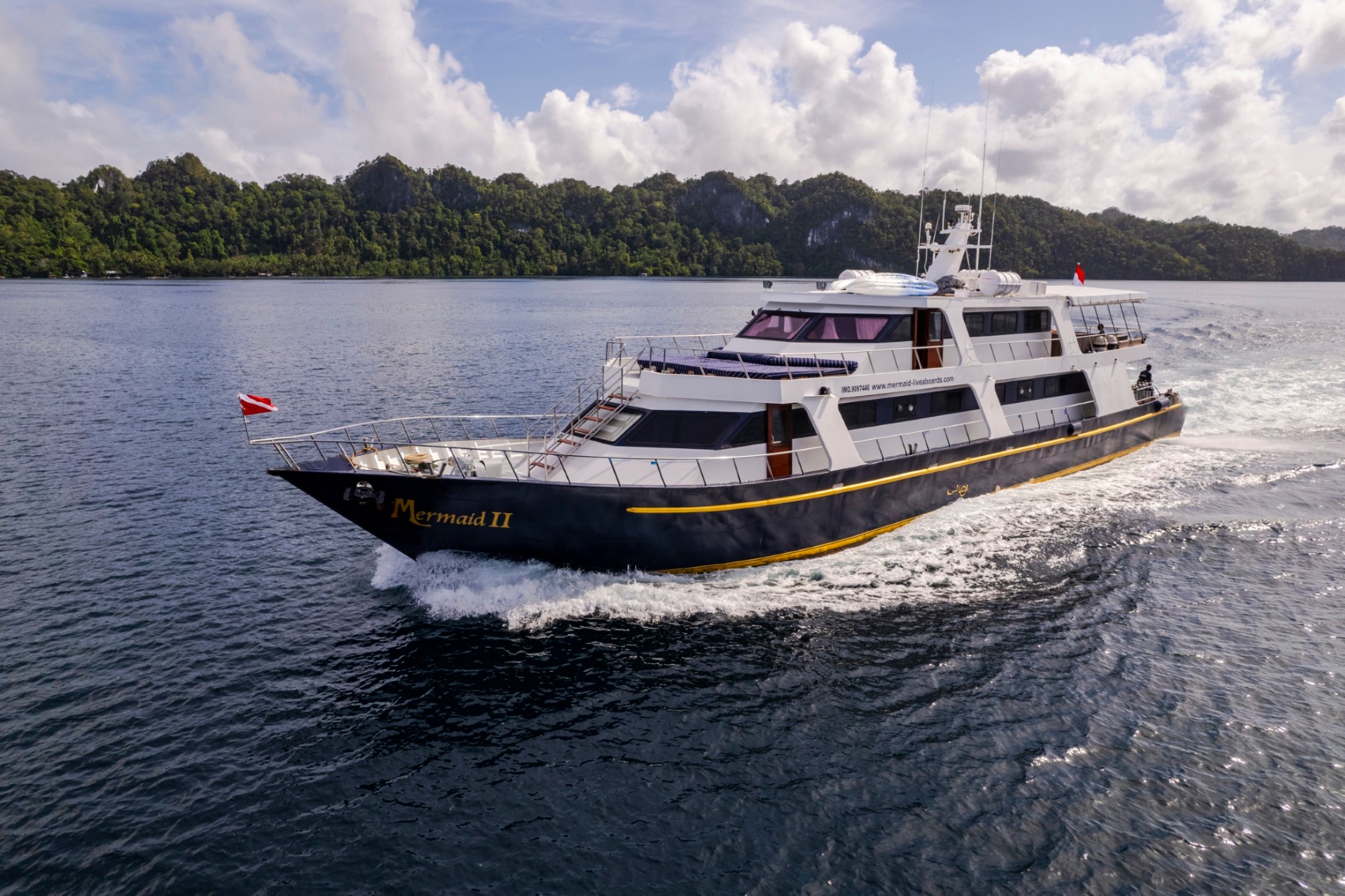
Mermaid II
Komodo, Indonesia
18 guests
$388/day
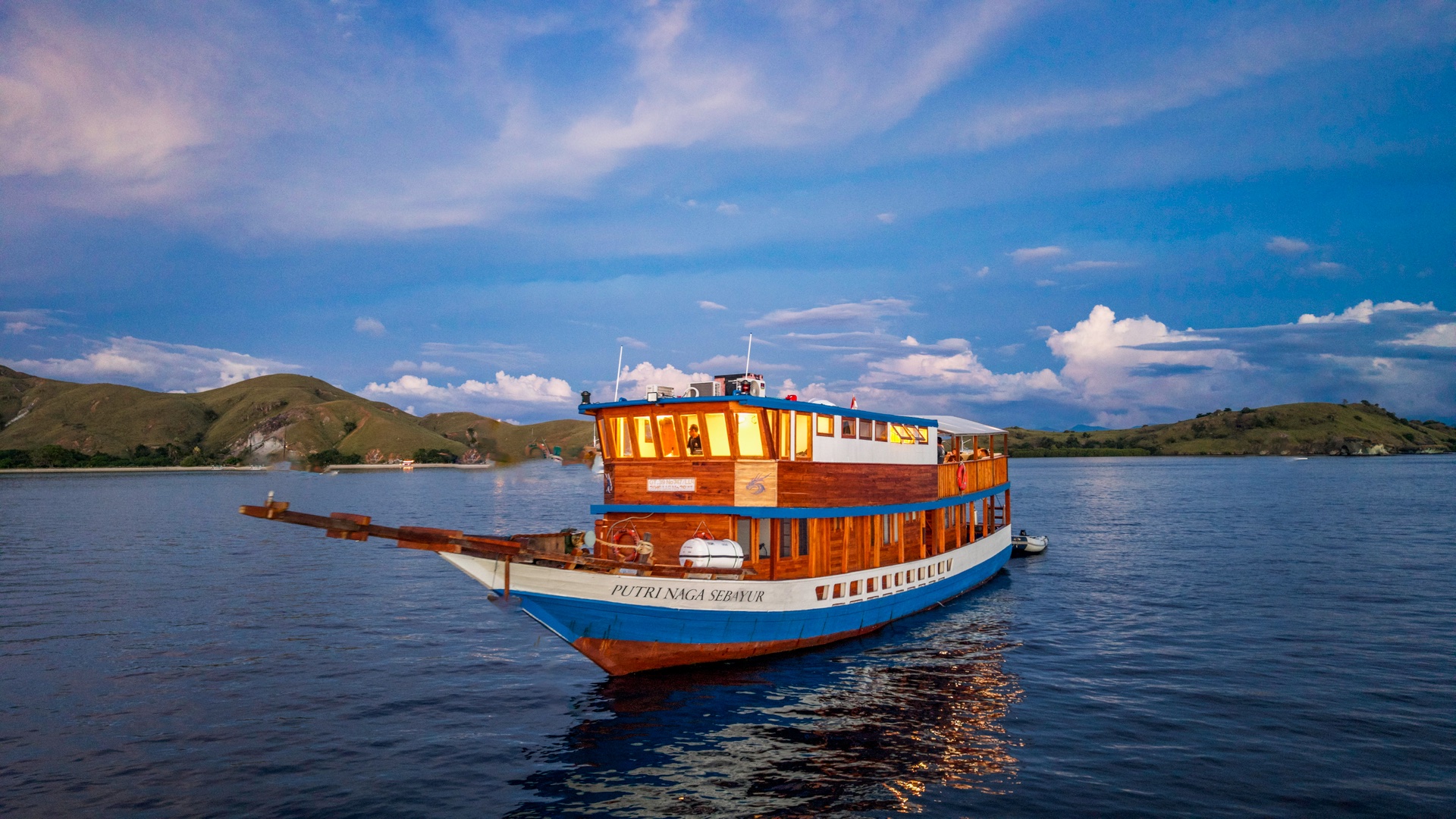
Putri Naga
Komodo, Indonesia
6 guests25 m
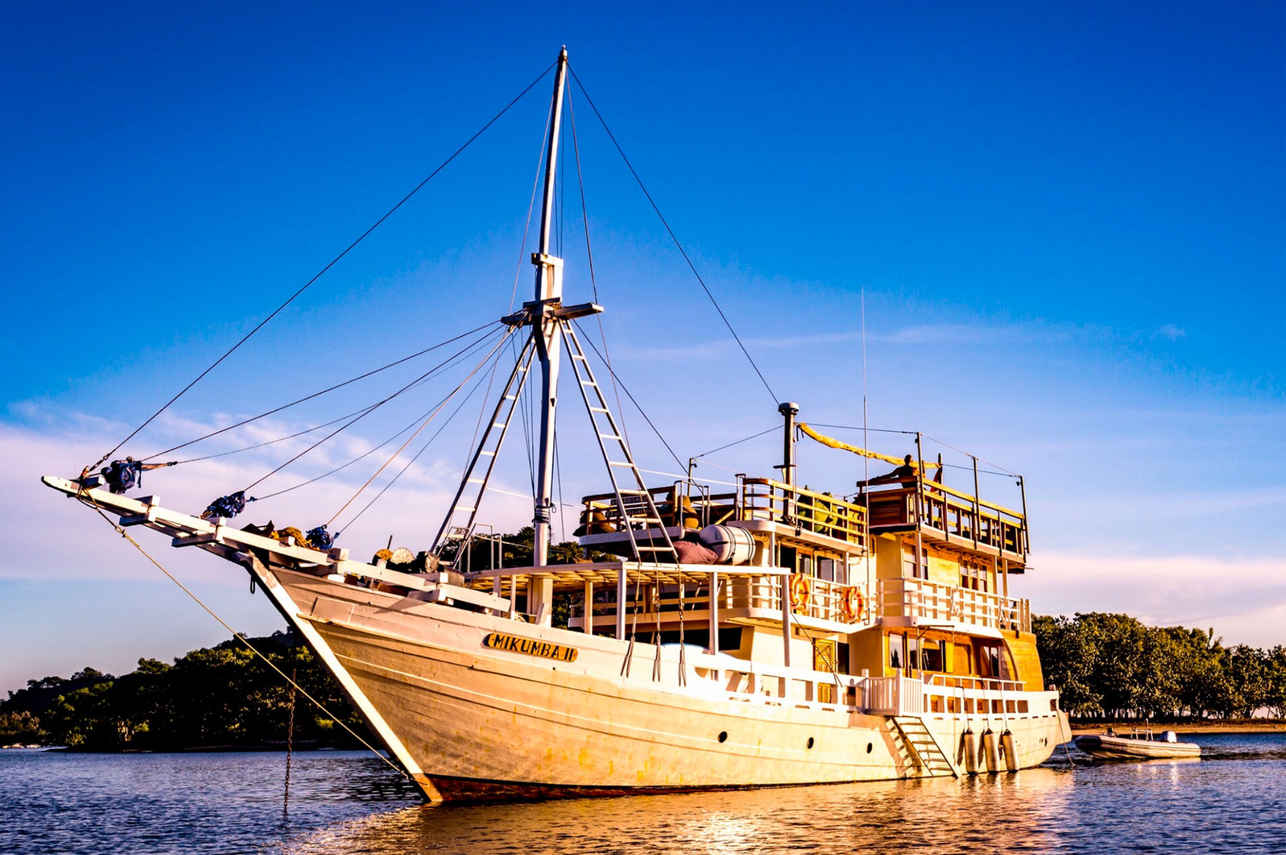
Mikumba Dua
Indonesia
10 guests30 m
$335/day
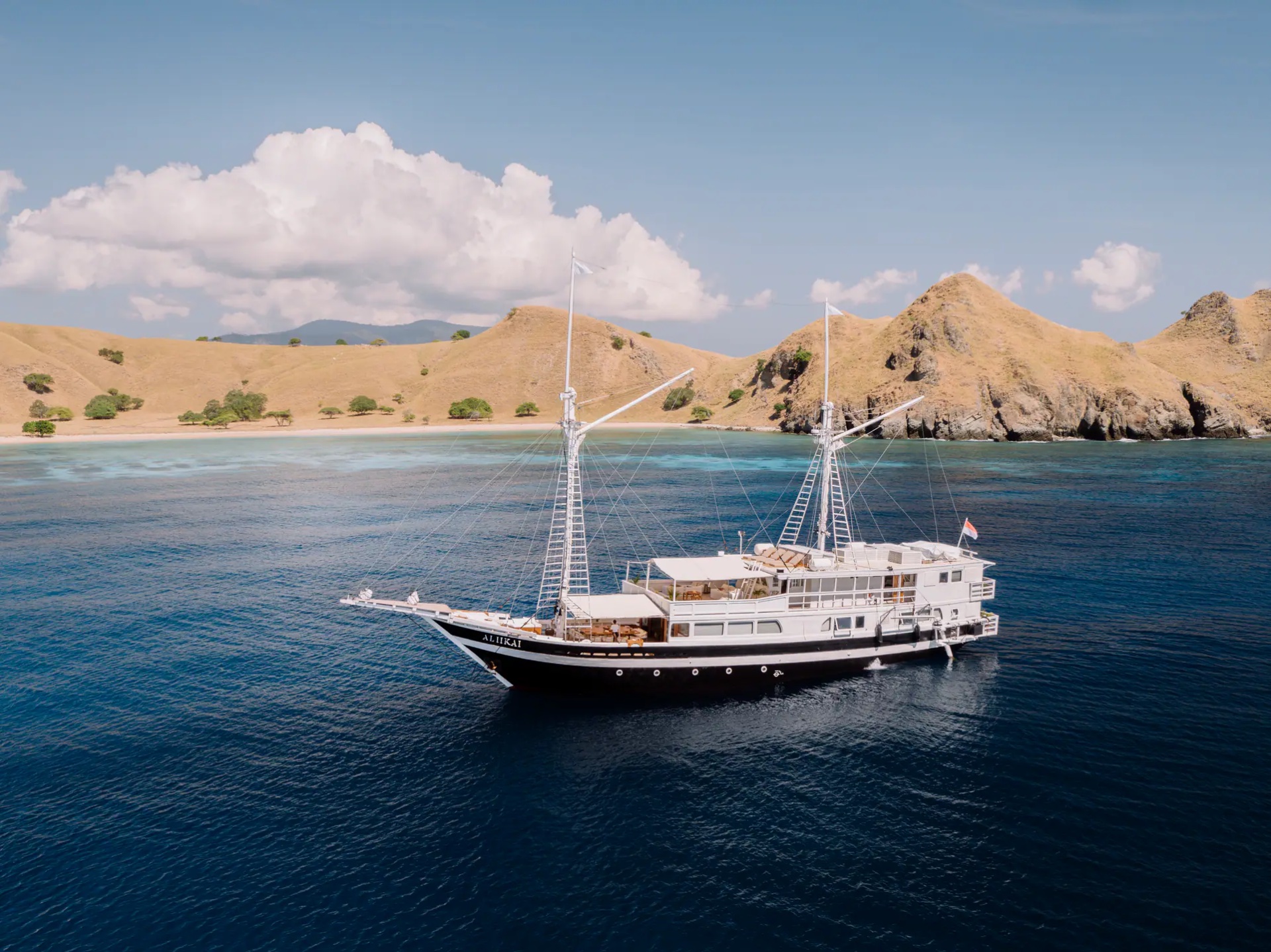
Aliikai Voyage
Indonesia
15 guests40 m
$658/day
Dive sites similar to Gili Lawa Darat
Same character, same waters — six more sites divers love for the exact same reasons.Compare seasons, access and liveaboard routes — then pick the site that fits your trip best.
© Esri — Maxar, Earthstar, GIS
Big La Laguna
Philippines
Big La Laguna is a beach community situated on the western edge of the Sabang Peninsula, a popular dive region on Mindoro Island, Philippines.
- Suitable for
- Intermediate
- Current
- Moderate
- Access
- Dayboat
- Depth
- 5–35 m
- Theme
- Reef / Wall
© Esri — Maxar, Earthstar, GIS
Rusa Pinnacle
Alor
Rusa Pinnacle is a challenging yet highly rewarding dive site situated in the Alor archipelago, part of Indonesia's East Nusa Tenggara.
- Suitable for
- Advanced
- Current
- Strong
- Access
- Liveaboard only
- Depth
- 6–30 m
- Theme
- Reef
Lipah Bay is situated on Bali's northeast coast within the Amed area, nestled against the dramatic backdrop of Gunung Agung.
- Suitable for
- Beginner
- Current
- Mild
- Access
- Liveaboard or dayboat
- Depth
- 5–30 m
- Theme
- Reef / Drift
© Esri — Maxar, Earthstar, GIS
Tangked Cave
Bali
Tangked Cave, sometimes referred to as Tangked Taked Shark Cave, is an advanced dive site situated in the open ocean off Bali's southeastern coast.
- Suitable for
- Advanced
- Current
- Moderate
- Access
- Liveaboard or dayboat
- Depth
- 15–40 m
- Theme
- Cave & cavern / Reef
© Esri — Maxar, Earthstar, GIS
Schools Out
Alor
Schools Out in Alor offers divers an exceptional encounter with healthy coral reefs and a rich variety of marine species.
- Suitable for
- Intermediate
- Current
- Mild
- Access
- Liveaboard only
- Depth
- 20–30 m
- Theme
- Reef
© Esri — Maxar, Earthstar, GIS
Batununggul
Bali
Batununggul, also known as Suana or Batumulapan by some operators, is a dynamic wall and sloping reef dive site situated on the eastern side of Nusa Penida, Bali.
- Suitable for
- Advanced
- Current
- Strong
- Access
- Liveaboard or dayboat
- Depth
- 10–40 m
- Theme
- Wall