About Agnay Fish Sanctuary
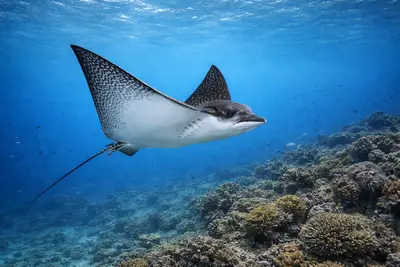
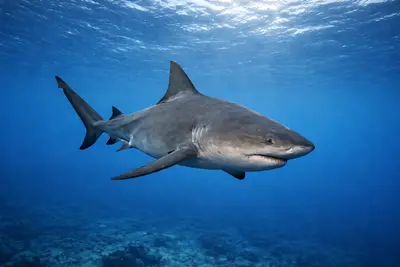
Agnay Fish Sanctuary is nestled in a sheltered bay near the village of Agnay in Romblon, a province celebrated for its rich marine biodiversity. This sanctuary is a highlight for divers seeking untouched sites within the Verde Island Passage, recognized as the 'center of the center of marine biodiversity'. The most striking feature of the Agnay reef is its formation of dome-shaped Acropora corals, creating a unique underwater landscape. The site is suitable for all experience levels, with depths ranging from shallow areas to deeper sections, supporting a diverse array of marine species. While specific seasonality for marine life at Agnay is not detailed, the region generally boasts high biodiversity year-round. Expect to encounter large schools of various fish, and opportunistic sightings of eagle rays and sharks, particularly during the calm morning hours. Diving here offers a serene experience, often without other groups, providing an intimate encounter with the vibrant ecosystem. The consistent warm waters and good visibility typical of Romblon ensure comfortable and rewarding dives.
Highlights
Dome-shaped Acropora coralsSheltered marine sanctuaryLarge fish shoalsEagle ray sightingsShark encountersUntouched dive siteRich marine biodiversity
Best Season
The best time to dive Agnay Fish Sanctuary is from November to June, which corresponds to Romblon's dry season. During these months, seas are typically calm, visibility is excellent, and conditions are ideal for exploring the sanctuary's unique reef formations.
Dive site facts: Agnay Fish Sanctuary
- Depth
- 9–18 m
- Current
- Mild
- Visibility
- 20 m
- Water temperature
- 26–30°C
- Entry
- Boat
- Level
- All Levels
- Dive type
- Coral reef, marine sanctuary
- Region / port
- Romblon, Philippines
- Coordinates
- 11.1744° N, 122.0252° E
Conditions & Currents
Currents at Agnay Fish Sanctuary are generally mild due to its location within a sheltered bay, making it accessible for divers of all experience levels. However, as with any marine sanctuary, localized currents can occur, particularly around reef structures where marine life congregates. Visibility is consistently good, often reaching up to 20 meters, allowing for clear views of the abundant fish and coral formations. Water temperatures remain warm throughout the year, typically between 26°C and 30°C. Entry to the site is usually via boat, and while drift diving is less common given the sheltered nature, maintaining good buoyancy control is always essential to protect the delicate Acropora corals.
Marine life & sighting chances
Dive profile & how the dive runs
Dives at Agnay Fish Sanctuary typically begin with a boat entry into the sheltered bay. The descent leads directly to the reef, characterized by its distinctive dome-shaped Acropora corals. Divers then explore along the reef contours, with options for both shallower and slightly deeper profiles, depending on experience and interest. Early morning is often recommended for encounters with schooling fish, eagle rays, and potentially sharks, so the route might prioritize areas where these sightings are more likely. The dive progresses through the vibrant coral gardens, allowing for observation of various reef inhabitants. Turnaround is usually based on air consumption or bottom time, before a gradual ascent back towards shallower sections for a safety stop, often completed over a vibrant coral patch or near the boat.
Underwater photography
Agnay Fish Sanctuary offers excellent opportunities for wide-angle photography, especially to capture the distinctive dome-shaped Acropora coral formations and large fish shoals. A wide-angle lens with external strobes will help illuminate the expansive reef and bring out the natural colors of the corals and schools of fish. For capturing eagle rays or sharks, be ready for fast-moving subjects and consider slightly higher shutter speeds. Buoyancy control is paramount to avoid disturbing the delicate corals, ensuring a stable platform for shots and protecting the ecosystem. Due to the potential for large animal sightings, keep an eye out for dynamic scenes unfolding in the blue.
Combine with nearby dive sites
- The House Reef
The House Reef in Dauin, Negros Oriental, extends directly from the shoreline along a volcanic coast, offering divers convenient shore…
- Lonos Marine Sanctuary
Lonos Marine Sanctuary is a protected dive site situated in a tranquil bay near Tiamban Beach in Romblon, Philippines.
- Bonbon Beach
Bonbon Beach Reef, located near Romblon Town on Romblon Island, has garnered a reputation as a premier macro diving destination within the…
- Bonbon Sea Grass Valley
The Valley of Sharks is an exhilarating dive site located off Moorea, a short ferry ride from Tahiti in French Polynesia.
- Bangug Island
Shark Island, situated off the remote island of Kosrae in Micronesia, stands as an exceptional destination for experienced divers seeking…
Getting there & logistics
Access to Romblon is primarily via ferry from Batangas Port or Lucena Port after flying into Manila, with an overnight or daytime journey. Alternatively, flights are available to Tablas Island, followed by smaller boat transfers to Romblon Island. The sanctuary is typically reached by day boat from dive resorts located on Romblon Island. Dive trips are often part of multi-day packages from local operators, focusing on the island's diverse macro and reef sites. While there are no specific permit fees mentioned for Agnay Sanctuary itself, it is advisable to confirm with your dive operator regarding any local marine park fees that may apply.
Safety & environment
Romblon's relative remoteness means emergency services and medical facilities are limited compared to major urban centers. The nearest recompression chamber would likely be in a larger hub like Cebu or Manila, necessitating a potentially lengthy evacuation for serious dive injuries. Comprehensive dive insurance, including coverage for medical emergencies and evacuation, is therefore highly recommended for all divers. Site-specific hazards at Agnay are minimal due to its sheltered nature, but standard safe diving practices apply. Always dive with a reputable operator, follow your dive guide's instructions, and maintain appropriate depth and no-decompression limits.
Who it suits — and who it doesn't
Suited for
- All levels of divers
- Underwater photographers seeking unique reef structures
- Divers interested in diverse fish life
- Those looking for uncrowded dive experiences
- Divers seeking protected marine areas
Less suited for
- Divers exclusively seeking large pelagic encounters
- Those who prefer strong current drift dives
- Divers looking for wrecks or extreme depths
- Liveaboard-only travelers (day boat access is primary)
FAQ
Agnay Fish Sanctuary FAQ
What makes Agnay Fish Sanctuary unique?
Agnay Fish Sanctuary stands out for its distinctive topography, primarily formed by dome-shaped Acropora corals. This unique structure creates an intricate habitat for a wide variety of marine life, offering an experience not commonly found at other dive sites in the region. It's a protected area ensuring abundant fish populations.
What marine life can I expect to see at Agnay Fish Sanctuary?
Divers often encounter large schools of various reef fish at Agnay. It is also known for occasional sightings of larger species such as eagle rays and even sharks, particularly during the calm morning hours. The rich biodiversity of the Verde Island Passage ensures a vibrant ecosystem.
Is Agnay Fish Sanctuary suitable for beginner divers?
Yes, Agnay Fish Sanctuary is suitable for divers of all experience levels. Its location in a sheltered bay typically results in mild currents, providing a relaxed and enjoyable diving environment. Entry is usually straightforward from a day boat, allowing for comfortable exploration.
What is the visibility and water temperature like at Agnay?
Visibility at Agnay Fish Sanctuary is generally excellent, often reaching up to 20 meters, providing clear views of the reef and marine life. The water temperature in Romblon is consistently warm year-round, typically ranging between 26°C and 30°C (80°F to 86°F), making for comfortable diving.
How do I get to Agnay Fish Sanctuary?
Agnay Fish Sanctuary is accessed via day boat from dive resorts on Romblon Island. To reach Romblon Island, most travelers fly into Manila, then take a bus to Batangas or Lucena Port for an overnight ferry. Alternatively, you can fly to Tablas Island and take a connecting boat to Romblon.
Why dive Agnay Fish Sanctuary from a liveaboard?
Agnay Fish Sanctuary is one of Philippines's signature dive sites. A liveaboard sleeps you on the water and puts you in the water for three to four guided dives per day, including dawn and night dives that day-boat operators rarely offer. You skip the daily commute back to port and reach quieter, less-crowded sites in the same region on a single trip.
Below are the liveaboards that include Agnay Fish Sanctuary on their Philippines itineraries.
Liveaboards diving Agnay Fish Sanctuary
These liveaboards may visit Agnay Fish Sanctuary on selected itineraries — the exact dive sites depend on departure, weather and conditions.
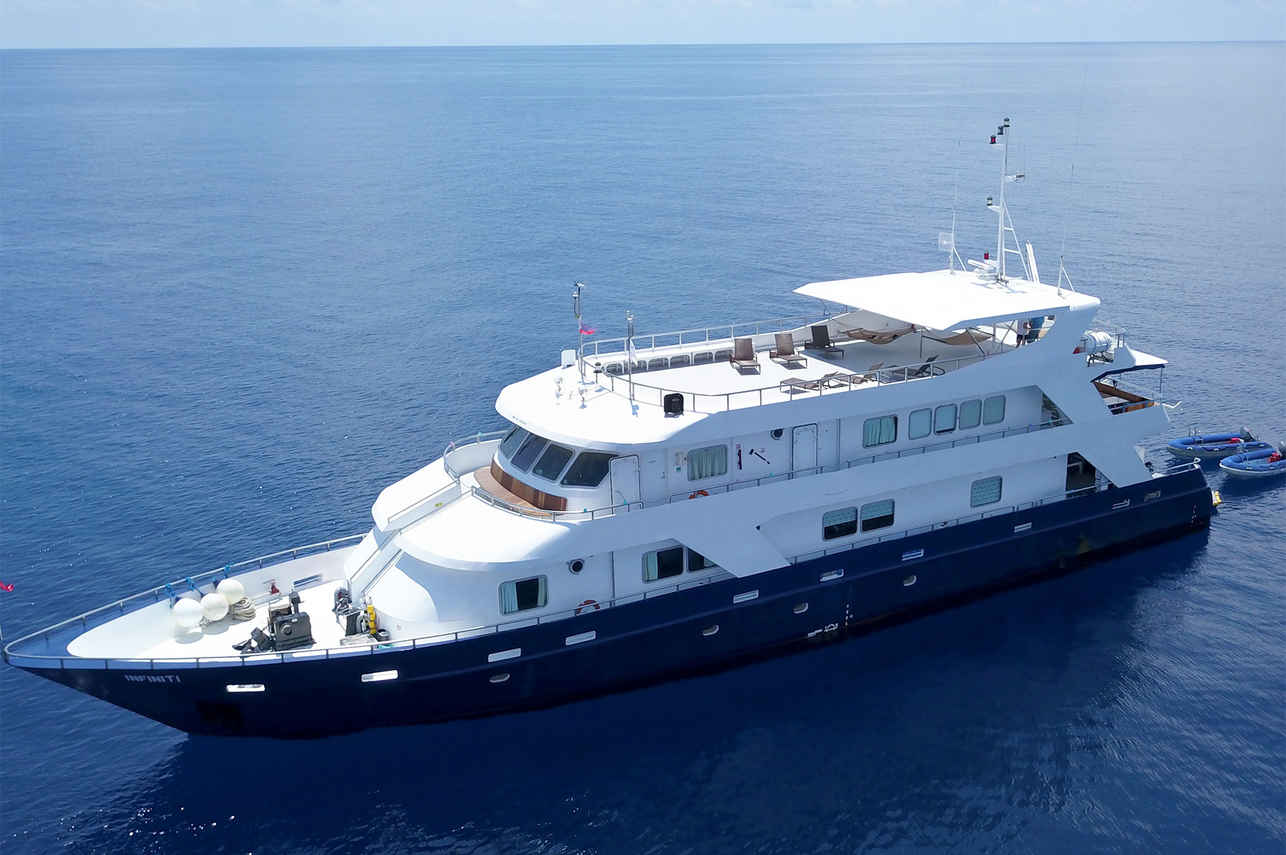
Infiniti
Philippines
25 guests39 m
$280/day
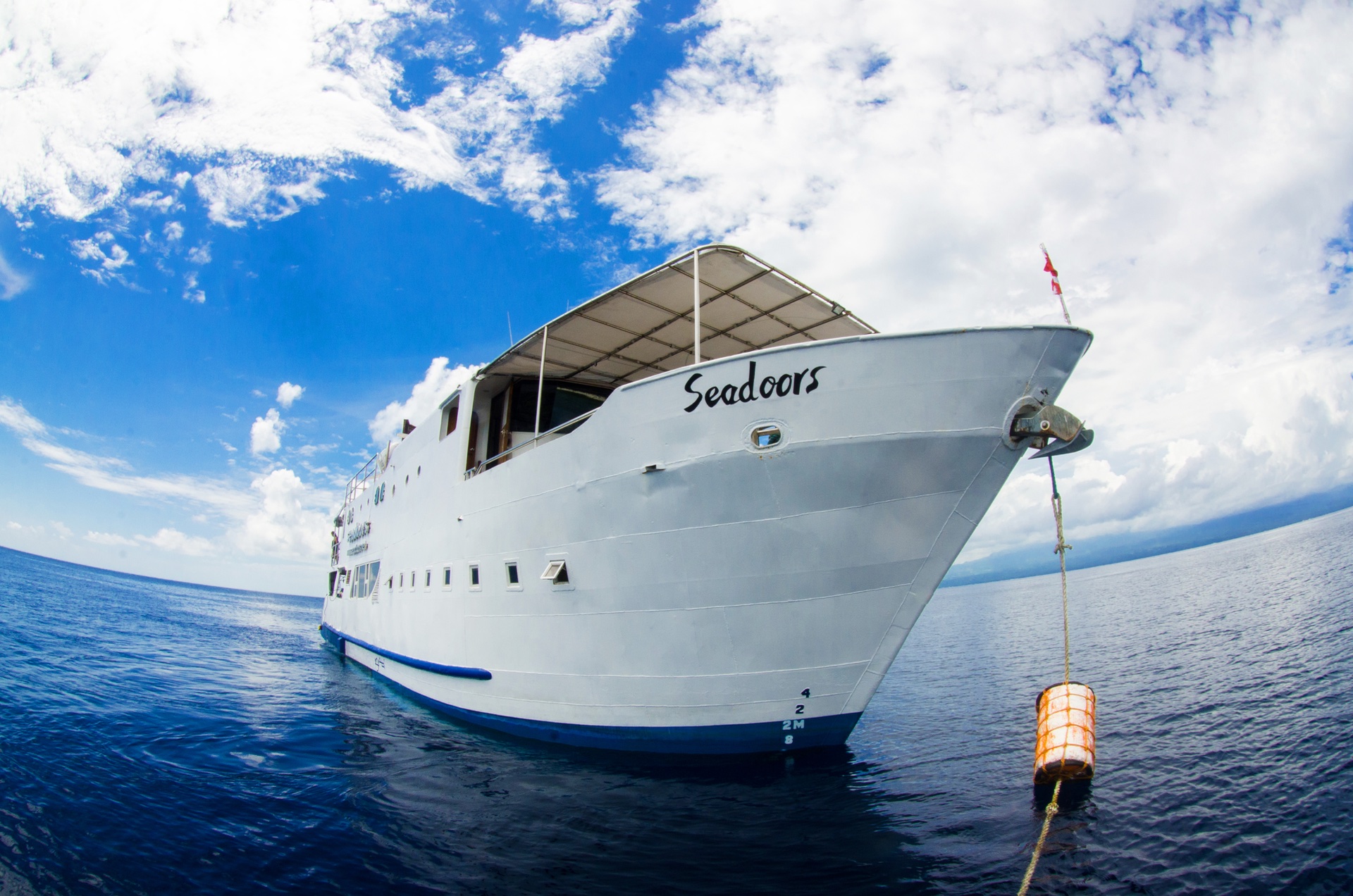
Seadoors
Philippines
16 guests25 m
$335/day
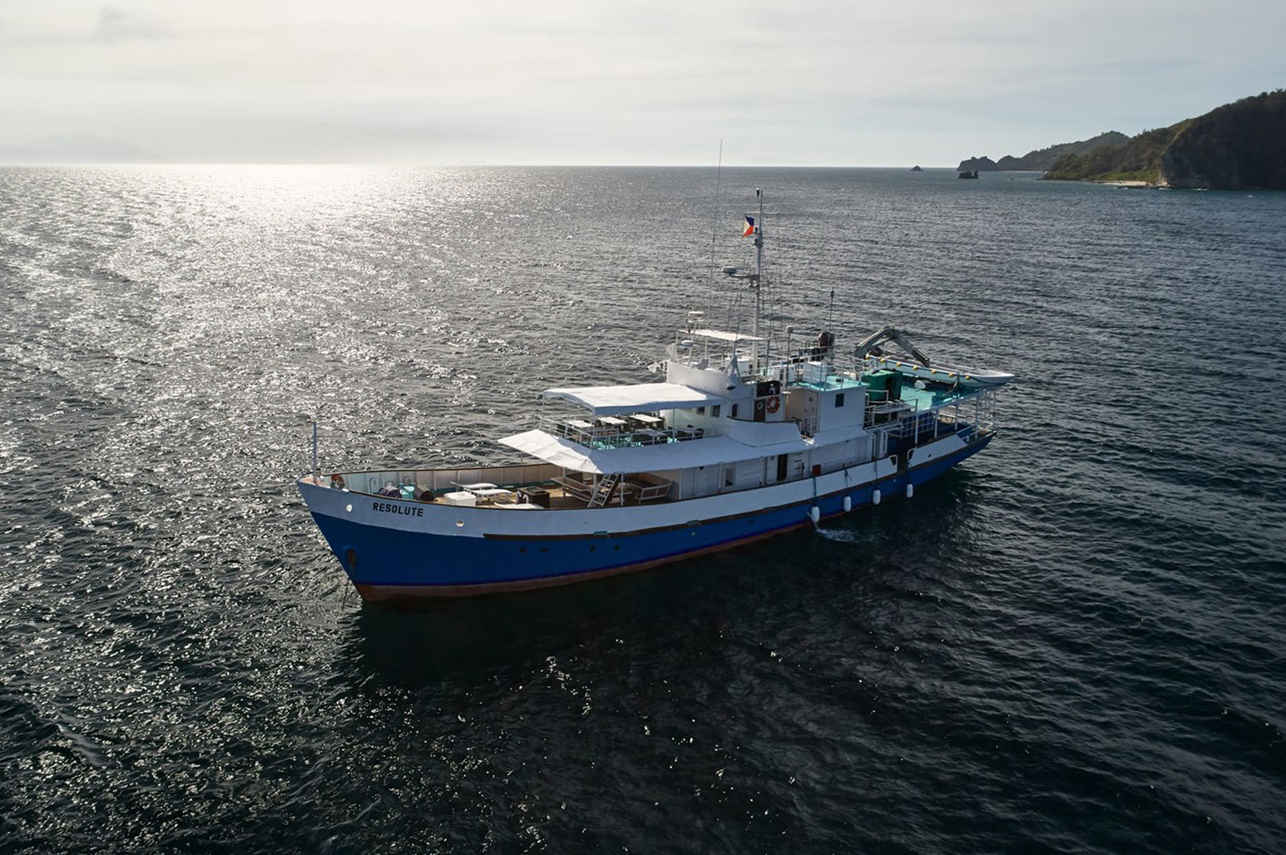
Resolute
Philippines
16 guests34.6 m
$314/day
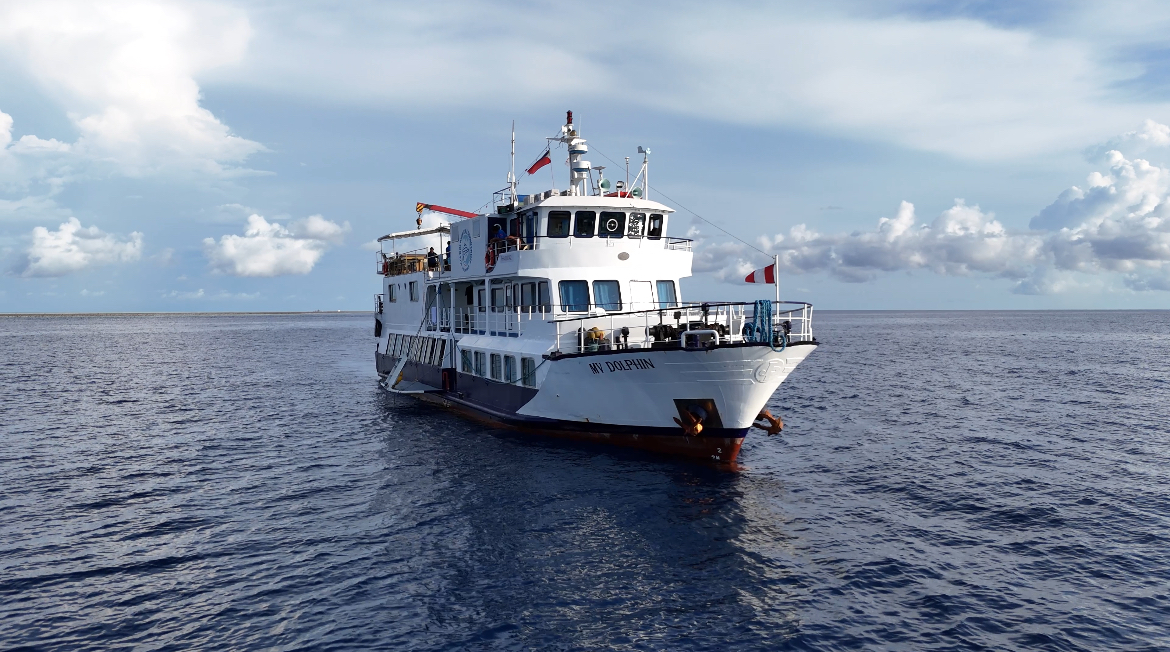
Dolphin
Philippines
18 guests31 m
$326/day
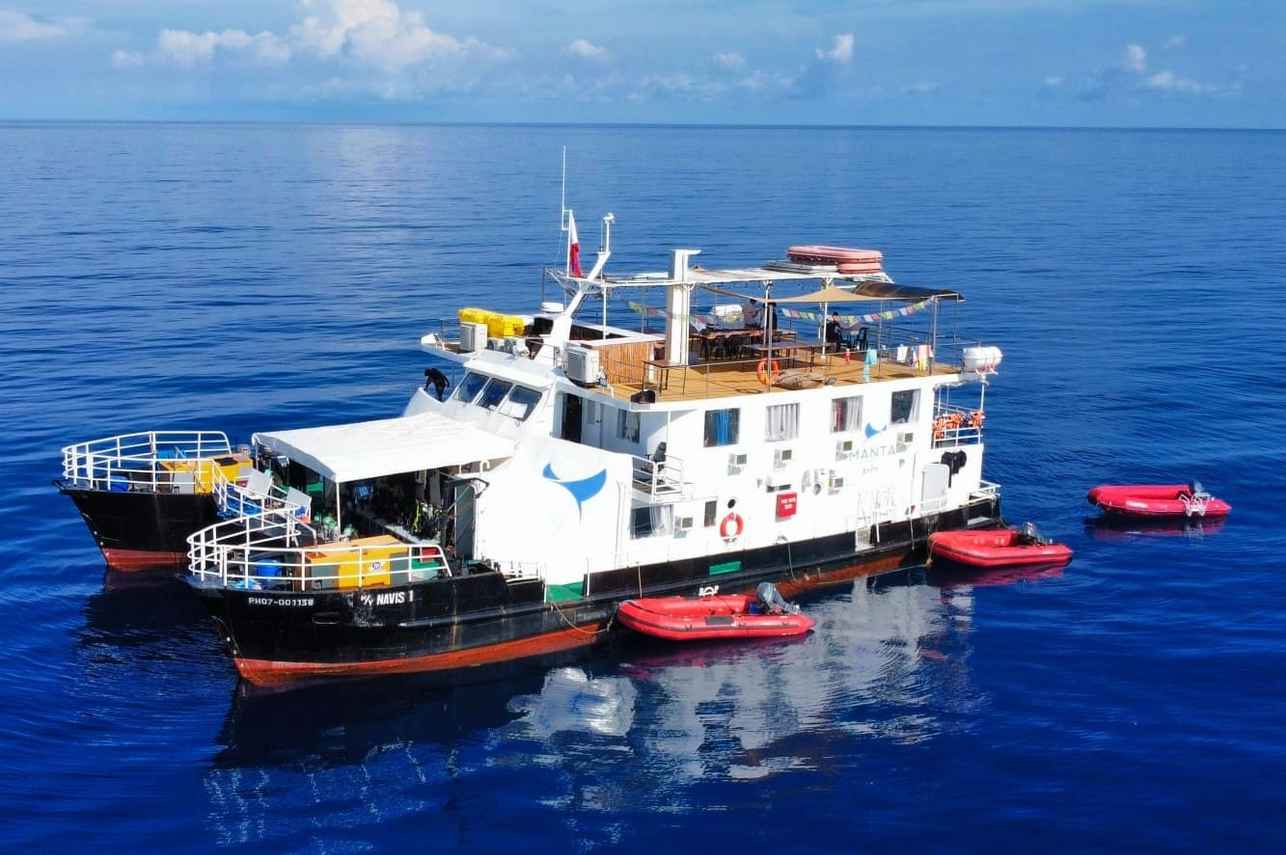
Navis 1
Philippines
22 guests23 m
$250/day
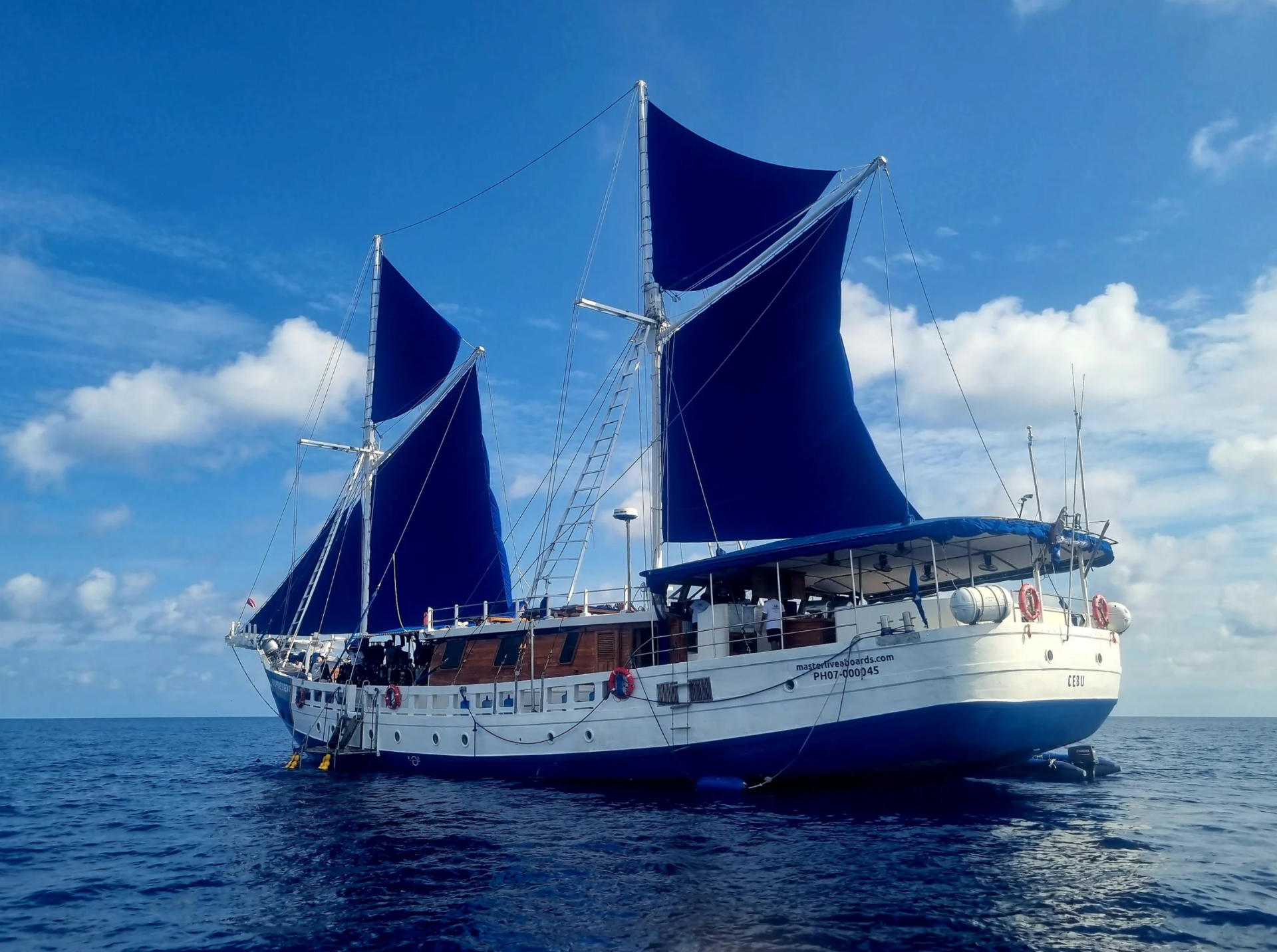
Philippine Siren
Philippines
16 guests
$309/day
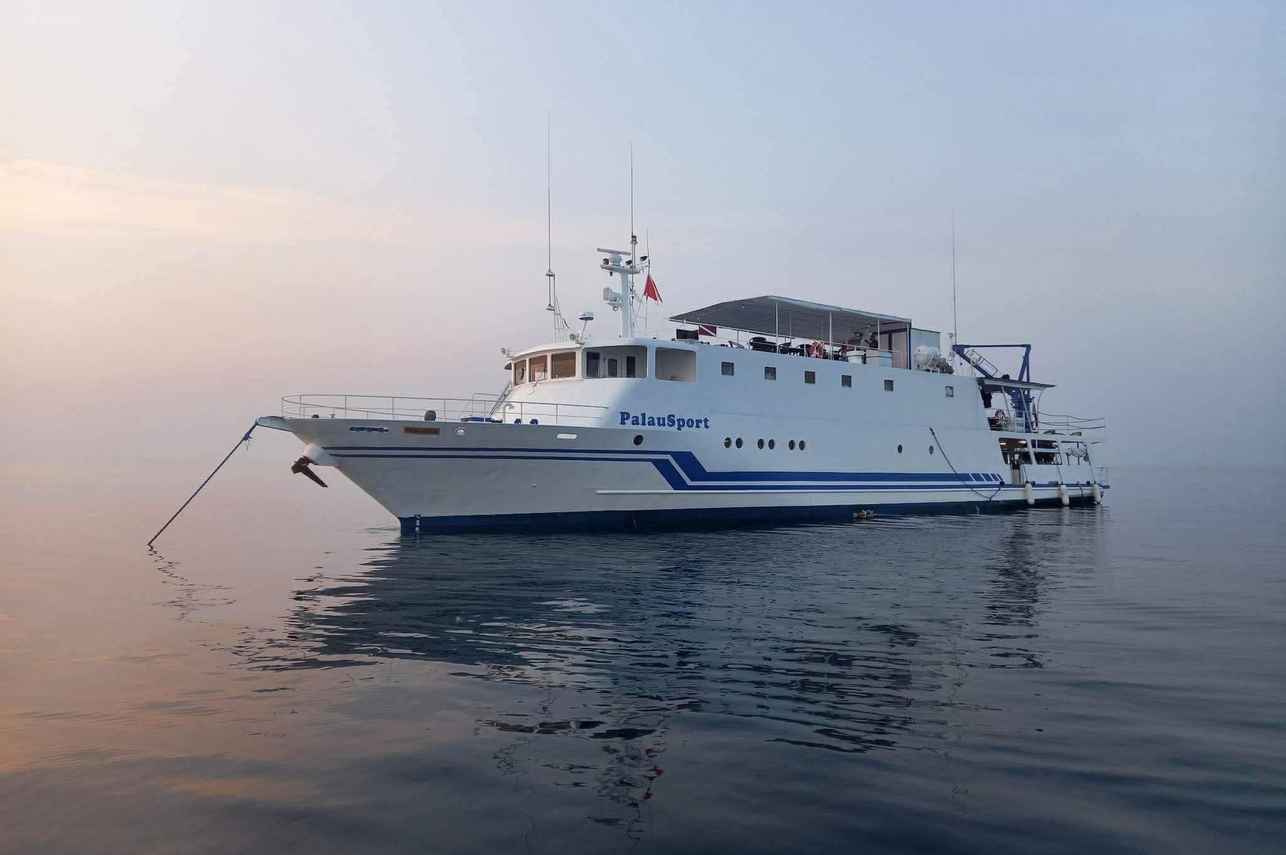
Palau Sport
Philippines
24 guests38.35 m
$215/day
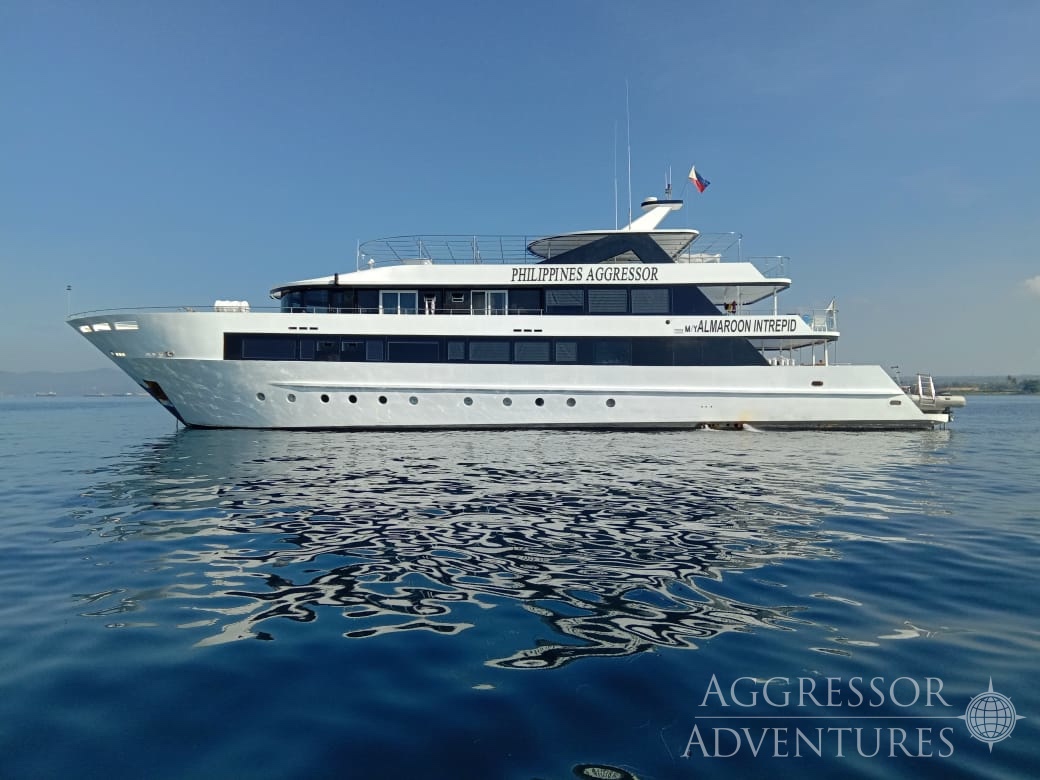
Philippines Aggressor
Philippines
26 guests42.7 m
$381/day
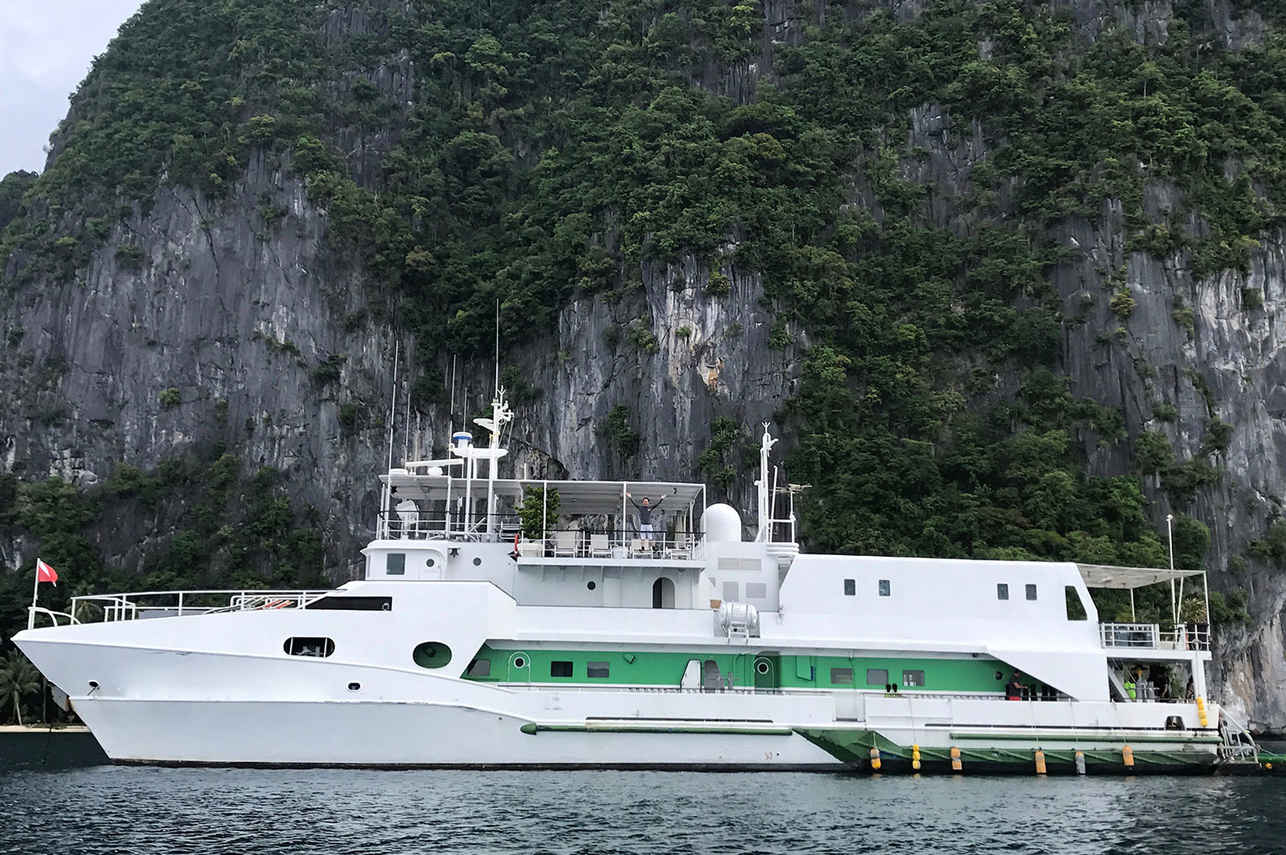
Stella Maris Explorer
Philippines
20 guests33 m
$398/day
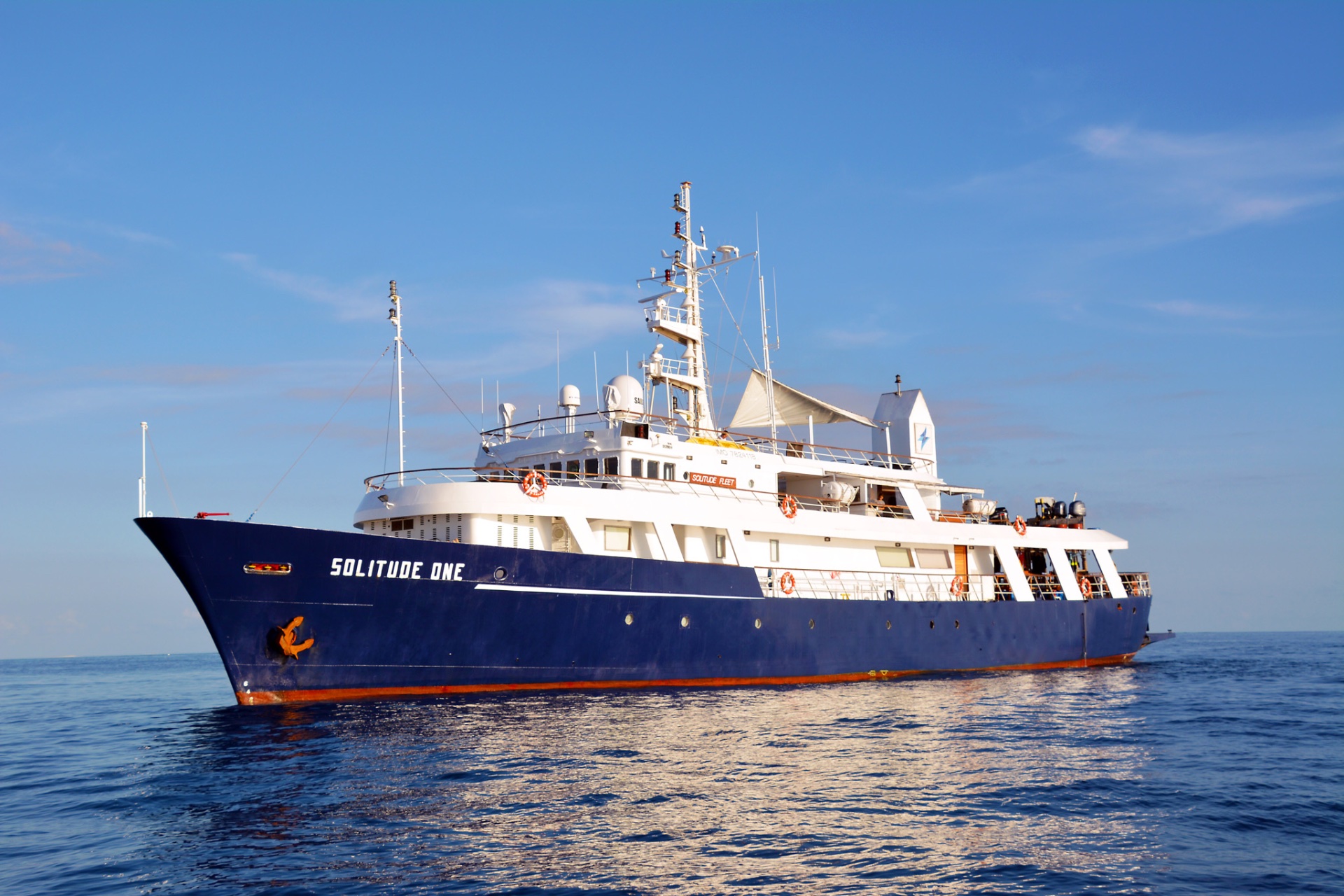
Solitude One
Philippines
24 guests52 m
$460/day
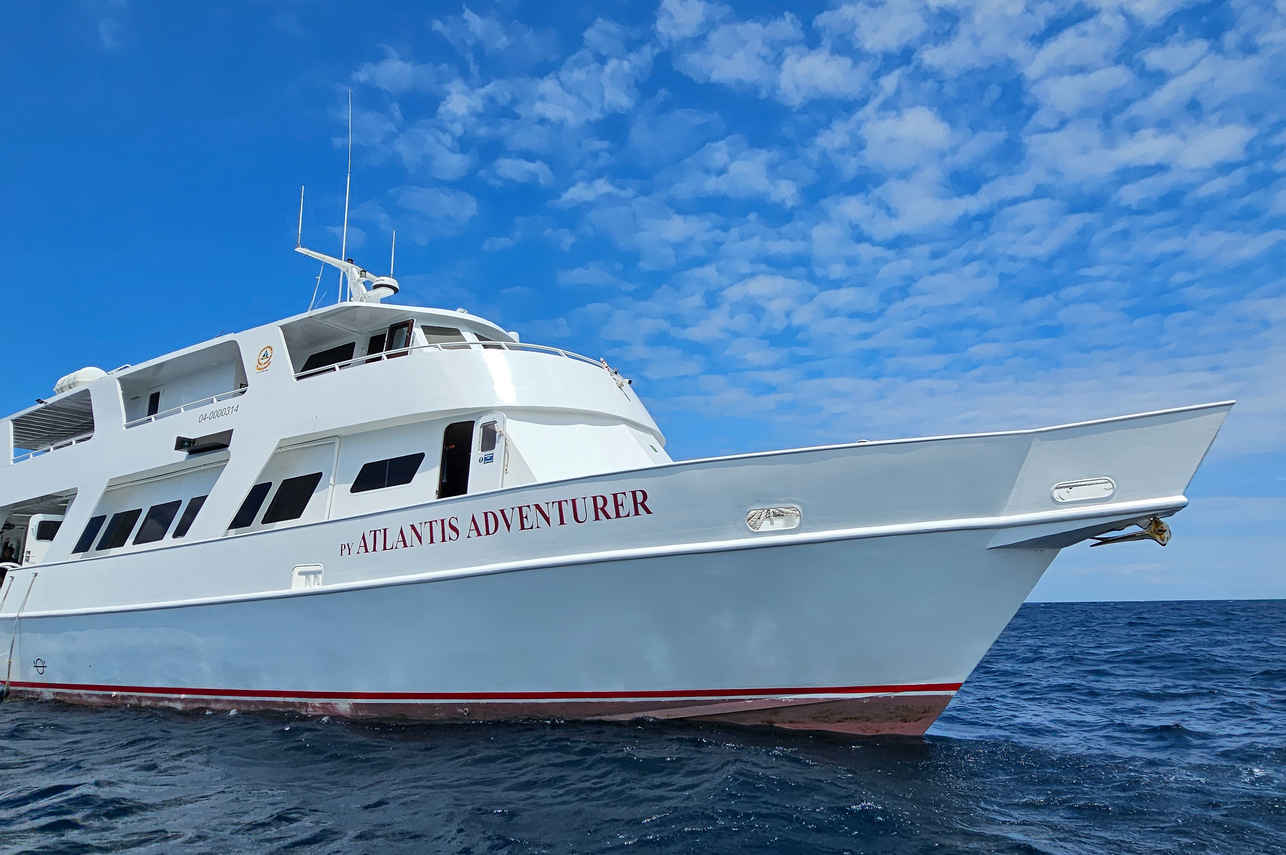
Atlantis Adventurer
Philippines
16 guests32.5 m
$421/day
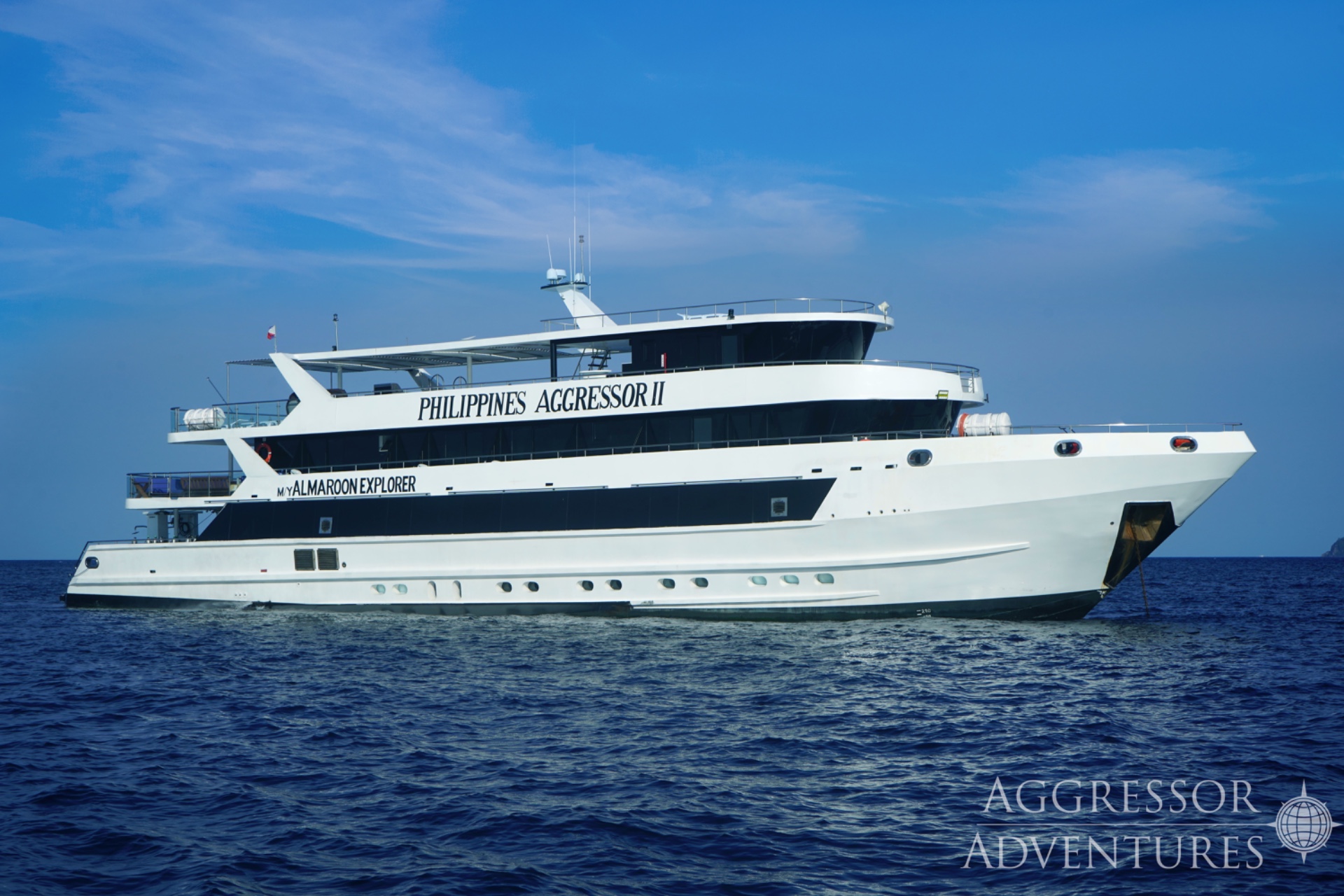
Philippines Aggressor II
Philippines
26 guests42.7 m
$381/day
Dive sites similar to Agnay Fish Sanctuary
Same character, same waters — six more sites divers love for the exact same reasons.Compare seasons, access and liveaboard routes — then pick the site that fits your trip best.
Big La Laguna
Philippines
Big La Laguna is a beach community situated on the western edge of the Sabang Peninsula, a popular dive region on Mindoro Island, Philippines.
- Suitable for
- Intermediate
- Current
- Moderate
- Access
- Dayboat
- Depth
- 5–35 m
- Theme
- Reef / Wall
Black Forest
Philippines
Black Forest is a premier dive site located off Balicasag Island, renowned for its exceptional marine biodiversity and distinct topography.
- Suitable for
- Intermediate
- Current
- Strong
- Access
- Liveaboard or dayboat
- Depth
- 10–30 m
- Theme
- Drift / Reef
Panagsama Beach
Philippines
Panagsama Beach, situated on a peninsula near Moalboal town in Cebu, serves as a central hub for diving activities in the region, boasting over 20 dive sites along its shoreline.
- Suitable for
- Intermediate
- Current
- Moderate
- Access
- Liveaboard or dayboat
- Depth
- ≤ 30 m
- Theme
- Reef / Wall
Olympia Maru
Philippines
The Olympia Maru is a prominent Japanese cargo ship wreck from World War II, located within Coron Bay, Philippines.
- Suitable for
- Intermediate
- Current
- Mild
- Access
- Dayboat
- Depth
- 17–24 m
- Theme
- Wreck / Reef
Balinghai Wall
Philippines
Balinghai Wall is a notable dive site located on the northwest side of Boracay, known for its accessible wall and coral slope formations.
- Suitable for
- Intermediate
- Current
- Mild
- Access
- Dayboat
- Depth
- 8–24 m
- Theme
- Wall / Reef
Tongo Sanctuary
Philippines
Tongo Sanctuary, located in Moalboal, Cebu, is a marine protected area renowned for its dramatic underwater topography.
- Suitable for
- Beginner
- Current
- Mild
- Access
- Dayboat
- Depth
- 5–55 m
- Theme
- Reef / Wall