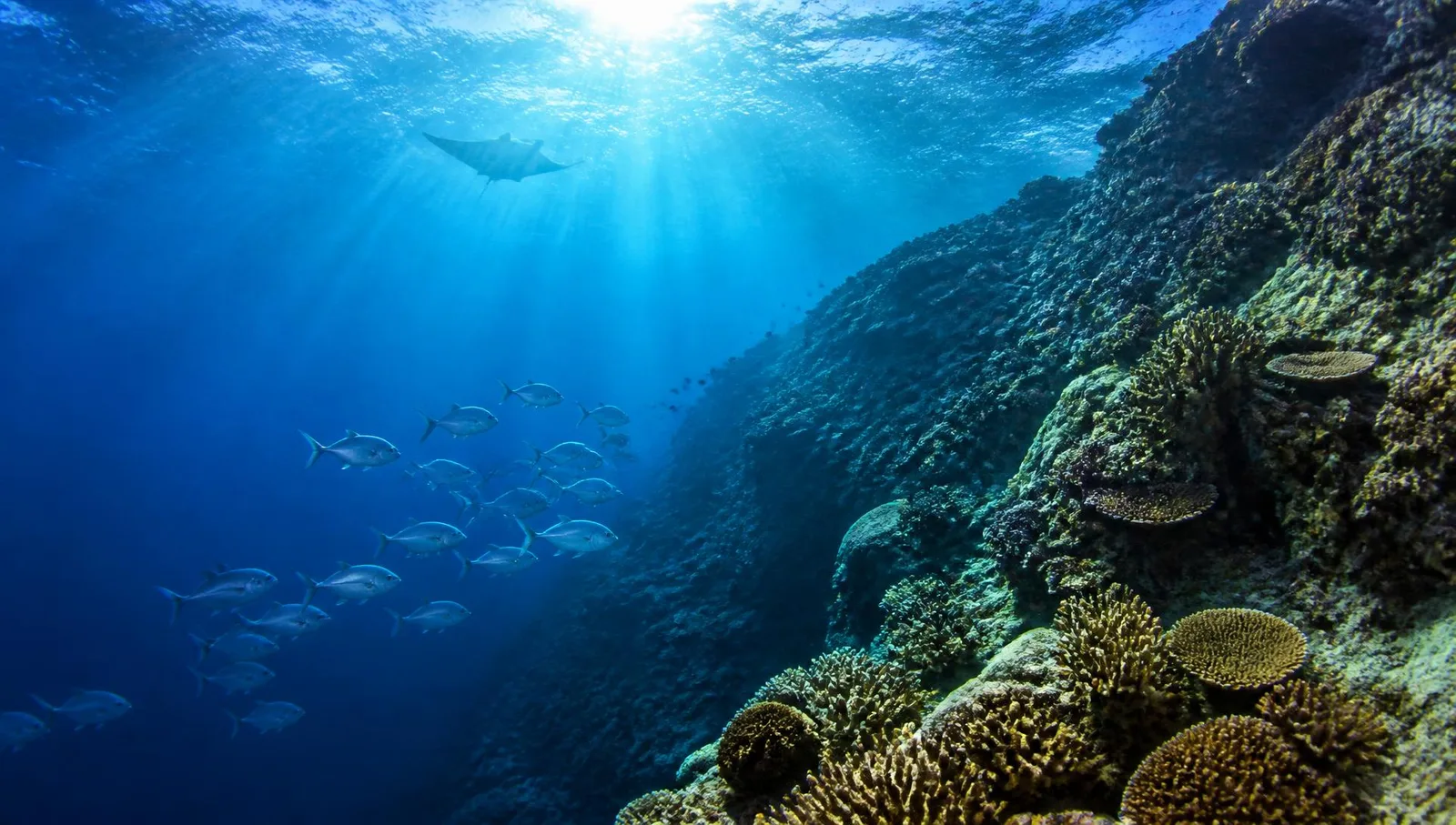
Twelve diving countries, ranked by what you actually get underwater.
Everyone has a list of the best places to scuba dive, and most of them read the same. This one is built from the trips we sell: how reliable the marine life really is, how many weeks of the year the conditions hold, how demanding the currents are, and what a week on the water costs. Every destination below links to the dive sites, the season and the liveaboards that actually run there, so you can go from "where should I dive" to a concrete departure in two clicks.
How we picked these places
A destination only makes this list when it is strong on all four counts below. That is why famous single dive sites do not appear here on their own, a great wreck does not make a great diving country. The curated single-site rankings live on our best-of dive sites page instead.
1.Marine life you can count on
Sightings inside the published season, not a lucky day. Manta cleaning stations, hammerhead walls and whale shark aggregations that repeat every year.
2.A long, predictable season
Destinations with a five-month-plus window beat places with a three-week peak, because you can actually plan a trip around them.
3.Dive sites within reach
Density matters: a dozen world-class sites in one area beats one hero site with four hours of transit on either side.
4.What a week really costs
Boat price, flights, marine park fees and nitrox together. Value, not just the sticker price of a cabin.
The ranking
The 12 best scuba diving destinations right now
Read the ranking as a shortlist, not a podium. The top six are the ones we would recommend to almost any certified diver; the rest are just as good, but more specialised in season, level or budget. Each card shows the best time to dive, the level it suits and the animal you are really going for.
The most accessible world-class diving on the planet: warm water, 25–30 m visibility, hard coral in good shape and the most-dived wreck in the world. A week on a Red Sea liveaboard is still the cheapest way to do 20 dives in a row, and the northern route (Thistlegorm, Ras Mohammed, Abu Nuhas) works for divers straight out of open water, while Brothers, Daedalus and Elphinstone give experienced divers oceanic whitetips and hammerheads.
The richest reef fish diversity ever recorded, and it shows on every single dive: soft coral gardens under limestone islands, resident manta cleaning stations at Manta Sandy and Magic Mountain, wobbegongs on the reef top and walking sharks after dark. Currents run hard on the ridges, so a reef hook and 30-plus logged dives make the difference between fighting the site and flying over it.
No other destination puts this much big animal biomass in one week. Darwin and Wolf deliver hammerhead schools in the hundreds, whale sharks the size of a bus between June and November, plus Galápagos sharks, eagle rays and marine iguanas grazing in the shallows. Cold thermoclines, surge and blue-water entries make it an advanced trip, and marine park fees put it at the top end of the price range.
Best time
June to November for whale sharks, December to May for warmer water
Channel diving with a current, done well. The atolls funnel plankton through narrow kandus, and the whole food chain shows up: grey reef sharks stacked into the flow, eagle rays, and the biggest manta feeding events on earth in Hanifaru Bay. South Ari has whale sharks year-round. It is the easiest destination on this list to combine with non-diving travel partners, and the one with the widest price spread between budget and luxury boats.
Best time
Year-round; mantas May to November, best visibility January to April
Two oceans meet here, and the temperature swing between the warm north and the cold south is what makes the reefs explode. Castle Rock and Crystal Rock hold trevally and reef sharks in the current, Manta Alley is exactly what the name promises, and the muck sites in the south hide frogfish and blue-ringed octopus. Short flights from Bali make it the easiest big-current destination to reach in Asia.
Palau is the classic drift: Blue Corner with a reef hook, sharks lined up in the current above you, and Jellyfish Lake on the surface interval. A short hop away, Chuuk Lagoon holds the densest wreck field on earth, more than 50 Japanese ships from Operation Hailstone, most of them upright, many of them penetrable with the right training. Nowhere else combines pelagic drifts and wreck diving at this level.
Two completely different trips under one flag. Socorro, 24 hours offshore, is where giant oceanic mantas come to be cleaned and actively seek out divers, alongside bottlenose dolphins, silvertips and humpbacks in season. On the mainland, the Yucatán cenotes offer the clearest fresh water you will ever dive, with light beams cutting through halocline in caverns you can do on an open water card.
Tubbataha Reef is only reachable by liveaboard and only for about three months a year, which is exactly why it still looks untouched: vertical walls, turtles on every dive, and reef sharks patrolling the drop-off. Around it the Visayas add thresher sharks at dawn off Malapascua, sardine tornados at Moalboal and some of the best macro diving in Asia at Anilao, all at prices well below the Pacific.
Best time
March to June (Tubbataha), November to May elsewhere
Fakarava's south pass holds the wall of sharks, several hundred grey reef sharks hanging in the incoming current, one of the few genuinely uncountable shark scenes left. Rangiroa adds dolphins riding the pass, Tikehau its manta cleaning station, and between July and October humpbacks sing within earshot of the reef. Long flights and high prices, but nothing else looks like it.
Best time
Year-round; shark spawning June to July, humpbacks August to October
Away from the day-trip pontoons, the outer Coral Sea reefs are what the Great Barrier Reef is supposed to look like: 40 m visibility, isolated bommies rising from deep water, and the Osprey Reef shark dive. Add dwarf minke whales on the Ribbon Reefs in June and July, one of the only places on earth where curious baleen whales approach snorkellers on their own terms.
The best value week in Asia. Granite boulder swim-throughs in the Similans, manta and whale shark chances at Koh Bon and Richelieu Rock, warm water all season and short crossings that keep the boat price low. Perfect for a first liveaboard: three to four dives a day, calm conditions in the north, and enough current on the Surin sites to keep experienced divers interested.
The most reliable shark diving in the Atlantic, in bath-warm 25 m visibility. Tiger Beach puts tiger sharks and lemon sharks in waist-deep sand flats, Bimini has great hammerheads in winter, and the wall off Cat Island brings in oceanic whitetips in spring. Short flights from the US east coast make it the easiest big-shark destination for North American divers.
The single biggest reason a dream trip disappoints is a mismatch between the site and the logbook. Current is the deciding factor, not depth, these three groups sort the ranking above by how much of it you will meet.
Newly certified (Open Water, under 25 dives)
Red Sea north, the Similan Islands, the Maldives central atolls and the Yucatán cenotes. Warm water, gentle profiles, short crossings and guides who dive the same reefs every week. You still see wrecks, turtles and reef sharks, just without the washing machine.
Komodo, the Philippines, Palau and the Coral Sea. Expect real current, drift entries and a reef hook, plus the payoff: schooling pelagics that only line up where the water moves.
Galápagos, Socorro, Fakarava and the southern Red Sea offshore reefs. Blue-water entries, surge, thermoclines and negative descents, this is where the hammerhead schools and oceanic sharks actually live.
Most divers do not really search for a country, they search for an animal. These are the destinations with the highest hit rate inside their season, each links to the full encounter guide with months, sites and behaviour.
Darwin Island in the Galápagos (June–November) for the giant pregnant females, South Ari Atoll in the Maldives year-round, Cenderawasih Bay in Indonesia where they feed under fishing platforms, and Ningaloo in Western Australia.
Hanifaru Bay in the Maldives for the biggest feeding aggregations, Socorro in Mexico for giant oceanic mantas that come to you, Manta Sandy in Raja Ampat and Manta Alley in Komodo for reliable cleaning stations.
Fakarava's south pass for the wall of grey reef sharks, Tiger Beach in the Bahamas for tigers and lemons, Blue Corner in Palau, and the Brothers Islands in Egypt for oceanic whitetips in autumn.
Sipadan-class turtle density is now easiest to find at Tubbataha, Apo Island in the Philippines, Marsa Alam's seagrass bays in Egypt and the Great Barrier Reef, green and hawksbill turtles on practically every dive.
Humpbacks in French Polynesia and the Silver Bank between August and October, dwarf minke whales on Australia's Ribbon Reefs in June and July, and orcas off northern Norway in the winter herring season.
The fjords of northern Norway around Tromsø and Skjervøy in the winter herring season (November to January) for snorkelling with hunting orcas, and Mexico's Sea of Cortez, where pods chase mobula rays in spring.
There is no single best month to scuba dive worldwide, there is always a peak season somewhere. Use this as the rough planning grid, then check the exact window on the destination page before you book flights.
December to April
Raja Ampat, the Maldives at its clearest, Thailand, the Bahamas, Palau and the Caribbean. The classic European and North American winter escape.
Tubbataha's short window, Komodo warming up, Galápagos turning cold but big-animal rich, Australia's minke whales and the start of Maldives manta season.
Peak Galápagos whale sharks, Red Sea shark season on the offshore reefs, Socorro opening in November, Polynesia's humpbacks and Komodo's last calm weeks.
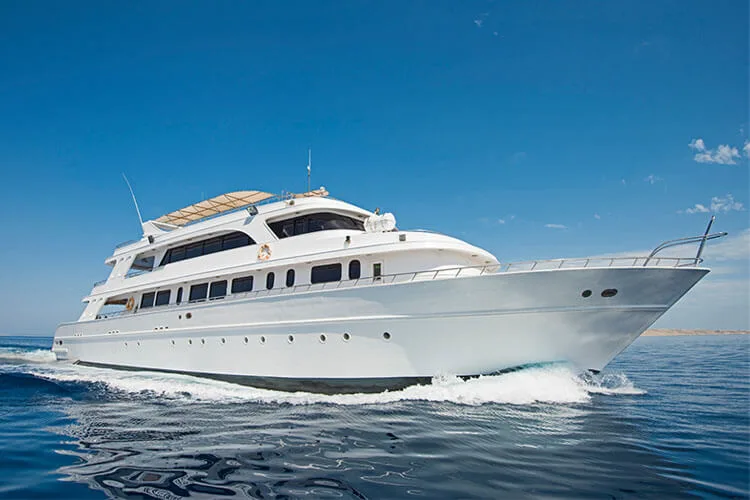
Prices below are per person for a week on a liveaboard, cabin and diving included, without flights, marine park fees, nitrox or crew tips, budget roughly 15–25% on top for those. Live prices per boat sit on each destination page.
Value: 1,000–1,800 USD a week
Egypt, Thailand and the Philippines. The same 20 dives as anywhere else, in warm water, on well-run boats with shared bathrooms and simple cabins.
Galápagos, Socorro, Raja Ampat's remote routes and French Polynesia. Long crossings, high park fees and small guest numbers, the price of remoteness, not of gold taps.
Not everyone on the boat dives, and some of the best marine encounters on earth happen on a single breath. These destinations work just as well from the surface, and all of them run trips that take non-divers along.
Maldives, Hanifaru Bay
Snorkelling only, by law: dozens of mantas and sometimes whale sharks feeding in three metres of water between May and November.
Australia, Ningaloo Reef
Whale sharks from March to July and humpbacks after them, on a fringing reef you can reach from the beach.
French Polynesia, Moorea and Rangiroa
Humpbacks between August and October, plus lagoon rays and blacktips in knee-deep turquoise water.
Egypt, Marsa Alam and the Red Sea
Dugongs in the seagrass, turtles in Abu Dabbab and coral gardens starting a few metres from the shoreline, the easiest world-class snorkelling to reach from Europe.
Frequently asked questions
What is the single best place to scuba dive in the world?›
For biodiversity it is Raja Ampat, for big animals the Galápagos, and for value the Egyptian Red Sea. If it has to be one trip that does everything reasonably well and stays affordable, the Red Sea is the answer, which is why it stays at the top of this list.
Where should I dive as a beginner?›
The northern Red Sea, the Similan Islands in Thailand, the central Maldives atolls and the Yucatán cenotes. All four are warm, calm inside the season and dived from boats with guides who run the same sites all year, so an Open Water certification with a handful of dives is enough.
When is the best time of year to go scuba diving?›
Somewhere is always in season. December to April suits Indonesia, Thailand and the Maldives, May to July is the Tubbataha and Komodo window, and August to November is peak Galápagos and Red Sea shark season.
How much does a diving holiday cost?›
A week of liveaboard diving starts around 1,000 USD in Egypt, Thailand and the Philippines, runs 1,800–3,200 USD in the Maldives, Komodo and Palau, and reaches 3,200–7,000 USD in the Galápagos, Socorro and French Polynesia. Add flights, park fees, nitrox and tips on top.
Do I need a liveaboard, or can I dive from a resort?›
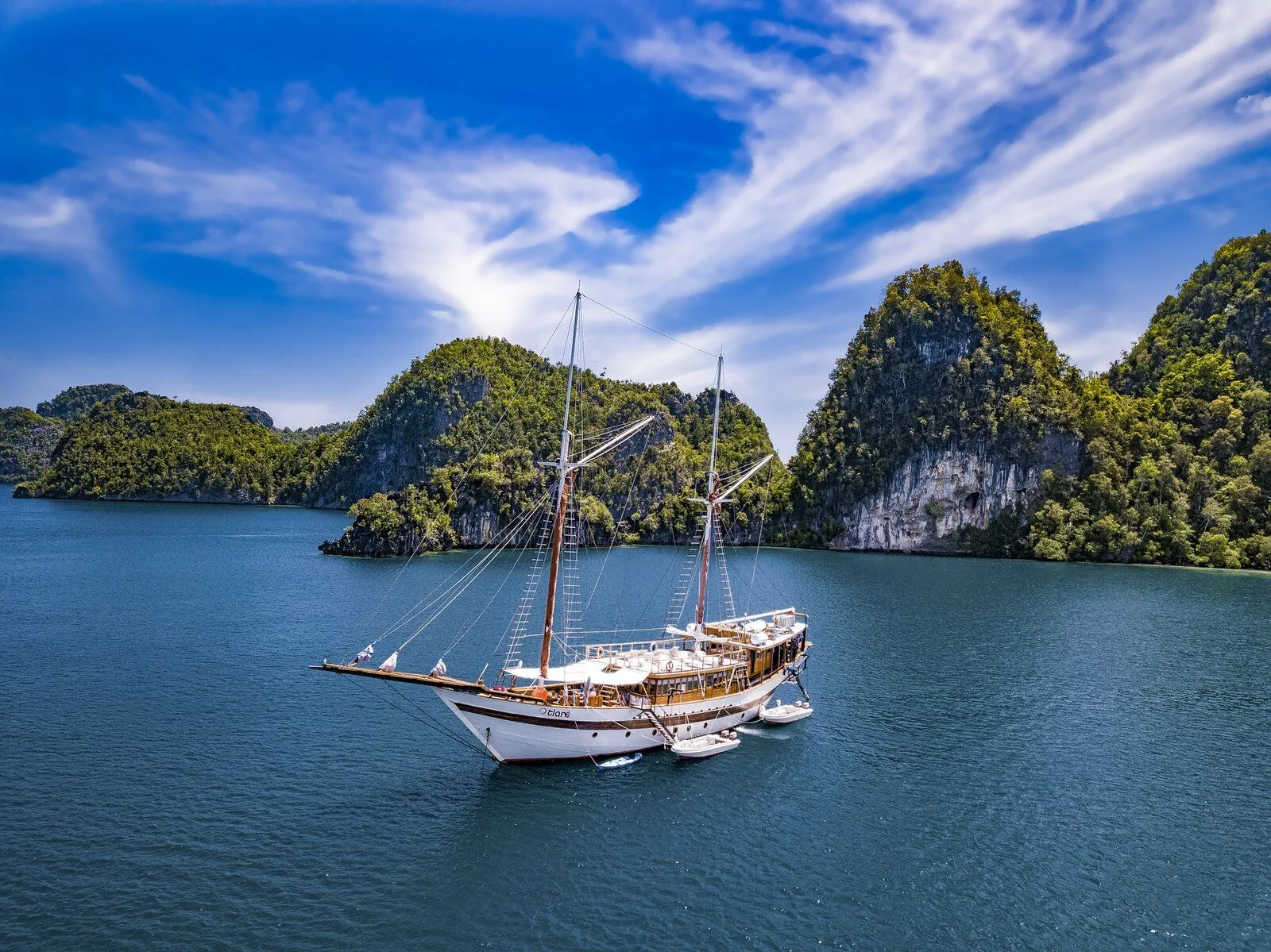
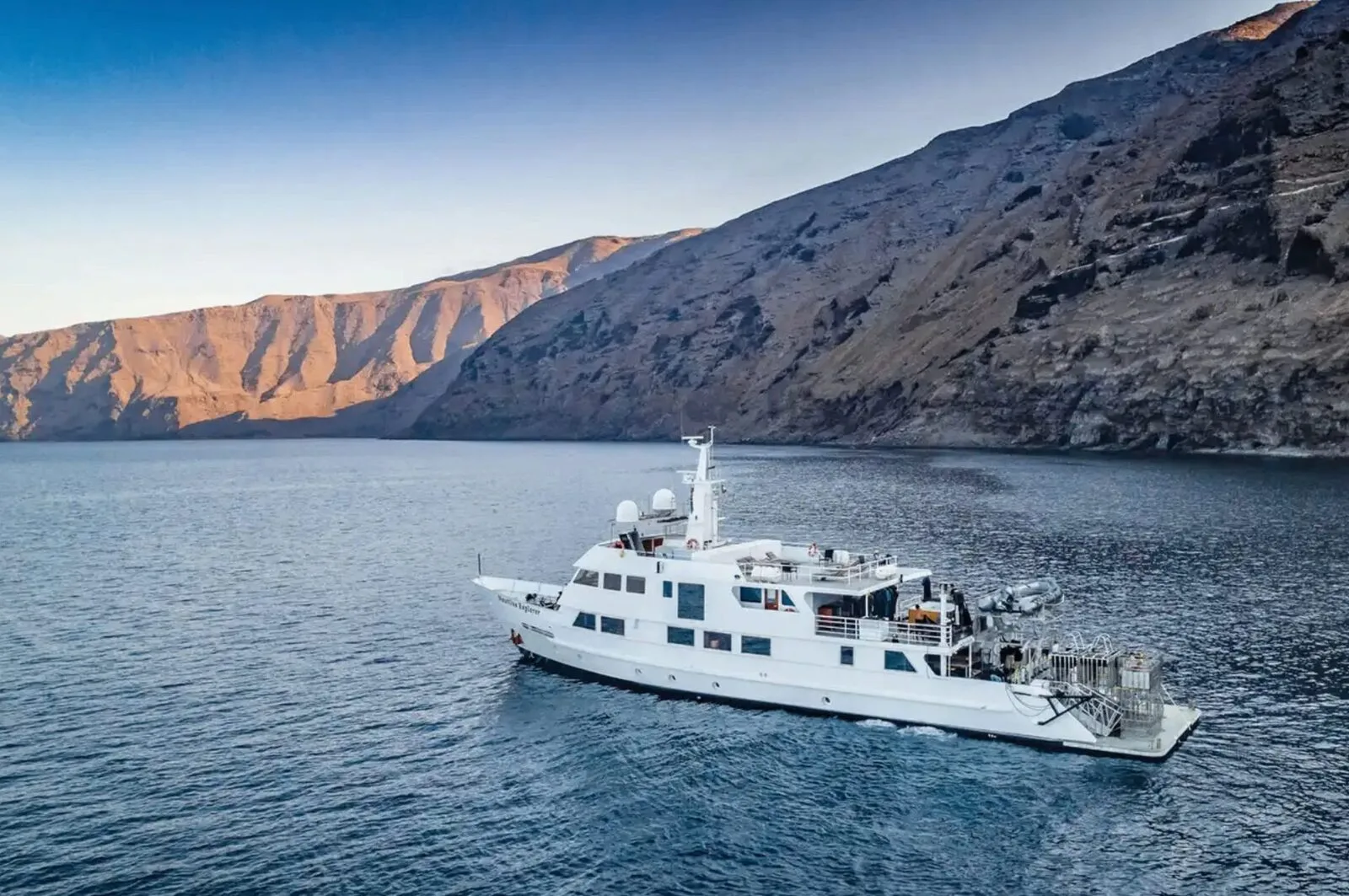
The best sites in the Galápagos, Socorro, Tubbataha, the Coral Sea and the offshore Red Sea are simply out of range of day boats. Elsewhere, the Maldives, Egypt's coast, the Philippines, Mexico, resort diving works, you just do fewer dives per day and see fewer remote reefs.
Which destination is best for seeing sharks?›
Fakarava in French Polynesia and Tiger Beach in the Bahamas give the highest numbers, the Galápagos gives the biggest hammerhead schools, and Egypt's Brothers Islands are the most affordable oceanic shark trip from Europe.