What diving with a turtle is actually like
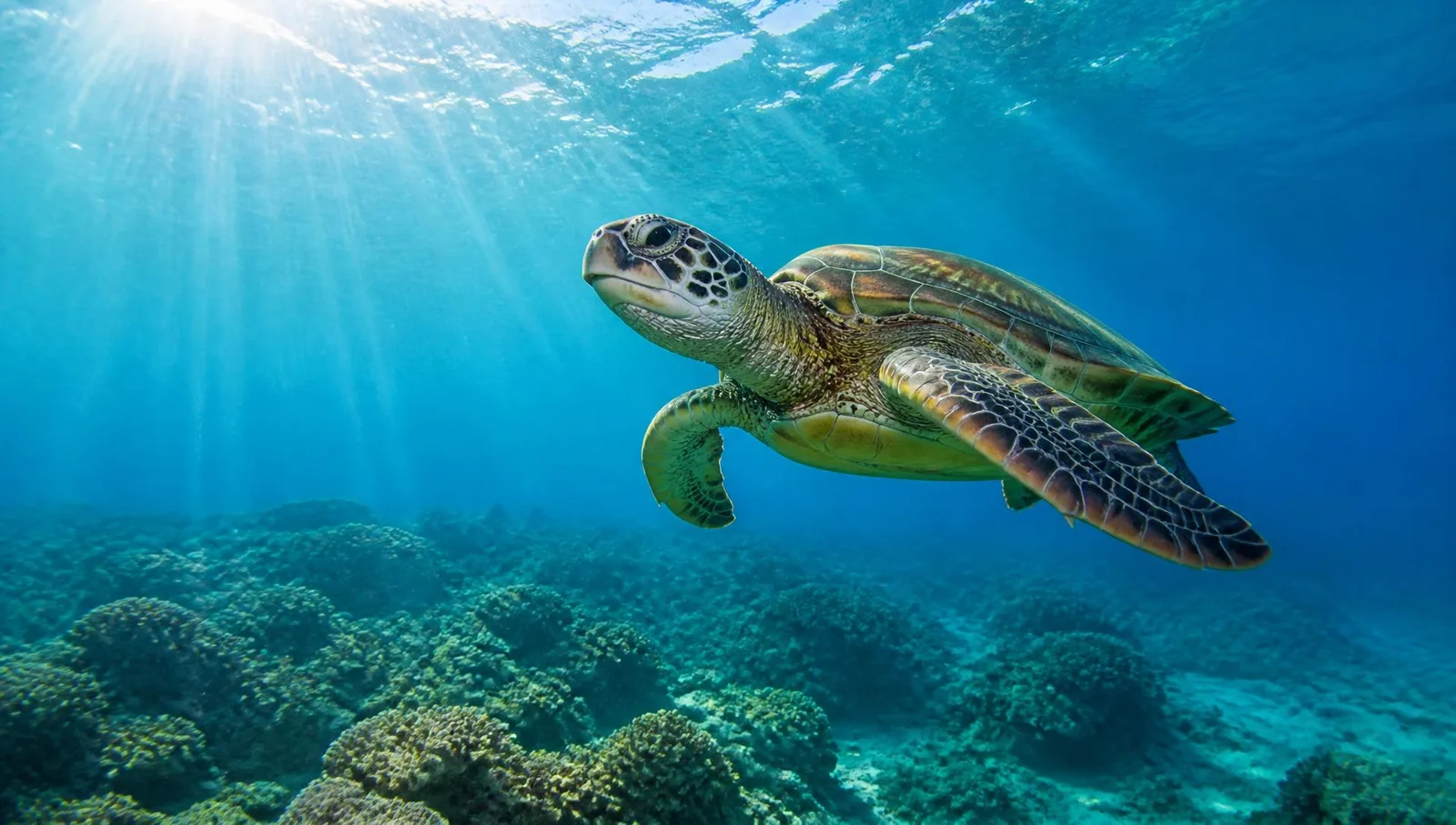
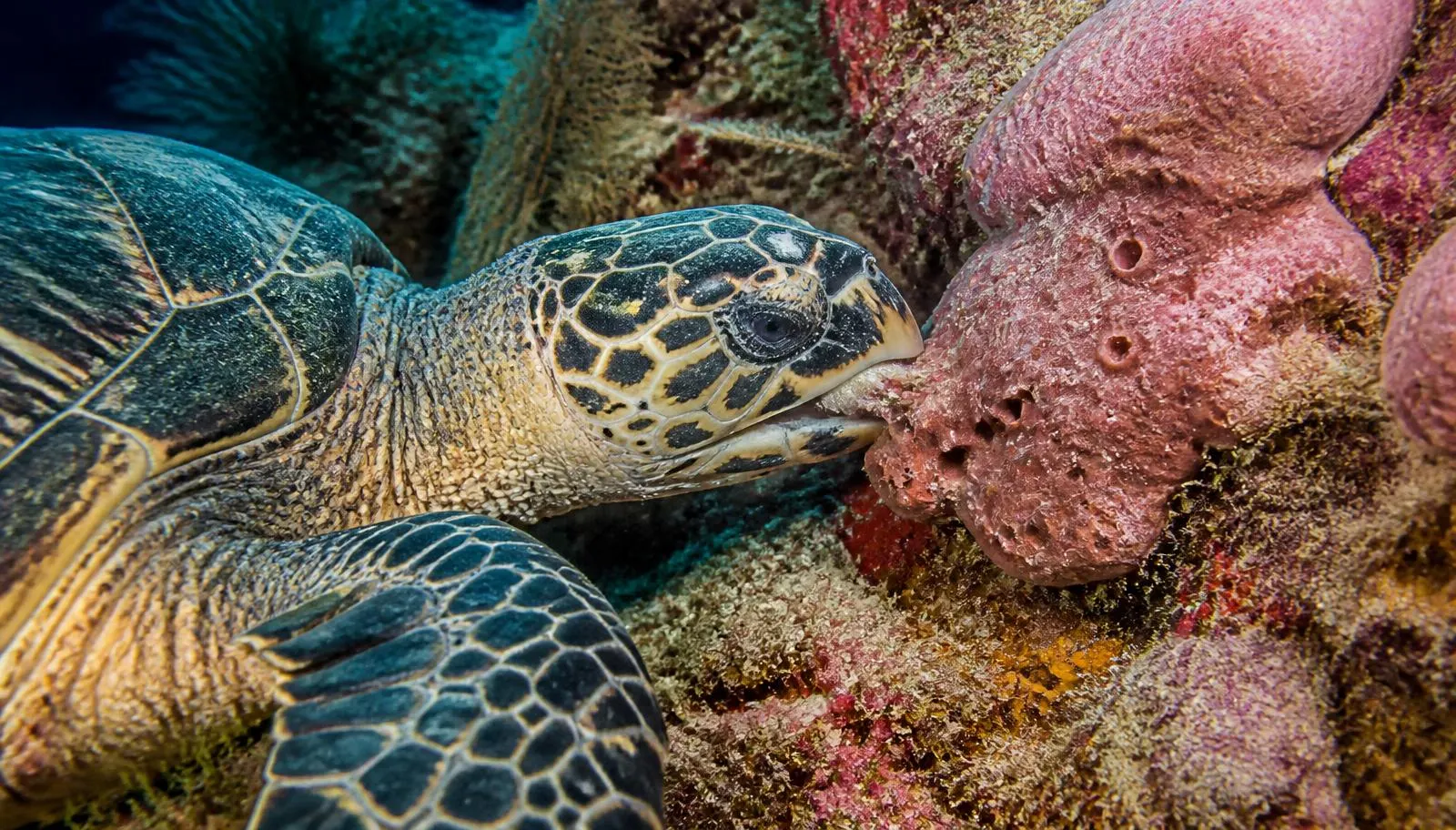
Turtles are the one large marine animal that does not care that you exist, and that indifference is the whole appeal. A green turtle grazing on seagrass will keep grazing while you hover two metres away. A hawksbill wedged into a coral head to rip at a sponge will not even look up. There is no chasing, no timing, no adrenaline — just an animal older than the reef it is sitting on, going about its afternoon.
The photogenic moment is the ascent. Every few minutes the animal pushes off the bottom and swims to the surface for a single breath, and if you stay level and still, it will pass close on the way up and again on the way down. That is the shot everyone wants, and you get it by doing nothing.
Sizes surprise people. A mature green turtle is well over a metre of shell and 150 kilos; leatherbacks reach two metres and 700 kilos, although you will almost never dive with one. Hawksbills are smaller, faster and more likely to swim off.
Nothing about it is risky. Turtles have no defence except leaving, and the only way to ruin the encounter is to touch, chase or block the animal''s path to the surface.
The seven species and how to tell them apart
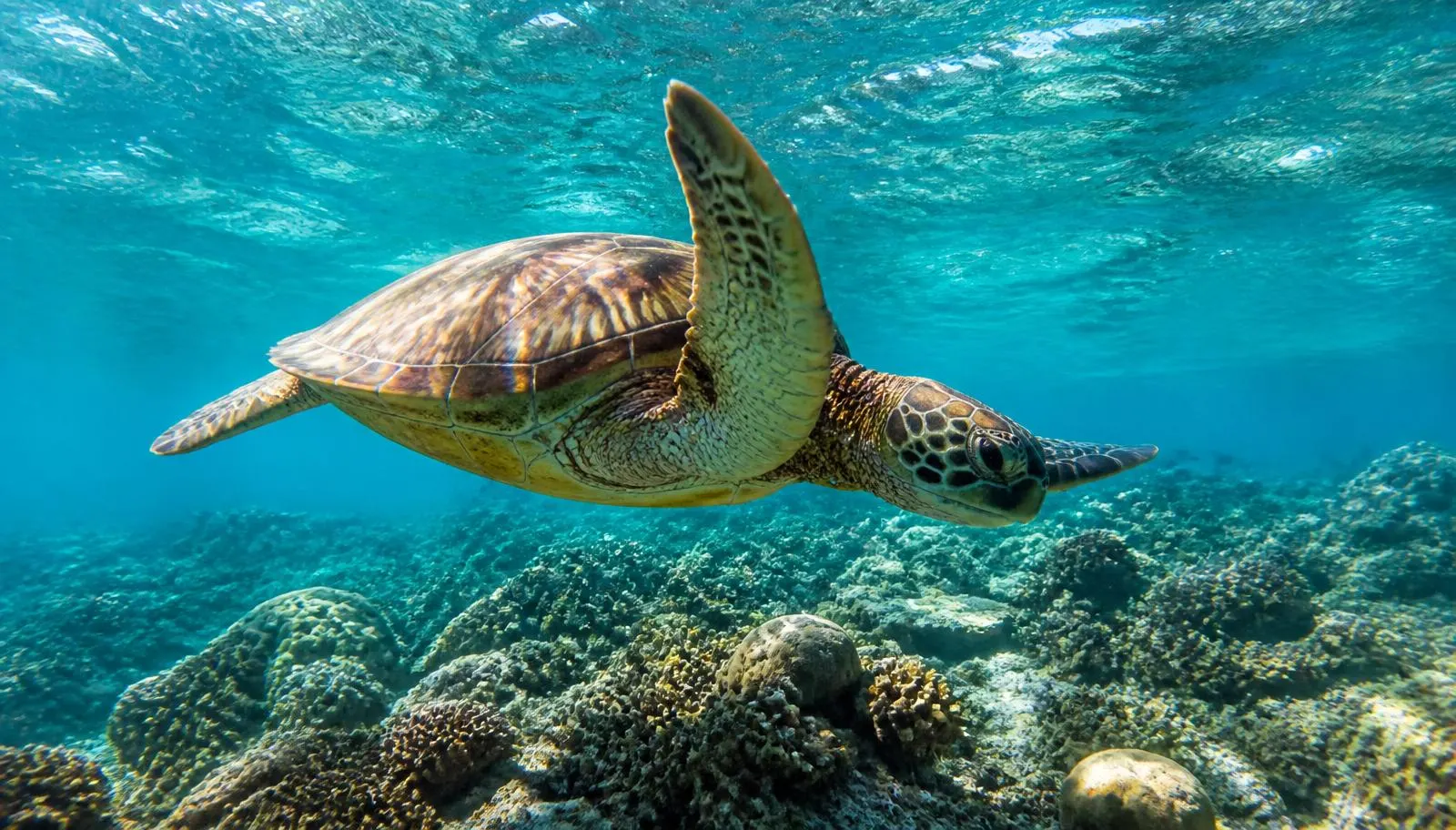
Divers realistically meet three of the seven species, and telling them apart takes two seconds once you know what to look for.
The two-second rule: rounded beak, munching plants = green. Pointed beak, tearing sponge = hawksbill. Enormous head = loggerhead.
| Species | Key feature | Diet | Size | Where you will see it |
|---|---|---|---|---|
| Green turtle | Rounded beak, single pair of prefrontal scales | Seagrass, algae | 90–120 cm | Everywhere with seagrass — Egypt, Maldives, Hawaii |
| Hawksbill | Narrow pointed beak, overlapping scutes, serrated shell edge | Sponges | 60–90 cm | Coral reefs — Sipadan, Caribbean, Indonesia |
| Loggerhead | Huge blocky head, reddish-brown shell | Crabs, molluscs | 90–110 cm | Mediterranean, Oman, southern Africa |
| Olive ridley | Small, heart-shaped shell, olive grey | Omnivore | 60–70 cm | Costa Rica, India, open water |
| Kemp's ridley | Almost circular grey shell; rarest species | Crabs | 55–70 cm | Gulf of Mexico only |
| Flatback | Flat, upturned shell edge | Soft corals, jellyfish | 90 cm | Northern Australia only |
| Leatherback | No hard shell — leathery ridged back | Jellyfish | 150–200 cm | Open ocean; rarely seen on dives |
Green turtle
Key feature: Rounded beak, single pair of prefrontal scales
Diet: Seagrass, algae
Size: 90–120 cm
Where you will see it: Everywhere with seagrass — Egypt, Maldives, Hawaii
Hawksbill
Key feature: Narrow pointed beak, overlapping scutes, serrated shell edge
Diet: Sponges
Size: 60–90 cm
Where you will see it: Coral reefs — Sipadan, Caribbean, Indonesia
Loggerhead
Key feature: Huge blocky head, reddish-brown shell
Diet: Crabs, molluscs
Size: 90–110 cm
Where you will see it: Mediterranean, Oman, southern Africa
Olive ridley
Key feature: Small, heart-shaped shell, olive grey
Diet: Omnivore
Size: 60–70 cm
Where you will see it: Costa Rica, India, open water
Kemp's ridley
Key feature: Almost circular grey shell; rarest species
Diet: Crabs
Size: 55–70 cm
Where you will see it: Gulf of Mexico only
Flatback
Key feature: Flat, upturned shell edge
Diet: Soft corals, jellyfish
Size: 90 cm
Where you will see it: Northern Australia only
Leatherback
Key feature: No hard shell — leathery ridged back
Diet: Jellyfish
Size: 150–200 cm
Where you will see it: Open ocean; rarely seen on dives
Where to dive with turtles: the best places compared
Turtles are pan-tropical, but a handful of places have densities so high that sightings are effectively guaranteed on every dive.
If you want one guaranteed answer: Sipadan for the sheer number in one place, Marsa Alam for the cheapest and easiest, and the Maldives if you want turtles as a bonus on a manta and shark trip.
| Destination | Species | Season | Odds | Access |
|---|---|---|---|---|
| Sipadan, Malaysia | Green, hawksbill | All year | Guaranteed | Permit-limited day boat |
| Marsa Alam, Egypt | Green | All year | Guaranteed | Shore + liveaboard |
| Maldives (Baa, Ari) | Green, hawksbill | All year | Very high | Liveaboard |
| Apo Island, Philippines | Green | All year | Very high | Shore + day boat |
| Gili Islands, Indonesia | Green, hawksbill | All year | Very high | Day boat |
| Barbados / Turks & Caicos | Hawksbill, green | All year | High | Snorkel boat |
| Hawaii (Maui, Oahu) | Green | All year | High | Shore snorkel |
| Galapagos | Pacific green | All year, Dec–May best | Very high | Liveaboard |
| Great Barrier Reef, Australia | Green, hawksbill, flatback | All year, nesting Nov–Feb | High | Liveaboard |
| Seychelles / Aldabra | Hawksbill, green | Oct–Feb nesting | High | Liveaboard |
Sipadan, Malaysia
Species: Green, hawksbill
Season: All year
Odds: Guaranteed
Access: Permit-limited day boat
Marsa Alam, Egypt
Species: Green
Season: All year
Odds: Guaranteed
Access: Shore + liveaboard
Maldives (Baa, Ari)
Species: Green, hawksbill
Season: All year
Odds: Very high
Access: Liveaboard
Apo Island, Philippines
Species: Green
Season: All year
Odds: Very high
Access: Shore + day boat
Gili Islands, Indonesia
Species: Green, hawksbill
Season: All year
Odds: Very high
Access: Day boat
Barbados / Turks & Caicos
Species: Hawksbill, green
Season: All year
Odds: High
Access: Snorkel boat
Hawaii (Maui, Oahu)
Species: Green
Season: All year
Odds: High
Access: Shore snorkel
Galapagos
Species: Pacific green
Season: All year, Dec–May best
Odds: Very high
Access: Liveaboard
Great Barrier Reef, Australia
Species: Green, hawksbill, flatback
Season: All year, nesting Nov–Feb
Odds: High
Access: Liveaboard
Seychelles / Aldabra
Species: Hawksbill, green
Season: Oct–Feb nesting
Odds: High
Access: Liveaboard
Malaysia — Sipadan, the highest turtle density on Earth
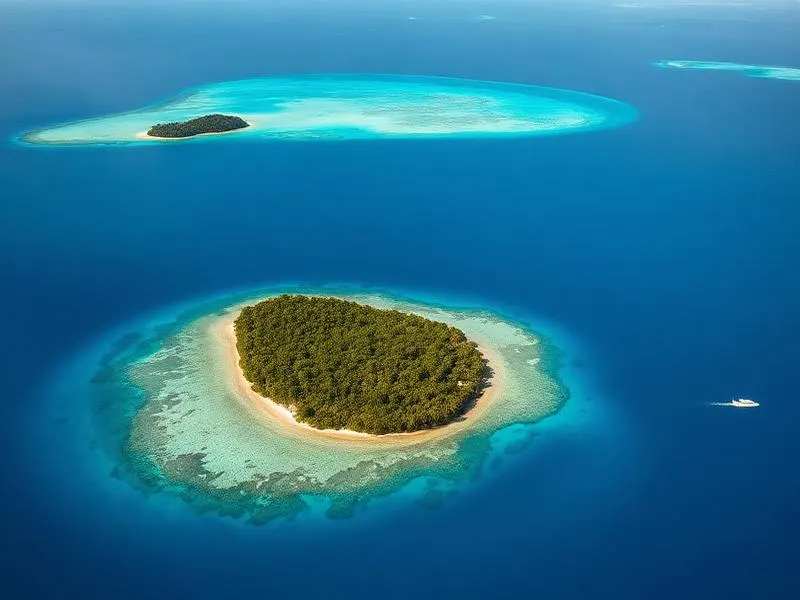
Sipadan is a limestone pinnacle rising 600 metres from the seabed off Borneo, and it holds a resident population so dense that divers routinely count thirty or more green and hawksbill turtles in a single dive. They sleep in ledges along the wall, graze the shallows, and queue at cleaning stations while surgeonfish work over their shells.
Access is capped: Malaysia issues a strictly limited number of daily permits, distributed through the resorts on Mabul and Kapalai. Book six to twelve months ahead and expect one or two Sipadan days in a week of diving. It is worth structuring the trip around.
Conditions are easy — 27 to 30 °C, 20 to 30 m visibility, gentle current on most sites — and the same dives deliver barracuda tornadoes and bumphead parrotfish. April to December is best; January and February bring more rain and swell.
Egypt and the Red Sea — the easiest turtles in the world
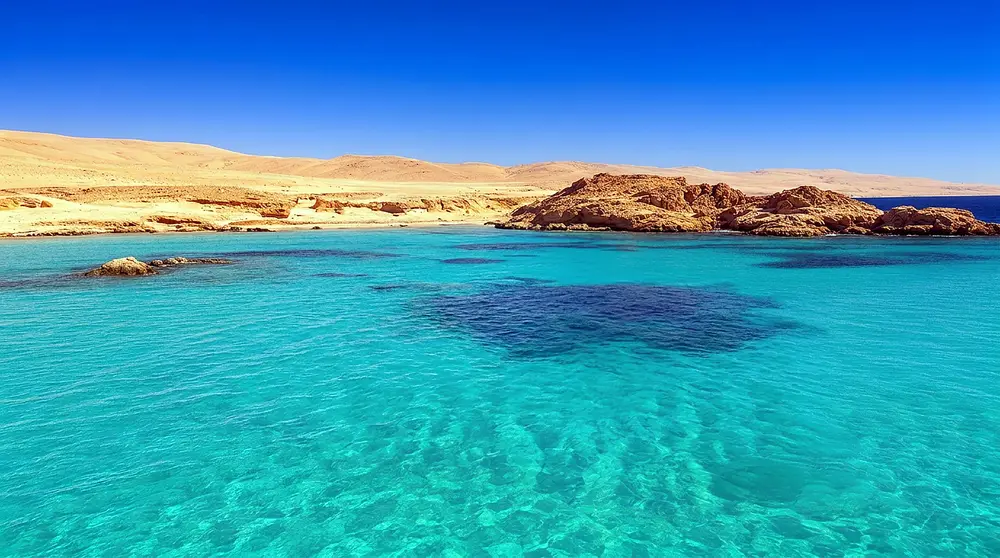
Abu Dabbab bay near Marsa Alam has a resident population of large green turtles grazing a shallow seagrass meadow you can reach by walking off the beach. Depth is 3 to 8 metres, visibility is excellent, and snorkellers with no diving experience get long, close encounters. Dugongs use the same meadow.
Further out, Marsa Shagra, Marsa Mubarak and the southern liveaboard route deliver turtles on almost every reef. Red Sea trips are also the cheapest way to combine guaranteed turtles with serious wreck and shark diving in the same week.
One warning specific to Abu Dabbab: the bay gets crowded in high season and the turtles are frequently surrounded. Go early in the morning, keep your distance, and never position yourself between the animal and the surface.
Indonesia, the Philippines and the Coral Triangle
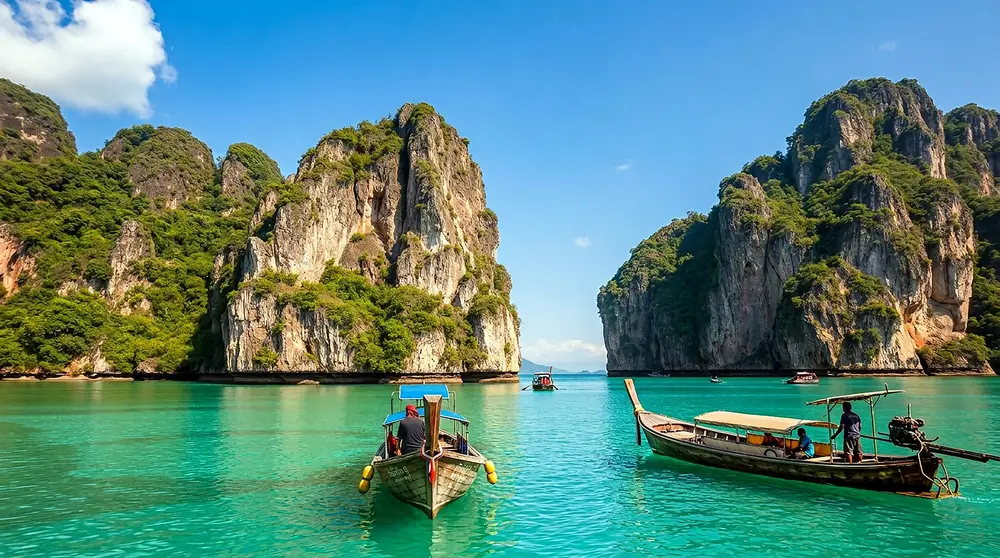
The Gili Islands off Lombok are the standard first turtle encounter for most travellers — shallow, calm, cheap, and thick with green and hawksbill turtles at Turtle Heaven and Meno Wall. Apo Island in the Philippines is similar and even easier from shore, with a community-run marine sanctuary that has protected the population since 1985.
On liveaboards, Raja Ampat, Komodo and the Banda Sea all deliver turtles constantly, usually hawksbills on the sponge-rich walls. Derawan and Sangalaki in Kalimantan sit in the same league as Sipadan for density and are far less visited.
The Coral Triangle advantage is combination: nowhere else gives you guaranteed turtles alongside mantas, pygmy seahorses, wobbegongs and the richest coral on Earth in the same week.
Nesting and hatching: when and where to see it
Nesting is the other half of turtle travel, and it works on a completely different calendar from diving. Females return to the beach where they hatched, haul out at night on a high tide, dig for two hours and lay 80 to 120 eggs. Hatchlings emerge six to eight weeks later, almost always after dark.
Go with a licensed guide, use red light only, never photograph with flash, and never touch a hatchling or place it in the water — the crawl to the sea is how it imprints on the beach it will return to in thirty years.
- Costa Rica (Ostional, Tortuguero): olive ridley arribadas of tens of thousands of females, July to December.
- Australia (Mon Repos, Heron Island): loggerhead and green nesting November to January, hatching January to March.
- Oman (Ras al Jinz): green turtles nesting year-round, peaking June to September.
- Seychelles and Aldabra: hawksbill nesting October to February.
- Malaysia (Sipadan, Selingan): green turtle nesting year-round.
- Caribbean (Trinidad, Grenada): leatherback nesting March to July.
Turtle etiquette: the rules that matter
- Never touch, ride or hold a turtle. It is illegal in most countries, and riding drowns animals — they cannot surface under a person''s weight.
- Never block the route to the surface. A turtle interrupted on the way up can panic and drown; give it a clear column of water above.
- Stay two to three metres away and hover at the same depth rather than above it.
- No flash photography at close range, and never on nesting beaches.
- Do not feed turtles. Habituated animals approach boats and get struck by propellers.
- Keep fins off the reef — the sponges and seagrass are the reason the turtle is there.
- Report tag numbers if you photograph a flipper tag; researchers use them for migration data.
What it costs
Turtles are the cheapest big-animal encounter in the ocean because you never pay for the animal — you pay for the dive. Shore snorkelling at Abu Dabbab, Apo Island or Hawaii costs almost nothing beyond gear rental. Day boats in the Gilis, Barbados or Turks and Caicos run $40 to $90.
Sipadan is the exception: the permit system means a week at a Mabul resort with one or two Sipadan days costs roughly $1,200 to $2,500 including diving.
Liveaboards where turtles are constant rather than occasional — Red Sea, Maldives, Raja Ampat, Great Barrier Reef, Galapagos — run from about $1,300 for a Red Sea week to $6,000 plus for Galapagos, and give you three to four dives a day.
What to pack
- Your own mask and snorkel. Most turtle encounters are shallow and half of them happen without a tank.
- Reef-safe sunscreen or, better, a long rash guard — shallow seagrass bays mean hours at the surface.
- Mid-range wide-angle setup. A 24 mm or a wet wide lens on a compact is ideal; a turtle at two metres fills the frame.
- Good buoyancy control — the only real skill this needs. Practise hovering before you go.
- A red-filter torch if you plan to watch a nesting beach.
- 3 mm suit for repeated long shallow dives in the tropics.
Month-by-month turtle calendar
Unlike mantas or whale sharks, turtle diving has no closed season — the calendar below shows when conditions and nesting activity are at their best in each destination.
SipadanMalaysia
Thirty-plus green and hawksbill turtles on a single dive; permit-limited, book far ahead.
No liveaboards available
Marsa AlamEgypt
Resident green turtles in a shallow seagrass bay you can walk into from the beach.
Maldives (Baa, Ari)Maldives
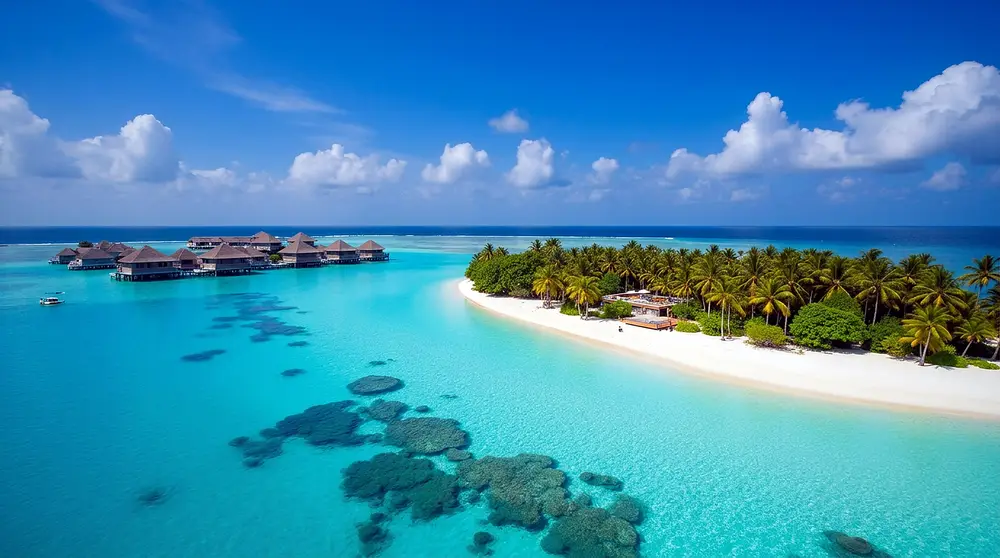
Greens and hawksbills on almost every reef, alongside mantas and reef sharks.
Apo IslandPhilippines
A community marine sanctuary protected since 1985, with turtles a few fin kicks from shore.
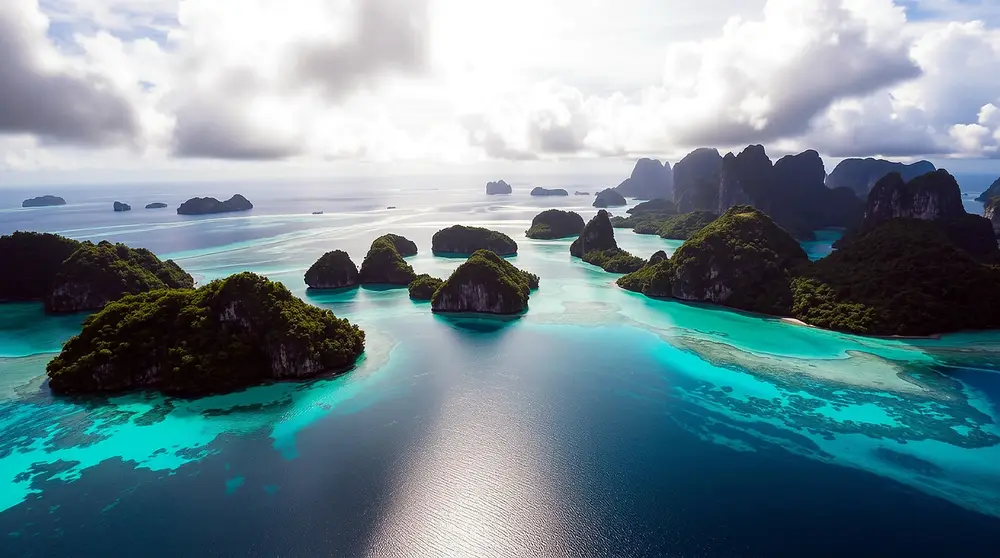
Gili IslandsIndonesia
The classic first turtle dive: shallow, calm and thick with greens and hawksbills.
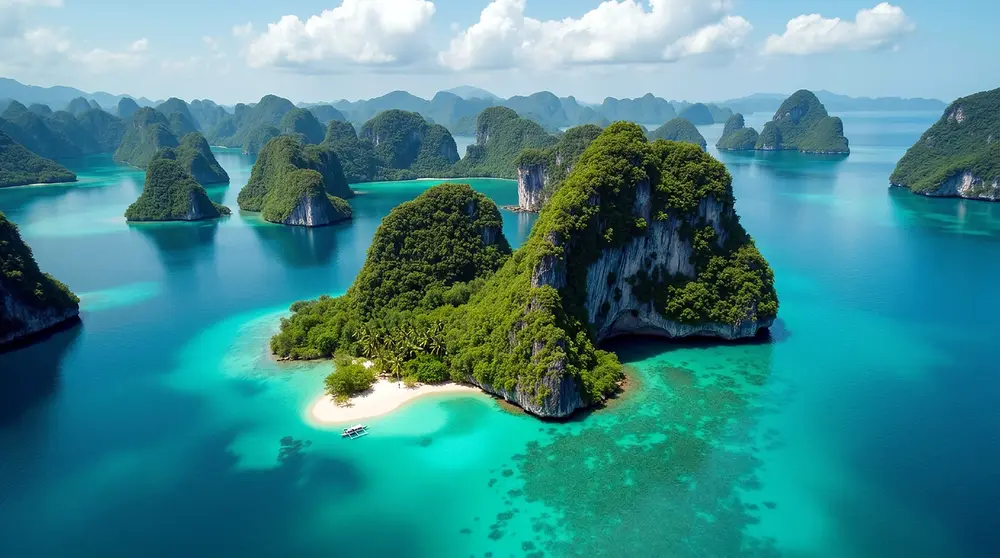
Raja AmpatIndonesia
Hawksbills on sponge-covered walls, in the richest coral reefs on Earth.
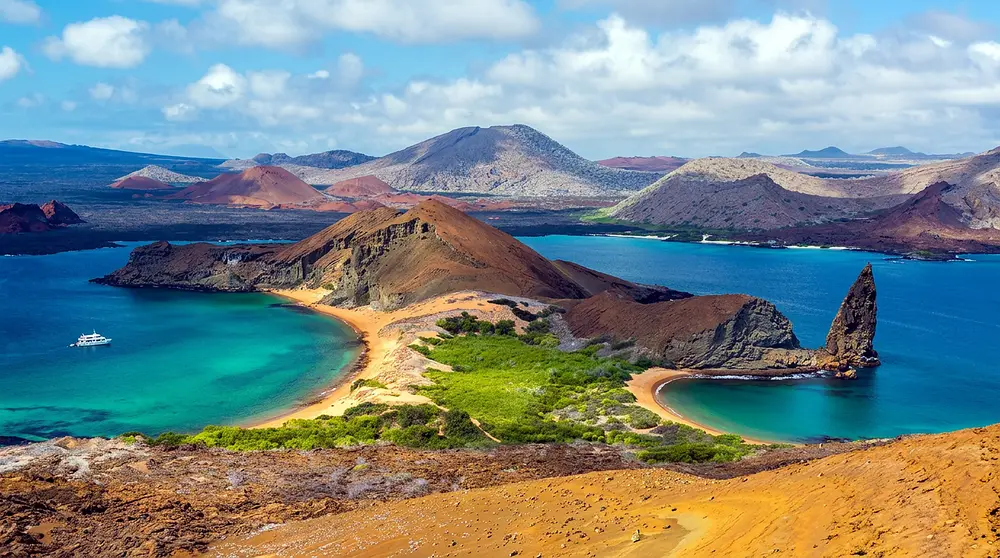
GalapagosEcuador
Pacific green turtles in warm-season conditions, with nesting on the island beaches.
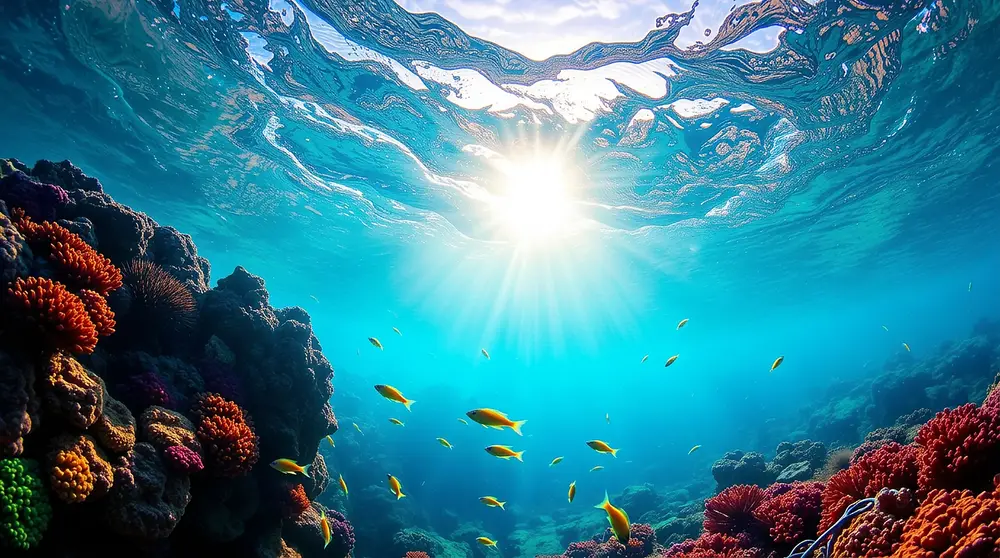
Great Barrier ReefAustralia
Green and loggerhead nesting at Heron Island and Mon Repos, hatching from January.
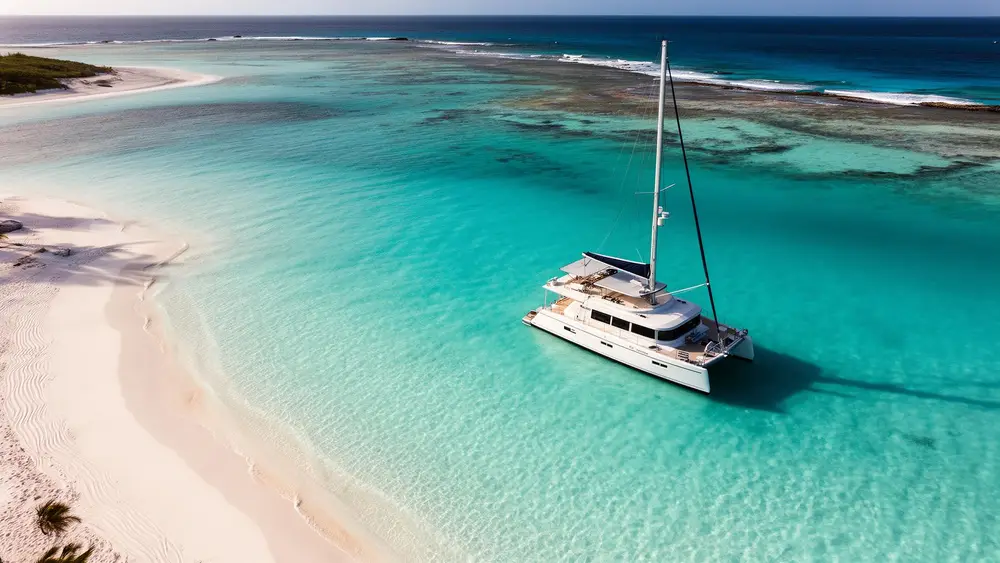
Turks & Caicos IslandsCaribbean
Hawksbills and greens over shallow sand flats and wall dives with 30 m visibility.
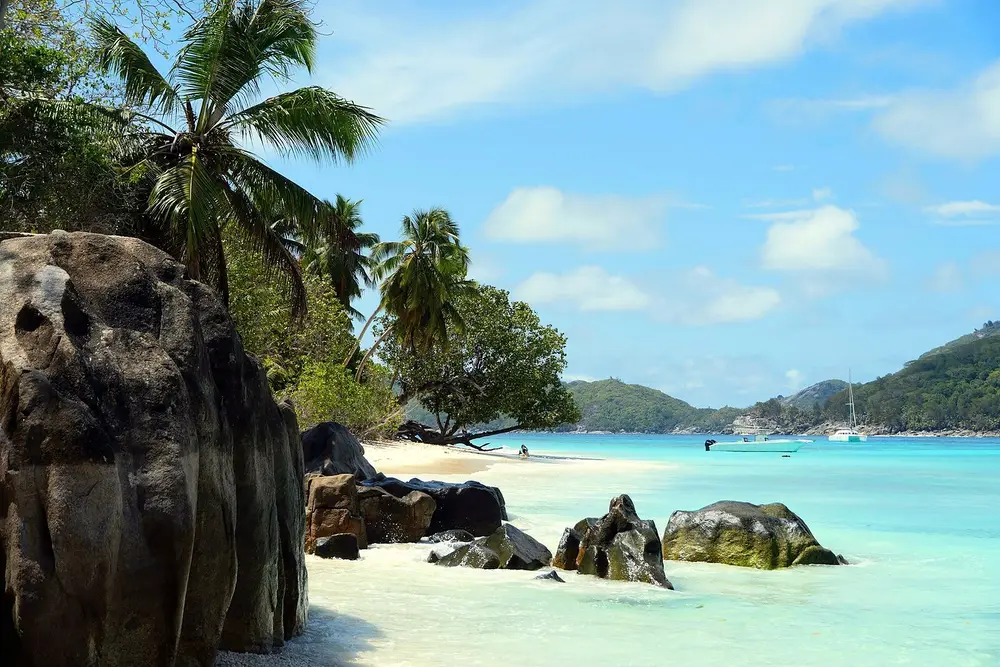
Aldabra & Outer IslandsSeychelles
Hawksbill nesting season on some of the least-visited reefs in the Indian Ocean.
Are sea turtles dangerous?
No. Sea turtles have no venom, no aggression and no interest in people. The only recorded injuries involve turtles being fed by hand, when a green turtle mistakes fingers for seagrass, or nesting females being cornered on a beach — both entirely avoidable.
The danger runs the other way, and it is severe. Six of the seven species are threatened, hit by plastic ingestion, longline and gillnet bycatch, beach development, light pollution that disorients hatchlings, and the illegal shell trade that nearly wiped out hawksbills. Roughly one hatchling in a thousand reaches maturity, and a female may be thirty years old before her first nest.
Practical things that help: never buy tortoiseshell, use reef-safe sunscreen, carry your rubbish off boats, choose operators that do not feed animals, and report tag numbers and injured turtles to local rescue networks.
Choosing an ethical turtle experience
The bar is simple: no feeding, no touching, no riding, and no boats crowding a bay. Ask the operator whether they brief on distance before entry — the ones who do are the ones whose sites still have relaxed turtles a decade later.
Avoid turtle farms and any facility offering hold-a-turtle photographs. Avoid nesting-beach tours without a licensed guide and red-light policy. Be wary of shallow bays advertised as guaranteed encounters in peak season, where the animals may be surrounded by twenty snorkellers at once — go at dawn instead.
Good operators to look for are those working with local sanctuary programmes, submitting photo-ID of facial scutes (each turtle''s pattern is unique, like a fingerprint), and running hatchling releases without handling the animals.
Every Red Sea, Maldives, Coral Triangle and Great Barrier Reef liveaboard we sell delivers turtles as a matter of course. Tell us where you want to dive and we will find the week that fits.