Thailand Liveaboard Diving

Liveaboards in Thailand

from $108 / day

6 of 20 · Thailand liveaboard routes, seasons & prices

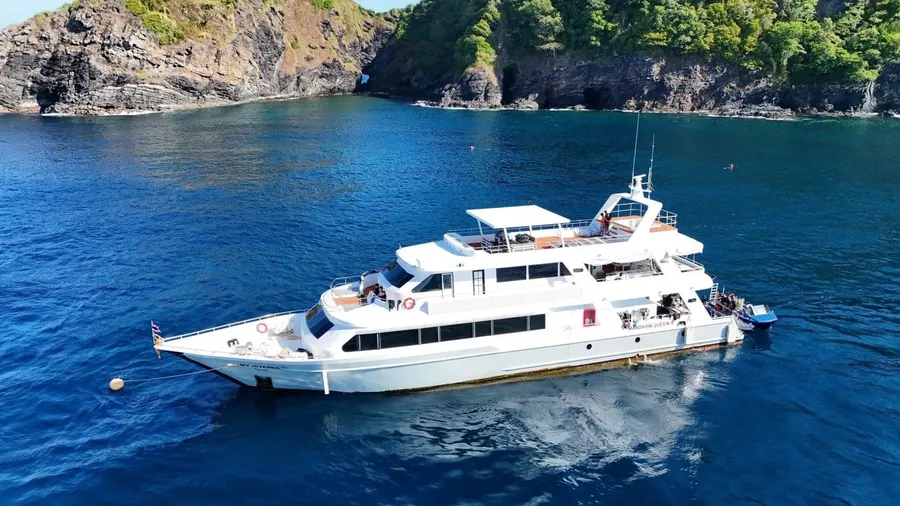
Mandarin Queen 9

Unveiling Thailand's underwater treasures with comfort and style.

  • En-suite bathrooms
  • Air-conditioned cabins
  • Hot water showers

4.8(18 reviews)

26 guests
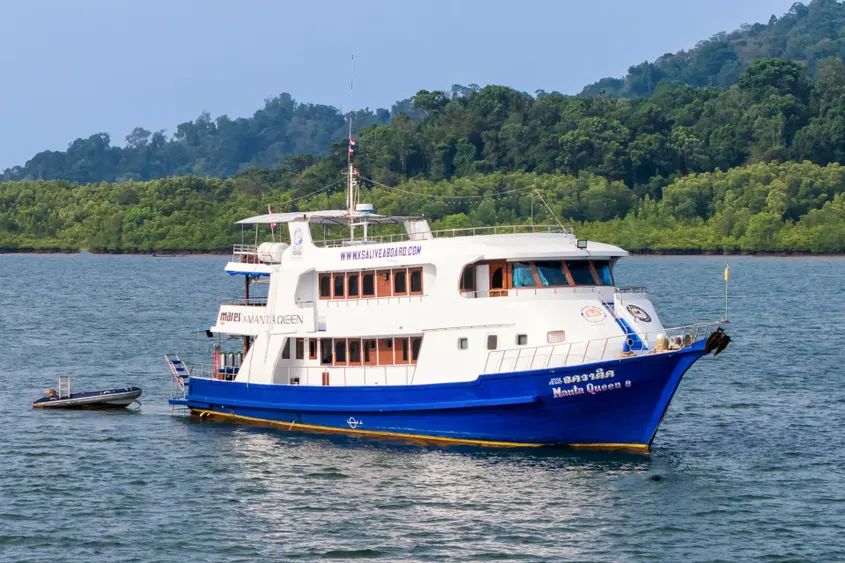
Manta Queen 8

Professionally Updated Ship Ideal for Collective Scuba Trips in Thailand

  • Shipboard Food Service
  • Shared Gathering Space
  • Air Conditioning Units

4.6(38 reviews)

24 guestsfrom $127/day
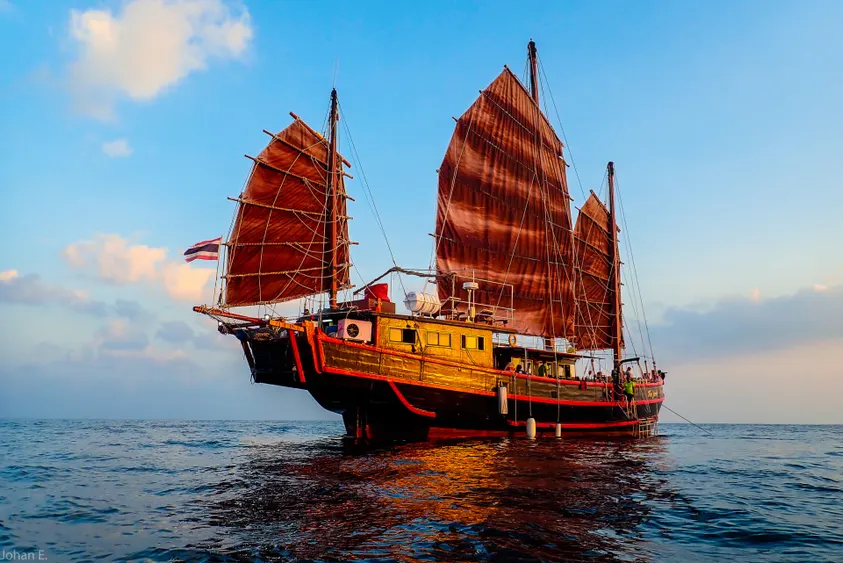
The Junk

Embark on a legendary dive adventure aboard a classic Chinese junk in Thailand's Andaman Sea.

  • En-Suite bathrooms
  • Aircon Cabins
  • Warm Water Showers

4.8(69 reviews)

18 guestsfrom $163/day
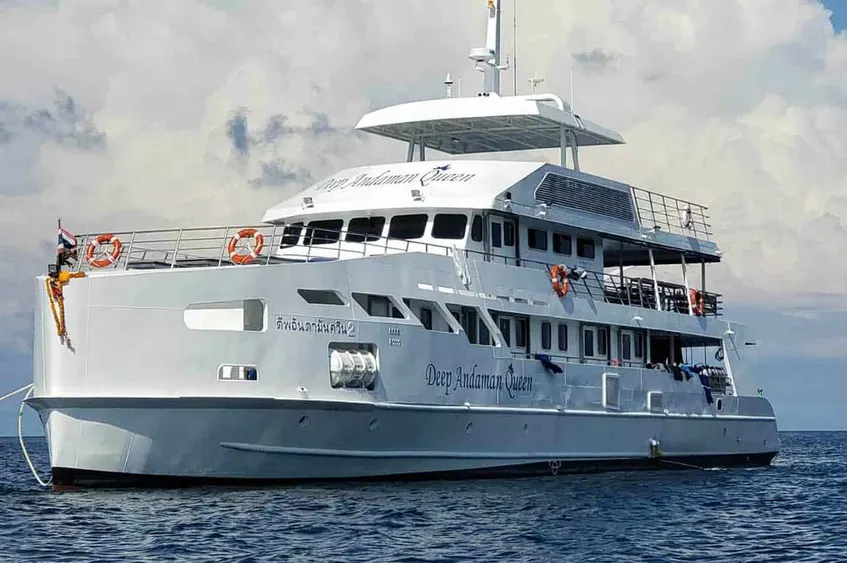
Deep Andaman Queen

Explore Thailand's underwater wonders in luxury and comfort.

  • En-suite bathrooms
  • Air-conditioned cabins
  • Warm water showers

4.8(90 reviews)

23 guestsfrom $194/day
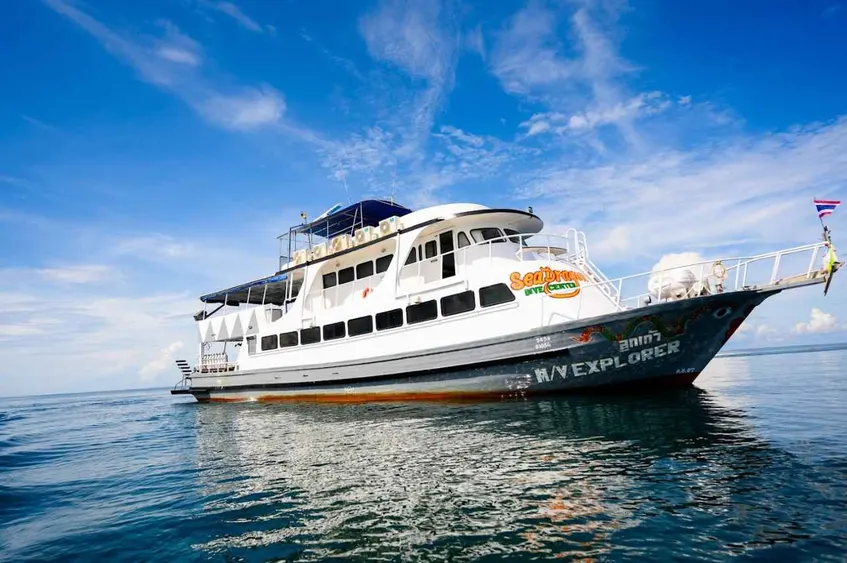
Explorer

Discover Thailand's underwater treasures aboard the Explorer, your gateway to the Similan and Surin Islands.

  • Air conditioning in cabins
  • Ocean view windows in cabins
  • Personal reading lamps

4.5(1699 reviews)

16 guestsfrom $150/day
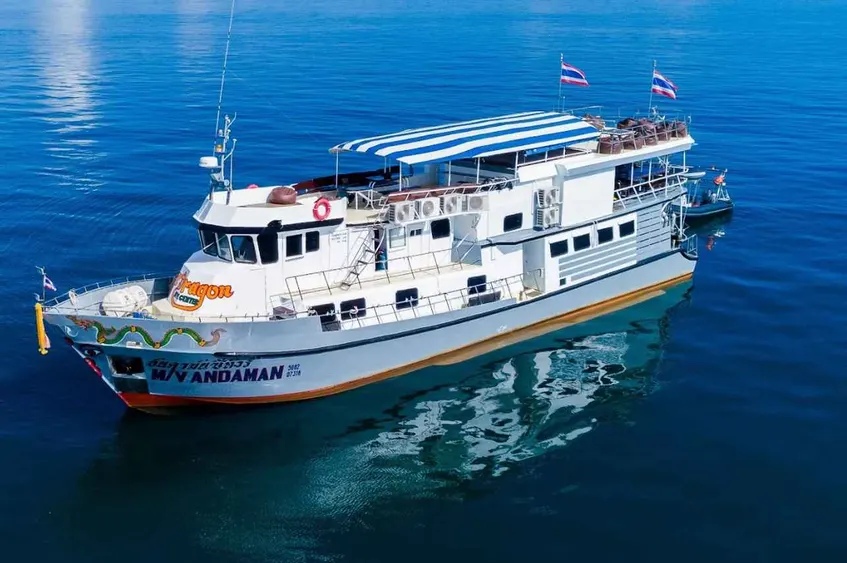
Andaman

Explore Thailand's Andaman Sea on a comfortable liveaboard, offering exceptional diving and a relaxed atmosphere.

  • Air-conditioned cabins
  • Warm water showers
  • Sundeck

4.8(387 reviews)

20 guestsfrom $108/day

Diving in the Andaman Sea: wrecks, walls and whale sharks

Beyond its surface-level appeal, Thailand's true underwater treasure is the Andaman Sea, a region best explored on a dedicated liveaboard. This is where world-class diving unfolds across a chain of remote marine parks, offering a journey through dramatic granite seascapes, vibrant coral gardens, and nutrient-rich waters that attract pelagic giants. A Thailand liveaboard provides unparalleled access to these offshore archipelagos, far from the day-trip crowds and timed perfectly for the best encounters.

The itinerary centerpiece is the Similan Islands, famous for giant, algae-dusted boulders creating spectacular swim-throughs and channels. Further north, the experience culminates at what are widely considered the best dive sites in Thailand: the Surin Islands and the legendary Richelieu Rock. This isolated pinnacle, carpeted in purple soft corals and teeming with macro life, is a world-renowned magnet for whale sharks, while nearby sites like Koh Bon host cleaning stations for oceanic manta rays. The rich biodiversity makes every dive a compelling exploration.

The prime season for a Thailand liveaboard corresponds with the national parks' opening, running from mid-October to mid-May. During these months, divers can expect calm seas, excellent visibility often exceeding 25 meters, and warm water temperatures around 29°C. This window offers the most reliable conditions for encountering the region's famed megafauna and fully appreciating the vivid underwater topography, making it the definitive time to plan a trip for premium Thailand diving.

This destination is perfectly suited for divers of all levels, though the thrilling currents at open-ocean pinnacles like Richelieu Rock are most rewarding for those with advanced certification or confident buoyancy. For underwater photographers and those seeking a classic, high-value trip that combines incredible diving with renowned topside hospitality, the Andaman Sea delivers an unforgettable adventure.
Why dive a liveaboard in Thailand

From legendary wrecks and thriving reefs to close-up encounters with iconic marine life, this destination offers the experiences divers dream about. Warm, clear waters and well-organized liveaboard routes make it easy to explore the best sites. These are the highlights that keep divers coming back year after year.

Whale sharks & mantas

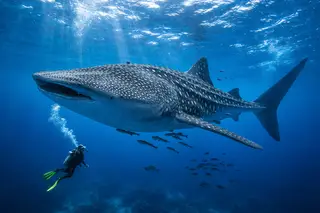
Richelieu Rock is one of the world's best sites for whale shark encounters, especially February–April.

Learn to dive capital

Koh Tao certifies more divers annually than almost anywhere else — perfect conditions for beginners.

Similan Islands

Crystal-clear Andaman Sea waters with dramatic granite boulder formations and vibrant soft corals.

World-class food & culture

Combine diving with Thailand's legendary cuisine, temples, and warm hospitality.

Who a liveaboard in the Andaman Sea suits — and who it doesn't

The Andaman Sea is an easy entry point with warm, clear water — and a seasonal one: the Similan National Park closes each monsoon.

Beginners

Open Water, training and first dives

Koh Tao is one of the world’s highest-volume certification hubs; the Similan fringe reefs are shallow, warm and sheltered.

Matching areas:Koh TaoSimilan IslandsPhi Phi

Advanced divers

Advanced, current at the offshore pinnacles

Richelieu Rock and Koh Bon run current and blue-water entries with whale-shark and manta chances in February to April.

Matching areas:Richelieu RockKoh BonKoh Tachai

Deep and technical

Deep, Nitrox, wreck penetration

The HTMS Chang lies at roughly 15 to 30 metres in Trat, the King Cruiser wreck near Phuket sits at around 18 to 30 metres, and Sail Rock’s chimney adds vertical structure — several Phuket and Koh Tao shops run technical courses.

Matching areas:HTMS ChangKing CruiserSail Rock

Photo and video

Wide-angle and macro, easy conditions

Granite boulder scenery in the Similans, soft-coral columns at Richelieu Rock, seahorses and nudibranchs around Koh Tao.

Matching areas:Similan IslandsRichelieu RockKoh Tao

Best time to dive in Thailand

Thailand's Andaman Sea liveaboard season is strictly defined by the national parks' opening, running from mid-October to mid-May. During this dry season, divers can expect calm seas, warm water around 29°C, and excellent visibility often exceeding 25 meters. The peak period from February to April offers the best conditions and the highest probability for whale shark sightings, while the shoulder months provide good value and fewer crowds.

👆 Click any month for detailed conditions
Excellent
Good
Off-Season

Dec – Apr (Peak)

Best visibility 25–30m, calm Andaman Sea. Similan & Surin Islands open. Whale sharks and manta rays at Richelieu Rock.

May & Nov (Transition)

Similan season opening/closing. Variable conditions, occasional rain. Still good diving at coastal sites.

Jun – Oct (Monsoon)

SW Monsoon brings rough seas. Similan Islands CLOSED. Gulf coast (Koh Tao) still diveable Jun–Sep.

Underwater visibility

32m
(105ft)
20m
(66ft)
8m
(26ft)
Jan
Feb
Mar
Apr
May
Jun
Jul
Aug
Sep
Oct
Nov
Dec

Air & water temperature

36°C 31°C 26°C
28°
32°
28°
33°
29°
34°
29°
34°
29°
33°
29°
32°
28°
32°
28°
31°
28°
31°
28°
31°
28°
31°
28°
31°
Jan
Feb
Mar
Apr
May
Jun
Jul
Aug
Sep
Oct
Nov
Dec
Water
Air (Day)

Recommended wetsuit

3mm
3mm
3mm
3mm
3mm
3mm
3mm
3mm
3mm
3mm
3mm
3mm
Jan
Feb
Mar
Apr
May
Jun
Jul
Aug
Sep
Oct
Nov
Dec
3mm (warm)
Wetsuit Guide

What you'll see diving in the Andaman Sea

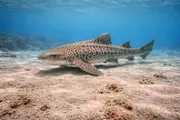
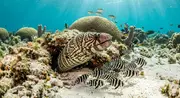
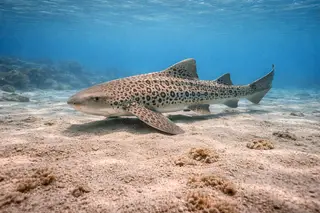
Diving in Thailand offers reliable encounters with both large pelagics and vibrant reef dwellers. The Andaman Sea is famous for seasonal whale sharks, especially from February to April at Richelieu Rock, and manta rays at cleaning stations like Koh Bon between November and April. Divers will also commonly see leopard sharks, blacktip reef sharks, and both green and hawksbill turtles, alongside schools of barracuda and diverse macro life including seahorses and nudibranchs.

When to See What

Use this calendar as a guide: the highlighted months show when your chances are usually best. Wildlife follows its own rhythm, so sightings are never guaranteed — but we hope this makes planning a little easier. The seasonal rhythm of Thailand's big animal encounters peaks from February to April, when plankton blooms attract whale sharks to sites like Richelieu Rock. Oceanic manta rays are most frequently seen earlier in the season from November through January at cleaning stations such as Koh Bon.

Species
Jan
Feb
Mar
Apr
May
Jun
Jul
Aug
Sep
Oct
Nov
Dec
Whale Shark
Whale Shark
Reef Manta Ray
Reef Manta Ray
Leopard Shark
Leopard Shark
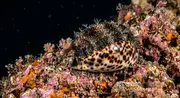
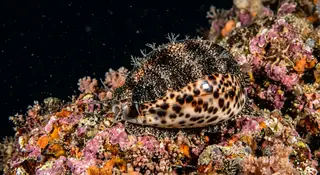
Cowrie
Cowrie
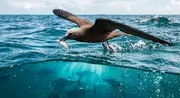
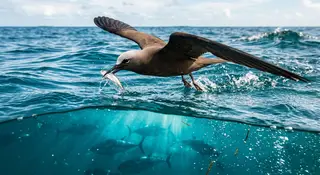
Brown Noddy
Brown Noddy
Bryozoan
Bryozoan
Bullseye
Bullseye
Catshark
Catshark
Clingfish
Clingfish
Cobia
Cobia
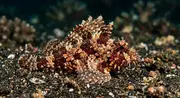
Cockatoo Waspfish
Cockatoo Waspfish
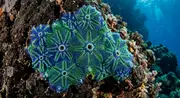
Colonial Ascidian
Colonial Ascidian
Convictfish
Convictfish
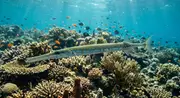
Cornetfish
Cornetfish
Cowfish
Cowfish
Peak Season
Present
Rare/Absent

Richelieu Rock and Hin Daeng: the best dive sites in Thailand

Thailand's most famous dive sites are remote offshore pinnacles and islands in the Andaman Sea, making them ideal for liveaboard trips. Itineraries center on the Similan Islands, known for giant granite boulders and swim-throughs at sites like Elephant Head Rock. Further north, liveaboards reach the legendary Richelieu Rock, an isolated pinnacle famed for its purple soft corals and whale shark sightings, and Koh Bon, a key cleaning station for manta rays.

1
540m / 16131ftBest: November–April8.0451°, 98.5119°

Racha Yai — Bay 3 is a sheltered dive site located on Koh Racha Yai, south of Phuket, Thailand, renowned for its excellent diving conditions. This area is celebrated for its clear turquoise waters, making it a favorite for divers of all levels, including beginners and those undergoing training. The island itself is a popular destination accessible from Phuket, taking about 1.5 hours by larger local dive boats or half that time by speedboat. The topography of Bay 3 predominantly features hard coral reef slopes and a flat, sandy bottom within the bay, which naturally protects it from strong currents. Depths here are generally moderate, making it comfortable for various skill levels to explore the vibrant underwater landscape. Marine life at Bay 3 includes colorful schools of tropical fish and healthy coral gardens, particularly in the shallower zones. While specific seasonal highlights for Bay 3 are not detailed, the Racha Yai region generally offers consistent marine sightings throughout the year. The presence of yellow-lipped sea kraits, various nudibranchs, and spotfin lionfish can be observed, alongside other reef inhabitants. Diving here typically involves easy entries into calm waters, allowing for relaxed exploration of the coral formations and diverse fauna. The site's sheltered nature contributes to excellent visibility, making it a visually rewarding experience for observing the intricate reef life.

Sheltered bay conditionsHard coral reef slopeFlat sandy bottomCalm, clear watersDiverse reef fishYellow-lipped sea kraits
2

Hin Raab

Intermediate
522m / 1672ftBest: October–May8.3564°, 98.6164°

Hin Raab is a prominent dive site located in the eastern Gulf of Thailand, near Koh Chang, offering an exceptional underwater experience with its rich coral biodiversity and thriving marine life. The site is known for having the greatest coral diversity in the Koh Chang area, featuring both hard and soft corals that create a vibrant living tapestry. Underwater, Hin Raab presents a unique topography with two distinct rock formations that break the surface and anchor a complex ecosystem below. Between these formations lies a shallow platform at approximately 5 meters, ideal for safety stops. The terrain also includes low-profile rock formations scattered across a sandy seabed, forming habitat islands for marine creatures, and dramatic canyons that cut through the reef. The marine community here thrives due to relatively low diving pressure, benefiting from nutrient-rich currents. Divers can expect to encounter dense schools of fish, including barracuda, batfish, and yellowback fusiliers, alongside large pufferfish, which are a signature highlight. The site is also known for sightings of blacktip reef sharks, stingrays, and moray eels, making it a dynamic environment for observation. Diving Hin Raab typically involves descending along a mooring line at the northeast corner, following the reef edge westward, and navigating through a canyon to reach the central plateau. This site is considered intermediate due to potential currents and its maximum depth, rewarding divers with authentic Gulf of Thailand reef diving in an uncrowded setting.

Greatest coral diversity in Koh ChangDense fish schoolsBlacktip reef sharksDramatic canyon formationsLarge pufferfishExclusive access site
3

Hin Luk Bat

Intermediate
525m / 1682ftBest: January–April8.7196°, 98.1799°

Hin Luk Bat is a renowned dive site located off the coast of Koh Chang, celebrated for its unique geological formations and abundant marine life. The site is centered around a massive, nearly round rock formation, from which three distinct spires emerge, breaking the surface like natural monuments. These spires are interconnected by a plateau situated at approximately 5 meters deep, creating a complex, labyrinthine underwater landscape with numerous canyons and smaller tunnels waiting to be explored. Descending to around 12 meters along the southern mooring line reveals the site's most iconic feature: a vast, atmospheric sea anemone landscape. These vibrant fields stretch across the formation, which is entirely blanketed in healthy hard corals, fostering a rich ecosystem. The site boasts a high density of fish, with massive schools of snappers and chevron barracudas frequently observed, their synchronized movements forming captivating patterns against the blue. This rich environment supports a diverse array of smaller reef inhabitants, including numerous colorful nudibranchs and pipefish camouflaged among the corals. While accessible and rewarding for divers of all experience levels, including beginners and snorkelers, Hin Luk Bat also offers additional challenges for advanced divers. Southwest of the main formation, a deeper reef lies at about 25 meters, reachable by swimming approximately 50 meters over a sandy bottom. This secondary reef provides a distinct experience, allowing for extended bottom time and encounters with different marine species and structures. The versatility of Hin Luk Bat, combining shallow, intermediate, and deep exploration opportunities, makes it a highlight for photographers and marine life enthusiasts alike, offering unforgettable underwater experiences.

Massive rock formationExtensive sea anemone fieldsDense snapper schoolsChevron barracuda formationsVibrant hard coral coverageUnderwater canyons and tunnelsHidden deep reefColorful nudibranchs
4

Shark Fin Reef

PinnacleIntermediate
1530m / 4998ftBest: November–April8.5600°, 97.6400°

Shark Fin Reef is one of the most iconic and largest dive sites within Thailand's Similan Islands, specifically designated as Similan Is. No. 3. Its name originates from three distinct granite pinnacles that break the surface at low tide, resembling shark fins. This extensive underwater ridge stretches for nearly a kilometer, showcasing some of the most impressive granite formations in the Andaman Sea. Unlike typical coral-dominated reefs, Shark Fin Reef is characterized by enormous granite boulders, dramatic valleys, towering rock structures, and narrow channels. Depths vary significantly, ranging from shallower reef sections down to drop-offs exceeding 30 meters, accommodating diverse dive profiles. This complex and varied terrain ensures that each dive offers new opportunities for exploration, making every experience unique based on the chosen route and prevailing conditions. The site supports a rich array of marine life amidst its rocky habitat and healthy coral growth. Divers can frequently observe schools of snapper, fusiliers, trevally, and barracuda navigating the channels. Whitetip reef sharks are occasionally found resting under ledges, while blacktip reef sharks may patrol the shallower areas. Moray eels, octopus, lionfish, and numerous reef fish species also thrive here, utilizing the rocks and corals for shelter. Healthy hard corals, soft corals, and sea fans add vibrant color, supporting a diverse ecosystem of smaller marine species and creating highly photogenic underwater scenery. Generally, visibility is excellent, often between 20 to 30 meters during the dive season, allowing for clear views of the massive granite formations and marine life in the blue water. Currents at Shark Fin Reef can vary from mild to moderate, depending on tides and weather patterns. Stronger currents, especially around the pinnacles and deeper sections, can create exciting drift diving opportunities and attract larger schools of fish. This site is primarily accessed via

Kilometer-long granite formationsShark-fin shaped pinnaclesDramatic underwater valleysMassive boulders and swim-throughsSchools of snapper and barracudaOccasional reef shark sightingsHealthy soft and hard coralsExcellent visibility (20-30m)

Bucket-list dives worth booking early

A Thailand liveaboard trip is defined by a few iconic experiences in the Andaman Sea. Topping the list is diving Richelieu Rock, a world-famous pinnacle covered in purple soft corals and a magnet for whale sharks between February and April. Another key highlight is navigating the giant granite boulder formations and spectacular swim-throughs of the Similan Islands in crystal-clear water. These encounters combine to create an unforgettable dive adventure.
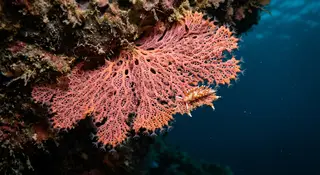
Underwater view of the dive site Richelieu Rock in Thailand
1
February – May

Surin Islands

Dive Thailand's #1 dive site, a horseshoe-shaped pinnacle bursting with soft corals and visited by whale sharks and manta rays during the peak season.

Read more
Underwater view of the dive site Whale Shark Season in Thailand
2
February – April

Similan Islands

Encounter whale sharks at Richelieu Rock and around the Similan Islands during the northeast monsoon season – Thailand's ultimate big animal encounter.

Read more
Underwater view of the dive site Similan Islands Paradise in Thailand
3
November – April

Similan Islands

Explore the granite boulder-strewn underwater landscapes of the Similan Islands National Park, with crystal-clear visibility and pristine hard coral gardens.

Read more

Above water: climate, shore trips and extra costs

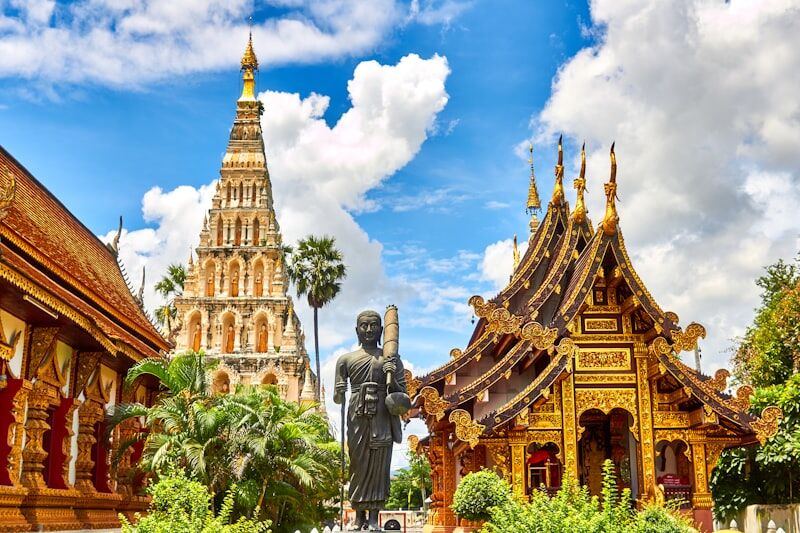
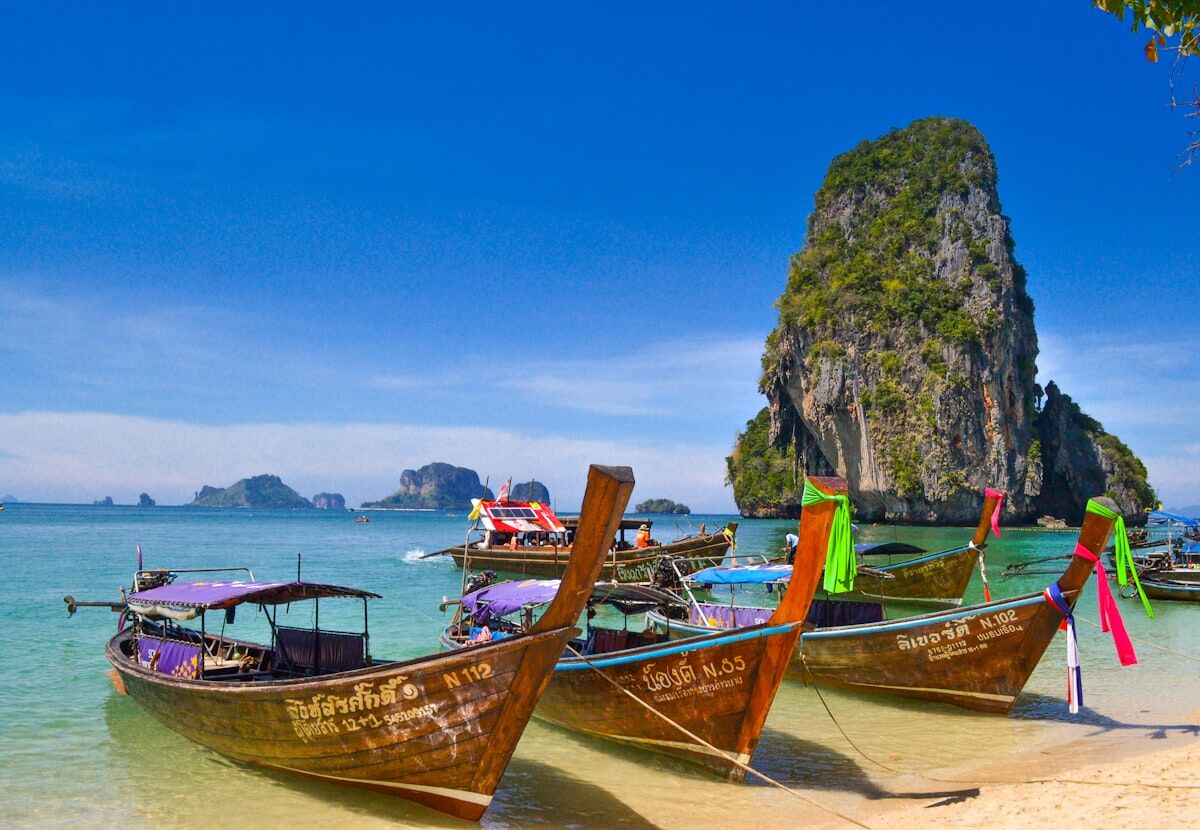
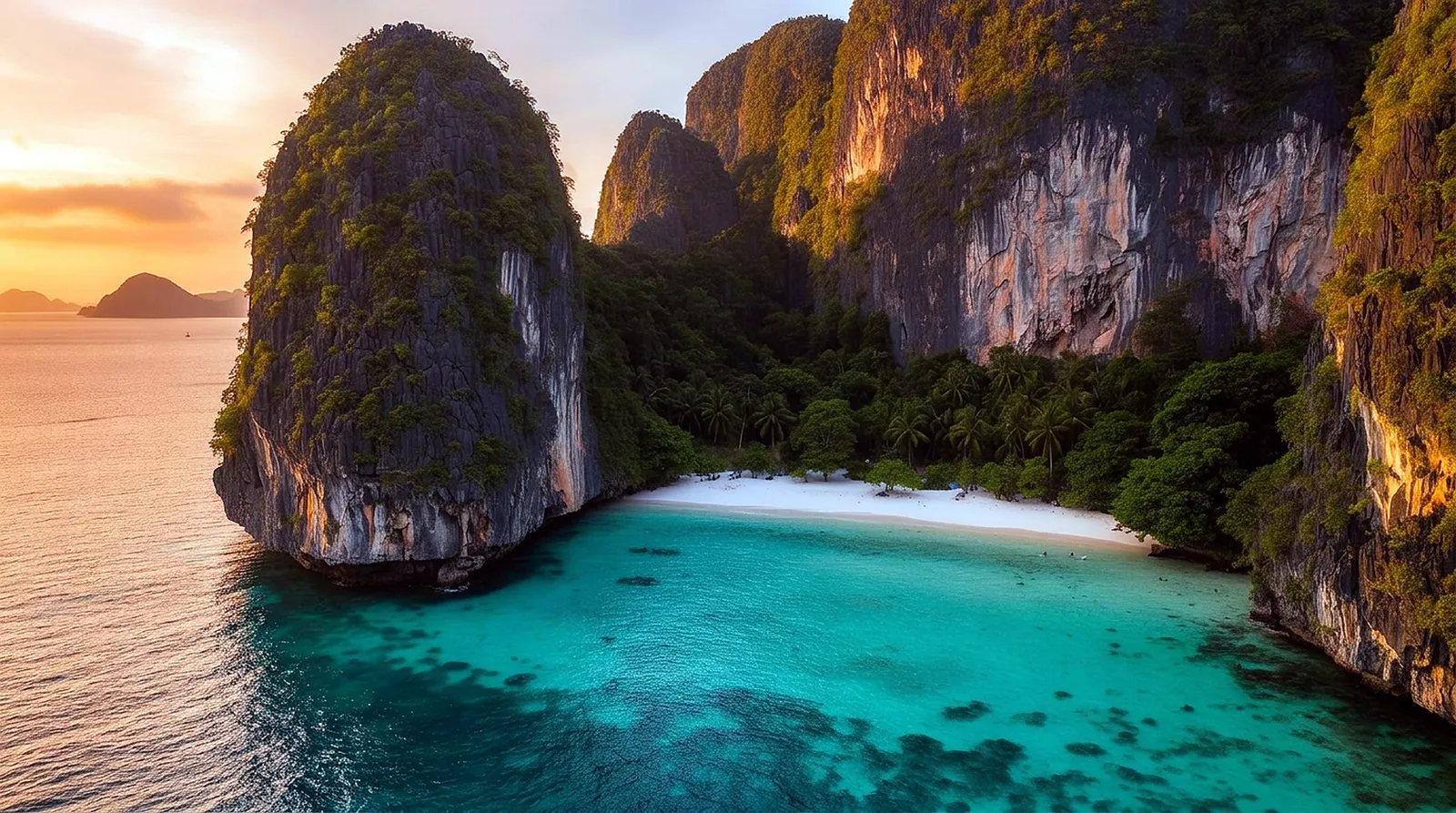
Before or after your liveaboard, Thailand's topside attractions offer incredible variety, especially around the Andaman coast. Near the departure port of Khao Lak, you can visit an ethical elephant sanctuary or explore the ancient rainforests of Khao Sok National Park. Many divers also extend their trip to experience the limestone karsts of Railay Beach, the temples of Bangkok, or take a traditional Thai cooking class.

Bangkok Temple Tour

Bangkok Temple Tour

Explore the magnificent Grand Palace, Wat Pho with its giant reclining Buddha, and Wat Arun across the Chao Phraya River. Bangkok's golden spires and intricate mosaics are unforgettable.

Thai Cooking Class

Thai Cooking Class

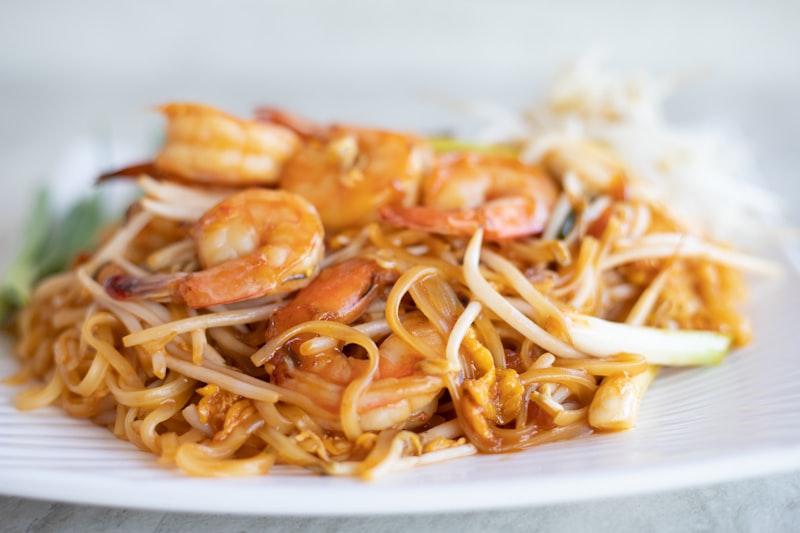
Learn to prepare authentic pad thai, green curry, and mango sticky rice in a hands-on cooking class. Visit a local market to select fresh ingredients before mastering classic Thai recipes.

Khao Sok National Park

Khao Sok National Park

Discover one of the world's oldest rainforests, home to floating bamboo raft houses on Cheow Lan Lake. Spot gibbons, hornbills, and the world's largest flower, Rafflesia, in this pristine jungle.

Koh Phi Phi Island Hopping

Koh Phi Phi Island Hopping

Cruise through the stunning Phi Phi archipelago with towering limestone cliffs, hidden lagoons, and Maya Bay. Snorkel in crystal waters and enjoy beach barbecues on deserted shores.

What a liveaboard in Thailand costs

The calendar below shows how liveaboard prices shift month by month, so you can see exactly when your money goes furthest. We want every diver to get the best possible value, which is why we highlight the seasons that balance great conditions with the fairest rates.

Thailand is one of Asia's best-value liveaboard destinations, offering a wide range of vessels from budget-friendly boats to premium motor yachts. Prices are highly seasonal, peaking between February and April when conditions and whale shark chances are best. Trips during the shoulder months like October, January, and May often provide better value with fewer boats on the water. Keep in mind that Similan Islands National Park fees are typically an additional cost.

$108–$276

per day liveaboard

$30–$80

per 2-tank dive trip

$15–$200

hotel per night

Prices reflect typical costs for mid-range to premium options. Budget alternatives may be available.

Getting to Phuket and Bangkok: flights and transfers

Getting to your Andaman Sea liveaboard is straightforward, with most travelers flying into Phuket International Airport (HKT). From Phuket, it is a roughly 1.5-hour road transfer north to the main departure area of Khao Lak, where most boats leave from Tab Lamu pier. Many nationalities can enter Thailand visa-free for up to 60 days, but be sure to check that your passport has at least six months of validity.

Insider tips

🤿

Koh Tao offers some of the world's cheapest dive certifications — Open Water from $250.

🚢

Similan liveaboards are cheapest in November (season start) and April (season end).

🍽️

Street food meals cost $1–3 throughout Thailand.

🏨

Book accommodation and dives as packages for significant discounts.

📅

Avoid Phuket peak season (Dec–Jan) for lower prices — shoulder months offer the same conditions.

Getting there

Suvarnabhumi Airport

BangkokBKK

Main international hub with worldwide connections

Phuket International Airport

PhuketHKT

Gateway for Andaman Sea diving with direct flights from Europe, Asia, Australia

Koh Samui Airport

Koh SamuiUSM

Gateway for Gulf of Thailand diving, flights from Bangkok, Singapore, Hong Kong

Entry requirements

Visa-free for 60 days for most nationalities. Passport must be valid for 6+ months. Extensions available at immigration offices.

This information is provided without guarantee. Please visit the official website for the latest entry requirements.

Official Immigration Information →

Frequently asked questions about Thailand liveaboards

How much does a Thailand liveaboard cost in 2026?
Thailand offers incredible value, with 2026 liveaboard prices often 30-50% lower than destinations like the Maldives for a similar quality trip. When budgeting, remember to account for marine park fees (around $30 per day, paid on board) and optional crew tips, which are always appreciated.
When is the best time for a liveaboard in Thailand?
The Andaman Sea liveaboard season runs from mid-October to mid-May, as the marine parks are closed for the monsoon the rest of the year. For the calmest seas and the best chance to see manta rays and whale sharks, plan your trip during the peak months of January through April.
Do I need advanced certification for Thailand liveaboards?
Yes, most liveaboards exploring the Similan and Surin Islands require you to be an Advanced Open Water diver. This is because the best sites, like Richelieu Rock, are deeper and can have moderate currents, so operators typically look for divers with at least 30-50 logged dives.
Which port do Thailand liveaboards depart from?
Nearly all liveaboards for the Similan Islands, Surin Islands, and Richelieu Rock depart from the west coast of Thailand. The main departure ports you'll use are in Phuket and Khao Lak, as they offer the most direct access to the Andaman Sea's top dive sites.
What marine life can I see on a Similan Islands liveaboard?
You'll see a huge range of marine life, from vibrant reefs to big pelagics. The area is world-famous for encounters with majestic manta rays at Koh Bon and the chance to spot a whale shark at Richelieu Rock, especially between February and April.
Is liveaboard diving in Thailand safe?
Absolutely. Thailand has a very professional and safety-conscious dive industry with experienced crews. For peace of mind, it's good to know that in the unlikely event of an incident, multiple hyperbaric chamber facilities are available in nearby Phuket.
What should I pack for a Thailand liveaboard trip?
Pack light for the warm, tropical climate! A 3mm wetsuit or shorty is plenty for the 28-30°C water. Don't forget a universal power adapter for your electronics and some Thai Baht (THB) cash for on-board expenses like park fees or your bar tab.

Thailand compared with other liveaboard destinations

Honest, in-depth comparisons to help you decide between destinations, certifications, equipment and dive styles.

Liveaboard vs Land-Based Diving: Which Trip Is Right for You?

Choosing between a liveaboard and a land-based dive trip is the most fundamental decision divers face when planning a serious diving holiday. The right answer depends on your priorities: maximum dive count and access to remote sites favor liveaboards; beach time, family flexibility and lower cost favor land-based resorts. Both formats have evolved significantly in the last decade, and the line between them has blurred — luxury dive resorts now offer multi-day expedition trips, while many liveaboards include topside excursions and even spa days. This guide compares the two formats across every meaningful dimension: cost per day, dives per day, marine life access, comfort, social dynamics, family-friendliness, and travel logistics. We'll also cover the hybrid models (resort + day-charter, or 'safari boat' itineraries) that try to capture the best of both worlds. If you're certified, in love with diving and want to maximize bottom time, a liveaboard is almost always the better choice — you can clock 25+ dives in a week and reach sites no day boat can. If you're traveling with non-divers, prefer land-based comfort, or want flexibility to take days off, a resort wins. We'll get into all the nuances below.

Read comparison

Thailand vs. Philippines: Your Next Liveaboard Destination

Choosing between Thailand and the Philippines for a liveaboard dive trip presents a delightful dilemma for any underwater enthusiast. Both Southeast Asian nations are celebrated for their vibrant marine biodiversity, dramatic underwater topographies, and the allure of exploring remote dive sites aboard a comfortable vessel. However, they offer distinct experiences that cater to different preferences and skill levels. Thailand, particularly its Andaman Sea coast, is renowned for its iconic limestone karsts, healthy coral reefs, and the chance to encounter pelagics like manta rays and whale sharks. Its liveaboard industry is well-established, offering a range of options from budget-friendly to luxury, primarily exploring the Similan and Surin Islands. The diving here is generally accessible, making it a popular choice for divers of all experience levels. The Philippines, an archipelago of over 7,000 islands, boasts an even greater diversity of dive environments, from deep walls and wrecks to macro havens and thresher shark encounters. Its liveaboard routes often venture into more remote areas like Tubbataha Reefs Natural Park, Malapascua, and Apo Reef, promising pristine conditions and unique marine encounters. While some areas are suitable for beginners, many premier sites require more advanced diving skills due to currents and depth. This comparison will help you navigate the nuances and decide which destination best suits your diving aspirations.

Read comparison

Thailand vs. Maldives Liveaboard Diving: Which Paradise Awaits You?

Choosing your next liveaboard adventure means weighing incredible options, and few destinations spark as much debate among divers as Thailand and the Maldives. Both offer world-class underwater experiences, but their unique characteristics cater to different preferences, skill levels, and budgets. Thailand, particularly its Andaman Sea coast, is renowned for its diverse ecosystems, dramatic limestone formations, and a vibrant cultural backdrop. It's a destination that blends thrilling drift dives with opportunities for macro photography and encounters with pelagic giants. The liveaboard scene here is well-established, offering a range of vessels from budget-friendly to luxury. The Maldives, on the other hand, is synonymous with pristine atolls, crystal-clear waters, and a reputation for abundant large marine life, especially manta rays and whale sharks. Its remote island-nation charm and focus on reef and channel diving provide a different kind of allure. Understanding the nuances between these two dive havens is key to selecting the perfect liveaboard trip for you.
Read comparison
Plan your trip

Ready to dive?

Explore our expedition vessels and find your perfect trip to Thailand