About Turtle Rock (Similan)
Turtle Rock is a renowned dive site nestled within the Similan Islands, situated on the western side of Island 8. This location is particularly notable for its distinctive rock formation, which resembles a turtle emerging from the water, and serves as a favored spot for night dives due to its generally calm conditions. The underwater topography encompasses a mix of coral reefs, sandy expanses, and granite boulders. The shallow bay presents abundant healthy coral bommies, ideal for exploration. Towards the west, the site transitions into boulders that descend to a depth of 30 meters. Divers typically begin their descent near a central buoy line, then explore the scattered coral formations and sandy patches, especially during night dives. While the site's name suggests frequent turtle sightings, they are occasionally encountered, particularly sleeping among the shallow boulders at night. Marine life commonly observed includes moray eels, squid, and octopus actively hunting. At deeper sections around 20 meters, you might spot spearing mantis shrimp and Kuhl's stingrays. Many lionfish species are active after dark, with a chance to see the distinctive oscillated dwarf lionfish, and large painted spiny lobsters are found among the shallow rocks. Conditions are usually easy and calm, with clear water in the sheltered bay, making it suitable for beginner divers. It is often the sole night dive offered during a liveaboard trip, with divers instructed to use torches upon surfacing to signal small dive tenders that might be in the area.
Highlights
Turtle-shaped boulder formationsNumerous swim-throughs at 6 metersGarden eels on sandy bottomKuhl’s stingraysSweetlips and snappersLeatherback turtle sightingsMild to moderate currentsDiverse marine life habitat
Season calendar
Best months to dive here
Jan
Feb
Mar
Apr
May
Jun
Jul
Aug
Sep
Oct
Nov
Dec
Excellent
Good
Dive site facts: Turtle Rock (Similan)
- Depth
- 5–30 m
- Current
- Mild to moderate
- Visibility
- 10–30 m
- Water temperature
- 27–30°C
- Entry
- Liveaboard only
- Level
- Beginner to advanced
- Dive type
- Boulder, swim-throughs, reef
- Night dive
- Possible
- Region / port
- Similan Islands, Thailand
- Coordinates
- 8.6500° N, 97.6400° E
Conditions & Currents
Currents at Turtle Rock are generally mild to moderate, typically flowing from north to south. While the site is considered relaxed and suitable for beginners, awareness of the current direction is always beneficial. Visibility is often excellent, ranging from 10 to 30 meters, though occasional 'green monsters' (thermoclines) can briefly reduce both temperature and clarity. Divers should be mindful of conditions when exploring the 6-meter swim-throughs, especially as larger fish may seek shelter there, requiring confident buoyancy control. Surface conditions are usually calm, particularly from January to February, making for comfortable boat entries and exits.
Marine life & sighting chances
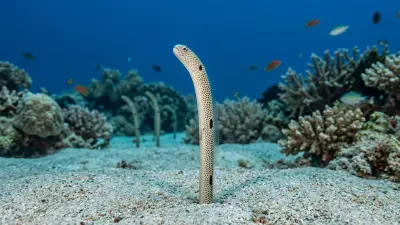
Garden eels
common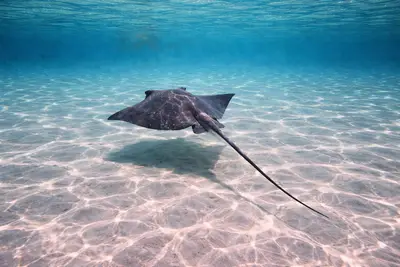
Kuhl’s stingrays
common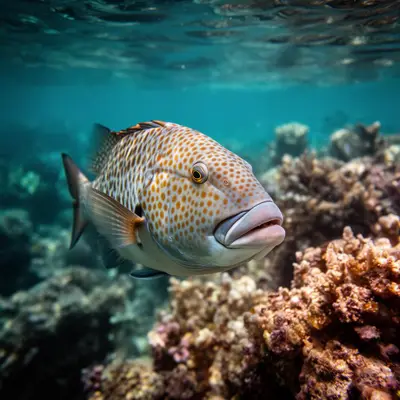
Sweetlips
common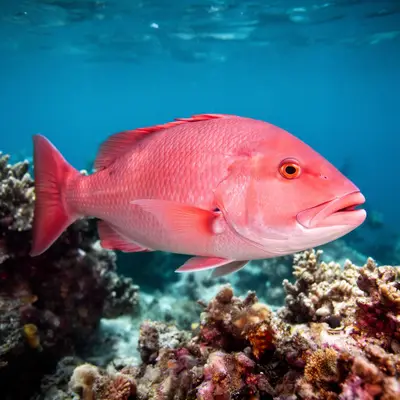
Snappers
common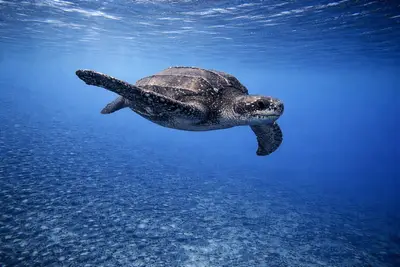
Leatherback turtles
common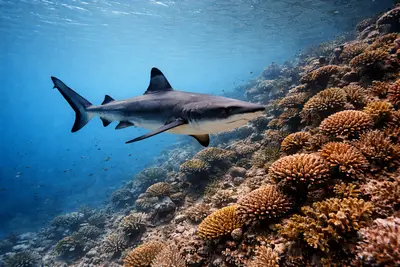
Blacktip reef sharks
common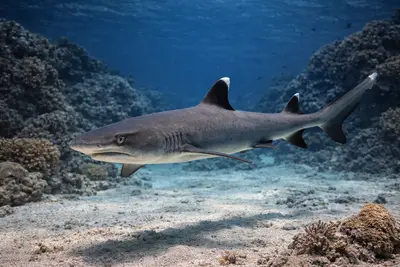
Whitetip reef sharks
common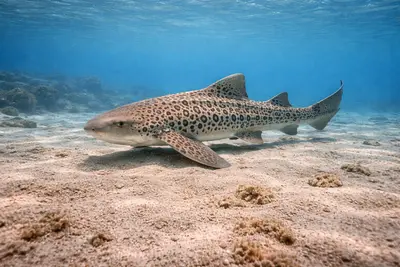
Leopard sharks
common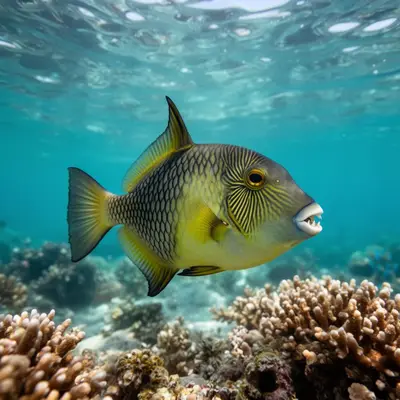
Triggerfish
common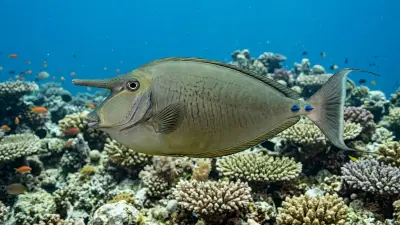
Unicornfish
common
Barracudas
common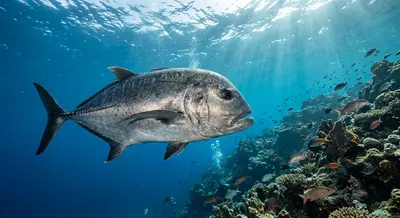
Giant trevallies
common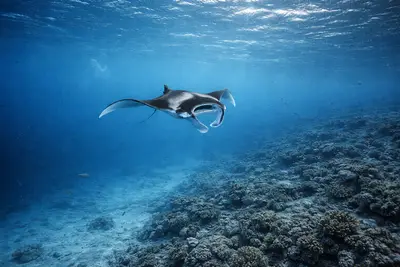
Manta rays
January-April · occasional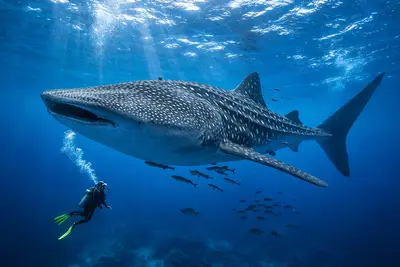
Whale sharks
March-April · occasionalDive profile & how the dive runs
Diving at Turtle Rock typically begins with a descent onto the main boulder formations, which resemble a turtle. Divers then explore the many swim-throughs, most notably those found at a depth of 6 meters, ensuring careful buoyancy for navigation. The dive progresses along the sandy areas where garden eels and Kuhl’s stingrays reside, often keeping the maximum depth around 30 meters. The route allows for close examination of rock crevices where sweetlips and snappers hide. A key highlight is keeping an eye out for leatherback turtles that frequent the site. The dive concludes with a gradual ascent, allowing for a safety stop, often near the shallower rock formations, before returning to the surface.
Underwater photography
Turtle Rock offers excellent opportunities for both wide-angle and macro photography. A wide-angle lens is ideal for capturing the impressive granite boulder formations and the numerous swim-throughs at 6 meters, especially when light streams through openings. For capturing the shy garden eels on the sandy bottom or the Kuhl’s stingrays, a macro lens or close-up filters can be effective. When shooting inside the swim-throughs, external strobes are beneficial for illuminating hidden fish like sweetlips and snappers without disturbing them. Patience and good buoyancy are crucial to avoid silting up the environment and to respectfully photograph resident leatherback turtles.
Combine with nearby dive sites
- Similan Islands — East of Eden
East of Eden is an exquisite dive site nestled within Thailand's Similan Islands, famed for its breathtaking coral formations and abundant…
- Similan Islands — Anita's Reef
Anita's Reef, or Hin Muan Deaw, is a highlight of the Similan Islands National Marine Park, located between Islands #5 and #6.
- Elephant Head Rock
Known for amazing underwater topography and swim-throughs.
- Koh Bon — West Ridge
Famous for manta ray sightings.
- Koh Tachai Pinnacle
Renowned for large pelagics like manta rays and whale sharks.
- Shark Fin Reef
Shark Fin Reef is one of the most iconic and largest dive sites within Thailand's Similan Islands, specifically designated as Similan Is.
Getting there & logistics
Access to Turtle Rock, situated on Similan Island #8, is primarily via liveaboard trips operating out of Khao Lak. The Similan Islands National Park is open annually from October 15th to May 15th. Most liveaboard itineraries range from 3 to 7 nights, often combining dive sites within the Similans with excursions to the Surin Islands, Koh Bon, Koh Tachai, and Richelieu Rock. Travelers typically fly into Phuket International Airport (HKT), from where transfers to Khao Lak are arranged. National park fees are usually included in liveaboard packages, but it's advisable to confirm this with your operator. Planning well in advance is recommended, especially for peak season bookings from March to April.
Safety & environment
Diving at Turtle Rock, while generally relaxed, requires adherence to standard safety practices. The nearest recompression chamber is located in Phuket, necessitating prompt evacuation in case of a serious diving emergency. Dive insurance covering medical emergencies and evacuation is strongly advised for all divers. Site-specific hazards include navigating the swim-throughs, especially the 6-meter passages, where careful buoyancy control and awareness of other divers are essential. Although currents are typically mild to moderate, they can shift, so divers should remain attentive to their dive guide's instructions. Always dive within your certification limits and monitor your air consumption, particularly when exploring deeper sections or intricate rock formations.
Who it suits — and who it doesn't
Suited for
- Beginner divers seeking a relaxed Similan experience
- Experienced divers looking for unique topography
- Photographers interested in wide-angle and macro opportunities
- Divers keen on encountering turtles and reef fish
- Those who enjoy swim-throughs and boulder diving
Less suited for
- Divers exclusively seeking high-current, pelagic-heavy dives
- Individuals uncomfortable with confined spaces (swim-throughs)
- Divers expecting extreme depths beyond 30 meters
- Those with poor buoyancy control (due to swim-throughs)
FAQ
Turtle Rock (Similan) FAQ
What kind of marine life can I expect to see at Turtle Rock?
Turtle Rock is famous for its namesake leatherback turtles, which are frequently spotted. You'll also find abundant garden eels and Kuhl’s stingrays on the sandy bottom, while sweetlips and snappers hide in the rock crevices. The Similan region overall is known for reef sharks, triggerfish, unicornfish, barracudas, and giant trevallies, with occasional sightings of manta rays and whale sharks during peak season.
Are the swim-throughs at Turtle Rock challenging?
The swim-throughs at Turtle Rock, located primarily at 6 meters, are generally considered manageable for experienced divers, though beginners should approach with caution. They can be a bit 'scary' due to large fish hiding within. Good buoyancy control is essential, but the site's overall relaxed nature means they are accessible to many divers with some experience.
What is the typical depth and visibility at Turtle Rock?
The maximum depth at Turtle Rock is 30 meters, with much of the interesting topography and swim-throughs in shallower areas. Visibility is often excellent, ranging from 10 to 30 meters, providing clear views of the rock formations and marine life. Water temperatures generally stay between 27-30°C, though temporary thermoclines can cause slight drops.
How strong are the currents at Turtle Rock?
Currents at Turtle Rock are typically mild to moderate, generally flowing from north to south. This makes it a comfortable dive site, even for those new to current diving, contributing to its reputation as a relaxed location. Your dive guide will always provide briefings on prevailing conditions and suggest how to best navigate the currents.
Is Turtle Rock suitable for beginner divers?
Yes, Turtle Rock is largely considered a very relaxed dive site and is great for beginners, provided they have basic open water certification. While the swim-throughs offer an advanced option, the main reef and sandy areas are calm and rich in marine life. It’s an excellent site for building confidence while exploring unique underwater topography.
Why is it called Turtle Rock?
The dive site gets its name from a distinctive natural formation. Several large granite boulders combine in such a way that they create the recognizable shape of a turtle. This unique geological feature is a highlight of the site and contributes to its charm and identity within the Similan Islands.
Why dive Turtle Rock (Similan) from a liveaboard?
Turtle Rock (Similan) is one of Thailand's signature dive sites. A liveaboard sleeps you on the water and puts you in the water for three to four guided dives per day, including dawn and night dives that day-boat operators rarely offer. You skip the daily commute back to port and reach quieter, less-crowded sites in the same region on a single trip.
Below are the liveaboards that include Turtle Rock (Similan) on their Thailand itineraries.
Liveaboards diving Turtle Rock (Similan)
These liveaboards may visit Turtle Rock (Similan) on selected itineraries — the exact dive sites depend on departure, weather and conditions.
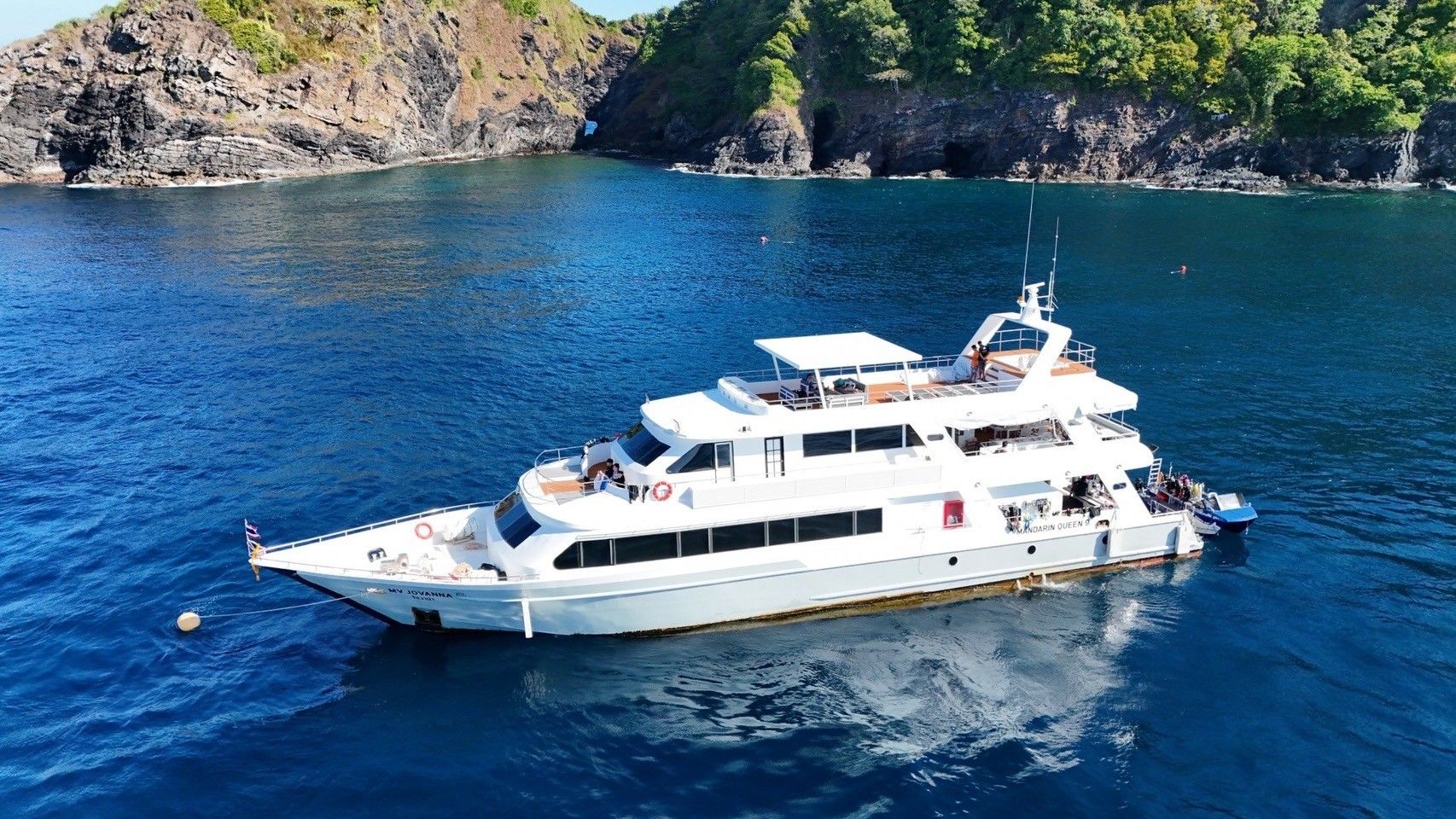
Mandarin Queen 9
Thailand
26 guests37.5 m
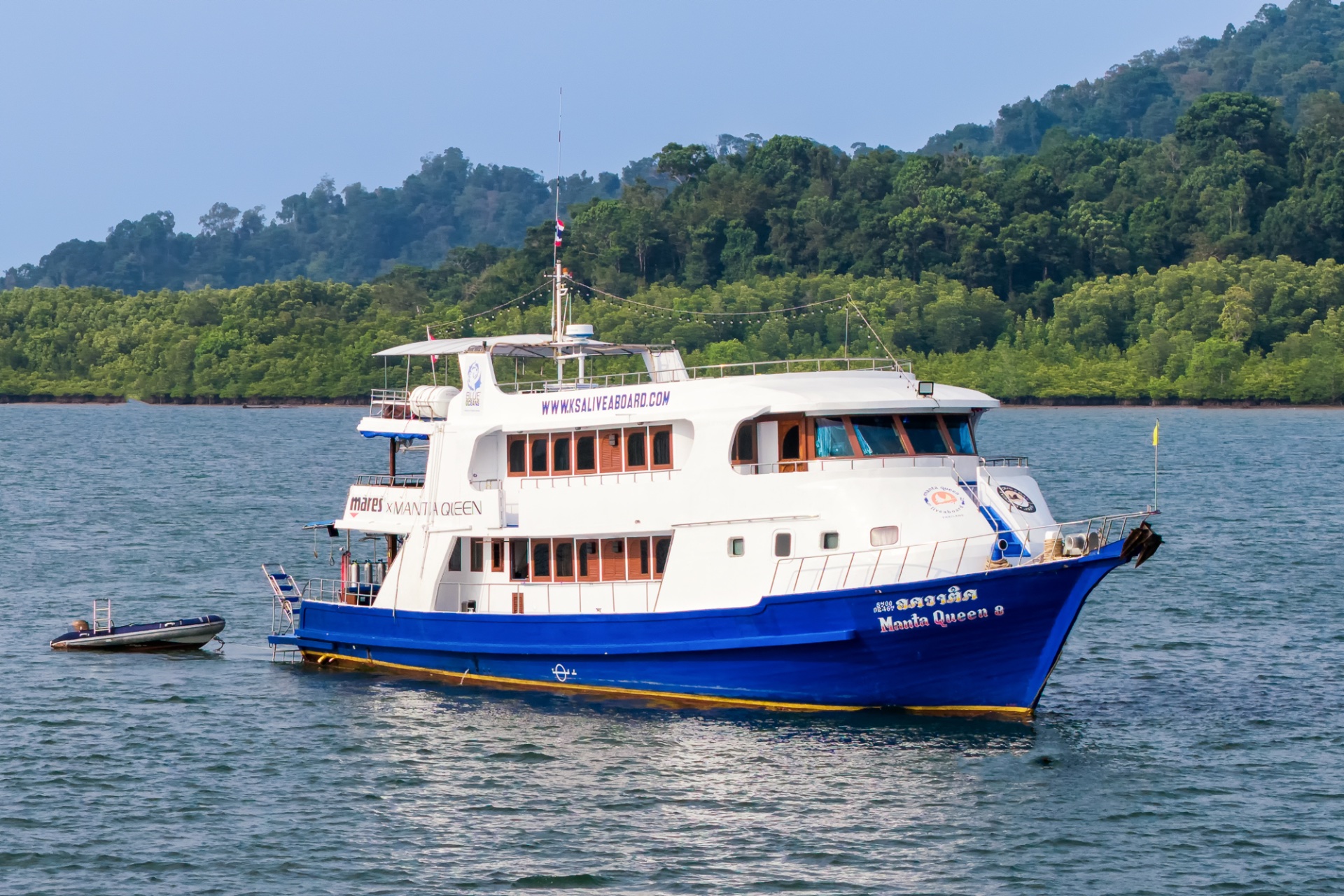
Manta Queen 8
Thailand
24 guests
$127/day
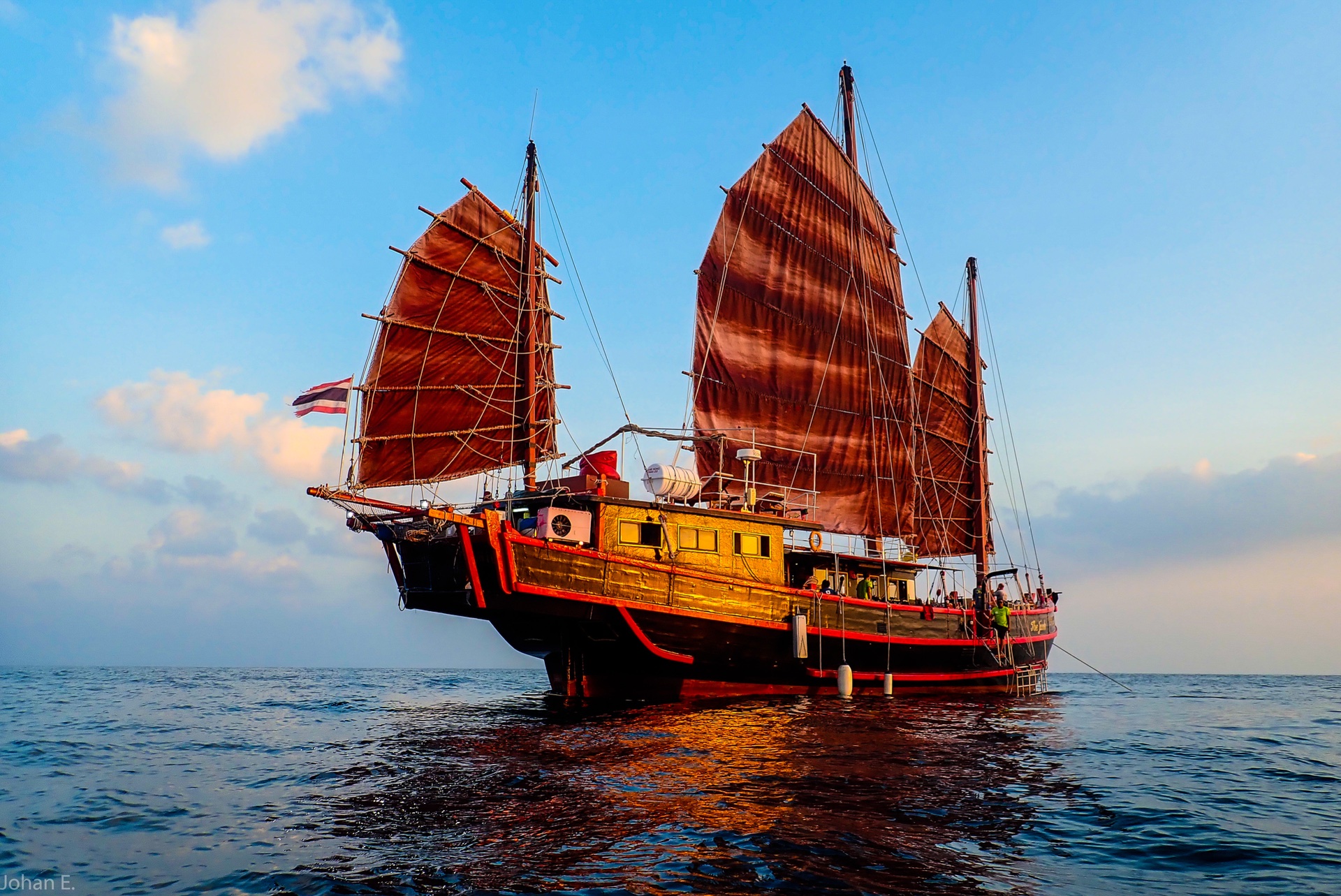
The Junk
Thailand
18 guests33 m
$163/day
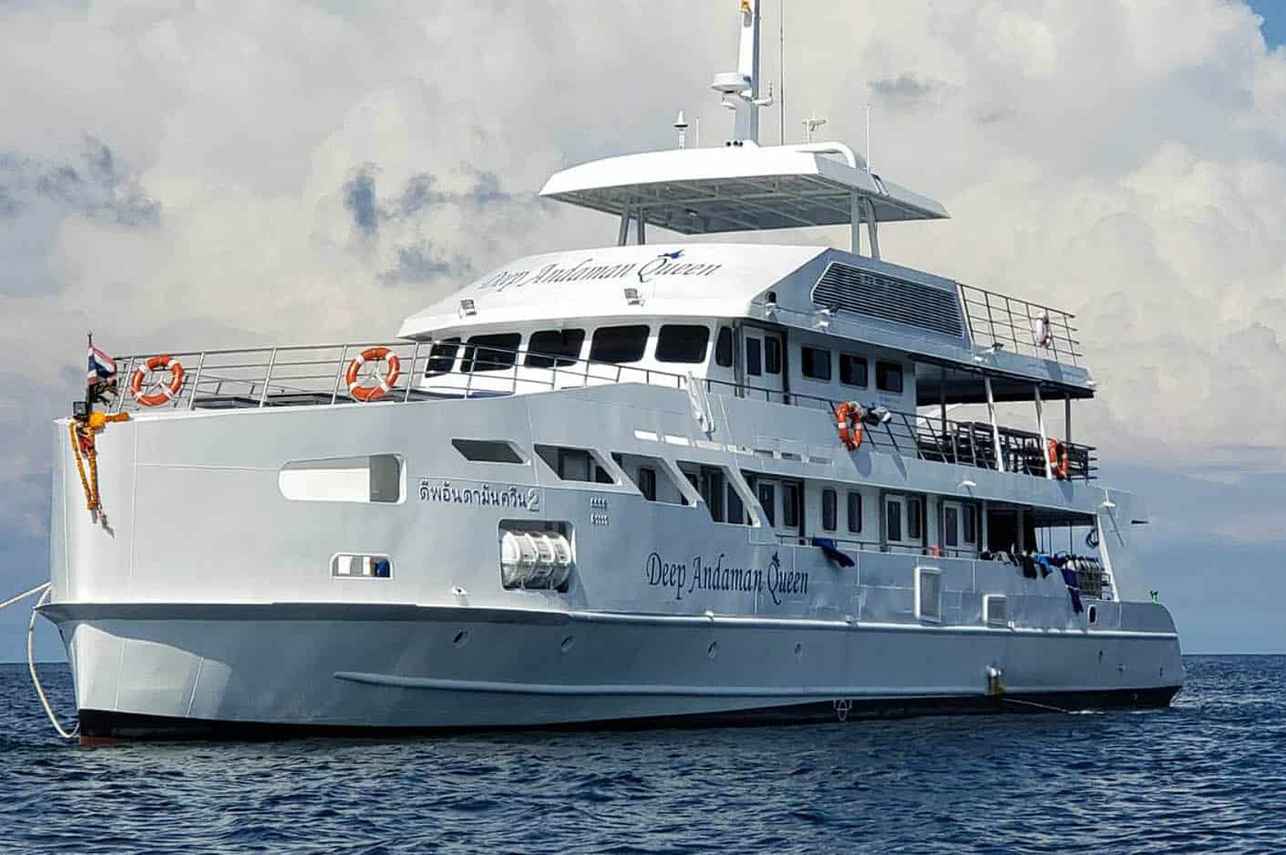
Deep Andaman Queen
Thailand
23 guests30.5 m
$194/day
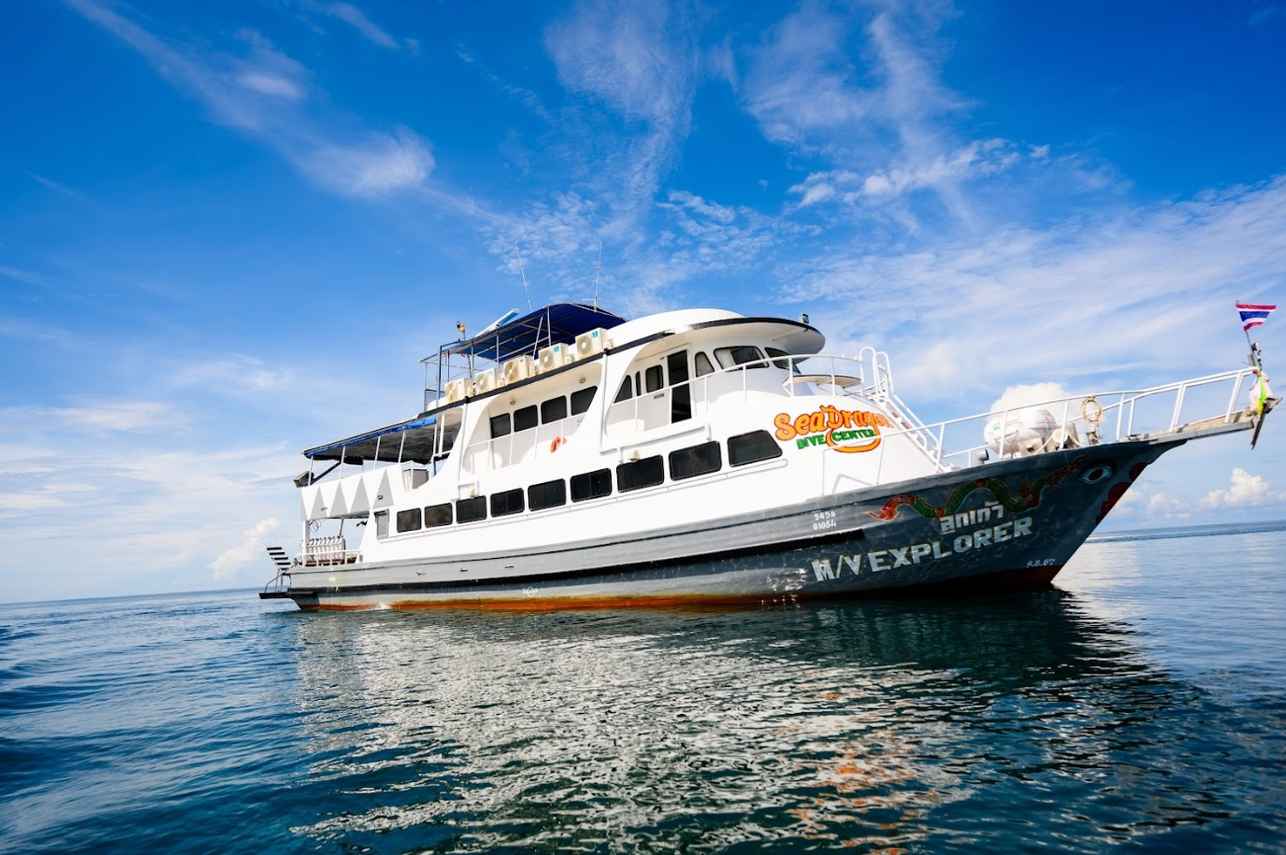
Explorer
Thailand
16 guests25 m
$150/day
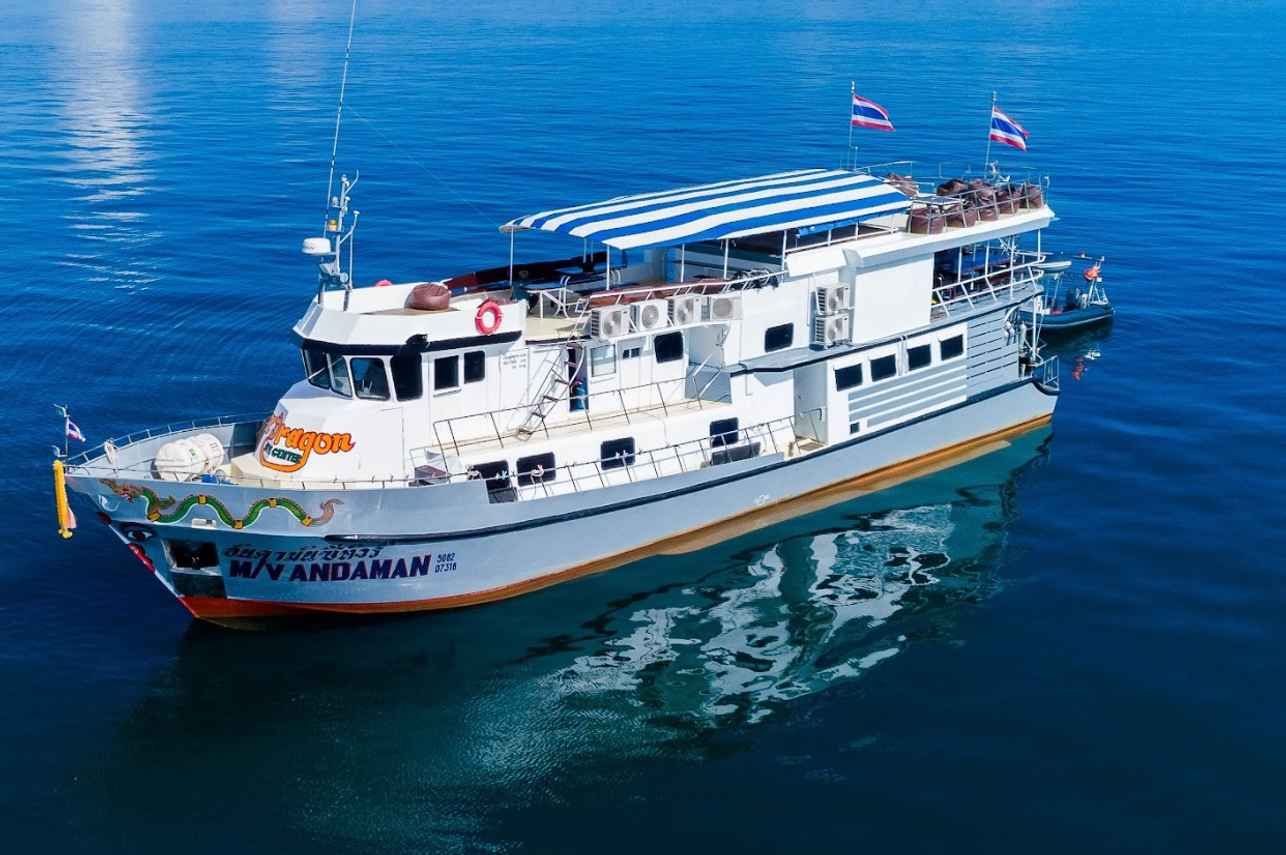
Andaman
Thailand
20 guests26 m
$108/day
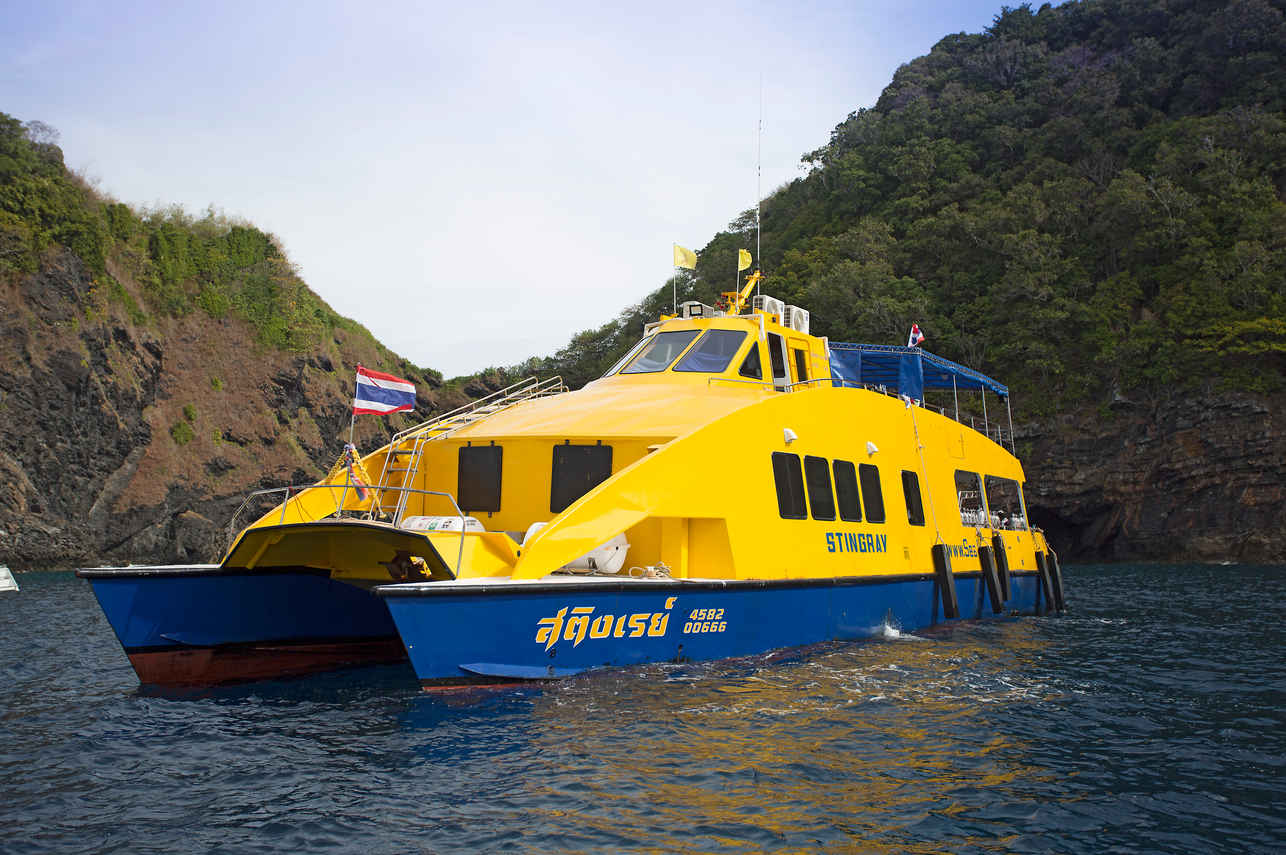
Stingray
Thailand
8 guests24 m
$245/day
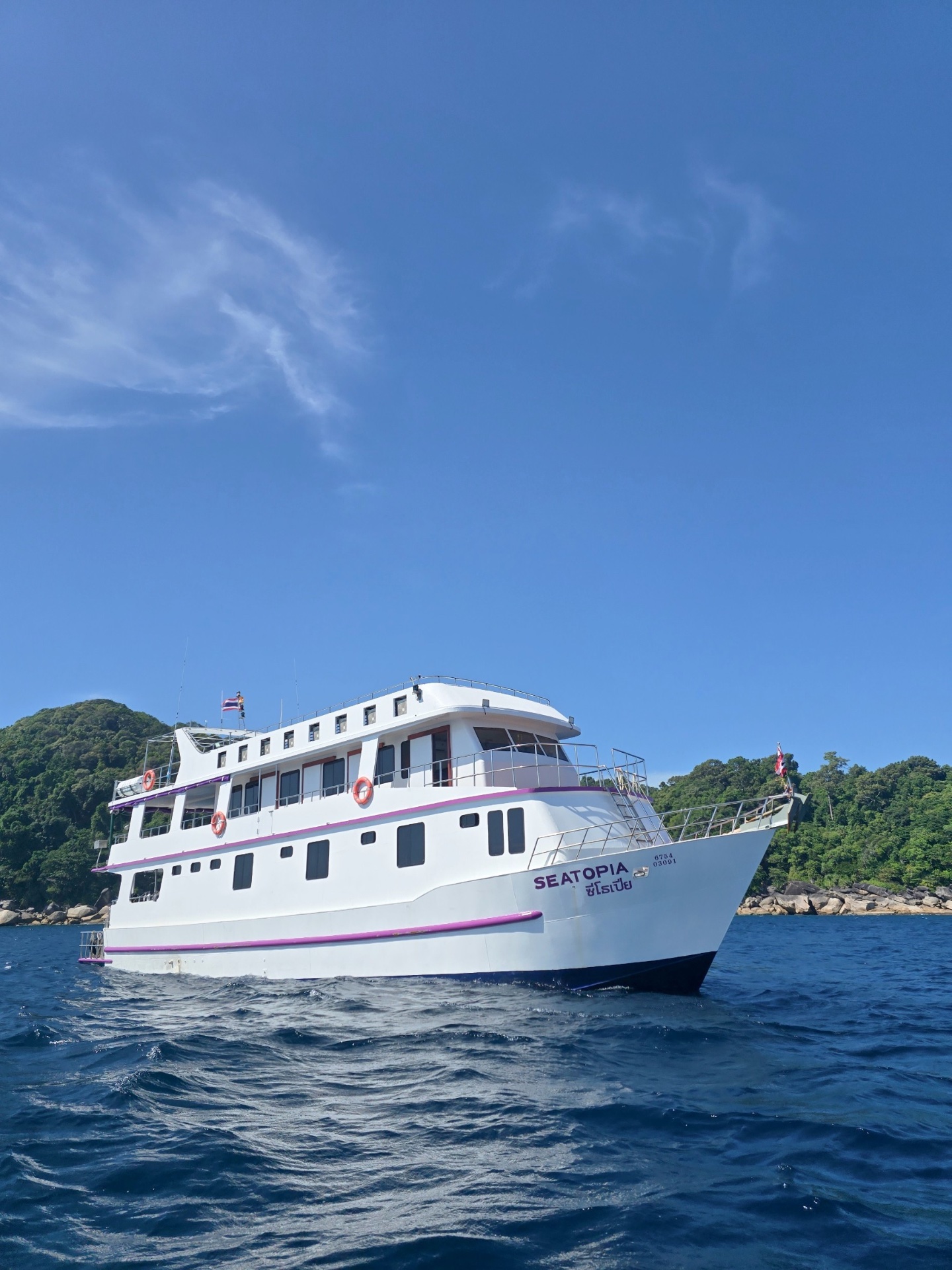
Seatopia
Thailand
24 guests24 m
Dive sites similar to Turtle Rock (Similan)
Same character, same waters — six more sites divers love for the exact same reasons.Compare seasons, access and liveaboard routes — then pick the site that fits your trip best.
Hin Raab is a prominent dive site located in the eastern Gulf of Thailand, near Koh Chang, offering an exceptional underwater experience with its rich coral biodiversity and thriving marine life.
- Suitable for
- Intermediate
- Current
- Moderate
- Access
- Dayboat
- Depth
- 5–22 m
- Theme
- Reef / Pinnacle
© Esri — Maxar, Earthstar, GIS
Koh Haa — Lagoon
Thailand
Koh Haa Lagoon is a picturesque and protected dive site formed by islands #2, #3, and #4 of the Koh Haa archipelago, approximately 1.45 hours by boat from Koh Lanta.
- Suitable for
- Beginner
- Current
- Moderate
- Access
- Liveaboard or dayboat
- Depth
- 2–25 m
- Theme
- Reef / Wall
© Esri — Maxar, Earthstar, GIS
Secret Reef
Thailand
Secret Reef, nestled adjacent to Hin Raab South, is a captivating dive site close to Koh Chang, forming a unified, diverse underwater ecosystem.
- Suitable for
- Beginner
- Current
- Mild
- Access
- Dayboat
- Depth
- 5–12 m
- Theme
- Reef
Koh Taru is a notable dive site located off Koh Lipe, close to Thailand's southern border with Malaysia, within the protected waters of Tarutao National Marine Park.
- Suitable for
- Beginner
- Current
- Mild
- Access
- Dayboat
- Depth
- 5–18 m
- Theme
- Reef / Drift
© Esri — Maxar, Earthstar, GIS
Hin Tai Nam (Blueberry Hill)
Thailand
Hin Tai Nam, often called Blueberry Hill, is a welcoming dive site located near Koh Chang in the eastern Gulf of Thailand.
- Suitable for
- Beginner
- Current
- Mild
- Access
- Dayboat
- Depth
- 5–18 m
- Theme
- Reef