About Hin Raab
Hin Raab is a prominent dive site located in the eastern Gulf of Thailand, near Koh Chang, offering an exceptional underwater experience with its rich coral biodiversity and thriving marine life. The site is known for having the greatest coral diversity in the Koh Chang area, featuring both hard and soft corals that create a vibrant living tapestry. Underwater, Hin Raab presents a unique topography with two distinct rock formations that break the surface and anchor a complex ecosystem below. Between these formations lies a shallow platform at approximately 5 meters, ideal for safety stops. The terrain also includes low-profile rock formations scattered across a sandy seabed, forming habitat islands for marine creatures, and dramatic canyons that cut through the reef. The marine community here thrives due to relatively low diving pressure, benefiting from nutrient-rich currents. Divers can expect to encounter dense schools of fish, including barracuda, batfish, and yellowback fusiliers, alongside large pufferfish, which are a signature highlight. The site is also known for sightings of blacktip reef sharks, stingrays, and moray eels, making it a dynamic environment for observation. Diving Hin Raab typically involves descending along a mooring line at the northeast corner, following the reef edge westward, and navigating through a canyon to reach the central plateau. This site is considered intermediate due to potential currents and its maximum depth, rewarding divers with authentic Gulf of Thailand reef diving in an uncrowded setting.
Highlights
Greatest coral diversity in Koh ChangDense fish schoolsBlacktip reef sharksDramatic canyon formationsLarge pufferfishExclusive access site
Season calendar
Best months to dive here
Jan
Feb
Mar
Apr
May
Jun
Jul
Aug
Sep
Oct
Nov
Dec
Excellent
Good
Off-Season
Nov – Apr (Peak)
Best visibility 25–30m, calm Andaman Sea. Similan & Surin Islands open. Whale sharks and manta rays at Richelieu Rock.
May (Transition)
Similan season opening/closing. Variable conditions, occasional rain. Still good diving at coastal sites.
Jun – Oct (Monsoon)
SW Monsoon brings rough seas. Similan Islands CLOSED. Gulf coast (Koh Tao) still diveable Jun–Sep.
Dive site facts: Hin Raab
- Depth
- 5–22 m
- Typical dive
- 12–15 m (main reef area)
- Current
- None–Moderate
- Visibility
- 10–20 m
- Water temperature
- 29–30°C
- Entry
- Boat / Mooring line descent
- Level
- Open Water Diver, Intermediate
- Dive type
- Reef, Pinnacle, Coral garden
- Night dive
- Possible (in Mu Koh Chang Marine National Park)
- Region / port
- Koh Chang, Gulf of Thailand
- Coordinates
- 8.3564° N, 98.6164° E
Conditions & Currents
Hin Raab is rated as an intermediate dive site, primarily due to the potential for moderate currents. These currents are beneficial, bringing essential nutrients that sustain the reef's high productivity and often increase fish activity, leading to better marine encounters. Surface conditions are generally calm with minimal current reported on many days, though moderate flow can be present, especially during certain periods. Visibility typically ranges from 10 to 20 meters but can vary with Gulf conditions; it is often better during the dry season. Entry is usually via a mooring line descent, and navigation follows distinct underwater topography, including reef edges and canyons. Divers should plan their gas and dive profiles with potential current variations in mind.
Marine life & sighting chances

Blacktip reef shark
common
Barracuda
common
Batfish
common
Yellowback fusilier
common
Large pufferfish
common
Stingray
occasional
Moray eel
occasional
Lionfish
occasional
Boxfish
occasional
Snapper
common
Nudibranch
occasional
Reef shark
occasional
Whale shark
rareDive profile & how the dive runs
Your dive at Hin Raab North begins with a descent along the mooring line, typically located at the northeast corner of the site. Upon reaching depth, you'll follow the vibrant reef edge, generally heading westward, to explore the extensive coral gardens. The maximum depth reached is usually 18 meters, with the main reef area averaging 12-15 meters. A key part of the route involves navigating through a dramatic canyon formation that cuts northeast through the reef. This leads to a central, shallow platform at around 5 meters, which serves as an excellent natural location for your safety stop and can extend bottom time for observation before ascent.
Underwater photography
Hin Raab's exceptional coral diversity and dense fish schools make it a prime location for wide-angle photography. A wide-angle lens will effectively capture the expansive reef scenery, the large formations, and the immense schools of barracuda, batfish, and fusiliers. For close-up shots of the numerous pufferfish, moray eels, or occasional nudibranchs, a macro lens would be beneficial. Strong strobes are recommended to bring out the true colors of the corals and fish in the clear Gulf waters. Pay close attention to buoyancy, especially when navigating through the canyons and over the shallow coral plateau, to avoid disturbing the delicate ecosystem.
Combine with nearby dive sites
Getting there & logistics
Hin Raab is primarily accessed via day boats operating from Koh Chang, Thailand's second-largest island. Divers typically fly into Suvarnabhumi International Airport (BKK) in Bangkok, then transfer to Koh Chang. Chang Diving Center, located at Klong Prao Beach, offers exclusive access to Hin Raab North during the high season. Trips often combine Hin Raab with other local sites like Secret Reef or other pinnacles. Diving is conducted within the Mu Koh Chang Marine National Park, which protects 52 islands and ensures well-preserved marine life. Trip lengths vary, but day trips usually include multiple dives. While no specific permits or fees are mentioned for Hin Raab, diving in national parks typically incurs a small park entry fee.
Safety & environment
For dive emergencies around Hin Raab, the nearest recompression chamber is generally in Bangkok, necessitating a rapid and organized evacuation, usually involving boat transport followed by air transfer. Divers should always carry comprehensive dive insurance that covers emergency medical treatment and evacuation. Site-specific hazards include potential moderate currents, which require divers to have good buoyancy control and proper dive planning, including gas management. Divers must follow their guide's instructions, maintain a safe distance from marine life, and avoid touching corals to protect this highly diverse ecosystem. The site is suitable for Open Water certified divers but intermediate experience is recommended, especially for navigating currents.
Who it suits, and who it doesn't
Suited for
- Open Water certified divers (minimum)
- Divers seeking high coral diversity
- Fish identification enthusiasts
- Underwater photographers (wide-angle and macro)
- Intermediate divers comfortable with currents
Less suited for
- Absolute beginners without supervision
- Divers uncomfortable with potential currents
- Those expecting dramatic vertical walls (more low-profile reefs)
FAQ
Hin Raab FAQ
What kind of marine life can I expect to see at Hin Raab?
Hin Raab is teeming with life, featuring dense schools of barracuda, batfish, and yellowback fusiliers. You'll often encounter large pufferfish, which are a site highlight, and occasionally spot blacktip reef sharks, stingrays, and moray eels. The site's rich coral gardens also host a variety of smaller reef fish and macro creatures.
What is the topography like at Hin Raab?
The underwater topography at Hin Raab is quite diverse. It features two prominent rock formations that break the surface, forming the anchors of the reef. Below, you'll explore low-profile rocky formations on a sandy seabed, dramatic canyons that cut through the reef, and a shallow central plateau at 5 meters perfect for safety stops.
Is Hin Raab suitable for beginner divers?
Hin Raab is generally recommended for Open Water certified divers and is considered an intermediate site. While the main reef area is at a manageable depth of 12-15 meters, the potential for moderate currents means that some current experience or good buoyancy control is beneficial. Beginners can dive here with proper supervision and guidance from experienced dive centers.
What are the typical diving conditions at Hin Raab?
Conditions at Hin Raab usually offer clear water with visibility ranging from 10 to 20 meters, especially during the dry season. Water temperatures are consistently warm, around 29-30°C. While surface conditions are often calm, moderate currents can be present, which enhance marine life activity but require divers to be attentive.
Which dive operators offer trips to Hin Raab?
Hin Raab North is considered an exclusive dive site, with Chang Diving Center being a primary operator offering access, particularly during the high season when their boat is moored at Klong Prao Beach. Other dive centers in the Koh Chang area may also offer trips, as the site is part of the broader diving portfolio around the island.
Why dive Hin Raab from a liveaboard?
Hin Raab is one of Thailand's signature dive sites. A liveaboard sleeps you on the water and puts you in the water for three to four guided dives per day, including dawn and night dives that day-boat operators rarely offer. You skip the daily commute back to port and reach quieter, less-crowded sites in the same region on a single trip.
Below are the liveaboards that include Hin Raab on their Thailand itineraries.
Liveaboards diving Hin Raab
These liveaboards may visit Hin Raab on selected itineraries, the exact dive sites depend on departure, weather and conditions.
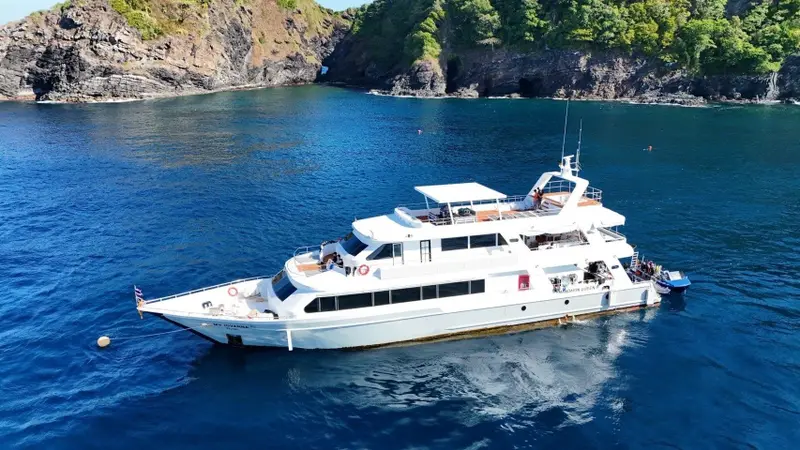
Mandarin Queen 9
Thailand
26 guests38 m
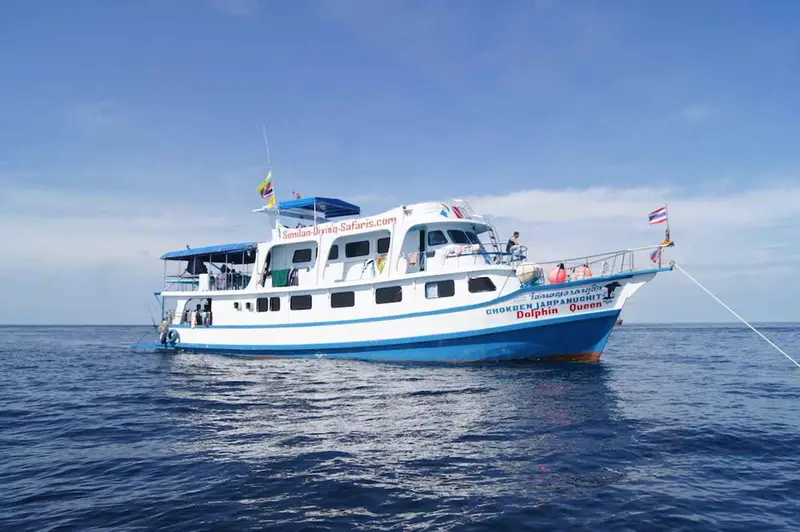
Dolphin Queen
Thailand
20 guests24 m
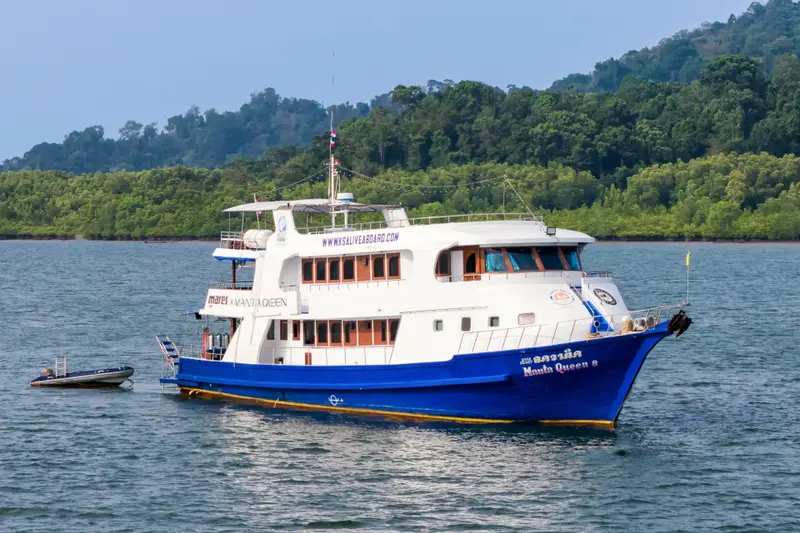
Manta Queen 8
Thailand
24 guests
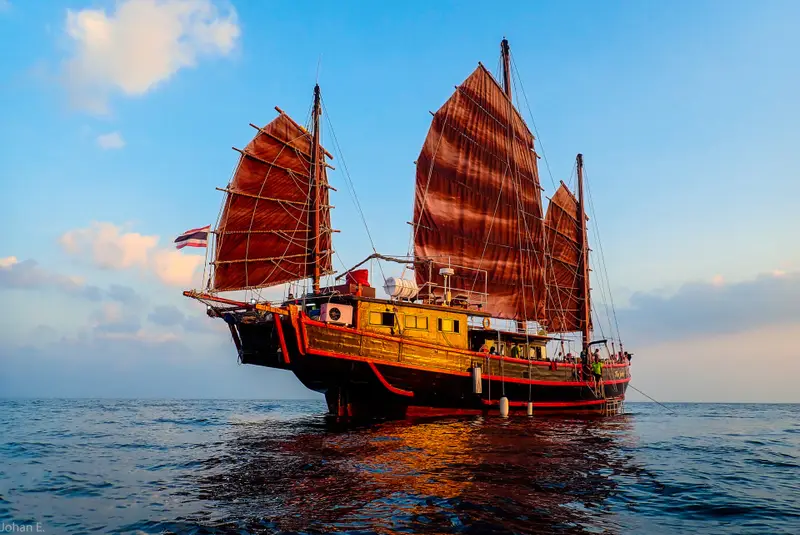
The Junk
Thailand
18 guests33 m
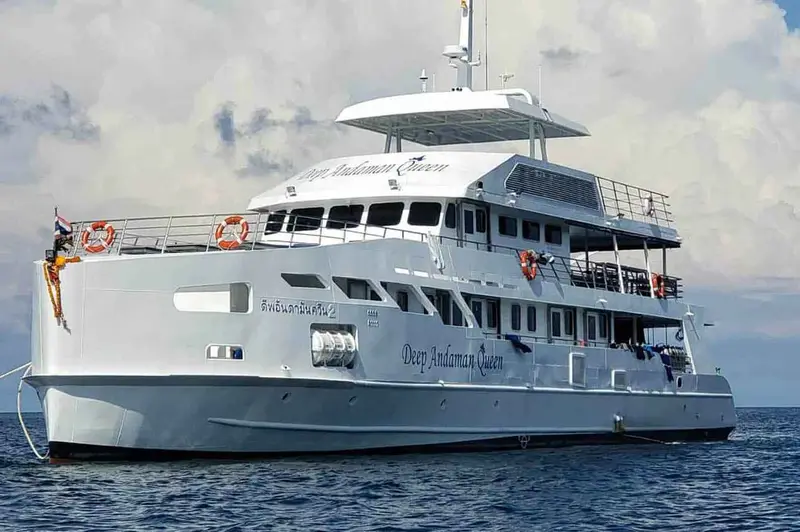
Deep Andaman Queen
Thailand
23 guests31 m
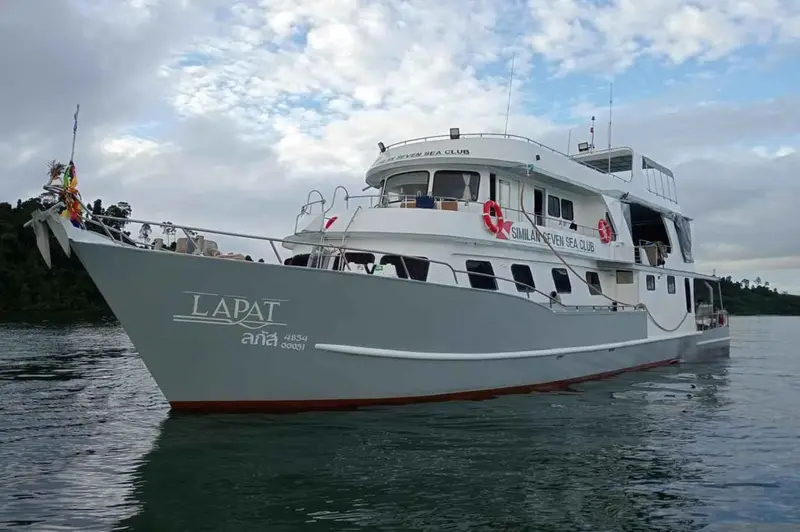
Lapat
Thailand
16 guests24 m
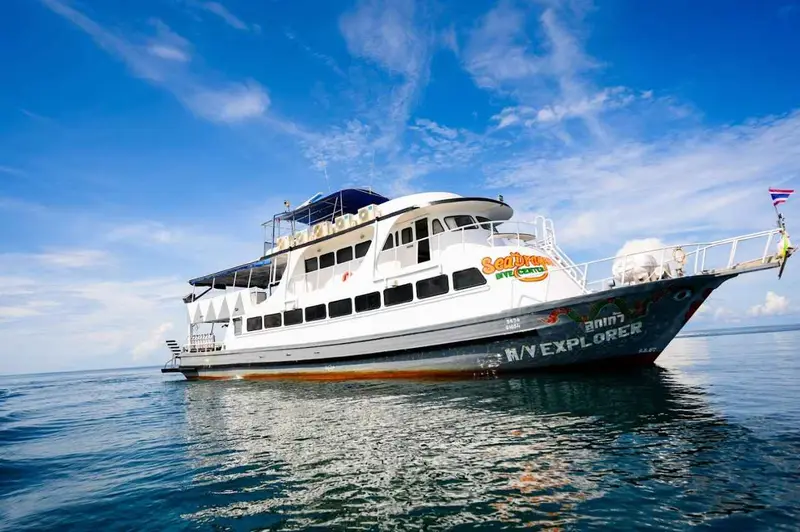
Explorer
Thailand
16 guests25 m
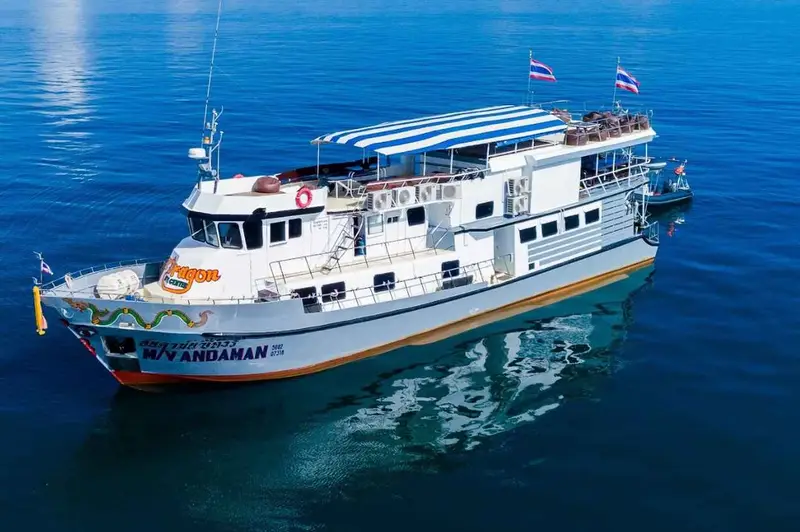
Andaman
Thailand
20 guests26 m
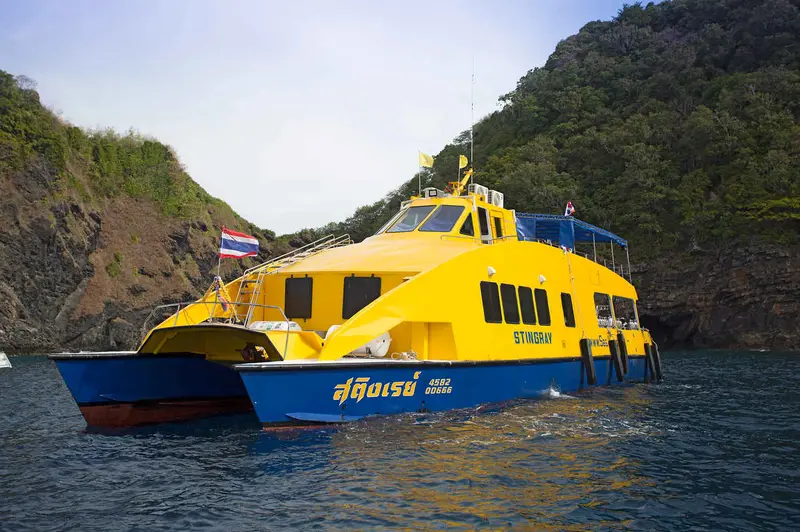
Stingray
Thailand
8 guests24 m
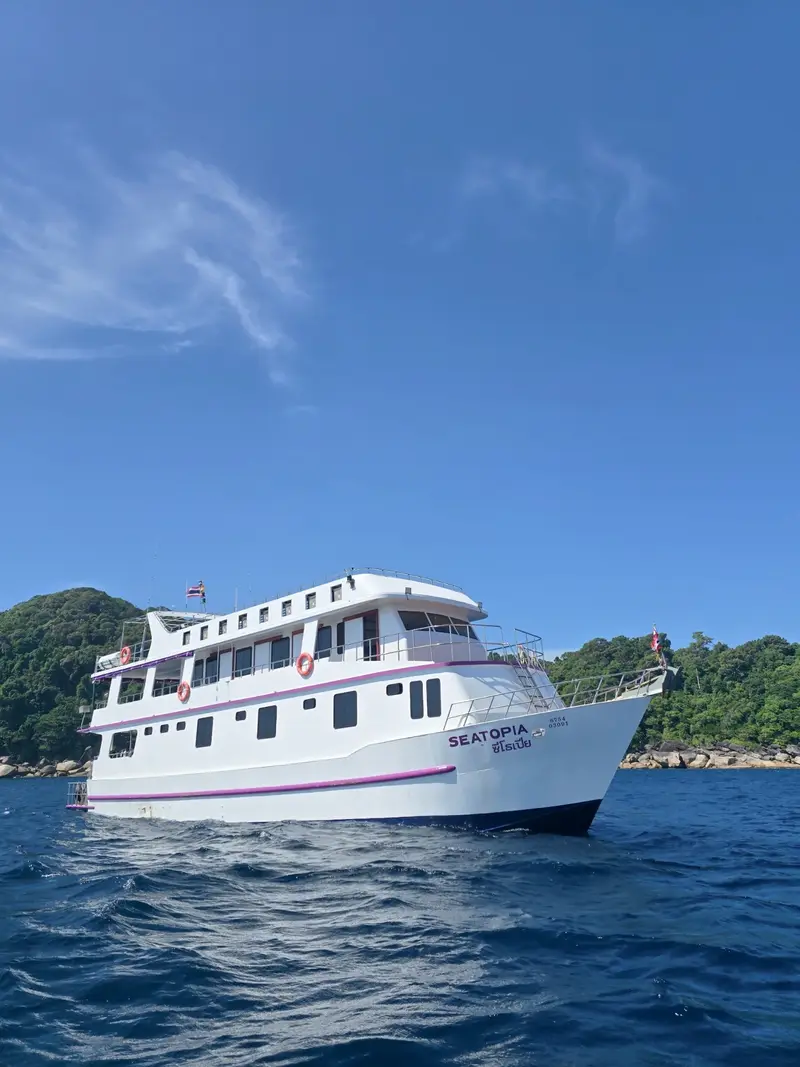
Seatopia
Thailand
24 guests24 m
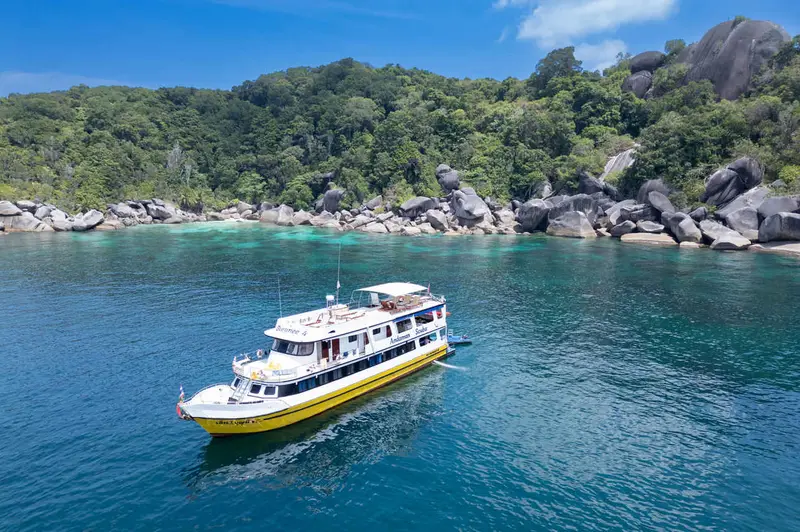
Bunmee 4
Thailand
20 guests29 m
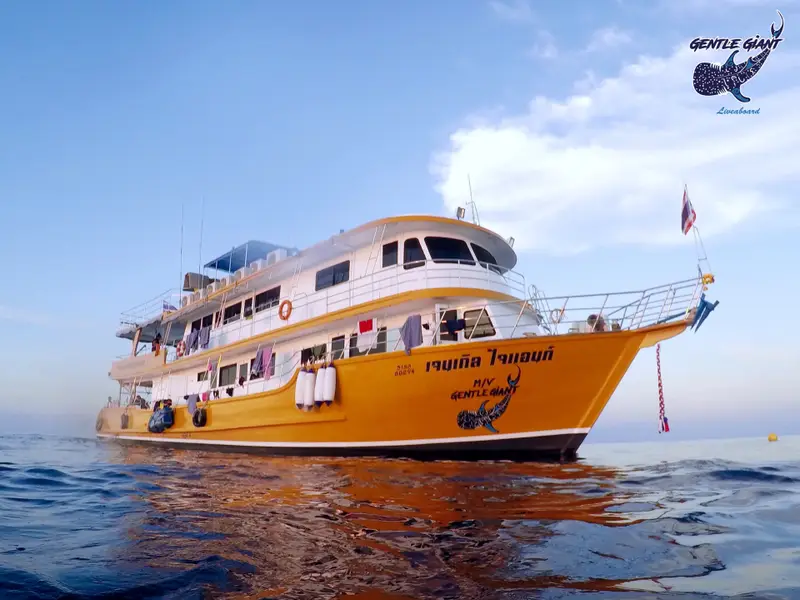
Gentle Giant
Thailand
20 guests27 m
Dive sites similar to Hin Raab
Same character, same waters, six more sites divers love for the exact same reasons.Compare seasons, access and liveaboard routes, then pick the site that fits your trip best.
© EsriMaxar, Earthstar, GIS
Anemone Reef
Thailand
Anemone Reef, locally known as "Hin Jom" or "submerged rock," is a significant limestone pinnacle entirely hidden beneath the Andaman Sea's surface.
- Suitable for
- Intermediate
- Current
- Ripping
- Access
- Liveaboard or dayboat
- Depth
- 5–26 m
- Theme
- Pinnacle / Wall
© EsriMaxar, Earthstar, GIS
Ang Thong, Wao Island
Thailand
Wao Island, nestled within the picturesque Ang Thong National Marine Park, is a captivating dive site characterized by its dramatic limestone formations and intricate underwater landscape.
- Suitable for
- Beginner
- Current
- Strong
- Access
- Liveaboard or dayboat
- Depth
- 3–20 m
- Theme
- Cave & cavern / Reef
© EsriMaxar, Earthstar, GIS
Beacon Reef
Thailand
Beacon Reef, sometimes referred to as Beacon Bay or Beacon Point, is a cherished dive site within Thailand's Similan Islands National Park.
- Suitable for
- Beginner
- Current
- Moderate
- Access
- Liveaboard or dayboat
- Depth
- 5–25 m
- Theme
- Reef / Wreck
© EsriMaxar, Earthstar, GIS
Breakfast Bend
Thailand
Breakfast Bend, also known as Three Trees, is a highly regarded dive site located along the eastern side of Similan Island No. 9, Koh Bangu.
- Suitable for
- Beginner
- Current
- Strong
- Access
- Liveaboard or dayboat
- Depth
- 5–25 m
- Theme
- Reef
© EsriMaxar, Earthstar, GIS
Christmas Point
Thailand
Christmas Point, located on Similan Island number 9 (Koh Ba-Ngu), stands out as one of the Similan Islands' most iconic dive sites.
- Suitable for
- Intermediate
- Current
- Strong
- Access
- Liveaboard or dayboat
- Depth
- 2–40 m
- Theme
- Pinnacle
© EsriMaxar, Earthstar, GIS
Chumphon Pinnacle
Thailand
Chumphon Pinnacle is a renowned deep dive site situated approximately 12 kilometers northwest of Koh Tao in the Gulf of Thailand.
- Suitable for
- Intermediate
- Current
- Strong
- Access
- Liveaboard or dayboat
- Depth
- 12–36 m
- Theme
- Pinnacle