About Breakfast Bend
Breakfast Bend, also known as Three Trees, is a highly regarded dive site located along the eastern side of Similan Island No. 9, Koh Bangu. Its name originates from the early days of Similan diving when it was commonly explored during breakfast hours. The site is characterized by a distinctive landmark on the island's cliff: three exceptionally tall trees that stand out among the jungle. The underwater topography consists of a sandy slope beginning at approximately 8 meters and descending beyond 20 meters. This slope is adorned with numerous rocky outcrops and coral bommies, creating a thriving habitat. The reef boasts excellent health, featuring extensive patches of staghorn coral interspersed with vibrant soft corals in shades of blue, yellow, pink, and purple. The northern section of the reef is home to a magnificent and unique whip coral garden, providing an almost otherworldly diving experience. Marine life at Breakfast Bend is abundant, with countless reef fish inhabiting the area. During sunset dives, trevallies are frequently observed hunting along the reef. The sandy bottom often reveals stingrays and garden eels. Lucky divers may encounter an enormous school of Forster’s barracudas, often forming a spectacular whirlpool, creating a breathtaking underwater spectacle. The site also hosts resident Napoleon wrasses, and leopard sharks and whitetip reef sharks are occasionally sighted. Visibility here is typically very good, often ranging from 20 to 40 meters, though it can vary between 10 and 30 meters. Currents are generally medium, making the site suitable for a range of diver experience levels. Entry is typically a boat dive, and the site is a popular choice for reef diving within the Similan Islands.
Highlights
Extensive coral gardensGiant whip coral gardenForster's barracuda schoolsResident Napoleon wrasseLeopard sharks and stingraysDiverse reef fish
Season calendar
Best months to dive here
Jan
Feb
Mar
Apr
May
Jun
Jul
Aug
Sep
Oct
Nov
Dec
Excellent
Good
Off-Season
Nov – Apr (Peak)
Best visibility 25–30m, calm Andaman Sea. Similan & Surin Islands open. Whale sharks and manta rays at Richelieu Rock.
May (Transition)
Similan season opening/closing. Variable conditions, occasional rain. Still good diving at coastal sites.
Jun – Oct (Monsoon)
SW Monsoon brings rough seas. Similan Islands CLOSED. Gulf coast (Koh Tao) still diveable Jun–Sep.
Dive site facts: Breakfast Bend
- Depth
- 5–35 m
- Typical dive
- 8–20+ m
- Current
- None to strong, typically medium
- Visibility
- 10–40 m
- Water temperature
- 27–30°C
- Entry
- Boat dive
- Level
- Beginner to Intermediate, AOW recommended
- Dive type
- Reef, boulder, coral slope
- Night dive
- Possible (best for sunset)
- Region / port
- Similan Islands, Andaman Sea
- Coordinates
- 8.683, 97.657
Conditions & Currents
Currents at Breakfast Bend are typically rated as medium, making it a site accessible to various diver certifications. However, current strength can vary from none to strong depending on tidal conditions, requiring divers to consult with their captain and guide for daily briefings. Visibility can reach up to 40 meters during optimal conditions but may drop to 10 meters at other times. Divers should plan conservatively around the 5-25 meter reference depth, staying within their certification limits. Entry and exit procedures for this boat dive must be confirmed beforehand, and divers should adjust their route and depth based on local guide judgment to ensure safety and enjoyment.
Marine life & sighting chances

Staghorn coral
commonWhip corals
common
Forster’s Barracudas
occasional
Stingrays
occasional
Garden Eels
common
Napoleon Wrasses
occasional
Leopard sharks
occasional
Whitetip reef sharks
occasional
Reef fish
common
Potato Groupers
occasional
Ghost pipefish
rareDive profile & how the dive runs
Your dive at Breakfast Bend typically begins with a boat entry along the eastern side of Similan Island No. 9. You will descend onto a sandy slope, which starts around 8 meters and gently deepens, offering a comfortable progression. The route often involves exploring the vibrant coral gardens, including large patches of staghorn and colorful soft corals. As you continue, you'll encounter numerous rocky outcrops and coral bommies teeming with reef fish. A highlight is often the northern section of the reef, home to a unique whip coral garden. Divers will turn to follow the reef contour, allowing ample time to observe the sandy bottom for garden eels and stingrays. Safety stops are conducted in the shallower sections of the reef, typically between 5-6 meters, before ascending back to the boat.
Underwater photography
Breakfast Bend offers excellent opportunities for wide-angle photography, especially to capture the extensive coral gardens, massive whip coral formations, and dramatic schools of barracudas if you're lucky. A wide-angle lens will best convey the grandeur of the reef structure and the dense hard and soft coral coverage. For smaller subjects like garden eels, stingrays, or individual reef fish, a macro lens can be effective, particularly in the shallower areas or on the sandy patches. Good buoyancy control is crucial to avoid damaging the delicate corals and to get clear shots. Given the often excellent visibility, natural light can be sufficient for some shots, but strobes will enhance color and detail, especially in deeper sections or when photographing subjects under overhangs. Respect marine life by maintaining a safe distance and avoiding any disturbance to capture authentic behaviors.
Combine with nearby dive sites
- Anita’s Reef
East coast of Similan Island No. 5, known for coral bommies and a gentle sandy slope.
- Barracuda Point
Similan dive site known for reef diving and macro photography.
- Beacon Reef
Another Similan dive site suitable for reef diving.
- Elephant Head Rock
Famous for dramatic swim-throughs and tunnels.
- Christmas Point
Typifies the boulder-strewn landscapes of the Similan archipelago.
Getting there & logistics
Diving at Breakfast Bend is typically part of a liveaboard trip originating from Khao Lak, approximately 70 km west of the Similan Islands. The nearest major international airport is Phuket International Airport (HKT), from which transfers to Khao Lak are readily available. Liveaboard itineraries to the Similan Islands, often lasting 4D/4N or 6D/6N, commonly include this site. The Similan and Surin Marine National Parks are open for diving from October 15th to May 15th each year, closing during the monsoon season to allow for ecosystem recovery. Divers can expect park fees as part of their liveaboard package. This site is frequently combined with other Similan Islands dive locations and sometimes with more northerly sites like Koh Bon and Richelieu Rock, depending on the trip length.
Safety & environment
For diving at Breakfast Bend, it is crucial to plan conservatively within your certification limits, especially given the maximum depth of 35 meters and average depth of 15 meters. While currents are generally medium, they can vary significantly, necessitating strict adherence to daily briefings from your captain and dive guide. Always verify entry, exit, and emergency procedures before each boat dive. The nearest recompression chamber is located in Phuket, highlighting the importance of dive insurance that covers emergency medical evacuation and treatment. Divers should maintain excellent buoyancy control to avoid damaging the healthy coral reefs and should never touch marine life. This site is suitable for Advanced Open Water (AOW) divers due to potential currents and depths, and experience with drift diving is beneficial.
Who it suits, and who it doesn't
Suited for
- Advanced Open Water (AOW) divers
- Divers comfortable with medium currents
- Underwater photographers seeking coral and diverse marine life
- Liveaboard enthusiasts
- Divers seeking vibrant reef ecosystems
Less suited for
- Open Water (OW) divers without significant experience
- Divers uncomfortable with potential drift dives
- Individuals seeking only large pelagic encounters
- Those who prefer shore diving
FAQ
Breakfast Bend FAQ
Is Breakfast Bend suitable for beginner divers?
Breakfast Bend is generally considered better for Advanced Open Water (AOW) certified divers or those with equivalent experience. While some sources mention it's suitable for beginners to intermediate, the medium to strong currents and depths up to 35 meters suggest a need for good buoyancy control and comfort in varying conditions. Open Water divers should carefully assess their comfort level and experience before diving here.
What kind of marine life can I expect to see at Breakfast Bend?
You can anticipate encountering a rich variety of marine life, including extensive hard and soft coral gardens, schools of reef fish, and resident Napoleon wrasses. Lucky divers may spot large schools of Forster’s barracudas, leopard sharks, whitetip reef sharks, stingrays, and garden eels. The site is particularly known for its diverse coral formations.
What are the typical diving conditions at Breakfast Bend?
Typical conditions include water temperatures ranging from 27-30°C and visibility often between 20-40 meters, though it can drop to 10 meters. Currents are generally medium but can fluctuate from none to strong, requiring attention to daily briefings. The site features a sandy slope with rocky outcrops and coral bommies, with depths from 5 to 35 meters.
What makes Breakfast Bend unique among Similan Islands dive sites?
Breakfast Bend is particularly distinguished by its healthy and extensive coral gardens, featuring impressive staghorn and colorful soft corals. The unique whip coral garden on the northern side creates an 'alien planet' like atmosphere. It's also renowned for the potential to encounter massive schools of Forster's barracudas forming whirlpools, a truly breathtaking sight.
How are dives typically conducted at Breakfast Bend?
Dives at Breakfast Bend are exclusively boat dives. You'll typically descend onto a gently sloping reef, exploring the coral formations and marine life. The dive profile often involves a drift along the reef, with the turn point determined by current and air consumption. Safety stops are performed in shallower areas before ascending to the surface.
Why dive Breakfast Bend from a liveaboard?
Breakfast Bend is one of Thailand's signature dive sites. A liveaboard sleeps you on the water and puts you in the water for three to four guided dives per day, including dawn and night dives that day-boat operators rarely offer. You skip the daily commute back to port and reach quieter, less-crowded sites in the same region on a single trip.
Below are the liveaboards that include Breakfast Bend on their Thailand itineraries.
Liveaboards diving Breakfast Bend
These liveaboards may visit Breakfast Bend on selected itineraries, the exact dive sites depend on departure, weather and conditions.
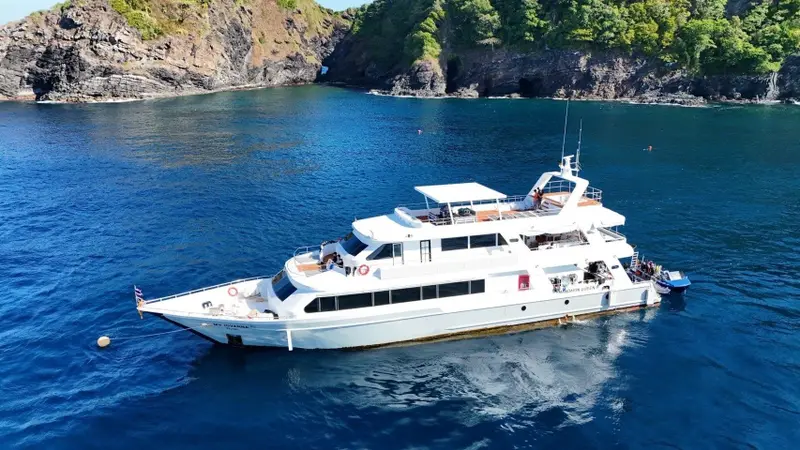
Mandarin Queen 9
Thailand
26 guests38 m
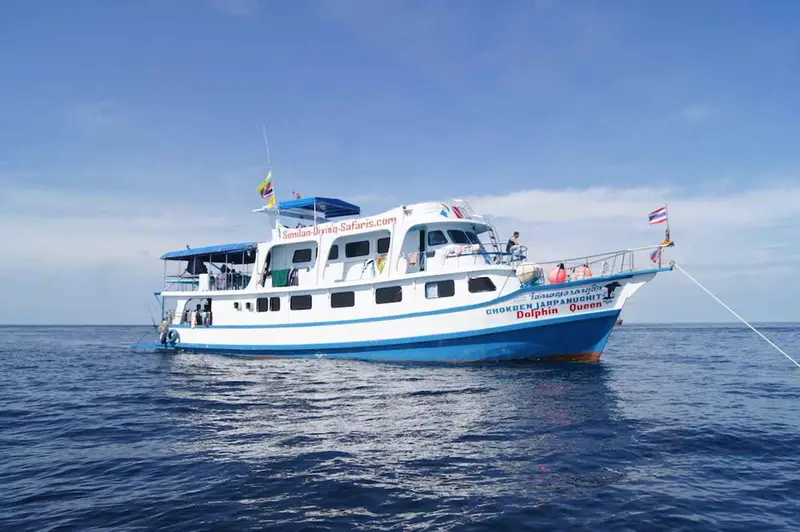
Dolphin Queen
Thailand
20 guests24 m
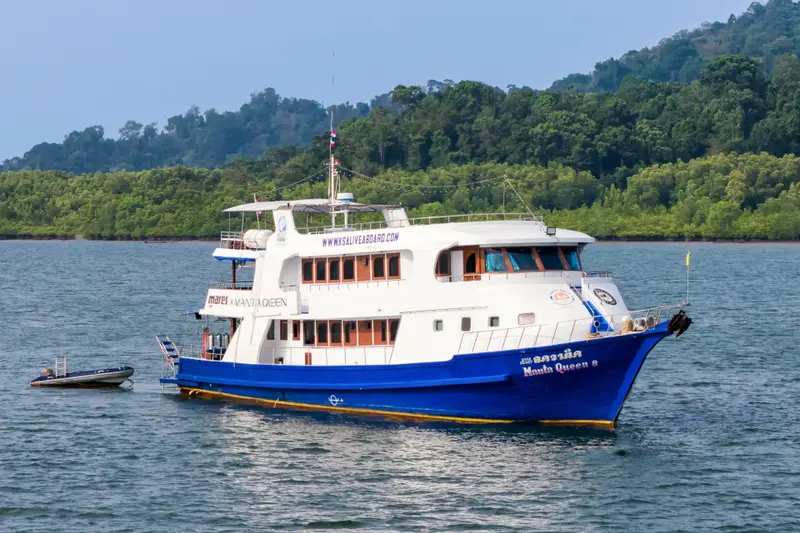
Manta Queen 8
Thailand
24 guests
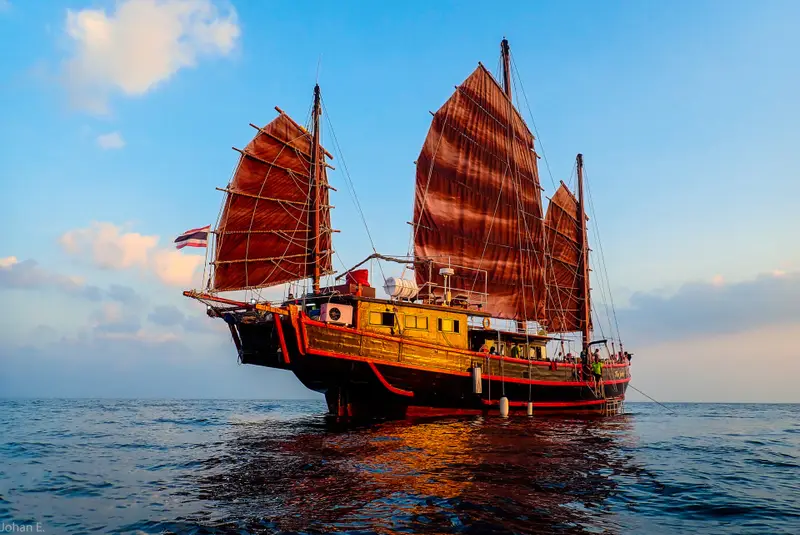
The Junk
Thailand
18 guests33 m
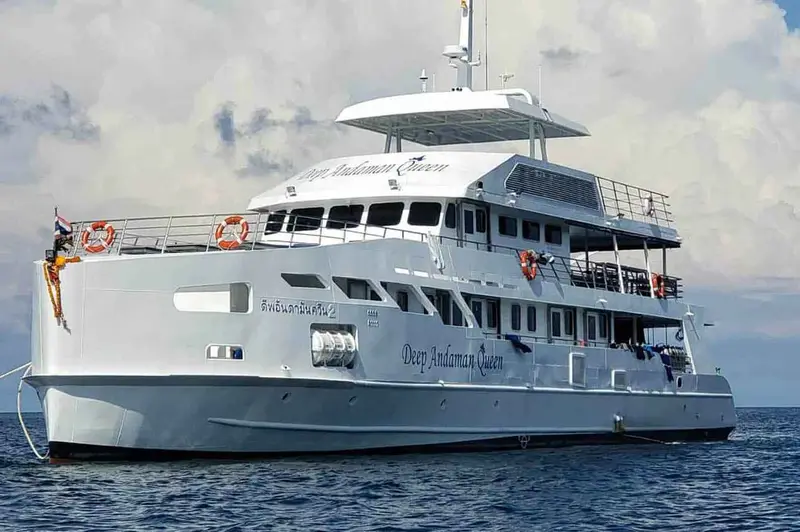
Deep Andaman Queen
Thailand
23 guests31 m
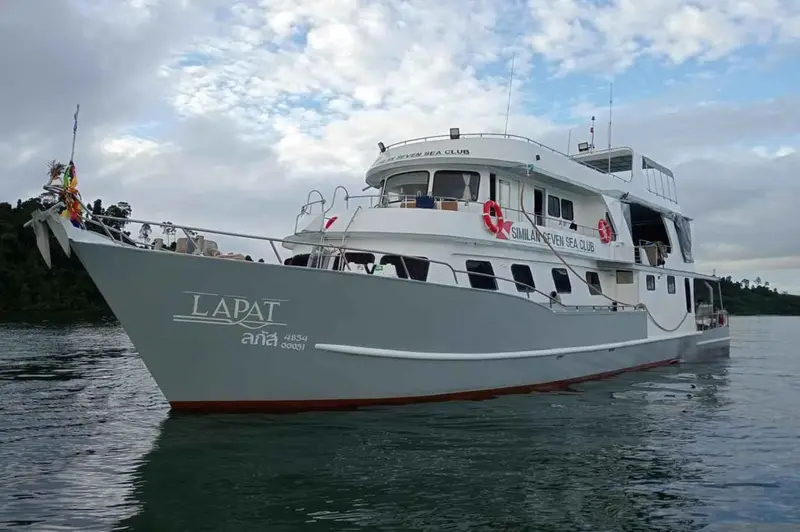
Lapat
Thailand
16 guests24 m
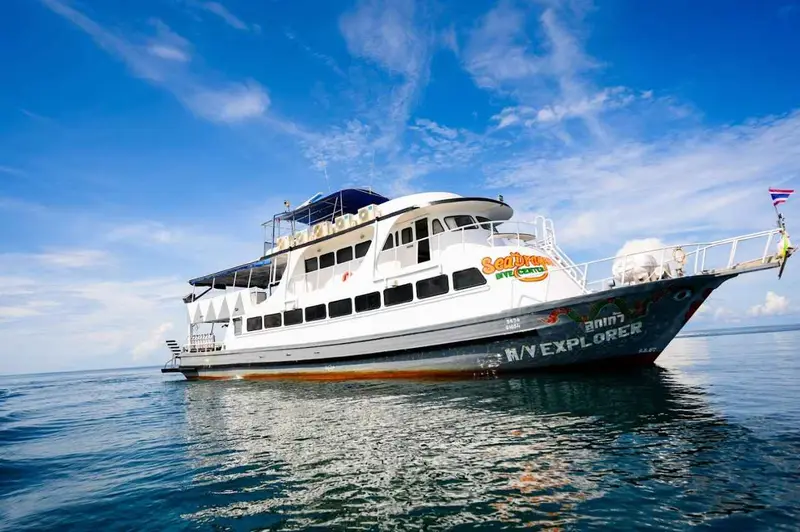
Explorer
Thailand
16 guests25 m
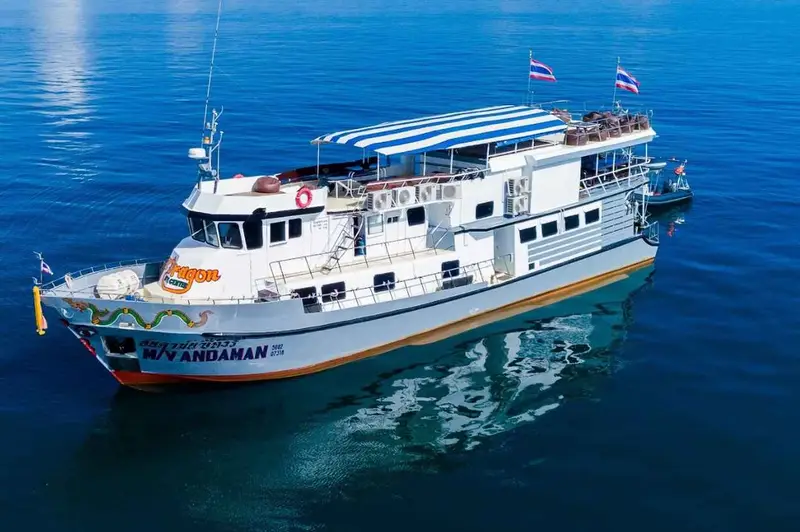
Andaman
Thailand
20 guests26 m
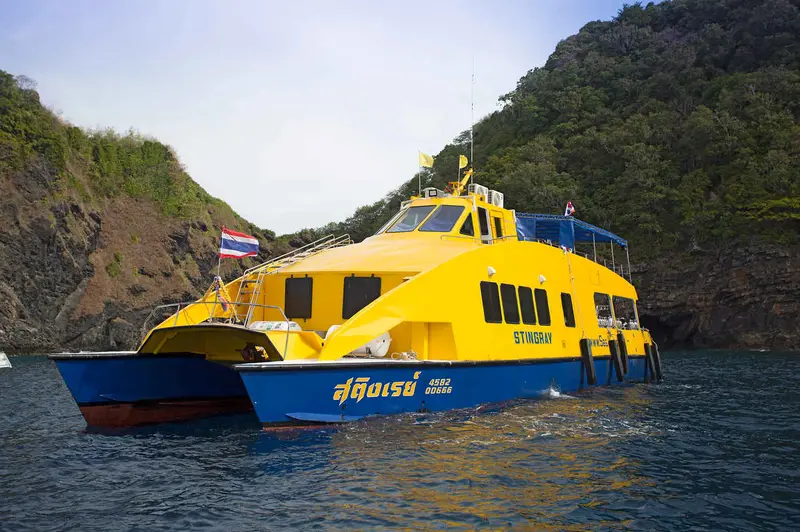
Stingray
Thailand
8 guests24 m
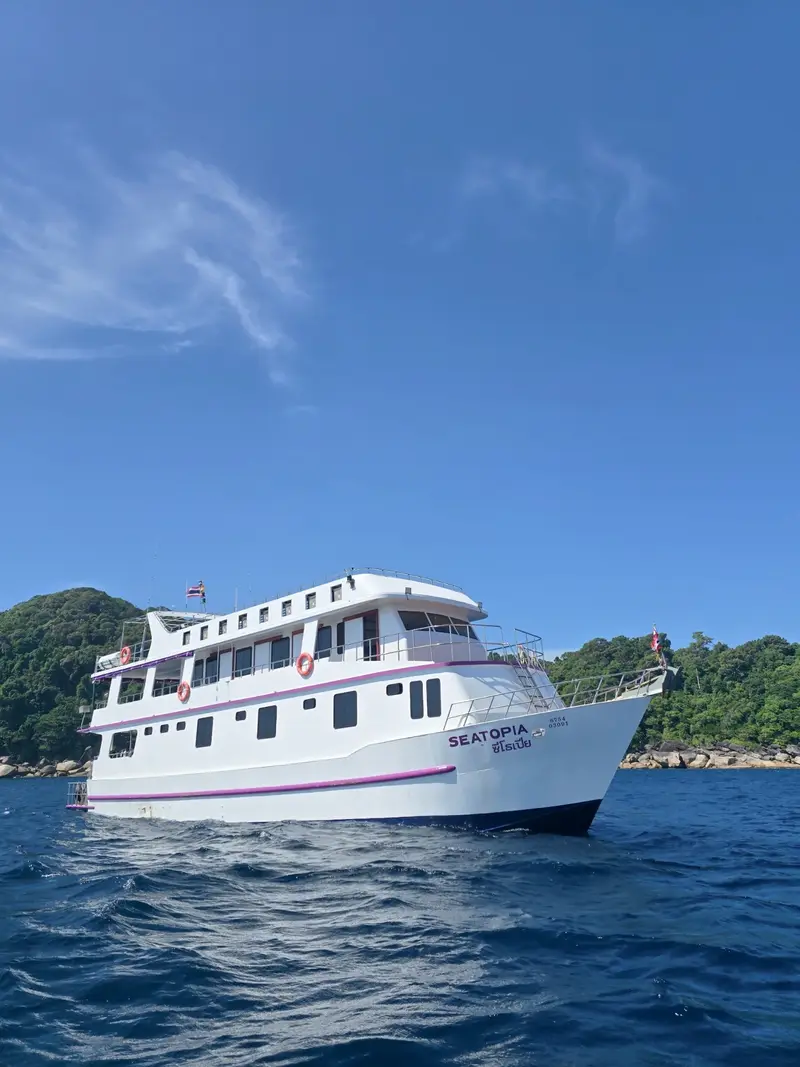
Seatopia
Thailand
24 guests24 m
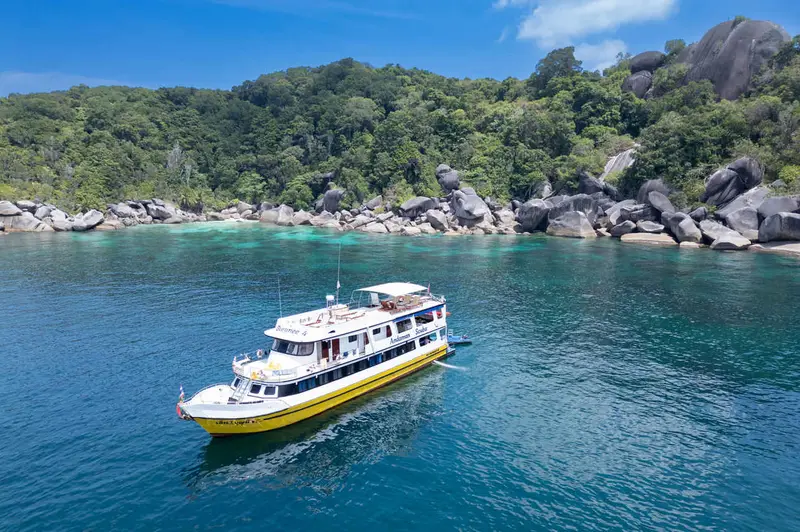
Bunmee 4
Thailand
20 guests29 m
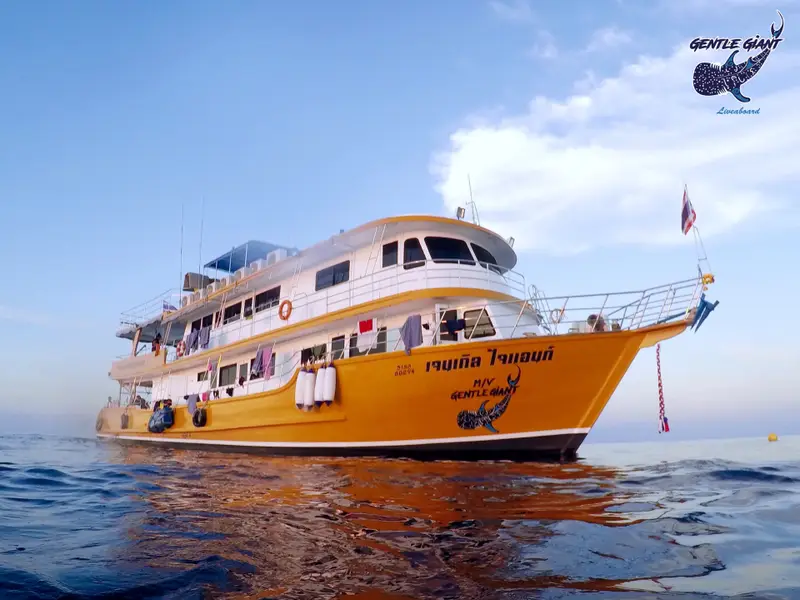
Gentle Giant
Thailand
20 guests27 m
Dive sites similar to Breakfast Bend
Same character, same waters, six more sites divers love for the exact same reasons.Compare seasons, access and liveaboard routes, then pick the site that fits your trip best.
© EsriMaxar, Earthstar, GIS
Anemone Reef
Thailand
Anemone Reef, locally known as "Hin Jom" or "submerged rock," is a significant limestone pinnacle entirely hidden beneath the Andaman Sea's surface.
- Suitable for
- Intermediate
- Current
- Ripping
- Access
- Liveaboard or dayboat
- Depth
- 5–26 m
- Theme
- Pinnacle / Wall
© EsriMaxar, Earthstar, GIS
Ang Thong, Wao Island
Thailand
Wao Island, nestled within the picturesque Ang Thong National Marine Park, is a captivating dive site characterized by its dramatic limestone formations and intricate underwater landscape.
- Suitable for
- Beginner
- Current
- Strong
- Access
- Liveaboard or dayboat
- Depth
- 3–20 m
- Theme
- Cave & cavern / Reef
© EsriMaxar, Earthstar, GIS
Beacon Reef
Thailand
Beacon Reef, sometimes referred to as Beacon Bay or Beacon Point, is a cherished dive site within Thailand's Similan Islands National Park.
- Suitable for
- Beginner
- Current
- Moderate
- Access
- Liveaboard or dayboat
- Depth
- 5–25 m
- Theme
- Reef / Wreck
© EsriMaxar, Earthstar, GIS
Christmas Point
Thailand
Christmas Point, located on Similan Island number 9 (Koh Ba-Ngu), stands out as one of the Similan Islands' most iconic dive sites.
- Suitable for
- Intermediate
- Current
- Strong
- Access
- Liveaboard or dayboat
- Depth
- 2–40 m
- Theme
- Pinnacle
© EsriMaxar, Earthstar, GIS
Chumphon Pinnacle
Thailand
Chumphon Pinnacle is a renowned deep dive site situated approximately 12 kilometers northwest of Koh Tao in the Gulf of Thailand.
- Suitable for
- Intermediate
- Current
- Strong
- Access
- Liveaboard or dayboat
- Depth
- 12–36 m
- Theme
- Pinnacle
Deep Six, also known as Fanfare Point, is a captivating dive site situated at the northern tip of Similan Island No.7 in Thailand's Andaman Sea, within the Similan Islands National Park.
- Suitable for
- Intermediate
- Current
- Strong
- Access
- Liveaboard or dayboat
- Depth
- 10–40 m
- Theme
- Reef