About Similan Islands — Anita's Reef
Anita's Reef, or Hin Muan Deaw, is a highlight of the Similan Islands National Marine Park, located between Islands #5 and #6. This dive site is renowned for its spectacular coral gardens and clear blue waters, making it a favorite for divers and snorkelers alike. The reef features a gentle slope, descending from 5 meters down to approximately 28 meters, characterized by white sandy patches interspersed with diverse hard and soft corals. Here, you'll discover large pore corals, staghorn corals, and vibrant soft corals attached to small pinnacles. Giant gorgonian sea fans sway gently in mild currents, while the sandy areas are home to intriguing garden eels and blue-spotted stingrays. The site's topography creates numerous hiding spots and feeding grounds, fostering a rich ecosystem. Throughout the diving season, the reef teems with a variety of fish life, from colorful reef inhabitants like angelfish and butterflyfish to schooling barracuda and patrolling trevallies. Lucky divers might also encounter green and hawksbill turtles, along with macro subjects such as nudibranchs and ghost pipefish. The calm conditions and exceptional visibility typical of the dry season enhance these encounters. Diving Anita's Reef is suitable for all levels, from beginners to experienced divers. Its manageable depths and generally mild currents allow for relaxed exploration, making it perfect for underwater photography. The site is frequently included in liveaboard itineraries, offering a comprehensive experience of the Similan Islands' eastern side.
Highlights
Vibrant coral gardensGentle sloping reefAbundant reef fishFrequent turtle sightingsExcellent for underwater photographyGarden eels on sandy patchesLarge coral bommies
Season calendar
Best months to dive here
Jan
Feb
Mar
Apr
May
Jun
Jul
Aug
Sep
Oct
Nov
Dec
Excellent
Good
Dive site facts: Similan Islands — Anita's Reef
- Depth
- 5–28 m
- Current
- Mild to moderate
- Visibility
- 20–30 m
- Water temperature
- 27–30°C
- Entry
- Boat
- Level
- All levels (Beginner to Pro)
- Dive type
- Reef, photography, macro
- Region / port
- Similan Islands, Thailand
- Coordinates
- 8.5678, 97.6289
Conditions & Currents
Anita's Reef typically features mild to moderate currents, making it accessible and enjoyable for divers of all experience levels. These currents are generally predictable and less challenging than those found at deeper sites, allowing for relaxed exploration of the coral gardens. However, as with any reef, conditions can vary, and divers should remain aware of their surroundings. The mild current often creates a gentle drift, which can be advantageous for covering more ground with less effort, making it ideal for macro photography without constantly battling strong water movement. Visibility remains consistently excellent, usually between 20 to 30 meters, enhancing the overall dive experience.
Marine life & sighting chances

Yellow Boxfish
common
Long-nosed Hawkfish
common
Anemonefish
common
Green Turtle
occasional
Hawksbill Turtle
occasional
Nudibranchs
common
Ghost Pipefish
occasional

Garden Eels
common
Schooling Barracuda
occasional
Bluefin Trevally
common
Hingebeak Shrimp
common
Banded Boxer Shrimp
common
Reef Sharks
occasionalDive profile & how the dive runs
Your dive at Anita's Reef typically begins with a descent onto the gentle reef slope, which starts around 5 meters and gradually extends down to about 28 meters. You will navigate along the eastern side, exploring the vibrant coral gardens comprised of hard and soft corals, interspersed with small pinnacles and sandy patches. The route often involves a leisurely drift with the mild current, allowing for ample time to observe macro life within the corals and search the sandy bottom for garden eels and stingrays. A prominent large coral bommie, rising from 20 meters to 12 meters at the southern point of the site, serves as a natural turn-around or focal point, teeming with smaller reef fish and cleaning stations. The ascent generally follows the shallower parts of the reef, culminating in a safety stop in the coral-rich shallows, which are also excellent for snorkeling.
Underwater photography
Anita's Reef is an exceptional location for underwater photography, appealing to both macro and wide-angle enthusiasts. For wide-angle shots, the extensive coral gardens, massive sea fans, and schools of fish provide a colorful backdrop, best captured with a wide-angle lens to encompass the scale and beauty of the reef. Utilize natural light in the shallower areas, but bring strobes to enhance colors and contrast in deeper sections. Macro photographers will delight in searching for nudibranchs, ghost pipefish, and various crustaceans hiding among the corals; a macro lens will be indispensable for these subjects. Buoyancy control is paramount to avoid disturbing the delicate corals and stirring up sand, which can reduce visibility for your shots. Be patient and observe marine life behavior to capture natural, compelling images.
Combine with nearby dive sites
- Koh Bon — West Ridge
Koh Bon West Ridge, nestled in Thailand's Similan National Park, is a renowned dive site celebrated for its stunning topography and…
- Richelieu Rock
Richelieu Rock, often celebrated as Thailand's premier dive site, is a majestic, isolated pinnacle located within Surin National Park in…
- Elephant Head Rock
Elephant Head Rock, locally known as Hin Pusa, is a renowned dive site in the Similan Islands, Thailand, located about 1 kilometer…
- Christmas Point
Christmas Point, located on Similan Island number 9 (Koh Ba-Ngu), stands out as one of the Similan Islands' most iconic dive sites.
- Breakfast Bend
Breakfast Bend, also known as Three Trees, is a highly regarded dive site located along the eastern side of Similan Island No.
Getting there & logistics
Access to Anita's Reef and the wider Similan Islands National Marine Park is primarily via liveaboard excursions, which depart from various ports including Phuket and Khao Lak. Typical itineraries range from 2 days/1 night to 4 days/4 nights, with longer trips often extending to include other prime sites like Koh Bon, Koh Tachai, and Richelieu Rock. While day trips are available from Khao Lak, liveaboards are highly recommended due to the distance from the mainland and the extensive array of dive sites. The Similan Islands diving season runs from October 15th to May 15th, outside of which the park is closed. Booking in advance, especially during peak season (November-April), is essential, and ensure your dive operator is authorized as the islands are a protected area.
Safety & environment
Diving at Anita's Reef is generally considered safe for all levels due to its mild currents and manageable depths. However, standard dive safety practices are crucial. Always dive within your training limits and stay with your buddy. The nearest recompression chamber is located in Phuket, highlighting the importance of comprehensive dive insurance that covers evacuation and medical treatment. Ensure all your equipment is in good working order before each dive. While currents are usually gentle, always be aware of your position relative to the boat and the reef. Maintain excellent buoyancy control to protect the fragile coral ecosystems and avoid contact with potentially harmful marine life. Respect all national park regulations, including prohibitions against touching, feeding, or disturbing marine animals.
Who it suits — and who it doesn't
Suited for
- Beginner divers
- Experienced divers
- Underwater photographers
- Marine life enthusiasts
- Snorkelers (in shallow areas)
- Divers seeking gentle currents
Less suited for
- Divers seeking strong drift dives
- Those uninterested in macro life
- Divers expecting extreme pelagic action
FAQ
Similan Islands — Anita's Reef FAQ
What kind of marine life can I expect to see at Anita's Reef?
Anita's Reef is teeming with diverse marine life. You can frequently spot colorful reef fish such as angelfish, butterflyfish, and fusiliers, alongside larger species like barracuda and trevally. Turtles, including Green and Hawksbill, are common visitors. For macro enthusiasts, there are nudibranchs, ghost pipefish, and various shrimps, while the sandy bottom is home to garden eels and blue-spotted stingrays.
Is Anita's Reef suitable for beginner divers?
Yes, Anita's Reef is highly suitable for beginner divers, as well as experienced ones. The site features a gentle sloping reef, starting at a shallow 5 meters and extending to about 28 meters. Currents are typically mild to moderate, providing a relaxed and enjoyable diving experience without strong challenges.
What are the typical dive conditions like at Anita's Reef?
Dive conditions at Anita's Reef are generally excellent. Visibility consistently ranges from 20 to 30 meters, offering clear views of the vibrant reef. Water temperatures are comfortably warm, between 27°C and 30°C. Currents are usually mild to moderate, making it a very accessible and pleasant dive site.
Can I do underwater photography at Anita's Reef?
Anita's Reef is considered a paradise for underwater photographers. Its stunning coral gardens, abundant reef fish, and opportunities for macro subjects like nudibranchs make it ideal for capturing vibrant images. Both wide-angle and macro lenses will find plenty of subjects to focus on in the clear waters.
How do I get to Anita's Reef?
Anita's Reef is part of the Similan Islands National Marine Park, typically accessed via liveaboard trips departing from Phuket or Khao Lak. While some day trips to the Similans are available, liveaboards are recommended for a comprehensive experience of the remote dive sites, including Anita's Reef.
Why dive Similan Islands — Anita's Reef from a liveaboard?
Similan Islands — Anita's Reef is one of Thailand's signature dive sites. A liveaboard sleeps you on the water and puts you in the water for three to four guided dives per day, including dawn and night dives that day-boat operators rarely offer. You skip the daily commute back to port and reach quieter, less-crowded sites in the same region on a single trip.
Below are the liveaboards that include Similan Islands — Anita's Reef on their Thailand itineraries.
Liveaboards diving Similan Islands — Anita's Reef
These liveaboards may visit Similan Islands — Anita's Reef on selected itineraries — the exact dive sites depend on departure, weather and conditions.
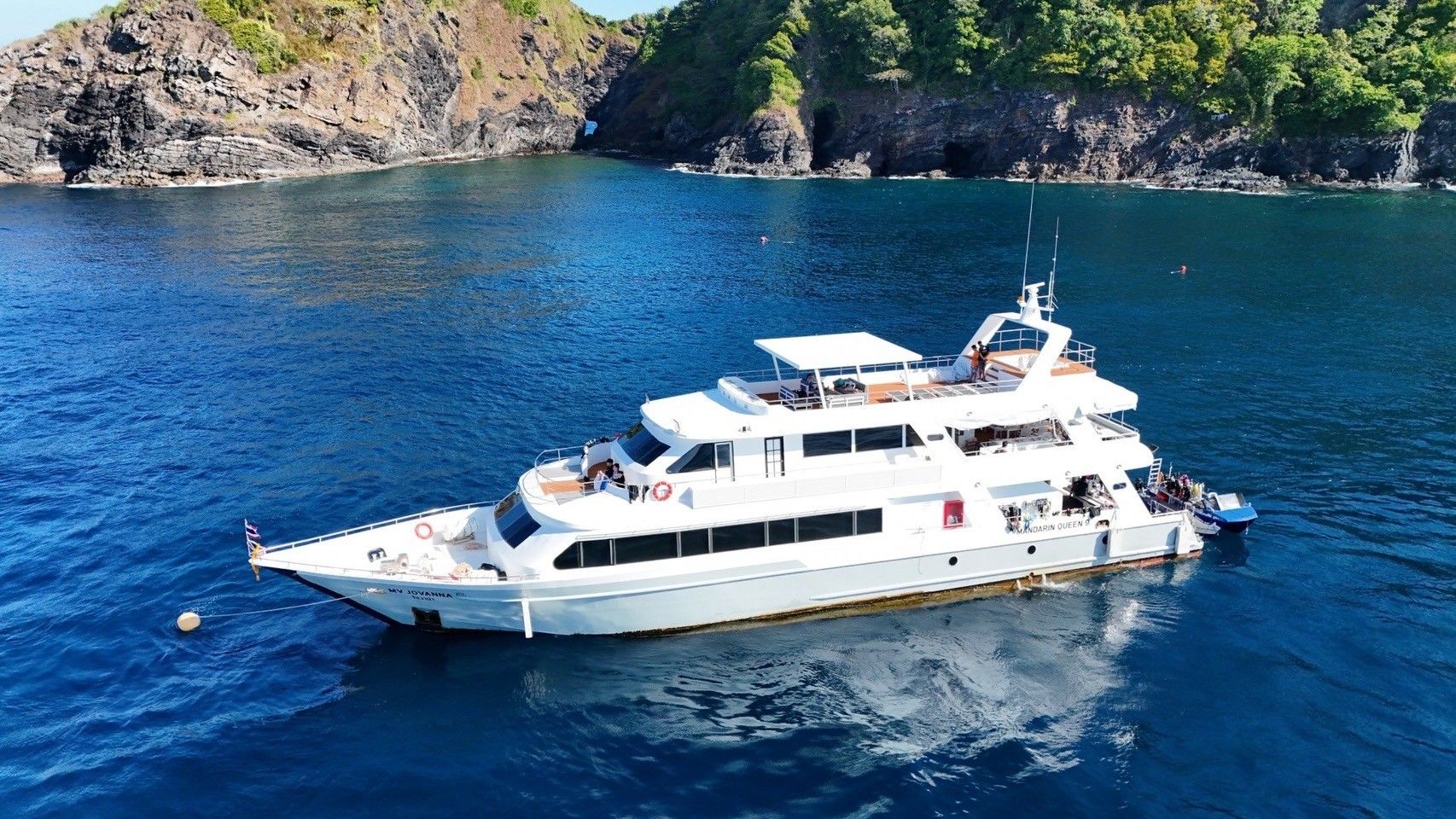
Mandarin Queen 9
Thailand
26 guests37.5 m
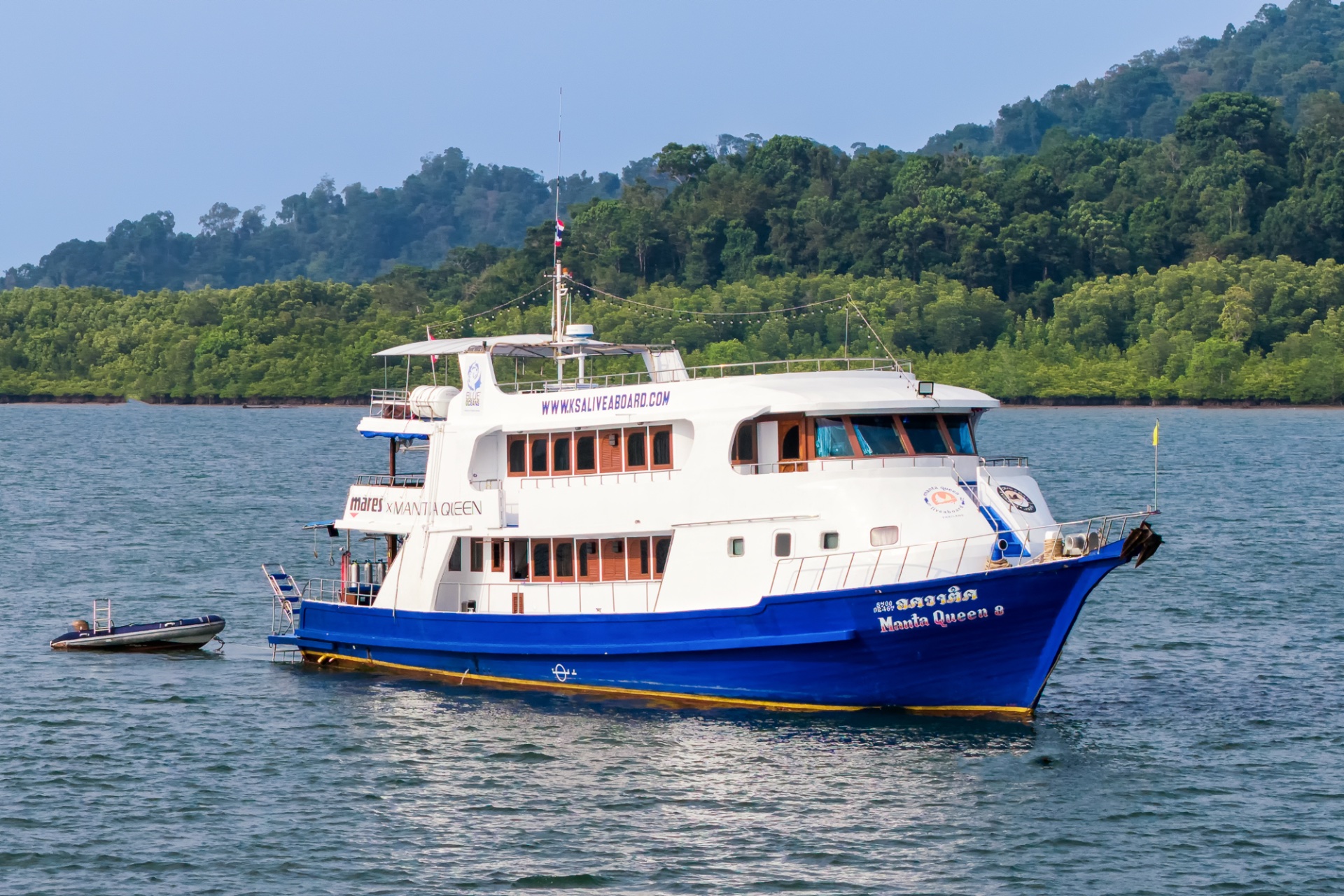
Manta Queen 8
Thailand
24 guests
$127/day
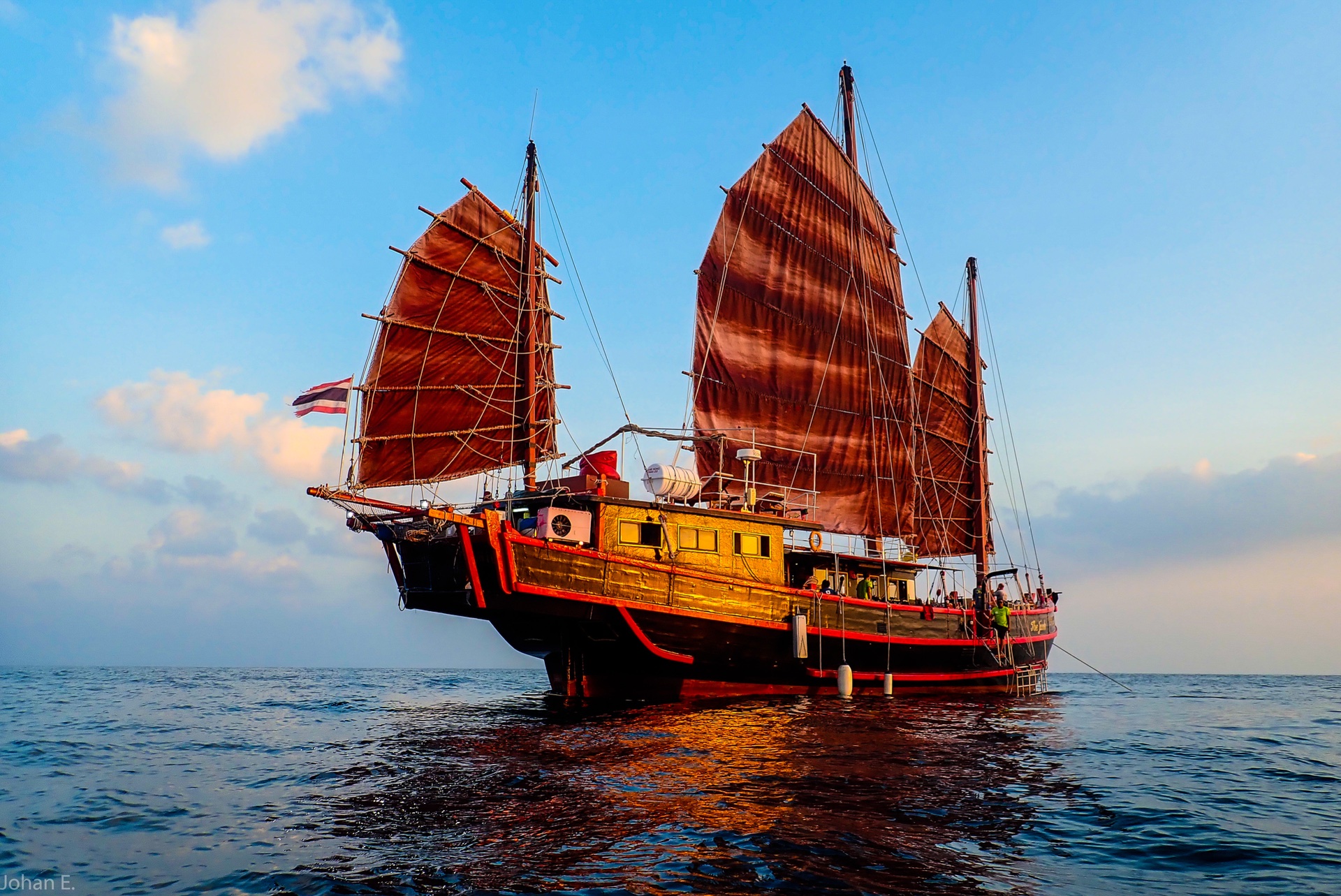
The Junk
Thailand
18 guests33 m
$163/day
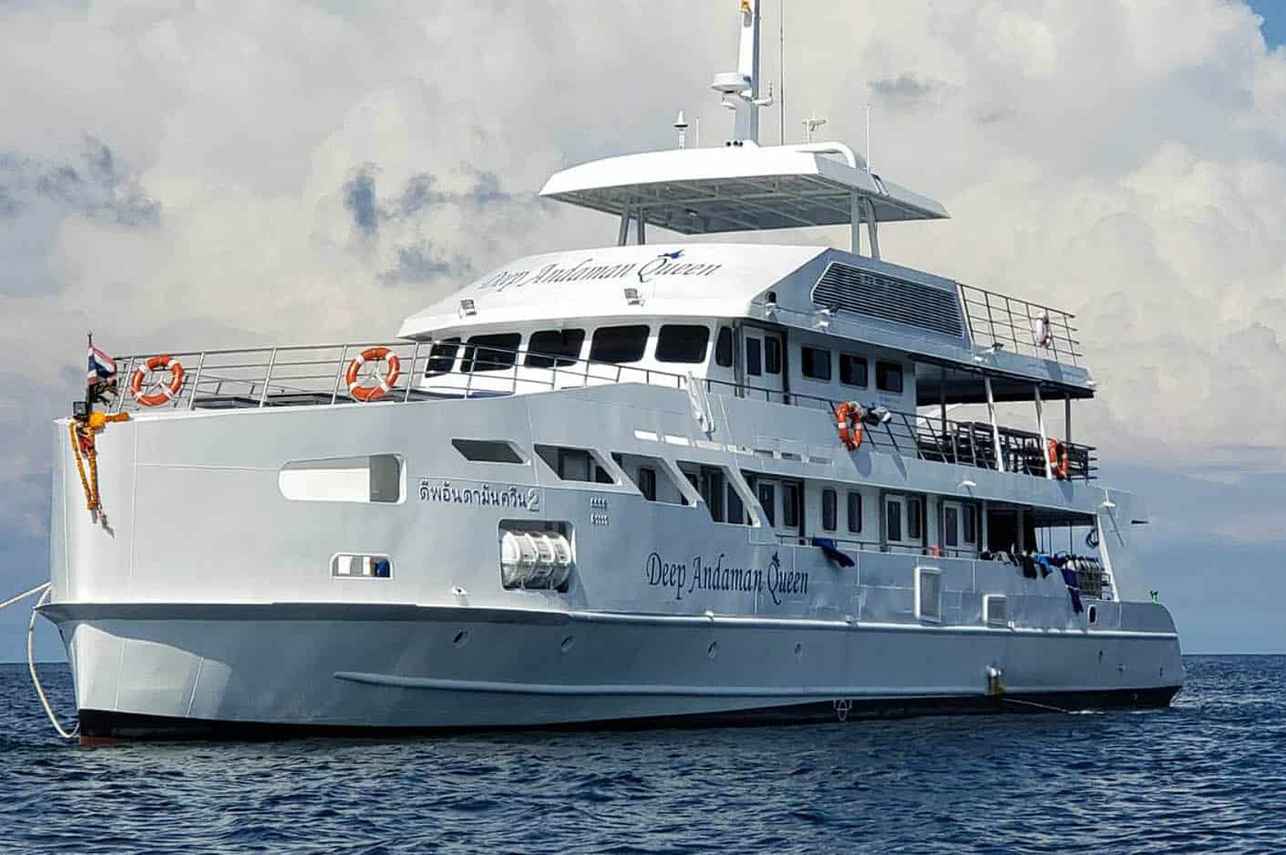
Deep Andaman Queen
Thailand
23 guests30.5 m
$194/day
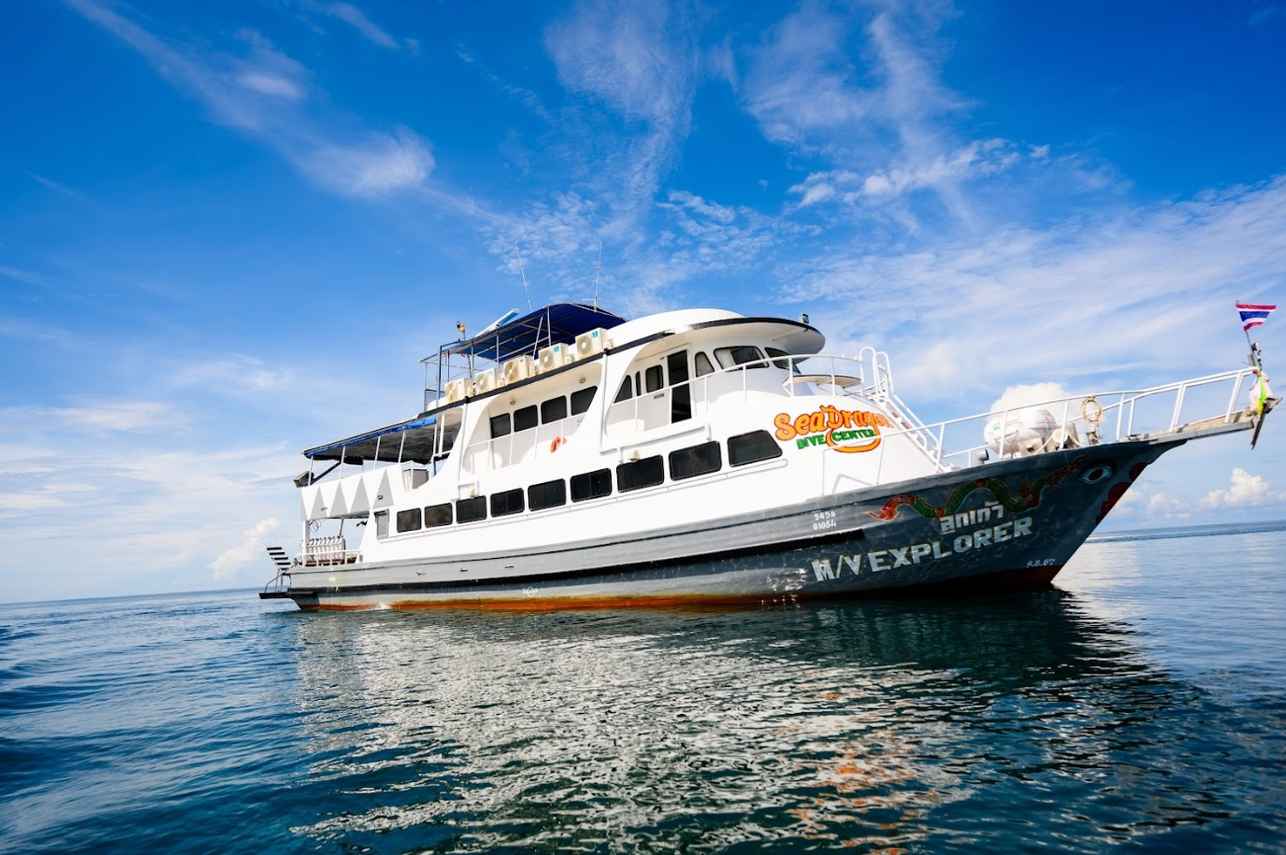
Explorer
Thailand
16 guests25 m
$150/day
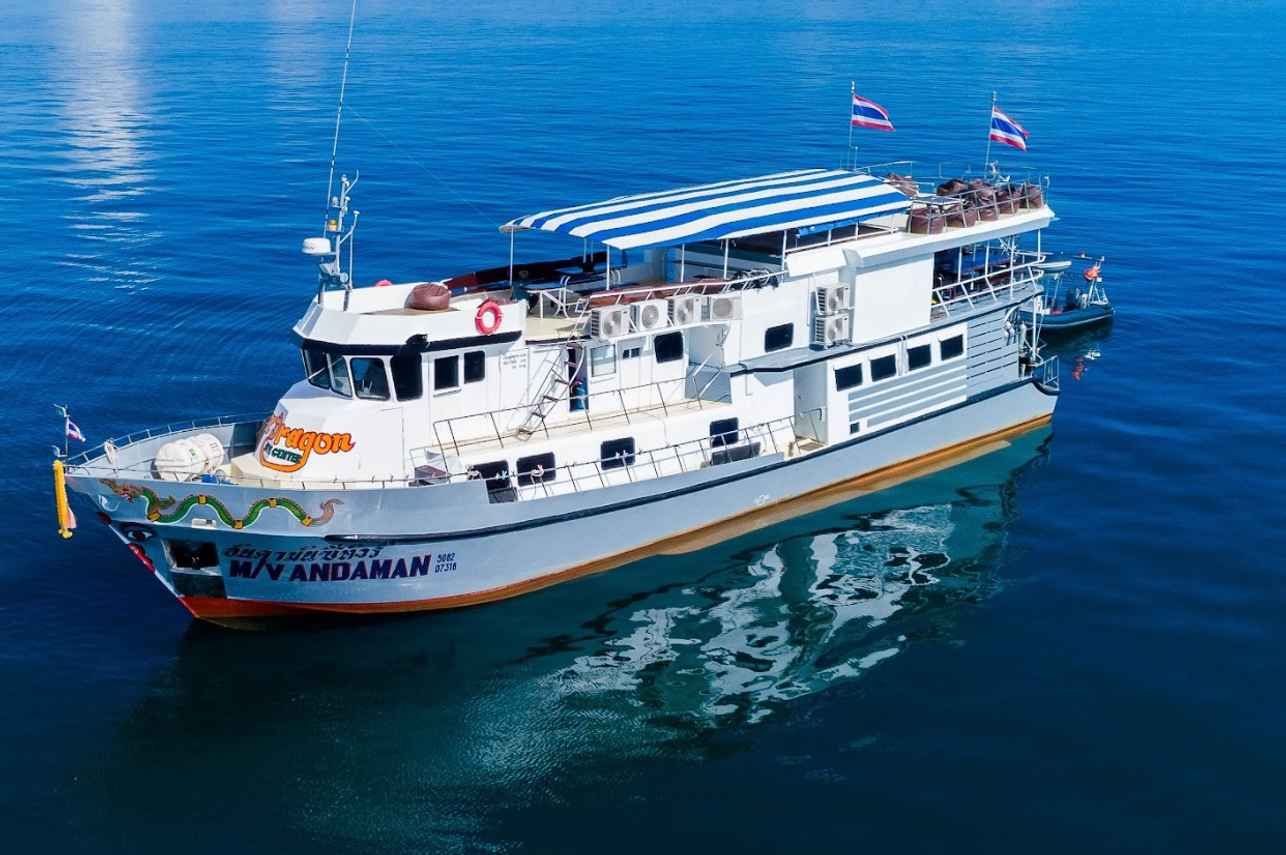
Andaman
Thailand
20 guests26 m
$108/day
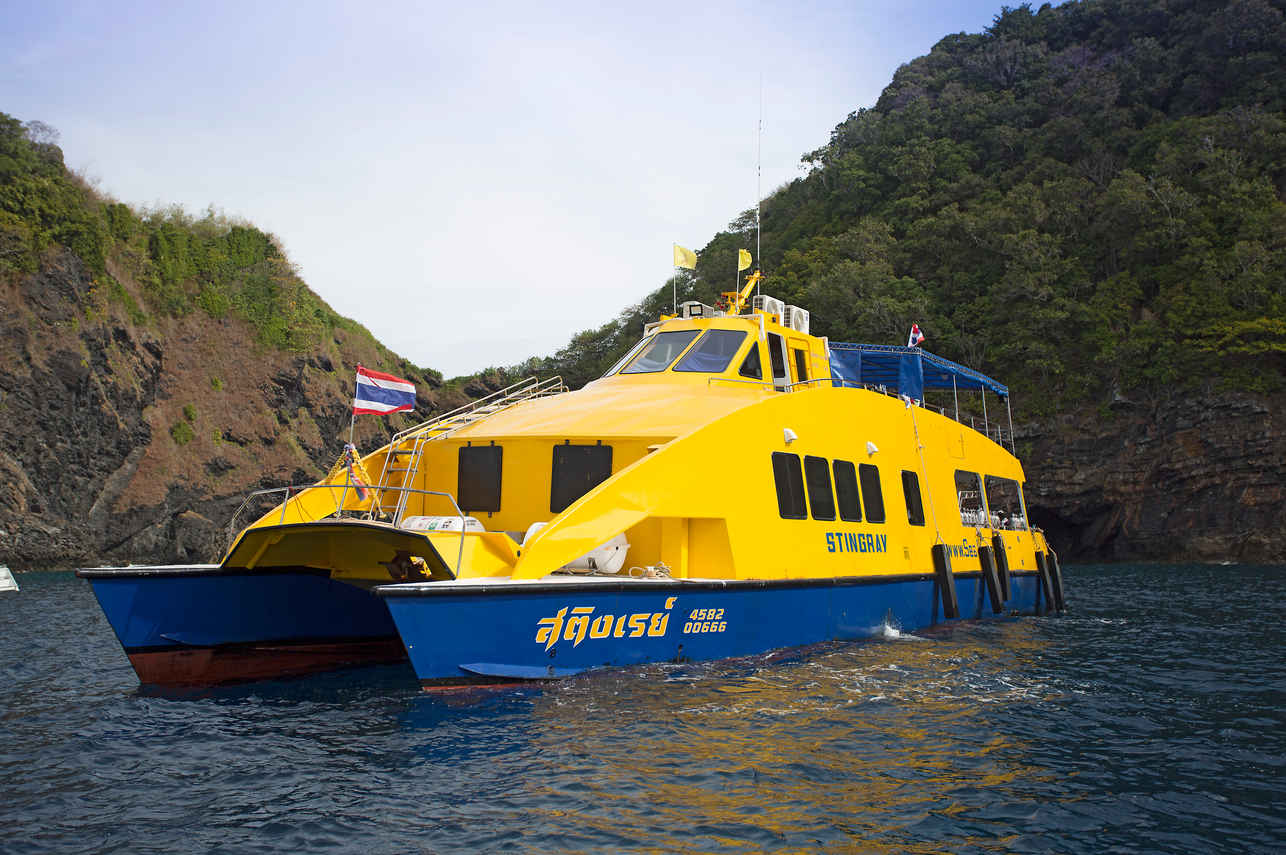
Stingray
Thailand
8 guests24 m
$245/day
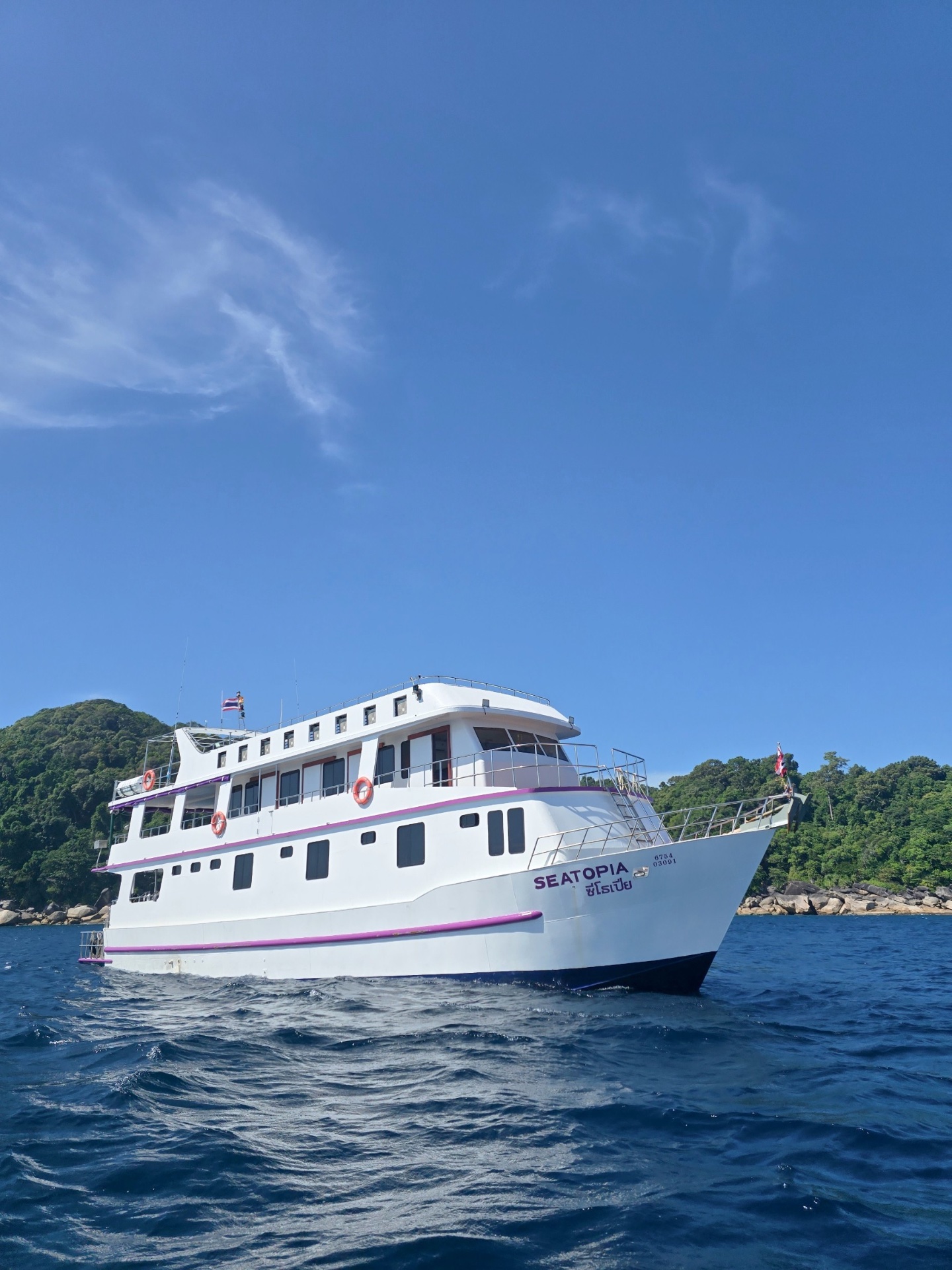
Seatopia
Thailand
24 guests24 m
Dive sites similar to Similan Islands — Anita's Reef
Same character, same waters — six more sites divers love for the exact same reasons.Compare seasons, access and liveaboard routes — then pick the site that fits your trip best.
© Esri — Maxar, Earthstar, GIS
Ang Thong — Wao Island
Thailand
Wao Island, nestled within the picturesque Ang Thong National Marine Park, is a captivating dive site characterized by its dramatic limestone formations and intricate underwater landscape.
- Suitable for
- Beginner
- Current
- Strong
- Access
- Liveaboard or dayboat
- Depth
- 3–20 m
- Theme
- Cave & cavern / Reef
© Esri — Maxar, Earthstar, GIS
Beacon Reef
Thailand
Beacon Reef, sometimes referred to as Beacon Bay or Beacon Point, is a cherished dive site within Thailand's Similan Islands National Park.
- Suitable for
- Beginner
- Current
- Moderate
- Access
- Liveaboard or dayboat
- Depth
- 5–25 m
- Theme
- Reef / Wreck
© Esri — Maxar, Earthstar, GIS
Koh Phi Phi — Bida Nai
Thailand
Koh Bida Nai, a tiny limestone islet nestled at the southern tip of the Phi Phi Archipelago, stands as one of the premier dive sites among the Phi Phi Islands.
- Suitable for
- Intermediate
- Current
- Strong
- Access
- Liveaboard or dayboat
- Depth
- 5–30 m
- Theme
- Drift / Reef
© Esri — Maxar, Earthstar, GIS
Breakfast Bend
Thailand
Breakfast Bend, also known as Three Trees, is a highly regarded dive site located along the eastern side of Similan Island No. 9, Koh Bangu.
- Suitable for
- Beginner
- Current
- Strong
- Access
- Liveaboard or dayboat
- Depth
- 5–25 m
- Theme
- Reef
Deep Six, also known as Fanfare Point, is a captivating dive site situated at the northern tip of Similan Island No.7 in Thailand's Andaman Sea, within the Similan Islands National Park.
- Suitable for
- Intermediate
- Current
- Strong
- Access
- Liveaboard or dayboat
- Depth
- 10–40 m
- Theme
- Reef
© Esri — Maxar, Earthstar, GIS
Similan Islands — East of Eden
Thailand
East of Eden is an exquisite dive site nestled within Thailand's Similan Islands, famed for its breathtaking coral formations and abundant marine life.
- Suitable for
- Beginner
- Current
- Strong
- Access
- Liveaboard or dayboat
- Depth
- 5–30 m
- Theme
- Reef / Wall