About Elephant Head Rock
Elephant Head Rock, locally known as Hin Pusa, is a renowned dive site in the Similan Islands, Thailand, located about 1 kilometer southwest of Similan Island No. 8. It's famous for its extraordinary topography, a "playground" of massive granite boulders that create a complex underwater maze of deep canyons, tunnels, and arches. These impressive rock formations extend from depths exceeding 40 meters all the way to the surface, where three large boulders break the water, one resembling an elephant's head and giving the site its name. The massive boulders are adorned with vibrant soft corals, colorful sea fans, and black corals, providing a rich habitat for a diverse range of marine life. Divers can expect to encounter various shark species, including Whitetip, Blacktip, and even Grey Reef Sharks in deeper sections, along with schools of Giant Trevally and Great Barracuda commonly seen hunting around the rocks. Smaller creatures like Ribbon Eels hide in sandy patches, while Green and Hawksbill Turtles can be spotted munching on corals. The site also boasts an abundance of reef fish and invertebrates, such as Moray Eels, various shrimps, Cuttlefish, and numerous species of snapper, sweetlips, and fusiliers. This site generally offers excellent visibility, often ranging from 15 to 40 meters. However, potential strong currents mean it is best suited for advanced divers. The currents can be quite challenging, especially around the full or new moon, often rebounding off the boulders to create unpredictable upcurrents, downcurrents, and whirlpools. Entry to the site is exclusively by boat, typically done off the back of the vessel due to its exposed nature. Following the dive guide's path is crucial to safely navigate the intricate boulder formations and currents.
Highlights
Swim-throughsGranite bouldersCanyonsStrong currents
Season calendar
Best months to dive here
Jan
Feb
Mar
Apr
May
Jun
Jul
Aug
Sep
Oct
Nov
Dec
Good
Dive site facts: Elephant Head Rock
- Depth
- 0–40+ m
- Typical dive
- 18–40 m, 45–60 min
- Current
- Moderate to very strong
- Visibility
- 10–40+ m
- Water temperature
- 27–30°C
- Entry
- Boat / negative entry
- Level
- Advanced recommended, current experience essential
- Dive type
- Reef, boulder, swim-through
- Region / port
- Similan Islands, Andaman Sea
- Coordinates
- 8.5789, 97.6234
Conditions & Currents
Elephant Head Rock is situated in the open ocean, which means currents can range from moderate to very strong and are often unpredictable. The current typically flows from southwest to northwest during high tide, but interactions with the large boulders can create complex patterns, including upcurrents, downcurrents, and even localized whirlpools. Divers should be prepared for potential drift and maintain excellent buoyancy control, especially when navigating the numerous swim-throughs and channels. Entry is typically a boat dive, often a negative entry, requiring divers to descend quickly to avoid surface currents. Due to these varying conditions, a close watch on your dive guide and conservative gas planning are essential for a safe and enjoyable exploration of this dynamic site.
Marine life & sighting chances

Leopard shark
occasional
White-tip reef shark
occasional
Black-tip reef shark
occasional
Grey reef shark
rare
Great barracuda
common
Giant trevally
common
Ribbon eel
occasional
Snapper
common
Sweetlips
common
Wrasse
common
Frogfish
rareDive profile & how the dive runs
Divers typically begin a dive at Elephant Head Rock with a negative entry on the southern side, descending quickly to avoid surface currents. The initial descent reveals a dramatic landscape of granite boulders tumbling into the depths, well past 40 meters, interspersed with sandy patches. Following the boulders on the left shoulder, you'll encounter a channel around 26 meters deep and approximately 2 meters wide, adorned with soft corals. This passage often features a "window" for photographers. Beyond the channel, exploration continues through broad swim-throughs, starting around 26 meters, with multiple exits that open up towards the surface. A torch is recommended for peering into crevices and overhead environments. The dive plan usually involves circling the main boulder cluster, adapting the route based on current direction and strength. Safety stops are conducted in shallower, more sheltered areas, such as the northern side, if currents allow, before surfacing near the liveaboard or tender.
Underwater photography
Elephant Head Rock offers exceptional opportunities for wide-angle photography, capturing the dramatic scale of its granite boulder formations and expansive swim-throughs. A fisheye or wide-angle lens is ideal for showcasing the impressive underwater architecture and the schools of pelagic fish that frequent the site. For capturing details within the channels and crevices, a powerful torch is indispensable, both for illumination and for highlighting subjects like ribbon eels and juvenile reef fish. Due to the variable currents, maintaining excellent buoyancy control is crucial to avoid contact with delicate corals and to hold position for stable shots. When entering swim-throughs, practice mindful finning to preserve visibility for those following. For macro subjects, search sandy patches between boulders for smaller, shyer creatures, but be mindful of the overall current conditions and the flow of the group.
Combine with nearby dive sites
- Richelieu Rock
Famous for whale sharks and diverse marine life, often combined in liveaboard itineraries.
- Koh Bon
Known for manta ray sightings and beautiful soft coral walls.
- Koh Tachai
A pinnacle site with strong currents, attracting pelagic fish and occasional manta rays.
- Hin Daeng
Features Thailand's largest vertical wall and frequent shark sightings.
- Hin Muang
Adjacent to Hin Daeng, known for its purple corals and pelagic encounters.
Getting there & logistics
Access to Elephant Head Rock and the Similan Islands is primarily via liveaboard trips departing from Khao Lak. While Phuket is an international gateway with Phuket International Airport (HKT), transfers to Khao Lak are necessary for liveaboard departures. Typical liveaboard durations range from 3 nights to 7 nights, often combining the Similans with other sites like Richelieu Rock and Koh Bon/Tachai. National Park fees are applicable for all divers visiting the Similan Islands. It's advisable to book well in advance, especially during peak season, to secure a spot on preferred liveaboards. Day trips to the Similans from Phuket or Khao Lak are also available but generally offer less dive time and may not visit all the premier sites.
Safety & environment
Diving at Elephant Head Rock requires careful attention to safety protocols due to potentially strong and unpredictable currents. All divers should ensure their travel insurance includes comprehensive dive coverage and emergency evacuation. The nearest recompression chamber is typically located in Phuket. Given the remote nature of the Similan Islands, evacuation can be time-consuming, emphasizing the importance of preventative measures. Always dive with a qualified and experienced guide who is familiar with the site's unique current patterns. Adhere strictly to the dive plan, maintain situational awareness, and avoid venturing off alone, especially in swim-throughs and areas with overhead environments. Strong buoyancy control is paramount to prevent accidental ascents or descents and to avoid contact with the reef.
Who it suits — and who it doesn't
Suited for
- Advanced Open Water Divers
- Divers comfortable with strong currents
- Those who enjoy drift diving
- Photographers seeking dramatic wide-angle shots
- Divers interested in unique topography and swim-throughs
Less suited for
- Open Water Divers without current experience
- Divers with poor buoyancy control
- Those prone to claustrophobia in confined spaces
- Beginners or those uncomfortable with challenging conditions
- Divers who prefer calm, current-free environments
FAQ
Elephant Head Rock FAQ
Why is it called Elephant Head Rock?
The dive site derives its name from a cluster of granite boulders that break the surface of the water. When viewed from a specific angle, these formations are said to resemble an elephant's head emerging from the sea, giving the site its distinctive moniker.
What is the typical depth range for diving at Elephant Head Rock?
Elephant Head Rock offers a varied depth profile, with dive depths ranging from the surface down to over 40 meters. Most of the primary dive activities and features, including swim-throughs, are found between 18 meters and 40 meters, catering to experienced divers.
Are currents generally strong at Elephant Head Rock?
Yes, currents at Elephant Head Rock can be moderate to very strong and are often unpredictable. The site's open-ocean location and the interaction of currents with the massive boulders can create complex flow patterns, requiring divers to be proficient in current management and buoyancy control.
What kind of marine life can I expect to see here?
Elephant Head Rock is known for both pelagic and reef species. You can frequently spot schools of giant trevallies and barracudas, while deeper areas may reveal white-tip, black-tip, and occasionally grey reef sharks. Ribbon eels and various reef fish inhabit the boulder formations and sandy patches.
Is this site suitable for beginner divers?
Due to its often strong currents, challenging topography with swim-throughs, and significant depths, Elephant Head Rock is generally not recommended for beginner or Open Water divers. It is best suited for Advanced Open Water divers with experience in drift diving and good buoyancy control.
Why dive Elephant Head Rock from a liveaboard?
Elephant Head Rock is one of Thailand's signature dive sites. A liveaboard sleeps you on the water and puts you in the water for three to four guided dives per day, including dawn and night dives that day-boat operators rarely offer. You skip the daily commute back to port and reach quieter, less-crowded sites in the same region on a single trip.
Below are the liveaboards that include Elephant Head Rock on their Thailand itineraries.
Liveaboards diving Elephant Head Rock
These liveaboards may visit Elephant Head Rock on selected itineraries — the exact dive sites depend on departure, weather and conditions.
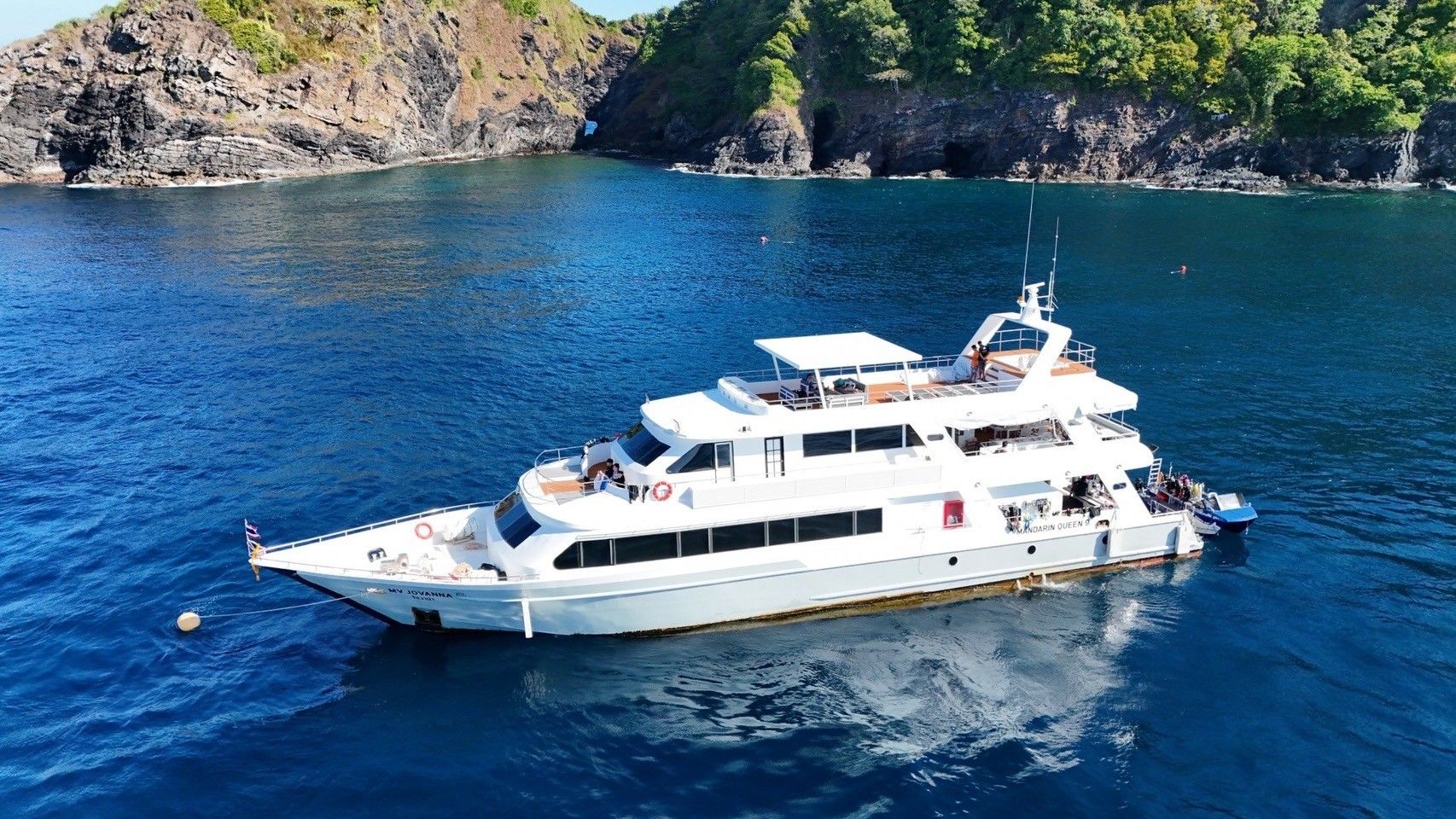
Mandarin Queen 9
Thailand
26 guests37.5 m
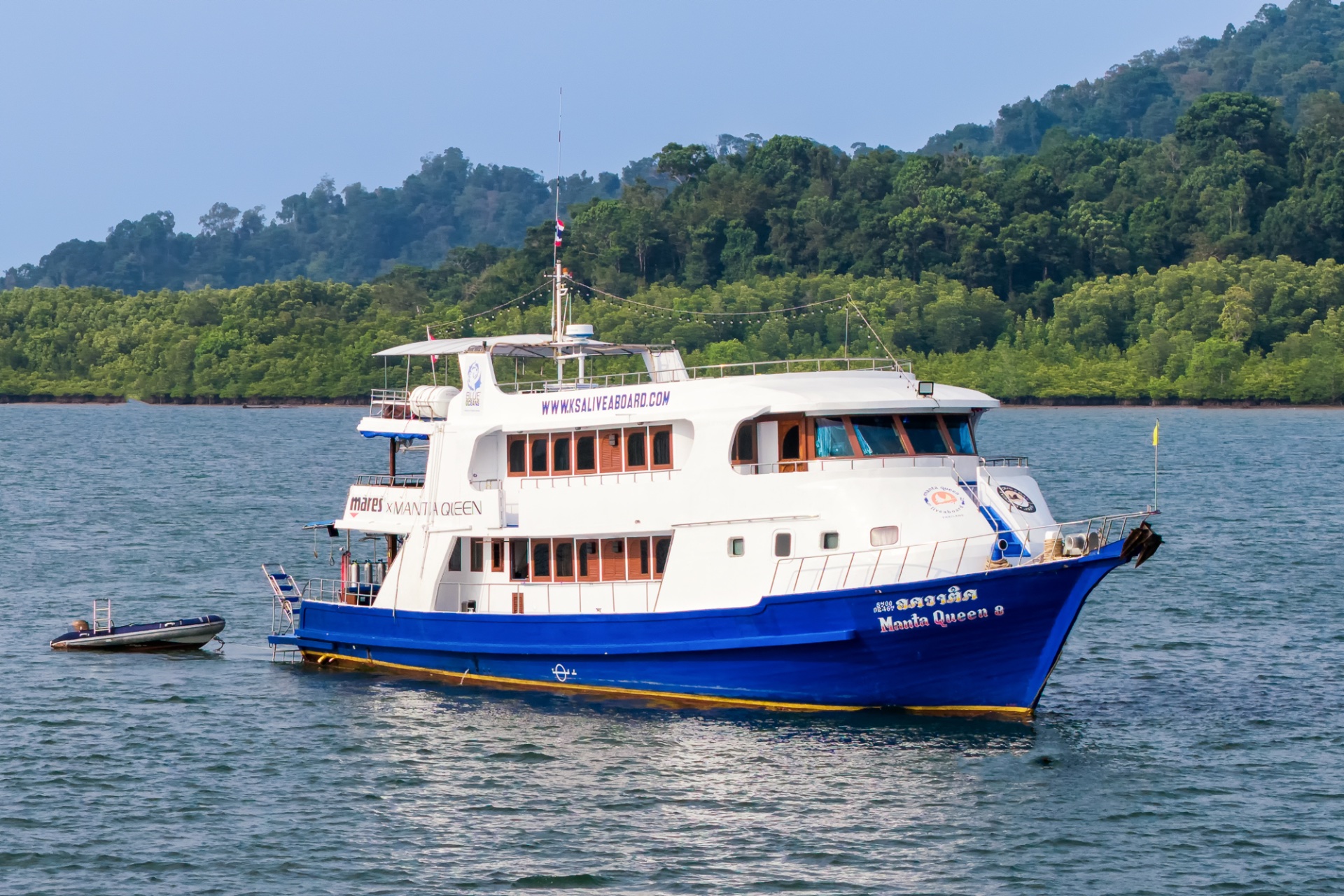
Manta Queen 8
Thailand
24 guests
$127/day
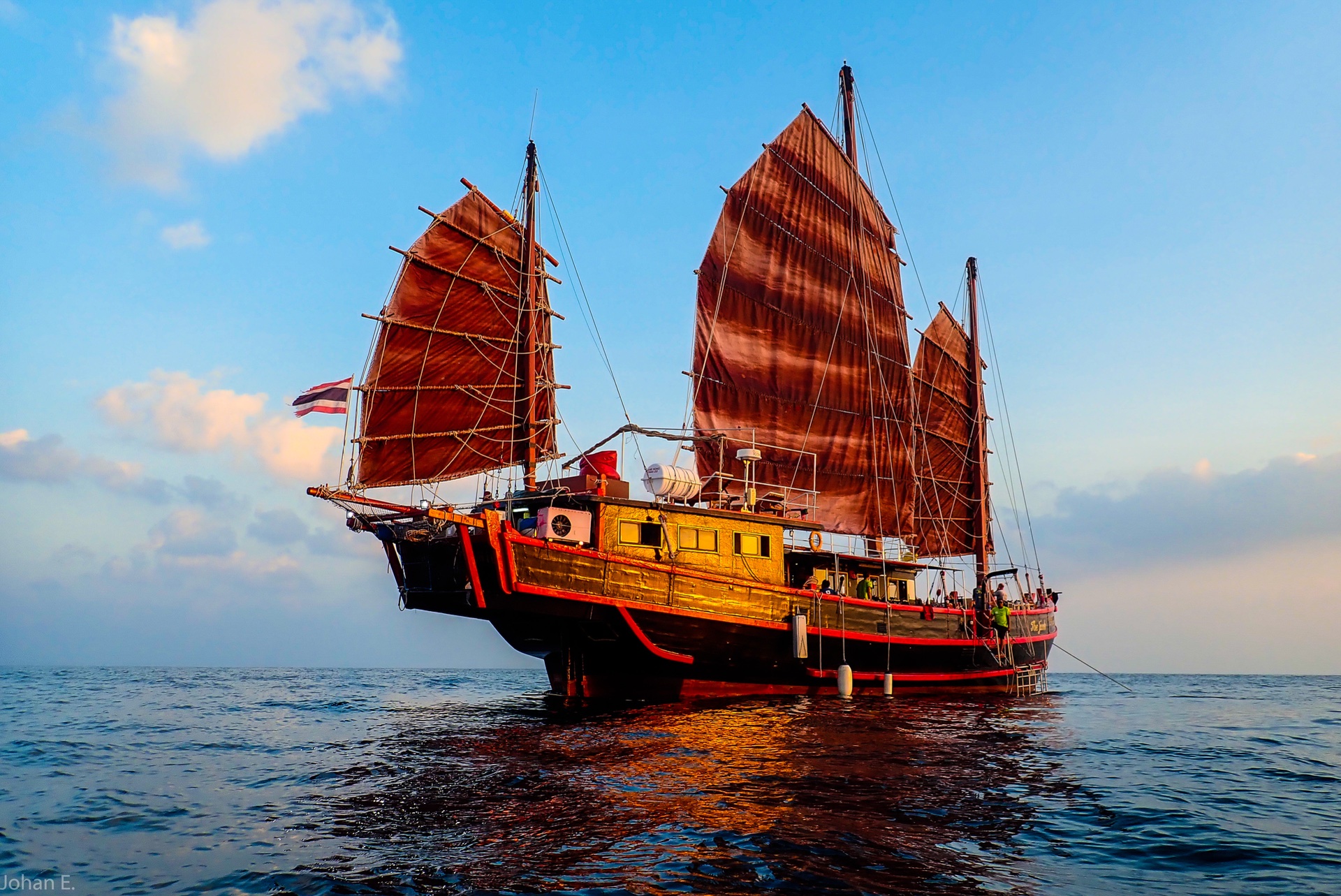
The Junk
Thailand
18 guests33 m
$163/day
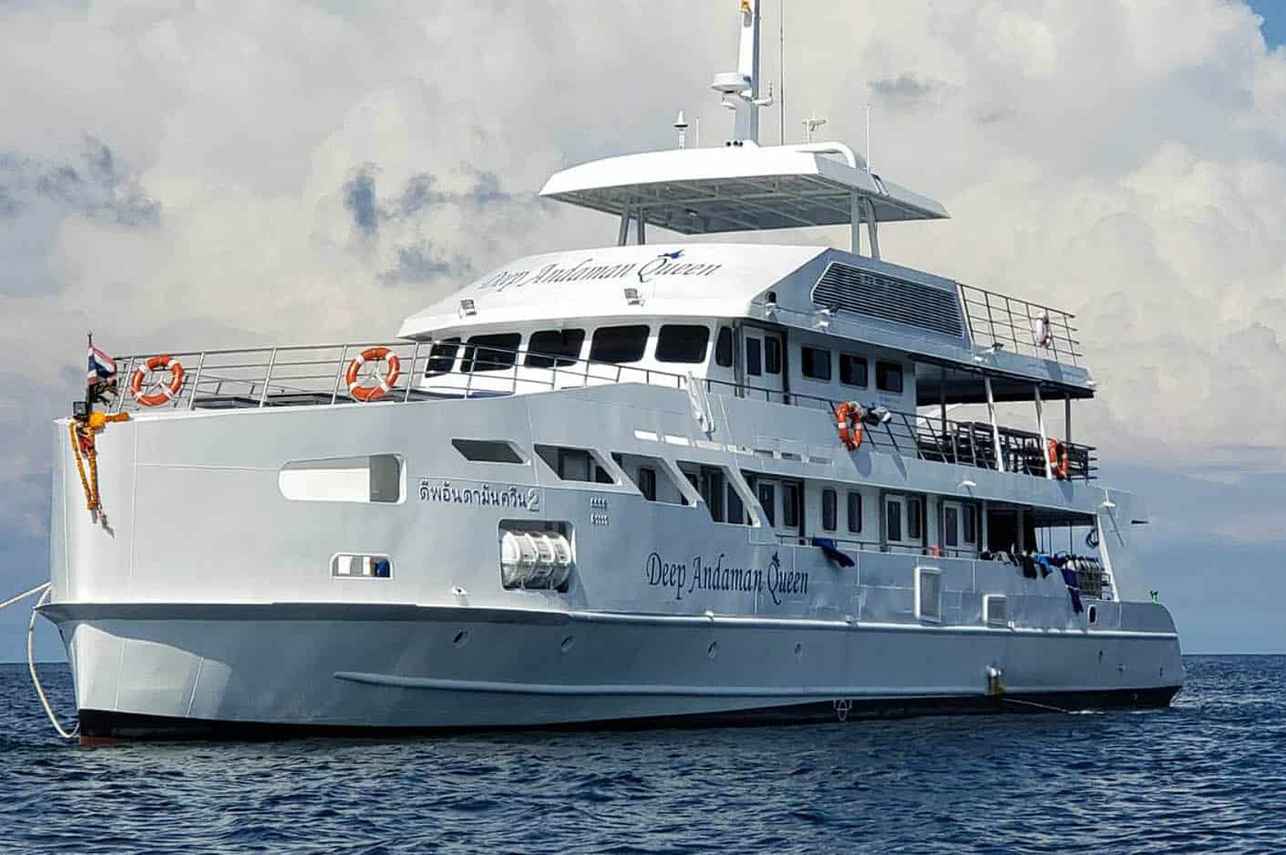
Deep Andaman Queen
Thailand
23 guests30.5 m
$194/day
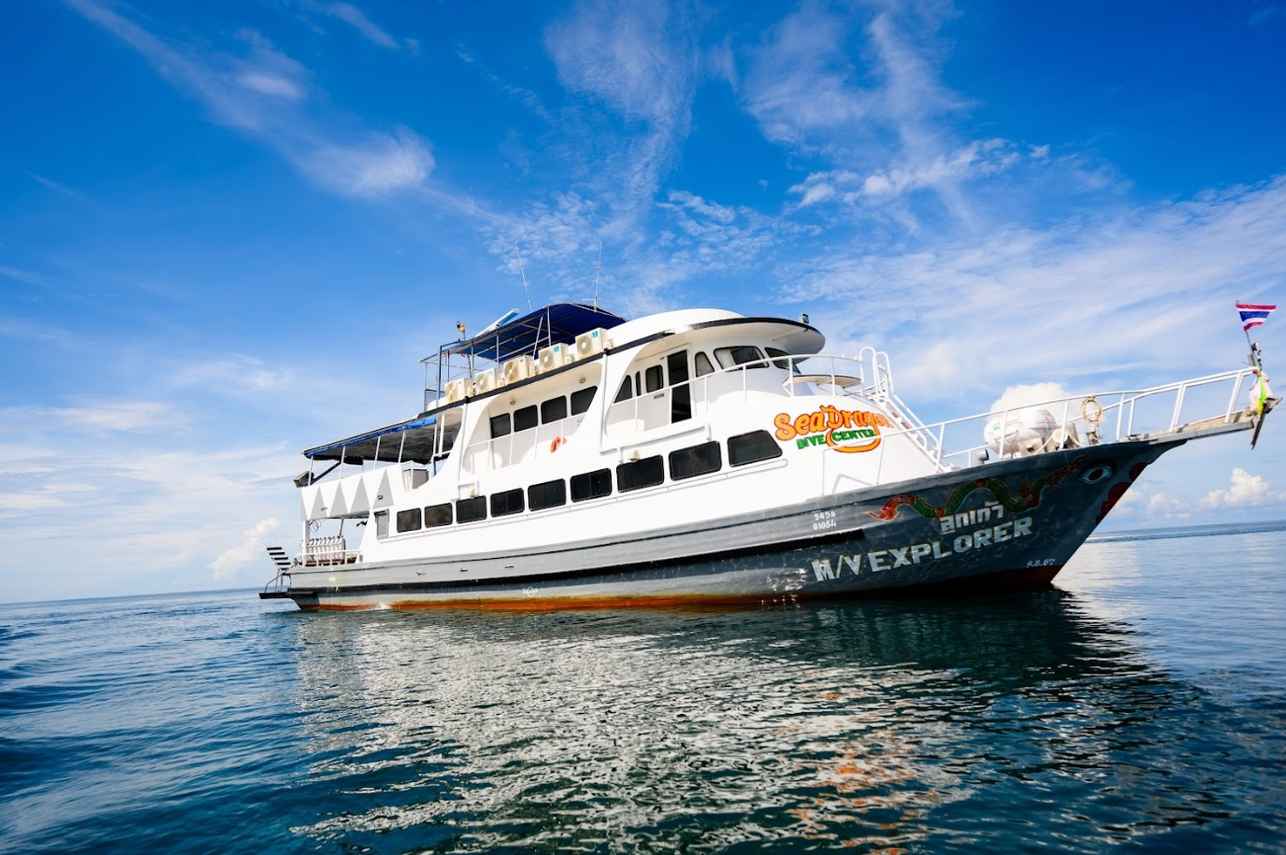
Explorer
Thailand
16 guests25 m
$150/day
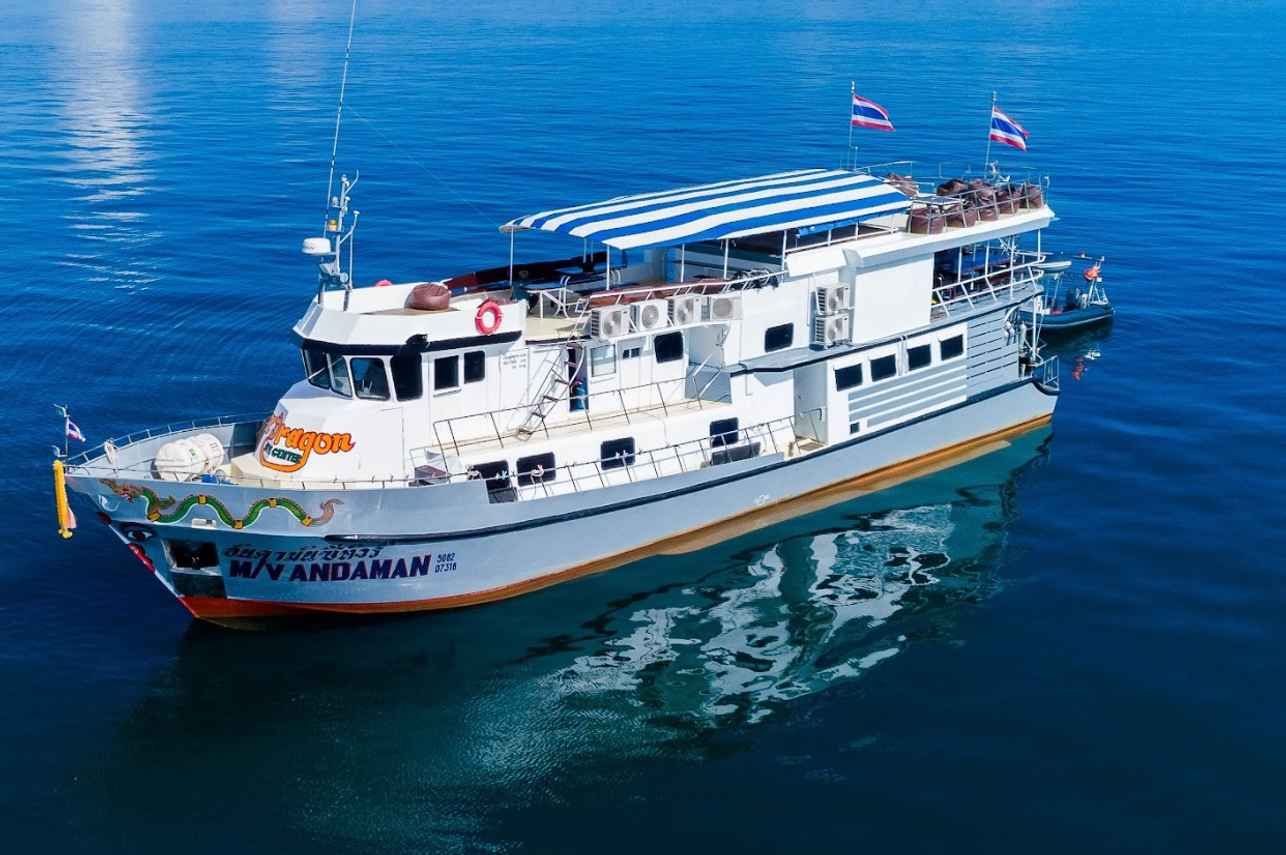
Andaman
Thailand
20 guests26 m
$108/day
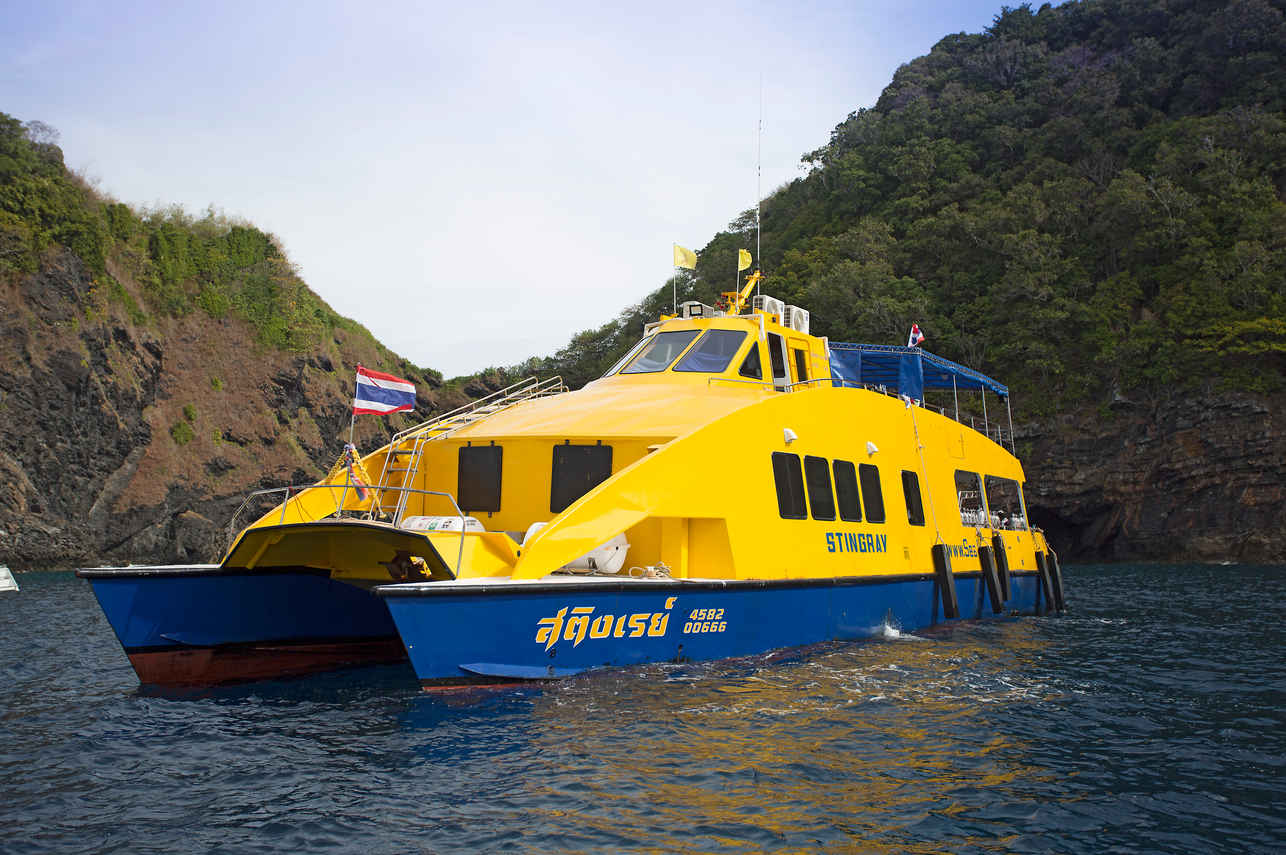
Stingray
Thailand
8 guests24 m
$245/day
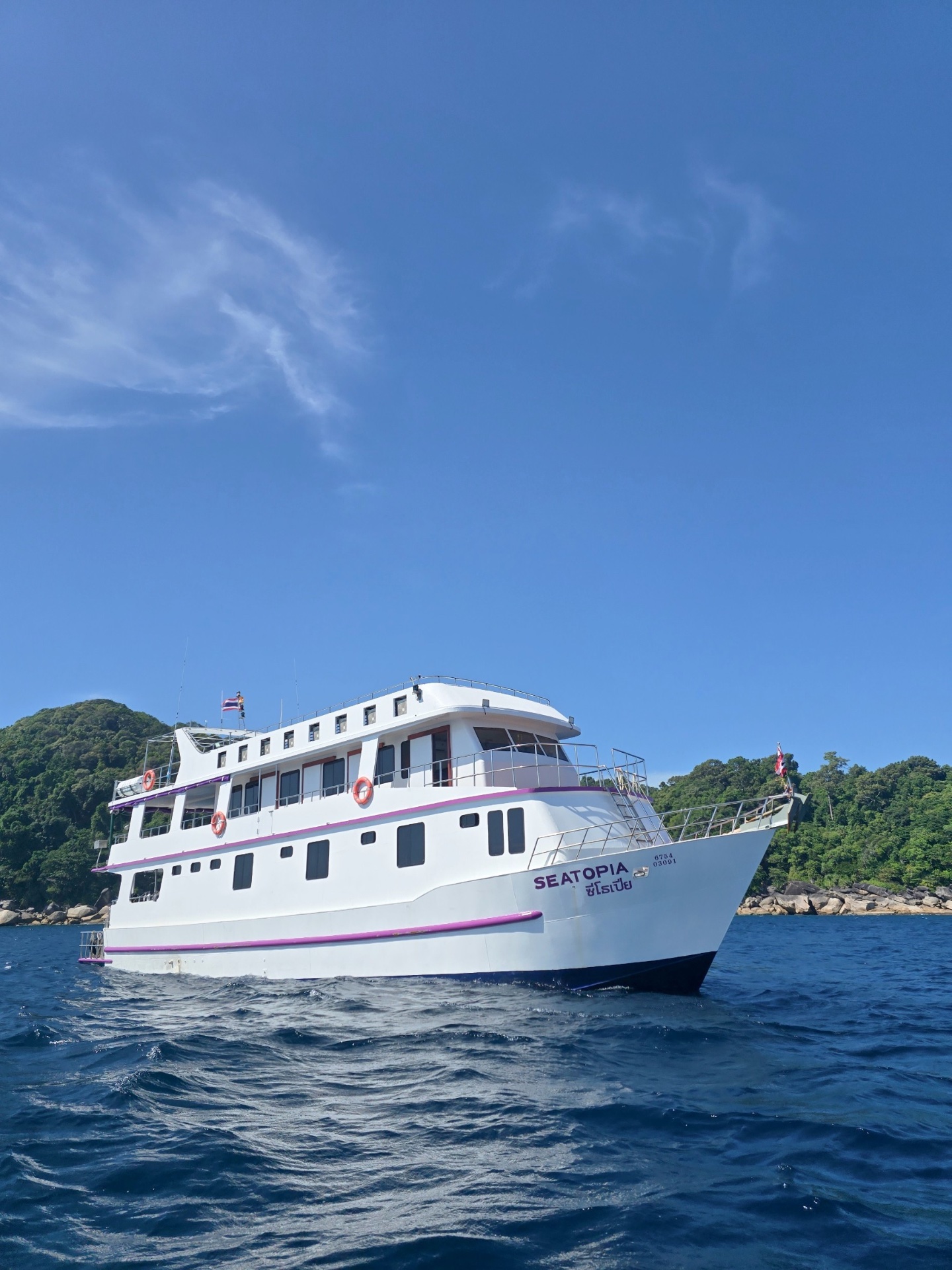
Seatopia
Thailand
24 guests24 m
Dive sites similar to Elephant Head Rock
Same character, same waters — six more sites divers love for the exact same reasons.Compare seasons, access and liveaboard routes — then pick the site that fits your trip best.
Hin Raab is a prominent dive site located in the eastern Gulf of Thailand, near Koh Chang, offering an exceptional underwater experience with its rich coral biodiversity and thriving marine life.
- Suitable for
- Intermediate
- Current
- Moderate
- Access
- Dayboat
- Depth
- 5–22 m
- Theme
- Reef / Pinnacle
© Esri — Maxar, Earthstar, GIS
Christmas Point
Thailand
Christmas Point, located on Similan Island number 9 (Koh Ba-Ngu), stands out as one of the Similan Islands' most iconic dive sites.
- Suitable for
- Intermediate
- Current
- Strong
- Access
- Liveaboard or dayboat
- Depth
- 2–40 m
- Theme
- Pinnacle
© Esri — Maxar, Earthstar, GIS
Koh Tao — Twins
Thailand
Twins, a highly popular dive site near Koh Tao, Thailand, is renowned for its accessibility and rich marine life.
- Suitable for
- Beginner
- Current
- Mild
- Access
- Liveaboard or dayboat
- Depth
- 5–18 m
- Theme
- Pinnacle
© Esri — Maxar, Earthstar, GIS
Southwest Pinnacle
Thailand
Southwest Pinnacle, located approximately 45 minutes by boat from Koh Tao's Mae Haad pier, is a renowned dive site in the Gulf of Thailand.
- Suitable for
- Intermediate
- Current
- Strong
- Access
- Liveaboard or dayboat
- Depth
- 8–26 m
- Theme
- Pinnacle / Wall
© Esri — Maxar, Earthstar, GIS
Hin Luk Bat
Thailand
Hin Luk Bat is a renowned dive site located off the coast of Koh Chang, celebrated for its unique geological formations and abundant marine life.
- Suitable for
- Intermediate
- Current
- Mild
- Access
- Dayboat
- Depth
- 5–25 m
- Theme
- Reef / Pinnacle
© Esri — Maxar, Earthstar, GIS
Shark Point
Thailand
Shark Point, also known as Hin Musang, is a celebrated dive site located midway between Phuket and Phi Phi Islands in the Andaman Sea.
- Suitable for
- Intermediate
- Current
- Strong
- Access
- Liveaboard or dayboat
- Depth
- 5–24 m
- Theme
- Pinnacle