Sweetlips in its natural habitat — diving encounters and best destinations

Sweetlips

12–15 years

Want to dive with this animal?

Only destinations where this animal occurs.

The Sweetlips at a glance

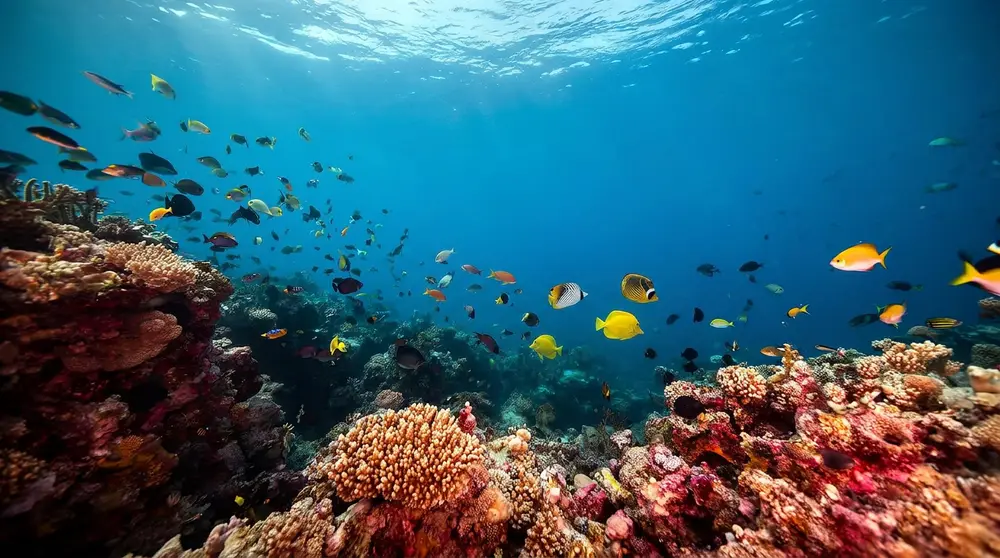
Sweetlips, belonging to the fascinating genus Plectorhinchus, are a captivating group of marine fish that frequently delight divers across the tropical and subtropical Indo-Pacific. These striking fish are instantly recognisable for their thick, fleshy lips and often vibrant, intricate patterns, making them a true spectacle against the backdrop of a coral reef. While many species share a generally oval, compressed body shape, their coloration and markings are incredibly diverse. Some, like the Harlequin Sweetlips, boast an arresting mosaic of large black spots on a white or yellowish body, while others might display elegant stripes, delicate speckles, or even a more uniform, albeit often colourful, hue. Juveniles often exhibit vastly different patterns and colours compared to their adult counterparts, sometimes adorned with bold stripes or spots that gradually transform into the adult livery as they mature. Their size can vary significantly between species, with some growing to an impressive 70 centimetres in length, whilst others remain more modest.

Behaviour & reproduction

Size
Unknown
Weight
3 kg
Lifespan
12–15 years
Status
Not Evaluated

Sweetlips exhibit a fascinating social structure, primarily observed in their schooling habits. While the exact dynamics of these aggregations can vary by species and location, the sight of hundreds of these fish congregating together is a highlight for many divers. Juveniles, often found in shallower, more protected environments like lagoons, seagrass beds, and mangrove estuaries, typically live a more solitary existence or in smaller groups, utilising these nursery habitats for protection from larger predators. As they mature, they migrate to deeper reef environments, embracing the communal adult lifestyle. While specific details on the reproductive strategies of all Plectorhinchus species are still being studied, they are generally thought to be pelagic spawners, releasing eggs and sperm into the water column where fertilisation occurs. The resulting larvae drift with ocean currents before settling in suitable juvenile habitats.

Where to dive with the Sweetlips: 22 top spots

Diving Tips

When observing Sweetlips, divers should aim to be slow and deliberate in their movements to avoid startling these generally placid fish. They are often found in large, dense schools during the day, congregating under ledges, in caves, or around large coral bommies. Spotting cues include their distinctive thick lips (hence the name) and their often striking patterns of spots, stripes, or blotches, which vary greatly by species. Look for different species like the Harlequin Sweetlips with its polka-dot pattern or the Oriental Sweetlips (*Plectorhinchus orientalis*) with its bold black and white stripes. Pay particular attention to reef overhangs or the shelter offered by wrecks, as these are prime locations for their daytime 'resting' schools. For safety and ethical diving, always maintain a respectful distance, typically several feet, to avoid disturbing their natural behavior or causing stress. Never touch, feed, or harass marine life, including Sweetlips. Their scales are covered in a protective mucus, and touching can remove it, making them vulnerable to infection. Avoid blocking their paths or cornering them. When diving at night, you might observe individual Sweetlips actively foraging; their behavior will be more dynamic but still requires a cautious approach. Be mindful of your fins and equipment to avoid unintentionally damaging the coral reefs where they reside. Always abide by local dive regulations which may prohibit certain behaviors or specify protected areas.

Fun facts about the Sweetlips

  • Juvenile sweetlips perform an adorable wiggling dance to mimic toxic flatworms
  • Adults are covered in beautiful spotted patterns
  • They are nocturnal hunters that hide in reef crevices during the day

Best time to see the Sweetlips

Encounters with Sweetlips are generally excellent year-round in their tropical and subtropical range, as they are non-migratory and remain within specific reef systems. However, certain periods may offer peak visibility or larger aggregations. In Southeast Asia, including destinations like Indonesia (e.g., Raja Ampat, Komodo) and the Philippines (e.g., Apo Island, Malapascua), the dry season from April to October often brings calmer seas and exceptional visibility, enhancing sightings of their vibrant colors and large schools. For the Great Barrier Reef, particularly the northern and southern sections, June to November (Australian winter/spring) is ideal, avoiding the cyclone season and offering cooler, clearer water. In the Red Sea, especially around popular dive sites in Egypt such as Ras Mohammed or the Brothers Islands, March to May and September to November are considered optimal; these shoulder months offer comfortable water temperatures and often stable weather conditions, resulting in frequent sightings of their characteristic resting schools. While Sweetlips are consistently present, these periods typically guarantee the most comfortable diving conditions for observing them in their natural habitat.

Where the Sweetlips lives

Sweetlips, belonging to the genus *Plectorhinchus*, are a diverse group of marine fish commonly found throughout the tropical and subtropical Indo-Pacific region. Their preferred habitats are typically coral reefs, both inner and outer reef slopes, and rocky substrates. Juveniles often inhabit shallower, more protected areas such as lagoons, seagrass beds, and mangrove estuaries, offering refuge from predators. As they mature, they migrate to deeper reef environments, often forming large aggregations around overhangs, caves, and wreck sites. Notable locations for observing Sweetlips include the Great Barrier Reef in Australia, where species like the Harlequin Sweetlips (*Plectorhinchus chaetodonoides*) are common, and the Red Sea, particularly around Egyptian and Sudanese coasts, known for schooling Diagonal Sweetlips (*Plectorhinchus lineatus*). The waters of Southeast Asia, including destinations such as Raja Ampat, Indonesia, and the Philippines, also host a rich variety of Sweetlips species, often seen resting in the daytime near the reef, dispersing at night to feed. They are generally found at depths ranging from shallow reefs down to approximately 50 meters (165 feet), adapting their preferences based on species and local environmental conditions.

What the Sweetlips eats

Sweetlips are primarily nocturnal carnivores, meaning they are most active foragers after sunset. Their diet consists mainly of small invertebrates and crustaceans, with a particular fondness for benthic organisms. Using their fleshy, often highly patterned lips, they methodically grub along the seafloor and within coral crevices to find hidden prey. Common dietary items include shrimp, crabs, polychaete worms, and other small bottom-dwelling crustaceans and mollusks. They employ a 'pumping' feeding strategy, often using their specially adapted mouths to suck in sand and debris, filtering out edible organisms. While juveniles may consume smaller planktonic items, adults are dedicated benthic feeders. This specialized feeding behavior highlights their integral role in the reef's nutrient cycling, turning over substrate as they forage and helping to maintain the health of the reef ecosystem. Divers often observe them during the day resting in large schools, becoming more active and individualistic in their hunting at night.

Sweetlips: frequently asked questions

When is the best time to see Sweetlips?
Encounters with Sweetlips are generally excellent year-round in their tropical and subtropical range, as they are non-migratory and remain within specific reef systems. However, certain periods may offer peak visibility or larger aggregations. In Southeast Asia, including destinations like Indonesia (e.g., Raja Ampat, Komodo) and the Philippines (e.g., Apo Island, Malapascua), the dry season from April to October often brings calmer seas and exceptional visibility, enhancing sightings of their vibrant colors and large schools. For the Great Barrier Reef, particularly the northern and southern sections, June to November (Australian winter/spring) is ideal, avoiding the cyclone season and offering cooler, clearer water. In the Red Sea, especially around popular dive sites in Egypt such as Ras Mohammed or the Brothers Islands, March to May and September to November are considered optimal; these shoulder months offer comfortable water temperatures and often stable weather conditions, resulting in frequent sightings of their characteristic resting schools. While Sweetlips are consistently present, these periods typically guarantee the most comfortable diving conditions for observing them in their natural habitat.
How big does Sweetlips get?
Sweetlips: Unknown
Is Sweetlips dangerous for divers?
When observing Sweetlips, divers should aim to be slow and deliberate in their movements to avoid startling these generally placid fish. They are often found in large, dense schools during the day, congregating under ledges, in caves, or around large coral bommies. Spotting cues include their distinctive thick lips (hence the name) and their often striking patterns of spots, stripes, or blotches, which vary greatly by species. Look for different species like the Harlequin Sweetlips with its polka-dot pattern or the Oriental Sweetlips (*Plectorhinchus orientalis*) with its bold black and white stripes. Pay particular attention to reef overhangs or the shelter offered by wrecks, as these are prime locations for their daytime 'resting' schools. For safety and ethical diving, always maintain a respectful distance, typically several feet, to avoid disturbing their natural behavior or causing stress. Never touch, feed, or harass marine life, including Sweetlips. Their scales are covered in a protective mucus, and touching can remove it, making them vulnerable to infection. Avoid blocking their paths or cornering them. When diving at night, you might observe individual Sweetlips actively foraging; their behavior will be more dynamic but still requires a cautious approach. Be mindful of your fins and equipment to avoid unintentionally damaging the coral reefs where they reside. Always abide by local dive regulations which may prohibit certain behaviors or specify protected areas.
What is the conservation status of Sweetlips?
Sweetlips: Not Evaluated
Plan your trip

Ready to dive with these animals?

Choose a destination or search every available vessel to find the liveaboard that matches the marine life you want to see.