About Cod Hole
Cod Hole is a renowned dive site located at the northern end of Ribbon Reef #10, approximately 240 kilometers north of Cairns, Australia, within the Great Barrier Reef Marine Park. It gained international fame largely due to the presence of its resident giant potato cod, drawing divers from around the world to experience close encounters with these remarkable fish. As part of the Ribbon Reefs, this remote location is exclusively accessible via liveaboard dive tours departing from Cairns. The dive typically begins with an easy descent to a sandy bottom at around 8 meters, where divers can navigate towards a channel separating Ribbon 10 from Cormorant Reef. The site features vibrant coral gardens, deep coral walls, and protruding bommies. While exploring, divers are often joined by the inquisitive potato cod, which can reach up to 2 meters in length and weigh as much as 100 kilograms. The topography also allows for exploration of blue waters and, when currents permit, deeper areas where pygmy seahorses are rumored to reside. The site is teeming with diverse marine life. Beyond the impressive potato cod, you can expect to see large numbers of Humphead Maori Wrasse, which can grow to 2 meters long. Other common sightings include reef sharks, schooling sweetlips and snapper, coral trout, triggerfish, red bass, green turtles, and various anemonefish. During the Australian winter months of June and July, there's a chance to encounter dwarf minke whales cruising the Ribbon Reefs. Cod Hole is suitable for all experience levels, with generally gentle currents and excellent visibility often exceeding 25 meters. Entry is typically made directly from the boat. Liveaboard trips to this area often include multiple dives, providing ample opportunity to explore Cod Hole and other nearby Ribbon Reef sites.
Highlights
Giant Potato CodMoray EelsNapoleon Wrasse
Season calendar
Best months to dive here
Jan
Feb
Mar
Apr
May
Jun
Jul
Aug
Sep
Oct
Nov
Dec
Good
Dive site facts: Cod Hole
- Depth
- 5–30 m
- Typical dive
- 16–18 m
- Current
- Gentle to limited
- Visibility
- 20–30 m
- Water temperature
- 22–30 °C
- Entry
- Boat / liveaboard
- Level
- All levels
- Dive type
- Reef, large marine life, pelagics, macro
- Region / port
- Great Barrier Reef, Queensland
- Coordinates
- -14.6667, 145.6333
Conditions & Currents
Cod Hole typically experiences gentle currents, contributing to a relaxed diving experience. However, on rare occasions, currents can be strong, particularly when venturing into deeper areas or channels. Entry into the water is usually made directly from the liveaboard boat.
Marine life & sighting chances

Potato Cod
common
Maori Wrasse
occasional
Humphead Parrotfish
occasional
Barracuda
occasional
Whitetip Reef Shark
occasional
Dwarf Minke Whale
June–July · occasional
Coral Trout
common
Sweetlips
common
Triggerfish
common
Trevally
common
Stingray
occasional
Angelfish
common
Lionfish
occasional
Moray Eel
occasionalDive profile & how the dive runs
Access to Cod Hole is typically by liveaboard, mooring directly over the site. Dives begin with a descent to the main coral garden area, which sits at approximately 16 to 18 meters. The site consists of various coral formations interspersed with sandy channels, creating a natural arena for interactions with the resident potato cod. Divers explore these formations and channels, allowing the large groupers, often measuring up to 2 meters and over 100 kg, to approach closely. These interactions are a highlight, with cod often swimming directly towards divers before veering off. Other marine life, including Maori wrasse and humphead parrotfish, are also present. The dive usually progresses around the bommies and through the channels, maintaining a relatively consistent depth. Ascents are gradual, with safety stops conducted at 5 meters, often still in the presence of curious fish.
Underwater photography
Cod Hole offers exceptional wide-angle photography opportunities due to the large, habituated potato cod and other pelagic species. A wide-angle lens is essential to capture the impressive size of the groupers and the vibrant coral formations. Natural light is abundant due to good visibility and moderate depth, but strobes are highly recommended to bring out the true colors of the corals and marine life, especially in deeper sections or when shooting against the sun. When photographing the potato cod, maintain respectful distance and avoid aggressive pursuit; their curious nature means they will often approach you. Practice excellent buoyancy control to avoid contact with the delicate corals and disturbing the sandy bottom, which can reduce visibility for both photographers and other divers. Given the popularity of the site, be mindful of other divers and avoid obstructing their experience or creating a chaotic scene.
Combine with nearby dive sites
- Steve's Bommie
A pinnacle rising from 30m, rich in soft corals and schooling fish, with macro life and pelagics.
- Pixie Pinnacle
Another distinctive pinnacle dive site in the Ribbon Reefs.
- Ribbon Reef No. 9
Features extensive hard coral fields and sandy gullies, with stingrays and whitetip reef sharks.
- Osprey Reef - North Horn
Outer wall dives with deep drop-offs and pelagic action, accessible from Cairns liveaboards.
Getting there & logistics
Cod Hole is exclusively accessed via liveaboard trips departing from Cairns or Port Douglas. Typical itineraries range from 3-5 days to 7-night expeditions that cover the full chain of Ribbon Reefs, including Cod Hole. Travel time from Cairns to the southern Ribbon Reefs is approximately 6-8 hours, with Cod Hole on Ribbon Reef Number 10 requiring an overnight journey. Shorter trips might focus on specific areas, while longer ones often combine Cod Hole with other Ribbon Reef sites like Steve's Bommie and Pixie Pinnacle, as well as outer Coral Sea sites such as Osprey Reef. There are no specific permits or fees mentioned for diving Cod Hole beyond the liveaboard cost. Flights typically arrive at Cairns International Airport (CNS), which serves as the primary gateway to the northern Great Barrier Reef.
Safety & environment
Diving at Cod Hole generally presents conditions suitable for all diver levels due to gentle currents and excellent visibility. However, liveaboard diving requires self-sufficiency and good dive practices. The nearest recompression chamber is located in Cairns. Evacuation from the remote Ribbon Reefs typically involves a liveaboard returning to port or, in severe cases, helicopter transfer, both of which can take several hours depending on weather and sea conditions. Comprehensive dive insurance, including coverage for medical emergencies and evacuation, is essential. While the potato cod are habituated, it's crucial to remember they are wild animals; maintain respectful distances, avoid direct contact, and never attempt to feed them, as this can alter their natural behavior and pose risks. Always follow your dive guide's instructions regarding interactions with marine life.
Who it suits — and who it doesn't
Suited for
- Divers seeking close interactions with large, iconic fish species
- Underwater photographers looking for wide-angle opportunities
- Divers interested in exploring remote, pristine reef systems
- Liveaboard enthusiasts who enjoy multi-day dive trips
Less suited for
- Divers with limited experience in remote liveaboard environments
- Those who prefer shore-based diving or short day trips
- Individuals sensitive to long boat journeys
- Divers unwilling to follow strict marine interaction guidelines
FAQ
Cod Hole FAQ
What is Cod Hole famous for?
Cod Hole is world-renowned for its resident population of giant potato cod, or Queensland grouper. These massive fish, which can grow up to 2 meters long and weigh over 100 kilograms, are exceptionally curious and habituated to divers, offering unique close-up encounters. The site also features vibrant coral gardens and diverse reef life.
Can beginners dive at Cod Hole?
Yes, Cod Hole is suitable for divers of all experience levels, including PADI Open Water certified divers. The site typically has gentle currents and excellent visibility, making for a comfortable diving experience. However, access is exclusively via liveaboard, which requires a certain level of comfort with continuous boat living and diving.
What is the best time of year to visit Cod Hole?
The dry season, from June to November, is generally considered the best time to visit due to lower daytime temperatures, less humidity, and minimal rainfall. This period offers consistently great underwater visibility and clear, sunny days. June and July also provide a unique opportunity to encounter dwarf minke whales in the Ribbon Reefs.
How do you get to Cod Hole?
Cod Hole is located on Ribbon Reef Number 10, far off the coast of Queensland, and is only accessible by liveaboard diving expeditions. These multi-day trips typically depart from Cairns or Port Douglas. The journey to Cod Hole usually involves an overnight cruise from the departure port.
Is it ethical to interact with the potato cod at Cod Hole?
The potato cod at Cod Hole have been habituated to divers since the 1970s. While they are unafraid and approach closely, direct feeding by divers is generally discouraged to maintain their natural behaviors. Always follow your dive guide's instructions and maintain a respectful distance to ensure the well-being of the marine life and a safe experience for all.
Why dive Cod Hole from a liveaboard?
Cod Hole is one of Australia's signature dive sites. A liveaboard sleeps you on the water and puts you in the water for three to four guided dives per day, including dawn and night dives that day-boat operators rarely offer. You skip the daily commute back to port and reach quieter, less-crowded sites in the same region on a single trip.
Below are the liveaboards that include Cod Hole on their Australia itineraries.
Liveaboards diving Cod Hole
These liveaboards may visit Cod Hole on selected itineraries — the exact dive sites depend on departure, weather and conditions.
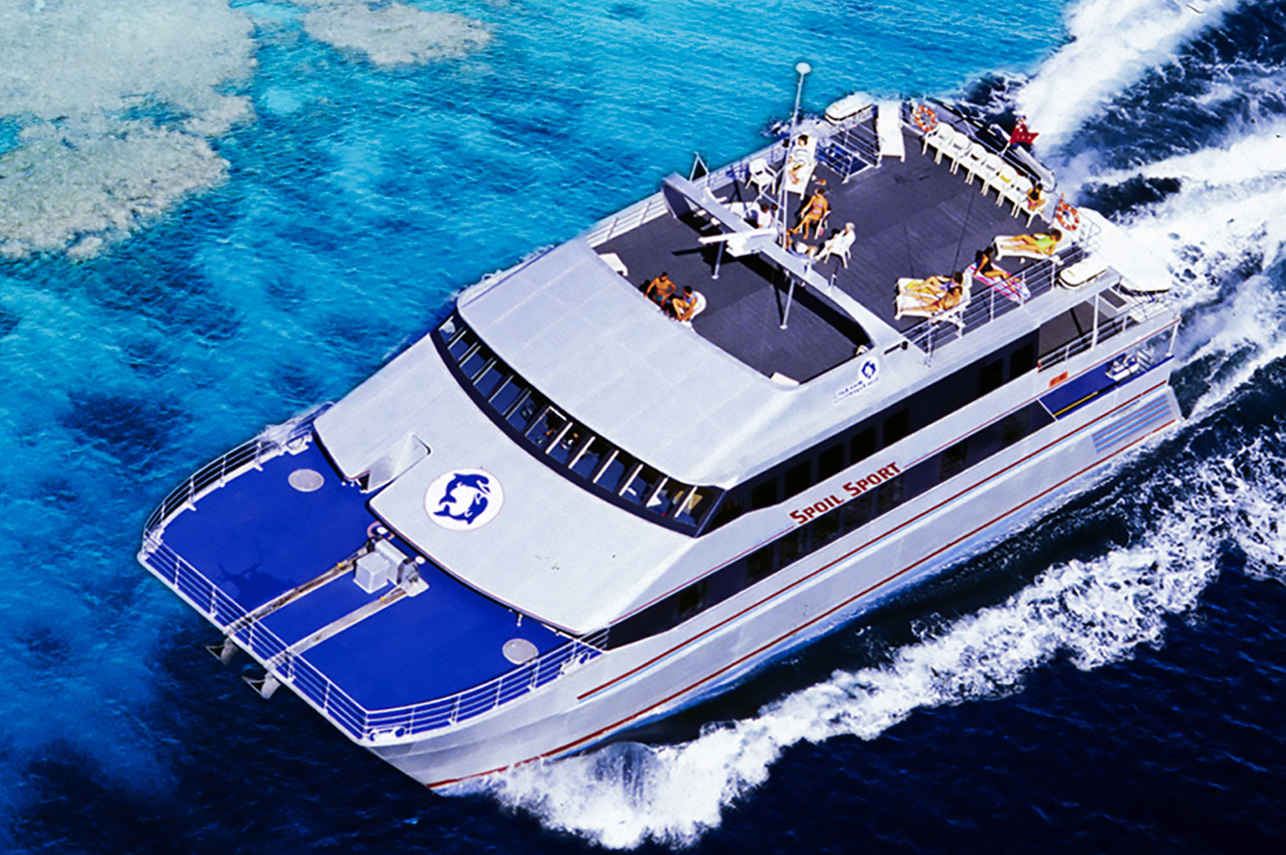
Spoilsport
Australia
28 guests30 m
$406/day
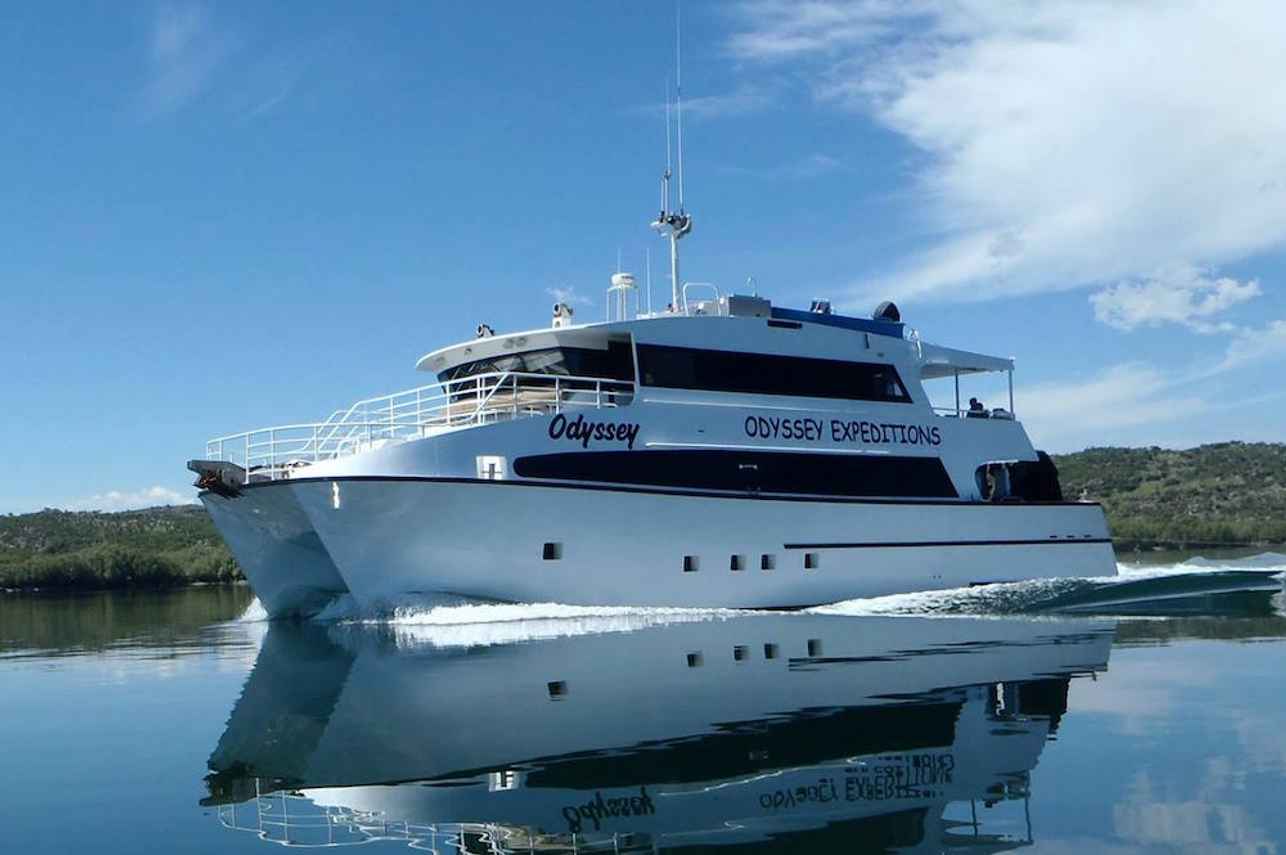
Odyssey Liveaboard
Australia
20 guests24 m
$392/day
Dive sites similar to Cod Hole
Same character, same waters — six more sites divers love for the exact same reasons.Compare seasons, access and liveaboard routes — then pick the site that fits your trip best.
© Esri — Maxar, Earthstar, GIS
Agincourt Reef
Australia
Agincourt Reef sits on the outer edge of the Great Barrier Reef, roughly 60–72 km off Port Douglas in Far North Queensland, at the southern end of the true ribbon reefs that run…
- Suitable for
- Beginner
- Current
- Moderate
- Access
- Dayboat
- Depth
- 2–20 m
- Theme
- Reef / Wall
© Esri — Maxar, Earthstar, GIS
Cocos Keeling - Canons
Australia
Cocos Keeling - Canons offers a distinctive dive experience within the Cocos (Keeling) Islands lagoon, making it Australia's most remote dive destination.
- Suitable for
- Beginner
- Current
- Mild
- Access
- Dayboat
- Depth
- 8–12 m
- Theme
- Reef
© Esri — Maxar, Earthstar, GIS
Raine Island
Australia
Raine Island is a pivotal dive site located in the Far Northern Great Barrier Reef, approximately 85 kilometers east-north-east of Cape Grenville and just over 4 nautical miles south of the island itself.
- Suitable for
- Advanced
- Current
- Strong
- Access
- Liveaboard only
- Depth
- 5–40 m
- Theme
- Reef / Wall
© Esri — Maxar, Earthstar, GIS
Bare Island East
Australia
Bare Island East is a highly regarded shore dive in Sydney, celebrated for its diverse and colourful sponge gardens.
- Suitable for
- Intermediate
- Current
- Mild
- Access
- Shore / dayboat
- Depth
- 2–11 m
- Theme
- Reef
© Esri — Maxar, Earthstar, GIS
Cocos Keeling - Broccoli Patch
Australia
Broccoli Patch is a premier dive site nestled within the Cocos (Keeling) Islands lagoon system, offering a gentle yet captivating underwater experience.
- Suitable for
- Beginner
- Current
- Mild
- Access
- Dayboat
- Depth
- 5–10 m
- Theme
- Reef
© Esri — Maxar, Earthstar, GIS
Milln Reef
Australia
Milln Reef, located approximately 60km offshore from Cairns within the Great Barrier Reef, stands out as a highly favored outer reef destination for both divers and snorkelers.
- Suitable for
- Intermediate
- Current
- Moderate
- Access
- Liveaboard or dayboat
- Depth
- 4–22 m
- Theme
- Reef