About Bare Island East
Bare Island East is a highly regarded shore dive in Sydney, celebrated for its diverse and colourful sponge gardens. This site offers an experience rich in delicate marine life, making it a favourite among local divers and underwater photographers. The underwater landscape is characterised by these extensive sponge gardens, providing a habitat for numerous species. Depths at Bare Island East typically range from shallow areas down to approximately 11 metres, making it accessible to a broad range of divers. The interesting life at this site is found across these moderate depths, encouraging slow, detailed exploration rather than deep descents. While the site is generally considered beautiful, moderate surge can sometimes be present, requiring divers to be mindful of conditions. The site is particularly famous for its unique species, such as the distinctive Red Indian Fish, which is regularly sighted here. Divers can also expect to encounter a variety of macro life, including pygmy pipefish, nudibranchs, sea stars, and seahorses. Seasonal schooling fish also frequent the area, adding to the dynamic marine environment. This rich biodiversity ensures a captivating experience on every dive. Accessing Bare Island East is straightforward for shore divers, though comfortable entry and navigation skills are beneficial due to potential surge. The site is a popular choice for those looking to immerse themselves in Sydney's temperate reef ecology, offering a consistent reward of marine sightings within a manageable dive profile.
Highlights
Vibrant sponge gardensRed Indian Fish sightingsPygmy pipefishDiverse nudibranchsSea starsSeahorses
Season calendar
Best months to dive here
Jan
Feb
Mar
Apr
May
Jun
Jul
Aug
Sep
Oct
Nov
Dec
Excellent
Good
Dive site facts: Bare Island East
- Depth
- 2–11 m
- Typical dive
- 11 m, ~42 min
- Current
- Light
- Visibility
- 8–20 m
- Water temperature
- 14–25°C
- Entry
- Shore
- Level
- Intermediate
- Dive type
- Reef, macro, temperate
- Night dive
- Possible
- Region / port
- Sydney, NSW, Australia
- Coordinates
- -34.003239, 151.234616
Conditions & Currents
Bare Island East typically experiences light currents, but divers should be aware of moderate surge, especially after swell or on less favourable tides. Conditions can change quickly with tide movement and swell direction, so it's essential to assess the site before entry. While the surface might appear calm, underwater surge can be significant, especially in shallow areas around rocky reefs and sponge gardens, moving divers around. Diving around slack tide usually creates the most favourable conditions. Visibility averages around 8 meters but can improve significantly in winter months. Divers should be comfortable with shore entries over rock platforms and basic navigation, and plan their dive to account for potential surge.
Marine life & sighting chances

Red Indian Fish
common
Pygmy pipefish
Autumn · common
Nudibranchs
common
Seahorses
common
Sea stars
common
Cuttlefish
occasional
Octopus
occasional
Wobbegong shark
occasional
Port Jackson shark
occasional
Weedy sea dragon
Autumn · occasional
Eastern blue groper
occasional
Schooling fish
occasionalDive profile & how the dive runs
Bare Island East is a shore dive, meaning entry is from the land directly into the water. Divers typically descend into relatively shallow waters, often focusing on a slow, deliberate exploration of the vibrant sponge gardens and rocky ledges. The dive profile involves progressing through depths generally staying within the 2 to 11-meter range, with much of the most interesting marine life found in shallower areas. Divers commonly follow reef laps along the eastern side of the island, searching through weeds, sponges, cracks, and sandy patches for macro life, rather than covering long distances. The turn point is determined by air consumption and planned bottom time, typically around 40-45 minutes. Safety stops are conducted in the shallowest part of the site, often in the 5-meter range, before making a shore exit.
Underwater photography
Bare Island East is a prime location for macro photography due to its abundance of small, delicate creatures and diverse sponge gardens. A macro lens (e.g., 60mm or 100/105mm) is highly recommended to capture the intricate details of pygmy pipefish, nudibranchs, and seahorses. Wide-angle photography can capture the overall beauty of the sponge gardens, but specific subjects might be challenging to light effectively in variable visibility. External strobes are essential for bringing out the true colours of the sponges and marine life, especially in deeper or less illuminated sections. Pay close attention to buoyancy control to avoid damaging the fragile sponge ecosystems. Patience and a slow pace are key, allowing time to spot hidden critters and compose shots without stirring up sediment. Be mindful of potential surge, which can make stable close-up shots difficult.
Combine with nearby dive sites
- Bare Island West
A popular Sydney shore dive known for macro life, seadragons, and temperate reef.
- Terrigal Haven
A productive site with sand flats and seagrass, offering pipefish, seahorses, and nudibranchs.
- The Slide, Terrigal
Features magnificent sponge gardens and a prolific nudibranch population on a reef slope.
- Camp Cove
A shallow, easy dive site suitable for beginners, with seagrass and boulders.
- Bushrangers Bay
A marine protected area with a resident colony of grey nurse sharks and stingrays.
- Gravel Loader
A jetty dive where grey nurse sharks, banded coral shrimp, and lionfish can be found.
Getting there & logistics
Bare Island East is located in Sydney, Australia, accessible via shore entry. Divers typically fly into Sydney Kingsford Smith Airport (SYD), which is conveniently located relatively close to the dive site. Most diving here is done as day trips from local dive operators or as independent shore dives. Permits are generally not required for diving at Bare Island itself, as it is a public access site, though parking fees might apply in the vicinity. There are no specific trip lengths associated with Bare Island East, as it's typically dived as a single or double tank shore excursion. It can be combined with other Sydney shore dives like Bare Island West, or boat dives to nearby sites, as part of a broader Sydney diving itinerary.
Safety & environment
Bare Island East is a shore dive, and safety considerations include carefully judging swell, tide, and entry conditions around the island's rock platform and stair access. Low visibility can be a hazard, especially after heavy rains or significant swell. Divers must be comfortable with shore entries and exits and capable of basic navigation. Surge can be moderate, requiring good buoyancy control and awareness. The nearest recompression chamber is located at Prince of Wales Hospital in Randwick, Sydney. Dive insurance covering medical emergencies and recompression is highly recommended for all divers. Always dive with a buddy, carry appropriate safety equipment, and conduct a thorough site assessment before entering the water. Conditions can change rapidly, so flexibility and an understanding of local weather patterns are crucial.
Who it suits — and who it doesn't
Suited for
- Macro photographers
- Experienced shore divers
- Divers seeking unique temperate marine life
- Underwater naturalists
- Divers comfortable with moderate surge
Less suited for
- Absolute beginners
- Divers uncomfortable with shore entries
- Divers expecting strong currents and pelagics
- Those sensitive to moderate surge
- Divers who prefer deep wreck diving
FAQ
Bare Island East FAQ
What kind of marine life can I expect to see at Bare Island East?
Bare Island East is renowned for its diverse macro life and unique temperate species. You can reliably spot Red Indian Fish, pygmy pipefish, various nudibranchs, sea stars, and seahorses. The vibrant sponge gardens provide habitat for a wide array of smaller creatures, making every dive a treasure hunt for these delicate marine inhabitants.
What are the typical diving conditions at Bare Island East?
Conditions generally involve light currents, but divers should anticipate moderate surge, especially during or after swells. Visibility averages around 8 meters but can be significantly clearer in winter, potentially reaching up to 20 meters. Water temperatures range from 14-18°C in winter to 23-25°C in summer. It is a shore dive, requiring careful assessment of entry and exit points.
Is Bare Island East suitable for beginner divers?
Bare Island East is considered an intermediate dive site. While depths are moderate, the potential for moderate surge and the requirement for shore entry over rock platforms means divers should be comfortable with basic navigation, buoyancy control, and managing variable conditions. It is not typically recommended for absolute beginners due to these factors.
When is the best time of year to dive Bare Island East for visibility?
The winter months, from July to October, generally offer the best visibility at Bare Island East, often reaching up to 20 meters. While the water is cooler during this period, the clearer conditions provide exceptional opportunities for observation and photography. Autumn (March-May) also offers excellent visibility with more comfortable water temperatures.
How deep is Bare Island East and what is the typical dive time?
The maximum reported depth for Bare Island East is approximately 11 meters, with much of the interesting marine life found in shallower zones, often around 2 meters. A typical dive here lasts about 42 minutes, allowing ample time for slow exploration of the sponge gardens and searching for macro creatures without venturing too deep.
Why dive Bare Island East from a liveaboard?
Bare Island East is one of Australia's signature dive sites. A liveaboard sleeps you on the water and puts you in the water for three to four guided dives per day, including dawn and night dives that day-boat operators rarely offer. You skip the daily commute back to port and reach quieter, less-crowded sites in the same region on a single trip.
Below are the liveaboards that include Bare Island East on their Australia itineraries.
Liveaboards diving Bare Island East
These liveaboards may visit Bare Island East on selected itineraries — the exact dive sites depend on departure, weather and conditions.
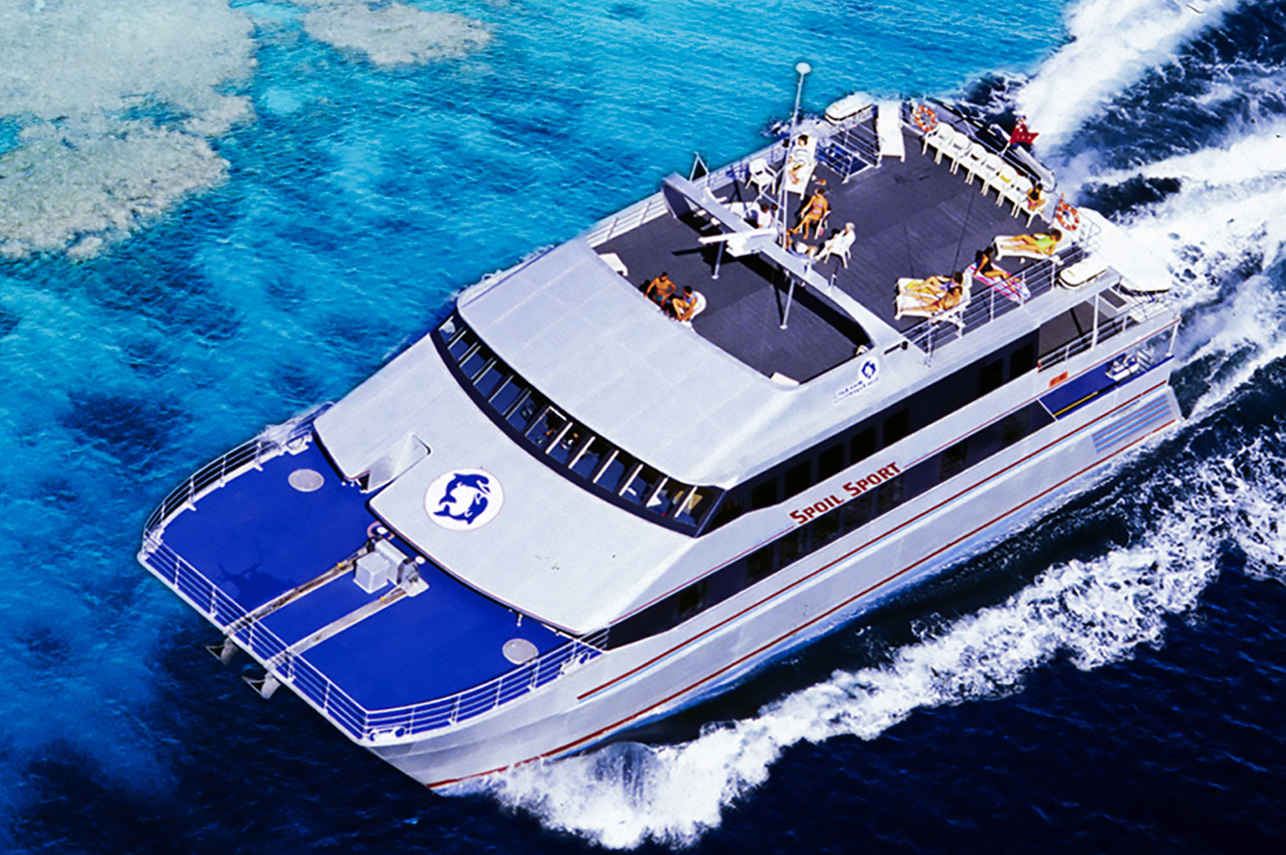
Spoilsport
Australia
28 guests30 m
$409/day
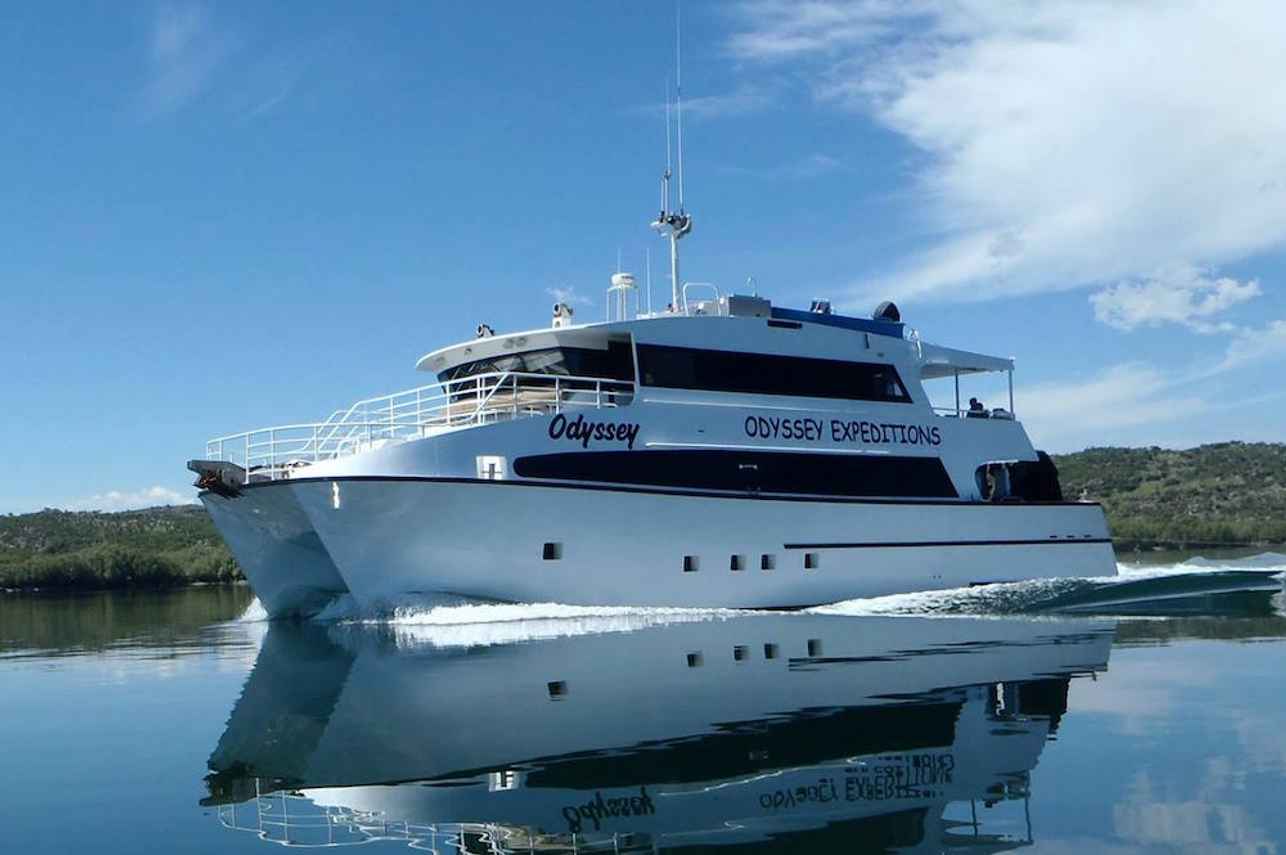
Odyssey Liveaboard
Australia
20 guests24 m
$392/day
Dive sites similar to Bare Island East
Same character, same waters — six more sites divers love for the exact same reasons.Compare seasons, access and liveaboard routes — then pick the site that fits your trip best.
© Esri — Maxar, Earthstar, GIS
Agincourt Reef
Australia
Agincourt Reef sits on the outer edge of the Great Barrier Reef, roughly 60–72 km off Port Douglas in Far North Queensland, at the southern end of the true ribbon reefs that run…
- Suitable for
- Beginner
- Current
- Moderate
- Access
- Dayboat
- Depth
- 2–20 m
- Theme
- Reef / Wall
© Esri — Maxar, Earthstar, GIS
Cocos Keeling - Canons
Australia
Cocos Keeling - Canons offers a distinctive dive experience within the Cocos (Keeling) Islands lagoon, making it Australia's most remote dive destination.
- Suitable for
- Beginner
- Current
- Mild
- Access
- Dayboat
- Depth
- 8–12 m
- Theme
- Reef
© Esri — Maxar, Earthstar, GIS
Raine Island
Australia
Raine Island is a pivotal dive site located in the Far Northern Great Barrier Reef, approximately 85 kilometers east-north-east of Cape Grenville and just over 4 nautical miles south of the island itself.
- Suitable for
- Advanced
- Current
- Strong
- Access
- Liveaboard only
- Depth
- 5–40 m
- Theme
- Reef / Wall
© Esri — Maxar, Earthstar, GIS
Cocos Keeling - Broccoli Patch
Australia
Broccoli Patch is a premier dive site nestled within the Cocos (Keeling) Islands lagoon system, offering a gentle yet captivating underwater experience.
- Suitable for
- Beginner
- Current
- Mild
- Access
- Dayboat
- Depth
- 5–10 m
- Theme
- Reef
© Esri — Maxar, Earthstar, GIS
Milln Reef
Australia
Milln Reef, located approximately 60km offshore from Cairns within the Great Barrier Reef, stands out as a highly favored outer reef destination for both divers and snorkelers.
- Suitable for
- Intermediate
- Current
- Moderate
- Access
- Liveaboard or dayboat
- Depth
- 4–22 m
- Theme
- Reef
© Esri — Maxar, Earthstar, GIS
Gravel Loader
Australia
The Gravel Loader dive site in New South Wales offers a productive jetty dive experience, particularly appealing for its unique artificial reef habitat.
- Suitable for
- Beginner
- Current
- Moderate
- Access
- Shore / dayboat
- Depth
- ≤ 9 m
- Theme
- Reef