About Camp Cove
Camp Cove South is a serene, shallow dive site nestled in Sydney, Australia, renowned for its suitability for new divers and training exercises. Its underwater landscape primarily consists of sand flats adorned with seagrass, interspersed with boulders and kelp patches. This gentle topography makes it an excellent location for practicing navigation skills and discovering a diverse array of smaller marine creatures. The typical dive depth here is around 8 meters, making it accessible for extended bottom times and ideal for those building confidence. The site’s calm conditions and relatively sheltered position contribute to a relaxed diving experience, contrasting with some of Sydney’s more exposed locations. It is consistently listed as a beginner-friendly spot, often utilized for introductory dives and specialized training. While not known for large pelagic encounters, Camp Cove's ecosystem supports a healthy population of common Sydney fish species. Divers can regularly observe stripeys, various wrasse, bream, and benthic rays like numb rays and skates. Flounder are also frequent residents, often camouflaged on the sandy bottom, providing excellent opportunities for macro observation and identification. The historical presence of old glass bottles scattered on the seabed adds an archaeological element to some dives. Practical aspects of diving Camp Cove include easy shore access, making it convenient for divers without boat support. The site’s sheltered nature generally means milder currents, though visibility can fluctuate, especially after heavy rains. It offers a consistent and engaging experience for those seeking a peaceful and educational underwater adventure in an urban setting.
Highlights
Shallow, beginner-friendly diveSeagrass beds and kelp patchesNavigation training idealNumb rays and skatesWrasse and bream abundantOld glass bottles presentSheltered, easy shore access
Season calendar
Best months to dive here
Jan
Feb
Mar
Apr
May
Jun
Jul
Aug
Sep
Oct
Nov
Dec
Excellent
Good
Dive site facts: Camp Cove
- Depth
- 8 m
- Typical dive
- 8 m, 39 min
- Current
- Mild
- Visibility
- Variable, up to 8.6m average in Sydney
- Water temperature
- 17–25°C
- Entry
- Shore
- Level
- Beginner
- Dive type
- Macro, navigation training, sheltered reef
- Night dive
- Possible at select Sydney sites
- Region / port
- Sydney, New South Wales
- Coordinates
- 33.8564° S, 151.2678° E
Conditions & Currents
Camp Cove is characterized by generally mild current conditions, making it an ideal location for divers of all experience levels, particularly beginners. Its sheltered position within Sydney Harbour helps to buffer the site from stronger oceanic flows, contributing to a more relaxed diving environment. Visibility, however, can be variable, ranging from 8.6 meters on average across Sydney sites and potentially reducing after heavy rainfall due to runoff. There is no indication of significant thermoclines at this shallow site. Entry is typically from shore, allowing for a gradual and controlled descent. Divers should always assess local conditions before entering, particularly concerning any recent weather events that might affect clarity, but generally expect a calm and manageable dive.
Marine life & sighting chances


Dive profile & how the dive runs
Camp Cove South offers a simple and shallow dive profile, making it excellent for training and leisurely exploration. Divers typically enter from the shore, descending gradually over sandy areas to a maximum depth of 8 meters. The route often involves navigating over seagrass beds, interspersed with boulders and kelp patches. Divers can practice buoyancy and navigation skills by following natural contours or predetermined courses. The dive is usually conducted as an out-and-back, allowing ample time for observation of the resident marine life in the sheltered bay. Given the shallow depth, bottom time is generous, and safety stops are easily conducted within the dive profile itself, often over the sandy shallows before exiting back to the shore.
Underwater photography
Camp Cove is primarily suited for macro and wide-angle photography focusing on its shallow, calm environment. A macro lens will capture the details of pipefish, seahorses, and nudibranchs if encountered in the seagrass and kelp. For the wider reef and boulder areas, a wide-angle lens can showcase the habitat of bream, wrasse, and rays. Given the shallow depth, natural light is often sufficient, but a strobe can enhance colors and reduce backscatter, especially when visibility is average. Maintaining excellent buoyancy is crucial to avoid disturbing the sand and seagrass, ensuring clear shots and preserving the delicate ecosystem. Patience is key for observing the camouflaged flounder and cryptic species.
Combine with nearby dive sites
- Bare Island East
Known for sponge gardens and delicate creatures like pygmy pipefish and nudibranchs.
- Bare Island West
A popular site with sponge gardens, seahorses, and weedy sea dragons, despite lower visibility.
- Gravel Loader
A jetty dive where grey nurse sharks, banded coral shrimp, and lionfish can be found.
- Terrigal Haven
Features sand flats and seagrass with diverse critters including pipefish, seahorses, and anglerfish.
- The Slide, Terrigal
A reef slope leading to sponge gardens, known for prolific nudibranchs and schools of Australian Salmon.
- Bushrangers Bay
A marine protected area with a resident colony of grey nurse sharks year-round, increasing in summer.
Getting there & logistics
Camp Cove, situated in Sydney, New South Wales, is easily accessible for divers arriving at Sydney Kingsford Smith Airport (SYD), which is Australia's best-connected airport. From the airport, transport to dive centers in Sydney is readily available. As a shore dive, it generally does not require complex boat arrangements or specific permits beyond standard diving practices. Dive trips to Camp Cove are often day trips, allowing for single or multiple dives, making it convenient for local divers or those on a short visit to Sydney. It is commonly combined with other local Sydney dive sites, offering a varied diving experience within the region. No explicit park fees are mentioned for diving this specific site.
Safety & environment
For diving in Sydney, including Camp Cove, it is essential to be aware of the nearest recompression chamber and emergency protocols, although specific details for Sydney are not provided in the sources. General safety for Australian diving includes having appropriate dive insurance. Camp Cove's shallow depth and mild currents make it a relatively low-risk site, particularly for beginners. However, divers should always monitor their air consumption and bottom time, especially during training dives. While local hazards are minimal, visibility can occasionally be reduced, so maintaining buddy contact is important. Always adhere to responsible diving practices, including proper waste disposal and avoiding disturbance of marine life and any historical artifacts like old bottles, to preserve the site's integrity.
Who it suits — and who it doesn't
Suited for
- Beginner divers
- Those practicing navigation skills
- Underwater photographers interested in macro subjects
- Divers seeking sheltered, calm conditions
- Anyone desiring extended bottom time in shallow water
Less suited for
- Divers seeking large pelagic encounters
- Advanced divers looking for challenging currents or depths
- Those uninterested in macro life or marine botany
- Divers expecting vibrant coral reefs
FAQ
Camp Cove FAQ
What kind of marine life can I expect to see at Camp Cove?
Camp Cove is known for its diverse smaller marine life inhabiting the seagrass beds and kelp. You can frequently spot stripeys, various species of wrasse and bream. Keep an eye out for benthic creatures like numb rays, skates, and flounder camouflaged on the sandy bottom, as well as occasional pipefish or seahorses among the vegetation.
Is Camp Cove suitable for beginner divers or dive training?
Yes, Camp Cove South is an excellent site for beginners and dive training. Its shallow depth of 8 meters, mild currents, and easy shore access make it ideal for learning and practicing skills such as buoyancy control and underwater navigation in a safe and controlled environment.
What are the typical diving conditions like at Camp Cove?
Camp Cove generally offers calm and sheltered diving conditions with mild currents. Water temperatures in Sydney can range from 14-18°C in winter to 23-25°C in summer. Visibility averages around 8.6 meters across Sydney, but can fluctuate based on recent rainfall or algal blooms.
Can I do shore dives at Camp Cove?
Yes, Camp Cove is primarily known for its convenient shore access. This makes it a popular spot for divers who prefer not to use boat charters or for those looking for an easy entry point to explore the local marine environment at their own pace.
What is the best time of year to dive Camp Cove?
While Camp Cove can be dived year-round, summer (December-February) offers the warmest water temperatures for comfort. However, autumn (March-May) often provides the best visibility and fewer crowds, enhancing the overall dive experience. Winter (June-August) brings the clearest water but colder temperatures.
Why dive Camp Cove from a liveaboard?
Camp Cove is one of Australia's signature dive sites. A liveaboard sleeps you on the water and puts you in the water for three to four guided dives per day, including dawn and night dives that day-boat operators rarely offer. You skip the daily commute back to port and reach quieter, less-crowded sites in the same region on a single trip.
Below are the liveaboards that include Camp Cove on their Australia itineraries.
Liveaboards diving Camp Cove
These liveaboards may visit Camp Cove on selected itineraries — the exact dive sites depend on departure, weather and conditions.
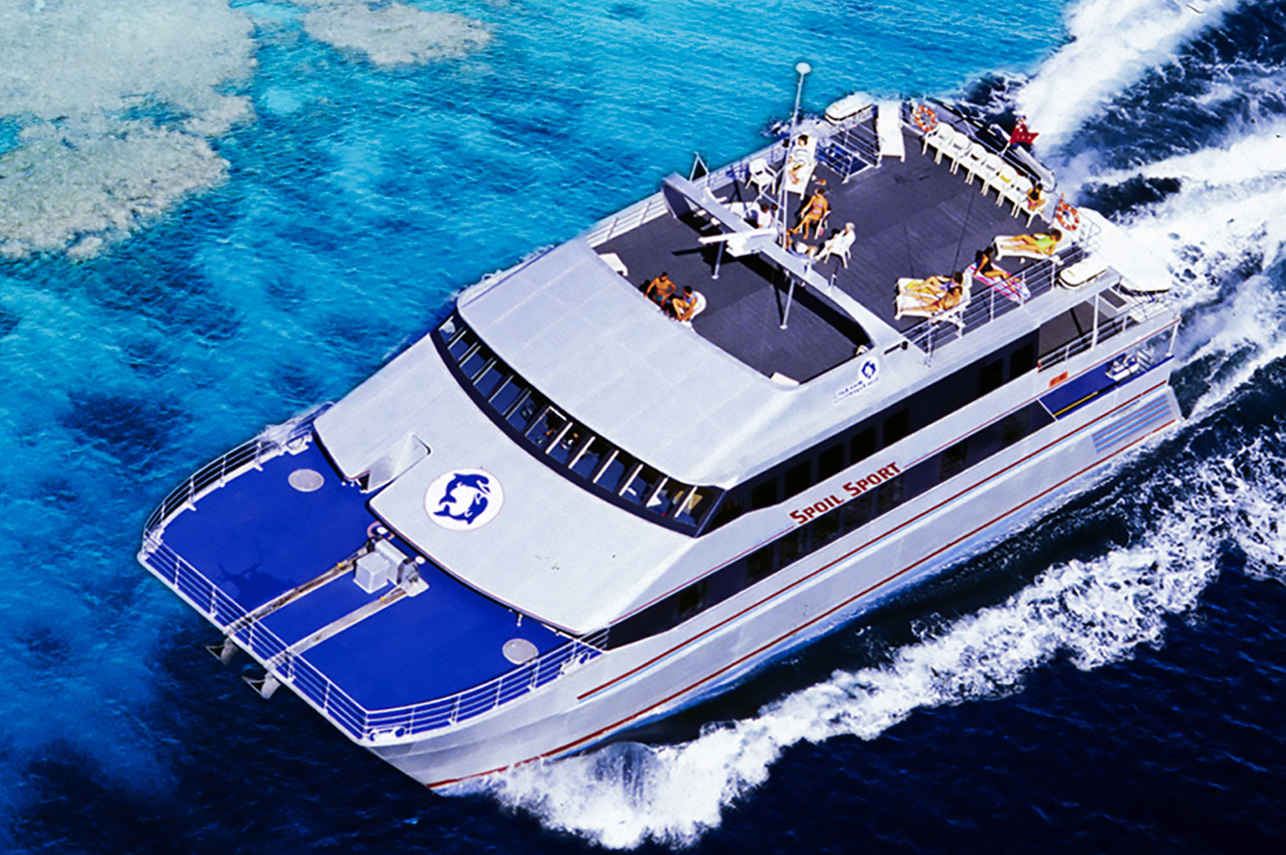
Spoilsport
Australia
28 guests30 m
$409/day
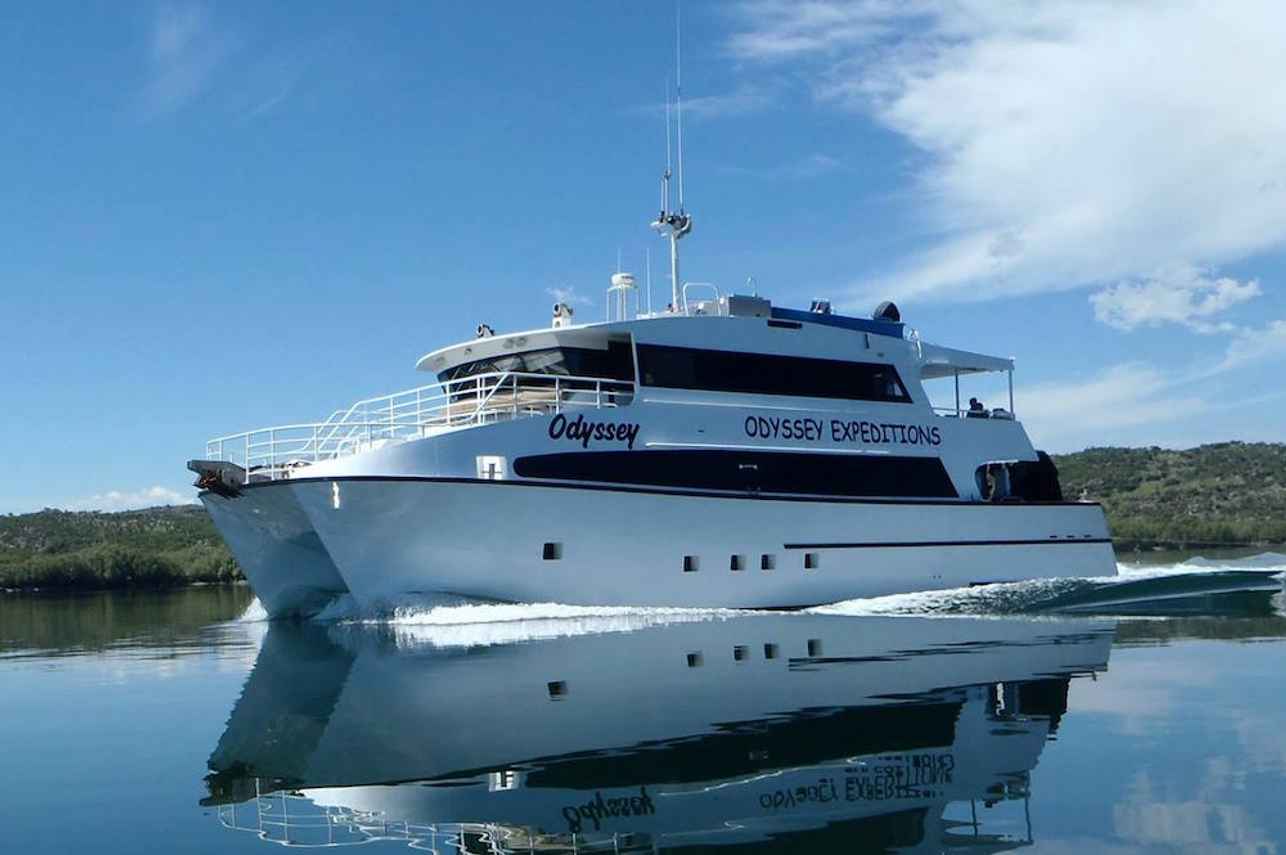
Odyssey Liveaboard
Australia
20 guests24 m
$392/day
Dive sites similar to Camp Cove
Same character, same waters — six more sites divers love for the exact same reasons.Compare seasons, access and liveaboard routes — then pick the site that fits your trip best.
© Esri — Maxar, Earthstar, GIS
Agincourt Reef
Australia
Agincourt Reef sits on the outer edge of the Great Barrier Reef, roughly 60–72 km off Port Douglas in Far North Queensland, at the southern end of the true ribbon reefs that run…
- Suitable for
- Beginner
- Current
- Moderate
- Access
- Dayboat
- Depth
- 2–20 m
- Theme
- Reef / Wall
© Esri — Maxar, Earthstar, GIS
Cocos Keeling - Canons
Australia
Cocos Keeling - Canons offers a distinctive dive experience within the Cocos (Keeling) Islands lagoon, making it Australia's most remote dive destination.
- Suitable for
- Beginner
- Current
- Mild
- Access
- Dayboat
- Depth
- 8–12 m
- Theme
- Reef
© Esri — Maxar, Earthstar, GIS
Raine Island
Australia
Raine Island is a pivotal dive site located in the Far Northern Great Barrier Reef, approximately 85 kilometers east-north-east of Cape Grenville and just over 4 nautical miles south of the island itself.
- Suitable for
- Advanced
- Current
- Strong
- Access
- Liveaboard only
- Depth
- 5–40 m
- Theme
- Reef / Wall
© Esri — Maxar, Earthstar, GIS
Bare Island East
Australia
Bare Island East is a highly regarded shore dive in Sydney, celebrated for its diverse and colourful sponge gardens.
- Suitable for
- Intermediate
- Current
- Mild
- Access
- Shore / dayboat
- Depth
- 2–11 m
- Theme
- Reef
© Esri — Maxar, Earthstar, GIS
Cocos Keeling - Broccoli Patch
Australia
Broccoli Patch is a premier dive site nestled within the Cocos (Keeling) Islands lagoon system, offering a gentle yet captivating underwater experience.
- Suitable for
- Beginner
- Current
- Mild
- Access
- Dayboat
- Depth
- 5–10 m
- Theme
- Reef
© Esri — Maxar, Earthstar, GIS
Milln Reef
Australia
Milln Reef, located approximately 60km offshore from Cairns within the Great Barrier Reef, stands out as a highly favored outer reef destination for both divers and snorkelers.
- Suitable for
- Intermediate
- Current
- Moderate
- Access
- Liveaboard or dayboat
- Depth
- 4–22 m
- Theme
- Reef