About Terrigal Haven
Terrigal Haven is a sheltered shore dive located on the NSW Central Coast, approximately 90 minutes north of Sydney. Situated within a marine reserve, it serves as a protected and easily accessible site popular for both training and exploring diverse marine life, including macro subjects. It features varied underwater habitats from sand flats and seagrass beds to a rocky reef and kelp, with boulders and red coralline algae adding to its structure. Diving here typically begins with a shore entry from the beach, crossing a sandy flat before reaching the rocky reef that follows the southern wall of the haven. Depths range from a shallow 3 meters down to 15 meters. A notable landmark for navigation and photography is a large admiralty anchor resting against the reef wall at around 10 meters. The site is home to a variety of marine creatures. Bull rays are frequently sighted, often resting in groups on the sandy sections. Seahorses can be found within the seagrass and sponge growths, while the rocky areas host nudibranchs. Schools of bream, leatherjackets, and red morwong are common in the water column. The protected conditions and marine reserve status allow for thriving marine ecosystems, making it a reliable spot for encounters. Terrigal Haven is generally suitable for all skill levels, from beginners to more experienced divers. Entry and exit are straightforward from the beach, with a short surface swim to the reef. While typically calm, divers should be aware of boat traffic, especially on weekends, and maintain awareness of their surroundings. Visibility can decrease after heavy rainfall, and stronger southerly swells might introduce surge to the rocky sections.
Highlights
Bull ray aggregationsGiant admiralty anchorSeahorse spottingRocky reef ecosystemsExtensive seagrass bedsVaried macro life
Season calendar
Best months to dive here
Jan
Feb
Mar
Apr
May
Jun
Jul
Aug
Sep
Oct
Nov
Dec
Excellent
Good
Off-Season
Dive site facts: Terrigal Haven
- Depth
- 3–15 m
- Typical dive
- 8–12 m, 40 min
- Current
- Mild to moderate (up to 2 knots)
- Visibility
- 4–25 m
- Water temperature
- 17–21 °C
- Entry
- Shore entry (sandy beach)
- Level
- Beginner
- Dive type
- Macro, reef, sand flat
- Night dive
- Possible
- Region / port
- Central Coast, New South Wales
- Coordinates
- -33.442995, 151.451524
Conditions & Currents
Terrigal Haven generally offers calm conditions due to its sheltered, south-facing bay location. However, moderate currents can occasionally occur, necessitating planning for potential drift entries and maintaining group proximity. Tidal influence is present, with an outgoing tide noted in forecasts. Shore entry is from the beach, which is typically easy sand entry, followed by a short surface swim to the reef. Boat traffic is a notable hazard, especially on weekends when boat launches are frequent, so divers must remain vigilant and aware of vessels. Visibility can be affected and reduce after heavy rain. In larger southerly swells, surge may impact the rocky reef sections. Divers of all skill levels can enjoy the site, but awareness of boat traffic and potential current changes is important for a safe experience.
Marine life & sighting chances
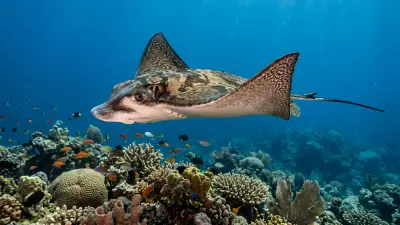
Bull Ray
common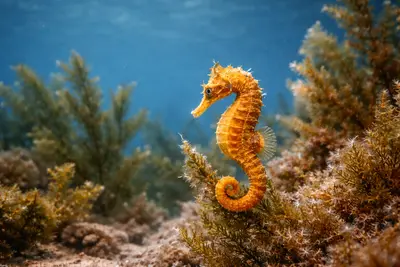
Seahorse
common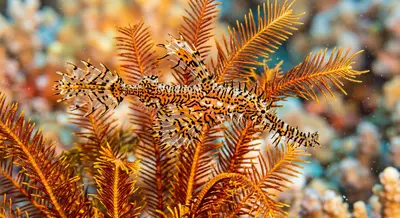
Pipefish
common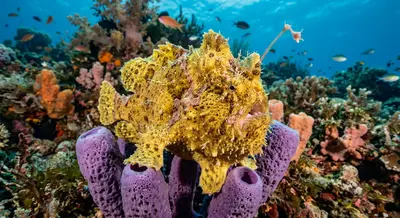
Anglerfish
common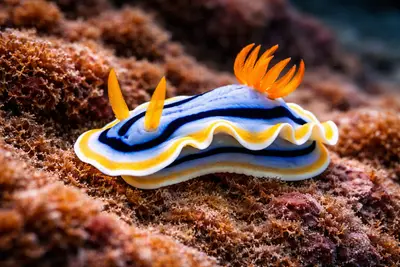
Nudibranch
common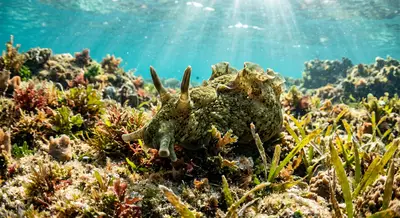
Sea Hare
common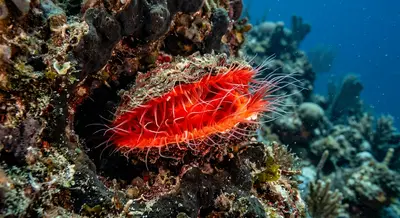
Bubble Shell
common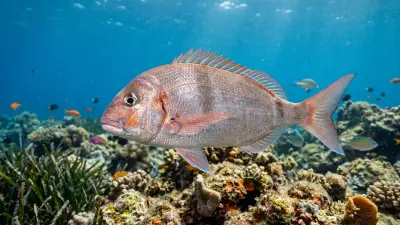
Bream
common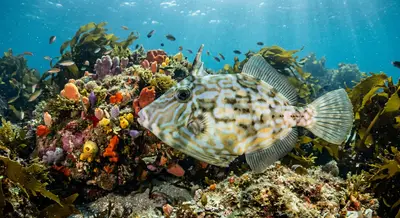
Leatherjacket
common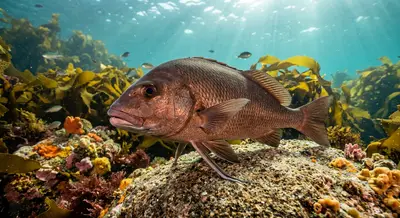
Red Morwong
common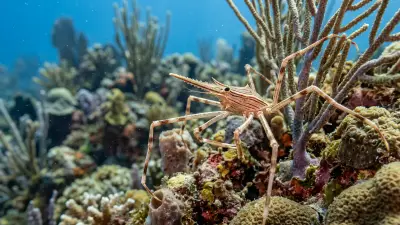
Crab
common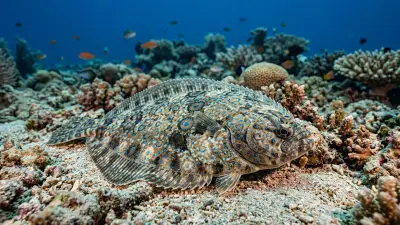
Flounder
commonLuderick
common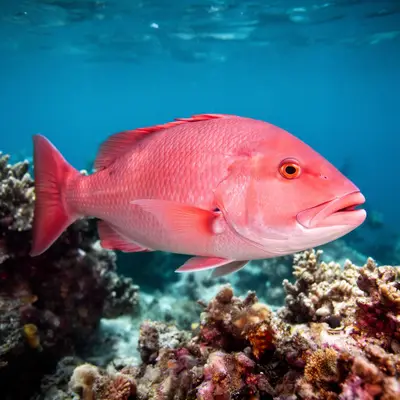
Snapper
commonDive profile & how the dive runs
Diving at Terrigal Haven begins with an easy shore entry from the beach, typically near the main boat ramp or the second ramp on the Terrigal Dive side. After a short surface swim, divers cross expansive sand flats and seagrass beds, which gradually descend to an average depth of 5 meters and a maximum of 15 meters. The primary navigation landmark is a notable giant anchor resting against the reef wall at approximately 10 meters, which is excellent for orientation. Divers should meticulously explore the seagrass and sponge growths for camouflaged macro life like pipefish, seahorses, and anglerfish. Following the rocky reef wall, keep an eye out for bull rays resting on the sandy base. The dive generally involves a slow progression across the varied terrain, focusing on macro observation. The safety stop is typically conducted in the shallower sandy or seagrass areas before making a controlled exit back to the beach.
Underwater photography
Terrigal Haven is an exceptional site for macro photography, thanks to its extensive seagrass beds and sandy flats teeming with small, camouflaged critters. A macro lens is highly recommended to capture the intricate details of pipefish, seahorses, anglerfish, nudibranchs, sea hares, and bubble shells. Strong external strobes are beneficial for illuminating subjects and restoring natural colors, especially when working in deeper or lower visibility sections. Given the shallow depths, managing buoyancy is crucial to avoid disturbing delicate seagrass habitats and stirring up sediment. Patience and a keen eye are essential, as many subjects are masters of camouflage. Consider wide-angle photography for capturing the large groups of bull rays on the sandy bottom or the iconic giant anchor at 10 meters.
Combine with nearby dive sites
- The Slide
The Slide, Terrigal, is a boat-access reef dive known for its distinctive topography and thriving marine life.
- HMAS Adelaide
- Skillion Cave
The Caves, located at San Cristóbal, offers a unique underwater adventure, blending skill and direct contact with the Galápagos…
- North Rock
North Rock is a premier dive site located off Broughton Island, approximately 20 kilometers north of Port Stephens in New South Wales…
Getting there & logistics
Terrigal Haven is situated on the Central Coast of New South Wales, about 90 minutes north of Sydney. Access is primarily by car, with a car park available at Terrigal Haven, off Campbell Crescent, providing a short walk to the beach. This car park can become full, especially during summer weekends. There are no specific permits or fees mentioned for diving this site. Divers typically arrange their own transport to the haven for shore entry dives. While no liveaboards serve this specific shore dive, it can be combined with other local shore or boat dives in the Central Coast region, such as the HMAS Adelaide wreck, Skillion Cave, or The Slide. Diving is often done as day trips, allowing for multiple dives at the site or nearby locations.
Safety & environment
Diving at Terrigal Haven requires awareness of several site-specific hazards. Boat traffic within the haven is a primary concern, particularly on weekends when boat launches are frequent; divers should always stay vigilant for vessels and may consider diving in the morning to avoid peak traffic. Visibility can significantly decrease following heavy rainfall, impacting navigation and safety. While currents are generally mild, surge can affect rocky reef sections during periods of larger southerly swells. It is always recommended to dive with appropriate certification and experience for the conditions. No specific recompression chamber location is provided in the sources for this immediate area, implying that divers should carry comprehensive dive insurance that covers emergency medical evacuation and treatment. Always dive within your training limits and with a buddy.
Who it suits — and who it doesn't
Suited for
- Beginner divers seeking calm, shallow conditions
- Macro photography enthusiasts
- Snorkelers and freedivers
- Divers interested in unique critter spotting
- Those looking for easy shore access
Less suited for
- Divers seeking strong currents and drift dives
- Those looking for deep wreck penetration
- Divers expecting large pelagic encounters
- Those uncomfortable with boat traffic near entry/exit points
FAQ
Terrigal Haven FAQ
What marine life can I expect to see at Terrigal Haven?
Terrigal Haven is renowned for its diverse marine life, particularly macro critters. You can frequently spot pipefish, seahorses, and anglerfish camouflaged within the seagrass beds. Bull rays are a common highlight, often seen resting or cruising the sandy areas. Additionally, look for various nudibranchs, sea hares, bubble shells, and schools of bream, leatherjackets, and red morwong.
What are the typical dive conditions at Terrigal Haven?
The haven usually offers calm conditions due to its protected bay, making it suitable for beginners. Depths range from 3 to 15 meters, with average visibility between 4 and 25 meters, varying with weather. Water temperatures are generally cool, ranging from 17 to 21°C. While currents are typically mild, they can reach up to 2 knots on occasion, and surge may occur during southerly swells.
Is Terrigal Haven suitable for beginner divers?
Yes, Terrigal Haven is highly suitable for beginner divers. Its shallow depths, easy shore access from a sandy beach, and generally calm, sheltered waters create an ideal learning environment. The site’s rich marine life also makes it very rewarding for new divers to explore without the challenges of strong currents or complex navigation.
Are there any hazards to be aware of when diving Terrigal Haven?
Divers should be mindful of boat traffic within the haven, especially during weekends, as vessels frequently launch. It's advisable to dive in the morning before traffic increases. Visibility can also be reduced after heavy rainfall. While currents are usually mild, rocky reef sections may experience surge during larger southerly swells, so always assess conditions before entering the water.
What is the best time of year to dive Terrigal Haven?
Statistically, April, June, and July are the best months for diving Terrigal Haven, with the highest percentage of 'diveable days' reported. These months typically offer the most favorable conditions regarding swell, wind, and tide, ensuring a more enjoyable and accessible dive experience. However, its sheltered nature often allows for diving year-round, with conditions varying seasonally.
Why dive Terrigal Haven from a liveaboard?
Terrigal Haven is one of Australia's signature dive sites. A liveaboard sleeps you on the water and puts you in the water for three to four guided dives per day, including dawn and night dives that day-boat operators rarely offer. You skip the daily commute back to port and reach quieter, less-crowded sites in the same region on a single trip.
Below are the liveaboards that include Terrigal Haven on their Australia itineraries.
Liveaboards diving Terrigal Haven
These liveaboards may visit Terrigal Haven on selected itineraries — the exact dive sites depend on departure, weather and conditions.
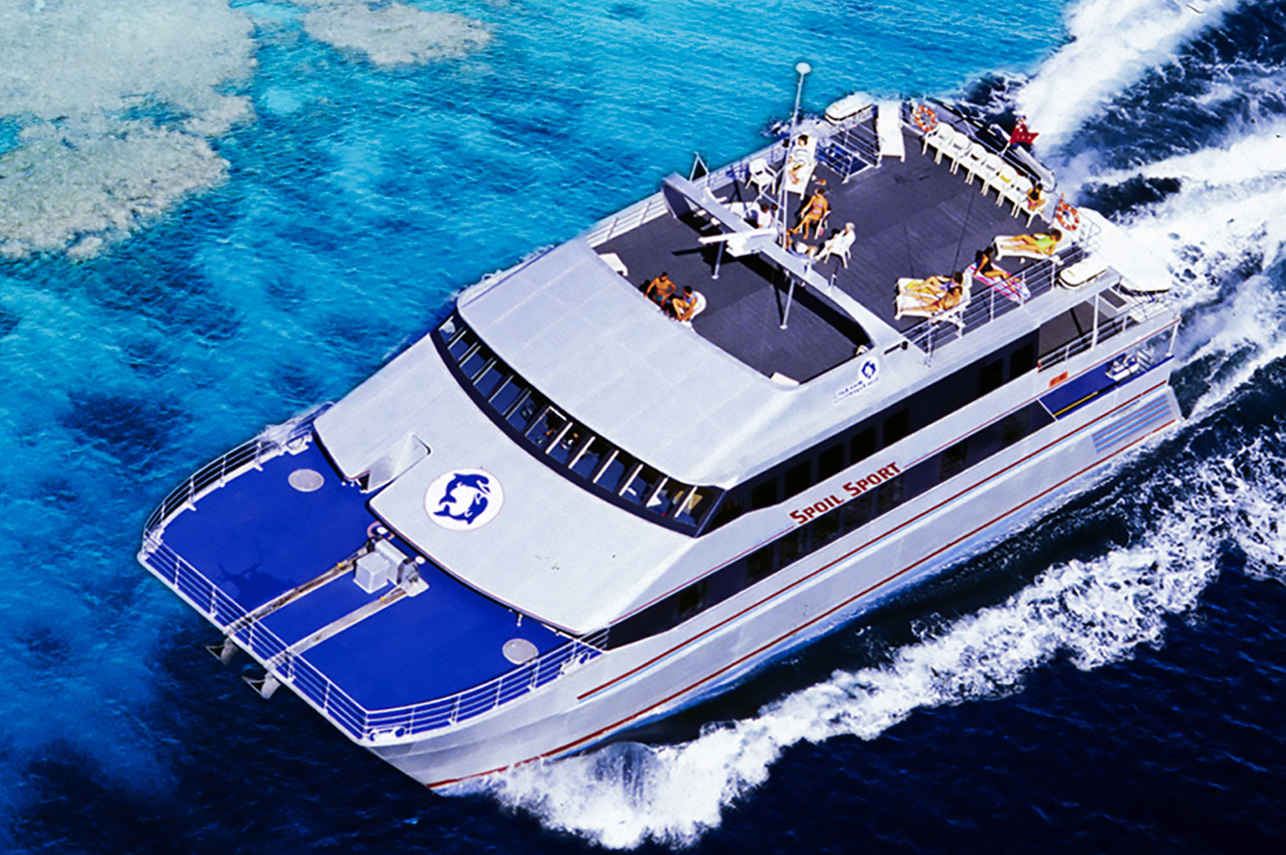
Spoilsport
Australia
28 guests30 m
$405/day
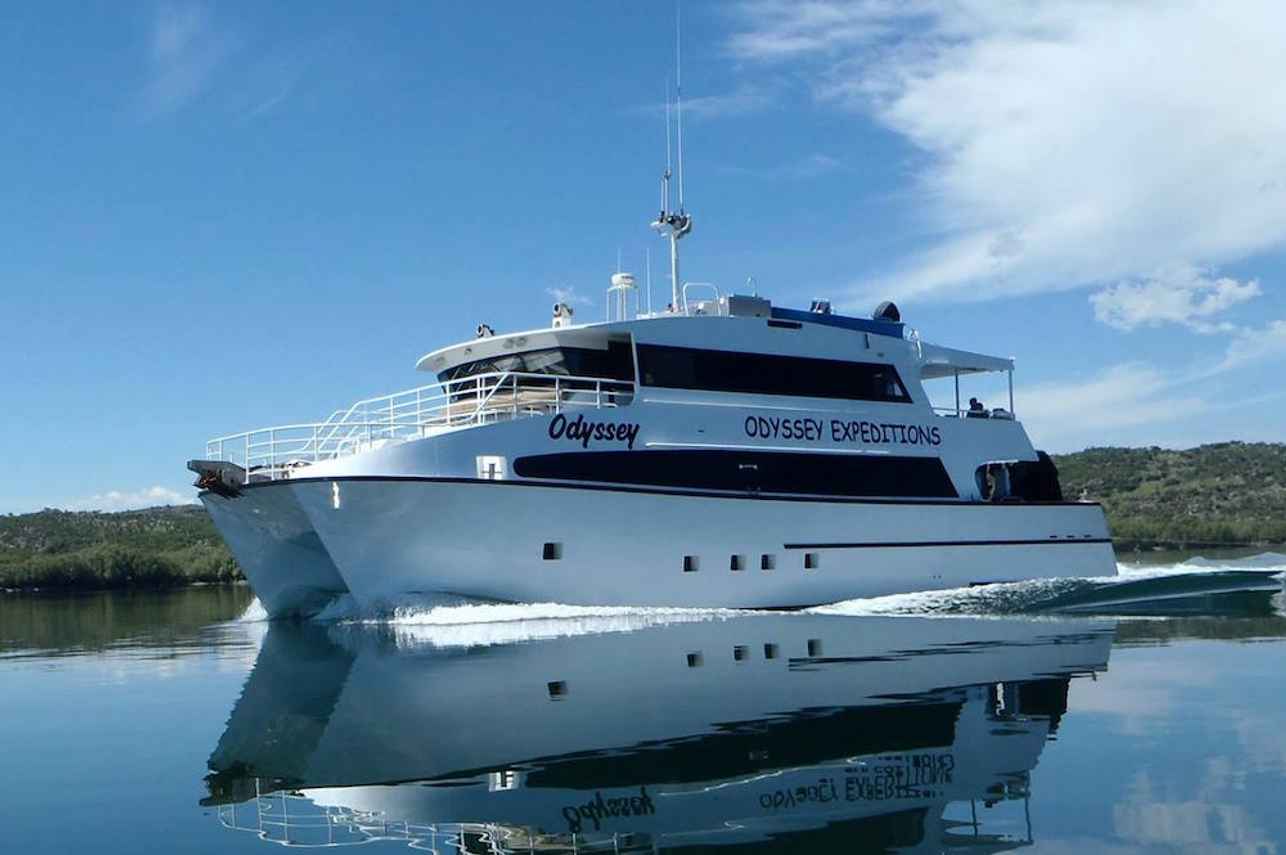
Odyssey Liveaboard
Australia
20 guests24 m
$392/day
Dive sites similar to Terrigal Haven
Same character, same waters — six more sites divers love for the exact same reasons.Compare seasons, access and liveaboard routes — then pick the site that fits your trip best.
Agincourt Reef
Australia
Agincourt Reef sits on the outer edge of the Great Barrier Reef, roughly 60–72 km off Port Douglas in Far North Queensland, at the southern end of the true ribbon reefs that run…
- Suitable for
- Beginner
- Current
- Moderate
- Access
- Dayboat
- Depth
- 2–20 m
- Theme
- Reef / Wall
Cocos Keeling - Canons
Australia
Cocos Keeling - Canons offers a distinctive dive experience within the Cocos (Keeling) Islands lagoon, making it Australia's most remote dive destination.
- Suitable for
- Beginner
- Current
- Mild
- Access
- Dayboat
- Depth
- 8–12 m
- Theme
- Reef
Raine Island
Australia
Raine Island is a pivotal dive site located in the Far Northern Great Barrier Reef, approximately 85 kilometers east-north-east of Cape Grenville and just over 4 nautical miles south of the island itself.
- Suitable for
- Advanced
- Current
- Strong
- Access
- Liveaboard only
- Depth
- 5–40 m
- Theme
- Reef / Wall
Bare Island East
Australia
Bare Island East is a highly regarded shore dive in Sydney, celebrated for its diverse and colourful sponge gardens.
- Suitable for
- Intermediate
- Current
- Mild
- Access
- Shore / dayboat
- Depth
- 2–11 m
- Theme
- Reef
Cocos Keeling - Broccoli Patch
Australia
Broccoli Patch is a premier dive site nestled within the Cocos (Keeling) Islands lagoon system, offering a gentle yet captivating underwater experience.
- Suitable for
- Beginner
- Current
- Mild
- Access
- Dayboat
- Depth
- 5–10 m
- Theme
- Reef
Milln Reef
Australia
Milln Reef, located approximately 60km offshore from Cairns within the Great Barrier Reef, stands out as a highly favored outer reef destination for both divers and snorkelers.
- Suitable for
- Intermediate
- Current
- Moderate
- Access
- Liveaboard or dayboat
- Depth
- 4–22 m
- Theme
- Reef