About Alacrity Shoal
Alacrity Shoal is a premier dive site in Fiji, renowned for its spectacular drift diving opportunities and rich marine biodiversity. Situated in the nutrient-rich waters between Fiji's main islands, this shoal experiences consistent currents that fuel an explosion of soft coral growth and attract a diverse array of pelagic species. Divers can expect a high-energy experience, gliding along dramatic reef walls and encountering large schools of fish drawn to the abundant food supply. The topography features vibrant coral gardens, impressive pinnacles, and dynamic reef structures that provide shelter and hunting grounds for a wide variety of marine life. While the soft corals here may not reach the same density as some other Fijian sites, their health and coloration are exceptional, thriving in the current-swept environment. The site is a magnet for reef sharks, barracuda, and trevally, offering thrilling encounters for experienced divers. Visibility is generally excellent, often exceeding 30 meters, particularly during the dry season when plankton levels are lower. However, strong currents are a defining feature, making it a site best suited for confident divers comfortable with drift techniques. Liveaboard itineraries frequently include Alacrity Shoal due to its remote location and the consistent quality of its diving. The site typically involves blue-water entries and exits, with precise boat support essential for safety and enjoyment. The ever-present current means that each dive can offer a unique experience, revealing different sections of the reef and varying marine life interactions depending on the flow.
Highlights
Dynamic drift divingVibrant soft coral gardensPelagic marine life encountersExcellent visibilityDramatic reef topographySchools of barracuda and trevallyFrequent reef shark sightings
Season calendar
Best months to dive here
Jan
Feb
Mar
Apr
May
Jun
Jul
Aug
Sep
Oct
Nov
Dec
Good
Dive site facts: Alacrity Shoal
- Depth
- 5–30 m
- Typical dive
- 15–25 m, 45–55 min
- Current
- Strong, consistent
- Visibility
- 20–40 m
- Water temperature
- 23–29°C
- Entry
- Tender / negative entry
- Level
- Advanced, drift experience recommended
- Dive type
- Drift, pelagic, soft coral
- Night dive
- Not typical
- Region / port
- Bligh Water
- Coordinates
- -17.25, 178.08
Conditions & Currents
Alacrity Shoal is characterized by consistent and often strong currents, which are the primary draw for its abundant pelagic life and vibrant soft corals. These currents necessitate a drift diving approach, where divers enter the water and are carried along the reef by the flow. Due to the dynamic nature of the currents, precise entry and exit procedures are critical, typically involving blue-water entries directly from a tender and careful surface tracking by the dive boat. Divers must be comfortable with negative entries and maintaining buoyancy in moving water, as lingering at the surface can lead to being carried away from the intended descent point. Buoyancy control and streamlining are paramount to conserve air and navigate efficiently. While the main current dictates the general direction, eddies and calmer pockets can be found behind larger reef structures, offering brief respite
Marine life & sighting chances
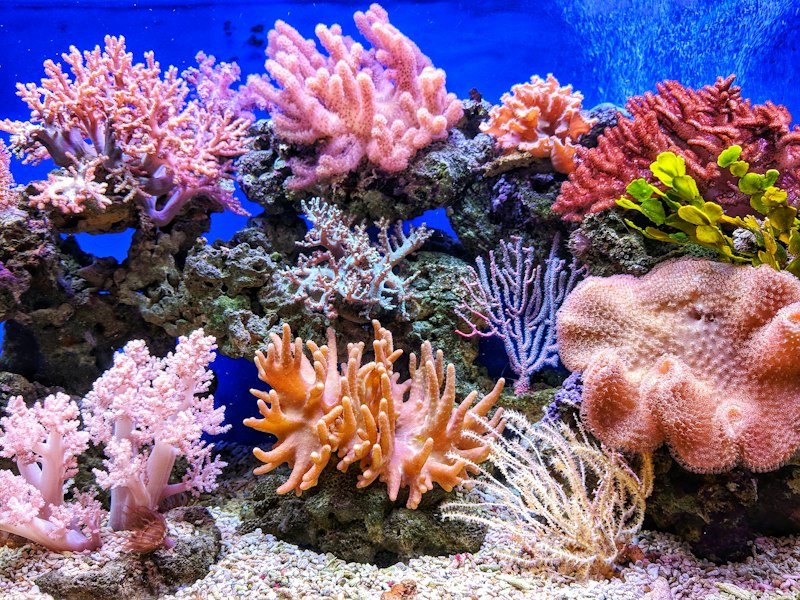
Soft Corals
Year-round · common
Barracuda
Year-round · common
Trevally
Year-round · common
Grey Reef Shark
Year-round · common
White Tip Reef Shark
Year-round · occasional
Napoleon Wrasse
Year-round · occasional
Tuna
January-March · occasional
Spotted Eagle Ray
Year-round · occasional
Snappers
Year-round · common
Triggerfish
December-February · common
Surgeonfish
Year-round · commonDive profile & how the dive runs
Diving Alacrity Shoal typically begins with a blue-water entry from a tender, where divers quickly descend to the desired depth to avoid being swept off course by surface currents. The main route involves following the reef wall and its contours, allowing the current to carry you effortlessly. Initial depths often range from 15-20 meters, where the soft corals are most vibrant, and schooling fish gather. As the dive progresses, the guide will lead the group deeper or shallower based on current strength and marine life sightings, often navigating between 15 and 30 meters. The dive concludes with a gradual ascent, often in open water, followed by a blue-water safety stop at 5 meters. Divers are typically picked up by the tender at a pre-arranged location, indicated by a deployed surface marker buoy (SMB). Strong currents dictate the pace, making careful air management and constant awareness of your buddy and the dive guide essential.
Underwater photography
Alacrity Shoal is a wide-angle photographer's dream, especially during the dry season when visibility is at its peak and the soft corals are in full bloom under ample sunlight. A fisheye or wide-angle rectilinear lens is ideal for capturing the expansive reefscapes and large schools of pelagic fish. Strobes are highly recommended to bring out the true colors of the soft corals, which appear muted at depth without artificial light; aim to light them directly to highlight their texture and vibrancy. Given the strong currents, excellent buoyancy control is essential to avoid contact with the reef and to maintain stable shots while drifting. Be prepared for fast-moving subjects like sharks and barracuda, and consider a faster shutter speed to freeze the action. Patience and readiness to shoot quickly are key, as opportunities for pelagic encounters can be fleeting.
Combine with nearby dive sites
Getting there & logistics
Access to Alacrity Shoal is primarily via liveaboard vessels operating in the Bligh Water region of Fiji. The main international gateway is Nadi International Airport (NAN) on Viti Levu, with connecting flights or transfers to departure ports like Lautoka or Suva. Liveaboard trips typically range from 7 to 10 days, covering multiple dive sites across Bligh Water, Namena Marine Reserve, and occasionally the Lau Group. There are no specific park fees mentioned for Alacrity Shoal itself, but liveaboard costs are all-inclusive, covering diving, accommodation, and meals. It is not typically dived as a single day trip due to its remote location, but rather integrated into a broader itinerary focusing on Fiji's central dive regions.
Safety & environment
Diving at Alacrity Shoal requires a high level of dive experience due to the consistent and often strong currents. Divers must be proficient in buoyancy control, drift diving techniques, and the deployment of a delayed surface marker buoy (SMB). A comprehensive dive briefing is essential, covering entry and exit procedures, current direction, and emergency protocols. The nearest recompression chamber is located in Suva, on Viti Levu, emphasizing the importance of conservative dive profiles and proper insurance coverage that includes dive accident and emergency evacuation. Always dive with a reputable operator, maintain situational awareness, and never separate from your buddy or guide. Adhering to planned depths and bottom times is crucial, especially when currents may increase air consumption. Ensure all gear, including signaling devices, is functioning correctly before entry.
Who it suits — and who it doesn't
Suited for
- Experienced drift divers
- Advanced Open Water certified divers
- Underwater photographers seeking pelagics
- Divers comfortable with strong currents
- Liveaboard enthusiasts
Less suited for
- Beginner divers
- Divers prone to seasickness
- Divers with poor buoyancy control
- Those who prefer calm, stationary dives
- Divers without recent drift diving experience
FAQ
Alacrity Shoal FAQ
What kind of currents can I expect at Alacrity Shoal?
Alacrity Shoal is known for its consistent and often strong currents. These currents are what make it an exciting drift dive and attract a wide array of pelagic marine life. Divers should be comfortable with drift diving techniques and managing their buoyancy in moving water.
What marine life is commonly seen at Alacrity Shoal?
You can expect to see vibrant soft corals, large schools of barracuda and trevally, and frequent sightings of grey reef sharks. Occasionally, you might also spot white tip reef sharks, Napoleon wrasse, and various species of snappers and triggerfish attracted by the nutrient-rich waters.
Is Alacrity Shoal suitable for beginner divers?
No, Alacrity Shoal is not recommended for beginner divers. The strong, consistent currents and the requirement for proficient drift diving skills make it more suitable for advanced divers with prior experience in similar conditions. Good buoyancy control is essential for safety and enjoyment.
What is the visibility like at Alacrity Shoal?
Visibility at Alacrity Shoal is generally excellent, often ranging from 20 to 40 meters. It tends to be best during Fiji's dry season (May to October) when cooler water temperatures reduce plankton levels. Even with strong currents, the water usually remains very clear.
How do you access Alacrity Shoal?
Alacrity Shoal is primarily accessed via liveaboard dive boats that operate in Fiji's Bligh Water region. Its remote location makes it unsuitable for day trips from land-based resorts. These liveaboard itineraries typically last 7 to 10 days and include multiple renowned dive sites.
Why dive Alacrity Shoal from a liveaboard?
Alacrity Shoal is one of Fiji's signature dive sites. A liveaboard sleeps you on the water and puts you in the water for three to four guided dives per day, including dawn and night dives that day-boat operators rarely offer. You skip the daily commute back to port and reach quieter, less-crowded sites in the same region on a single trip.
Below are the liveaboards that include Alacrity Shoal on their Fiji itineraries.
Liveaboards diving Alacrity Shoal
These liveaboards may visit Alacrity Shoal on selected itineraries — the exact dive sites depend on departure, weather and conditions.
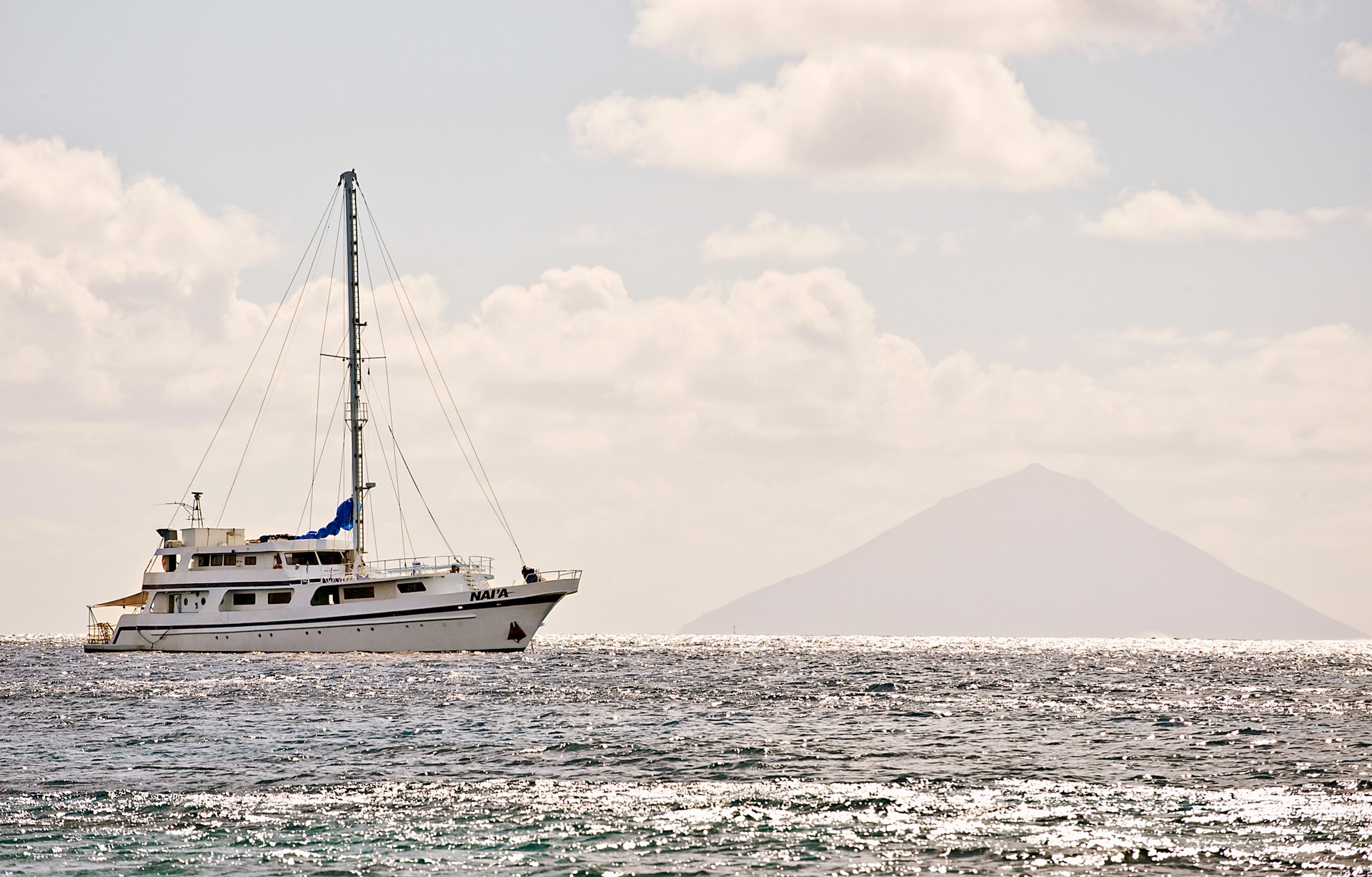
Nai'a
Fiji
16 guests36.576 m
$547/day
Dive sites similar to Alacrity Shoal
Same character, same waters — six more sites divers love for the exact same reasons.Compare seasons, access and liveaboard routes — then pick the site that fits your trip best.
© Esri — Maxar, Earthstar, GIS
Manta Channel, situated off Kadavu Island in Fiji, is a world-class dive destination primarily celebrated for its frequent sightings of manta rays.
- Suitable for
- Advanced
- Current
- Strong
- Access
- Liveaboard or dayboat
- Depth
- 8–20 m
- Theme
- Channel / Drift
© Esri — Maxar, Earthstar, GIS
Sam's Point
Fiji
Sam's Point is one of the celebrated patch reefs found within the Somosomo Strait, a narrow channel between Vanua Levu and Taveuni in Fiji.
- Suitable for
- Advanced
- Current
- Strong
- Access
- Dayboat
- Depth
- 8–27 m
- Theme
- Reef / Drift
© Esri — Maxar, Earthstar, GIS
Rainbow's End
Fiji
Rainbow's End is a top dive site located in the Somosomo Strait, a channel separating Taveuni and Vanua Levu islands, known as the 'Soft Coral Capital of the World'.
- Suitable for
- Intermediate
- Current
- Moderate
- Access
- Liveaboard or dayboat
- Depth
- 10–30 m
- Theme
- Reef / Drift
© Esri — Maxar, Earthstar, GIS
Wilkes Passage
Fiji
Wilkes Passage is a dive site located within the Malolo Barrier Reef in Fiji's Mamanuca Group, southwest of Nadi on Viti Levu.
- Suitable for
- Intermediate
- Current
- Moderate
- Access
- Dayboat
- Depth
- 15–20 m
- Theme
- Reef / Drift
© Esri — Maxar, Earthstar, GIS
Namena Marine Reserve, nestled in Fiji's Koro Sea, is a crown jewel among the world's elite dive spots, consistently ranked as one of the best global destinations for scuba diving.
- Suitable for
- Advanced
- Current
- Moderate
- Access
- Liveaboard only
- Depth
- 5–40 m
- Theme
- Reef / Wall
© Esri — Maxar, Earthstar, GIS
Shark Fin Point
Fiji
Shark Fin Point, also known as Shark Point, is located off the northeast coast of Koro Island in Fiji.
- Suitable for
- Advanced
- Current
- Strong
- Access
- Liveaboard only
- Depth
- 5–29 m
- Theme
- Drift / Reef