Surgeonfish
Acanthuridae
About Surgeonfish
Colorful herbivore with a scalpel-sharp spine near the tail
Quick Facts
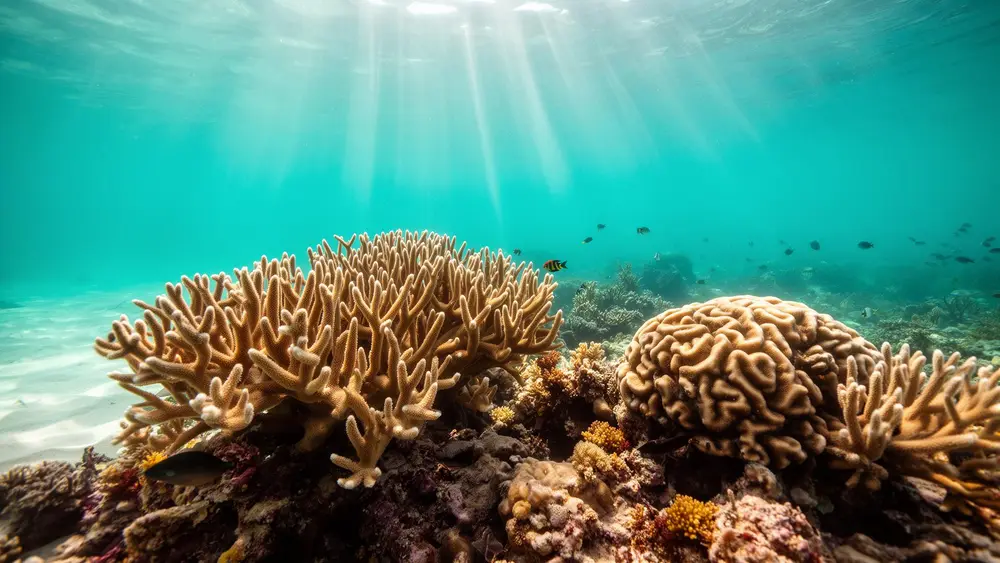
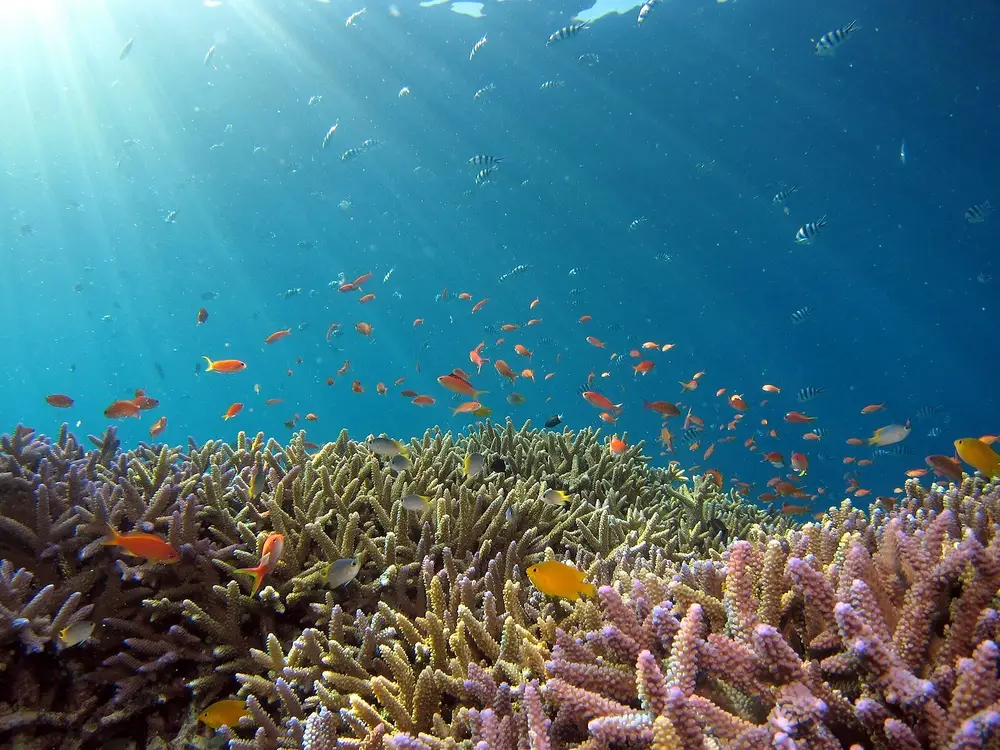
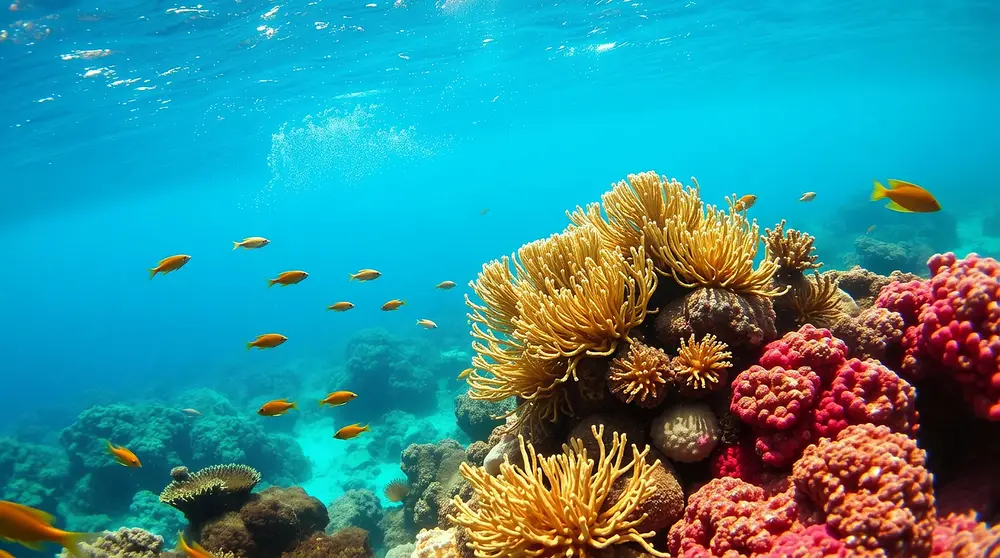
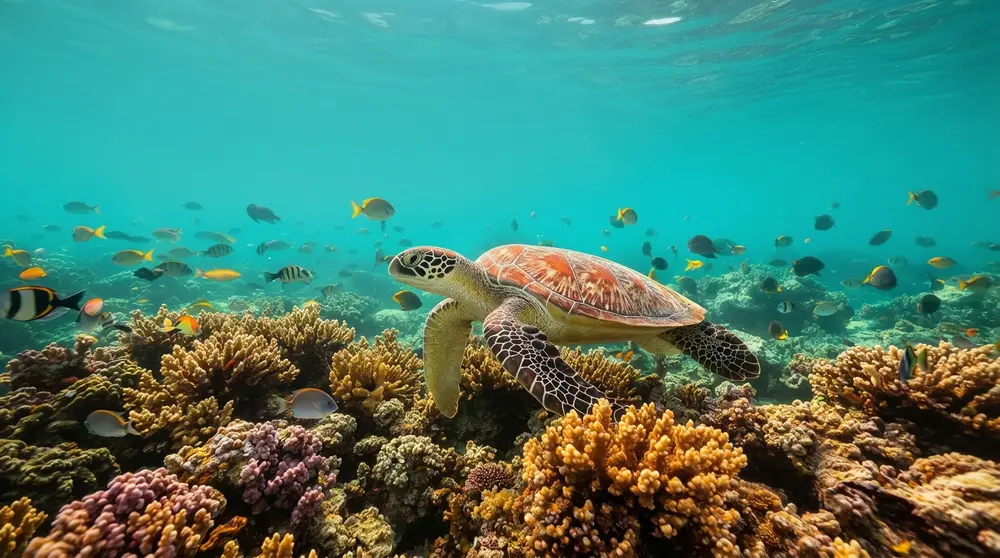
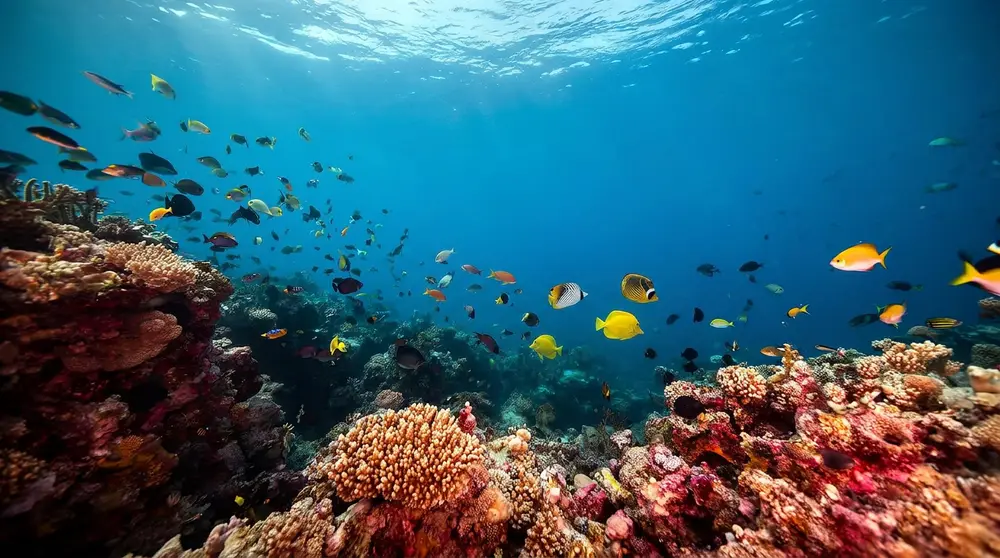
- Habitat: Surgeonfish, members of the family Acanthuridae, are predominantly found in **tropical and subtropical waters** around the globe, inhabiting coral reefs, rocky shores, and seagrass beds. They are particularly abundant in the **Indo-Pacific region**, where their diversity is highest. Good examples of prime habitats include the Great Barrier Reef in **Australia**, the Red Sea in **Egypt**, and the nutrient-rich waters of Indonesia, particularly around Raja Ampat and Komodo. In the Caribbean, species like the Blue Tang ( *Acanthurus coeruleus*) are common inhabitants of shallow reefs and seagrass meadows, often seen schooling over hard bottom substrates in places like **Bonaire** and the **Florida Keys**. Most surgeonfish prefer clear, well-lit waters with ample algal growth, which forms the basis of their diet. They typically stay close to the reef structure, providing quick access to shelter from predators. While some species are solitary, many form **large schools**, especially as juveniles, providing safety in numbers. Their range extends from very shallow intertidal zones down to depths of about 100 meters, though they are most frequently encountered by divers in the **upper 30 meters** of the water column. They are a constant presence on healthy reefs, often seen grazing openly during daylight hours. Different species show preferences for specific parts of the reef, with some favoring wave-exposed outer reef slopes, while others prefer more sheltered lagoons or back-reef areas. Their presence is a good indicator of a **thriving reef ecosystem**.
- Diet: Surgeonfish are primarily **herbivorous grazers**, playing a crucial ecological role in maintaining the health of coral reefs by preventing overgrowth of algae. Their diet typically consists of various types of **benthic algae**, which they scrape from rocks, dead coral, and other hard substrates using their specialized, often fused, teeth. Some species, such as the Convict Tang (*Acanthurus triostegus*), are more generalized browsers, consuming a wider variety of filamentous and fleshy algae. Others, like the Naso Tangs (*Naso spp.*), can also occasionally consume zooplankton, acting as omnivores when algal pickings are scarce. They employ a **continuous grazing strategy**, spending the majority of their active hours foraging. This constant removal of macroalgae is vital because if left unchecked, algae can smother and outcompete slow-growing corals, disrupting the reef's delicate balance. Certain surgeonfish species have evolved unique feeding adaptations; for instance, some create 'feeding halos' around coral heads by intensely grazing the surrounding algae, keeping the area clear. Their feeding behavior is a **well-orchestrated ecological service**, directly contributing to coral survival and reef resilience.
- Best season: The best season to encounter surgeonfish largely coincides with the **peak diving seasons** for tropical and subtropical regions. In the Indo-Pacific, surgeonfish are abundant and visible **year-round**, but the most comfortable diving conditions and highest visibility often occur during the dry seasons. For example, in **Indonesia**, the period from **April to October** offers calmer seas and clear waters. Similarly, **Australia's Great Barrier Reef** is ideal from **June to November**, avoiding the cyclone season. In the **Red Sea**, conditions are excellent from **May to November**, with warmer water temperatures making longer dives more pleasant. For Caribbean destinations like **Bonaire** and the **Florida Keys**, surgeonfish are present throughout the year, but the prime diving months are generally from **May to October**, offering the warmest water and settled conditions. During these periods, water clarity is typically at its best, and the vibrant colors of surgeonfish are more easily appreciated. While surgeonfish are not migratory in the traditional sense, their activity and schooling behavior can sometimes be more pronounced during certain periods, such as around **spawning events**, which often align with warmer water months. However, divers can confidently expect to see surgeonfish on virtually **any given dive** in suitable habitats during any season, though specific species may show slight seasonal variations in abundance or size distribution.
Fun Facts
The blue tang is the real-life Dory from Finding Nemo,They have a razor-sharp retractable blade near their tail for defense,Surgeonfish are vital reef cleaners—they prevent algae from smothering corals
Diving Tips
When observing surgeonfish, divers should always maintain a **calm and respectful demeanor**, avoiding sudden movements that might startle them. These fish, while not inherently shy, are wild animals. You'll often spot them in **dense schools** or individually grazing on algae-covered rocks and corals. Look for the distinctive 'scalpel' – a pair of **sharp, retractable spines** located on either side of the caudal peduncle (the narrow part of the tail). This is their namesake defense mechanism, and while generally used against other fish, divers should be cautious not to handle them or corner them, as the spines can inflict painful cuts. Hence, maintaining a **safe distance** is paramount, generally **at least one meter**. When identifying them, pay attention to their coloration, body shape (often laterally compressed and oval), and the presence or absence of these caudal spines, which are usually brightly colored or edged. Their constant grazing activity is a good indicator of their presence; you'll often see them picking at the substrate. Ethical diving practices mean **never touching** marine life; this protects both the fish and your safety. Photography is encouraged, but avoid using bright, direct flashes unnecessarily, as this can disturb them. Observe their feeding behavior as they diligently clean the reef, an important ecological function. On reefs with high algal growth, spotting various species of surgeonfish, from the vibrant Yellow Tangs (*Zebrasoma flavescens*) to the large Unicornfish (*Naso unicornis*), is a common occurrence. Remember, they are a fundamental part of the reef ecosystem's health, so treating their habitat with care is also essential. **Buoyancy control** is crucial to avoid accidentally bumping into the reef or stirring up sediment, which can obscure visibility and harm their feeding grounds. Be aware of local regulations regarding marine life interaction, as **feeding fish is generally discouraged** and can alter their natural behaviors.