About Chicken Reef
Chicken Reef, located in the Dampier Straits of Raja Ampat, Indonesia, stands as a captivating dive site renowned for its vibrant marine biodiversity and stunning underwater landscapes. It is a favored destination for both novice and experienced divers, offering a tranquil yet visually rich experience within one of the world's most biodiverse marine ecosystems. The site's topography features a scenic reef slope that begins at a shallow 5 meters and gently descends to a maximum depth of 20 meters. As you explore, the reef transitions from a sandy floor dotted with diverse soft and hard corals to a vibrant underwater garden. Healthy coral growth extends throughout the 20-meter range, creating a colorful habitat for a multitude of reef fish and invertebrates. A significant drop-off further from the slope adds an extra dimension, evoking the sensation of navigating an expansive aquatic forest. Chicken Reef is particularly famous for its abundant schools of fish, including black snappers, fusiliers, and butterflyfish, which gracefully weave through the corals. The sandy seabed is home to garden eels, while larger predators like barracudas, trevallies, and whitetip and blacktip reef sharks are often sighted patrolling the area, attracted by the dense schools of smaller fish. The site also boasts an impressive array of macro life, from wobbegong sharks and pipefish to various species of eels, nudibranchs, flatworms, and mantis shrimp. The conditions at Chicken Reef are generally calm, making it suitable for divers across all skill levels. Beginner divers can enjoy the colorful marine life closer to the surface in gentle conditions, while advanced divers have the option to explore deeper sections and observe larger marine species. The site offers a captivating experience, whether you are focusing on wide-angle reef photography or searching for tiny, camouflaged critters.
Highlights
Vibrant reef slopeDense soft and hard coral gardensSchools of black snappers and fusiliersWobbegong sharksWhitetip and blacktip reef sharksPygmy seahorsesDiverse nudibranchs and flatwormsGarden eels on sandy seabed
Season calendar
Best months to dive here
Jan
Feb
Mar
Apr
May
Jun
Jul
Aug
Sep
Oct
Nov
Dec
Excellent
Good
Dive site facts: Chicken Reef
- Depth
- 5–30 m
- Typical dive
- 10–20 m, 50–60 min
- Current
- Medium to Strong
- Visibility
- 15–30 m
- Water temperature
- 27–30 °C
- Entry
- Tender / drift entry
- Level
- Advanced, comfortable with currents
- Dive type
- Coral garden, drift, pelagic
- Region / port
- Dampier Strait, Raja Ampat
- Coordinates
- -0.5621, 130.6543
Conditions & Currents
Currents at Chicken Reef can range from moderate to strong, making it a site best suited for experienced divers comfortable with drift diving. These currents are vital, delivering nutrient-rich waters that attract extensive fish schools and pelagic species. Divers typically navigate the site based on the tidal flow: on a rising current, entry is from the north, keeping the reef to the right and swimming south; on a falling current, entry is from the south, keeping the reef to the left and moving north. This strategic approach allows for optimal exploration of the submerged seamount, which begins at a shallow 5 meters and slopes down to around 20 meters where much of the marine action occurs. Visibility generally ranges from 15 to 30 meters during optimal tide conditions.
Marine life & sighting chances

Fusiliers
common
Surgeonfish
common
Bluefin Jacks
common
Butterflyfish
common
Sweetlips
occasional
Clown Triggerfish
occasional
Snappers
occasional
Barracudas
occasional
Whitetip Reef Sharks
occasional
Blacktip Reef Sharks
occasional
Giant Trevallies
occasional
Bumphead Parrotfish
occasional
Pygmy Seahorses
occasional
Wobbegong Sharks
occasionalDive profile & how the dive runs
Diving Chicken Reef requires adapting to the prevailing currents. On a rising current, you will typically descend at the north end of the site, keeping the main reef to your right as you drift southward. Conversely, with a falling current, the entry point will be at the south end, and you'll maintain the reef on your left while moving northward. Regardless of the direction, the dive begins at a submerged seamount with its top at a shallow 5 meters. From there, the descent continues to approximately 20 meters, where the most vibrant marine life and coral formations are concentrated along the sloping reef. The southern end of the site is particularly notable for its impressive coral bommies, teeming with diverse species. Safety stops are generally performed in the shallower areas, allowing for a comfortable and observed ascent.
Underwater photography
Chicken Reef provides excellent opportunities for both wide-angle and macro photography, demanding thoughtful composition over rapid reaction. For wide-angle shots, capture the dense schools of fusiliers, surgeonfish, and jacks against the backdrop of vibrant coral bommies and gorgonian fans. A fish-eye or wide-angle lens would be ideal here. For macro enthusiasts, explore the numerous hidden critters such as pygmy seahorses, mantis shrimps, flatworms, and nudibranchs, often requiring a macro lens and careful buoyancy control to avoid disturbing delicate subjects. Given the moderate to strong currents, a sturdy camera setup and good technique are crucial to maintain stability and sharp focus. The clear visibility during optimal conditions enhances image quality, but be prepared for potential plankton blooms, which, while reducing visibility, can bring in larger pelagics.
Combine with nearby dive sites
- Cape Kri
Famous for its record-breaking fish diversity and strong currents.
- Sardine Reef
Known for massive bait balls and exciting drift dives.
- Blue Magic
A pinnacle dive site offering encounters with mantas and pelagic species.
- Manta Sandy
A renowned cleaning station for both reef and oceanic manta rays.
- Arborek Jetty
A calmer site, excellent for macro life and village interaction.
- Fam Islands
Offers scenic views and diverse reef systems.
Getting there & logistics
Access to Raja Ampat, including Chicken Reef, typically involves flying into Sorong (SOQ) airport, the main gateway to the region. There are no direct international flights to Sorong, so travelers usually connect via major Indonesian hubs like Jakarta, Makassar, or Manado. From Sorong, divers can either board a liveaboard directly or take a public ferry to Waisai (Waigeo Island), which takes about two hours. Liveaboards operating out of Sorong frequently incorporate Dampier Strait sites, including Chicken Reef, into multi-day itineraries. Trip lengths vary, but most liveaboard journeys are between 7 to 10 days. Park fees are applicable for diving in Raja Ampat, and these are usually included in liveaboard packages or arranged by resorts. It's recommended to stay at least one night in Sorong before or after your liveaboard trip to account for potential travel delays.
Safety & environment
Diving at Chicken Reef, particularly with its moderate to strong currents, necessitates a high level of diver preparedness and adherence to safety protocols. Comprehensive travel insurance with specific coverage for adventure travel and diving is strongly advised, given the remote location and complex evacuation logistics from Raja Ampat. The nearest recompression chamber is in Manado, meaning evacuation could be lengthy and costly. Divers should possess excellent buoyancy control and be comfortable with drift diving techniques. Always carry a reef hook for safe stationary viewing in currents and a surface marker buoy (SMB) for ascent. Listen carefully to your dive guide's briefings, as entry and navigation strategies change with tidal flow. Avoid touching or damaging the delicate coral structures and marine life. Maintaining good physical condition and adequate rest are also crucial for managing demanding dive conditions.
Who it suits — and who it doesn't
Suited for
- Experienced divers comfortable with currents
- Underwater photographers (both wide-angle and macro)
- Divers seeking diverse marine life and healthy coral
- Those who appreciate drift diving
- Divers looking for pelagic encounters
Less suited for
- Beginner divers without current experience
- Divers with poor buoyancy control
- Those prone to seasickness (especially during rougher seasons)
- Divers preferring very calm, current-free sites
- Those unprepared for remote travel logistics
FAQ
Chicken Reef FAQ
What kind of currents can be expected at Chicken Reef?
Chicken Reef experiences moderate to strong currents, which are responsible for bringing in nutrient-rich waters that support the site's abundant marine life. Divers should be comfortable with drift diving techniques and have good buoyancy control to navigate these conditions safely and effectively. The currents can dictate the entry and exit points and the direction of your dive.
Is Chicken Reef suitable for beginner divers?
Chicken Reef is generally recommended for experienced divers who are comfortable with moderate to strong currents and have a solid understanding of drift diving. Its dynamic conditions make it less suitable for beginners or those new to diving in currents. There are calmer sites in Raja Ampat better suited for less experienced divers.
What marine life is commonly seen at Chicken Reef?
Chicken Reef boasts a rich diversity of marine life, including large schools of fusiliers, surgeonfish, bluefin jacks, and butterflyfish. You can also spot pelagic predators like barracudas, whitetip and blacktip reef sharks, and giant trevallies. For macro enthusiasts, there are pygmy seahorses, mantis shrimps, nudibranchs, and even wobbegong sharks hiding in the corals.
What is the best time of year to dive Chicken Reef?
The prime diving season for Chicken Reef, similar to most of Raja Ampat, is from October to April. During these months, the weather is drier, seas are calmer, and visibility is typically at its best, often ranging from 15 to 30 meters. This period offers the most consistent and enjoyable diving conditions.
How is the topography of Chicken Reef described?
Chicken Reef features a varied topography characterized by a gently sloping reef system, rather than dramatic walls. It includes large coral bommies, extensive gorgonian fans, and a dense array of soft corals. The dive typically explores a submerged seamount that starts shallow and slopes down to about 20 meters, where much of the vibrant marine life is concentrated.
Why dive Chicken Reef from a liveaboard?
Chicken Reef is one of Raja Ampat, Indonesia's signature dive sites. A liveaboard sleeps you on the water and puts you in the water for three to four guided dives per day, including dawn and night dives that day-boat operators rarely offer. You skip the daily commute back to port and reach quieter, less-crowded sites in the same region on a single trip.
Below are the liveaboards that include Chicken Reef on their Raja Ampat, Indonesia itineraries.
Liveaboards diving Chicken Reef
These liveaboards may visit Chicken Reef on selected itineraries — the exact dive sites depend on departure, weather and conditions.
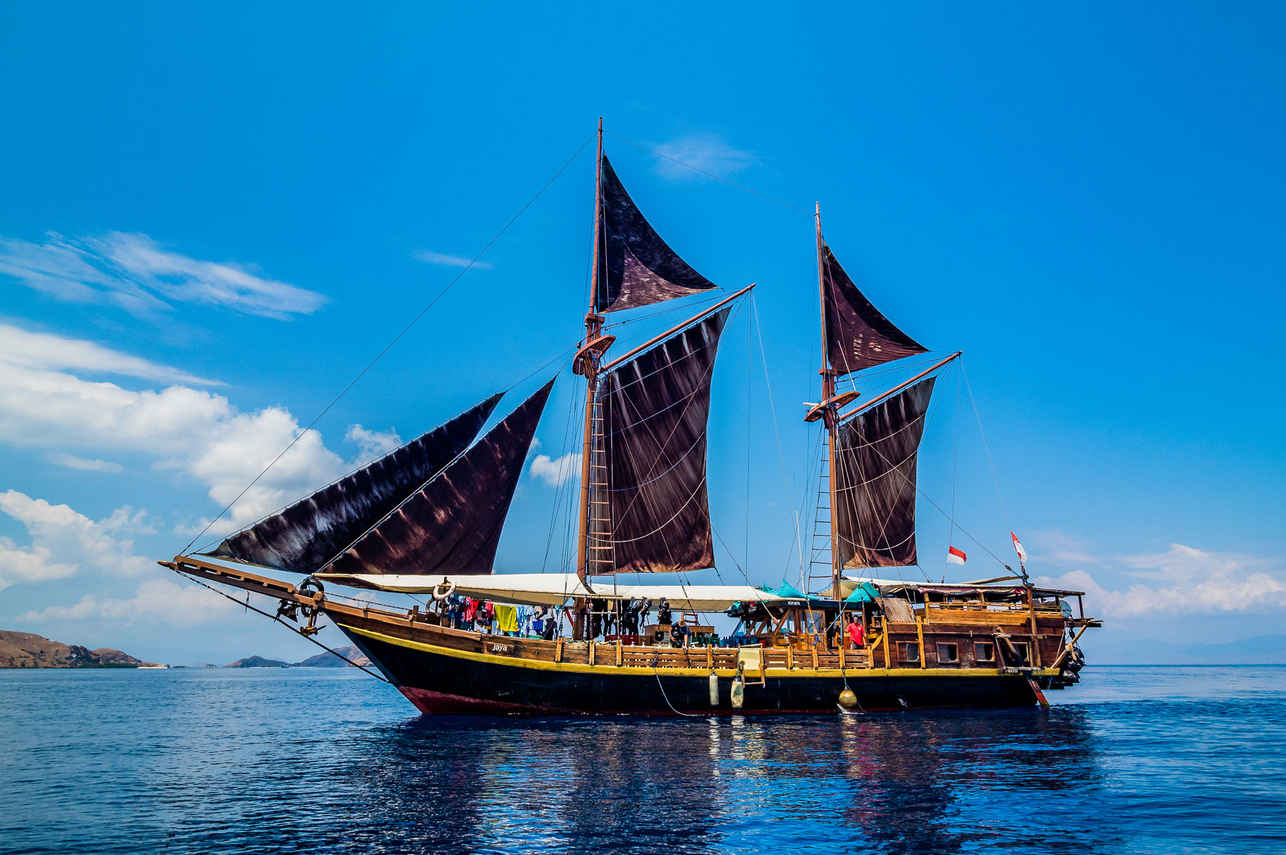
Jaya
Indonesia
14 guests23 m
$280/day
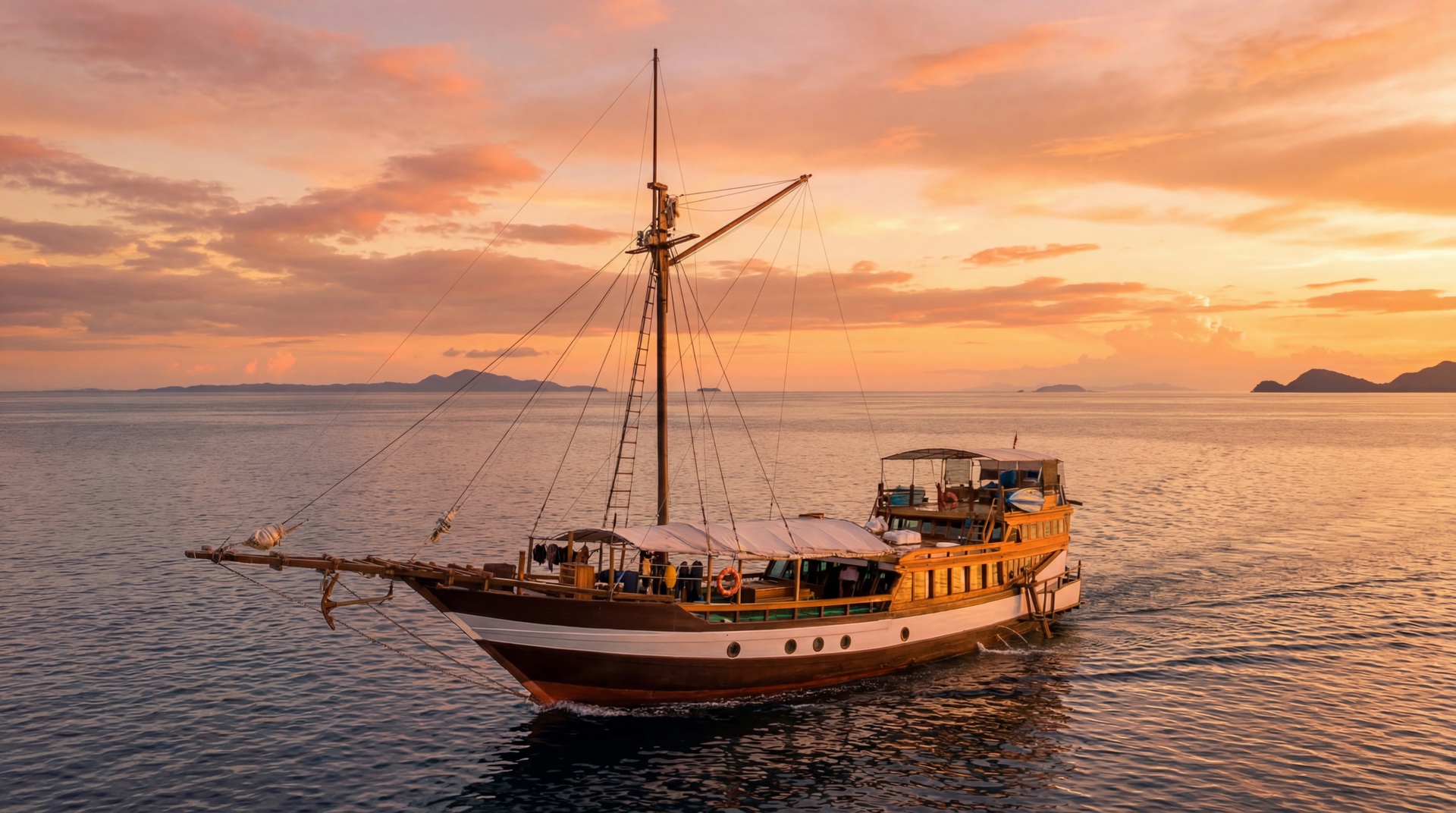
Wellenreng
Indonesia
9 guests25 m
$427/day
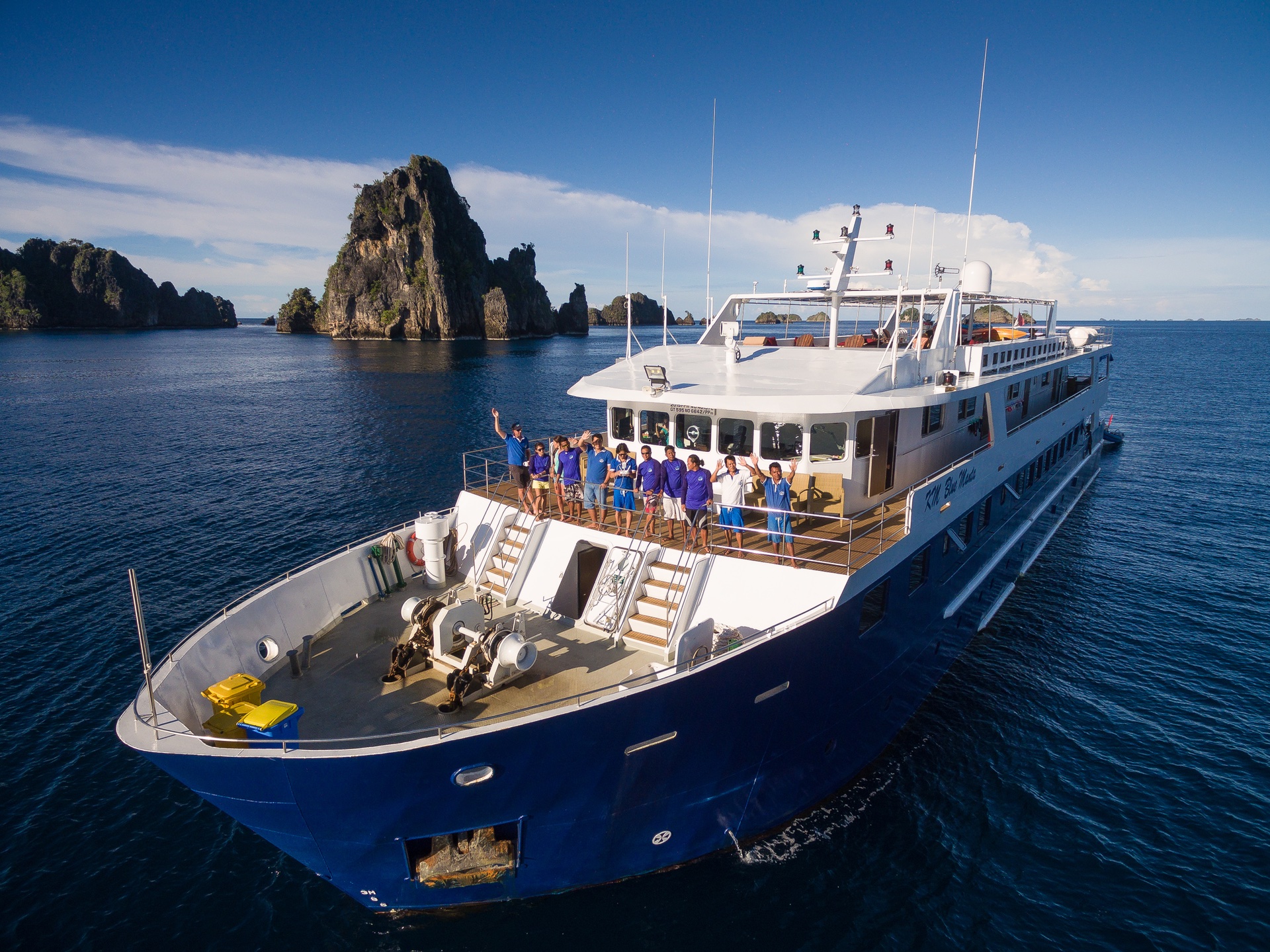
Blue Manta
Indonesia
20 guests45 m
$482/day
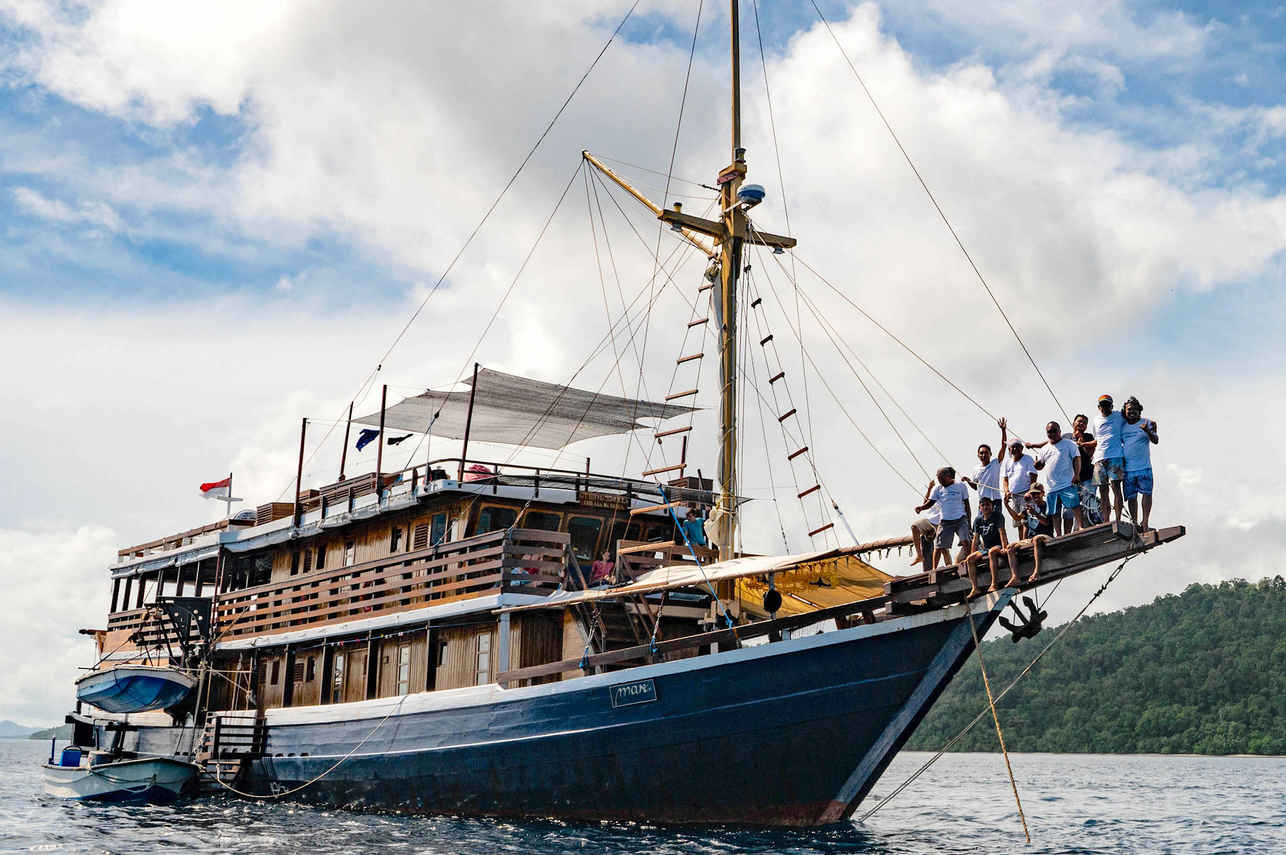
Mari
Indonesia
14 guests32.2 m
$328/day
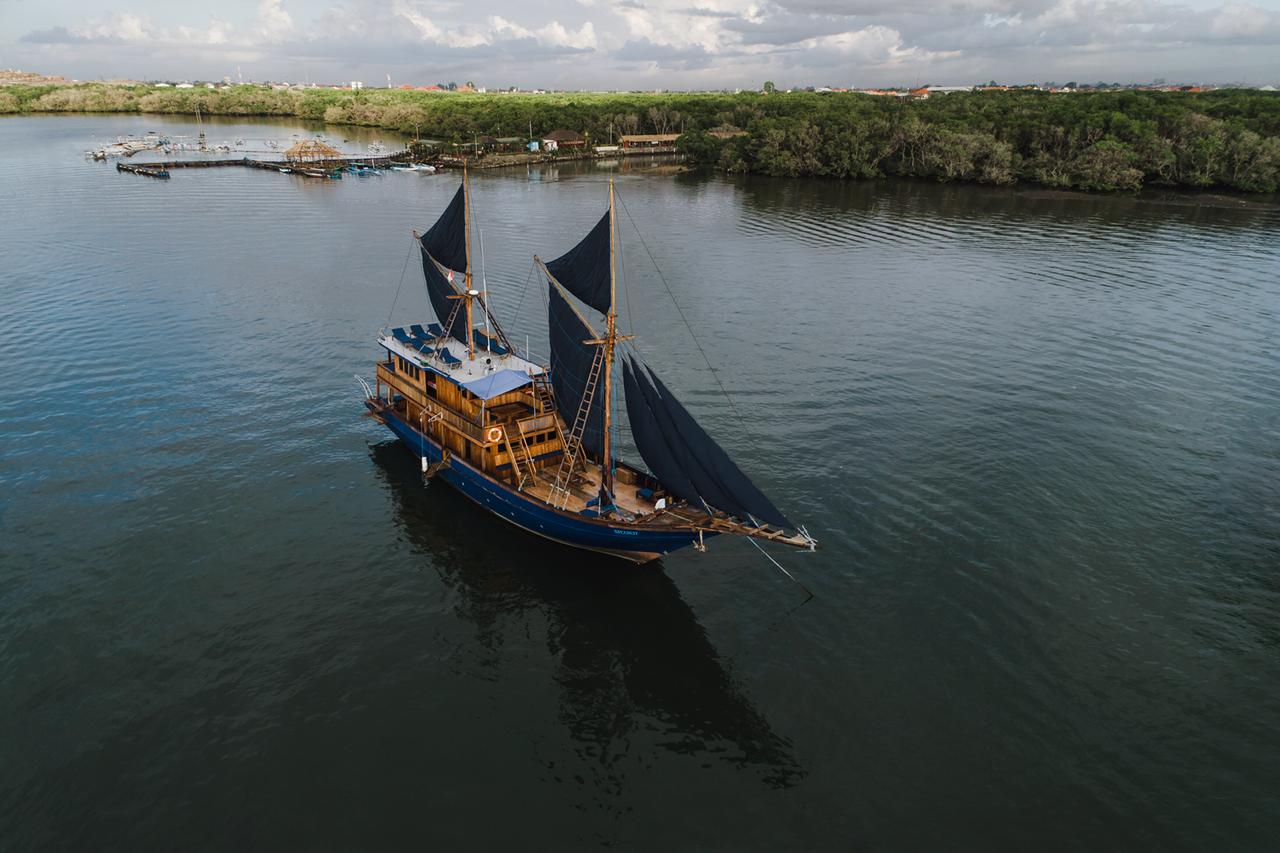
Situju7
Komodo, Indonesia
10 guests32.7 m
$362/day
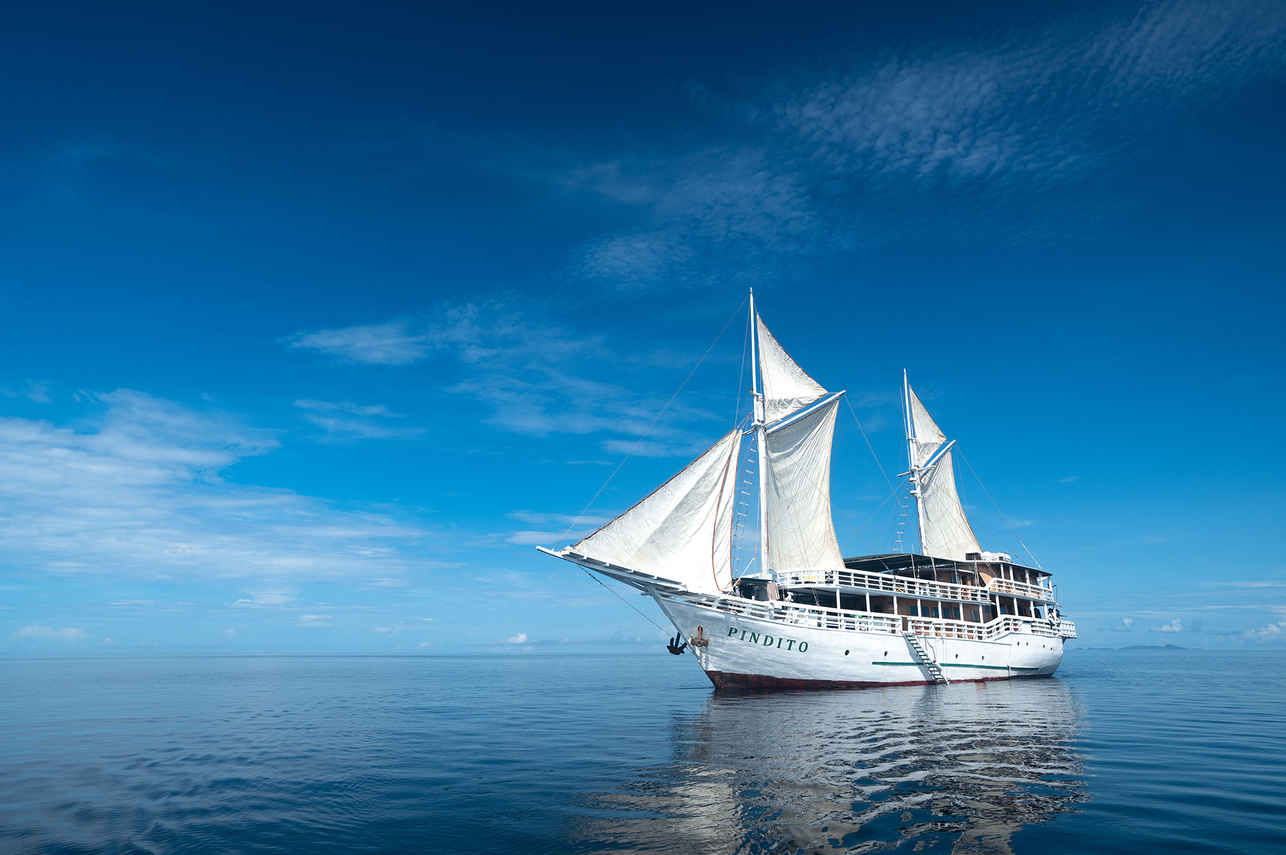
Pindito
Indonesia
16 guests37.79 m
$533/day
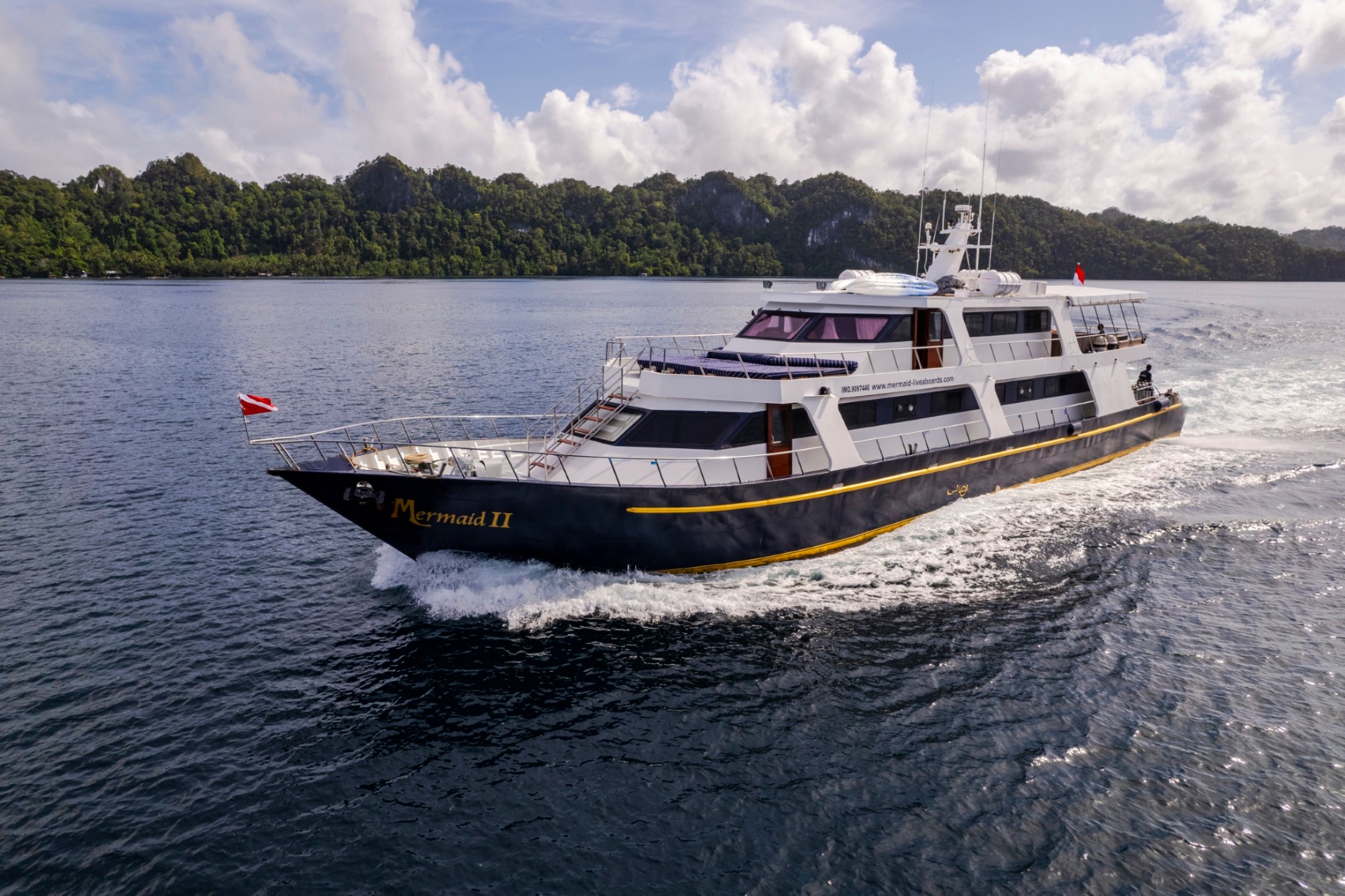
Mermaid II
Komodo, Indonesia
18 guests
$391/day
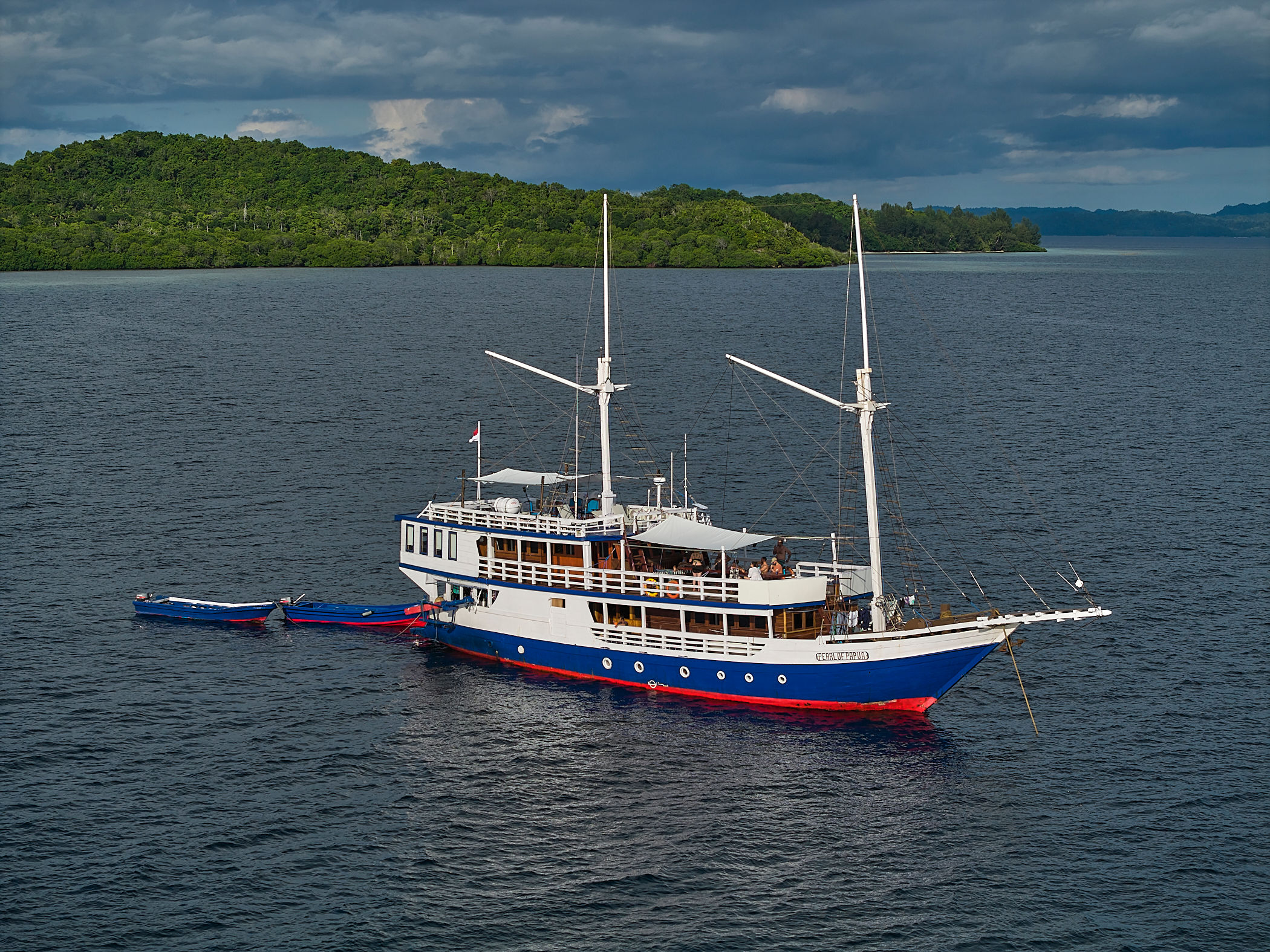
Pearl of Papua
Raja Ampat, Indonesia
14 guests30 m
$303/day
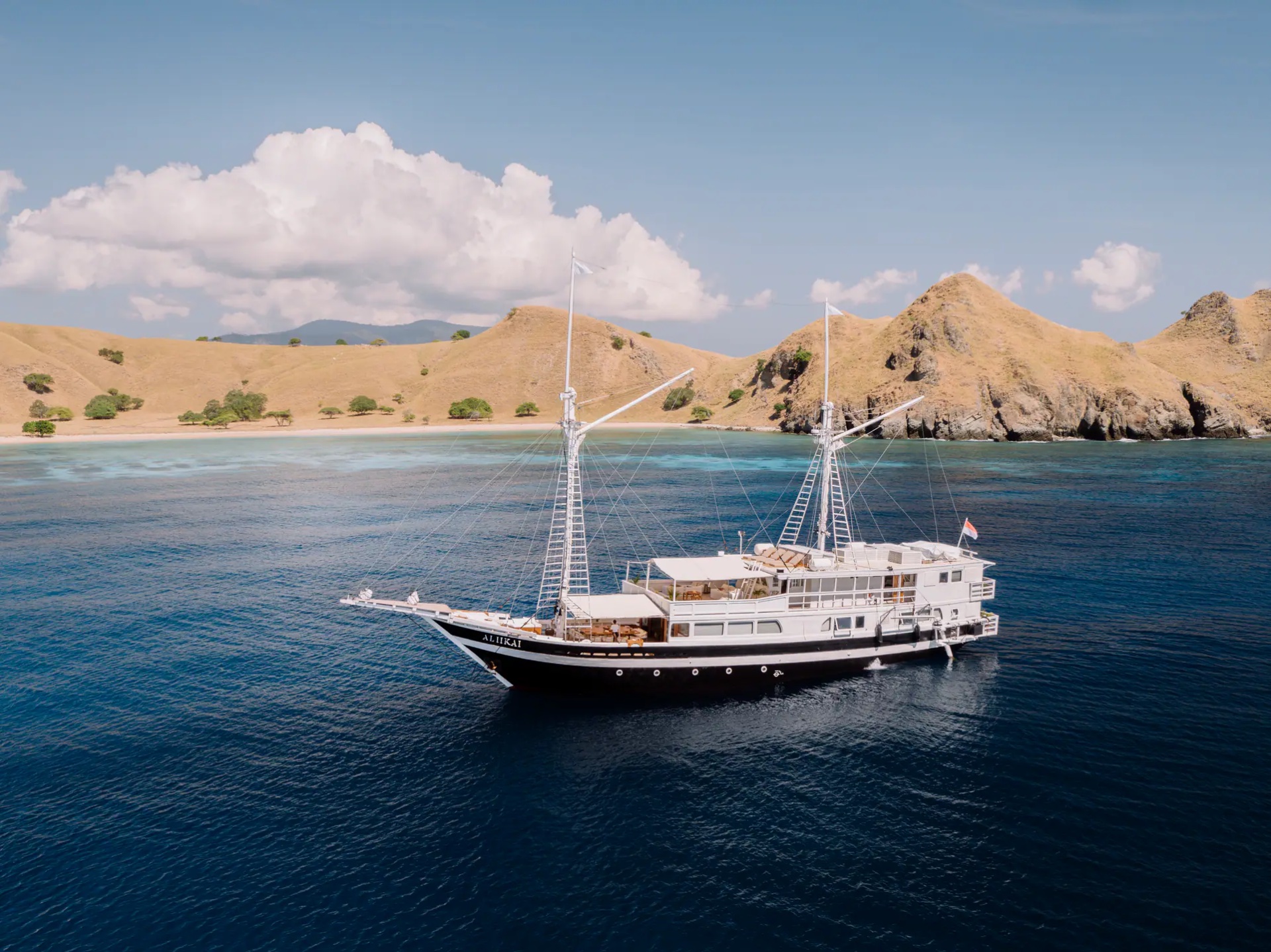
Aliikai Voyage
Indonesia
15 guests40 m
$658/day
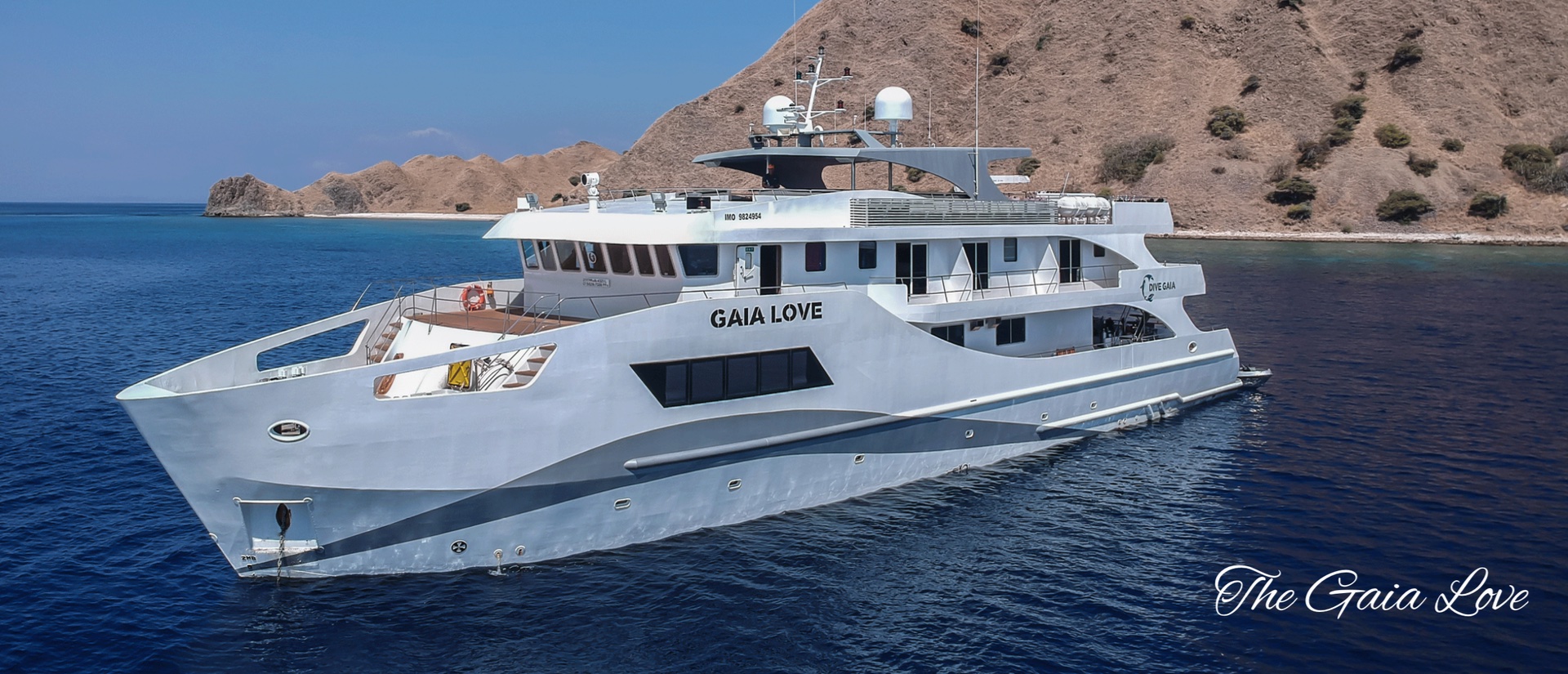
Gaia Love
Alor
20 guests
$554/day
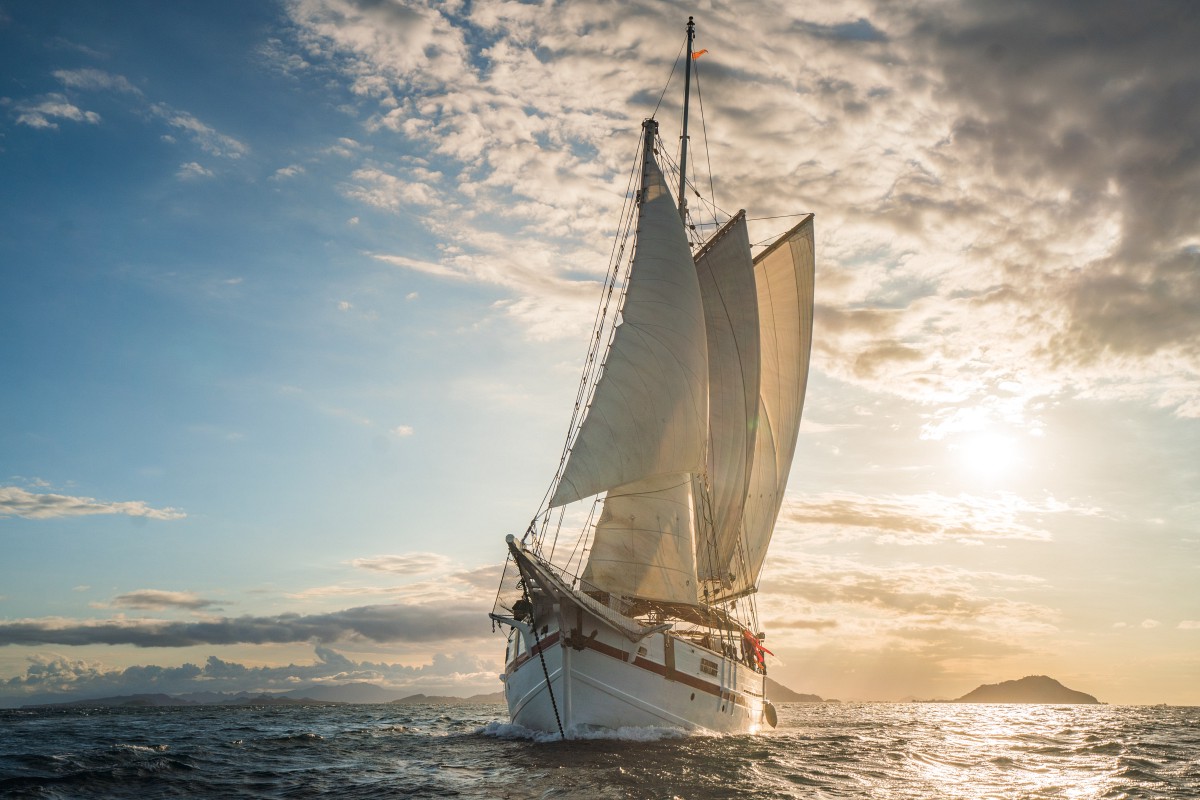
Emperor Raja Laut
Raja Ampat, Indonesia
12 guests31 m
$413/day
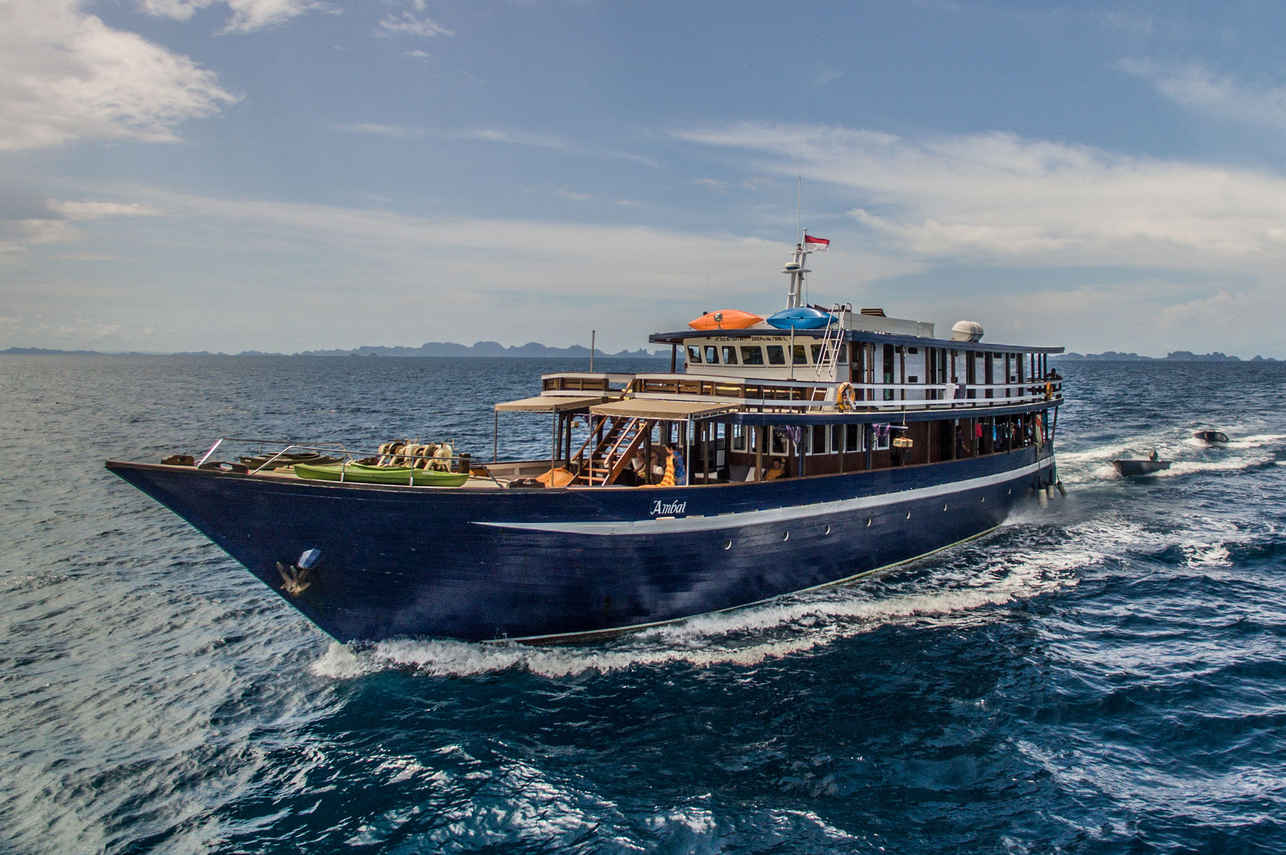
Ambai
Indonesia
16 guests32 m
$452/day
Dive sites similar to Chicken Reef
Same character, same waters — six more sites divers love for the exact same reasons.Compare seasons, access and liveaboard routes — then pick the site that fits your trip best.
© Esri — Maxar, Earthstar, GIS
Arborek Jetty
Raja Ampat, Indonesia
Arborek Jetty, situated off the north coast of Arborek Island in Raja Ampat's Dampier Strait, offers a unique and accessible dive experience.
- Suitable for
- Beginner
- Current
- Strong
- Access
- Liveaboard only
- Depth
- 1–12 m
- Theme
- Reef
© Esri — Maxar, Earthstar, GIS
Boo Windows
Raja Ampat, Indonesia
Boo Windows, located at the eastern edge of Raja Ampat's Misool region, is an iconic dive site renowned for its unique underwater topography, particularly its famous "windows" or archways.
- Suitable for
- Intermediate
- Current
- Strong
- Access
- Liveaboard only
- Depth
- 5–30 m
- Theme
- Drift / Reef
Cape Kri, situated off the northern tip of Kri Island in Raja Ampat's Dampier Strait, is a legendary dive site renowned for its exceptional marine biodiversity.
- Suitable for
- Advanced
- Current
- Ripping
- Access
- Liveaboard only
- Depth
- 5–40 m
- Theme
- Drift / Reef
© Esri — Maxar, Earthstar, GIS
Citrus Ridge
Raja Ampat, Indonesia
Citrus Ridge is a renowned dive site in Raja Ampat, located in a natural channel separating Gam Island from Yanggelo.
- Suitable for
- Intermediate
- Current
- Strong
- Access
- Liveaboard only
- Depth
- 10–27 m
- Theme
- Drift / Reef
Dayan, nestled within the extraordinary marine biodiversity of Raja Ampat, represents the epitome of what makes this region a global diving mecca.
- Suitable for
- Intermediate
- Current
- Strong
- Access
- Liveaboard only
- Depth
- 5–25 m
- Theme
- Drift / Reef
© Esri — Maxar, Earthstar, GIS
Fam Islands
Raja Ampat, Indonesia
The Fam Islands, nestled within Raja Ampat's vast archipelago, are a renowned diving destination, celebrated for their exceptional marine biodiversity and stunning underwater topography.
- Suitable for
- Intermediate
- Current
- Strong
- Access
- Liveaboard only
- Depth
- 9–24 m
- Theme
- Reef / Wall