About Sardine Reef
Sardine Reef is an iconic dive site nestled in the nutrient-rich Dampier Strait of Raja Ampat, near Kri Island. This submerged reef is a magnet for marine life, characterized by its consistent, strong currents that fuel an astonishing biodiversity. It's not uncommon to encounter dense schools of fish and large pelagics thriving in this energetic environment. The reef's topography includes a sloping coral garden that transitions into a deeper platform, offering diverse habitats. Depths typically range from 5 to 30 meters, allowing for extended bottom times at various levels. The site is covered in a tapestry of hard and soft corals, sea fans, and sponges, providing shelter and feeding grounds for countless species. While vibrant marine life is a year-round constant, the best conditions, including calmer seas and optimal visibility, usually occur from October to April. During these months, the site is particularly active with schooling fish and passing predators. Strong currents are a defining feature, making it a dynamic dive that often requires advanced skills and experience. Diving Sardine Reef typically involves a negative entry to quickly descend below the strongest surface currents. Divers then drift along the reef, observing the spectacular action. Due to its challenging conditions, it is best experienced with a knowledgeable guide who understands the local currents and can ensure a safe and thrilling encounter with Raja Ampat's abundant underwater world.
Highlights
Dense schools of fishStrong, nutrient-rich currentsVibrant coral reefPelagic encountersUnderwater seamount actionDynamic drift diving
Season calendar
Best months to dive here
Jan
Feb
Mar
Apr
May
Jun
Jul
Aug
Sep
Oct
Nov
Dec
Excellent
Good
Dive site facts: Sardine Reef
- Depth
- 5–30 m
- Typical dive
- 12–25 m, 50–60 min
- Current
- Strong
- Visibility
- 10–20 m
- Water temperature
- 27–30°C
- Entry
- Tender / negative entry
- Level
- Advanced, current experience essential
- Dive type
- Drift, reef, pelagic
- Night dive
- Possible (check with operator)
- Region / port
- Dampier Strait, Raja Ampat
- Coordinates
- -0.5418, 130.6782
Conditions & Currents
Sardine Reef is characterized by consistently strong, nutrient-rich currents that define the dive experience. These currents can vary in intensity from moderate to powerful, depending on the tidal phase. A negative entry is often employed to quickly get below the strongest surface flow, and divers should be prepared for drift diving conditions.
Marine life & sighting chances

Fusiliers
common
Jacks
common
Snapper
common
Batfish
common
Barracuda
common
Sweetlips
common
Grey reef sharks
occasional
Blacktip reef sharks
occasional
Wobbegong sharks
occasional
Giant trevally
occasional
Dive profile & how the dive runs
Your dive at Sardine Reef typically begins with a negative entry from a tender, ensuring a swift descent past the stronger surface currents. Upon reaching the reef, you'll find yourself on a sloping coral garden in the shallower section, a good spot for buoyancy checks and initial observations. The current, which is often running, will then guide you along the reef's edge, transitioning into a deeper platform. The main action zone is usually between 12 and 25 meters, where vast schools of fish congregate. Divers often employ reef hooks here to maintain position and observe the pelagic activity and bustling reef life without expending too much energy. The dive continues as a drift, allowing you to cover significant portions of the vibrant reef, exploring overhangs and coral formations. The turn point is often dictated by air consumption or current direction changes. Safety stops are performed in the shallower, more protected areas of the reef, allowing for a relaxed decompression surrounded by colorful corals and smaller reef fish, before ascending to the surface for tender pickup.
Underwater photography
Sardine Reef's pelagic action and schooling fish make it an ideal subject for wide-angle photography. A dome port with a wide-angle lens is recommended to capture the immense schools of fusiliers, jacks, and barracuda, as well as the impressive reef topography. Consider using strobes to bring out the vibrant colors of the hard and soft corals, even in the typically clear waters. Given the strong currents, managing buoyancy and camera gear can be challenging; practice maintaining a stable position with a reef hook while composing shots. Be mindful of not disturbing the marine life, especially larger pelagics, by approaching slowly and observing their behavior. For macro enthusiasts, explore the sheltered sections or during slack tide to find smaller critters, but the site's primary draw is its wide-angle opportunities.
Combine with nearby dive sites
- Cape Kri
Cape Kri, situated off the northern tip of Kri Island in Raja Ampat's Dampier Strait, is a legendary dive site renowned for its exceptional…
- Manta Sandy
Manta Sandy, situated in the Dampier Strait southeast of Arborek Island, is a celebrated dive site in Raja Ampat, globally recognised for…
- Blue Magic
Blue Magic, nestled in the Dampier Strait of Raja Ampat, stands as a premier dive site globally, celebrated for its high-energy pelagic…
- Arborek Jetty
Arborek Jetty, situated off the north coast of Arborek Island in Raja Ampat's Dampier Strait, offers a unique and accessible dive…
Getting there & logistics
Accessing Raja Ampat typically involves flying into Sorong (SOQ) from major Indonesian hubs like Jakarta, Makassar, or Manado. From Sorong, divers usually board a liveaboard directly or take a public ferry to Waisai, the capital of Waigeo Island, where many resorts are located. Liveaboard trips are the most common way to experience the diverse dive sites, ranging from 7 to 12 days, covering different regions like the Dampier Strait where Sardine Reef is located. A Marine Park Entry Permit is required for all visitors. It is recommended to stay at least one night in Sorong before or after your liveaboard to manage travel logistics. Sardine Reef is often part of itineraries exploring the Dampier Strait, known for its strong currents and rich pelagic life.
Safety & environment
Diving at Sardine Reef, like many sites in Raja Ampat, requires a focus on safety due to potentially strong currents. Advanced certification and experience in current diving are highly recommended. Always carry a reef hook for safety and to observe marine life without constantly finning, and a Surface Marker Buoy (SMB) for surfacing in open water. The nearest recompression chamber is in Waisai, Waigeo, making evacuation a multi-step process that can take several hours; comprehensive dive insurance covering medical emergencies and evacuation is therefore essential. Listen carefully to your dive guide's briefing regarding current predictions and entry/exit procedures. Stay with your group and maintain good buoyancy control to avoid damaging the delicate coral formations.
Who it suits — and who it doesn't
Suited for
- Advanced divers with current experience
- Experienced drift divers
- Underwater photographers seeking pelagic action
- Divers comfortable with negative entries
- Those looking for high-energy dives
Less suited for
- Beginner divers
- Divers without strong buoyancy control
- Those prone to seasickness in strong currents
- Divers uncomfortable with negative entries
- Relaxed, slow-paced diving preferences
FAQ
Sardine Reef FAQ
What kind of marine life can I expect at Sardine Reef?
Sardine Reef is famous for its abundant fish life, including massive schools of fusiliers, jacks, snapper, and barracuda. You can also frequently encounter batfish, sweetlips, and sometimes reef sharks like grey reef sharks and blacktips. Wobbegong sharks are occasionally seen resting under coral overhangs, and giant trevally often patrol the reef.
Why is it called Sardine Reef if there aren't many actual sardines?
The name 'Sardine Reef' is a colloquial term reflecting the sheer density of schooling baitfish that congregate here, which resemble sardines in their behavior and numbers. These baitfish, often fusiliers, form massive 'fish tornadoes' that attract a variety of larger predators, creating a dynamic and exciting ecosystem, rather than indicating the presence of true sardines.
How strong are the currents at Sardine Reef?
Currents at Sardine Reef are consistently strong and are a defining feature of the dive site. Their intensity varies with the tides, ranging from moderate to powerful. Divers should be prepared for drift diving conditions and may need to use a reef hook to comfortably observe the marine life without constantly finning.
Is Sardine Reef suitable for beginner divers?
Sardine Reef is generally not recommended for beginner divers due to its strong and unpredictable currents. It requires advanced certification, good buoyancy control, and prior experience with current diving. Divers new to these conditions might find the experience overwhelming or unsafe.
What is the best way to dive Sardine Reef?
The best way to dive Sardine Reef is typically with a liveaboard operator experienced in Raja Ampat's conditions. They will time dives to align with optimal current phases, often using negative entries and providing detailed briefings. A knowledgeable dive guide is crucial for navigating the site safely and pointing out key marine life.
What visibility can I expect?
Visibility at Sardine Reef typically ranges from 10 to 20 meters. While generally clear, it can fluctuate due to nutrient-rich upwellings that fuel the abundant marine life. These upwellings, while occasionally reducing visibility, are also responsible for attracting the large schools of fish and pelagics that make the site so renowned.
Why dive Sardine Reef from a liveaboard?
Sardine Reef is one of Raja Ampat, Indonesia's signature dive sites. A liveaboard sleeps you on the water and puts you in the water for three to four guided dives per day, including dawn and night dives that day-boat operators rarely offer. You skip the daily commute back to port and reach quieter, less-crowded sites in the same region on a single trip.
Below are the liveaboards that include Sardine Reef on their Raja Ampat, Indonesia itineraries.
Liveaboards diving Sardine Reef
These liveaboards may visit Sardine Reef on selected itineraries — the exact dive sites depend on departure, weather and conditions.
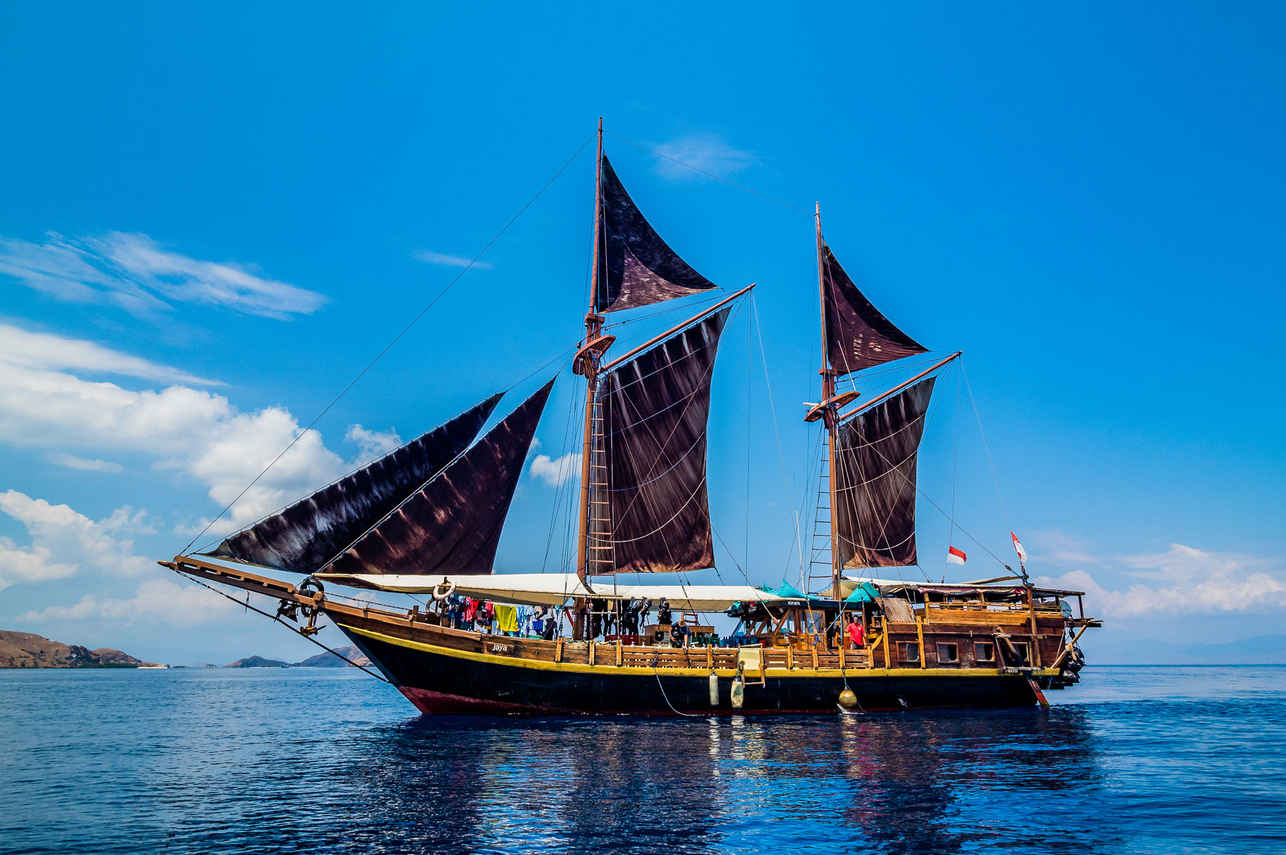
Jaya
Indonesia
14 guests23 m
$280/day
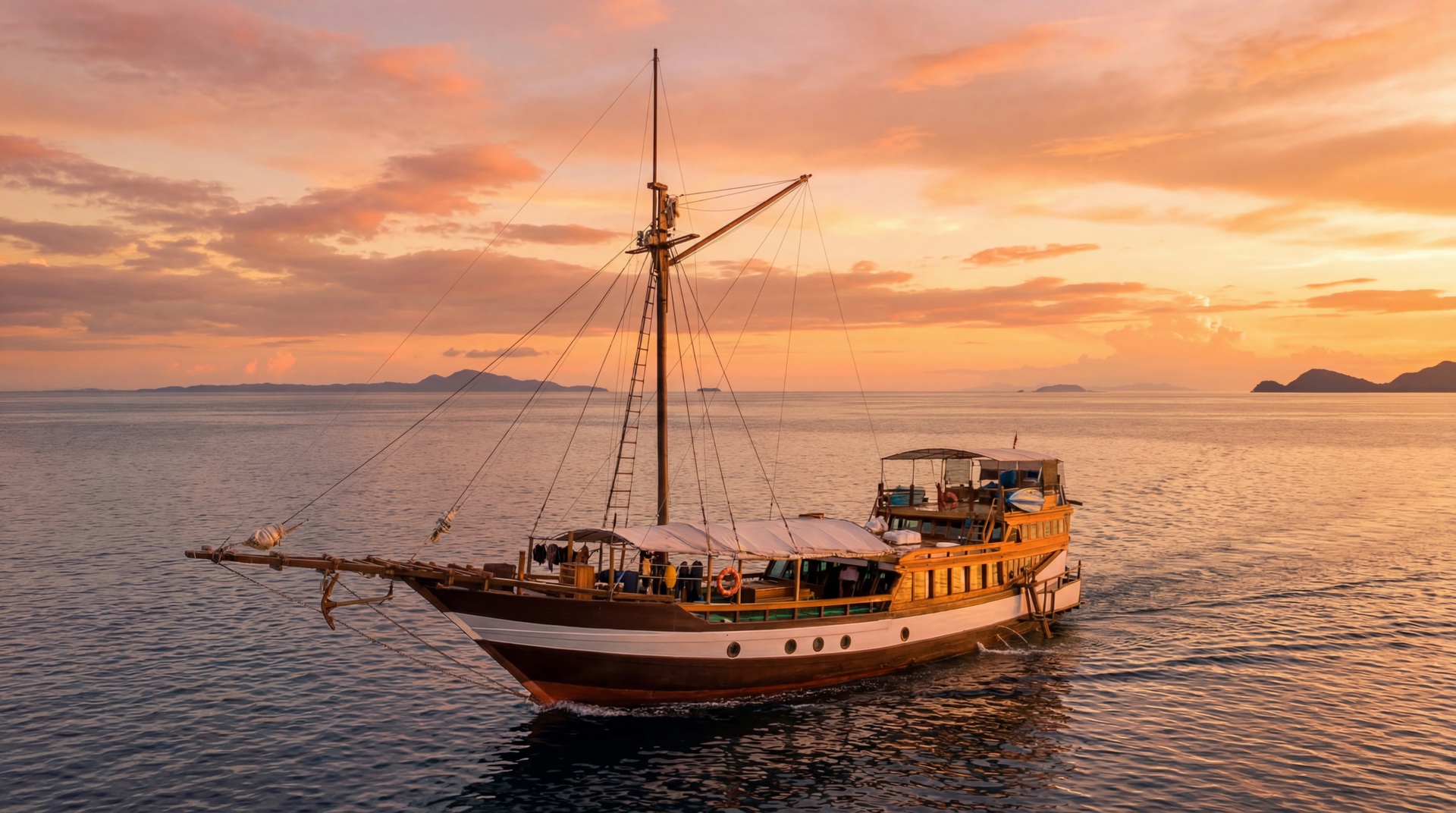
Wellenreng
Indonesia
9 guests25 m
$427/day
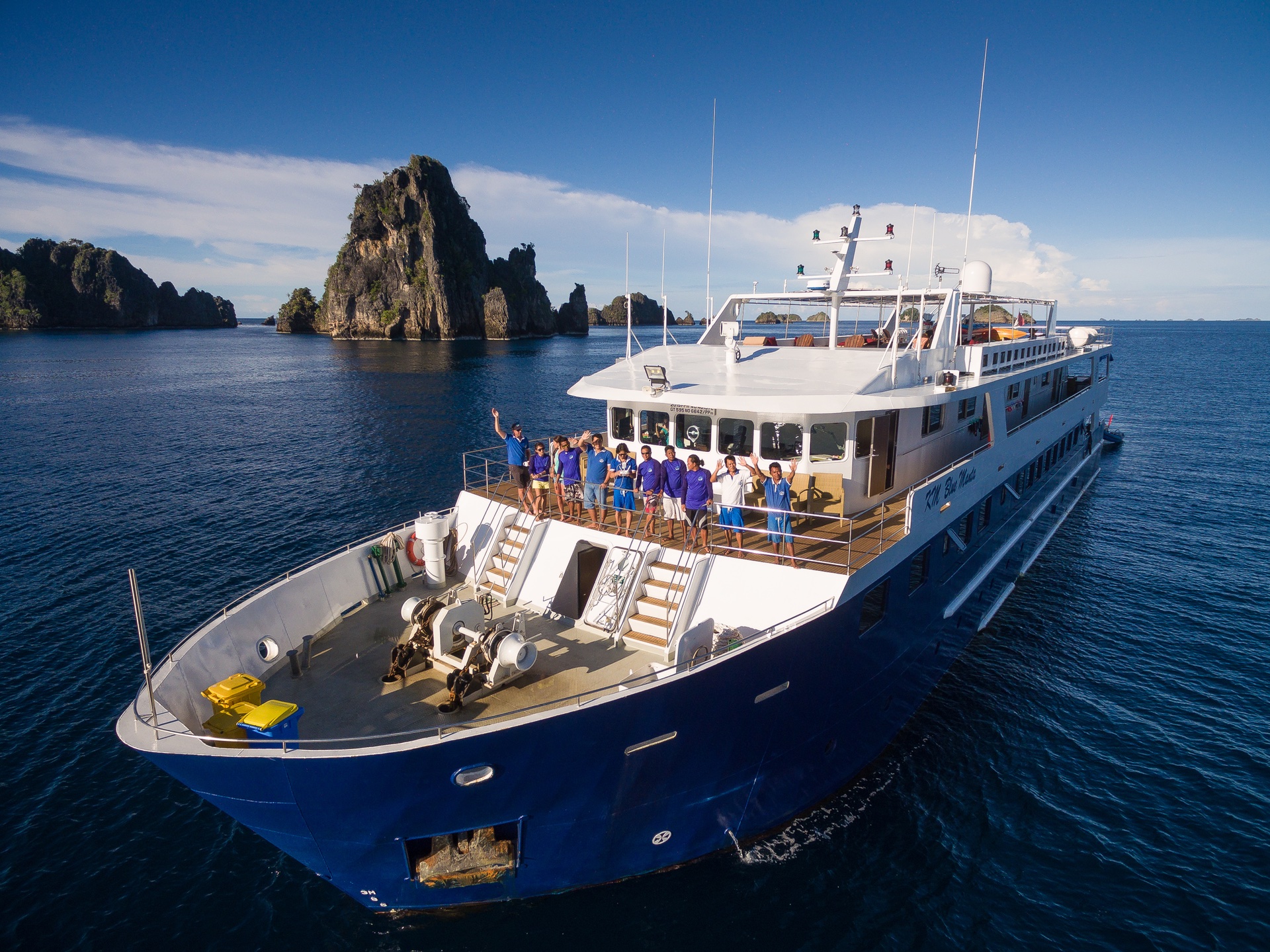
Blue Manta
Indonesia
20 guests45 m
$482/day
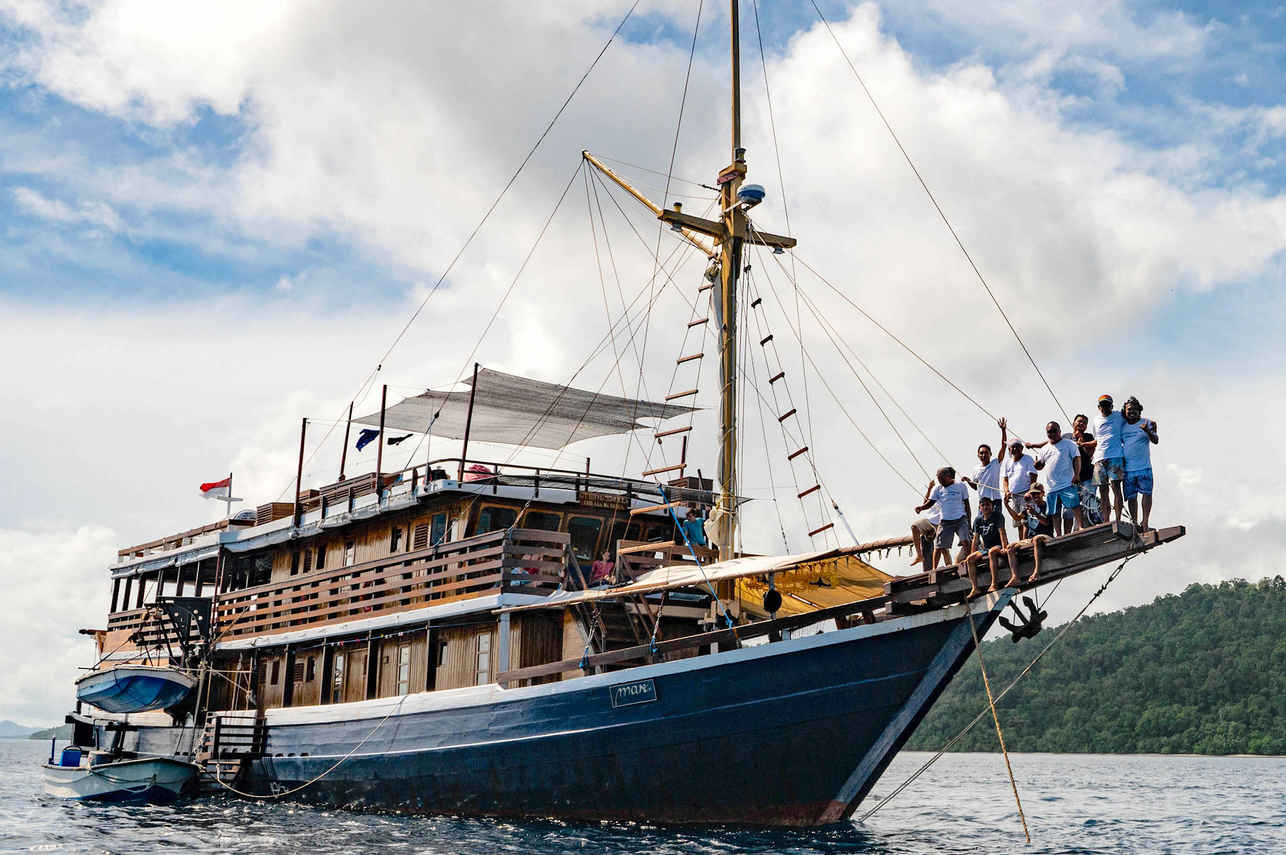
Mari
Indonesia
14 guests32.2 m
$328/day
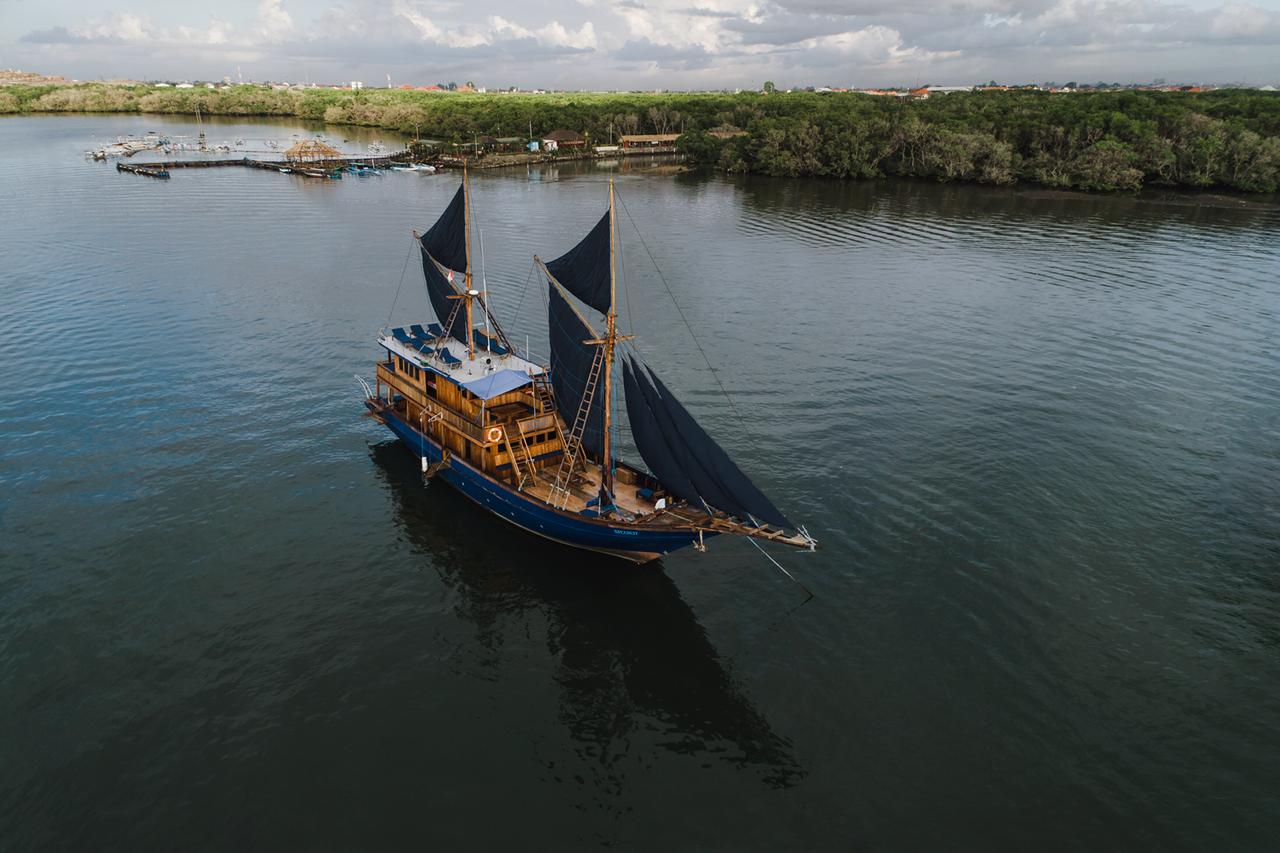
Situju7
Komodo, Indonesia
10 guests32.7 m
$362/day
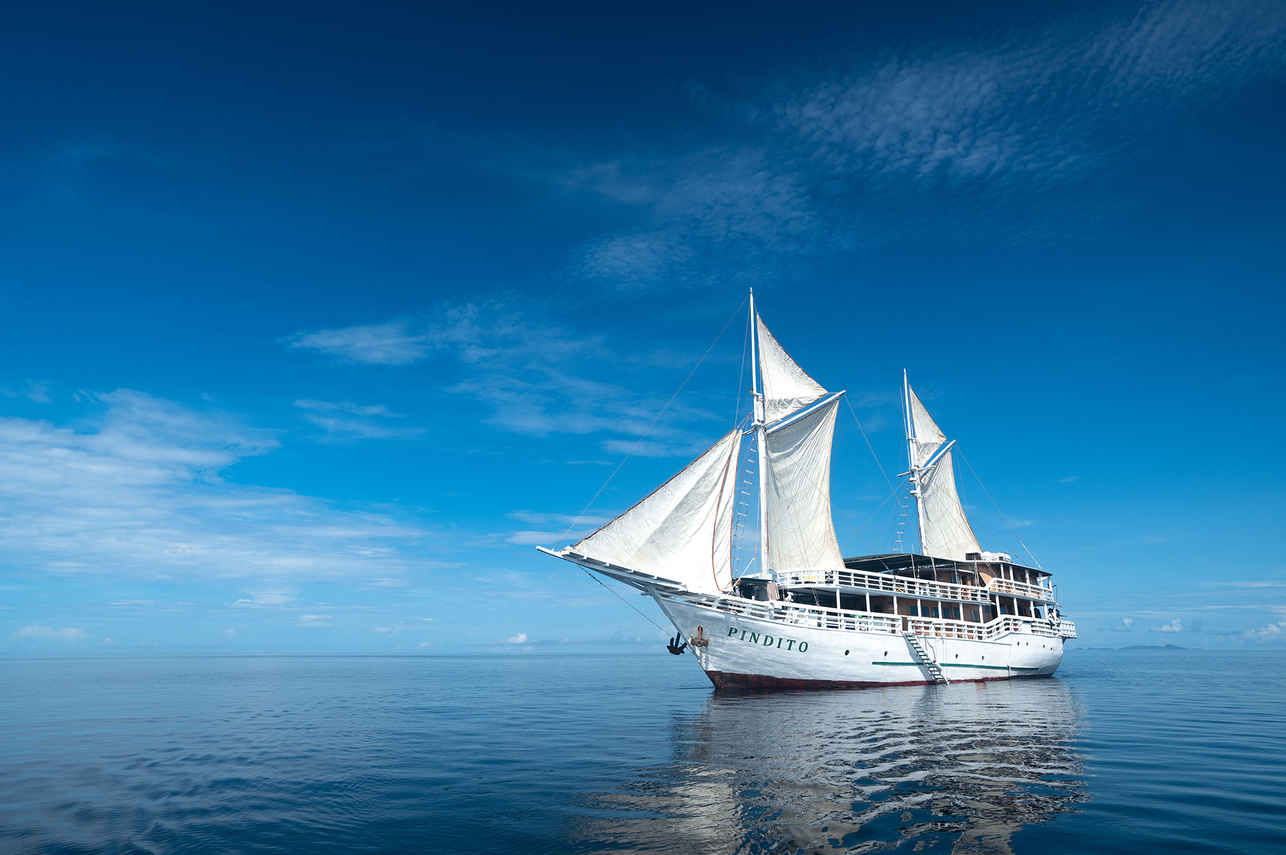
Pindito
Indonesia
16 guests37.79 m
$533/day
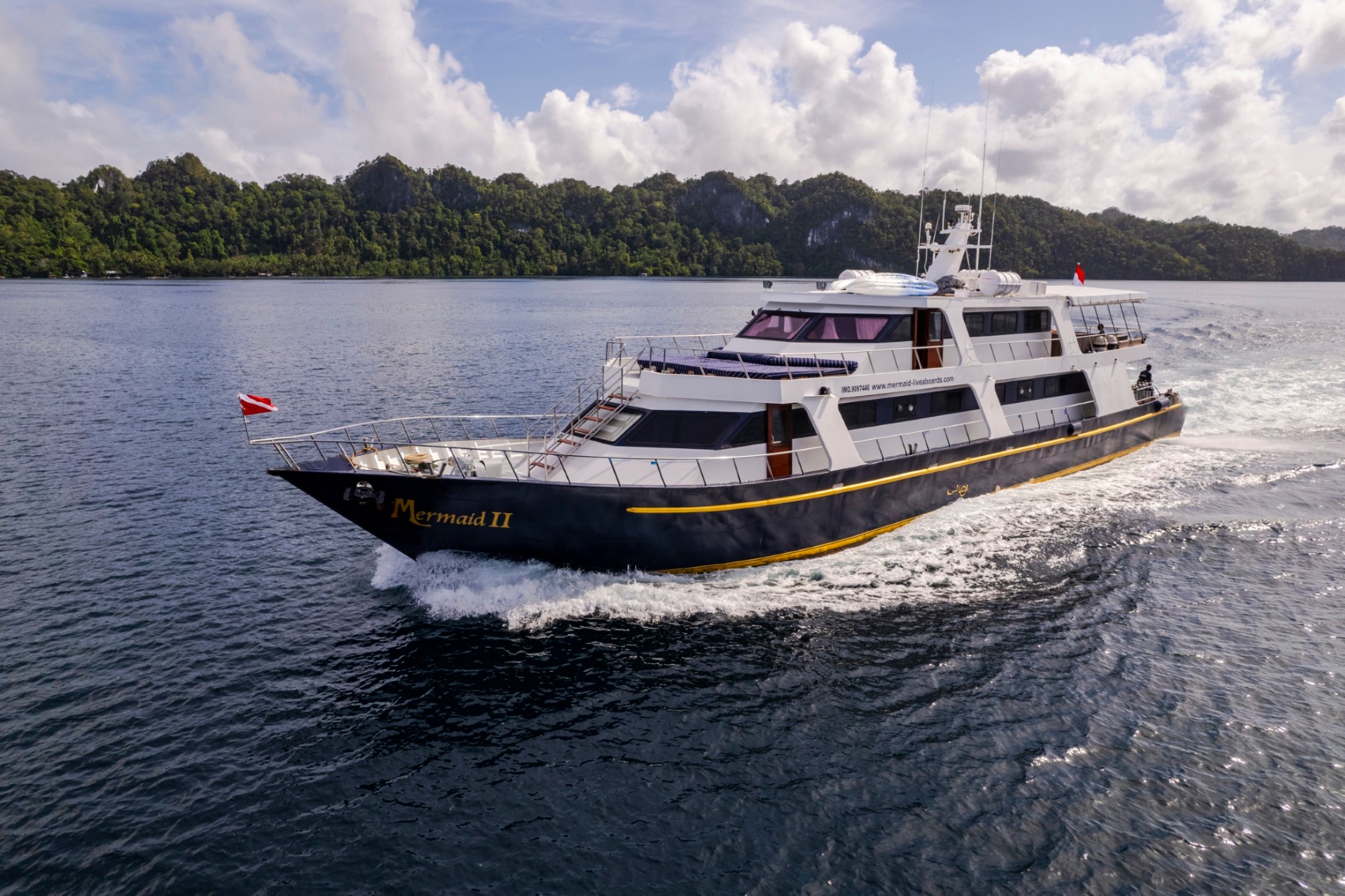
Mermaid II
Komodo, Indonesia
18 guests
$391/day
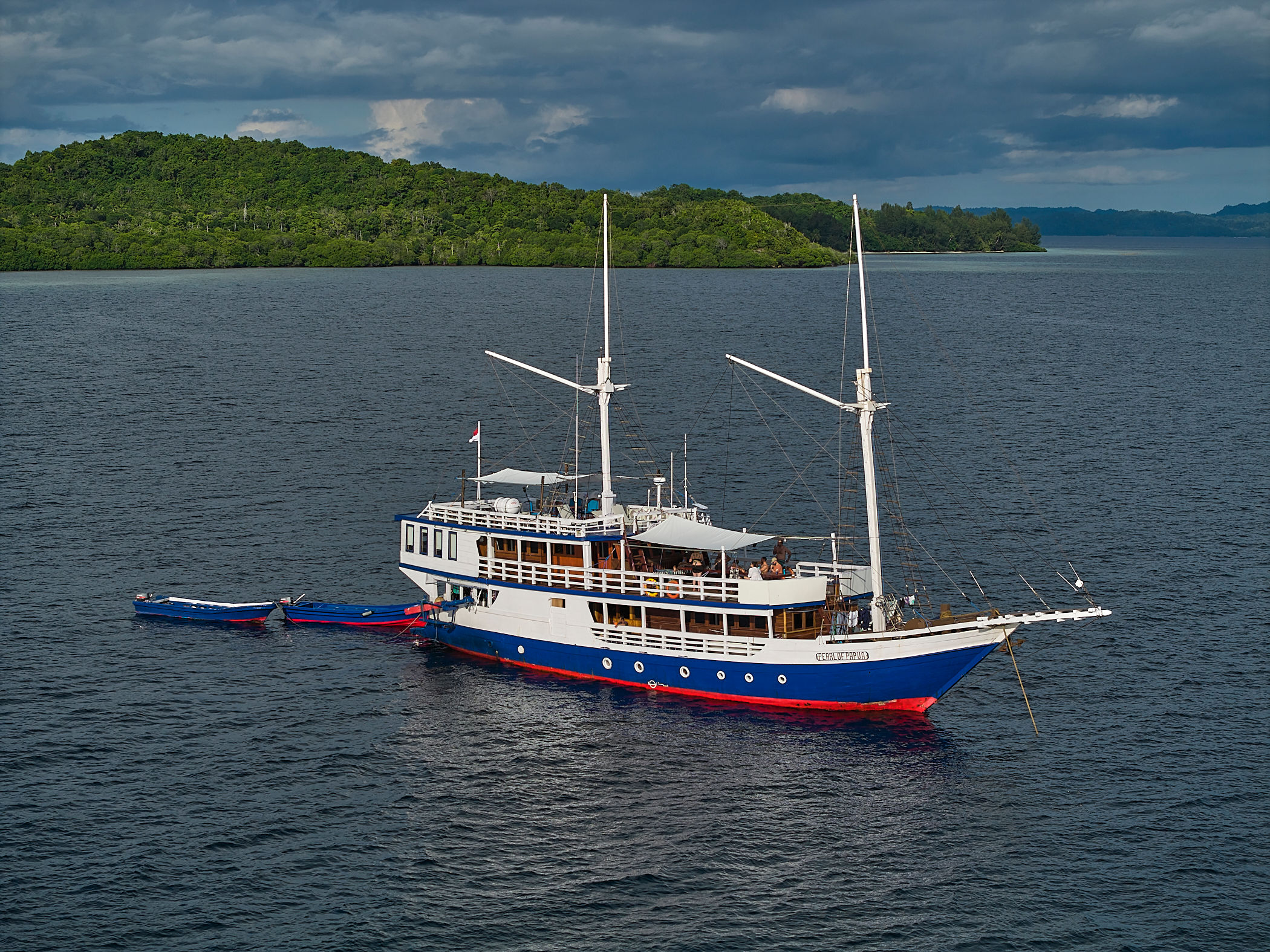
Pearl of Papua
Raja Ampat, Indonesia
14 guests30 m
$303/day
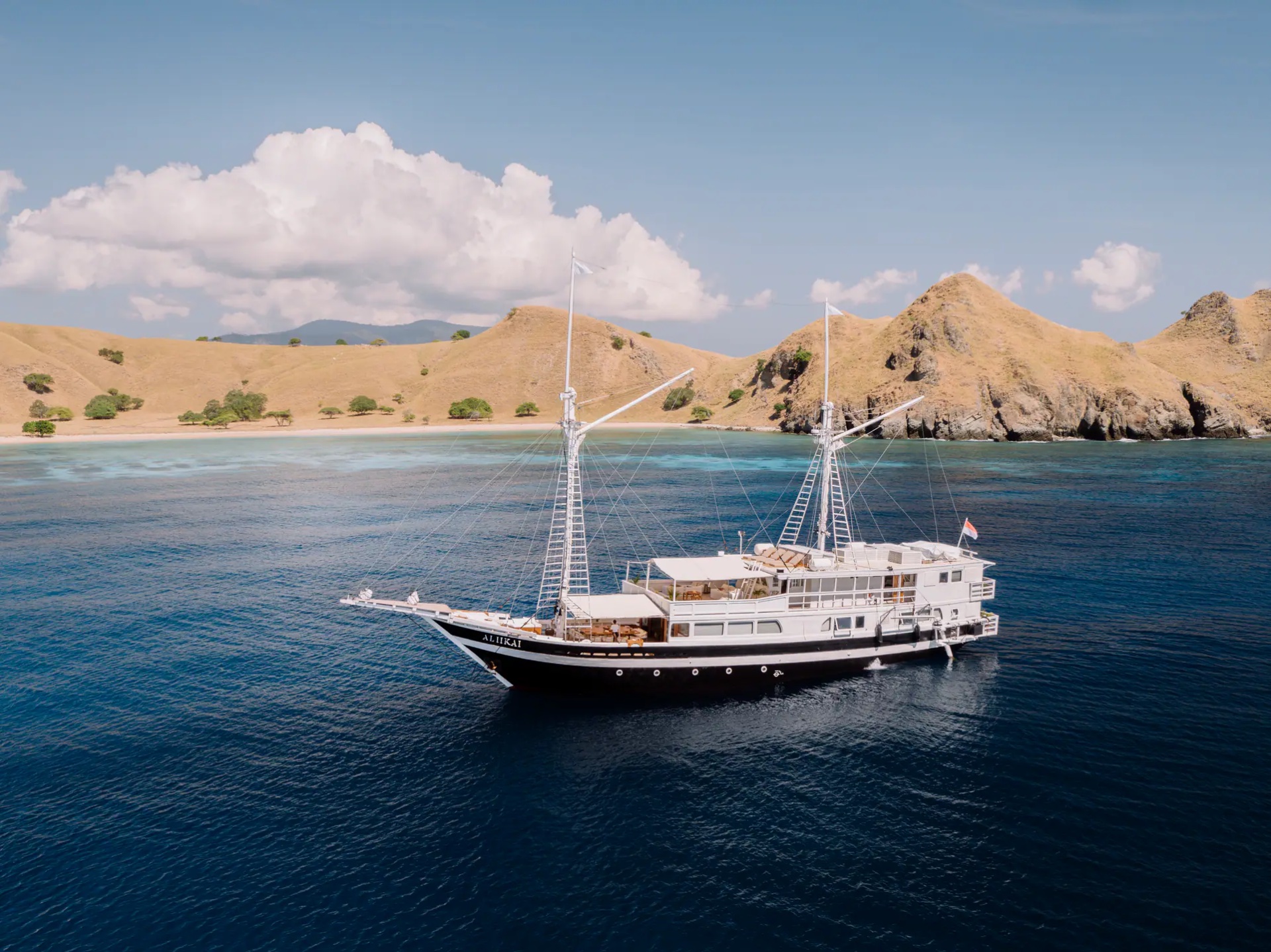
Aliikai Voyage
Indonesia
15 guests40 m
$658/day
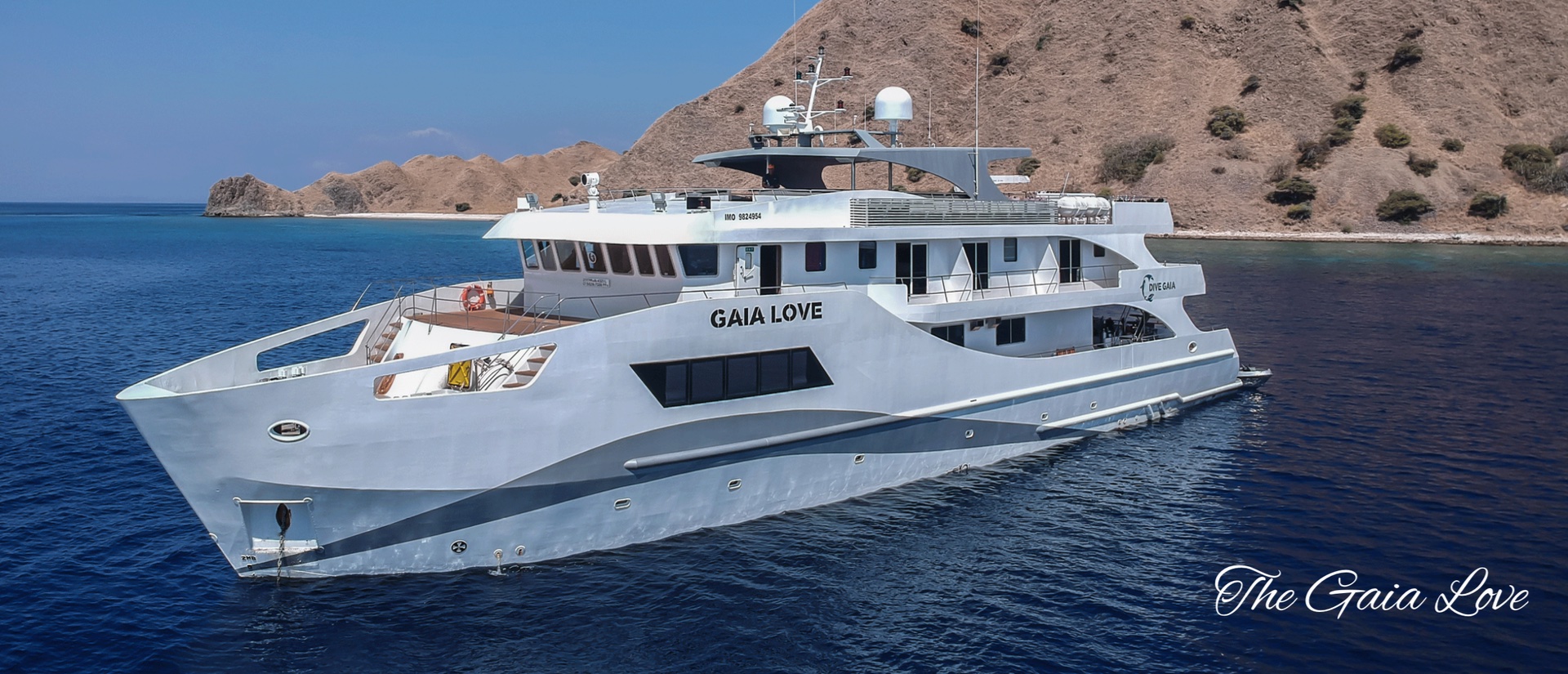
Gaia Love
Alor
20 guests
$554/day
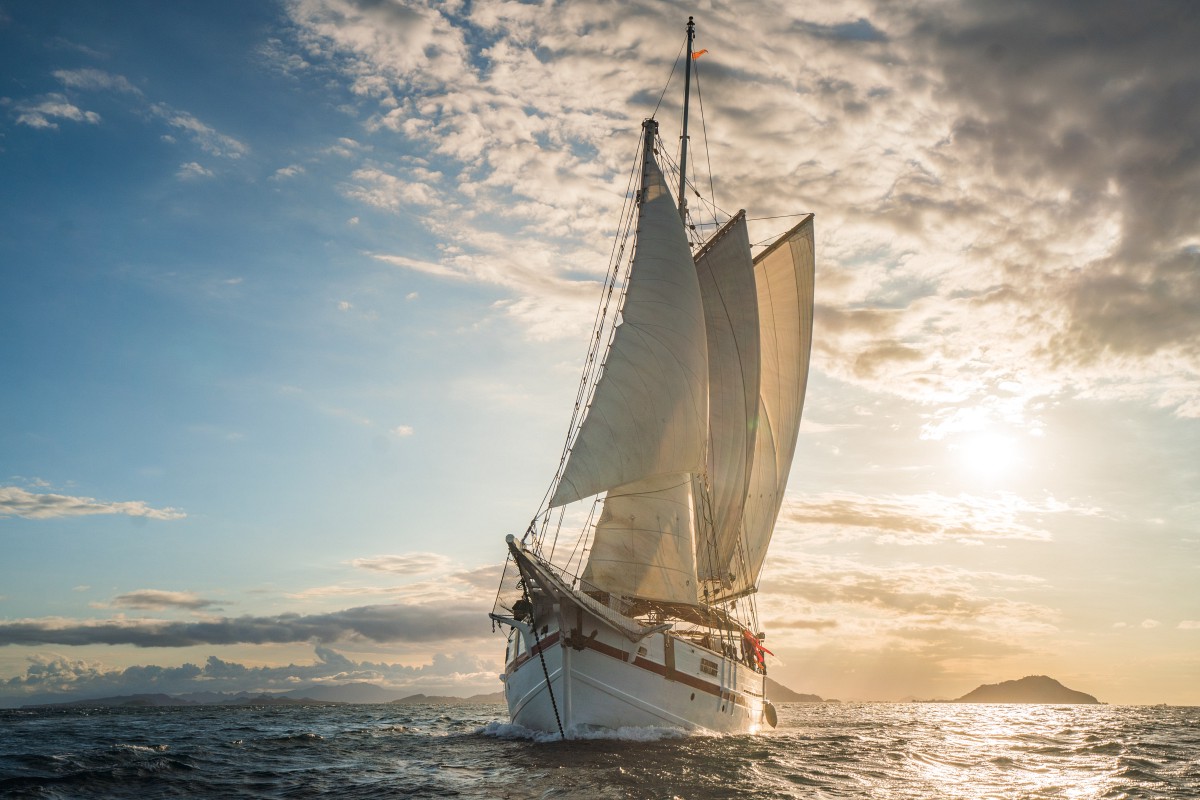
Emperor Raja Laut
Raja Ampat, Indonesia
12 guests31 m
$413/day
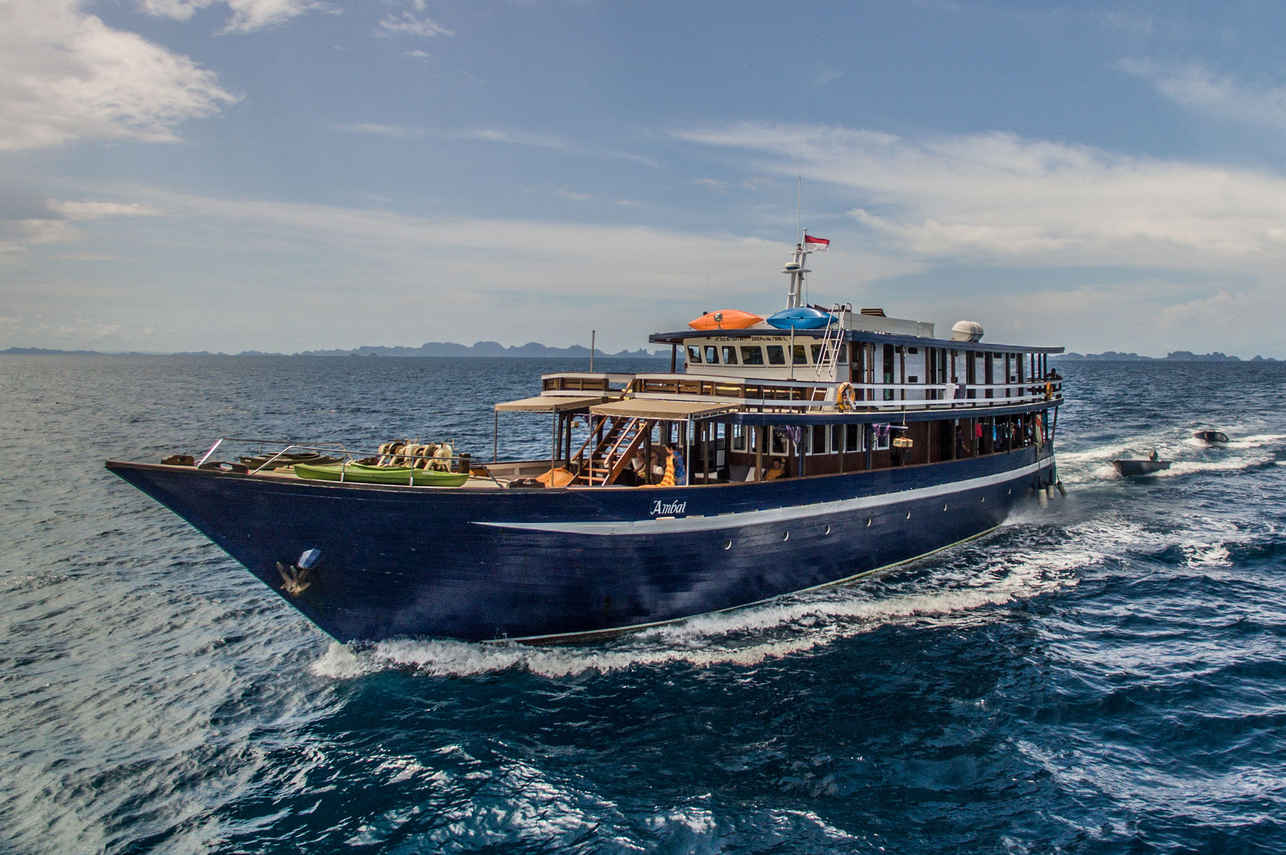
Ambai
Indonesia
16 guests32 m
$453/day
Dive sites similar to Sardine Reef
Same character, same waters — six more sites divers love for the exact same reasons.Compare seasons, access and liveaboard routes — then pick the site that fits your trip best.
© Esri — Maxar, Earthstar, GIS
Misool Batu Kecil
Raja Ampat, Indonesia
Misool Batu Kecil, often referred to as Tank Rock, is a prime dive site nestled within the Misool area of Raja Ampat, part of the extensive marine protected areas.
- Suitable for
- Intermediate
- Current
- Strong
- Access
- Liveaboard only
- Depth
- 5–25 m
- Theme
- Drift / Reef
© Esri — Maxar, Earthstar, GIS
Yulliet Kecil
Raja Ampat, Indonesia
Yulliet Kecil is a captivating islet dive site situated in the Misool region of Raja Ampat, Indonesia.
- Suitable for
- Intermediate
- Current
- Moderate
- Access
- Liveaboard only
- Depth
- 5–30 m
- Theme
- Reef
© Esri — Maxar, Earthstar, GIS
Friwin Wall
Raja Ampat, Indonesia
Friwin Wall, nestled in the heart of Raja Ampat's Dampier Strait, is a premier dive site renowned for its vibrant reef wall and rich biodiversity.
- Suitable for
- Intermediate
- Current
- Strong
- Access
- Liveaboard only
- Depth
- 1–25 m
- Theme
- Cave & cavern / Drift
© Esri — Maxar, Earthstar, GIS
Citrus Ridge
Raja Ampat, Indonesia
Citrus Ridge is a renowned dive site in Raja Ampat, located in a natural channel separating Gam Island from Yanggelo.
- Suitable for
- Intermediate
- Current
- Strong
- Access
- Liveaboard only
- Depth
- 10–27 m
- Theme
- Drift / Reef
© Esri — Maxar, Earthstar, GIS
Boo Windows
Raja Ampat, Indonesia
Boo Windows, located at the eastern edge of Raja Ampat's Misool region, is an iconic dive site renowned for its unique underwater topography, particularly its famous "windows" or archways.
- Suitable for
- Intermediate
- Current
- Strong
- Access
- Liveaboard only
- Depth
- 5–30 m
- Theme
- Drift / Reef
Nudi Rock, situated in the Misool area of Raja Ampat, gains its distinctive name from a prominent rock formation above the waterline that bears a striking resemblance to a nudibranch.
- Suitable for
- Intermediate
- Current
- Strong
- Access
- Liveaboard only
- Depth
- 5–28 m
- Theme
- Reef / Wall