About Manta Sandy
Manta Sandy, situated in the Dampier Strait southeast of Arborek Island, is a celebrated dive site in Raja Ampat, globally recognised for its consistent manta ray encounters. This site serves as a vital cleaning station where various manta species, including black reef mantas and oceanic mantas, visit for parasite removal by cleaner wrasse. The underwater landscape primarily features a gentle sand bank adorned with scattered bommies, which are home to the critical cleaning stations. The dive site reaches a maximum depth of 18 meters, though most activity and the primary cleaning stations are concentrated at around 16 meters. Visibility here is typically excellent, often ranging from 20 to 30 meters, providing unobstructed views of the mantas and the surrounding reef. Beyond the mantas, the site supports a diverse marine ecosystem, including various reef fish, turtles, and occasional sightings of unique creatures like the Pegasus sea moth. Diving here offers a unique opportunity to observe natural manta behaviour up close, with a focus on respectful interaction. Divers are guided to specific viewing areas behind a designated line to avoid disturbing the mantas during their cleaning process. The site is suitable for a wide range of divers, from beginners to experienced, depending on the day's current conditions, making it an accessible yet thrilling Raja Ampat experience.
Highlights
Reliable manta ray encountersNatural manta cleaning stationMultiple manta speciesShallow sand bank divingExcellent visibilityDiverse reef fish
Season calendar
Best months to dive here
Jan
Feb
Mar
Apr
May
Jun
Jul
Aug
Sep
Oct
Nov
Dec
Excellent
Good
Dive site facts: Manta Sandy
- Depth
- 16–18 m
- Typical dive
- 16 m, 50–60 min
- Current
- Mild to medium
- Visibility
- 20–30 m
- Water temperature
- 28–30°C
- Entry
- Tender / controlled descent
- Level
- Open Water with good buoyancy to Advanced
- Dive type
- Manta cleaning station, sand slope
- Night dive
- Not typical
- Region / port
- Dampier Strait, Raja Ampat
- Coordinates
- -0.5682, 130.5741
Conditions & Currents
Currents at Manta Sandy vary from mild to medium, making it accessible for a range of diver experience levels. During a dive, your guide will drop you near the top of the sand bank, sometimes just a meter below the surface, even exposed at low tide. Divers then descend to the flat bottom at about 16 meters where the main cleaning stations are located. Maintaining position requires some awareness of the flow, but dedicated lines on the sand help divers stay stationary without disturbing the mantas. You should always remain behind these visual markers. As the dive primarily occurs at a consistent, shallow depth, managing your no-decompression limits is crucial.
Marine life & sighting chances

Reef Manta Ray (black morph)
December-April · commonReef Manta Ray (standard morph)
December-April · common
Oceanic Manta Ray
December-April · occasional
Cleaner Wrasse
common
Cobia
occasional
Golden Trevally
occasional
Turtle
occasional
Bumphead Parrotfish
occasional
Moon Wrasse
common
Black Eye Thick Lips
common
Blacktip Reef Shark
occasional
Pegasus Sea Moth
rareDive profile & how the dive runs
Your dive at Manta Sandy typically begins with a drop-in near the top of the sand bank, which can be just below the surface or even exposed at low tide. You'll descend along the sandy slope until you reach the main cleaning station area at approximately 16 meters. Here, you'll position yourself behind a designated line of rocks and debris to observe the mantas without disturbance. Maintain neutral buoyancy or kneel gently on the sand, ensuring no marine life is present beneath you. The dive largely stays at this depth, so monitor your no-decompression limits carefully. After observing the mantas, you'll slowly ascend back up the sand slope, completing your safety stop at the 5-meter mark before surfacing.
Underwater photography
Manta Sandy offers exceptional wide-angle photography opportunities, primarily focusing on the majestic manta rays. Use a wide-angle lens (16-35mm or fisheye) to capture the mantas gracefully gliding over the cleaning stations. Natural light is often sufficient given the shallow depth and excellent visibility, but strobes can help bring out details and colour. Be mindful of your position, staying behind the designated line to avoid disturbing the mantas and ensure natural behaviour for your shots. Buoyancy control is paramount to avoid kicking up sand or encroaching on the mantas. Keep an eye on the sandy bottom for macro subjects like the Pegasus sea moth if you have a macro lens as a second option.
Combine with nearby dive sites
- Arborek Jetty
Famous for macro life and night dives, located nearby in Dampier Strait.
- Cape Kri
A world-record holder for fish diversity, located in the Dampier Strait.
- Blue Magic
Submerged pinnacle known for oceanic mantas and schooling barracudas.
- Sardine Reef
A large pinnacle teeming with vibrant soft corals and schooling fish.
Getting there & logistics
Access to Raja Ampat typically involves flying into Sorong (SOQ) from major Indonesian hubs like Jakarta, Makassar, or Manado. There are no direct international flights to Sorong, so expect at least one domestic connection. Upon arrival in Sorong, you can either board a liveaboard directly or take a public ferry to Waisai, the capital of Waigeo Island. The ferry takes approximately two hours. Most liveaboard trips to Raja Ampat range from 7 to 12 days, often combining sites in the Dampier Strait, Misool, and sometimes northern Raja Ampat. A Raja Ampat Marine Park Entry Permit, costing around USD $100 and valid for a year, is mandatory for all divers.
Safety & environment
Diving in Raja Ampat requires careful attention to safety protocols, particularly due to its remote location. The nearest recompression chamber is in Manado, underscoring the importance of proper dive planning and adherence to limits. Dive insurance covering emergency evacuation and hyperbaric treatment is highly recommended. At Manta Sandy, specific conduct rules are in place: always stay behind the designated line to avoid disturbing the mantas at their cleaning stations. Never touch, chase, or harass any marine life. Monitor your no-decompression limits, especially during extended bottom times at the shallow cleaning stations. Always follow your dive guide's instructions for a safe and respectful experience.
Who it suits — and who it doesn't
Suited for
- Manta ray enthusiasts
- Underwater photographers (wide-angle)
- Divers seeking easy current experiences
- Beginner and intermediate divers
- Marine life observers
Less suited for
- Divers seeking challenging drift dives
- Those who prefer deep wreck diving
- Divers unwilling to respect wildlife viewing protocols
- Those uninterested in large pelagics
FAQ
Manta Sandy FAQ
What kind of manta rays can I see at Manta Sandy?
Manta Sandy is famous for sightings of both standard reef mantas and their rarer black morphs. You might also encounter oceanic mantas, although they are less common here compared to the resident reef manta populations that frequent the cleaning stations.
How deep is Manta Sandy and is it suitable for beginner divers?
The maximum depth at Manta Sandy is around 18 meters, but most of the dive takes place at the cleaning stations at approximately 16 meters. Its relatively shallow depth and often mild currents make it suitable for Open Water certified divers with good buoyancy control, though conditions can vary.
What is a manta cleaning station and how does it work?
A manta cleaning station is a specific reef area where manta rays gather to have parasites removed from their bodies. Smaller cleaner wrasse fish perform this service. Divers observe from a respectful distance as mantas hover almost motionless over coral bommies, allowing the cleaners to do their work.
Are there specific rules for interacting with mantas at Manta Sandy?
Yes, strict rules are in place to protect the mantas. Divers must remain behind a designated line on the sand, avoid touching, chasing, or disturbing the mantas. Maintaining good buoyancy and minimizing noise are crucial for a positive and respectful encounter.
What is the best time of year to see mantas at Manta Sandy?
The peak season for manta ray sightings at Manta Sandy is typically from December to April. During these months, the waters are usually calmer, visibility is excellent, and the manta activity at the cleaning stations is at its highest, offering the best chance for encounters.
Why dive Manta Sandy from a liveaboard?
Manta Sandy is one of Raja Ampat, Indonesia's signature dive sites. A liveaboard sleeps you on the water and puts you in the water for three to four guided dives per day, including dawn and night dives that day-boat operators rarely offer. You skip the daily commute back to port and reach quieter, less-crowded sites in the same region on a single trip.
Below are the liveaboards that include Manta Sandy on their Raja Ampat, Indonesia itineraries.
Liveaboards diving Manta Sandy
These liveaboards may visit Manta Sandy on selected itineraries — the exact dive sites depend on departure, weather and conditions.
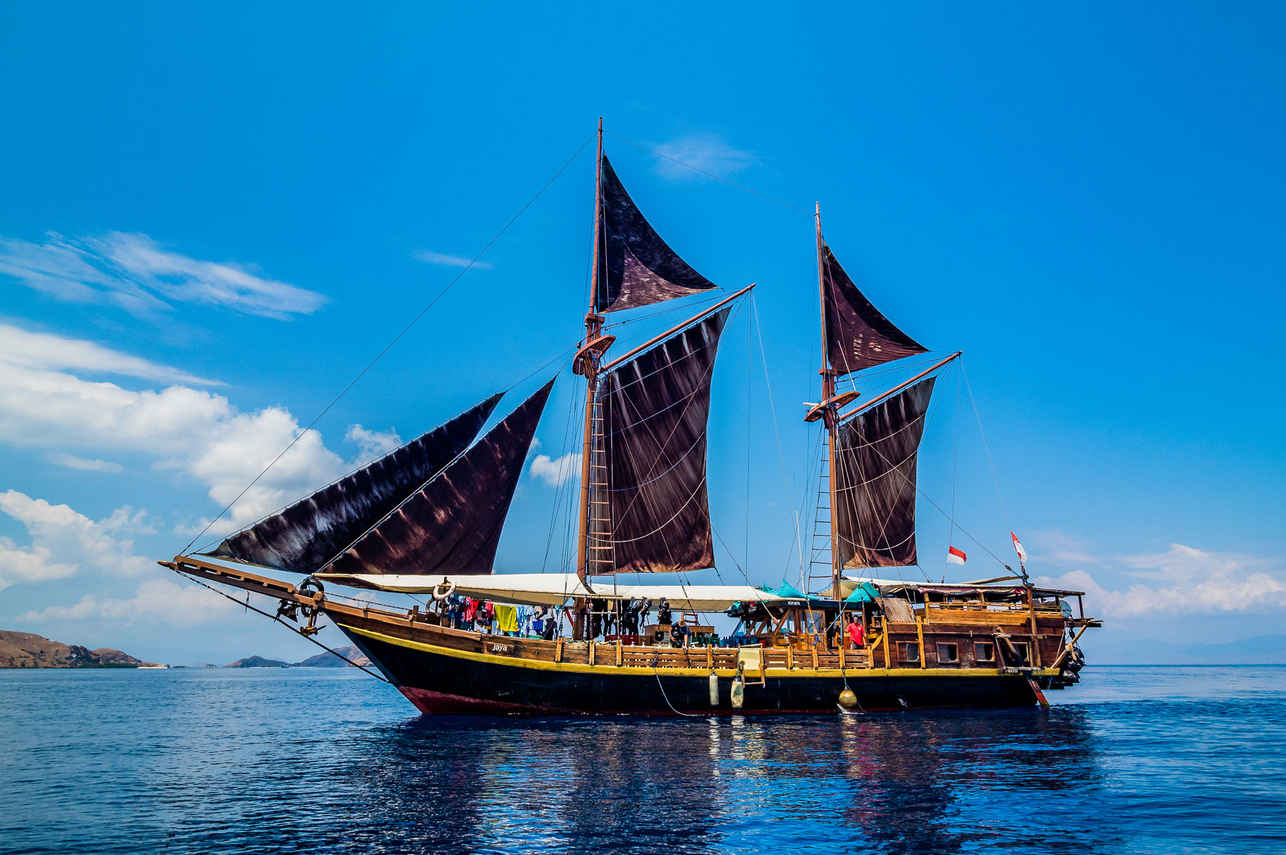
Jaya
Indonesia
14 guests23 m
$280/day
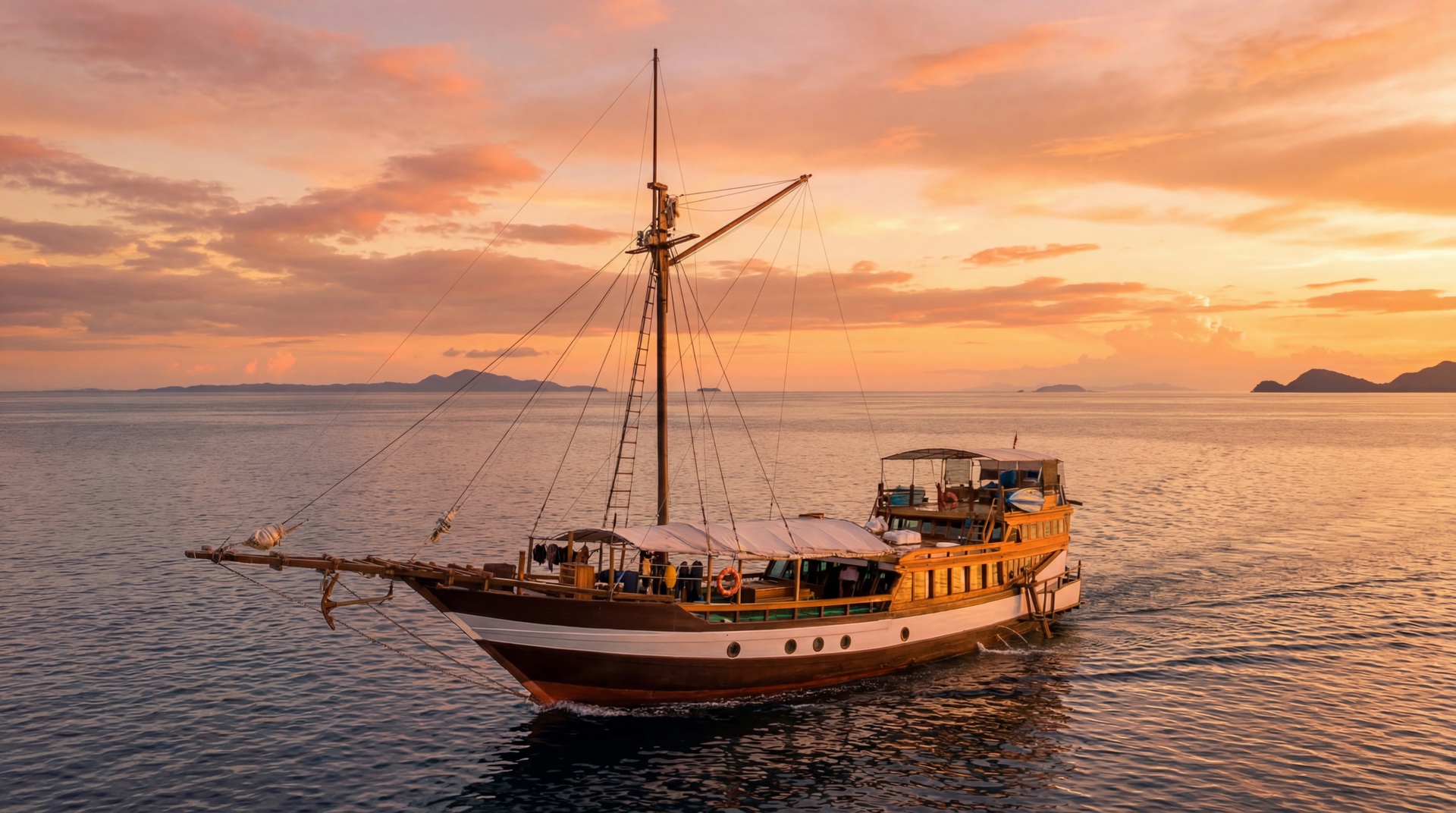
Wellenreng
Indonesia
9 guests25 m
$427/day
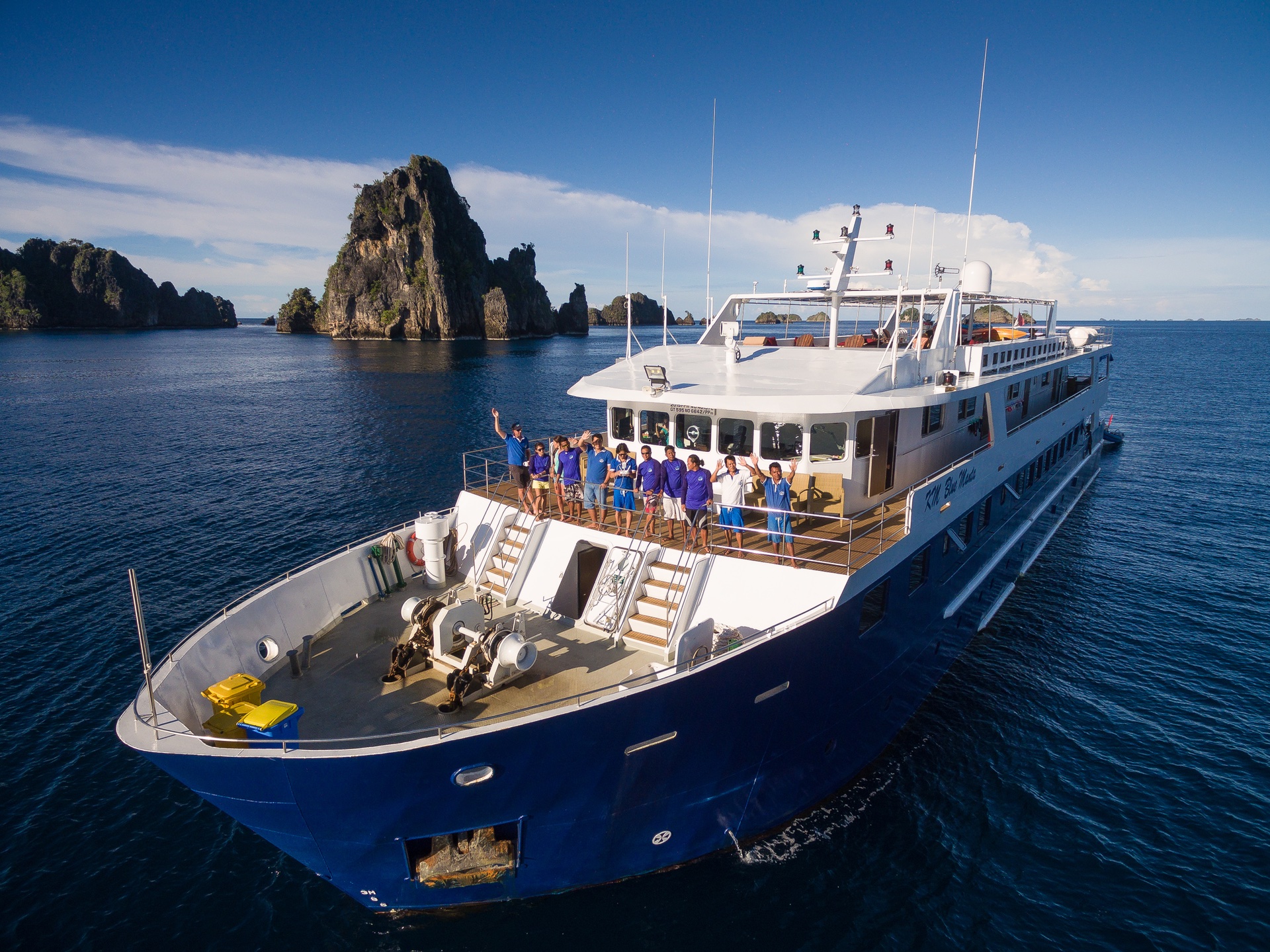
Blue Manta
Indonesia
20 guests45 m
$482/day
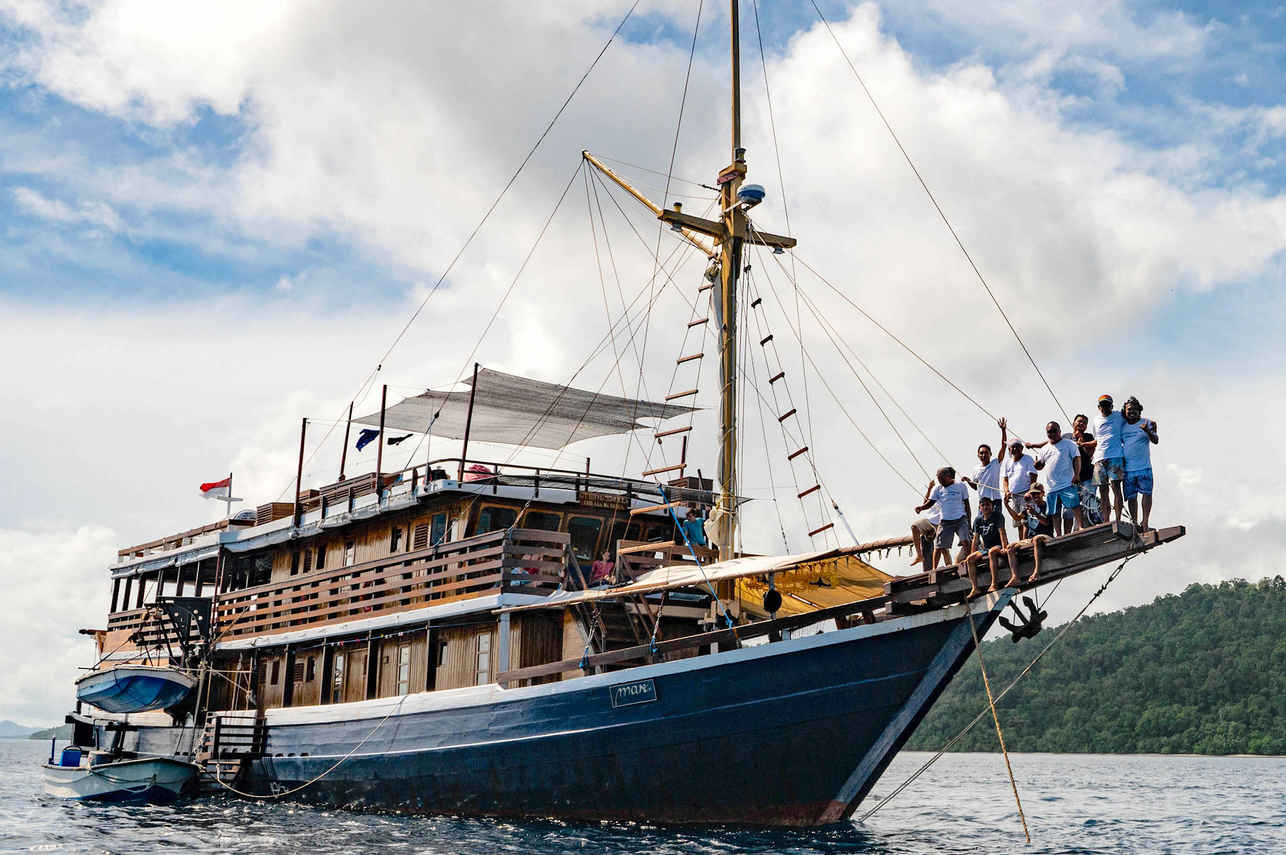
Mari
Indonesia
14 guests32.2 m
$326/day
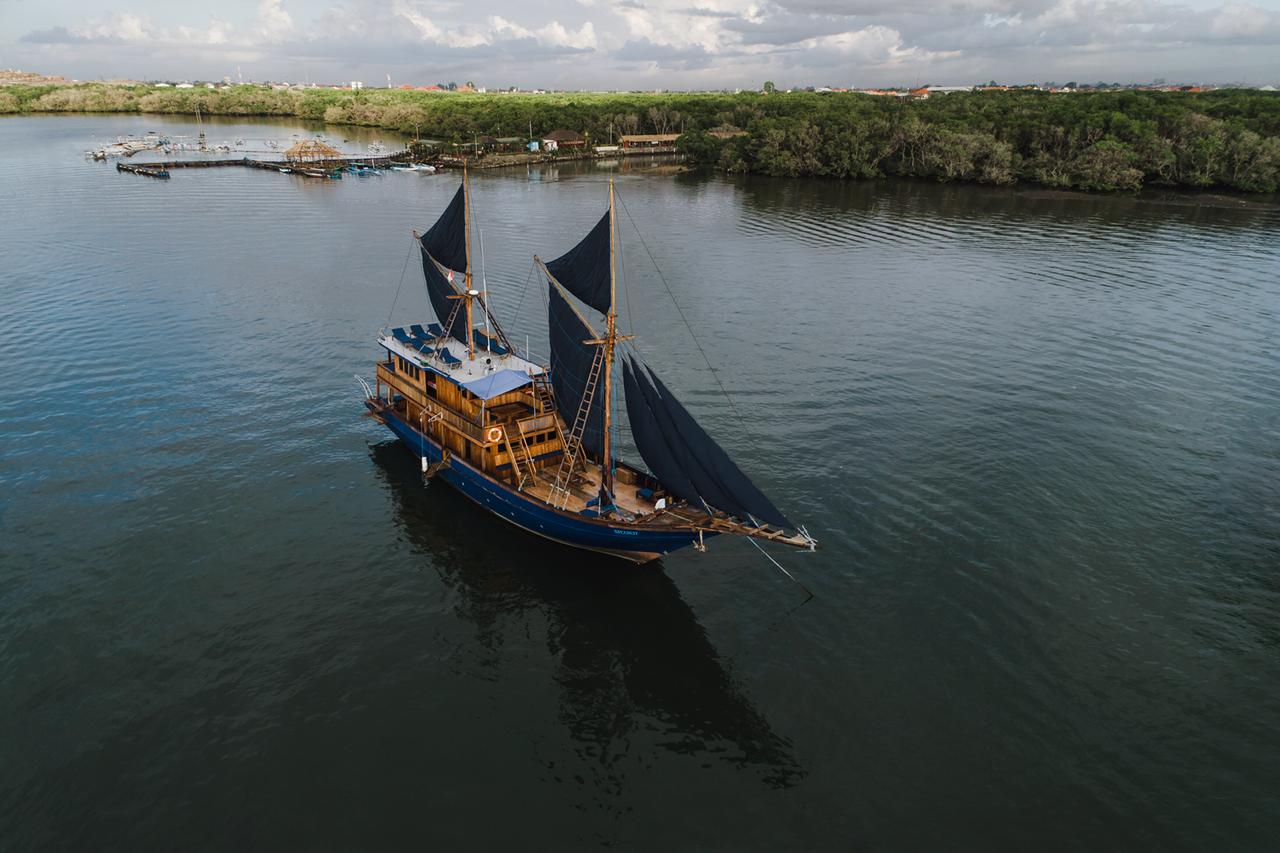
Situju7
Komodo, Indonesia
10 guests32.7 m
$362/day
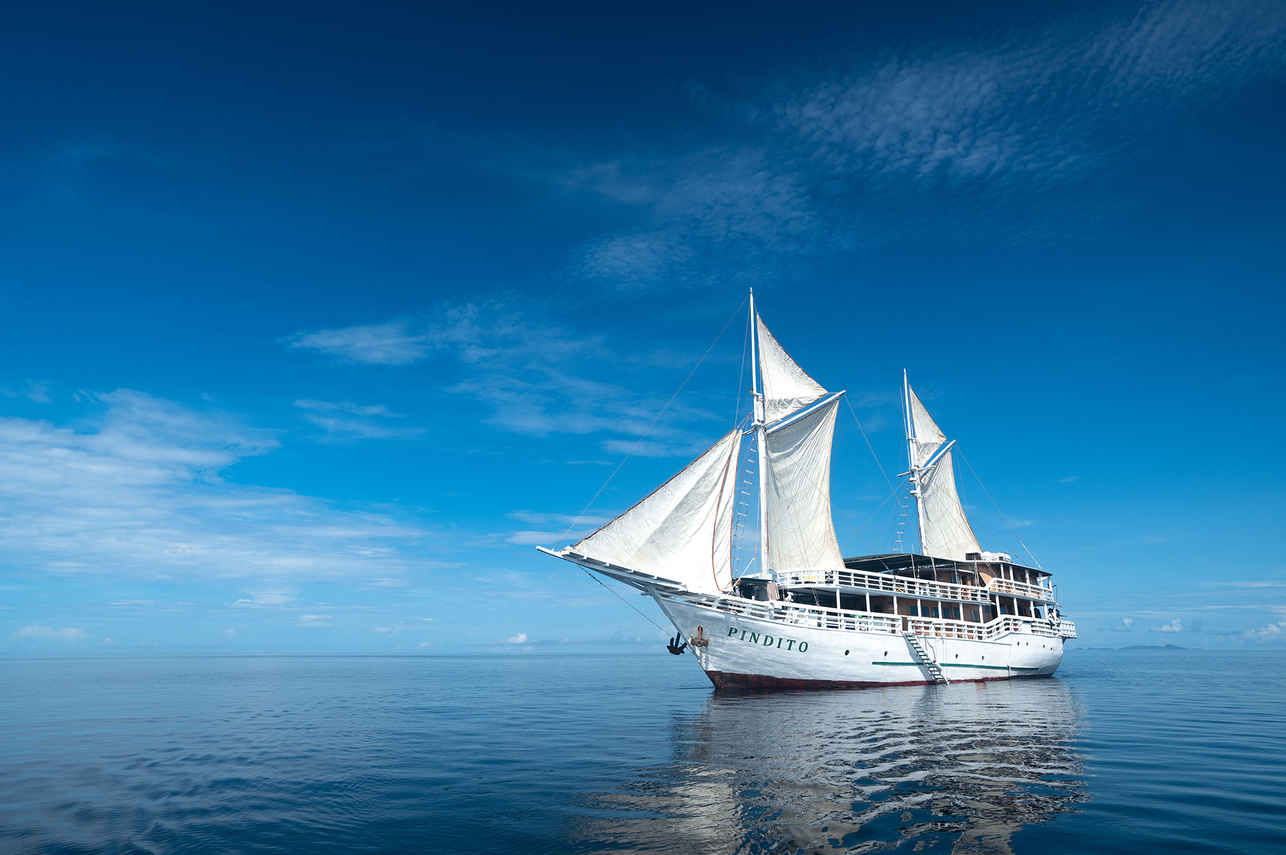
Pindito
Indonesia
16 guests37.79 m
$533/day
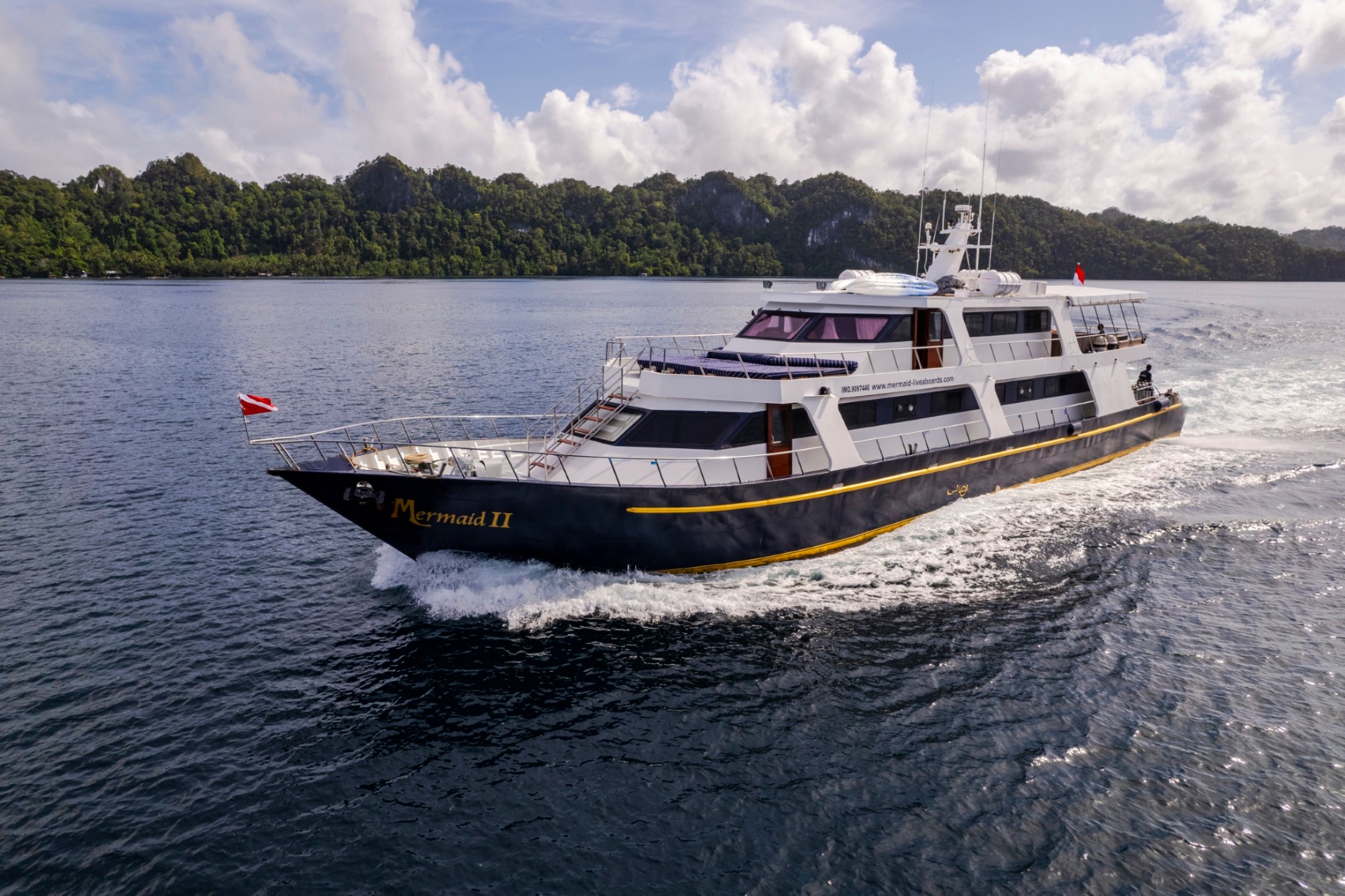
Mermaid II
Komodo, Indonesia
18 guests
$390/day
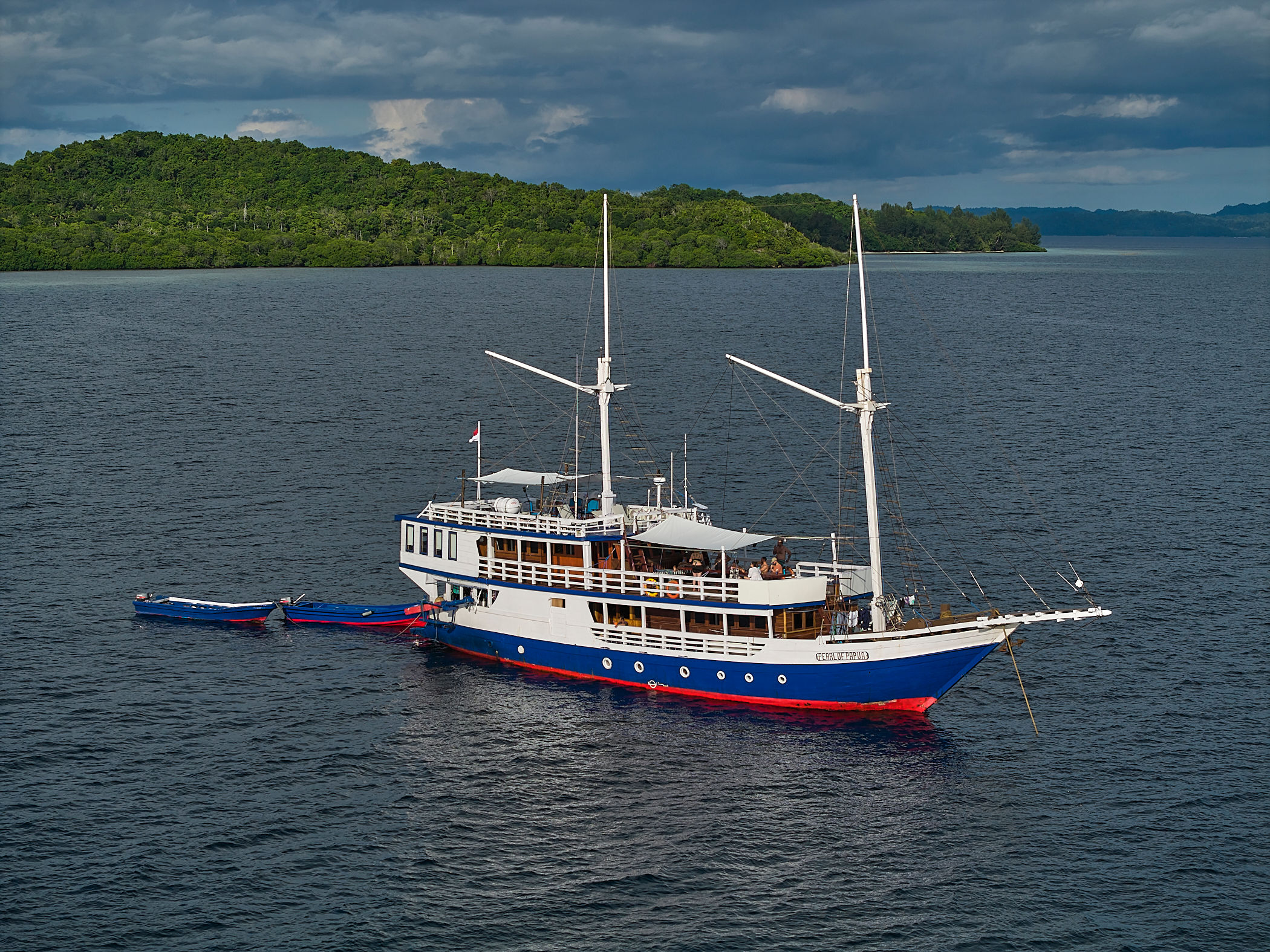
Pearl of Papua
Raja Ampat, Indonesia
14 guests30 m
$303/day
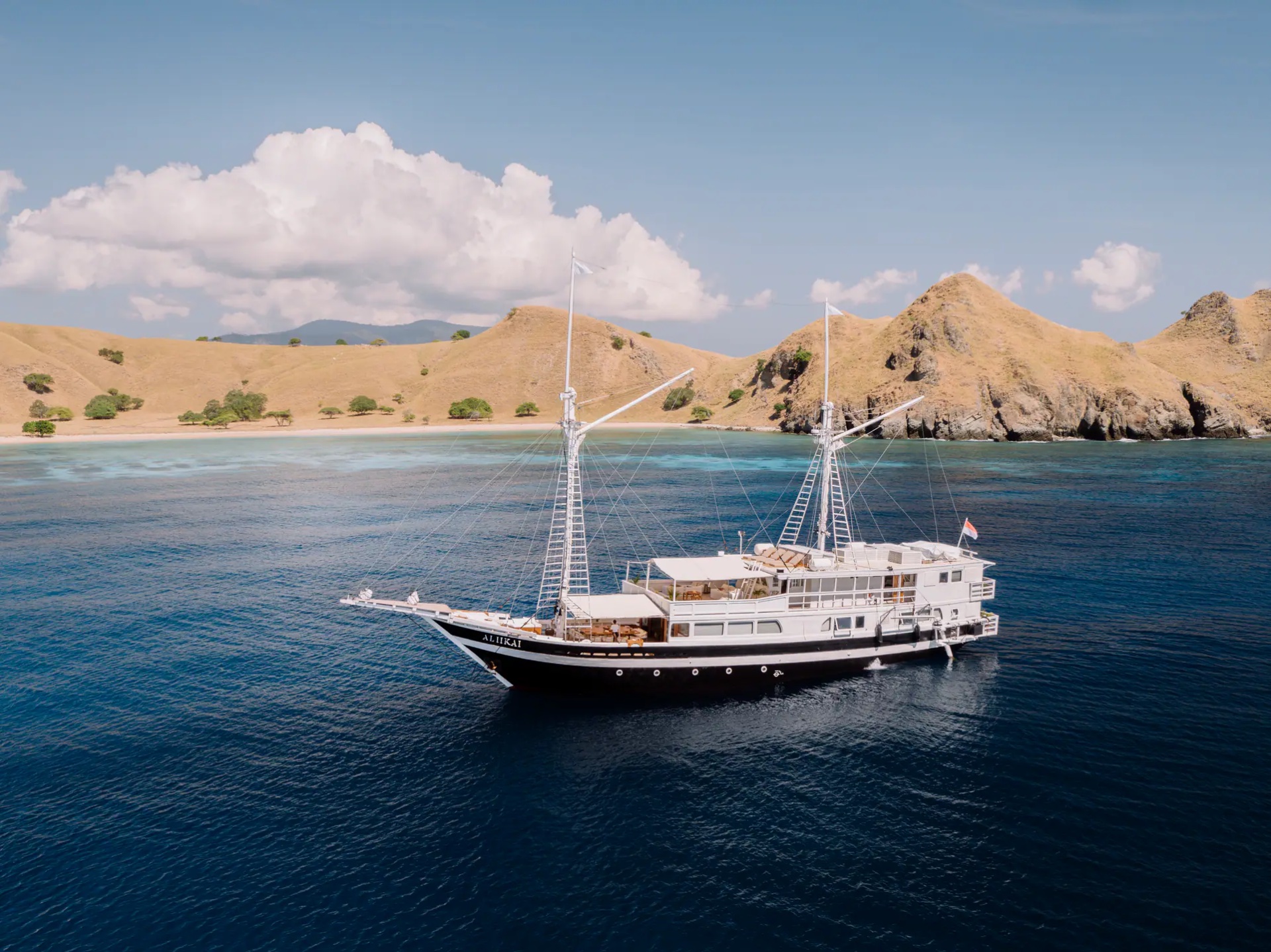
Aliikai Voyage
Indonesia
15 guests40 m
$658/day
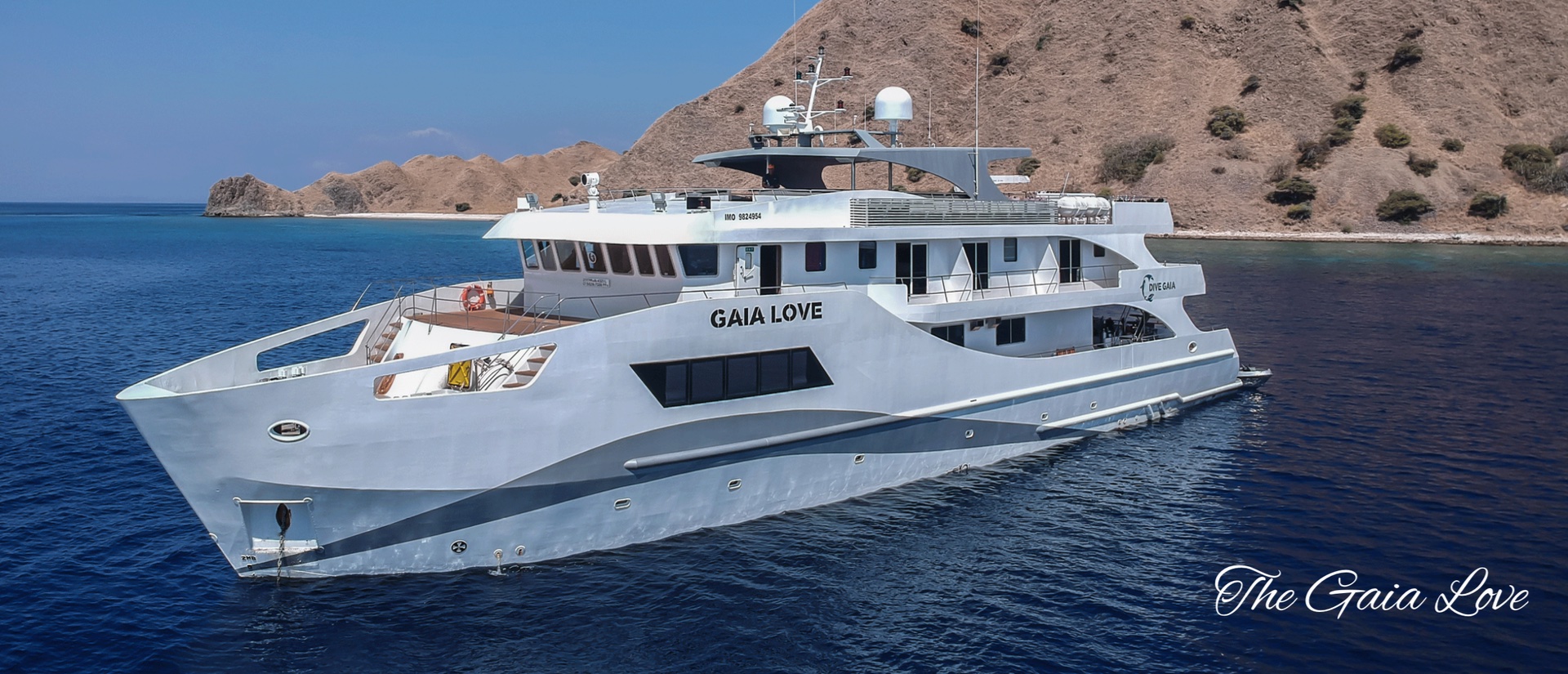
Gaia Love
Alor
20 guests
$554/day
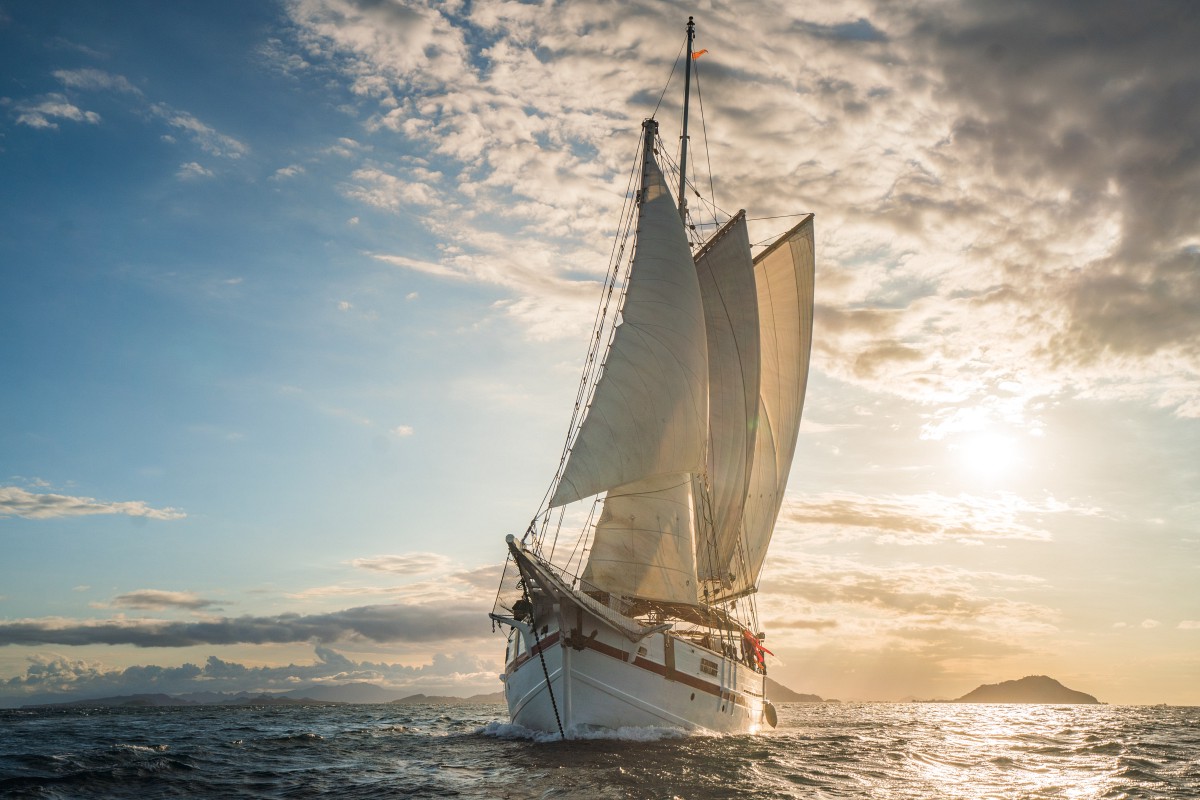
Emperor Raja Laut
Raja Ampat, Indonesia
12 guests31 m
$413/day
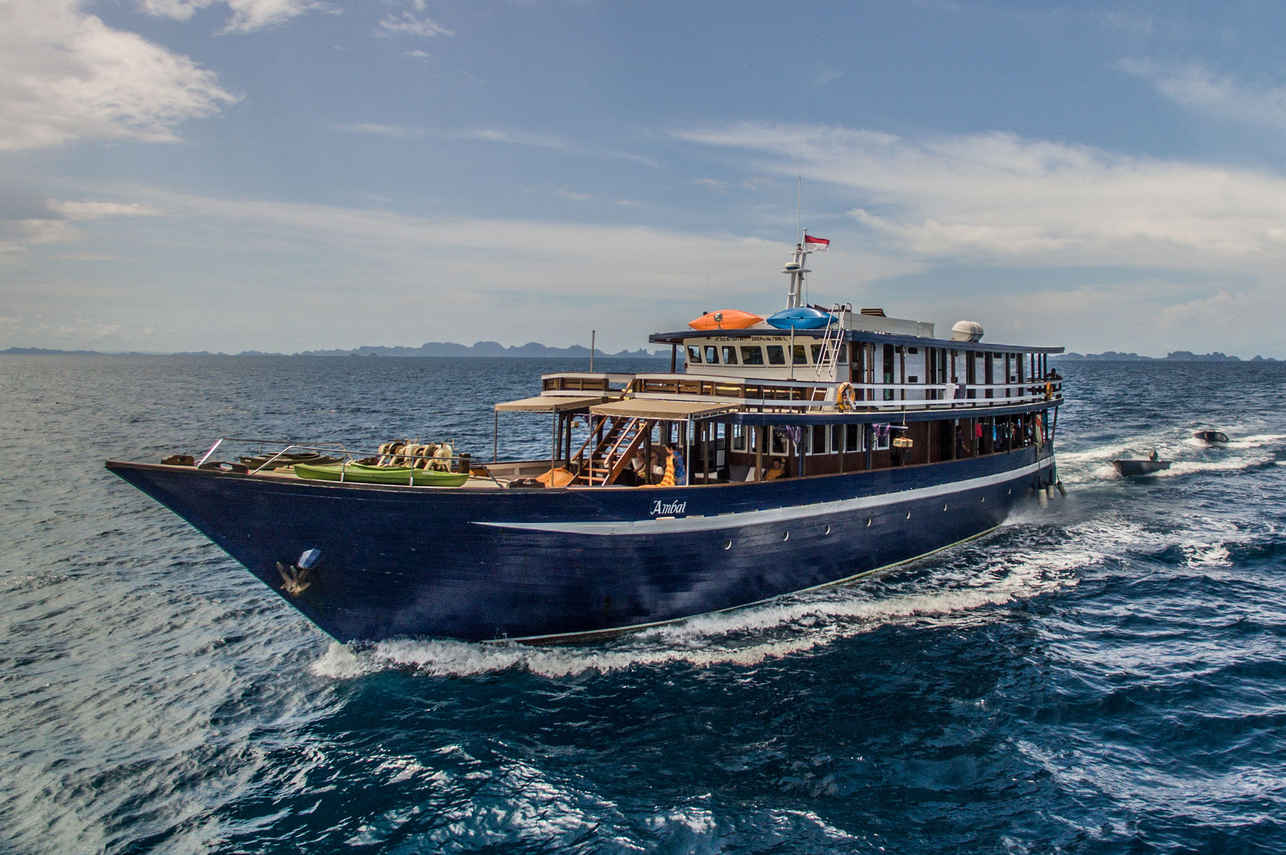
Ambai
Indonesia
16 guests32 m
$451/day
Dive sites similar to Manta Sandy
Same character, same waters — six more sites divers love for the exact same reasons.Compare seasons, access and liveaboard routes — then pick the site that fits your trip best.
© Esri — Maxar, Earthstar, GIS
Misool Batu Kecil
Raja Ampat, Indonesia
Misool Batu Kecil, often referred to as Tank Rock, is a prime dive site nestled within the Misool area of Raja Ampat, part of the extensive marine protected areas.
- Suitable for
- Intermediate
- Current
- Strong
- Access
- Liveaboard only
- Depth
- 5–25 m
- Theme
- Drift / Reef
© Esri — Maxar, Earthstar, GIS
Yulliet Kecil
Raja Ampat, Indonesia
Yulliet Kecil is a captivating islet dive site situated in the Misool region of Raja Ampat, Indonesia.
- Suitable for
- Intermediate
- Current
- Moderate
- Access
- Liveaboard only
- Depth
- 5–30 m
- Theme
- Reef
© Esri — Maxar, Earthstar, GIS
Citrus Ridge
Raja Ampat, Indonesia
Citrus Ridge is a renowned dive site in Raja Ampat, located in a natural channel separating Gam Island from Yanggelo.
- Suitable for
- Intermediate
- Current
- Strong
- Access
- Liveaboard only
- Depth
- 10–27 m
- Theme
- Drift / Reef
© Esri — Maxar, Earthstar, GIS
Boo Windows
Raja Ampat, Indonesia
Boo Windows, located at the eastern edge of Raja Ampat's Misool region, is an iconic dive site renowned for its unique underwater topography, particularly its famous "windows" or archways.
- Suitable for
- Intermediate
- Current
- Strong
- Access
- Liveaboard only
- Depth
- 5–30 m
- Theme
- Drift / Reef
Nudi Rock, situated in the Misool area of Raja Ampat, gains its distinctive name from a prominent rock formation above the waterline that bears a striking resemblance to a nudibranch.
- Suitable for
- Intermediate
- Current
- Strong
- Access
- Liveaboard only
- Depth
- 5–28 m
- Theme
- Reef / Wall
© Esri — Maxar, Earthstar, GIS
Chicken Reef
Raja Ampat, Indonesia
Chicken Reef, located in the Dampier Straits of Raja Ampat, Indonesia, stands as a captivating dive site renowned for its vibrant marine biodiversity and stunning underwater landscapes.
- Suitable for
- Beginner
- Current
- Strong
- Access
- Liveaboard only
- Depth
- 5–20 m
- Theme
- Reef / Wall