About Cape Kri
Cape Kri, situated off the northern tip of Kri Island in Raja Ampat's Dampier Strait, is a legendary dive site renowned for its exceptional marine biodiversity. It gained fame when marine biologist Dr. Gerald Allen recorded an astonishing 374 fish species in a single dive here, setting a world record and cementing its status as one of Earth’s richest reefs. This site lies at the convergence of powerful ocean currents from the Pacific, which continuously deliver nutrient-rich waters, nurturing a vibrant and dynamic ecosystem. The topography features a sloping reef that descends from a few meters down to 40 meters, transitioning into a plateau adorned with an abundance of hard and soft corals, large sponges, and gorgonian sea fans. The upper reef provides an ideal setting for extended safety stops, bathed in sunlight and teeming with life. Dives often begin on the western side of the site, following the reef face, with potential use of reef hooks to observe the action at shallower depths before drifting towards the ridge between Kri and Koh islands. Marine life is extraordinarily rich and diverse. Divers can expect to see large schools of fusiliers, jacks, and chevron barracudas, alongside sweetlips, snappers, and batfish populating the reef. Predators like blacktip and whitetip reef sharks are common, while macro enthusiasts can find pygmy seahorses, nudibranchs, and various crustaceans. Hawksbill turtles are frequently observed, and even Napoleon wrasse, Queensland groupers, and bumphead parrotfish make appearances. Due to strong, nutrient-rich currents that can range from moderate to exhilarating, Cape Kri is best suited for intermediate to advanced divers. Most dives are planned around slack or incoming currents to maximize the experience. Visibility typically ranges from 20 to 30 meters, with water temperatures between 27-29°C year-round. Divers often experience drift dives, making buoyancy control and current awareness crucial for enjoying this vibrant, fast-paced environment.
Highlights
World record fish biodiversityStrong, nutrient-rich currentsSchools of jacks and barracudasAbundant hard and soft coralsBlacktip and whitetip reef sharksPygmy seahorses and nudibranchsHawksbill turtlesDrift diving experience
Season calendar
Best months to dive here
Jan
Feb
Mar
Apr
May
Jun
Jul
Aug
Sep
Oct
Nov
Dec
Excellent
Good
Dive site facts: Cape Kri
- Depth
- 5–40 m
- Typical dive
- 18–30 m, 50–60 min (estimated)
- Current
- Moderate to strong
- Visibility
- 20–30 m
- Water temperature
- 27–29°C
- Entry
- Tender / negative entry recommended
- Level
- Intermediate to advanced (AOWD and current experience recommended)
- Dive type
- Drift, reef, wall
- Night dive
- Possible (check with operator)
- Region / port
- Raja Ampat, Dampier Strait
- Coordinates
- -0.5543, 130.6891
Conditions & Currents
Cape Kri is known for its strong, nutrient-rich currents, which vary from a gentle drift to full-on adrenaline depending on the tide. Dives are generally timed for slack or incoming currents to optimize the experience. During a rising tide, the current pushes clear water into the Dampier Strait, enhancing visibility and drawing in pelagic species. Divers might use reef hooks to hold position against the current and observe marine life, especially towards the eastern end of the site. Strong currents near the ridge between Kri and Koh islands can create a 'washing machine' effect or downcurrents, requiring careful attention during ascent and safety stops.
Marine life & sighting chances

Fusilier
common
Jack
common
Chevron barracuda
common
Sweetlips
common
Snapper
common
Batfish
common
Blacktip reef shark
common
Whitetip reef shark
common
Nudibranch
occasional
Pygmy seahorse
occasional
Napoleon wrasse
occasional
Bumphead parrotfish
early morning · occasional
Hawksbill turtle
occasional
Scorpionfish
occasionalDive profile & how the dive runs
Cape Kri typically begins with a descent on the western side of the site, on the south of Kri Island, entering up current. Divers keep the reef to their left, following the sloping reef down to around 25 meters. The dive progresses as a drift along the reef face. As you approach the eastern end, the dive profile ascends, reaching approximately 10 meters. Here, divers can deploy reef hooks to observe the pelagic action in the current. The safety stop is performed as divers unhook and drift towards the ridge between Kri and Koh islands. If currents are strong, a second reef hook may be necessary at 5 meters to avoid being swept into potential down currents on the northern side.
Underwater photography
Cape Kri provides excellent opportunities for both wide-angle and macro photography, though conditions can be dynamic. The vibrant hard and soft corals, large sponges, and gorgonian sea fans create stunning reefscapes, best captured with wide-angle lenses, especially during peak season when clarity is high and sunlight illuminates the walls. For pelagic action, such as schooling fusiliers, jacks, barracudas, and sharks, be prepared for fast-moving subjects. Macro enthusiasts should look for nudibranchs, pygmy seahorses, shrimps, and octopus camouflaged in the corals, especially in sheltered areas or slower current sections. Buoyancy control is crucial, particularly with strong currents, to avoid damaging the reef and to maintain stable shots. Consider strobes for color accuracy and to fill in shadows, ensuring you don't disturb marine life. Respect the environment and maintain a safe distance from subjects.
Combine with nearby dive sites
- Manta Sandy
Manta Sandy, situated in the Dampier Strait southeast of Arborek Island, is a celebrated dive site in Raja Ampat, globally recognised for…
- Blue Magic
Blue Magic, nestled in the Dampier Strait of Raja Ampat, stands as a premier dive site globally, celebrated for its high-energy pelagic…
- Sardine Reef
Sardine Reef is an iconic dive site nestled in the nutrient-rich Dampier Strait of Raja Ampat, near Kri Island.
- Yenbuba Jetty
Yenbuba Jetty, located in the Dampier Strait on the east side of Mansuar Island, is a celebrated dive site in Raja Ampat renowned for its…
- Arborek Jetty
Arborek Jetty, situated off the north coast of Arborek Island in Raja Ampat's Dampier Strait, offers a unique and accessible dive…
- Chicken Reef
Chicken Reef, located in the Dampier Straits of Raja Ampat, Indonesia, stands as a captivating dive site renowned for its vibrant marine…
Getting there & logistics
Access to Cape Kri is primarily via liveaboard trips or resorts located in the Dampier Strait, Raja Ampat. The main gateway airport is Sorong (SOQ). From Sorong, liveaboards typically take 4-6 hours to reach the Dampier Strait. Most liveaboard itineraries range from 7 to 12 days, with 7-day trips often focusing on two of Raja Ampat's three main zones, including the Dampier Strait. A Raja Ampat Marine Park Entry Permit, costing approximately USD $100 and valid for one calendar year, is mandatory for all divers. Booking liveaboards 6-12 months in advance is recommended, especially for peak travel between December and March, due to high demand. Cape Kri is a staple on most Dampier Strait itineraries, often combined with other renowned sites in the region.
Safety & environment
Diving at Cape Kri requires careful attention to safety due to its strong, variable currents. Divers should possess good buoyancy control and experience with drift diving and negative entries. Reef hooks are often utilized to safely observe marine life in strong currents without exerting excessive energy or impacting the reef. The nearest recompression chamber is located in Waisai, Raja Ampat, which is typically several hours away by boat depending on sea conditions. Emergency evacuations can be complex and time-consuming, emphasizing the importance of comprehensive dive insurance that covers medical emergencies and evacuation. Always dive with a reputable operator, follow your guide's instructions, and conduct thorough pre-dive checks. Pay close attention during safety stops, as strong currents can potentially sweep divers away.
Who it suits — and who it doesn't
Suited for
- Intermediate to advanced divers with current experience
- Divers seeking high-energy, action-packed dives
- Underwater photographers looking for diverse subjects (pelagic and macro)
- Divers who enjoy drift diving
- Marine biology enthusiasts interested in biodiversity hotspots
Less suited for
- Beginner divers without strong current experience
- Divers with poor buoyancy control
- Those who prefer calm, current-free diving environments
- Divers prone to seasickness in strong currents
- Individuals not comfortable with negative entries
FAQ
Cape Kri FAQ
What makes Cape Kri so famous?
Cape Kri gained worldwide fame after marine biologist Dr. Gerald Allen recorded an astonishing 374 fish species on a single dive here, a world record that highlights its unparalleled biodiversity. This makes it a prime location for witnessing a vast array of marine life in one place.
What kind of currents can I expect at Cape Kri?
Cape Kri is renowned for its strong, nutrient-rich currents, which can vary from moderate to very powerful depending on tidal phases. These currents are a key factor in attracting the site's abundant marine life, but they do require divers to have good current diving experience and buoyancy control.
Is Cape Kri suitable for all divers?
Due to the potential for strong currents and the need for advanced diving techniques like reef hooking and negative entries, Cape Kri is best suited for intermediate to advanced divers. Beginners or those uncomfortable with currents may find the conditions challenging.
What marine life can I expect to see at Cape Kri?
Cape Kri is teeming with life, from large schools of fusiliers, jacks, snappers, and barracudas to frequent sightings of blacktip and whitetip reef sharks. You can also spot Napoleon wrasse, bumphead parrotfish, hawksbill turtles, and various macro subjects like nudibranchs and pygmy seahorses.
How deep is Cape Kri and what is the typical dive depth?
The reef at Cape Kri slopes down to a maximum depth of 40 meters, with the plateau extending further. Typical dives at Cape Kri usually range between 18 to 30 meters, allowing divers to explore the vibrant coral gardens and observe the pelagic action in the mid-water.
When is the best time of year to dive Cape Kri?
The peak diving season for Raja Ampat, including Cape Kri, is generally from October to May, offering calmer seas, better visibility, and stable conditions. However, November to March is particularly noted for high manta ray activity and excellent overall marine life viewing.
Why dive Cape Kri from a liveaboard?
Cape Kri is one of Raja Ampat, Indonesia's signature dive sites. A liveaboard sleeps you on the water and puts you in the water for three to four guided dives per day, including dawn and night dives that day-boat operators rarely offer. You skip the daily commute back to port and reach quieter, less-crowded sites in the same region on a single trip.
Below are the liveaboards that include Cape Kri on their Raja Ampat, Indonesia itineraries.
Liveaboards diving Cape Kri
These liveaboards may visit Cape Kri on selected itineraries — the exact dive sites depend on departure, weather and conditions.
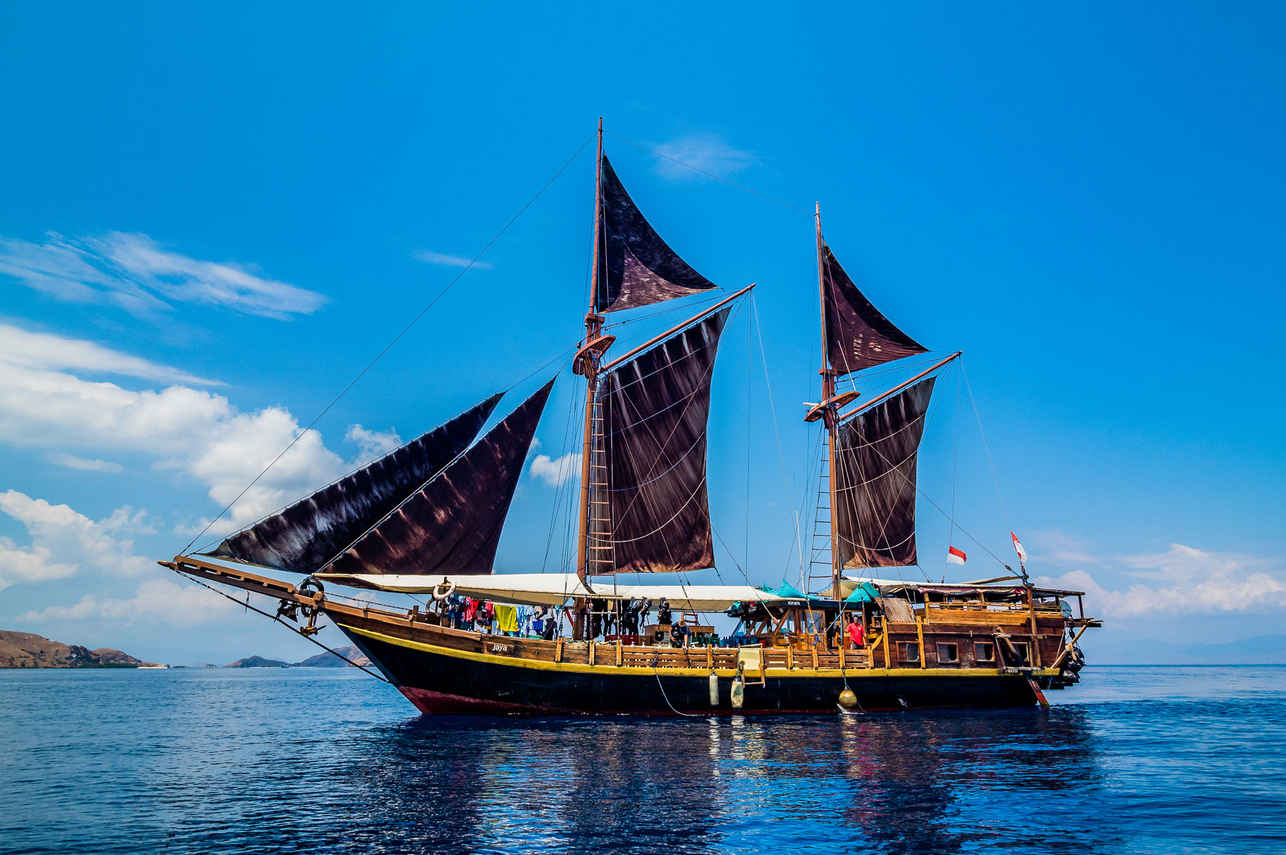
Jaya
Indonesia
14 guests23 m
$280/day
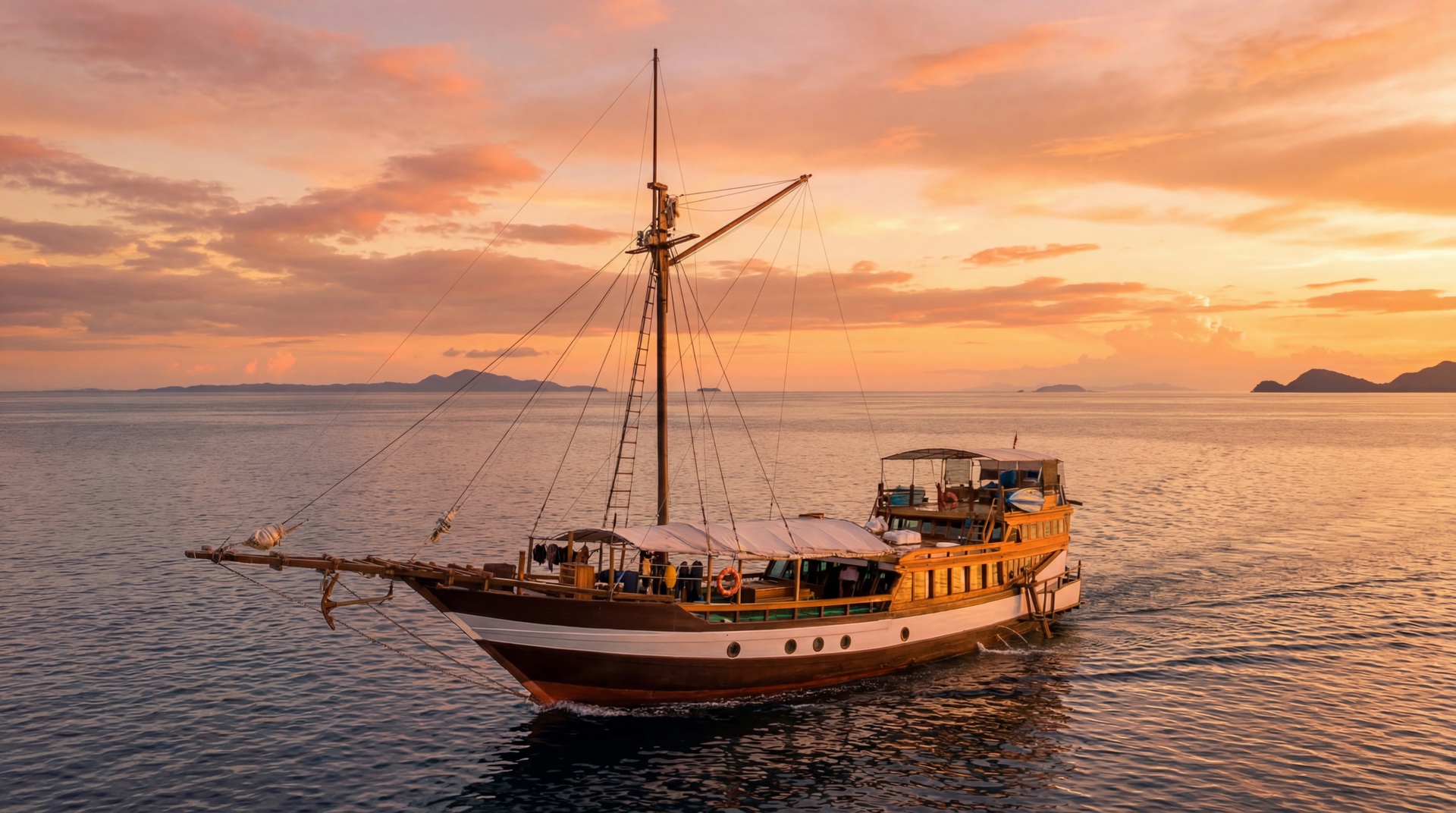
Wellenreng
Indonesia
9 guests25 m
$427/day
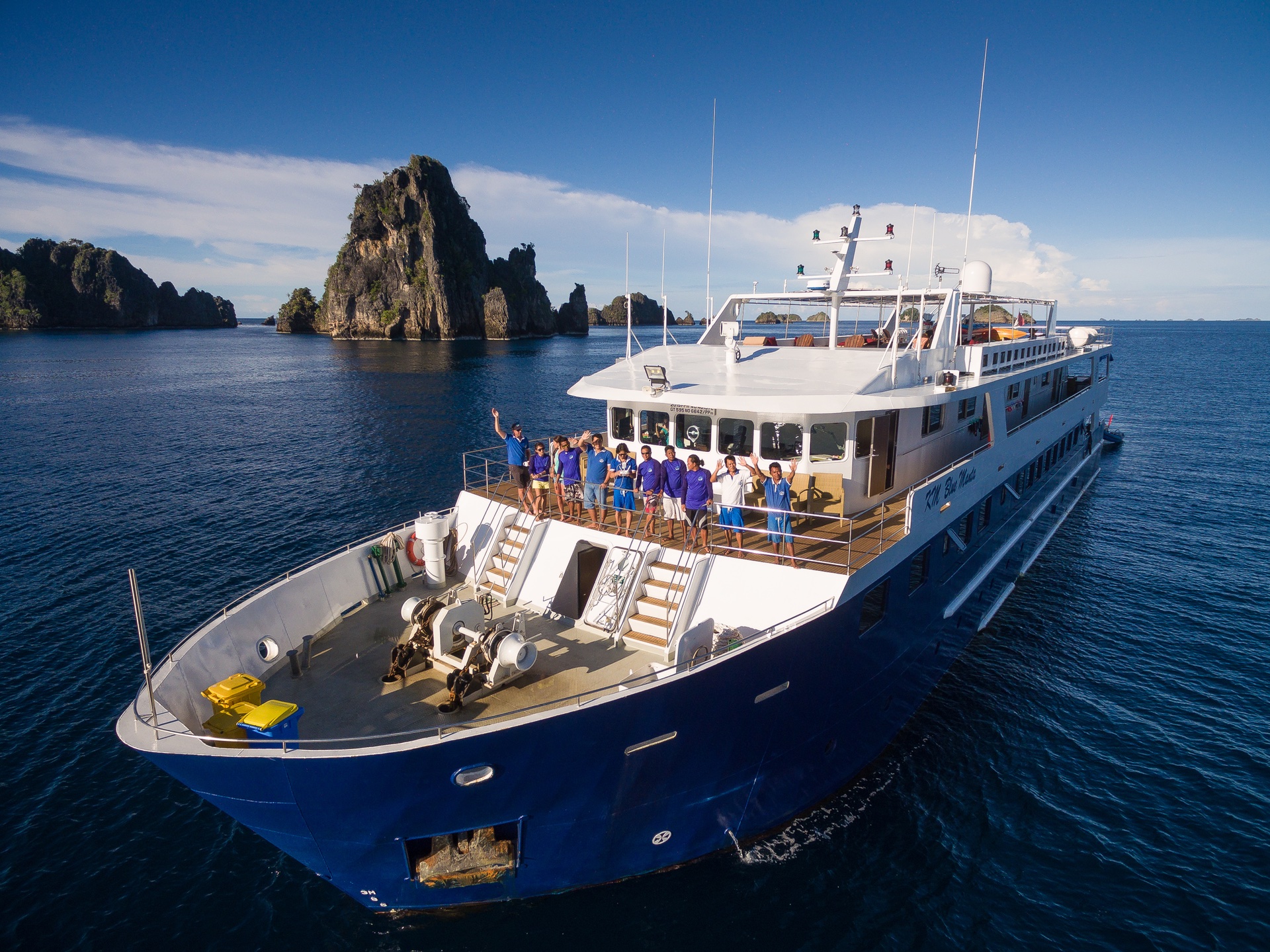
Blue Manta
Indonesia
20 guests45 m
$482/day
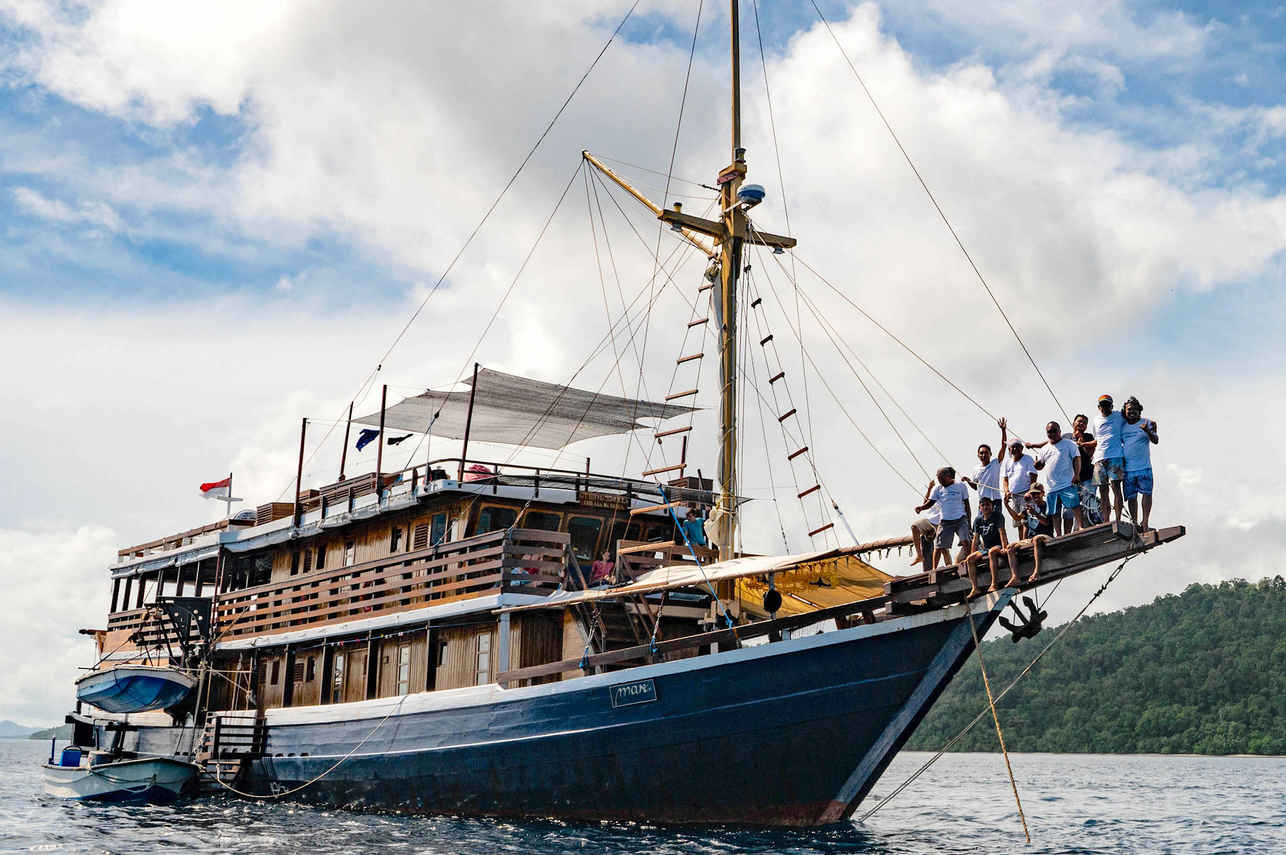
Mari
Indonesia
14 guests32.2 m
$328/day
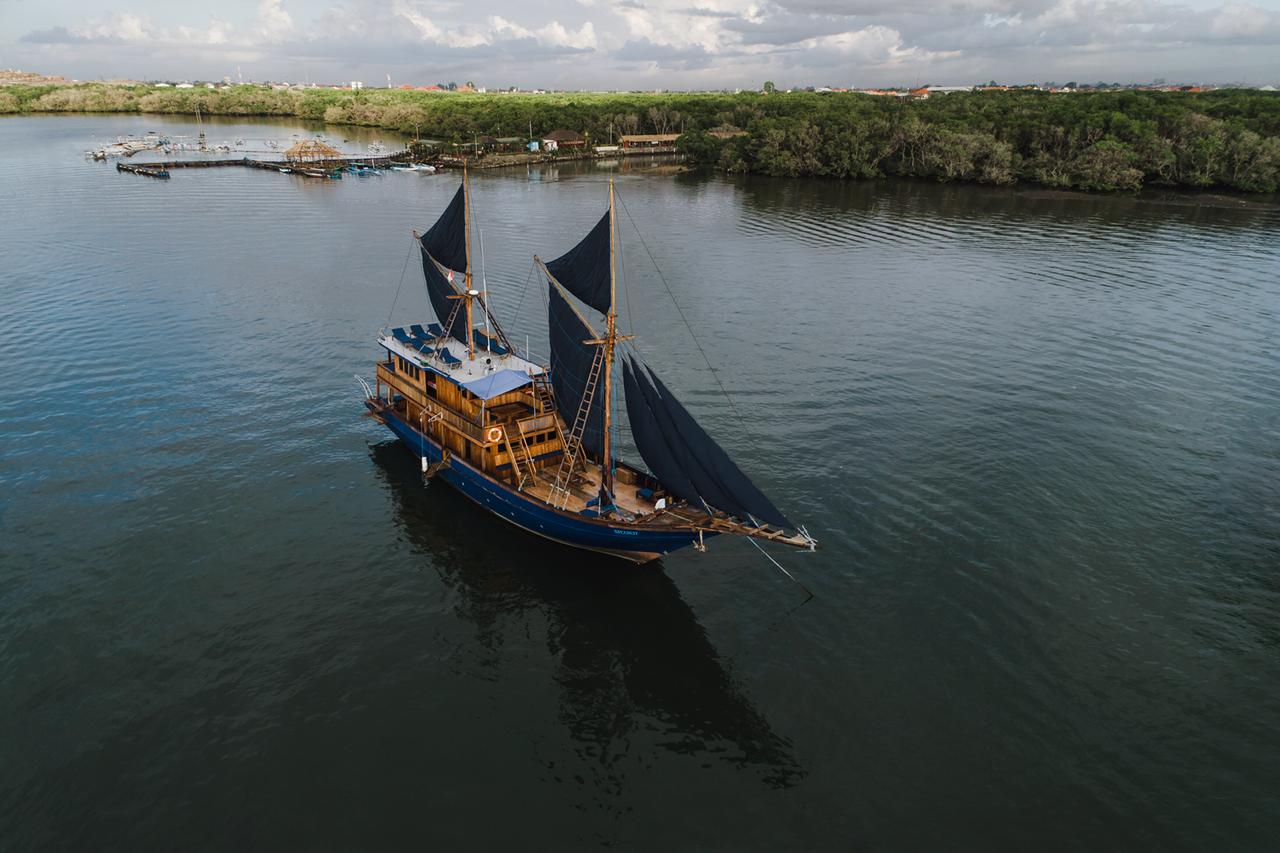
Situju7
Komodo, Indonesia
10 guests32.7 m
$362/day
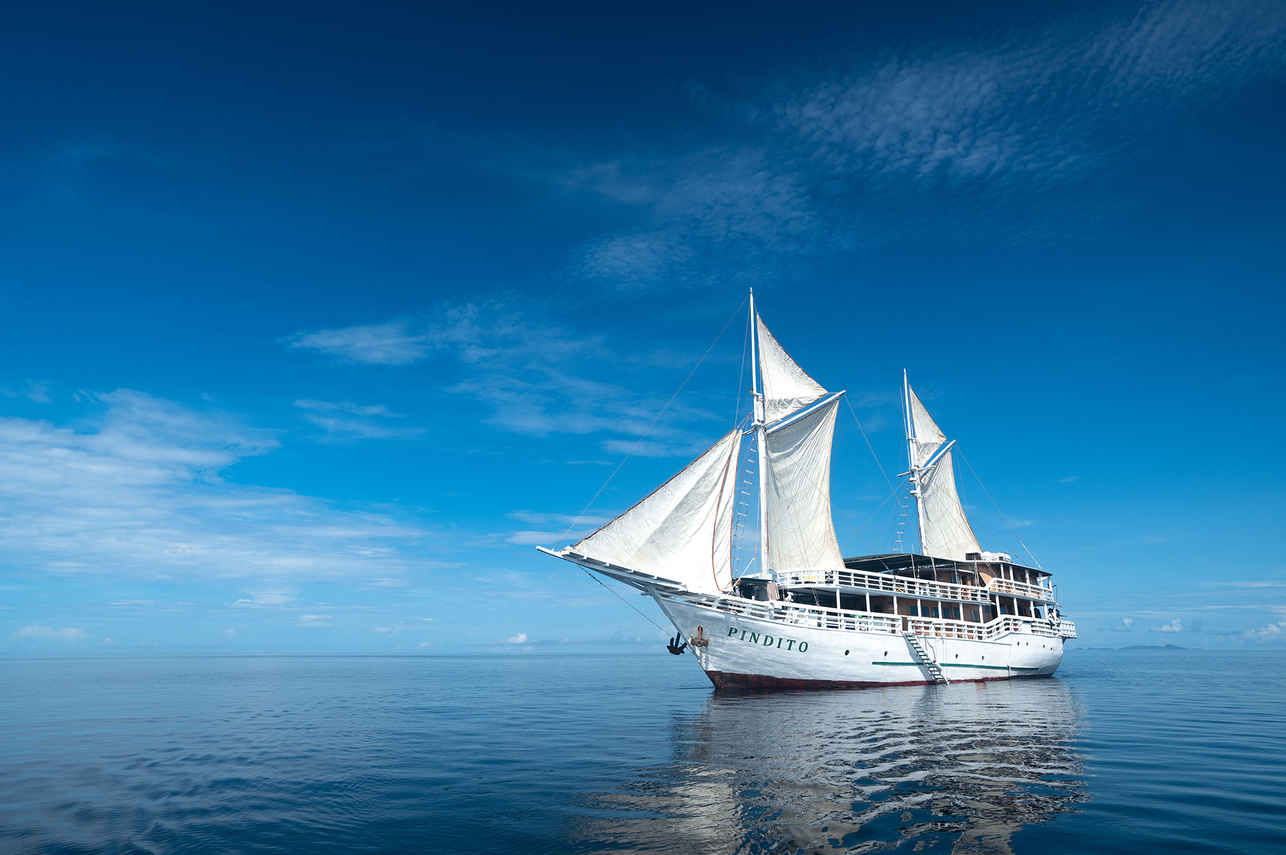
Pindito
Indonesia
16 guests37.79 m
$533/day
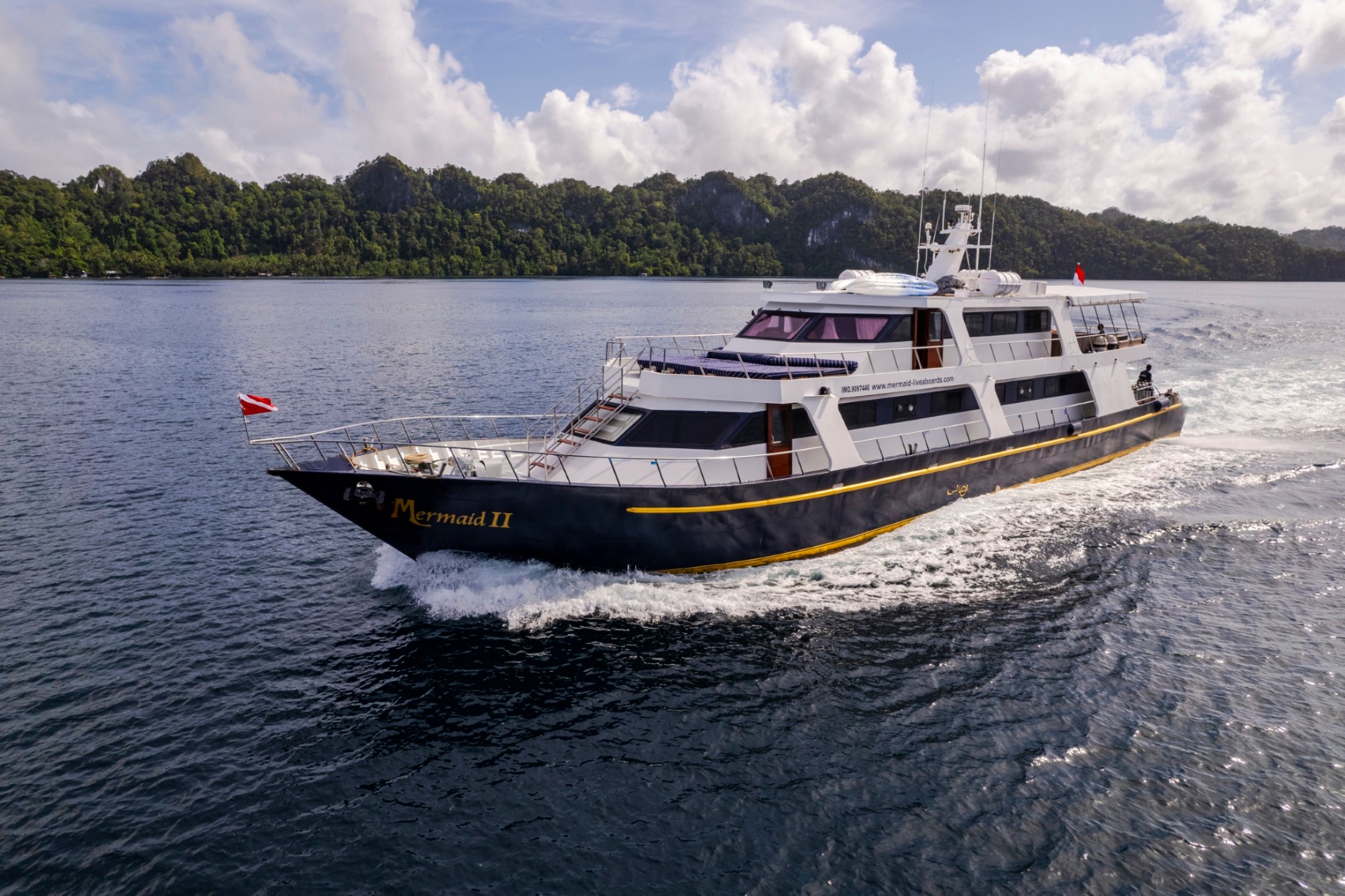
Mermaid II
Komodo, Indonesia
18 guests
$391/day
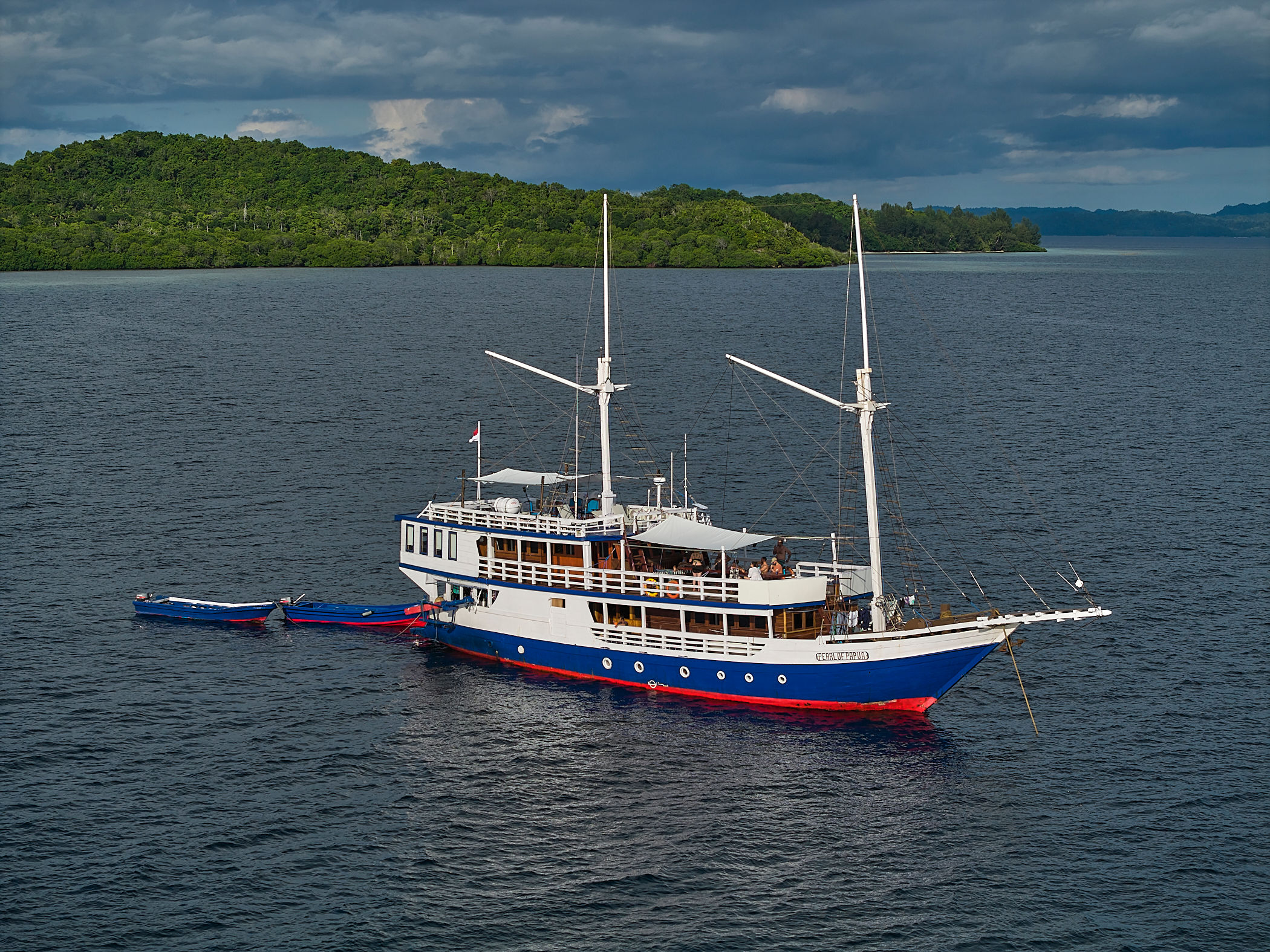
Pearl of Papua
Raja Ampat, Indonesia
14 guests30 m
$303/day
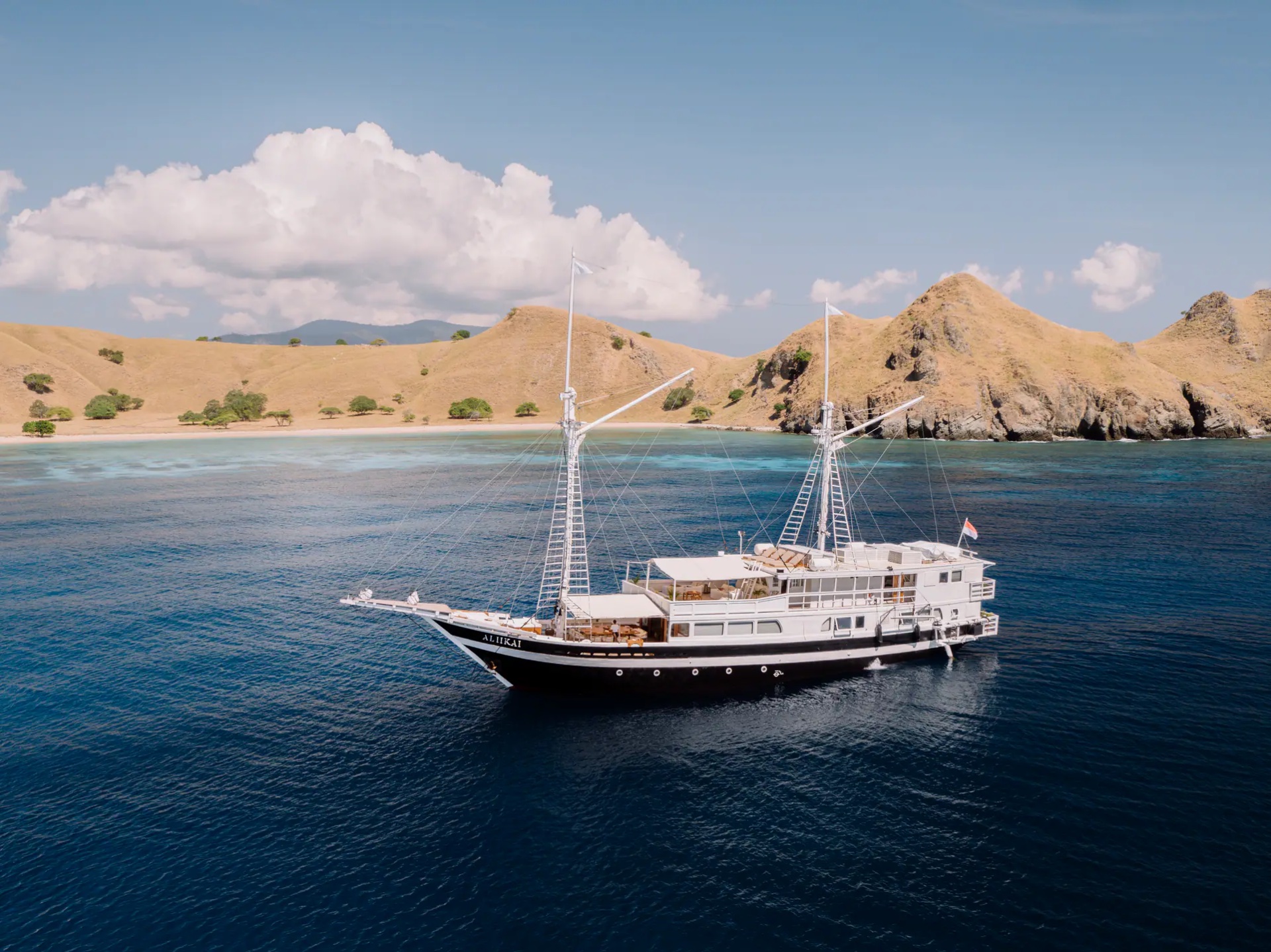
Aliikai Voyage
Indonesia
15 guests40 m
$658/day
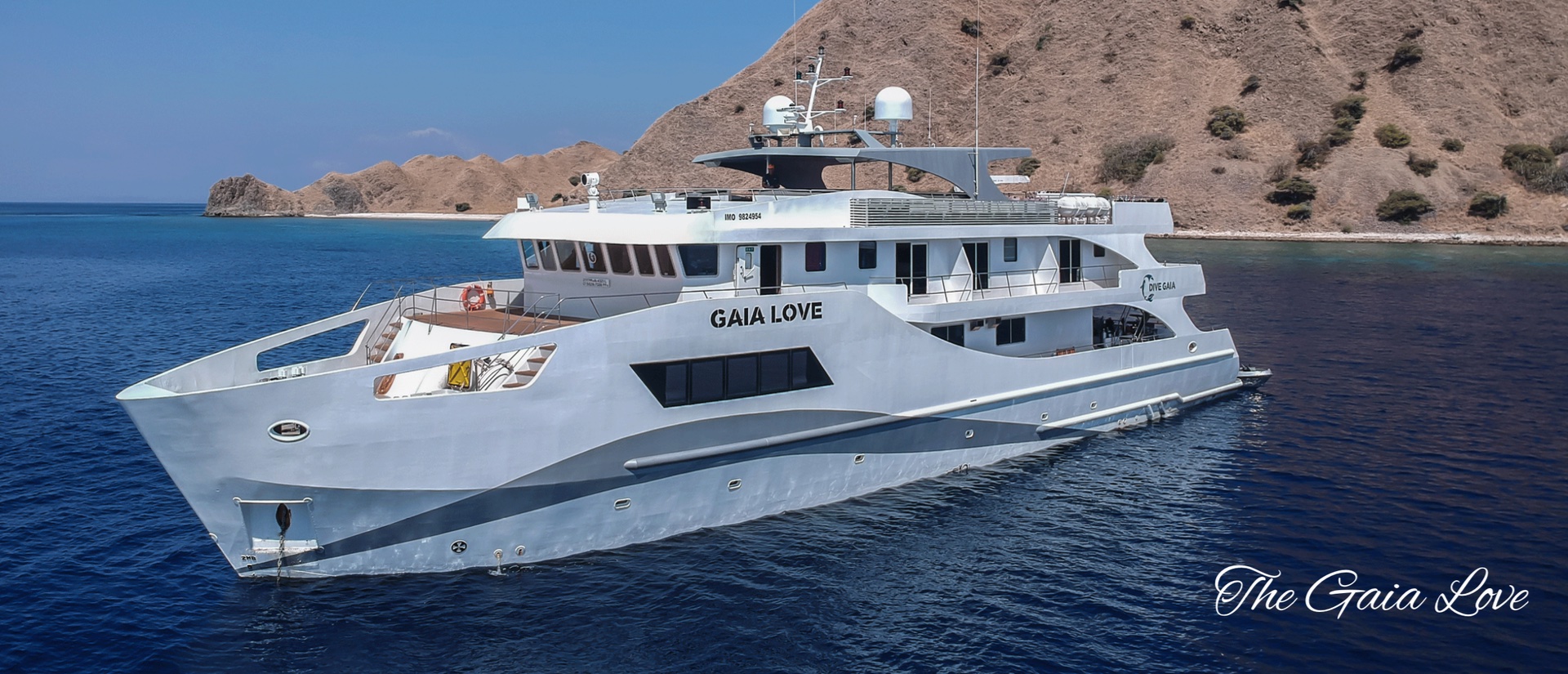
Gaia Love
Alor
20 guests
$554/day
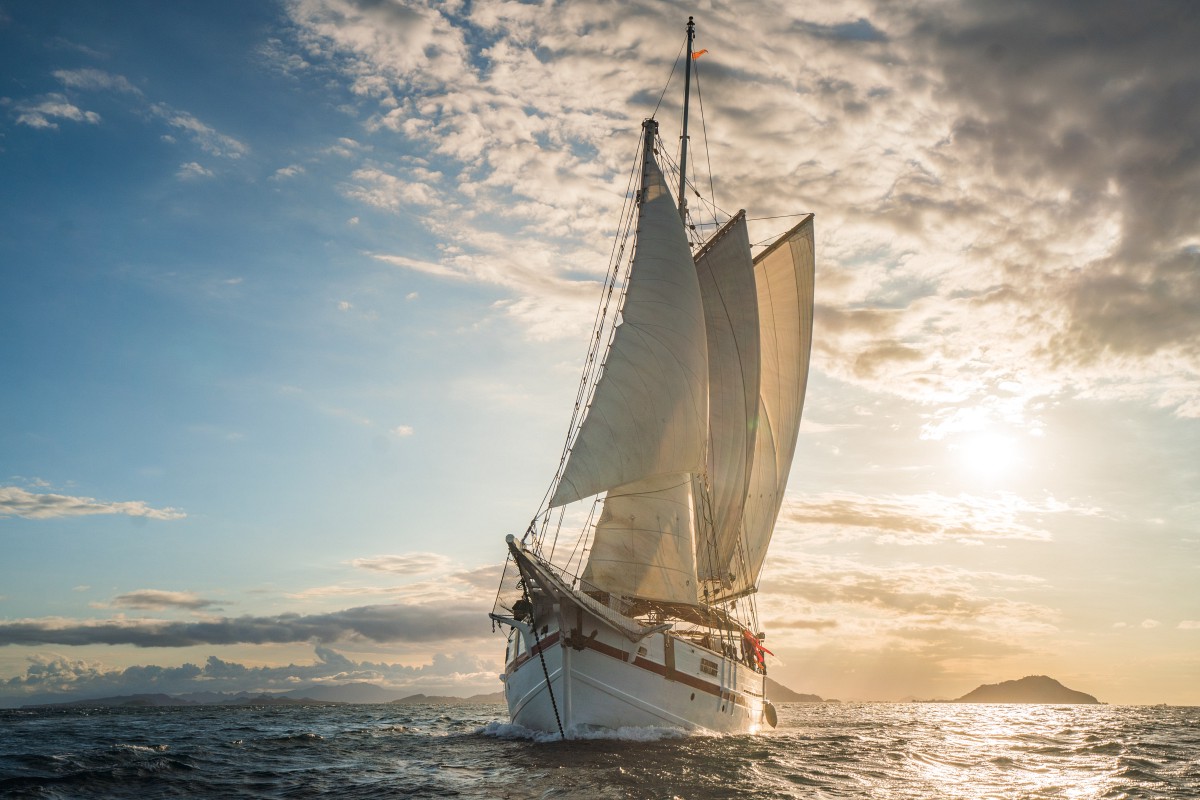
Emperor Raja Laut
Raja Ampat, Indonesia
12 guests31 m
$413/day
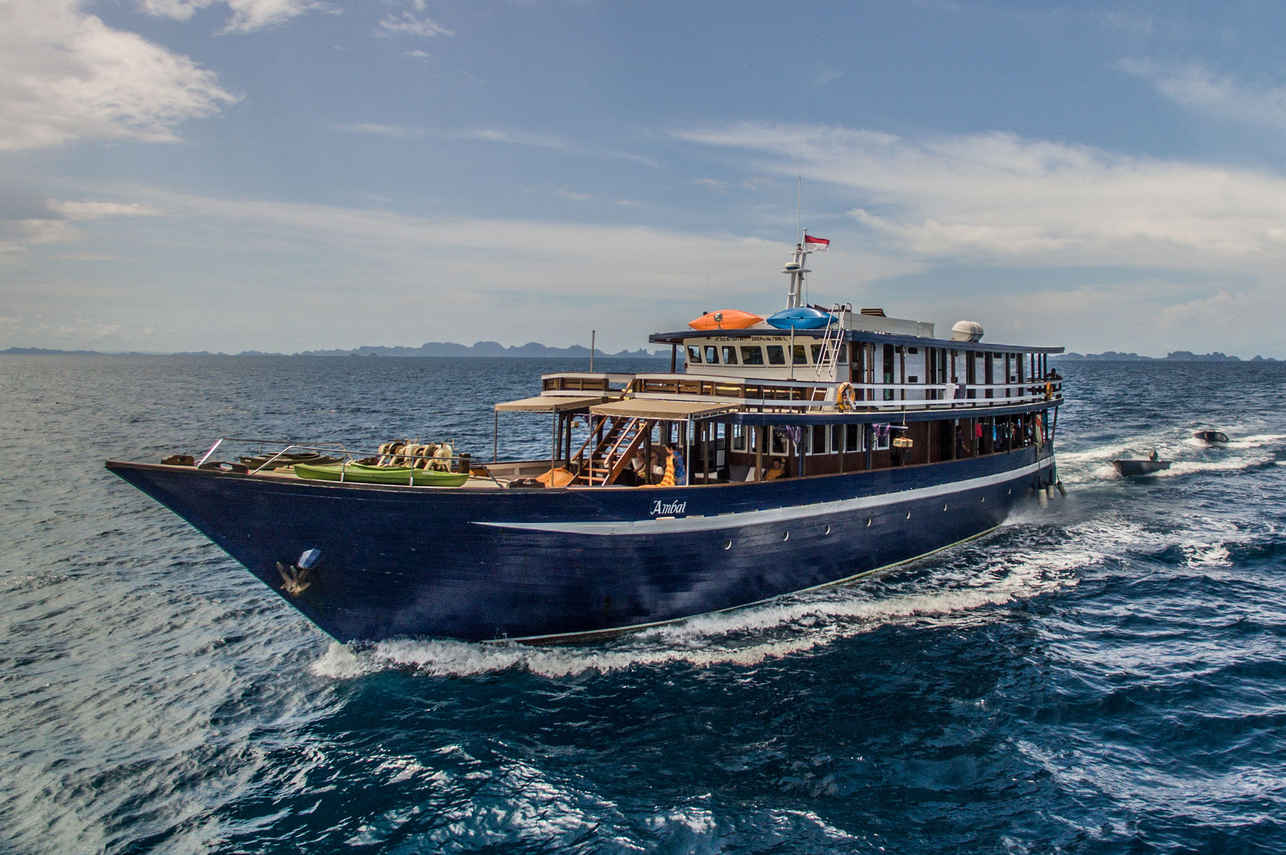
Ambai
Indonesia
16 guests32 m
$453/day
Dive sites similar to Cape Kri
Same character, same waters — six more sites divers love for the exact same reasons.Compare seasons, access and liveaboard routes — then pick the site that fits your trip best.
© Esri — Maxar, Earthstar, GIS
Misool Batu Kecil
Raja Ampat, Indonesia
Misool Batu Kecil, often referred to as Tank Rock, is a prime dive site nestled within the Misool area of Raja Ampat, part of the extensive marine protected areas.
- Suitable for
- Intermediate
- Current
- Strong
- Access
- Liveaboard only
- Depth
- 5–25 m
- Theme
- Drift / Reef
© Esri — Maxar, Earthstar, GIS
Yulliet Kecil
Raja Ampat, Indonesia
Yulliet Kecil is a captivating islet dive site situated in the Misool region of Raja Ampat, Indonesia.
- Suitable for
- Intermediate
- Current
- Moderate
- Access
- Liveaboard only
- Depth
- 5–30 m
- Theme
- Reef
© Esri — Maxar, Earthstar, GIS
Friwin Wall
Raja Ampat, Indonesia
Friwin Wall, nestled in the heart of Raja Ampat's Dampier Strait, is a premier dive site renowned for its vibrant reef wall and rich biodiversity.
- Suitable for
- Intermediate
- Current
- Strong
- Access
- Liveaboard only
- Depth
- 1–25 m
- Theme
- Cave & cavern / Drift
© Esri — Maxar, Earthstar, GIS
Citrus Ridge
Raja Ampat, Indonesia
Citrus Ridge is a renowned dive site in Raja Ampat, located in a natural channel separating Gam Island from Yanggelo.
- Suitable for
- Intermediate
- Current
- Strong
- Access
- Liveaboard only
- Depth
- 10–27 m
- Theme
- Drift / Reef
© Esri — Maxar, Earthstar, GIS
Boo Windows
Raja Ampat, Indonesia
Boo Windows, located at the eastern edge of Raja Ampat's Misool region, is an iconic dive site renowned for its unique underwater topography, particularly its famous "windows" or archways.
- Suitable for
- Intermediate
- Current
- Strong
- Access
- Liveaboard only
- Depth
- 5–30 m
- Theme
- Drift / Reef
Nudi Rock, situated in the Misool area of Raja Ampat, gains its distinctive name from a prominent rock formation above the waterline that bears a striking resemblance to a nudibranch.
- Suitable for
- Intermediate
- Current
- Strong
- Access
- Liveaboard only
- Depth
- 5–28 m
- Theme
- Reef / Wall