Bumphead Parrotfish
Bolbometopon muricatum
About Bumphead Parrotfish
The largest parrotfish species, growing up to 1.3 meters. Named for their distinctive bulbous forehead. Often seen in schools crunching coral.
Quick Facts
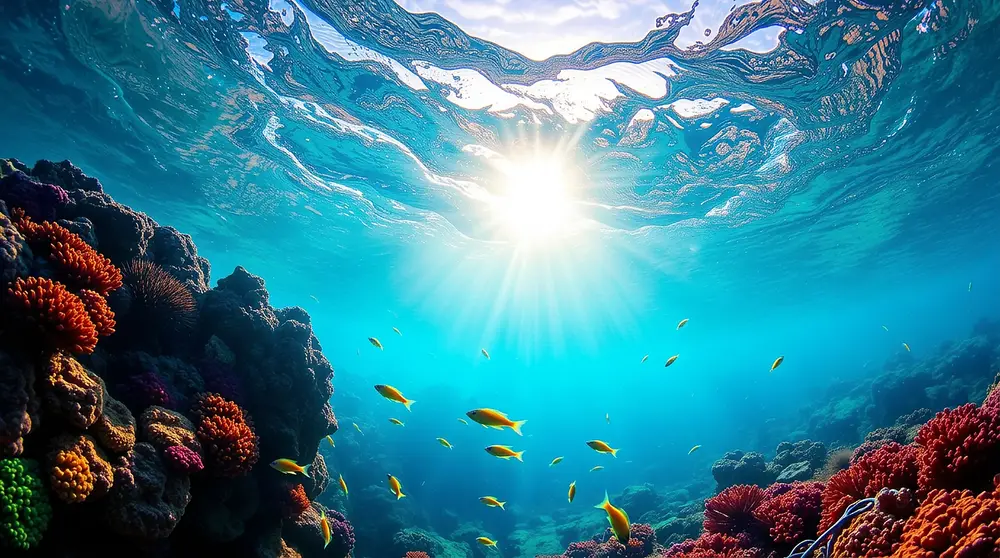
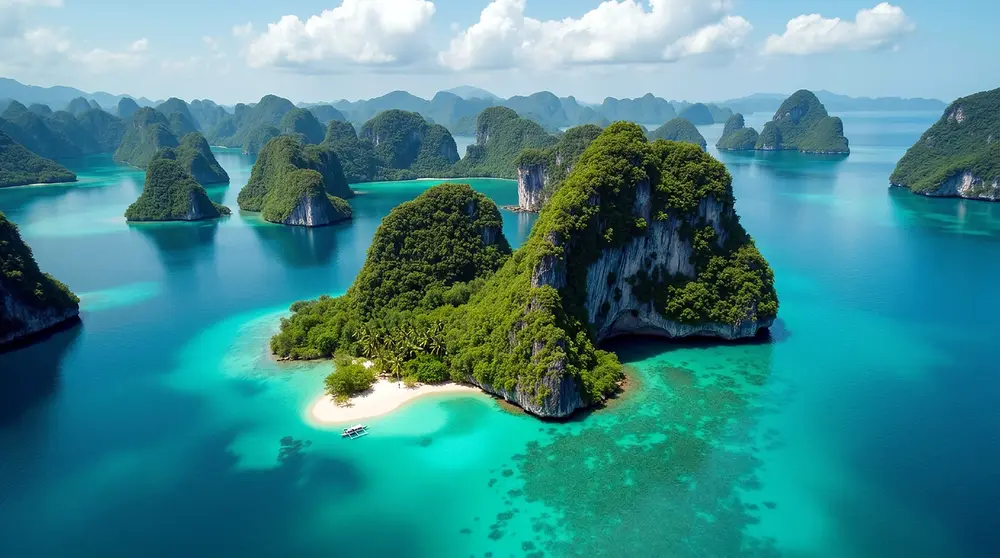
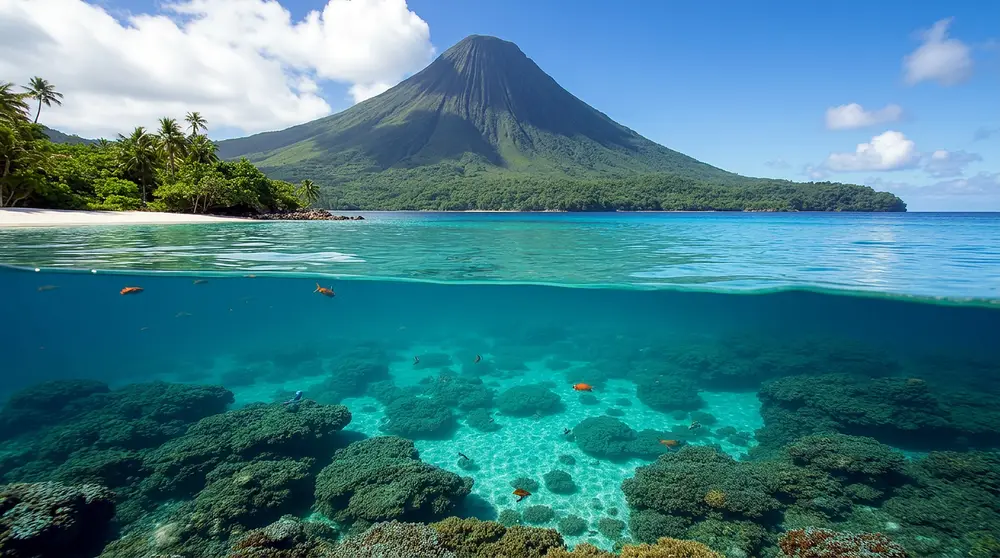
- Habitat: The Bumphead Parrotfish, *Bolbometopon muricatum*, is the largest parrotfish species, primarily inhabiting **tropical Indo-Pacific reefs**. These impressive fish are found from the **Red Sea** and the coast of Africa eastward across the Indian Ocean, through Southeast Asia to the **Great Barrier Reef**, and across the Pacific to Samoa. They prefer **shallow, clear coral reef environments**, typically found at depths ranging from just a few meters down to about 30 meters, though they can occasionally be seen deeper. You'll often encounter them near **reef crests** and **outward reef slopes**, especially those with an abundance of live coral. Some of the most renowned locations for spotting these giants include **Palau's Ulong Channel**, **Sipadan Island** in Malaysia, and various sites throughout **Indonesia's Raja Ampat** region, where large schools are frequently observed. They seek shelter in **deep reef caves** or under large coral formations during the night, reappearing to feed at dawn. Their presence is a strong indicator of a **healthy coral ecosystem**.
- Diet: The Bumphead Parrotfish is a **herbivorous species**, primarily feeding on **benthic macroalgae** and **live coral polyps**. They play a crucial ecological role as bioeroders, shaping coral reef structures. With their strong, **beak-like teeth**, which are fused into plates, they scrape algae and coral off the reef substrate. Their unique feeding mechanism allows them to take large bites, grinding the material in their pharyngeal teeth. This process not only provides them with sustenance but also **produces significant amounts of sand** as they excrete indigestible calcium carbonate. They are often observed in **large schools**, moving slowly across the reef, leaving behind visible feeding scars on corals. Their diet is essential for maintaining the **balance of algal growth** on coral reefs, preventing algae from overgrowing and suffocating slower-growing corals. Juveniles tend to feed more on algae, while adults incorporate a larger proportion of coral.
- Best season: Encounters with Bumphead Parrotfish are possible year-round in their tropical range, but **certain seasons** offer more predictable sightings or larger aggregations. In **Palau**, the **dry season from October to April** is often cited as the best time, with **March and April** particularly good for schooling behavior as the waters are generally calmer and clearer. For sites like **Sipadan, Malaysia**, the **dry months between March and October** are peak season for divers, offering excellent visibility and a high chance of spotting large schools. In **Raja Ampat, Indonesia**, the **best diving season runs from October to April**, coinciding with the region's calmer seas and richer marine life. During these periods, the conditions are ideal for observing their characteristic **dawn and dusk aggregations** when they emerge from or return to their overnight resting spots. Their activity can also be influenced by **lunar cycles**, with some evidence suggesting heightened activity during certain moon phases, although this is more subtle and less predictable than seasonal patterns.
Fun Facts
A single bumphead can produce over 5 tonnes of sand per year,They sleep in groups in the same location each night,Their bump is used in territorial head-butting competitions,They are one of the few fish that actively eat live coral
Diving Tips
When encountering Bumphead Parrotfish, divers should always maintain a **respectful distance** to avoid disturbing their natural behavior. These fish, while large, are not aggressive, but sudden movements can startle them. Look for their distinctive **large, bulbous foreheads** and their size, which can reach over 1.5 meters in length. Their **large, powerful tail fins** are also a clear identifier. Spotting them typically involves scanning **shallow reef flats** and **outer reef slopes**, especially during **early morning or late afternoon dives** when they are most active. Listen for a **distinctive crunching sound** as they feed on coral – this is a strong indicator of their presence. When observing schools, try to stay on the periphery and let the school move naturally; **do not attempt to chase or corner them**. Ethical diving practices dictate **"look, but don't touch"** for all marine life. Avoid kicking up sand or debris near them. In some areas, **fishing for Bumphead Parrotfish is prohibited or heavily regulated** due to their endangered status, so appreciate these magnificent creatures in their natural habitat. Adhering to **local regulations** and supporting **responsible dive operators** helps protect these vulnerable giants and their crucial reef habitat.