About Ant Atoll
Ant Atoll, often called Ahnd Atoll, is a remote and pristine dive destination located approximately 16 km southwest of Pohnpei in the Federated States of Micronesia. This uninhabited atoll is a designated marine sanctuary, boasting some of the healthiest hard coral populations globally, untouched by significant human impact. The effective protection has fostered thriving marine ecosystems, making it a unique glimpse into what reefs looked like before widespread human activity. The atoll features diverse underwater topography, including dramatic outer walls that plunge to significant depths, adorned with massive plate and branching corals, and sheltered inner lagoon coral gardens at shallower depths. These varied environments support an extraordinary range of marine life, from schooling pelagics patrolling the outer reef to various reef fish and resident turtles within the lagoon. Visibility here is consistently exceptional, often exceeding 30 meters, allowing for clear views of the vibrant underwater world. Diving at Ant Atoll offers a serene experience, free from crowds and anchored boats, allowing for a true immersion in nature. The remote location means divers are often the only group at the site, enhancing the sense of untouched exploration. Access is primarily via boat trips from Pohnpei, with both day trips and liveaboard options exploring its stunning landscapes. The atoll's protected status ensures a vibrant and active marine environment, with high densities of sharks and other large marine animals. This commitment to conservation makes every dive a powerful reminder of the benefits of marine sanctuary efforts, offering an unparalleled opportunity to witness a flourishing ecosystem at its best.
Highlights
Pristine, untouched coral reefsAbundant reef and pelagic sharksExceptional hard coral diversityRemote, crowd-free divingRegular manta ray sightingsVibrant inner lagoon gardensDramatic outer wall divesHigh visibility, clear waters
Season calendar
Best months to dive here
Jan
Feb
Mar
Apr
May
Jun
Jul
Aug
Sep
Oct
Nov
Dec
Excellent
Dive site facts: Ant Atoll
- Depth
- 3–40 m
- Typical dive
- 15–25 m, 50–60 min
- Current
- Mild to swift, tide-dependent
- Visibility
- 30–70 m
- Water temperature
- 27–30°C
- Entry
- Boat
- Level
- All levels (outer walls advanced)
- Dive type
- Reef, drift, wall, pelagic
- Region / port
- Pohnpei, Micronesia
- Coordinates
- 6.77, 158.03
Conditions & Currents
Currents at Ant Atoll can range from mild to swift, particularly in the channels and along the outer walls. These currents are generally predictable and often tide-dependent, making them ideal for exciting drift dives, especially for more experienced divers. During periods of stronger flow, divers can expect exhilarating conditions with increased pelagic activity. The exposed nature of the atoll means surface conditions can be affected by winds, especially from November to April, potentially leading to choppier boat crossings from Pohnpei, though this seldom impedes diving activity underwater. Visibility is typically exceptional, frequently exceeding 30 meters, even in areas with current.
Marine life & sighting chances

Grey reef shark
common
Blacktip reef shark
common
Manta ray
occasional
Yellowfin tuna
occasional
Barracuda
common
Napoleon wrasse
occasional
Bumphead parrotfish
occasional
Giant trevally
occasional
Green turtle
common
Eagle ray
occasional
Giant clam
common
Clownfish
common
Butterflyfish
common
Grouper
commonDive profile & how the dive runs
A typical dive at Ant Atoll often begins with an entry over the outer wall on the western side. Descending from the reef crest at 3 meters, you'll encounter a vertical canvas of hard corals, with the deepest point of the dive often reaching around 40 meters. Along this wall, grey reef sharks patrol at approximately 30 meters, and schools of yellowfin tuna and giant trevally can be seen. The dive progresses along the wall, maintaining an average depth of 20-25 meters, allowing ample time to observe the pelagic action and diverse coral formations. The turn point is determined by air consumption and current, usually leading to a gradual ascent. The safety stop is typically performed at 5 meters, often along the reef crest, providing an opportunity to spot smaller reef fish and colorful corals before surfacing.
Underwater photography
Ant Atoll offers diverse photographic opportunities, from wide-angle pelagic shots to macro life in the coral gardens. For the outer walls and passes, a wide-angle lens is ideal to capture the dramatic coral topography, schooling fish, and sharks. The consistently high visibility and abundant light, especially on the western side, support clear, vibrant wide-angle images. For the shallower lagoon sites, a macro lens will be rewarding for capturing the intricate details of the healthy hard corals, clownfish, and other reef inhabitants. Consider using strobes to bring out the true colors of the corals and marine life, particularly in deeper sections or for macro subjects. Buoyancy control is paramount to avoid disturbing the pristine coral, ensuring you maintain a respectful distance from subjects and the environment.
Combine with nearby dive sites
Getting there & logistics
Access to Ant Atoll is exclusively from Pohnpei, the capital island of the Federated States of Micronesia. Divers fly into Pohnpei International Airport (PNI) via United Airlines' 'Island Hopper' route, which connects Guam and Honolulu. Flights are not daily, so planning schedules carefully is essential. From Kolonia, Pohnpei's main town, Ant Atoll is reached by a 45-minute to one-hour boat ride, weather permitting. Dive operators on Pohnpei run day trips, and a special permit is required to enter the protected marine sanctuary. Typical dive trips often combine Ant Atoll with other Pohnpei sites, such as Manta Road and The Corner, into a multi-day itinerary. Liveaboards operating in the wider Micronesia region may also include Ant Atoll as part of extended itineraries, offering comprehensive exploration.
Safety & environment
Diving at Ant Atoll requires careful attention to safety protocols due to its remote location and potential for strong currents, especially on outer wall dives. Divers should ensure they have appropriate experience for the intended dive profile, particularly when exploring deeper sections or drift diving. A safety sausage and audible signaling device are highly recommended in case of separation from the group. The nearest recompression chamber is located in Guam, emphasizing the critical importance of proper dive planning, adherence to depth limits, and conservative profiles. Divers must carry comprehensive dive insurance that covers emergency medical evacuation. Given the atoll's protected status, respecting marine life and adhering to local regulations, such as not touching corals or feeding fish, is mandatory. It is advisable to dive with experienced local guides who are familiar with the site's conditions and marine sanctuary rules.
Who it suits — and who it doesn't
Suited for
- Advanced divers comfortable with currents
- Underwater photographers seeking pristine reefs
- Pelagic enthusiasts interested in sharks and mantas
- Nature lovers valuing remote, protected environments
- Divers seeking healthy, untouched hard coral formations
Less suited for
- Absolute beginners with no current experience
- Divers seeking nightlife and extensive topside amenities
- Those prone to seasickness on open ocean crossings
- Divers expecting readily available shore dives
- Individuals uncomfortable with remote medical facilities
FAQ
Ant Atoll FAQ
How do I get to Ant Atoll?
Ant Atoll is accessed by boat from Pohnpei, Micronesia. You would fly into Pohnpei International Airport (PNI) via United Airlines' 'Island Hopper' route. From Kolonia, the capital of Pohnpei, dive operators arrange day trips, which typically involve a 45-minute to one-hour boat ride to the atoll.
What is the best time of year to dive Ant Atoll?
Diving is excellent year-round with warm water temperatures. However, the period from May to October generally offers the calmest seas, with September and October being particularly optimal. The dry season, from December to April, also provides good conditions and better visibility, despite occasional stronger winds.
What kind of marine life can I expect to see?
Ant Atoll boasts rich marine biodiversity thanks to its protected status. You can expect to encounter numerous grey and blacktip reef sharks, barracudas, giant trevally, and occasionally manta rays. The reefs are teeming with healthy hard corals, home to green turtles, bumphead parrotfish, Napoleon wrasse, and a variety of colorful reef fish like clownfish and butterflyfish.
Are there strong currents at Ant Atoll?
Yes, currents can be present, especially in the passages and along the outer walls, and can range from mild to swift. These currents are often tide-dependent and provide exhilarating drift diving opportunities. While exciting for experienced divers, those new to current diving should ensure they are well-briefed and accompanied by knowledgeable guides.
Is Ant Atoll suitable for all diver levels?
The inner lagoon's shallow coral gardens are suitable for all levels, including freedivers. However, the outer wall dives often feature significant depths and can have strong currents, making them more appropriate for intermediate to advanced divers. Having experience with drift diving and managing currents is beneficial for maximizing the experience on the outer reefs.
Why is Ant Atoll considered so pristine?
Ant Atoll is protected as a marine sanctuary and is largely uninhabited, which has significantly limited human impact. This long-standing protection has allowed its coral reefs and marine ecosystems to flourish, resulting in exceptionally healthy hard coral cover and abundant fish populations, particularly large pelagics and sharks, making it a rare example of an untouched Pacific reef.
Why dive Ant Atoll from a liveaboard?
Ant Atoll is one of Micronesia's signature dive sites. A liveaboard sleeps you on the water and puts you in the water for three to four guided dives per day, including dawn and night dives that day-boat operators rarely offer. You skip the daily commute back to port and reach quieter, less-crowded sites in the same region on a single trip.
Below are the liveaboards that include Ant Atoll on their Micronesia itineraries.
Liveaboards diving Ant Atoll
These liveaboards may visit Ant Atoll on selected itineraries — the exact dive sites depend on departure, weather and conditions.
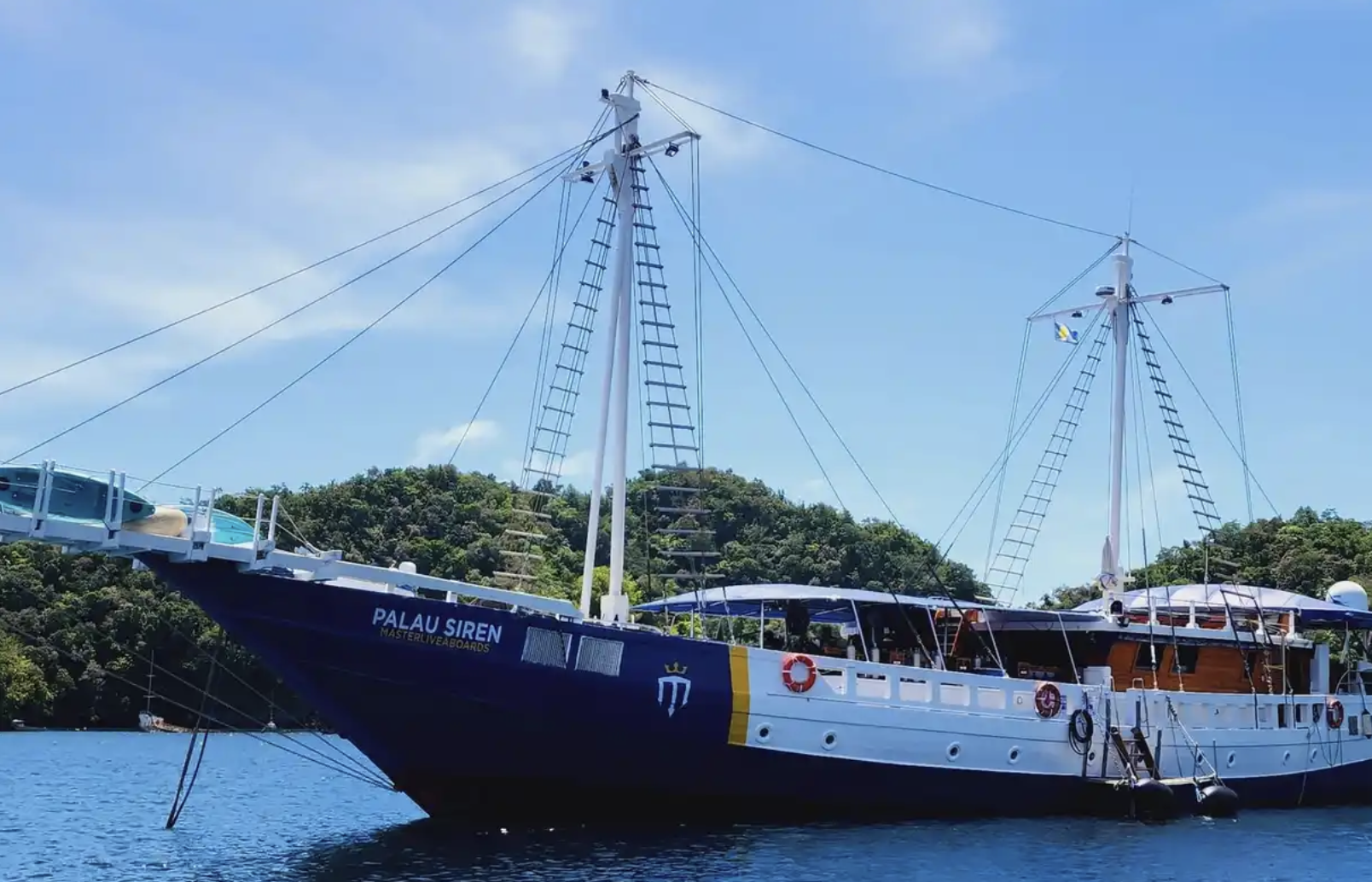
Palau Siren
Micronesia
16 guests
$501/day
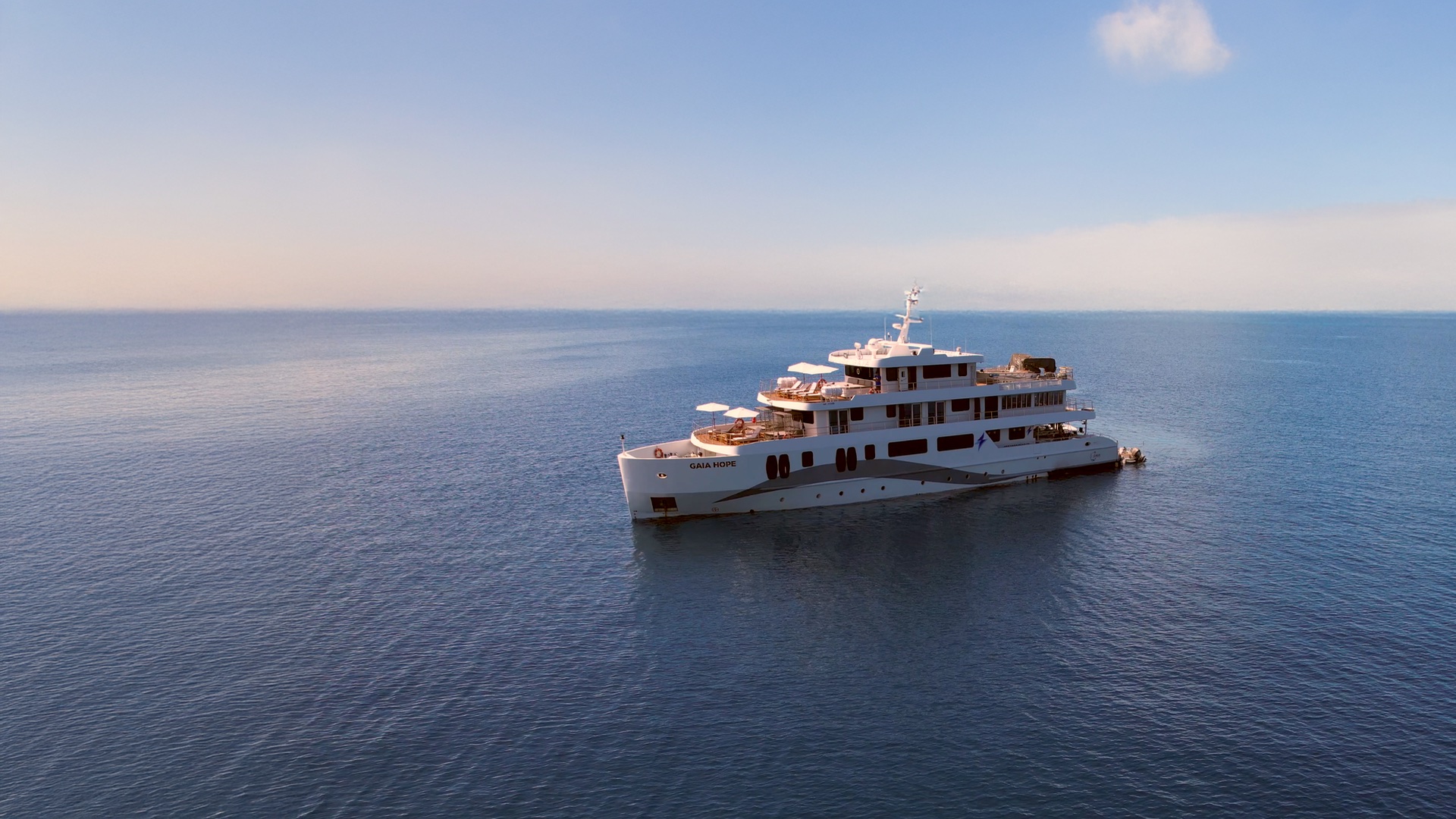
Solitude Gaia
Micronesia
18 guests40 m
$310/day
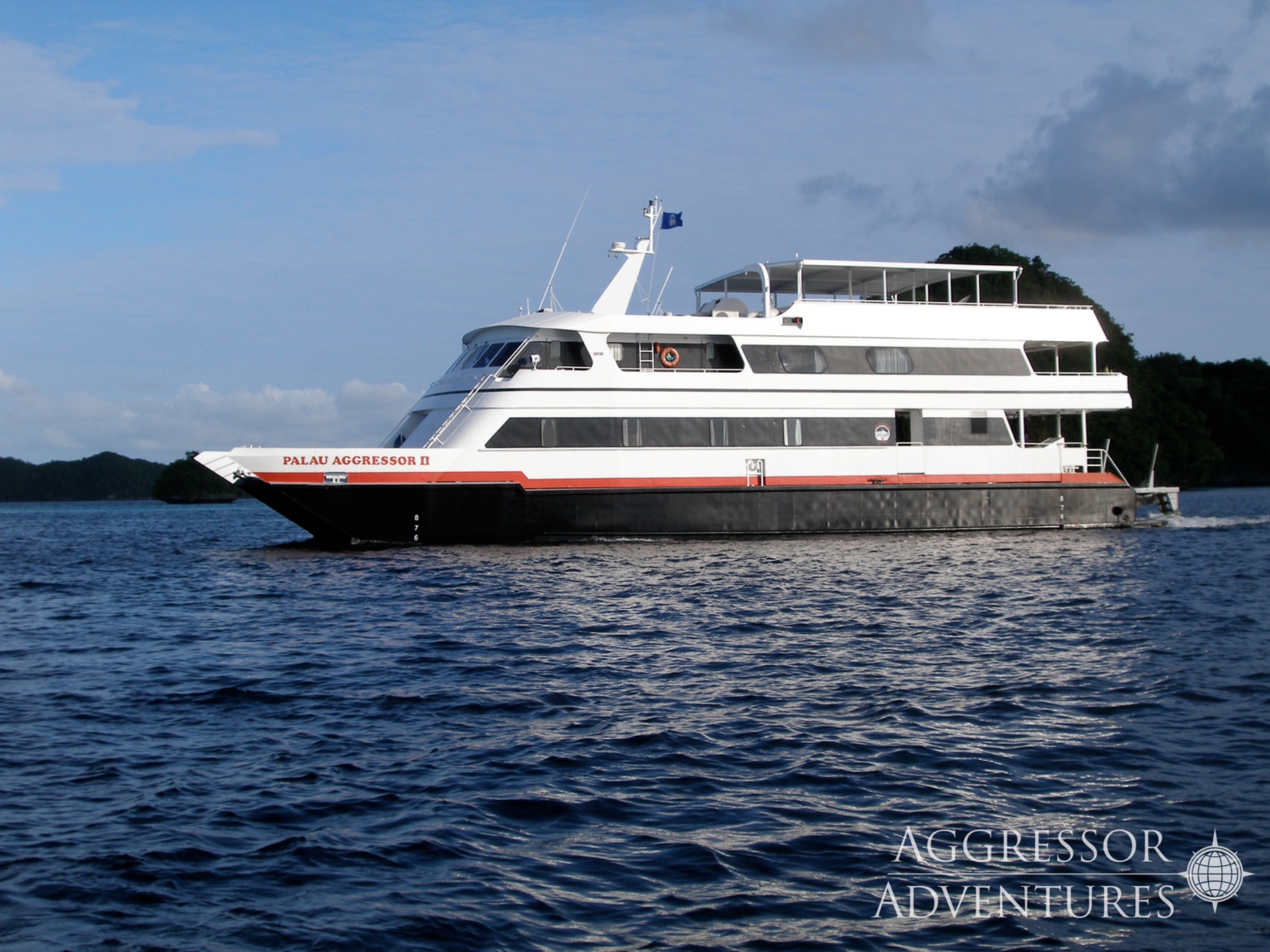
Palau Aggressor II
Micronesia
18 guests32 m
$360/day
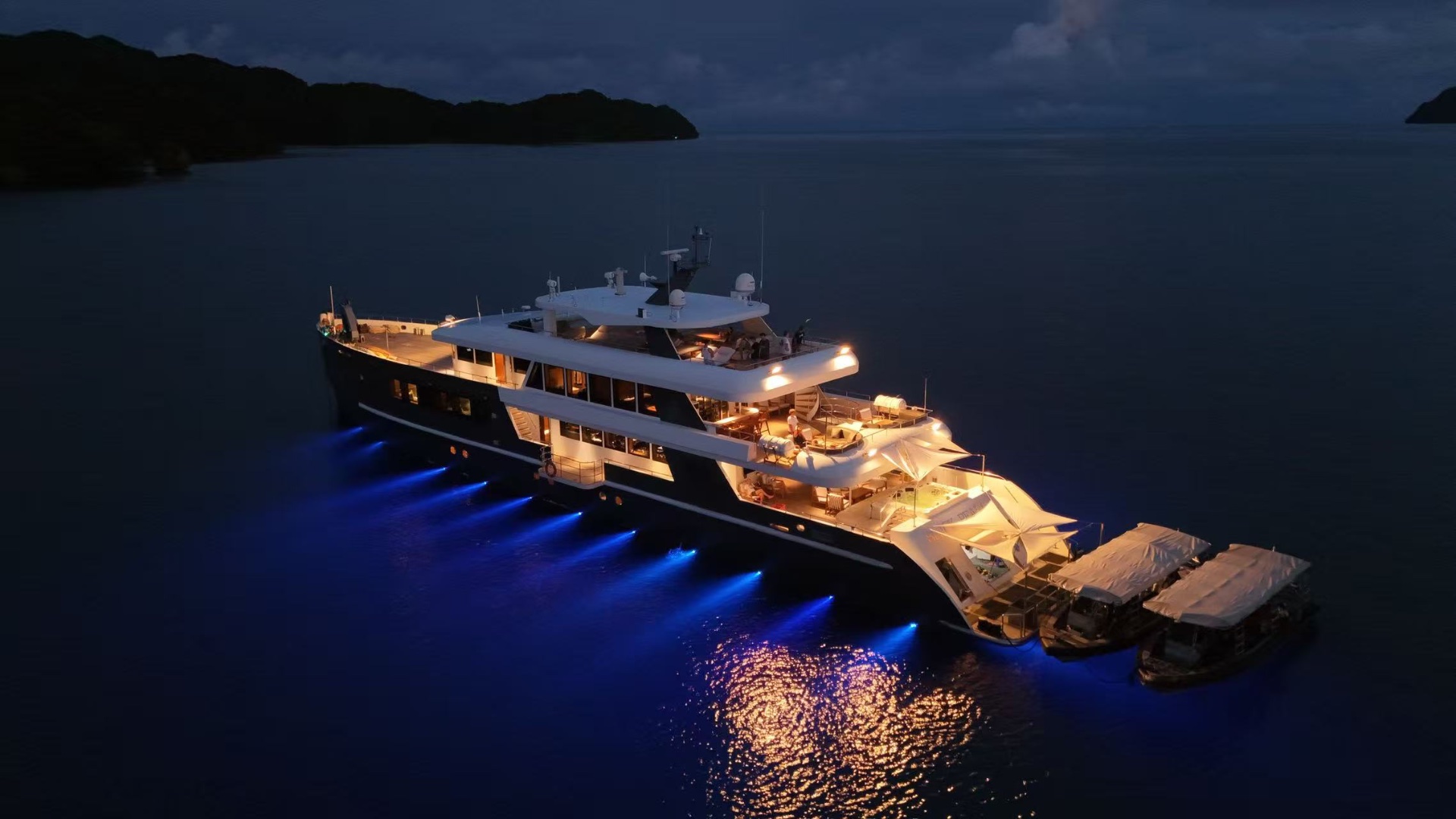
Black Pearl
Micronesia
24 guests
$390/day
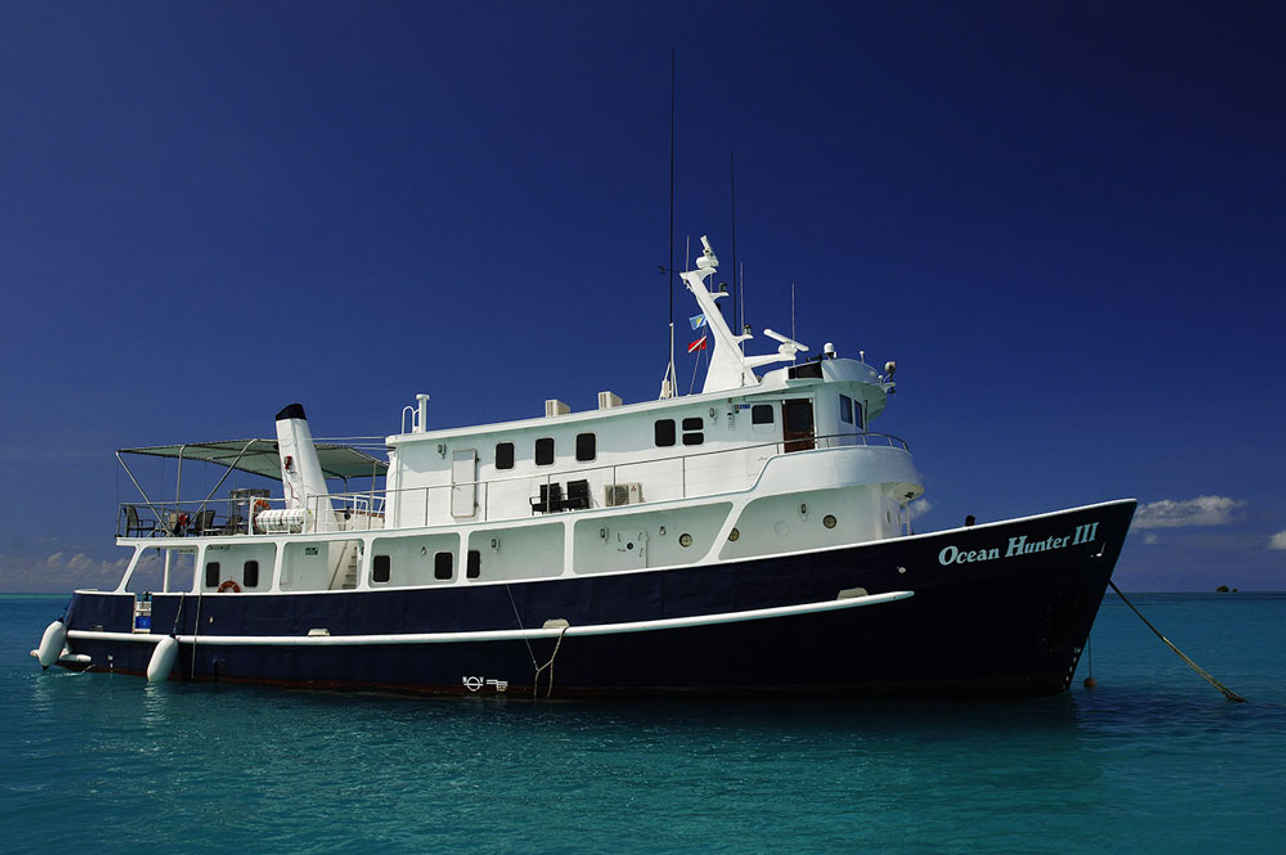
Ocean Hunter 3
Micronesia
16 guests29 m
$350/day
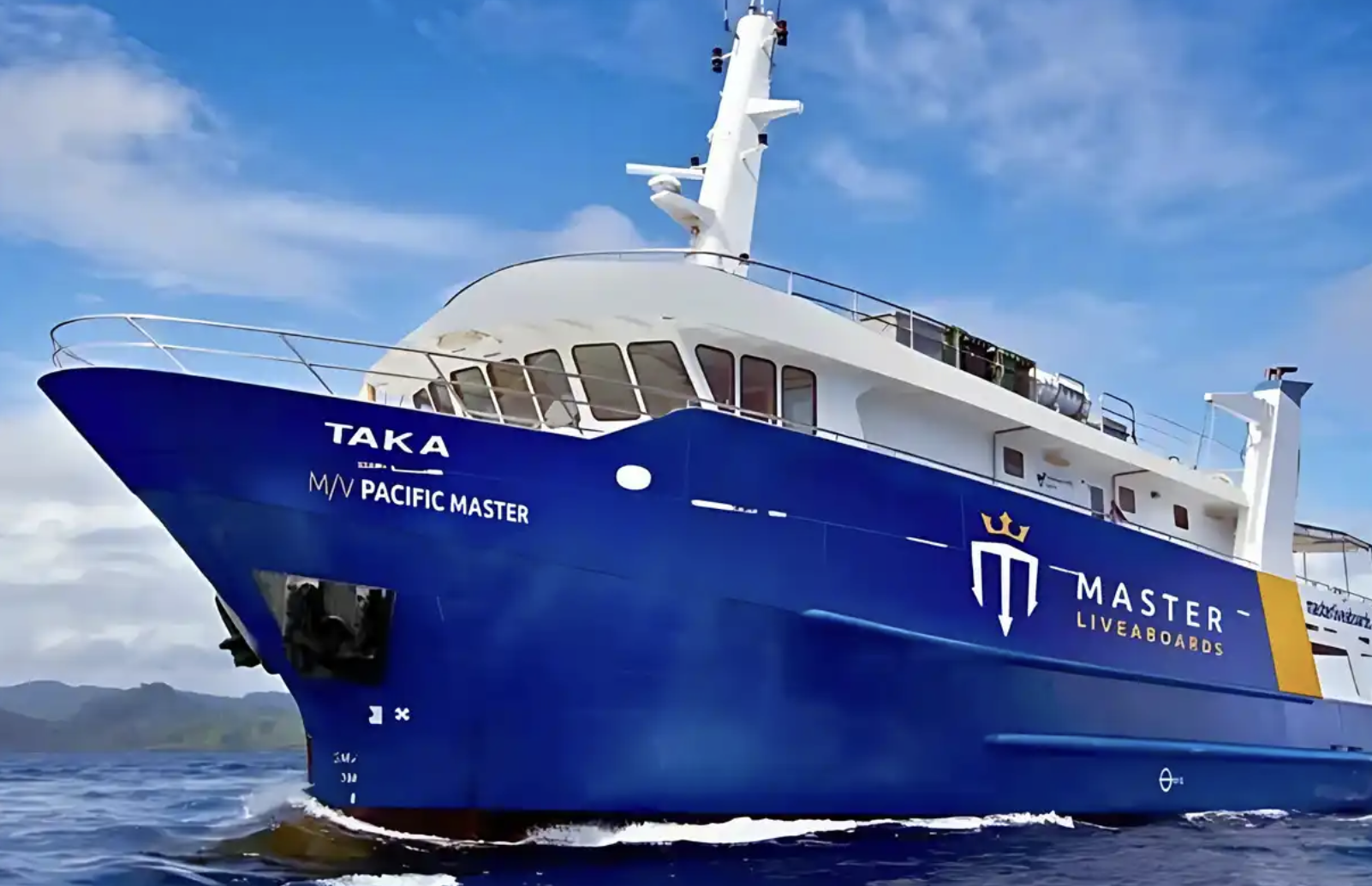
Pacific Master
Solomon Islands
20 guests30 m
$268/day
Dive sites similar to Ant Atoll
Same character, same waters — six more sites divers love for the exact same reasons.Compare seasons, access and liveaboard routes — then pick the site that fits your trip best.
© Esri — Maxar, Earthstar, GIS
Aliko Reef
Micronesia
Aliko Reef is a prominent dive site within Yap, Micronesia, characterized by a captivating underwater topography that blends a mini-wall with an expansive coral plateau.
- Suitable for
- Intermediate
- Current
- Mild
- Access
- Dayboat
- Depth
- 6–15 m
- Theme
- Reef / Wall
© Esri — Maxar, Earthstar, GIS
Black Coral Island
Micronesia
Black Coral Island in Palau is not a specific dive site but rather a descriptive term reflecting the region's rich marine life, particularly the presence of black coral, within…
- Suitable for
- Advanced
- Current
- Strong
- Access
- Liveaboard only
- Depth
- 25–50 m
- Theme
- Drift / Wall
© Esri — Maxar, Earthstar, GIS
Blue Corner
Micronesia
Blue Corner, located off the southwest reefs of Palau's Ngemelis Island, stands as one of the world's premier dive destinations, frequently listed among the best globally.
- Suitable for
- Intermediate
- Current
- Strong
- Access
- Liveaboard only
- Depth
- 15–30 m
- Theme
- Drift / Wall
© Esri — Maxar, Earthstar, GIS
Blue Holes
Micronesia
Blue Holes is an iconic dive site in Palau, located near the northwestern end of Ngemelis Island, offering a unique combination of cavern exploration and vibrant reef life.
- Suitable for
- Intermediate
- Current
- Strong
- Access
- Liveaboard only
- Depth
- 5–35 m
- Theme
- Cave & cavern / Drift
© Esri — Maxar, Earthstar, GIS
Cherry Blossom
Micronesia
Cherry Blossom Wall is a captivating dive site situated on the western side of Yap, distinguished by its impressive vertical wall.
- Suitable for
- Beginner
- Current
- Mild
- Access
- Liveaboard only
- Depth
- 8–25 m
- Theme
- Reef / Wall
© Esri — Maxar, Earthstar, GIS
Coral Gardens (Yap)
Micronesia
Coral Gardens in Yap is renowned for its expansive, healthy hard coral formations, distinguishing it as a premier reef dive site in the western Pacific.
- Suitable for
- Beginner
- Current
- Mild
- Access
- Dayboat
- Depth
- 6–15 m
- Theme
- Reef