Clownfish
Amphiprioninae
About Clownfish
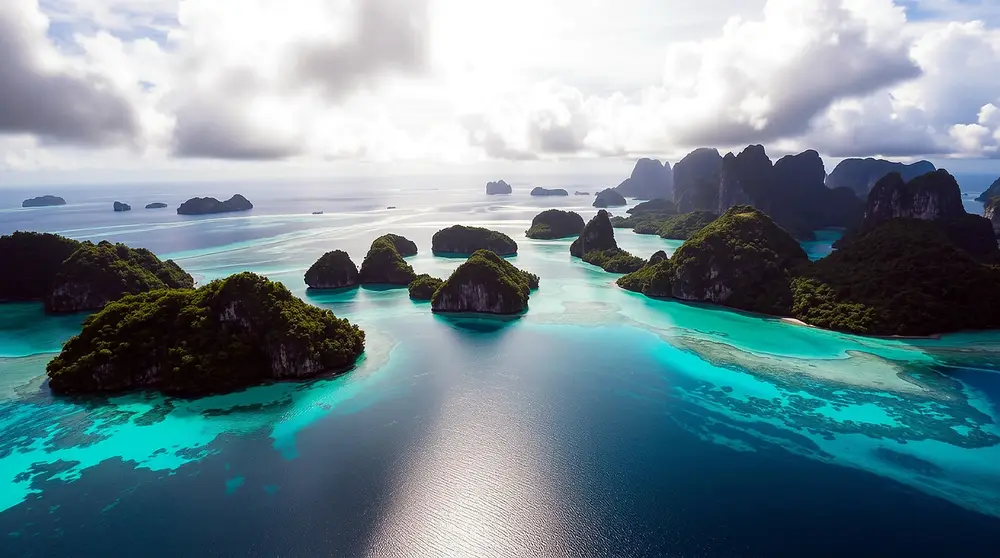
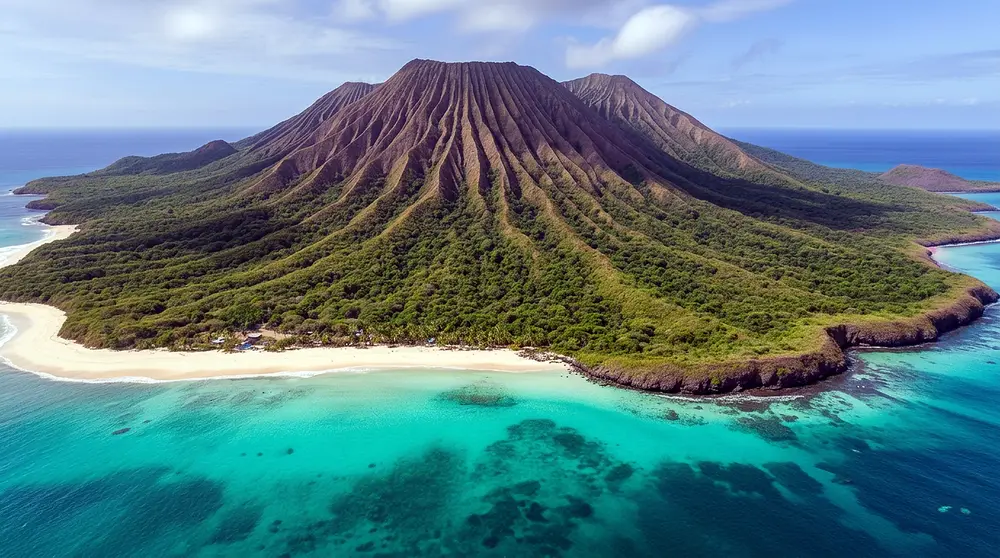
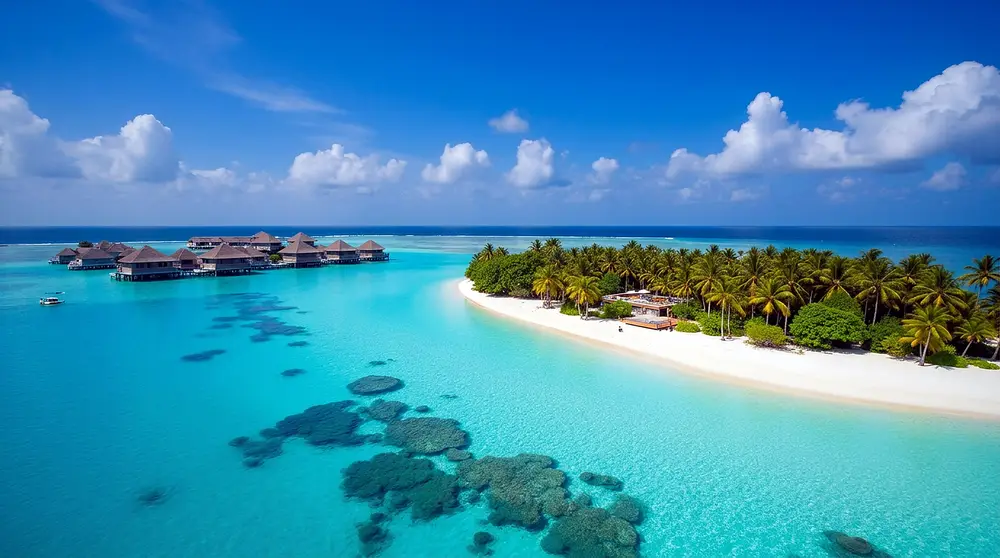
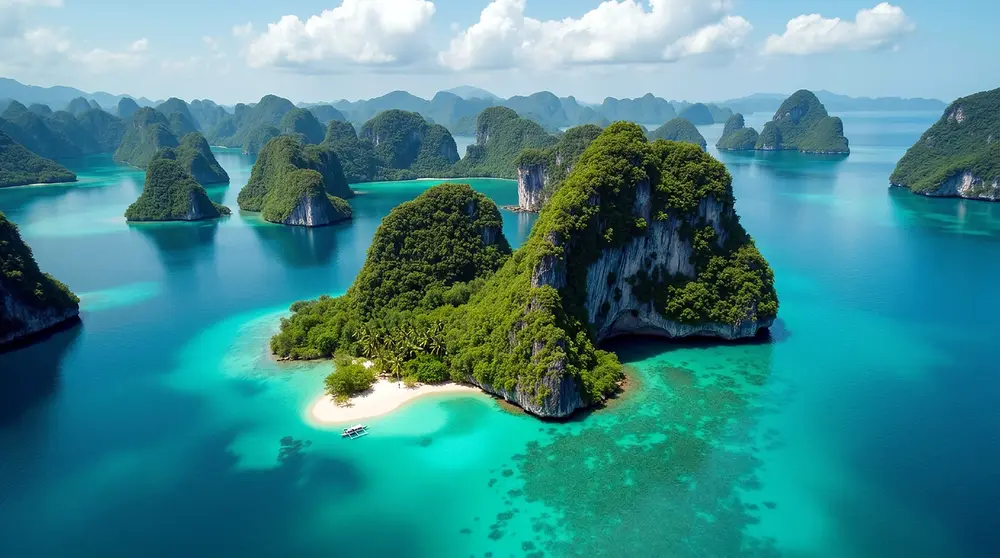
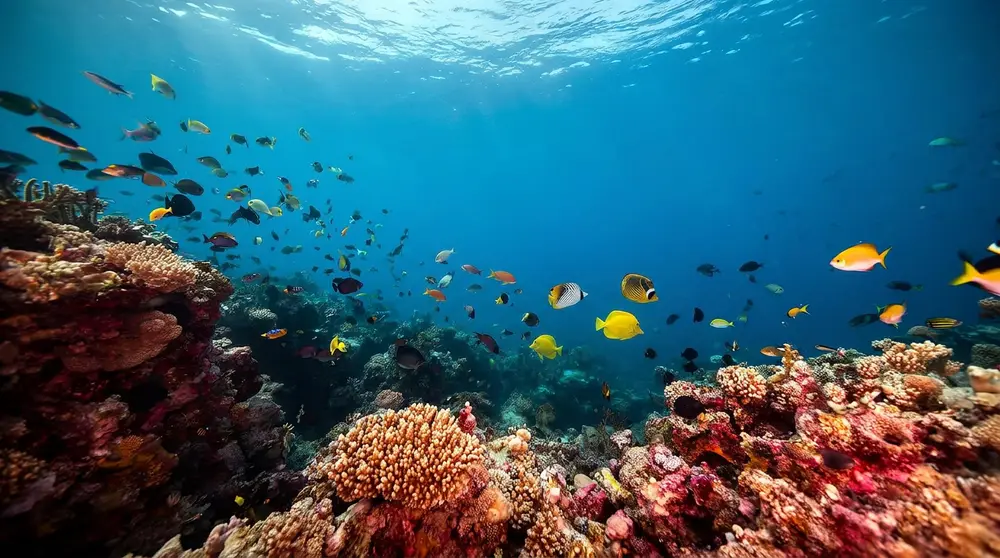
The iconic clownfish lives in symbiosis with sea anemones. Multiple species are found across the Indo-Pacific, with the Philippines and Indonesia hosting the highest diversity.
Quick Facts
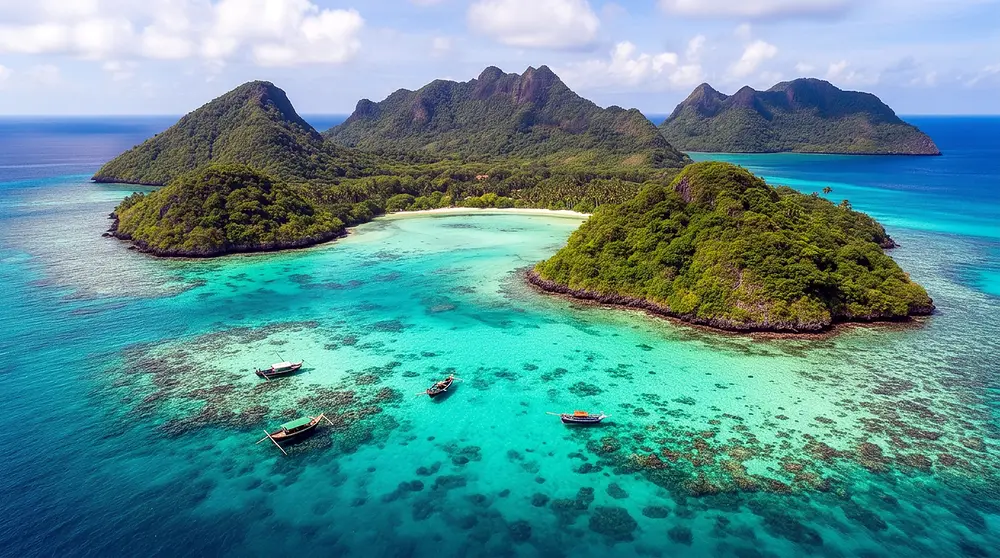
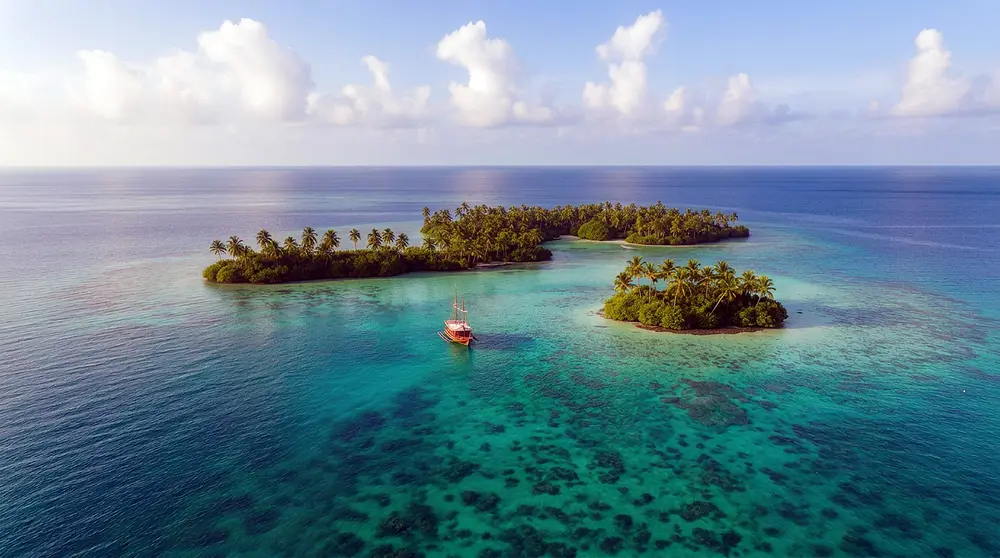
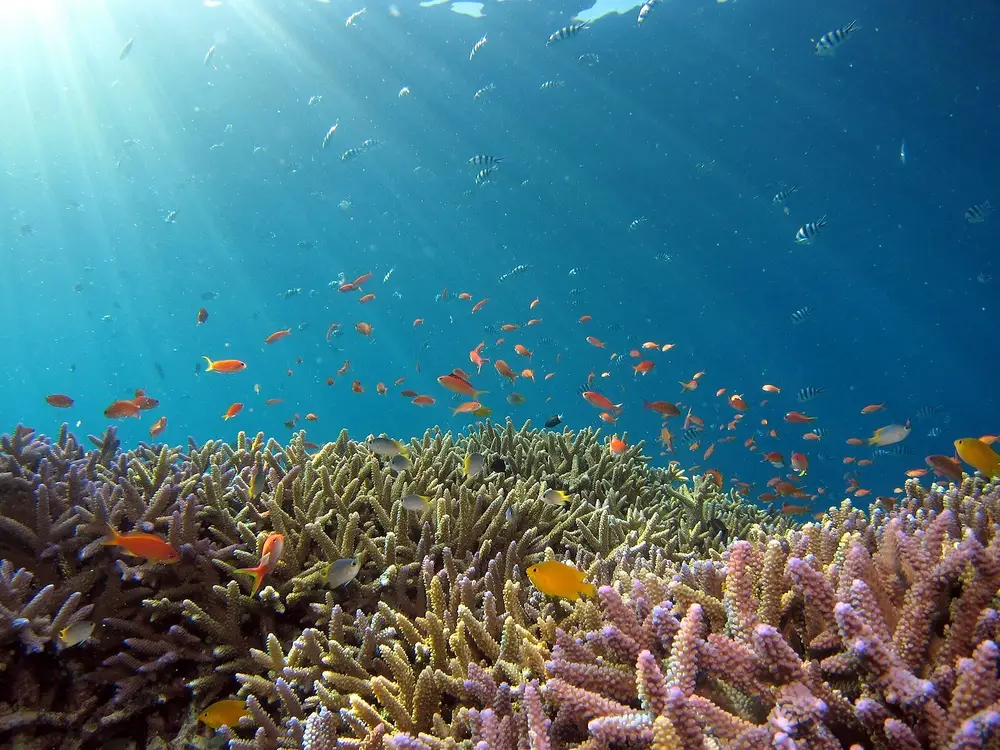
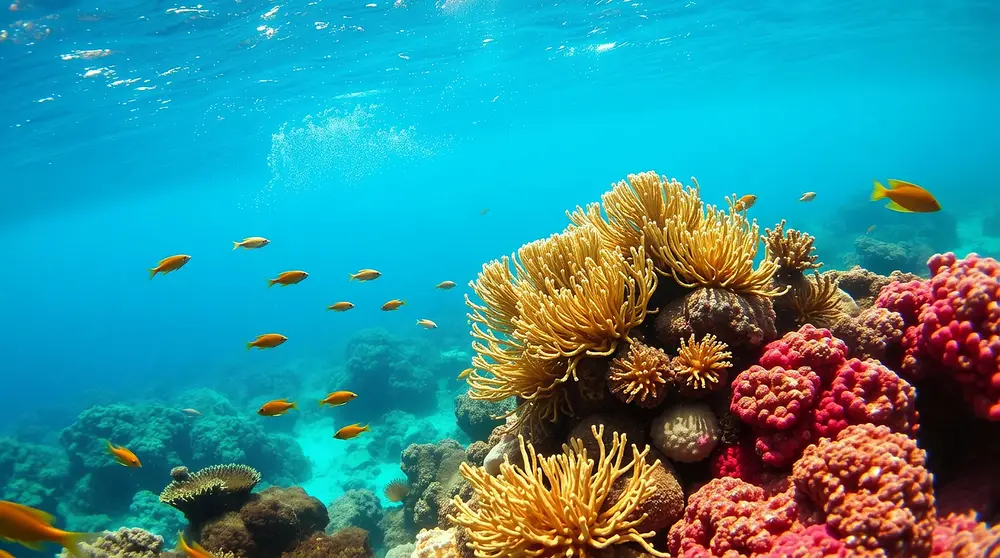
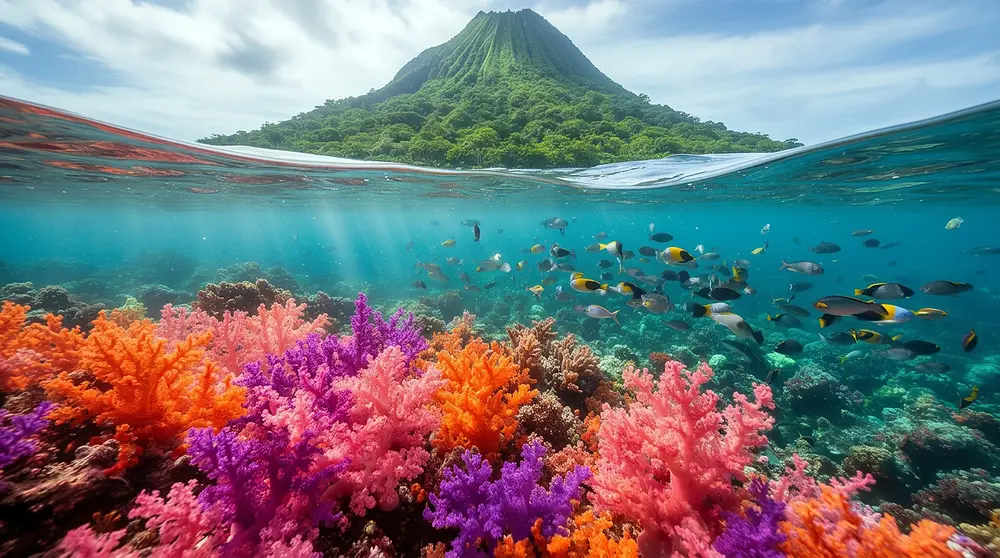
- Habitat: Clownfish, scientifically known as **Anemonefish** (subfamily Amphiprioninae), are native to the warmer waters of the **Indian and Pacific Oceans**, commonly found from the Great Barrier Reef and Red Sea to Japan and Samoa. These vibrant fish exhibit an **obligate symbiotic relationship** with certain species of sea anemones, making their homes among the anemone's stinging tentacles. The anemone provides protection from predators with its nematocysts, to which the clownfish is immune due to a protective mucus layer. Divers can reliably find clownfish thriving in **shallow, coral-rich reef environments** where host anemones are abundant. Specific locations where these iconic fish are a highlight include the **Philippines (e.g., Anilao, Coron)**, Indonesia (e.g., Raja Ampat, Komodo), Thailand (e.g., Similan Islands), and the **Great Barrier Reef, Australia**. They are typically found at depths ranging from just a few meters down to about 30 meters, always in close proximity to their host anemone. Different species of clownfish often associate with specific anemone species, creating diverse visual arrays across different dive sites. Their presence is a strong indicator of **healthy reef ecosystems** with undisturbed anemone populations.
- Diet: Clownfish are **omnivorous scavengers and opportunistic feeders**, with a varied diet that includes zooplankton, algae, small crustaceans, and even undigested food particles from their host anemone. They primarily feed on **planktonic organisms** that drift past their anemone, such as copepods, tunicate larvae, and various other microscopic invertebrates. They also exhibit **benthic feeding behaviors**, grazing on filamentous algae that grow on the reef or directly off their anemone. A significant portion of their diet consists of **detritus and waste products** from their host anemone, demonstrating the intricate nature of their symbiosis. Clownfish are also known to consume **parasites or dead tissue** from their anemone, effectively cleaning their home. They typically feed actively during daylight hours, darting out from the protection of the anemone to snatch passing food items, but always remaining **within easy reach of safety**. Divers often observe them plucking small bits from the water column or carefully nibbling on the anemone's surface, showcasing their diverse feeding strategies.
- Best season: Clownfish are a **year-round attraction** in most of their native habitats due to the stable tropical and subtropical marine conditions. Their lifecycle and activity are not strongly dictated by seasonal changes like colder-water species. However, certain regions experience **peak dive seasons** that offer optimal conditions for observing them. In the **Philippines**, the dry season from **November to May** typically brings calmer seas and excellent visibility, making it an ideal time for spotting clownfish in places like Anilao or Palawan. Similarly, in **Indonesia (e.g., Raja Ampat, Komodo)**, the best diving often occurs between **October and April**, with consistent good weather. The **Great Barrier Reef** experiences consistently warm waters, but the months from **June to October** are generally preferred for diving due to lower chances of stingers and clearer skies. In the **Red Sea**, clownfish can be observed throughout the year, but the period from **March to May and September to November** offers very comfortable water temperatures and often pristine conditions. Regardless of the specific location, the **warm, stable waters** of tropical reefs ensure that clownfish are reliably present throughout the year, actively tending to their anemone homes and engaging in their daily foraging activities, providing **consistent viewing opportunities** for divers.
Fun Facts
All clownfish are born male—the dominant fish becomes female,They are immune to their host anemone's lethal sting,Clownfish and anemones depend on each other for survival,There are 30 recognised species of clownfish worldwide
Diving Tips
When observing clownfish, **approach slowly and calmly** to avoid startling them or their host anemone. Maintain a respectful distance; while relatively docile, sudden movements can cause them to retreat deep within the anemone. **Never touch the anemone or the clownfish**, as this can disturb their delicate symbiotic relationship and potentially harm both organisms. The mucus layer protecting the clownfish can be compromised, and touching the anemone can stress it, potentially damaging its polyps or defense mechanisms. Use your buoyancy effectively to **hover effortlessly** and avoid contact with the reef. To spot them, look for **vibrant patches of color** (orange, black, pink) within anemone tentacles on reef flats and slopes, especially near hard corals. They are often found in **shallow depths**, making them accessible to divers of all experience levels. Pay attention to the **anemone’s specific species**, as different clownfish associate with particular types, influencing their appearance and behavior. For example, the common Ocellaris clownfish often favors Stichodactyla mertensii. Observing a pair or a small group interacting within the anemone can be a delightful experience. **Photography is encouraged**, but avoid using disruptive strobes or flash settings that could frighten them. Always ensure your actions are in line with **responsible diving practices** and local marine park regulations, which universally prohibit harassment or collection of marine life. A prolonged, patient observation will often reveal their fascinating behaviors, such as territory defense and feeding rituals. Remember to keep eyes peeled for tiny fry or juveniles, which are equally enchanting. Always **prioritize reef health** over close-up encounters.