About Abu Dabbab
Abu Dabbab stands out as one of the Red Sea's most celebrated dive destinations, particularly notable for being a rare location where divers can encounter the endangered dugong. The bay is home to at least two resident dugongs, affectionately known as Dennis and Dougal, providing a unique wildlife interaction opportunity. Beyond these gentle giants, friendly giant green sea turtles are a common sight, often allowing for close, personal encounters. The site itself is characterized by a sandy bay with minimal current and shallow depths, typically not exceeding 18 meters. This makes it an ideal spot for divers of all experience levels, including beginners. While the primary draw is the large marine life, Abu Dabbab also offers excellent macro subjects, such as the ornate ghost pipefish, rare thorny seahorse, and the delicate hairy pygmy pipehorse, enriching the dive experience for photographers and keen observers alike. The bizarre-looking but harmless guitar shark can also be spotted in the shallower areas. Despite sometimes having lower visibility due to the sandy bottom and popularity, the abundant and approachable marine life makes Abu Dabbab a captivating and special location. It's a must-dive for anyone visiting Marsa Alam, offering rewarding experiences for both scuba divers and snorkelers. The ease of access from shore further enhances its appeal, allowing for flexible dive planning.
Highlights
Dugong sightingsGiant green sea turtlesGuitar sharksGhost pipefishThorny seahorseHairy pygmy pipehorseShallow sandy bayBeginner-friendly diving
Season calendar
Best months to dive here
Jan
Feb
Mar
Apr
May
Jun
Jul
Aug
Sep
Oct
Nov
Dec
Excellent
Dive site facts: Abu Dabbab
- Depth
- 0–18 m
- Typical dive
- 12–18 m, 50–60 min
- Current
- None
- Visibility
- 10–20 m
- Water temperature
- 21–30°C
- Entry
- Shore
- Level
- All levels
- Dive type
- Reef, sand, macro, large pelagics
- Night dive
- Possible
- Region / port
- Marsa Alam, Red Sea
- Coordinates
- 25.334, 34.736
Conditions & Currents
Abu Dabbab is celebrated for its exceptionally calm conditions, as it is situated within a sandy bay that experiences no significant current. This makes it an ideal site for all levels of divers, including beginners, who can enjoy a relaxed and easy dive without concerns about being swept away. Entry is typically from the shore, further simplifying the dive logistics. While visibility can sometimes be reduced due to sand stirred up by diver activity or natural movement, the absence of strong currents ensures a stable underwater environment. There are no notable thermoclines or surge to contend with, allowing for comfortable and extended bottom times. Divers should be mindful of boat traffic when surfacing, although the bay's sheltered nature generally keeps this to a minimum.
Marine life & sighting chances

Dugong
occasional
Green Sea Turtle
common
Guitar Shark
occasional
Ornate Ghost Pipefish
occasional
Thorny Seahorse
rare
Hairy Pygmy Pipehorse
occasional
Napoleon Wrasse
occasional
Moray Eel
common
Lionfish
common
Clownfish
common

Spinner Dolphin
occasionalDive profile & how the dive runs
Dives at Abu Dabbab typically begin with an easy shore entry, either directly wading in or from a small boat directly into the sandy bay. The dive route usually follows the gentle slope of the sandy bottom, which gradually descends to a maximum depth of around 18 meters. Divers will explore the seagrass beds where dugongs and green sea turtles are frequently observed foraging. The dive proceeds along the bay, focusing on areas with coral patches and bommies that host a variety of reef fish and macro life. Given the absence of strong currents, divers can leisurely explore, allowing ample time for observation and photography. The turn point is determined by air consumption and dive time, with a slow ascent back towards the shallower areas of the bay. The safety stop is comfortably conducted in the calm, shallow waters, often providing opportunities to spot guitar sharks or additional turtle encounters before exiting back to shore.
Underwater photography
Abu Dabbab is an exceptional site for underwater photography, particularly for wide-angle shots of large marine animals and macro subjects. For capturing the dugongs and green sea turtles, a wide-angle lens is ideal, allowing you to encompass these majestic creatures and their environment. Given their accustomed nature to divers, opportunities for close-up encounters are frequent. For macro enthusiasts, the coral patches and seagrass beds are rich with ghost pipefish, seahorses, and pipehorses, necessitating a macro lens. The shallow depth and calm conditions make it easy to control buoyancy for sharp shots. While visibility can sometimes be moderate due to sand, the clear, warm Red Sea light still provides good illumination. External strobes are highly recommended to bring out the vibrant colors of the reef and marine life, especially for macro subjects, and to reduce backscatter in sandy areas.
Combine with nearby dive sites
- Samadai Reef (Dolphin House)
Known for resident dolphin pods.
- Elphinstone Reef
Famous for pelagic encounters, including sharks.
- Daedalus Reef
Remote offshore reef with strong currents and hammerheads.
- Fury Shoals
Extensive reef system with pristine corals and varied marine life.
- St. Johns Reef
Far offshore reefs offering pristine diving and pelagic encounters.
Getting there & logistics
Abu Dabbab is readily accessible via day trips organized by dive operators primarily from Marsa Alam, which is approximately 30 km to the south. The nearest international airport is Marsa Alam International Airport (RMF), offering direct flights or connections. Divers typically stay in resorts in Marsa Alam, and dive centers arrange daily excursions to Abu Dabbab. No specific permits beyond standard diving regulations are usually required for this site, as it is a well-established and frequently visited location. Trips are generally single-day excursions, often including two dives and surface intervals at the bay. The site can also be part of broader Red Sea liveaboard itineraries, particularly those focusing on the southern routes, providing a unique contrast to deeper, current-swept reefs.
Safety & environment
While Abu Dabbab is an easy and shallow dive site, standard dive safety protocols are essential. The nearest recompression chamber is located in Marsa Alam, so a comprehensive dive insurance policy covering emergency evacuation and treatment is highly recommended. Divers should maintain excellent buoyancy control to avoid stirring up the sandy bottom, which can reduce visibility for themselves and others, and to protect the seagrass beds. Given the popularity of the site, awareness of other divers and snorkelers is important. Always dive with a buddy and follow your guide's instructions, especially regarding interactions with the marine life, such as dugongs and turtles, to ensure their well-being and a safe, respectful encounter for all. Surface marker buoys (SMBs) are advisable for any open water surfacing.
Who it suits — and who it doesn't
Suited for
- Beginner divers
- Photographers (macro and wide-angle)
- Marine life enthusiasts (dugongs, turtles)
- Families and snorkelers
- Divers seeking calm, shallow conditions
Less suited for
- Divers seeking strong current drift dives
- Advanced technical divers looking for depth
- Those uninterested in macro or large, slow-moving animals
- Divers seeking pristine, untouched reefs away from crowds
FAQ
Abu Dabbab FAQ
What marine life can I expect to see at Abu Dabbab?
Abu Dabbab is renowned for its resident dugongs, affectionately known as Dennis and Dougal, offering a rare opportunity to encounter these gentle giants. You can also expect to see numerous green sea turtles, often quite close, and the unique guitar shark in shallower areas. For macro photographers, the site hosts ornate ghost pipefish, thorny seahorses, and hairy pygmy pipehorses, alongside typical reef fish, moray eels, and blue spotted ribbontail rays.
Is Abu Dabbab suitable for beginner divers?
Yes, Abu Dabbab is highly suitable for beginner divers. It features a shallow, sandy bay with minimal to no current, providing a very relaxed and easy diving experience. The maximum depth is typically around 18 meters, and entry is usually from the shore, making it an ideal environment for new divers to gain confidence and enjoy incredible marine encounters.
What are the typical diving conditions at Abu Dabbab?
Diving conditions at Abu Dabbab are generally calm and warm year-round. Water temperatures range from 21°C to 30°C, and there is usually no significant current, making it a very comfortable dive. Visibility typically ranges from 10 to 20 meters, though it can sometimes be affected by stirred-up sand due to its sandy bottom and popularity. The site is accessible from shore.
When is the best time of year to visit Abu Dabbab?
Abu Dabbab is diveable all year round, but the spring (March to May) and autumn (September to November) months offer the most balanced conditions with warm water temperatures and excellent visibility. While summer is also good, it can be hotter and busier. Winter months are cooler but offer fewer crowds and still provide good diving opportunities.
Can I combine a trip to Abu Dabbab with other Red Sea dive sites?
Yes, Abu Dabbab can easily be combined with other Red Sea dive sites. Day trips are frequently organized from Marsa Alam. For divers looking to explore more, liveaboard itineraries that focus on the Southern Red Sea often include Abu Dabbab or allow for extensions to visit this unique site, alongside other famous reefs like Elphinstone and Daedalus, or the Fury Shoals.
Are dugong sightings guaranteed at Abu Dabbab?
While Abu Dabbab is one of the most reliable places in the world to see dugongs, sightings are never guaranteed as they are wild animals. However, there are two known resident dugongs, Dennis and Dougal, who frequent the seagrass beds of the bay, making the chances of an encounter very high. Patience and a good dive guide significantly increase your odds.
Why dive Abu Dabbab from a liveaboard?
Abu Dabbab is one of Egypt's signature dive sites. A liveaboard sleeps you on the water and puts you in the water for three to four guided dives per day, including dawn and night dives that day-boat operators rarely offer. You skip the daily commute back to port and reach quieter, less-crowded sites in the same region on a single trip.
Below are the liveaboards that include Abu Dabbab on their Egypt itineraries.
Liveaboards diving Abu Dabbab
These liveaboards may visit Abu Dabbab on selected itineraries — the exact dive sites depend on departure, weather and conditions.
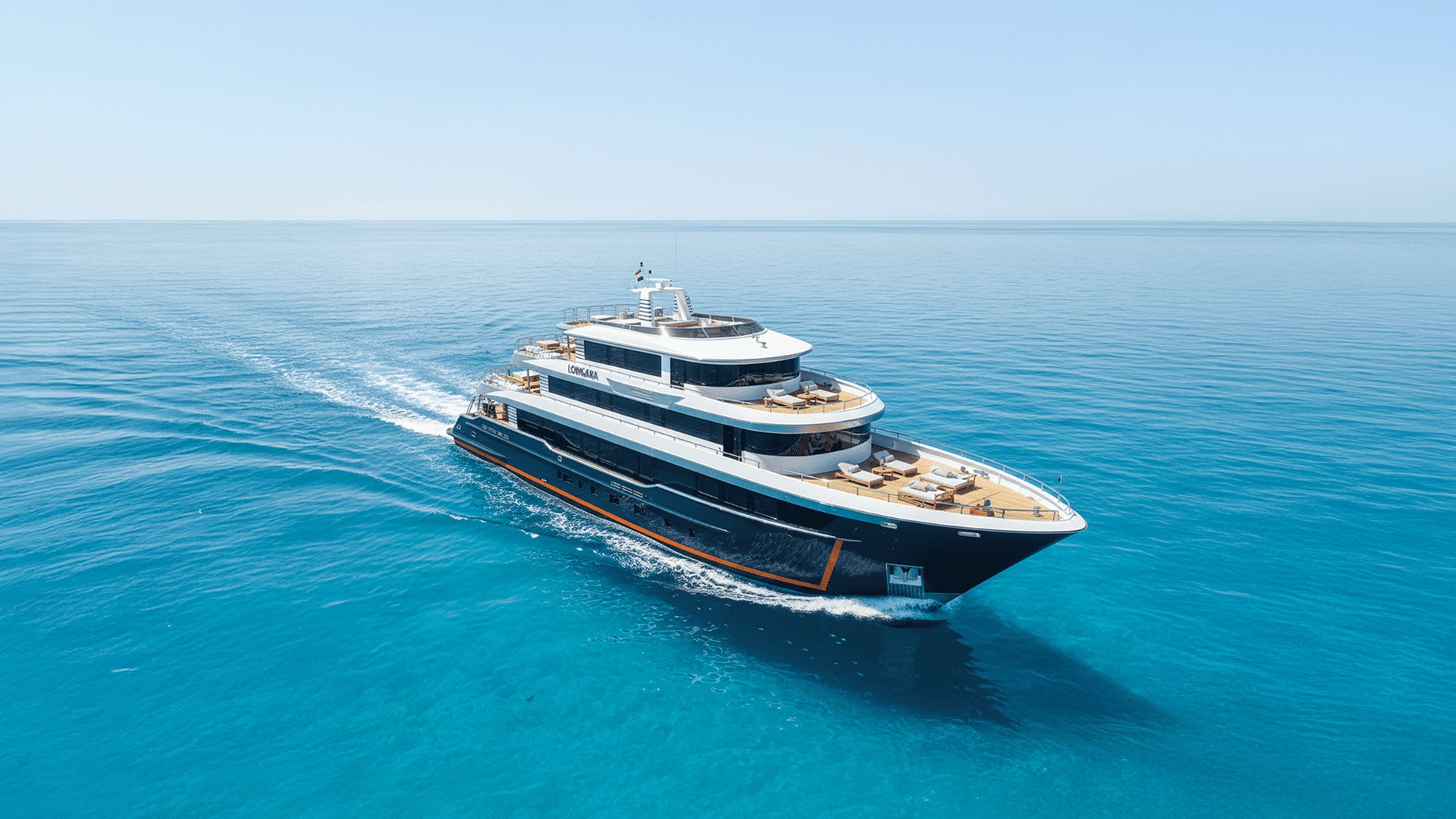
DUNE Longara
Egypt
30 guests
$150/day
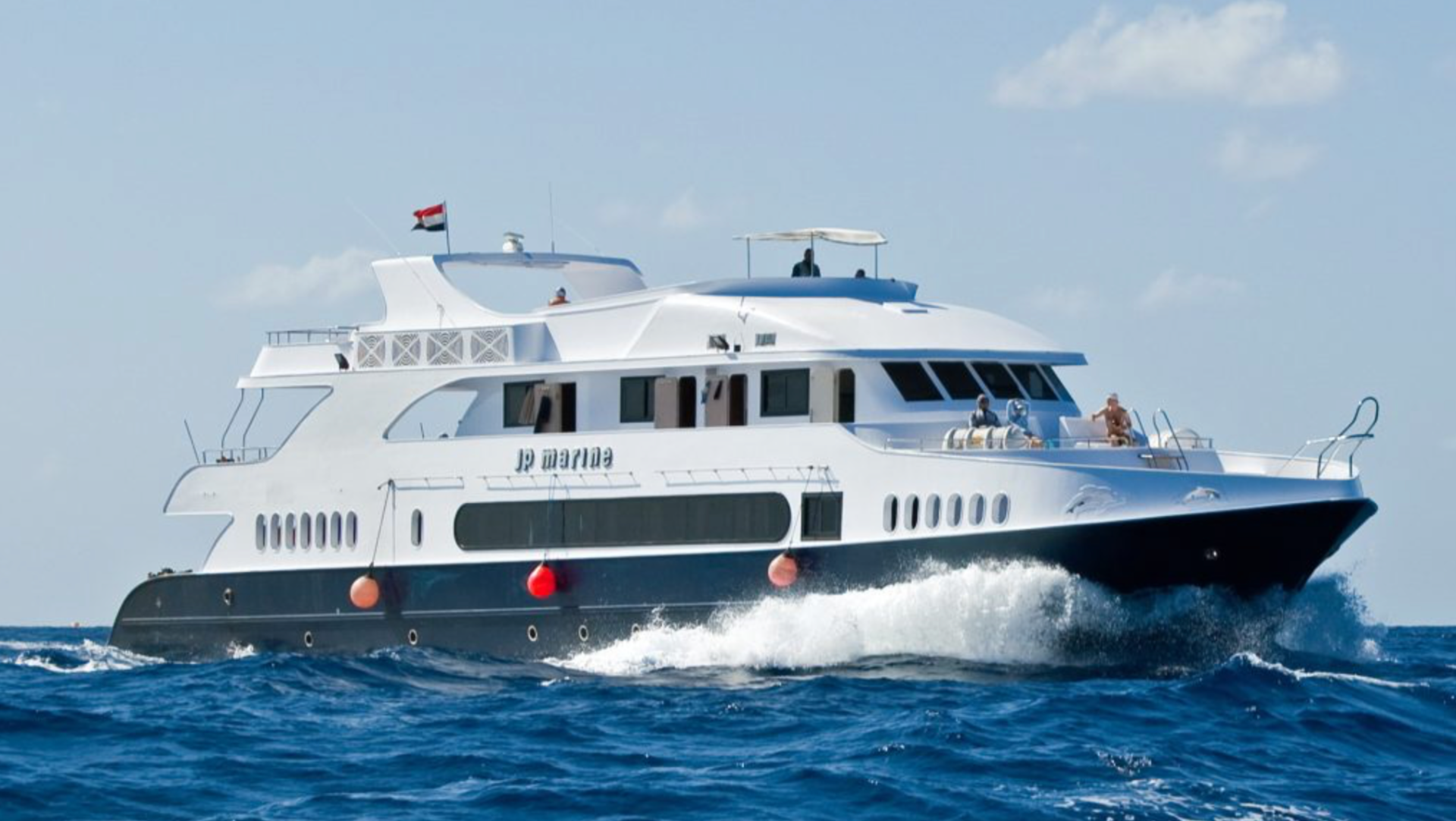
JP Marine
Egypt
28 guests
$109/day
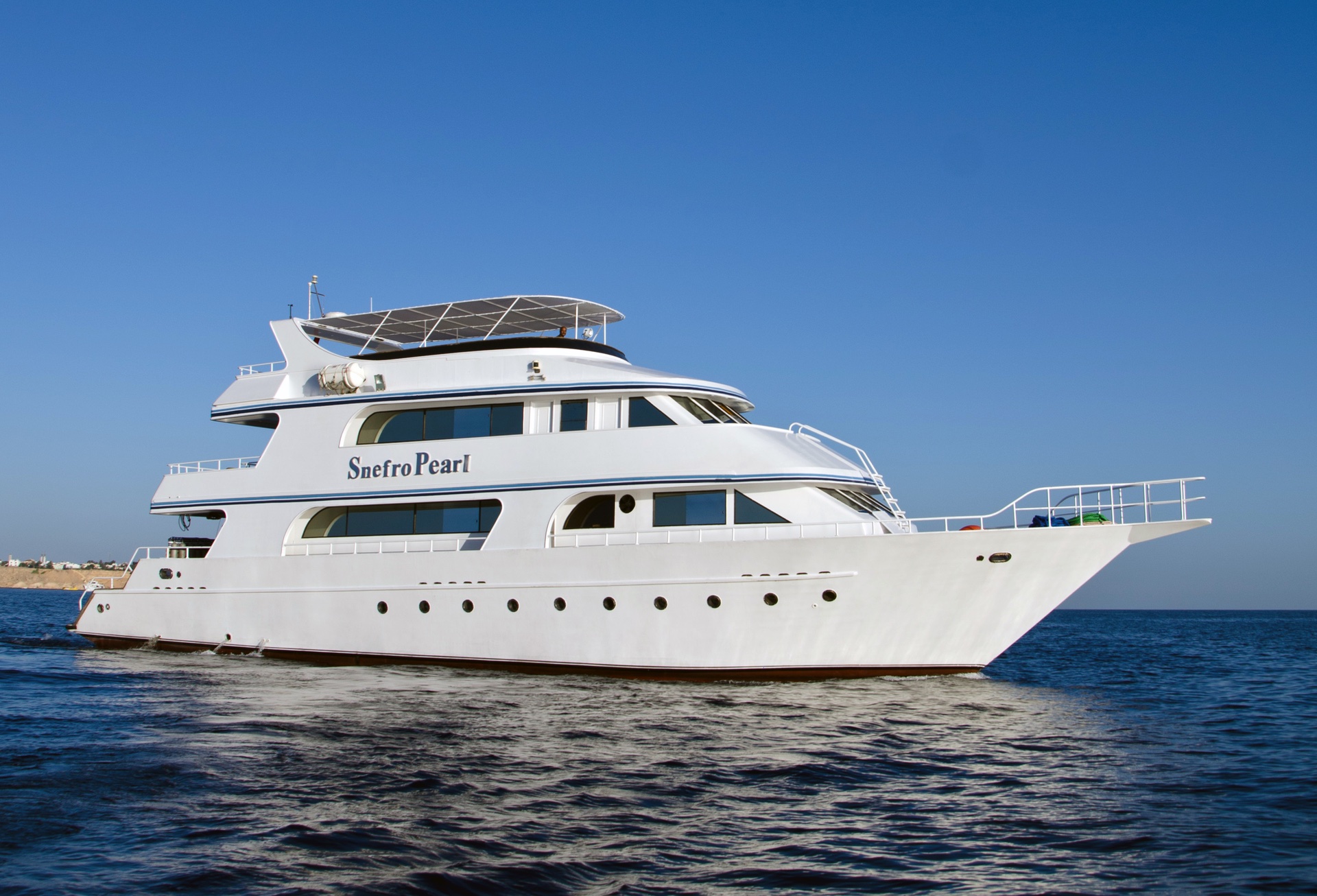
Snefro Pearl
Egypt
12 guests
$150/day
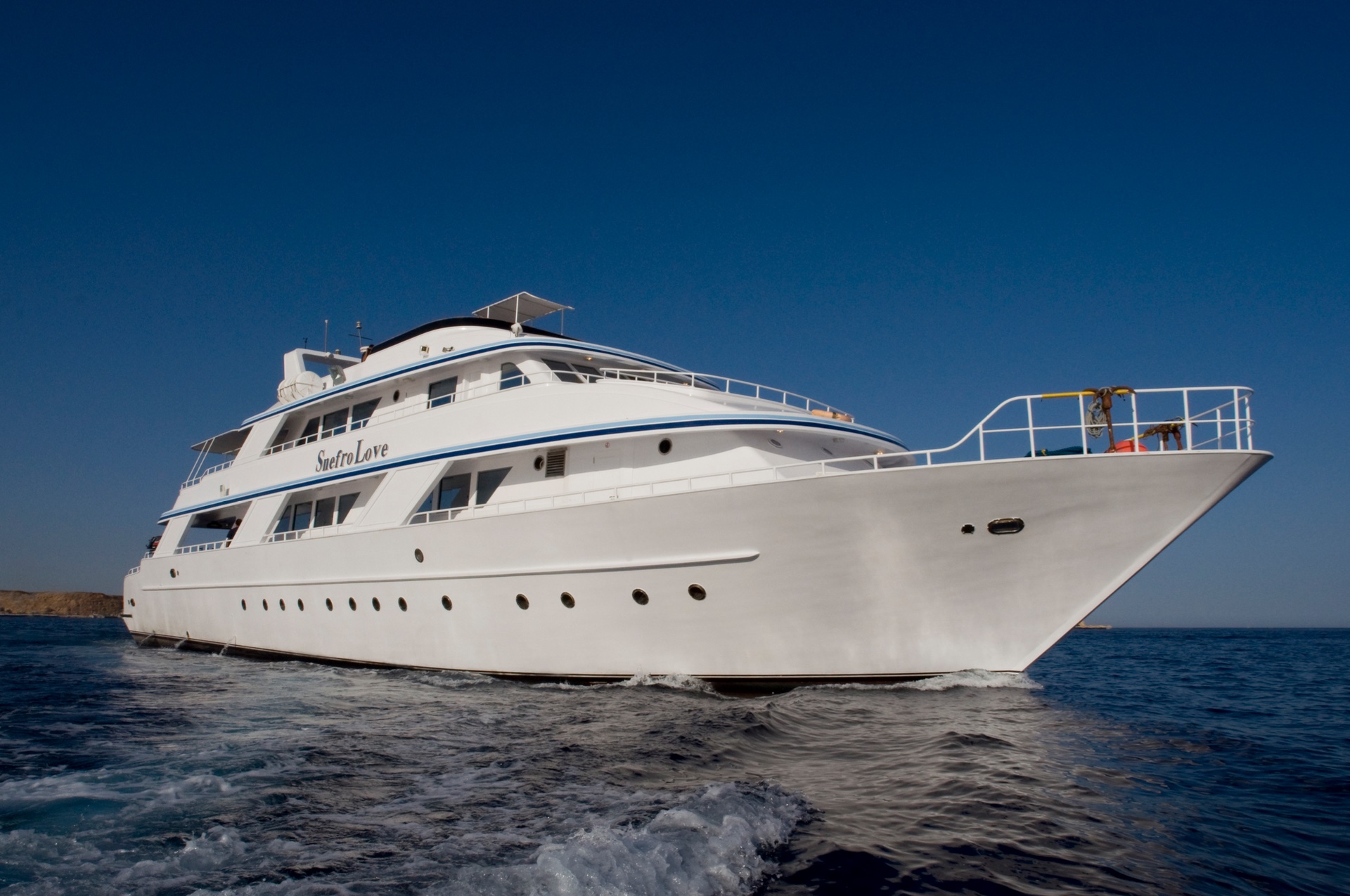
Snefro Love
Egypt
20 guests
$154/day
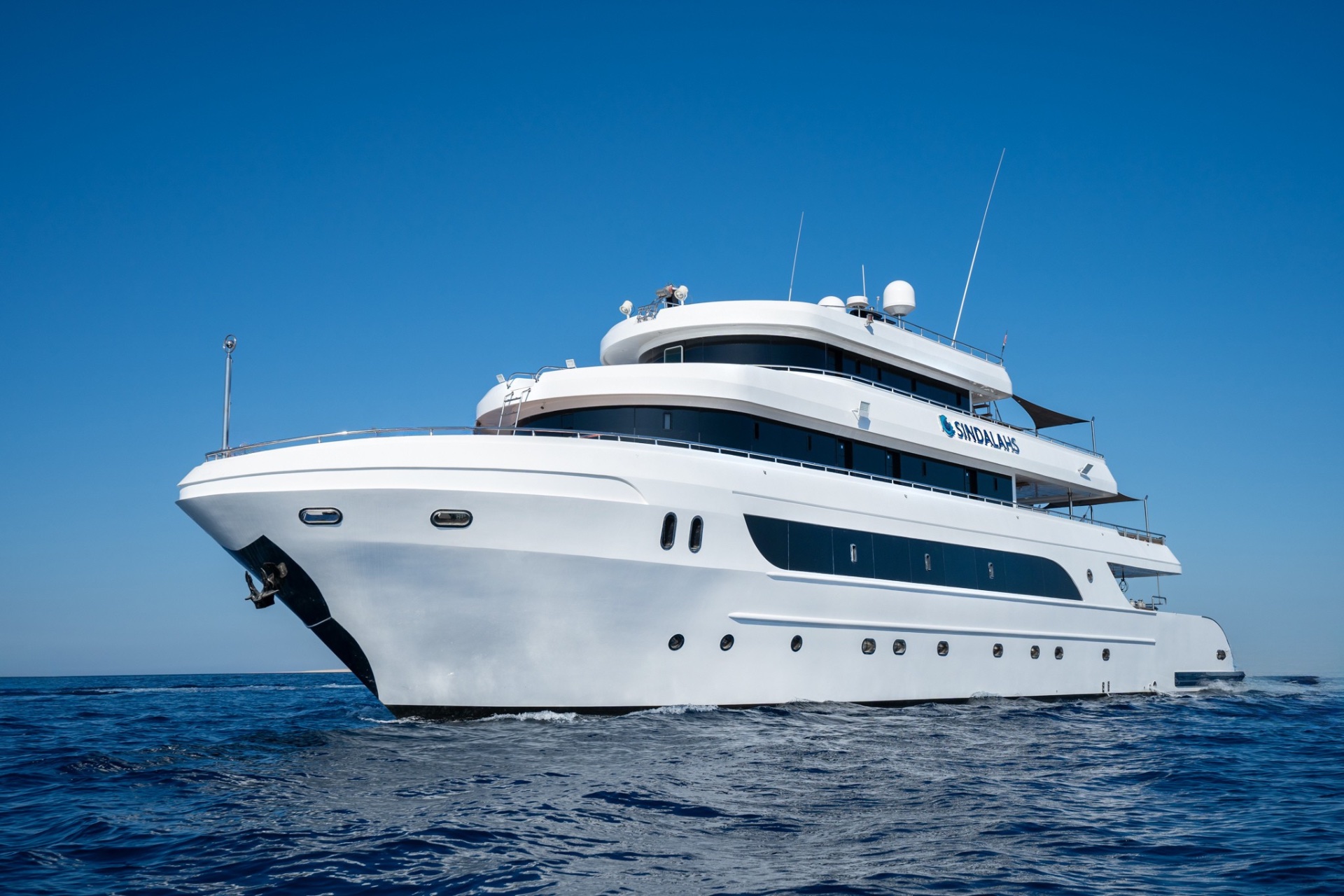
Sindalahs
Egypt
26 guests38 m
$155/day
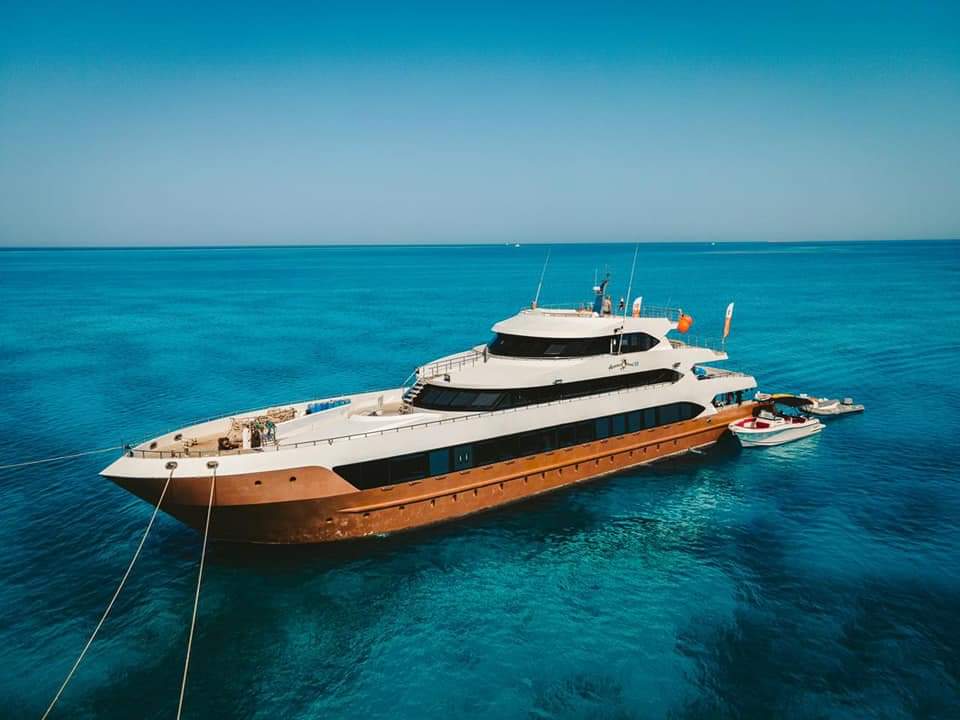
Hammerhead II
Egypt
20 guests
$172/day
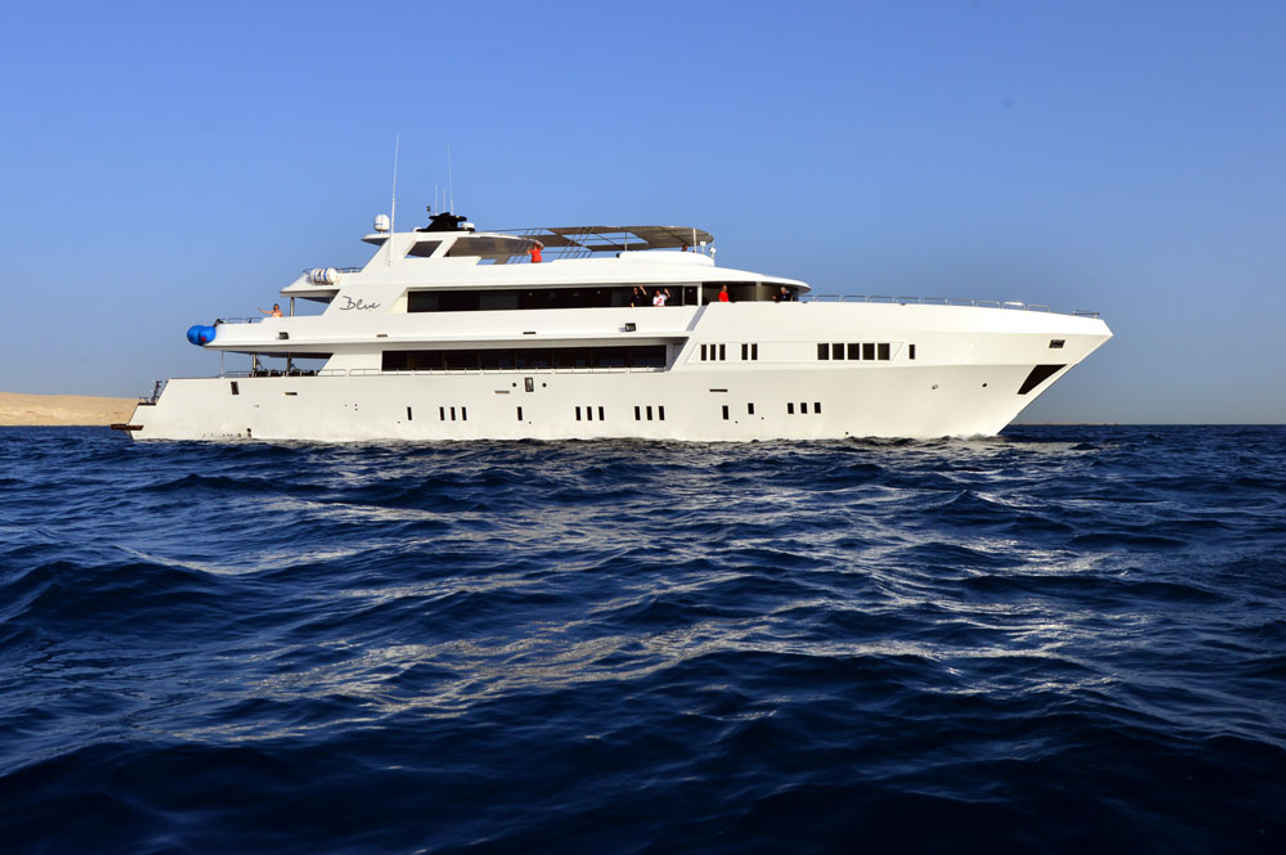
Blue Liveaboard
Egypt
24 guests43 m
$172/day
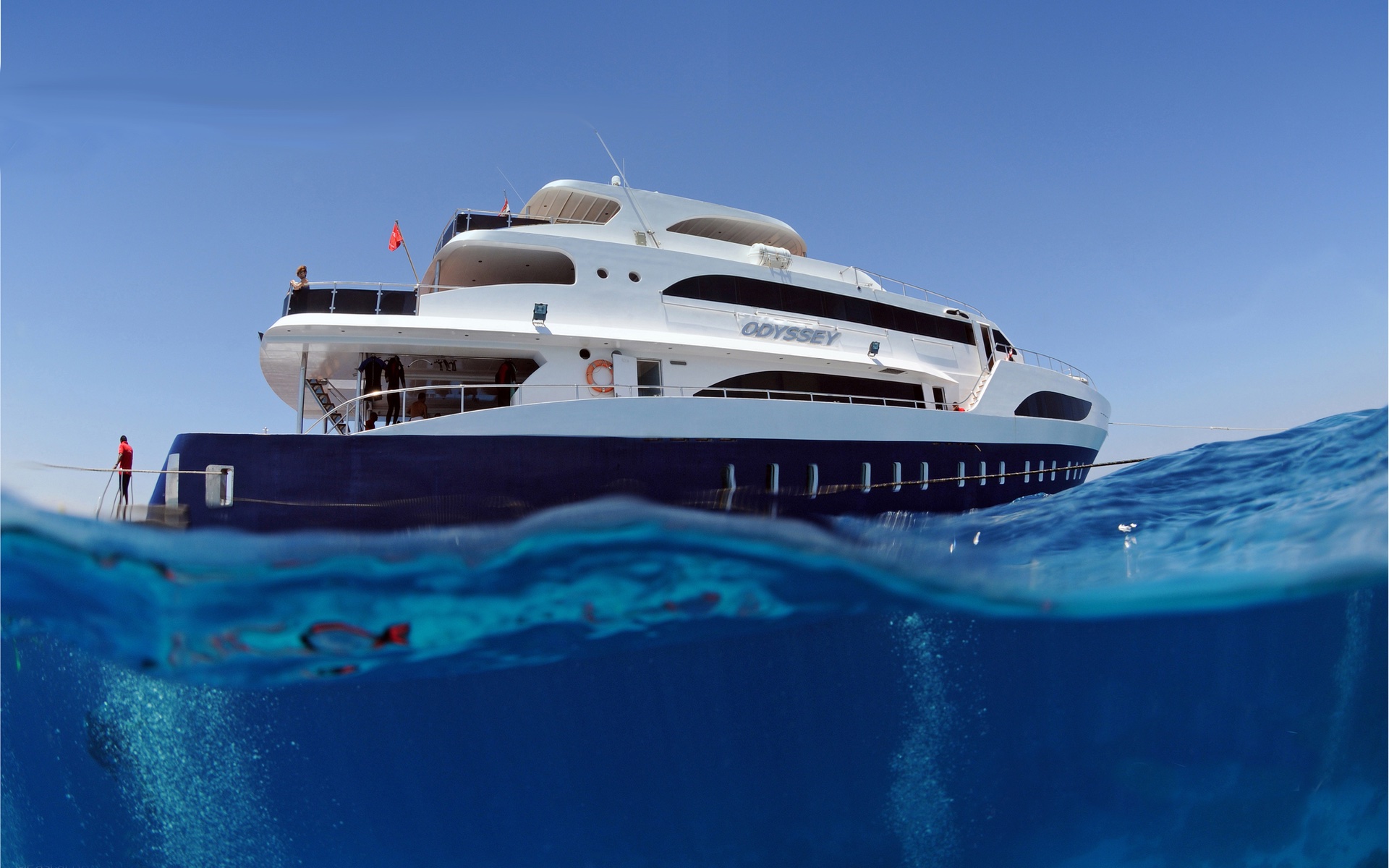
Odyssey
Egypt
26 guests40 m
$185/day
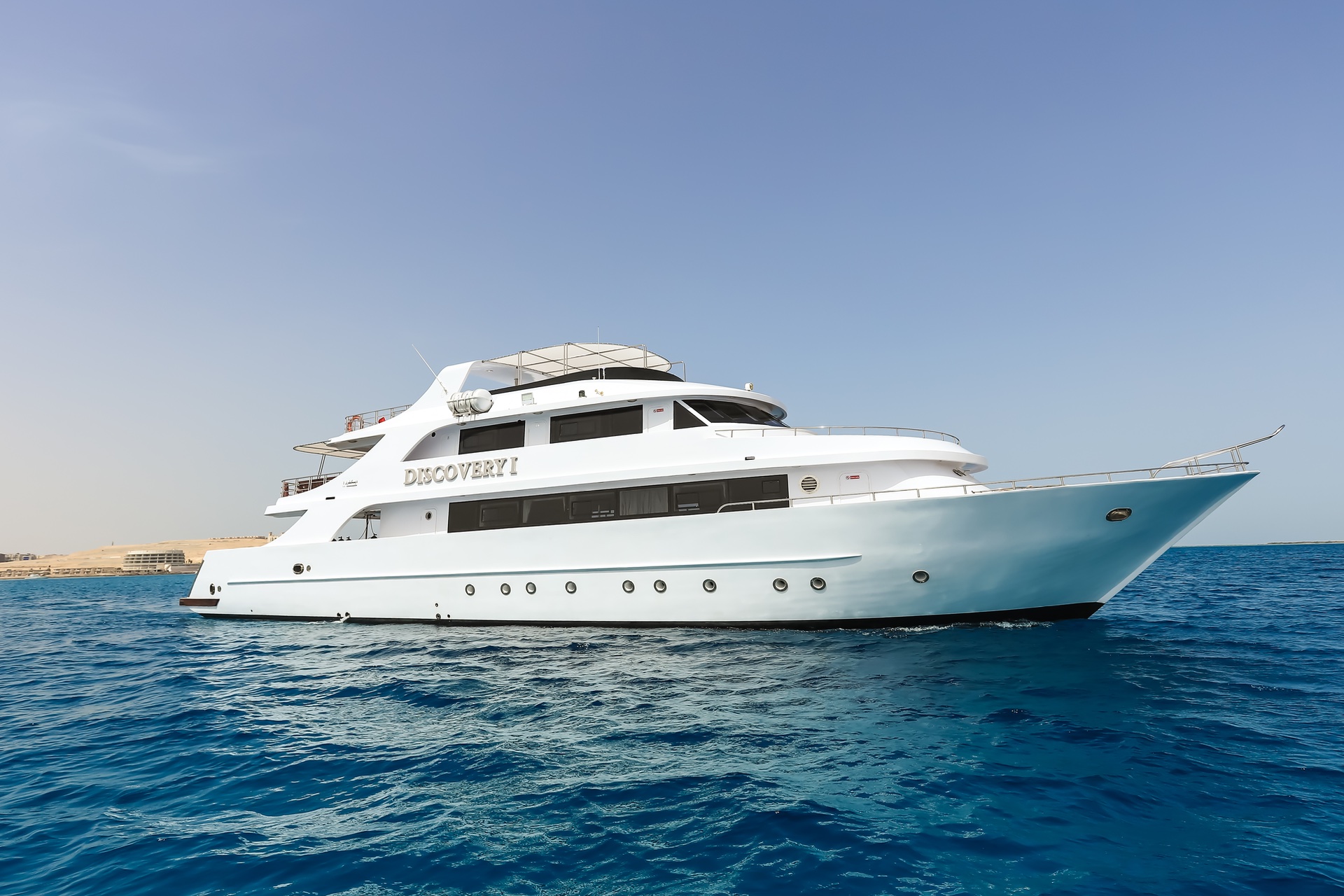
Discovery I
Egypt
20 guests
$104/day
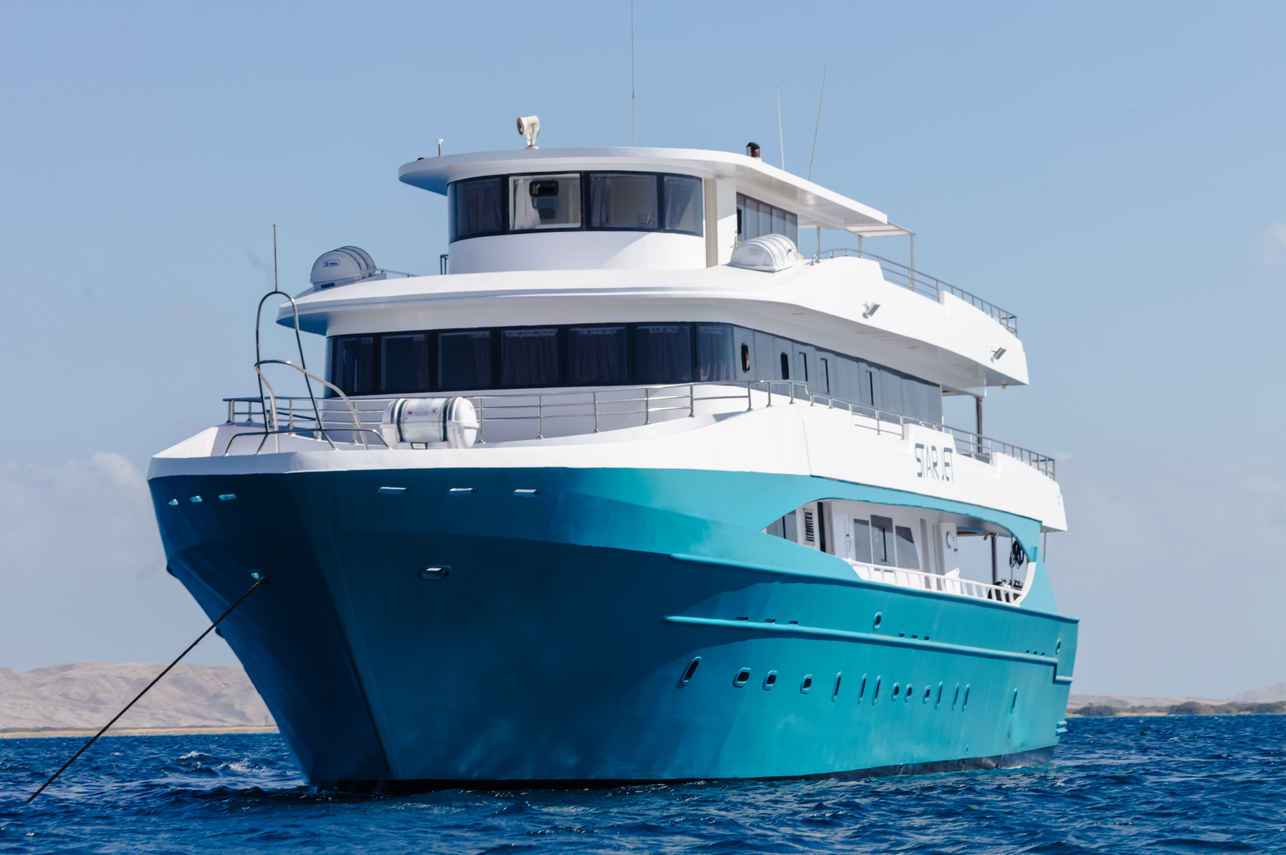
Star Jet
Egypt
28 guests35 m
$145/day
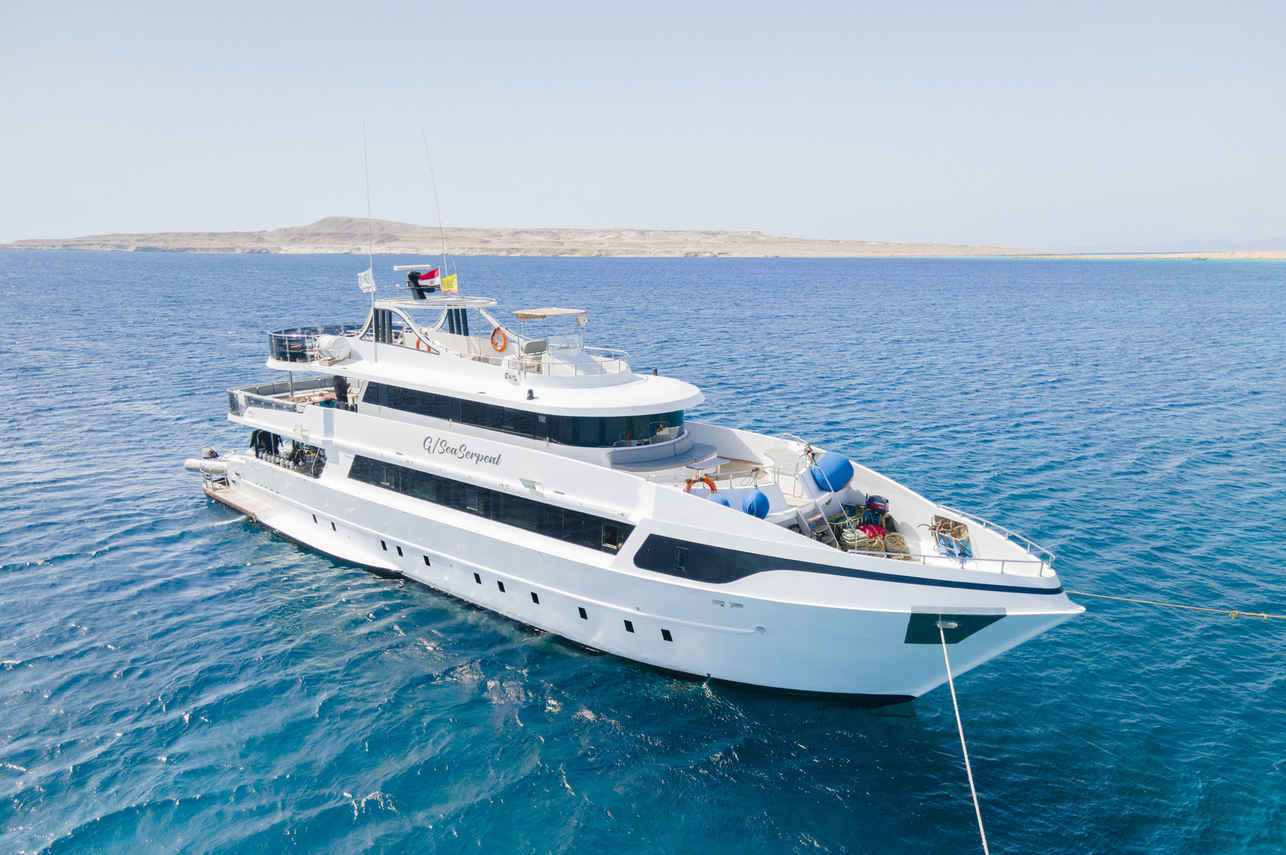
SS Serena Dreams
Egypt
18 guests33 m
$159/day
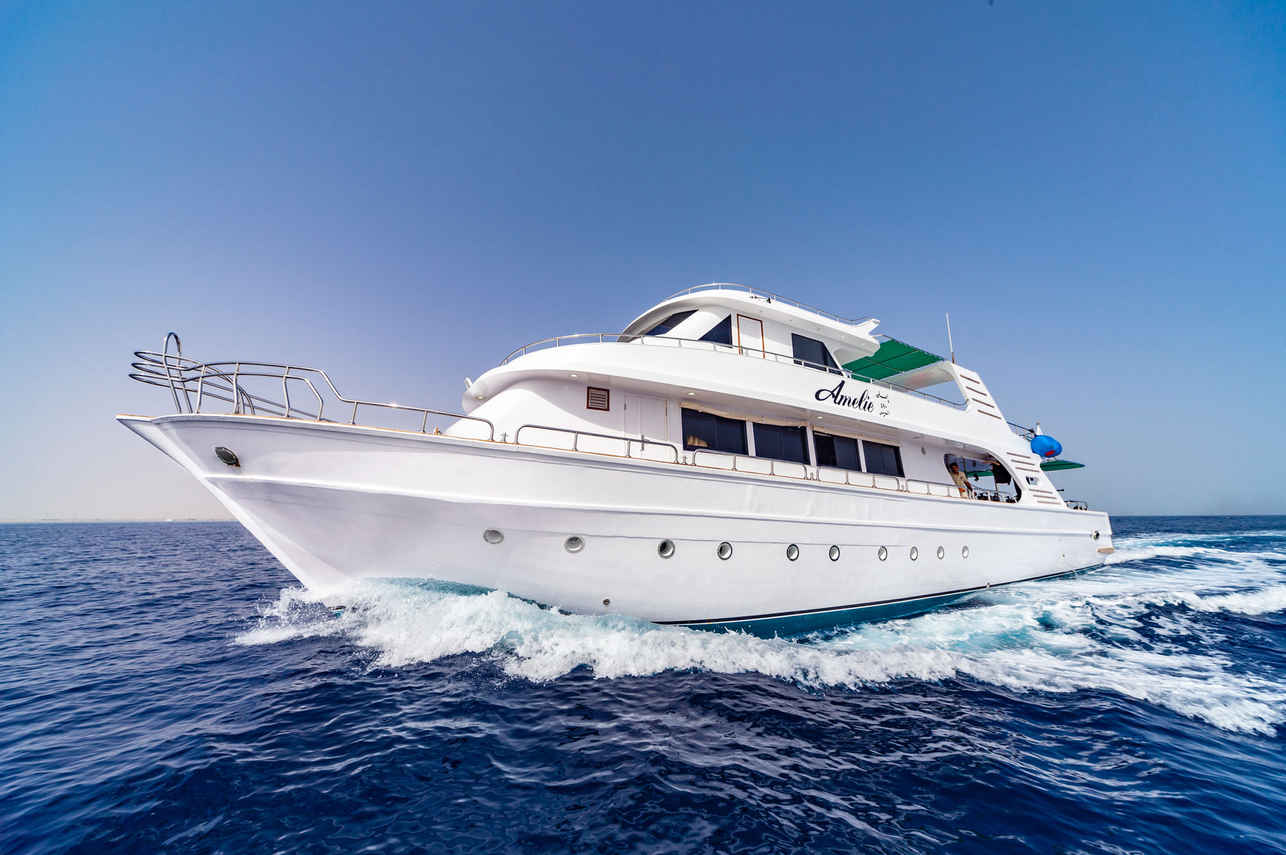
Amelie
Egypt
12 guests23 m
$115/day
Dive sites similar to Abu Dabbab
Same character, same waters — six more sites divers love for the exact same reasons.Compare seasons, access and liveaboard routes — then pick the site that fits your trip best.
© Esri — Maxar, Earthstar, GIS
Carless Reef
Egypt
Carless Reef is a renowned advanced dive site near Hurghada, notable for its two prominent coral pinnacles that rise from a sandy bottom at 30 meters.
- Suitable for
- Advanced
- Current
- Strong
- Access
- Dayboat
- Depth
- 15–40 m
- Theme
- Reef / Drift
© Esri — Maxar, Earthstar, GIS
Gordon Reef
Egypt
Gordon Reef is the southernmost of the four prominent coral formations situated in the narrow Straits of Tiran, which separate the Gulf of Aqaba from the main Red Sea.
- Suitable for
- Intermediate
- Current
- Moderate
- Access
- Liveaboard only
- Depth
- 2–300 m
- Theme
- Reef
© Esri — Maxar, Earthstar, GIS
Far Garden
Egypt
Far Garden is a prominent dive site located in Sharm El Sheikh, serving as the northern headland of the adjacent Middle Garden site.
- Suitable for
- Beginner
- Current
- Moderate
- Access
- Shore / dayboat
- Depth
- 1–45 m
- Theme
- Reef / Drift
© Esri — Maxar, Earthstar, GIS
Tobia Arbaa
Egypt
Tobia Arbaa, also widely recognized as the "Seven Pillars," is a highly regarded dive site situated in Egypt, easily accessible via a short speedboat ride from Safaga or Soma Bay.
- Suitable for
- Beginner
- Current
- Mild
- Access
- Liveaboard or dayboat
- Depth
- 10–16 m
- Theme
- Reef
© Esri — Maxar, Earthstar, GIS
Alexandria
Egypt
Alexandria offers a truly unique diving experience in Egypt, differing significantly from the vibrant coral reefs of the Red Sea.
- Suitable for
- Beginner
- Current
- Moderate
- Access
- Liveaboard or dayboat
- Depth
- 5–8 m
- Theme
- Reef
© Esri — Maxar, Earthstar, GIS
El Fanadir North
Egypt
El Fanadir North is a prominent reef system in the Red Sea, situated roughly 4 kilometers offshore from Hurghada.
- Suitable for
- Advanced
- Current
- Moderate
- Access
- Liveaboard or dayboat
- Depth
- 12–70 m
- Theme
- Drift / Reef